
Qu'est-ce que la fabrication contractuelle OEM de papier à rouler en Chine ? Il s'agit d'un accord commercial écrit définissant le périmètre, les spécifications, la PI, les échantillons, le contrôle qualité, le MOQ, les Incoterms et les litiges—l'usine chinoise transforme le papier, la gomme et l'emballage de votre marque selon des conditions signées, pas un bon de commande occasionnel. Cet article ne constitue pas un conseil juridique.
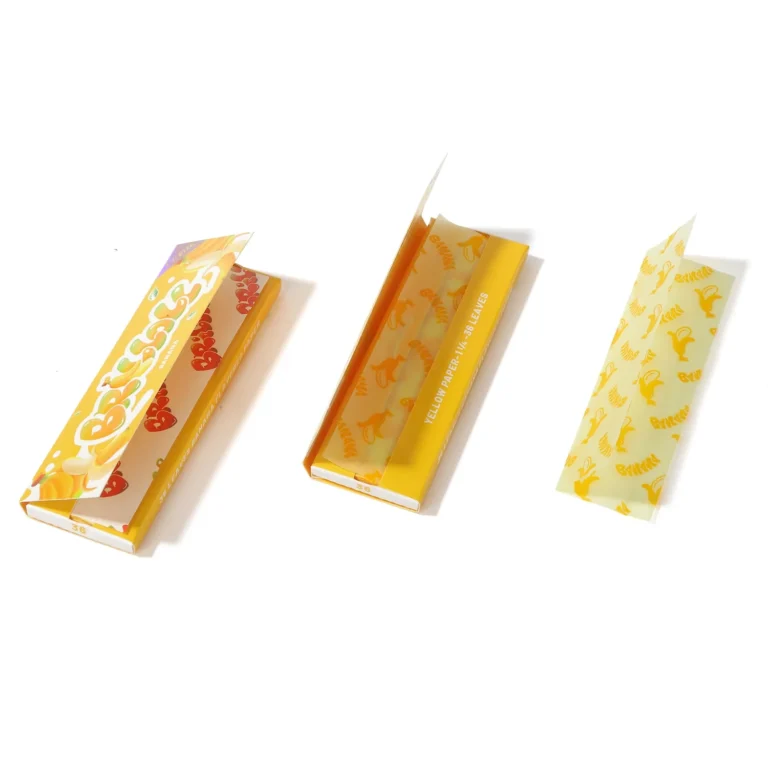
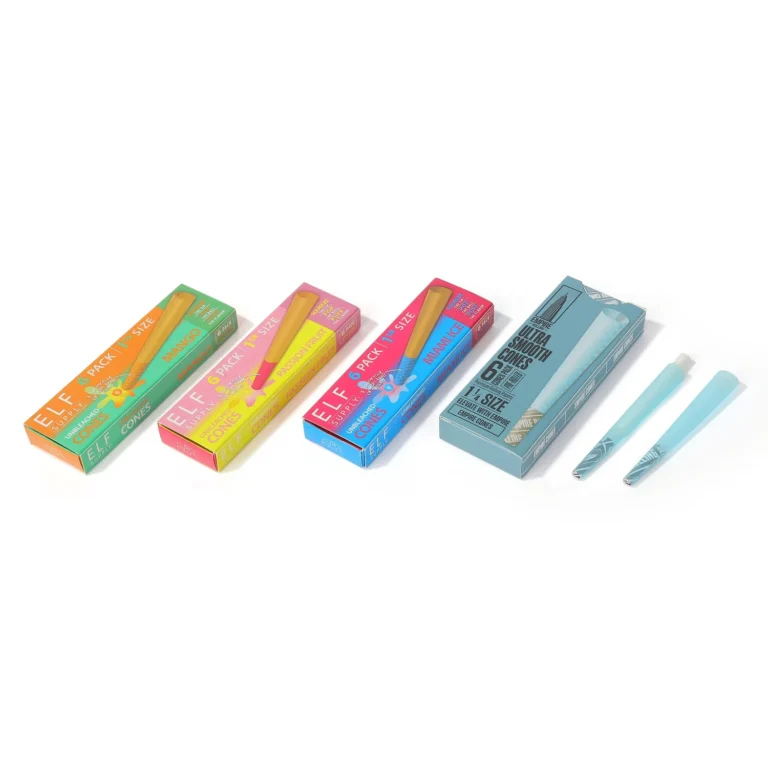
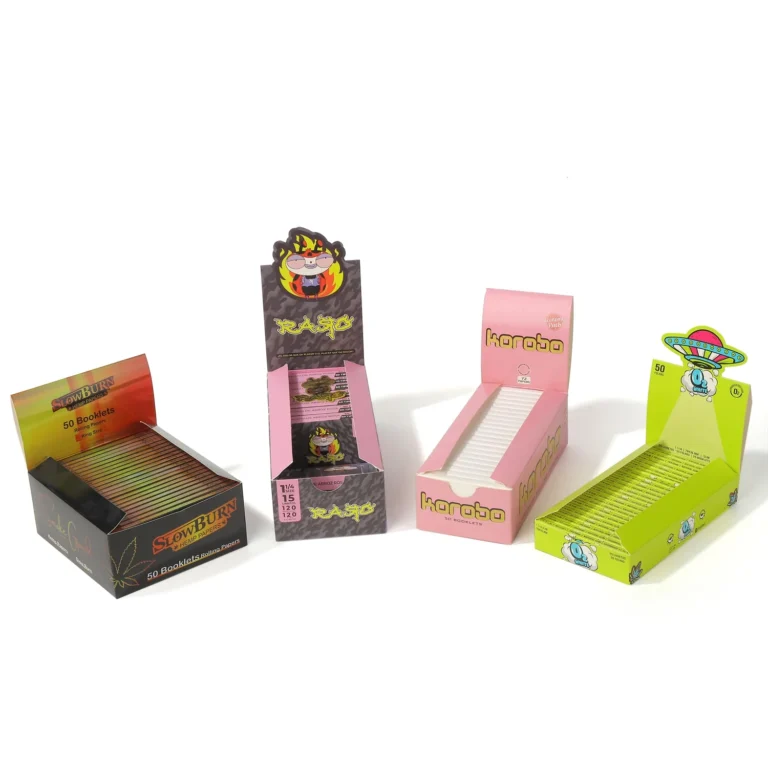
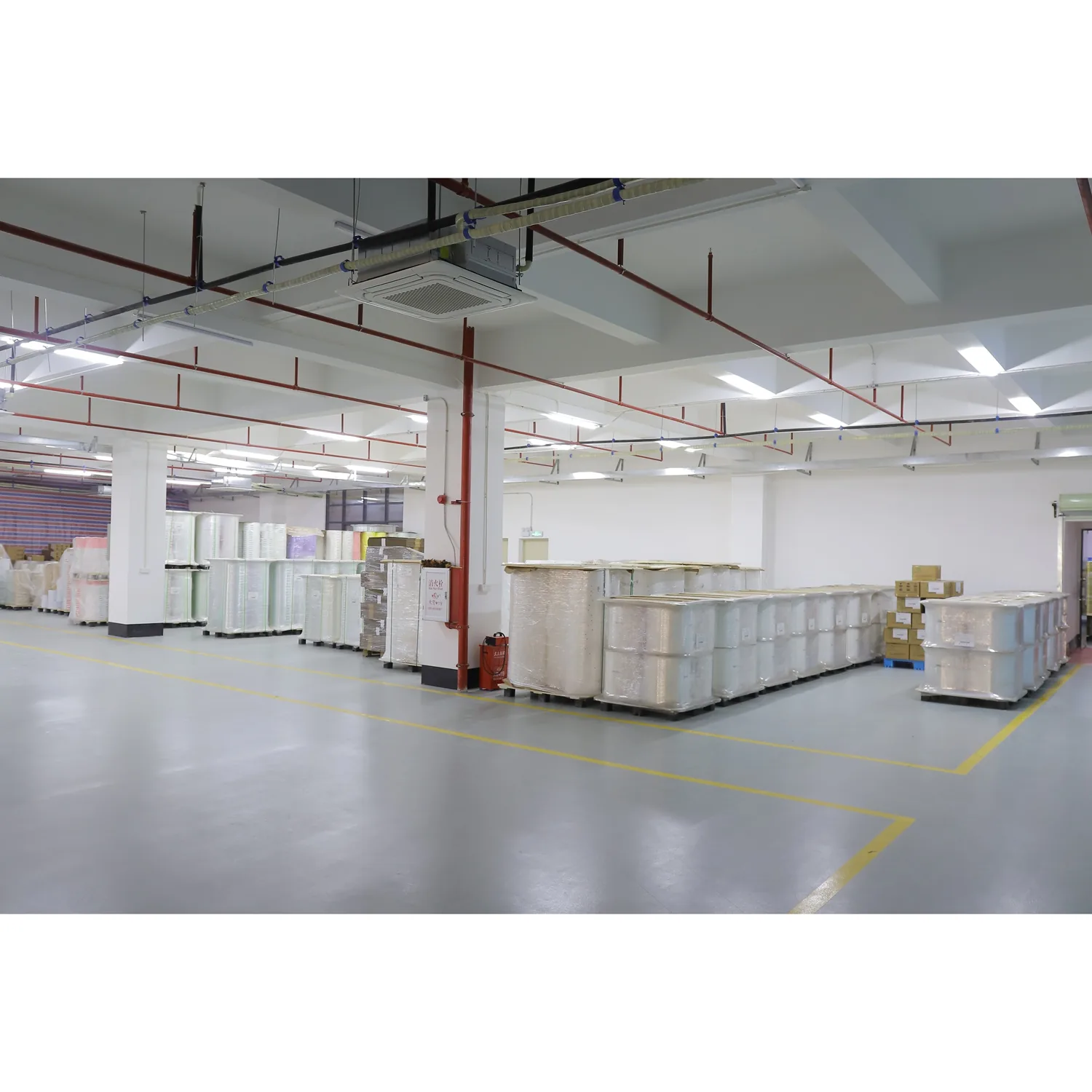
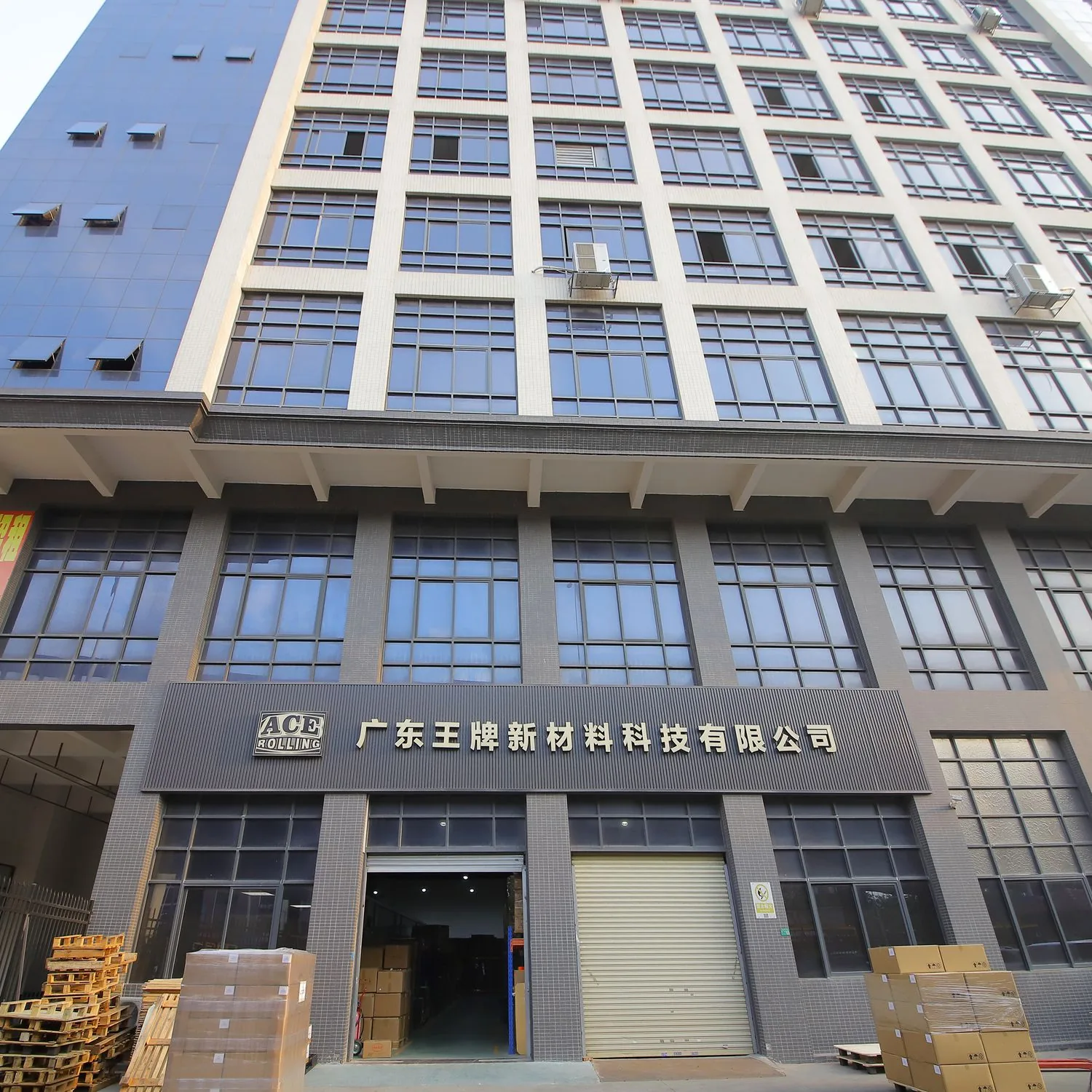
Les annonces “ papier à rouler personnalisé ” de Made-in-China montrent de nombreux vendeurs faisant de la publicité pour l'OEM sans publier la structure contractuelle. Guangdong Visite Virtuelle en 3D de l'Usine à Dongguan est un véritable convertisseur OEM/ODM pour les livrets et les cônes—livrets de gros sur USD $0.07–$0.30, cônes environ USD $0.04–$0.06, MOQ généralement discuté à partir d'environ 2,000 selon la référence. Confirmer sur le devis.
Que couvre réellement un contrat de fabrication OEM ?
Introduction : Les acheteurs réduisent souvent l'OEM à un prix et un MOQ ; un vrai contrat est un ensemble de clauses liées.
Résumé : Un contrat de fabrication OEM pour les papiers à rouler doit préciser le périmètre, la fiche technique, les œuvres d'art, l'échantillonnage, l'outillage, le contrôle qualité, le MOQ, les fourchettes de prix, le délai d'exécution, les Incoterms, les conditions de paiement, les rétentions, la confidentialité, la garantie et le forum de règlement des litiges. Ace Rolling utilise ce modèle de conversion à Dongguan ; les catégories ci-dessous décrivent ce qui doit figurer dans le document rédigé par votre conseil.
| Catégorie de clause | Ce qu'il définit | Propriétaire typique |
|---|---|---|
| Champ d'application | Quelles références, tailles, fibres | Les deux, conjointement |
| Fiche technique | Papier, gomme, impression, emballage | Brief de l'acheteur, fabrication en usine |
| Échantillonnage | Pré-production + règles de conservation | Exécution en usine |
| Aspects commerciaux | MOQ, fourchettes de prix, paiement | Les deux, datés |
| Livraison | Incoterms, délai d'exécution SLA | Les deux |
| Gouvernance | PI, confidentialité, litiges | Rédigé par l'acheteur, accepté par l'usine |
Point clé : Un contrat OEM est un ensemble de clauses liées, pas un simple chiffre dans une fenêtre de chat.
Aperçu OEM/ODM : https://ace-rolling.com/oem-odm-rolling-paper-manufacturer/.
Qui possède les œuvres d'art, les découpes et l'outillage dans un contrat OEM chinois ?
Introduction : Le langage de propriété intellectuelle est l'endroit où la plupart des acheteurs débutants souscrivent à un risque évitable.
Résumé : Les œuvres d'art finales, les gabarits et les outils spécifiques à la marque créés pour votre référence doivent être considérés comme propriété de l'acheteur ; l'équipement de conversion générique reste propriété de l'usine. Ace Rolling traite les œuvres d'art de l'acheteur comme sa propriété intellectuelle, mais un contrat sérieux précise toujours la portée de la licence, le retour, la destruction et la gestion des matériaux résiduels. Ceci est une orientation de catégorie, pas une rédaction juridique.

| Actif de propriété intellectuelle | Modèle de propriété courant | Notes |
|---|---|---|
| Logo de marque, nom | Acheteur | PI préexistante |
| Œuvre d'art prête à imprimer | Acheteur | Créé pour la référence |
| Feuillet / gabarit de cône | Acheteur, par référence | Mise en page de coupe personnalisée |
| Outillage spécifique à la marque | Acheteur, détenu par l'usine | Custom cutters, plates |
| Generic converting lines | Usine | Not SKU-tied |
| Base paper recipes | Supplier / mill | Not buyer-owned |
Point clé : Write down which IP is buyer-owned and which stays with the factory before any tooling is cut.
Custom booklet capabilities: https://ace-rolling.com/custom-rolling-papers/.
What Quality, Sample, and Retain Clauses Should the Contract Include?
Lead-in: Your brand name is on the defect; QC clauses decide who pays for it.
Summary: The contract should name pre-production sample approval, mass-production retain samples, AQL sampling level, defect definitions, batch numbering, and remedies for out-of-spec lots. Ace Rolling references an ISO 9001:2015 framework and runs cleanroom checks, but the contract still owes explicit AQL, retain windows, and rework or credit terms in writing.

| QC clause | What to write | Pourquoi c'est important |
|---|---|---|
| Pre-production sample | Signed physical approval | Locks the target |
| Retain sample | Factory-held for N months | Reference for disputes |
| AQL level | Named per defect class | Objective pass/fail |
| Batch numbering | On cartons + docs | Traceability |
| Remedy | Rework, credit, or replace | Real teeth |
| Cert scope | Which SKUs, which cert | No blanket claims |
Point clé : Quality clauses without AQL, retains, and named remedies are marketing, not procurement.
Certifications framework: https://ace-rolling.com/quality-certifications/.
How Should MOQ, Pricing Bands, and Reorder Terms Be Written?
Lead-in: MOQ language separates real OEM programs from ad-hoc trades.
Summary: Write per-SKU MOQ, reorder MOQ, price bands tied to a named Incoterm, validity window, and how surcharges land when specs change. Ace Rolling commonly discusses OEM programs from about 2,000 units depending on spec, with booklets around USD $0.07–$0.30 and cones around USD $0.04–$0.06 at MOQ. Never invent price tiers a factory did not quote.
| Commercial clause | Contract language pattern |
|---|---|
| First-order MOQ | Per-SKU minimum in units |
| Reorder MOQ | Often lower than first order |
| Price band | Tied to Incoterm + validity |
| Ordres de modification | Surcharge basis on spec changes |
| Payment | Deposit % + balance trigger |
| Currency | USD, bank named, fee split |
Point clé : MOQ and price only make sense inside a dated Incoterm and validity window—write both.
Cone program reference: https://ace-rolling.com/pre-rolled-cones/.
What Incoterms, Lead Time, and Delivery SLAs Fit Rolling Paper OEM?
Lead-in: Delivery clauses fail when Incoterms and factory lead time are treated as one line.
Summary: Common Incoterms for rolling paper OEM are FOB, CIF, et DAP; each shifts risk and cost at a different point. Pair the chosen term with a written lead-time SLA covering sample days, mass-production weeks, and shipping window. Ace Rolling usually plans about deux mois concept-to-delivery with mass about quatre à cinq semaines après approbations.
| Delivery element | Contract clause pattern |
|---|---|
| Incoterm | FOB / CIF / DAP, named port |
| Sample lead time | Business days after brief lock |
| Mass lead time | Weeks after approvals frozen |
| Shipping window | Range, not a single date |
| Docs pack | Invoice, packing list, agreed certs |
| Late delivery | Notice, remedy, cure period |
Point clé : Incoterm plus SLA plus doc pack is the delivery clause—one alone is not enough.
Industrial jumbo roll option: https://ace-rolling.com/industrial-jumbo-rolls/.
What Confidentiality, Compliance, and Dispute Clauses Matter Most?
Lead-in: Governance clauses are boring until you need them; then they decide the outcome.
Summary: Confidentiality should cover artwork, formulations, and buyer customer lists, with a defined duration after contract end. Compliance clauses name which party owns destination rules—Ace ships from China; buyer typically owns import compliance in the destination market. Dispute clauses should name governing law, arbitration seat, language, and cost allocation. This article is not legal advice.
| Governance clause | What it typically names |
|---|---|
| Confidentiality | Assets, term, exceptions |
| Data / files | Storage, return, destruction |
| Conformité | Origin vs destination duties |
| Warranty | Defect definition + remedy |
| Force majeure | Triggers, notice, mitigation |
| Dispute forum | Law, arbitration seat, language |
Point clé : Governance clauses are cheap to add early and expensive to negotiate mid-crisis—hire counsel.
Factory background: https://ace-rolling.com/about-factory/.
How Do You Structure an OEM Contract With Ace Rolling?
Lead-in: Contracts are drafted by counsel; procurement can still line up the working document.
Summary: For an Ace Rolling OEM program, gather the SKU brief, sample results, and target Incoterm, then hand a category checklist to your lawyer. Ace confirms feasibility, MOQ, price bands, and lead-time SLAs on quote; your counsel writes the enforceable version. The commercial conversation and the legal document run in parallel, not one after the other.
| Working step | Action de l'acheteur | Ace side |
|---|---|---|
| 1 | Send SKU brief + destination | Feasibility check |
| 2 | Approve physical samples | Retain sample logged |
| 3 | Lock spec sheet | Dated quotation |
| 4 | Counsel drafts contract | Review + red-line |
| 5 | Sign + deposit | Production window opens |
| 6 | Approve pre-production sample | Mass run + docs |
Point clé : Run the commercial and the legal tracks in parallel; do not sign a PO that pretends to be a contract.
Start the conversation: https://ace-rolling.com/contact/.
FAQ
What does rolling paper OEM contract manufacturing in China cover?
An OEM contract manufacturing deal for rolling papers covers scope, specs, artwork, samples, tooling, QC, MOQ, price bands, lead time, Incoterms, retains, confidentiality, and dispute forum. It formalizes what the China factory converts and what your brand owns. Ace Rolling runs this model but you should hire counsel to draft the actual clauses.
Who owns artwork and tooling in a China OEM rolling paper contract?
You should own the final artwork, dielines, and any brand-specific tooling created for your SKU—write that ownership into the contract. Generic converting equipment stays with the factory. Ace treats buyer brand IP as buyer property; put licensing, return, and destruction language for retired artwork into the signed OEM agreement.
What quality and sample clauses should a rolling paper OEM contract include?
Ask for approved pre-production samples, retained mass-production samples kept by the factory for a defined period, batch numbers on cartons, and AQL sampling terms. Ace references an ISO 9001:2015 framework but you must still name the AQL level, retain window, and remedy for out-of-spec lots in writing.
How should MOQ and price bands be written into the OEM contract?
MOQ language should specify per-SKU minimums, not blended totals, plus reorder MOQ and price validity windows. Ace commonly discusses programs from about 2,000 units depending on spec, booklets around USD $0.07–$0.30, and cones around $0.04–$0.06. Keep price bands tied to a named Incoterm and validity date in the contract.
What Incoterms and lead-time SLAs fit rolling paper OEM manufacturing?
Common Incoterms are FOB, CIF, and DAP; each shifts freight risk and cost at a different point. Ace typically quotes on request. Pair the Incoterm with a written lead-time SLA: sample days, mass-production weeks, and shipping window. Ace usually plans about two months concept-to-delivery with mass around four to five weeks.
What confidentiality and dispute clauses matter in a China OEM contract?
Confidentiality clauses should cover artwork, formulations, and buyer customer lists, with a defined duration after contract end. Compliance clauses name responsible party for destination rules. Dispute clauses should pick governing law, arbitration seat, and language. This article is not legal advice—engage qualified counsel to draft, review, and localize your final OEM agreement.
Before you request a quote, use this checklist: how to choose a rolling paper manufacturer for factory capability, certifications, MOQ, and customization.