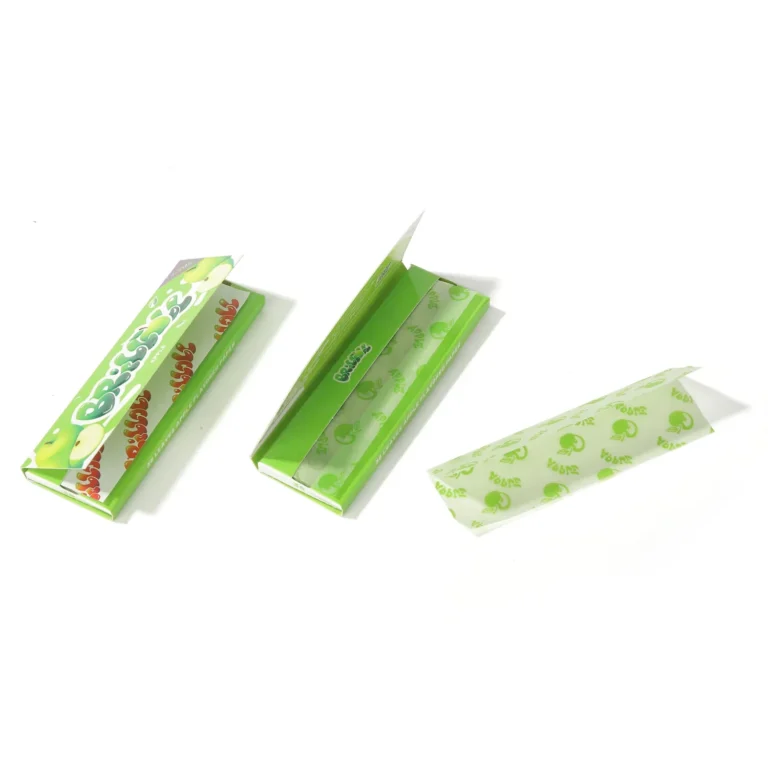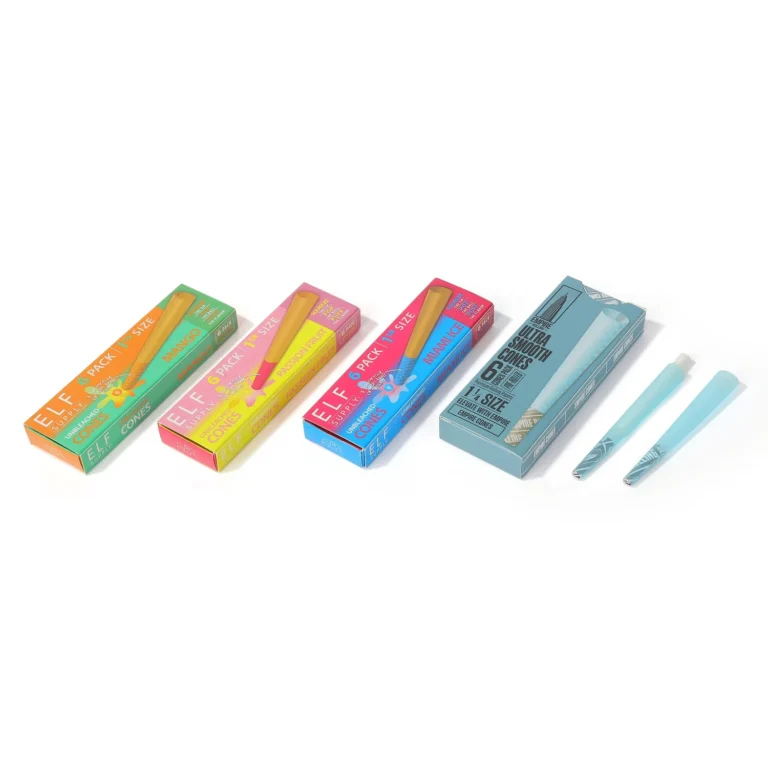

What is rolling paper OEM contract manufacturing China? It is a written commercial deal defining scope, specs, IP, samples, QC, MOQ, Incoterms, and disputes—the China factory converts your brand’s paper, gum, and packaging under signed terms, not a casual purchase order. This article is not legal advice.
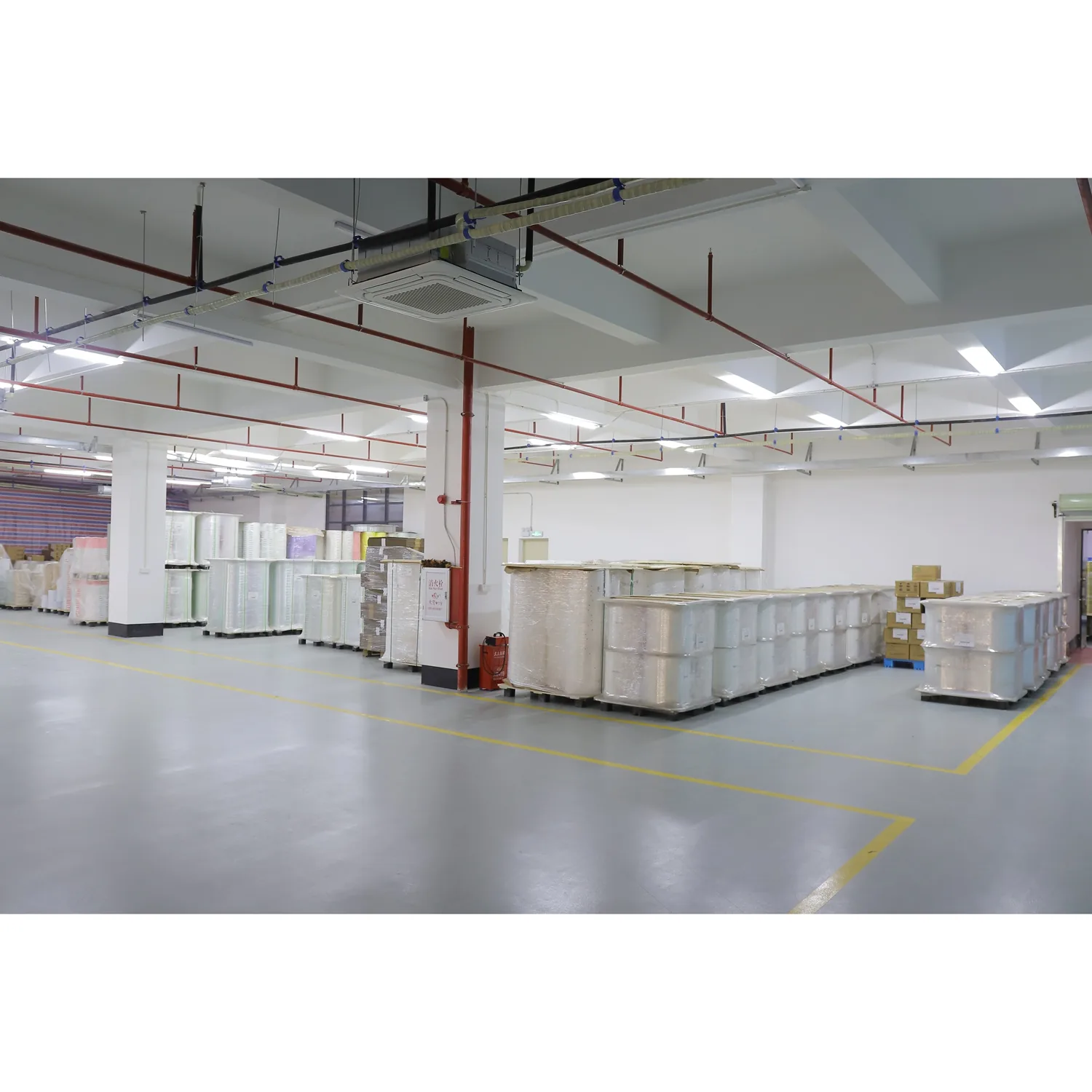
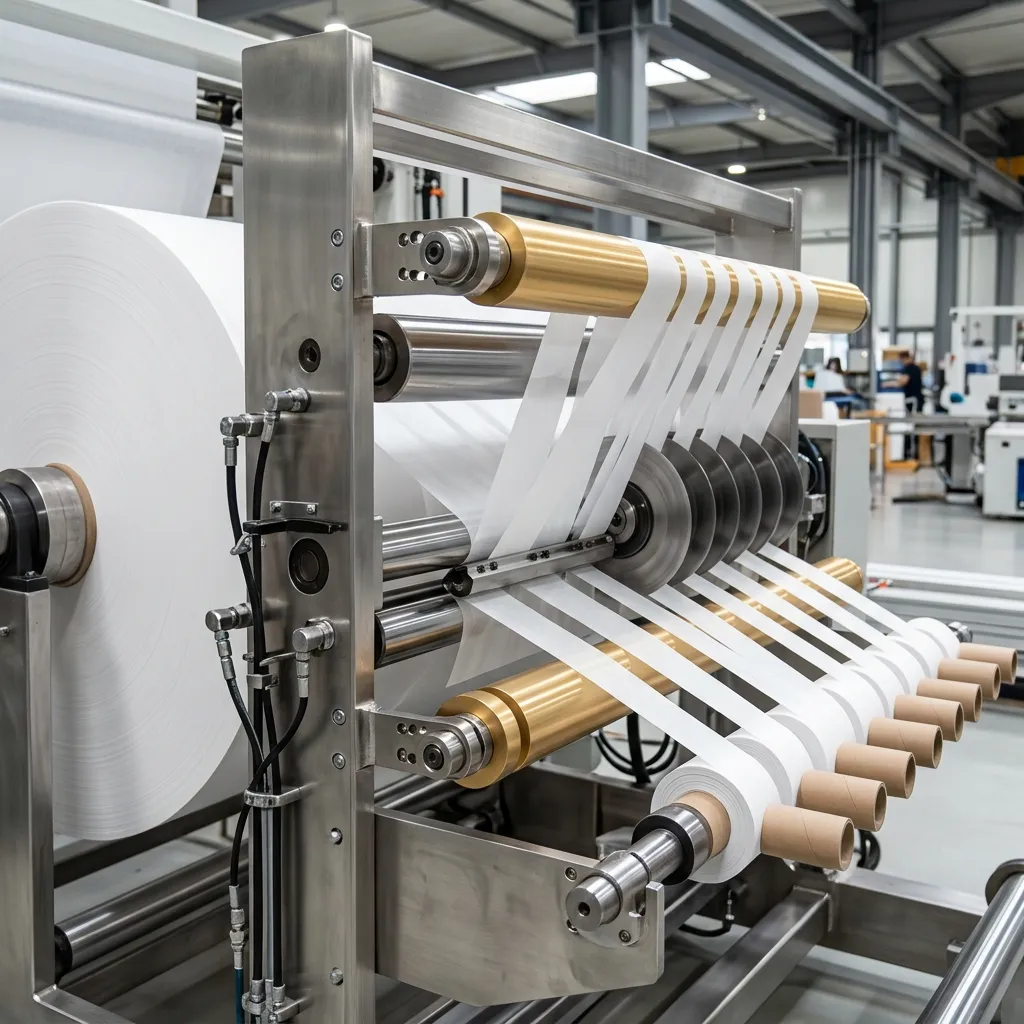
Made-in-China’s “customized rolling paper” listings show many sellers advertising OEM without publishing contract structure. Guangdong Ace Rolling in Dongguan is a real OEM/ODM converter for booklets and cones—wholesale booklets about USD $0.07–$0.30, cones about USD $0.04–$0.06, MOQ commonly discussed from about 2,000 depending on SKU. Confirm on quote.
What Does an OEM Contract Manufacturing Deal Actually Cover?
Lead-in: Buyers often reduce OEM to a price and a MOQ; a real contract is a stack of linked clauses.
Summary: An OEM contract manufacturing deal for rolling papers should name scope, spec sheet, artwork, sampling, tooling, QC, MOQ, price bands, lead time, Incoterms, payment terms, retains, confidentiality, warranty, and dispute forum. Ace Rolling runs this converting model in Dongguan; the categories below describe what belongs in the document your counsel drafts.

| Clause category | What it defines | Who typically owns |
|---|---|---|
| Scope of work | Which SKUs, sizes, fibers | Both, jointly |
| Spec sheet | Paper, gum, print, pack | Buyer brief, factory build |
| Sampling | Pre-production + retain rules | Factory execution |
| Commercials | MOQ, price bands, payment | Both, dated |
| Delivery | Incoterms, lead time SLA | Both |
| Governance | IP, confidentiality, disputes | Buyer-drafted, factory-agreed |
Key Takeaway: An OEM contract is a stack of linked clauses, not a single number in a chat window.
OEM/ODM overview: https://ace-rolling.com/oem-odm-rolling-paper-manufacturer/.
Who Owns Artwork, Dielines, and Tooling in a China OEM Contract?
Lead-in: IP language is where most first-time buyers underwrite avoidable risk.
Summary: Final artwork, dielines, and brand-specific tooling created for your SKU should be written as buyer property; generic converting equipment remains factory property. Ace Rolling treats buyer artwork as buyer IP, but a serious contract still names license scope, return, destruction, and residual-material handling. This is category guidance, not legal drafting.

| IP asset | Common ownership pattern | Notes |
|---|---|---|
| Brand logo, name | Buyer | Pre-existing IP |
| Print-ready artwork | Buyer | Created for the SKU |
| Booklet / cone dieline | Buyer, per SKU | Custom cutting layout |
| Brand-specific tooling | Buyer, factory-held | Custom cutters, plates |
| Generic converting lines | Factory | Not SKU-tied |
| Base paper recipes | Supplier / mill | Not buyer-owned |
Key Takeaway: Write down which IP is buyer-owned and which stays with the factory before any tooling is cut.
Custom booklet capabilities: https://ace-rolling.com/custom-rolling-papers/.
What Quality, Sample, and Retain Clauses Should the Contract Include?
Lead-in: Your brand name is on the defect; QC clauses decide who pays for it.
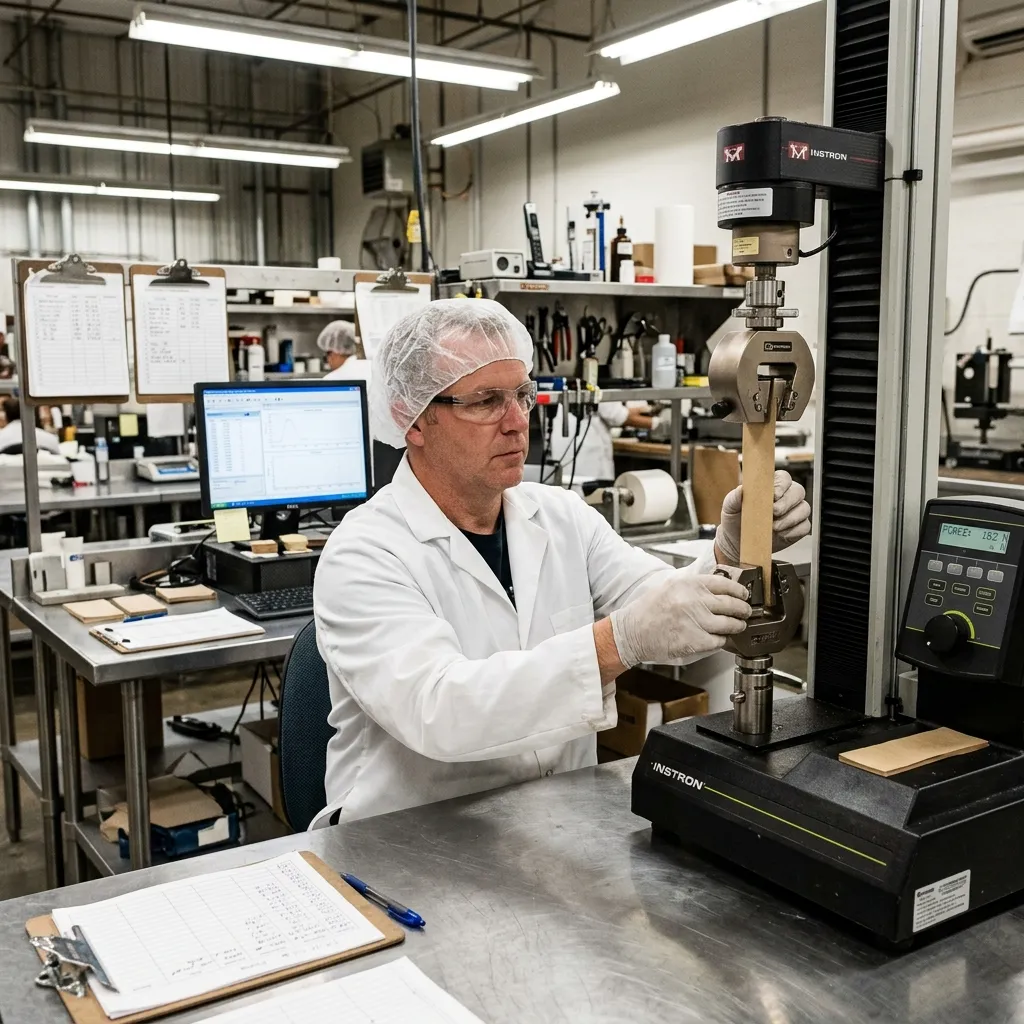
Summary: The contract should name pre-production sample approval, mass-production retain samples, AQL sampling level, defect definitions, batch numbering, and remedies for out-of-spec lots. Ace Rolling references an ISO 9001:2015 framework and runs cleanroom checks, but the contract still owes explicit AQL, retain windows, and rework or credit terms in writing.

| QC clause | What to write | Why it matters |
|---|---|---|
| Pre-production sample | Signed physical approval | Locks the target |
| Retain sample | Factory-held for N months | Reference for disputes |
| AQL level | Named per defect class | Objective pass/fail |
| Batch numbering | On cartons + docs | Traceability |
| Remedy | Rework, credit, or replace | Real teeth |
| Cert scope | Which SKUs, which cert | No blanket claims |
Key Takeaway: Quality clauses without AQL, retains, and named remedies are marketing, not procurement.
Certifications framework: https://ace-rolling.com/quality-certifications/.
How Should MOQ, Pricing Bands, and Reorder Terms Be Written?
Lead-in: MOQ language separates real OEM programs from ad-hoc trades.
Summary: Write per-SKU MOQ, reorder MOQ, price bands tied to a named Incoterm, validity window, and how surcharges land when specs change. Ace Rolling commonly discusses OEM programs from about 2,000 units depending on spec, with booklets around USD $0.07–$0.30 and cones around USD $0.04–$0.06 at MOQ. Never invent price tiers a factory did not quote.
| Commercial clause | Contract language pattern |
|---|---|
| First-order MOQ | Per-SKU minimum in units |
| Reorder MOQ | Often lower than first order |
| Price band | Tied to Incoterm + validity |
| Change orders | Surcharge basis on spec changes |
| Payment | Deposit % + balance trigger |
| Currency | USD, bank named, fee split |
Key Takeaway: MOQ and price only make sense inside a dated Incoterm and validity window—write both.
Cone program reference: https://ace-rolling.com/pre-rolled-cones/.
What Incoterms, Lead Time, and Delivery SLAs Fit Rolling Paper OEM?
Lead-in: Delivery clauses fail when Incoterms and factory lead time are treated as one line.
Summary: Common Incoterms for rolling paper OEM are FOB, CIF, and DAP; each shifts risk and cost at a different point. Pair the chosen term with a written lead-time SLA covering sample days, mass-production weeks, and shipping window. Ace Rolling usually plans about two months concept-to-delivery with mass about four to five weeks after approvals.
| Delivery element | Contract clause pattern |
|---|---|
| Incoterm | FOB / CIF / DAP, named port |
| Sample lead time | Business days after brief lock |
| Mass lead time | Weeks after approvals frozen |
| Shipping window | Range, not a single date |
| Docs pack | Invoice, packing list, agreed certs |
| Late delivery | Notice, remedy, cure period |
Key Takeaway: Incoterm plus SLA plus doc pack is the delivery clause—one alone is not enough.
Industrial jumbo roll option: https://ace-rolling.com/industrial-jumbo-rolls/.
What Confidentiality, Compliance, and Dispute Clauses Matter Most?
Lead-in: Governance clauses are boring until you need them; then they decide the outcome.
Summary: Confidentiality should cover artwork, formulations, and buyer customer lists, with a defined duration after contract end. Compliance clauses name which party owns destination rules—Ace ships from China; buyer typically owns import compliance in the destination market. Dispute clauses should name governing law, arbitration seat, language, and cost allocation. This article is not legal advice.
| Governance clause | What it typically names |
|---|---|
| Confidentiality | Assets, term, exceptions |
| Data / files | Storage, return, destruction |
| Compliance | Origin vs destination duties |
| Warranty | Defect definition + remedy |
| Force majeure | Triggers, notice, mitigation |
| Dispute forum | Law, arbitration seat, language |
Key Takeaway: Governance clauses are cheap to add early and expensive to negotiate mid-crisis—hire counsel.
Factory background: https://ace-rolling.com/about-factory/.
How Do You Structure an OEM Contract With Ace Rolling?
Lead-in: Contracts are drafted by counsel; procurement can still line up the working document.
Summary: For an Ace Rolling OEM program, gather the SKU brief, sample results, and target Incoterm, then hand a category checklist to your lawyer. Ace confirms feasibility, MOQ, price bands, and lead-time SLAs on quote; your counsel writes the enforceable version. The commercial conversation and the legal document run in parallel, not one after the other.
| Working step | Buyer action | Ace side |
|---|---|---|
| 1 | Send SKU brief + destination | Feasibility check |
| 2 | Approve physical samples | Retain sample logged |
| 3 | Lock spec sheet | Dated quotation |
| 4 | Counsel drafts contract | Review + red-line |
| 5 | Sign + deposit | Production window opens |
| 6 | Approve pre-production sample | Mass run + docs |
Key Takeaway: Run the commercial and the legal tracks in parallel; do not sign a PO that pretends to be a contract.
Start the conversation: https://ace-rolling.com/contact/.
FAQ
What does rolling paper OEM contract manufacturing in China cover?
An OEM contract manufacturing deal for rolling papers covers scope, specs, artwork, samples, tooling, QC, MOQ, price bands, lead time, Incoterms, retains, confidentiality, and dispute forum. It formalizes what the China factory converts and what your brand owns. Ace Rolling runs this model but you should hire counsel to draft the actual clauses.
Who owns artwork and tooling in a China OEM rolling paper contract?
You should own the final artwork, dielines, and any brand-specific tooling created for your SKU—write that ownership into the contract. Generic converting equipment stays with the factory. Ace treats buyer brand IP as buyer property; put licensing, return, and destruction language for retired artwork into the signed OEM agreement.
What quality and sample clauses should a rolling paper OEM contract include?
Ask for approved pre-production samples, retained mass-production samples kept by the factory for a defined period, batch numbers on cartons, and AQL sampling terms. Ace references an ISO 9001:2015 framework but you must still name the AQL level, retain window, and remedy for out-of-spec lots in writing.
How should MOQ and price bands be written into the OEM contract?
MOQ language should specify per-SKU minimums, not blended totals, plus reorder MOQ and price validity windows. Ace commonly discusses programs from about 2,000 units depending on spec, booklets around USD $0.07–$0.30, and cones around $0.04–$0.06. Keep price bands tied to a named Incoterm and validity date in the contract.
What Incoterms and lead-time SLAs fit rolling paper OEM manufacturing?
Common Incoterms are FOB, CIF, and DAP; each shifts freight risk and cost at a different point. Ace typically quotes on request. Pair the Incoterm with a written lead-time SLA: sample days, mass-production weeks, and shipping window. Ace usually plans about two months concept-to-delivery with mass around four to five weeks.
What confidentiality and dispute clauses matter in a China OEM contract?
Confidentiality clauses should cover artwork, formulations, and buyer customer lists, with a defined duration after contract end. Compliance clauses name responsible party for destination rules. Dispute clauses should pick governing law, arbitration seat, and language. This article is not legal advice—engage qualified counsel to draft, review, and localize your final OEM agreement.
Before you request a quote, use this checklist: how to choose a rolling paper manufacturer for factory capability, certifications, MOQ, and customization.