
I’ve reviewed brand launch decks with beautiful packaging design and a completely blank, generic paper inside. That’s a missed touchpoint.
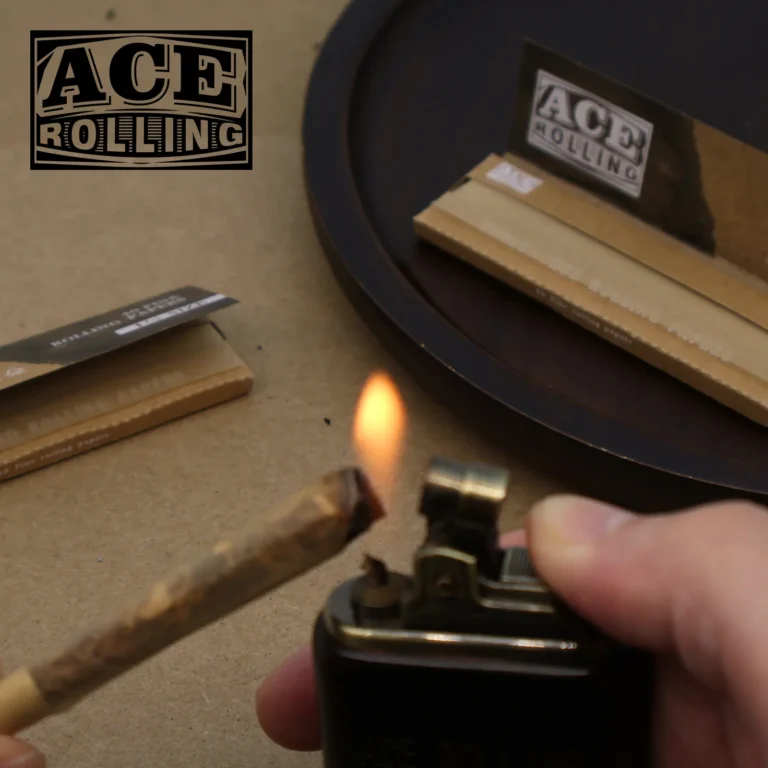
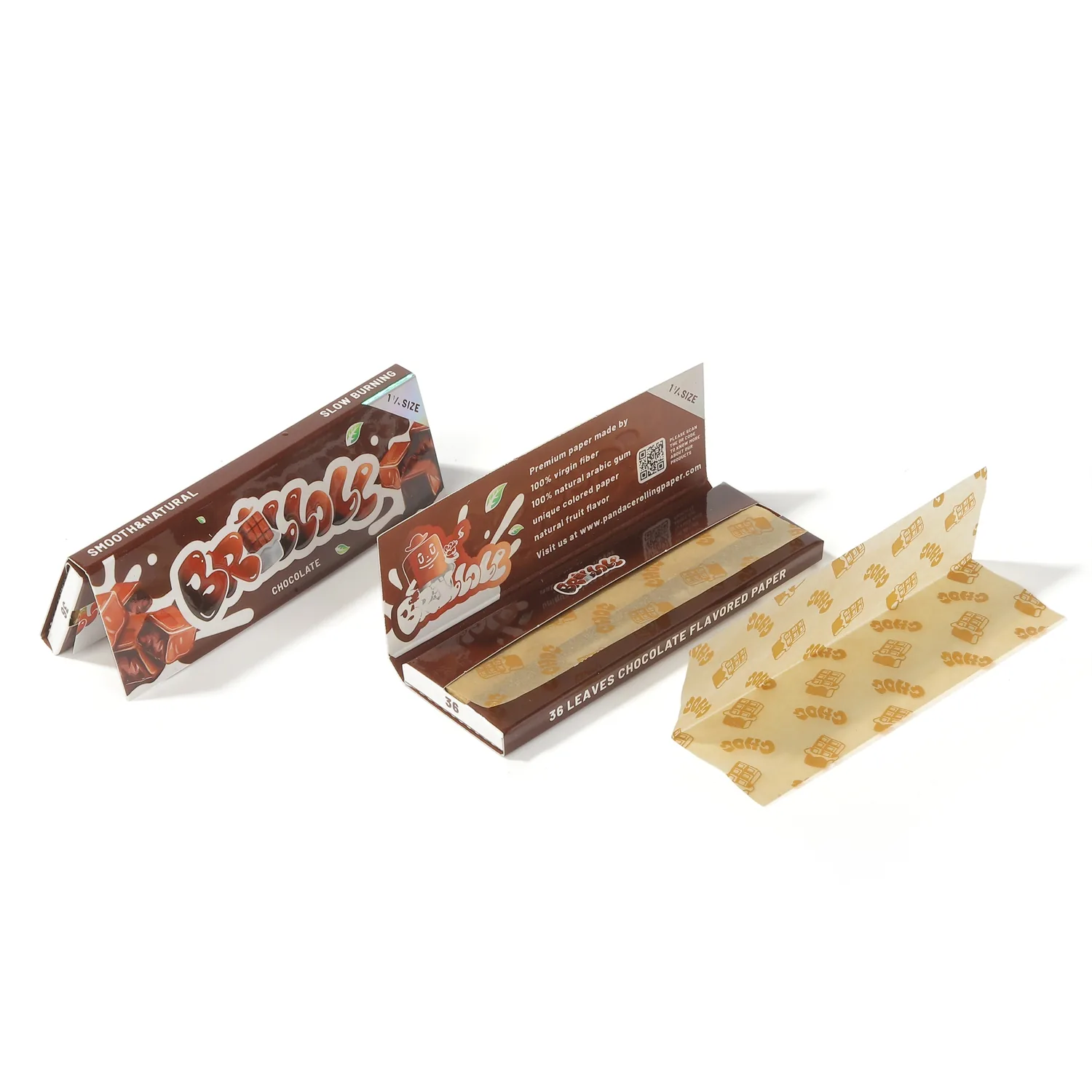
Printing your logo directly on the leaf, not just the packaging, extends your brand into the actual moment of use—the packaging gets thrown away, but the paper is what the consumer physically handles and often photographs.
Read this and you’ll know which specific brand-identity moments a printed paper actually reaches that packaging alone doesn’t.
For file specs and print setup mechanics, I’ve covered that separately at https://ace-rolling.com/how-to-print-a-logo-on-custom-rolling-papers/. This piece is about why the decision matters for brand identity, not how to prep the file.
What Touchpoint Does the Printed Paper Actually Give Your Brand?
I ask brands to think about the actual sequence of use, not just the shelf moment.
The paper is handled directly during rolling, often photographed for social content, and stays in view throughout the entire smoking session—a longer and more direct brand exposure window than the packaging, which is typically set aside after opening.
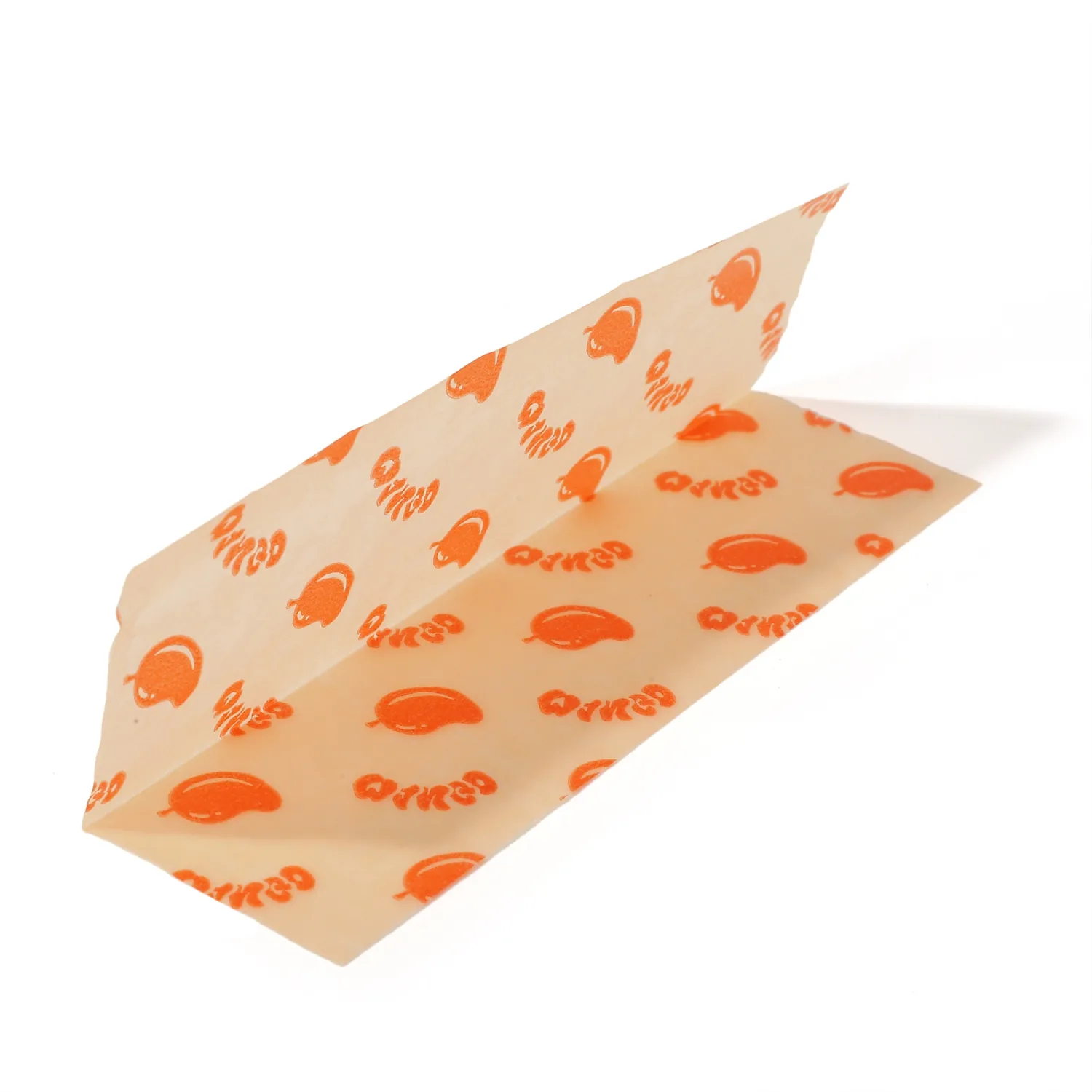
Packaging does the job of catching attention on a shelf or in an online listing. The paper does a different job: it’s present during the actual consumption experience, which is a meaningfully different brand touchpoint than a box the consumer glances at once. I’ve seen brands invest heavily in packaging design and treat the paper as an afterthought, missing this second, longer-duration touchpoint entirely.
Does Logo Placement on the Paper Change Brand Recall Versus Packaging Alone?
This is where I push brands to think past “can we fit our logo on it.”
A logo printed directly on the rolled or unrolled leaf creates a recall moment every time the product is used, not just at the point of purchase—repeated exposure during actual use tends to reinforce brand recognition more than a single packaging impression.

I don’t think this replaces strong packaging design—it adds to it. A consumer who sees your branding once on a shelf gets one impression; a consumer who sees your branding every time they roll a paper, potentially dozens of times across one product’s use, gets a very different repetition pattern. That’s the actual mechanism behind why printed papers contribute to brand identity beyond just looking nice.
| Touchpoint | Exposure pattern |
|---|---|
| Packaging | Single impression, mostly at purchase |
| Printed leaf | Repeated impression, every use |
| Combined system | Reinforces recall at two separate moments |
How Does Consistency Across Your SKU Line Reinforce Identity?
Brands sometimes treat each product line as its own separate design project. I push back on that.
Using consistent color, logo placement, and print style across your booklet, cone, and packaging SKUs creates a cohesive brand system that’s recognizable across your whole product line, rather than a collection of separately designed items that happen to share a company name.
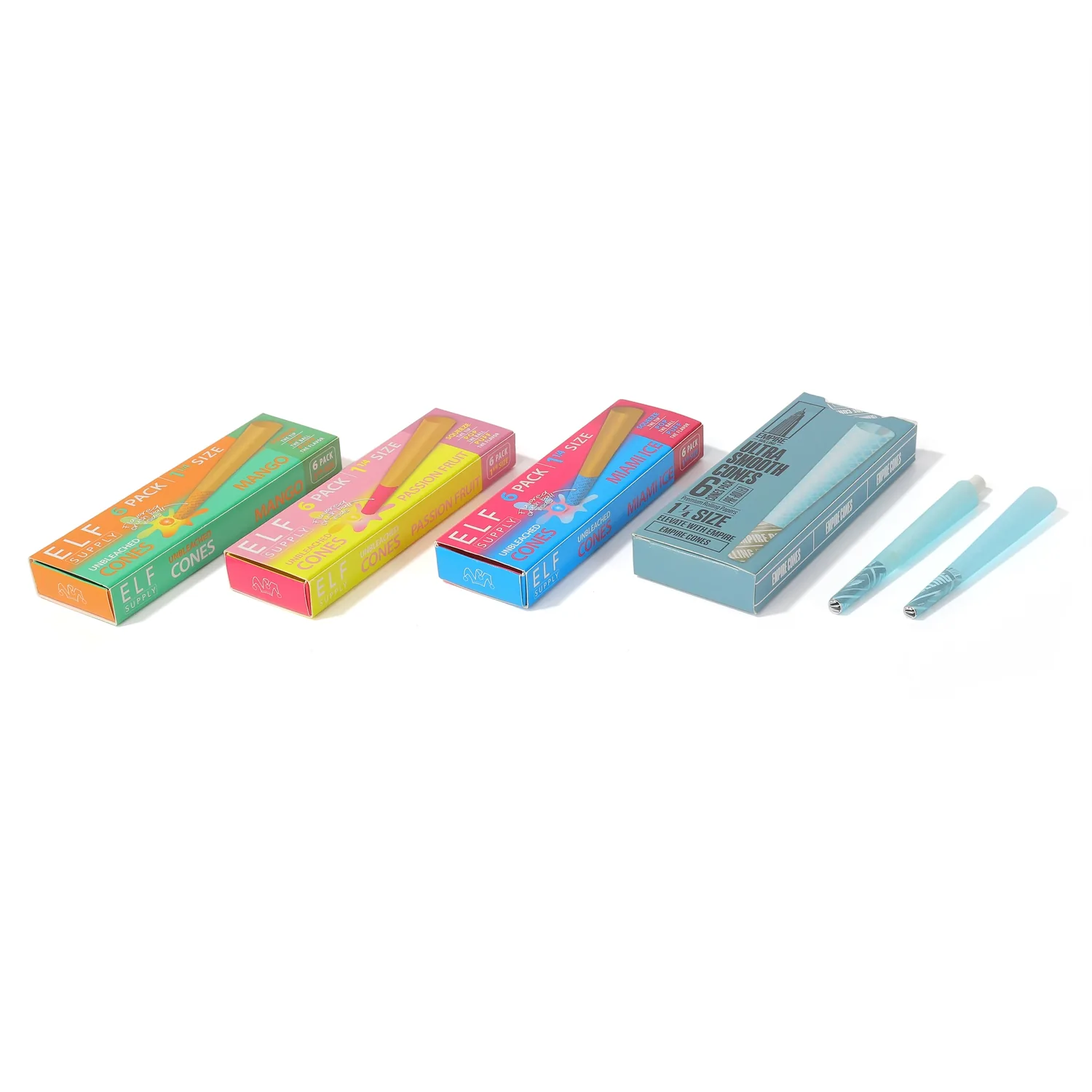
I’ve helped brands align their printed paper design with their packaging and cone printing so the whole line reads as one coherent system on shelf and in hand. This is a deliberate design decision made early, not something you retrofit easily after multiple SKUs are already in market with mismatched looks.
Custom rolling papers: https://ace-rolling.com/custom-rolling-papers/.
Can a Generic, Unbranded Paper Undercut an Otherwise Strong Brand?
I’ve had this exact conversation with brands confused about why their packaging investment wasn’t translating into recognition.
Yes—if your packaging carries strong branding but the paper inside is completely generic, the disconnect between the two can make the overall experience feel less premium and less intentional than the packaging alone suggested.
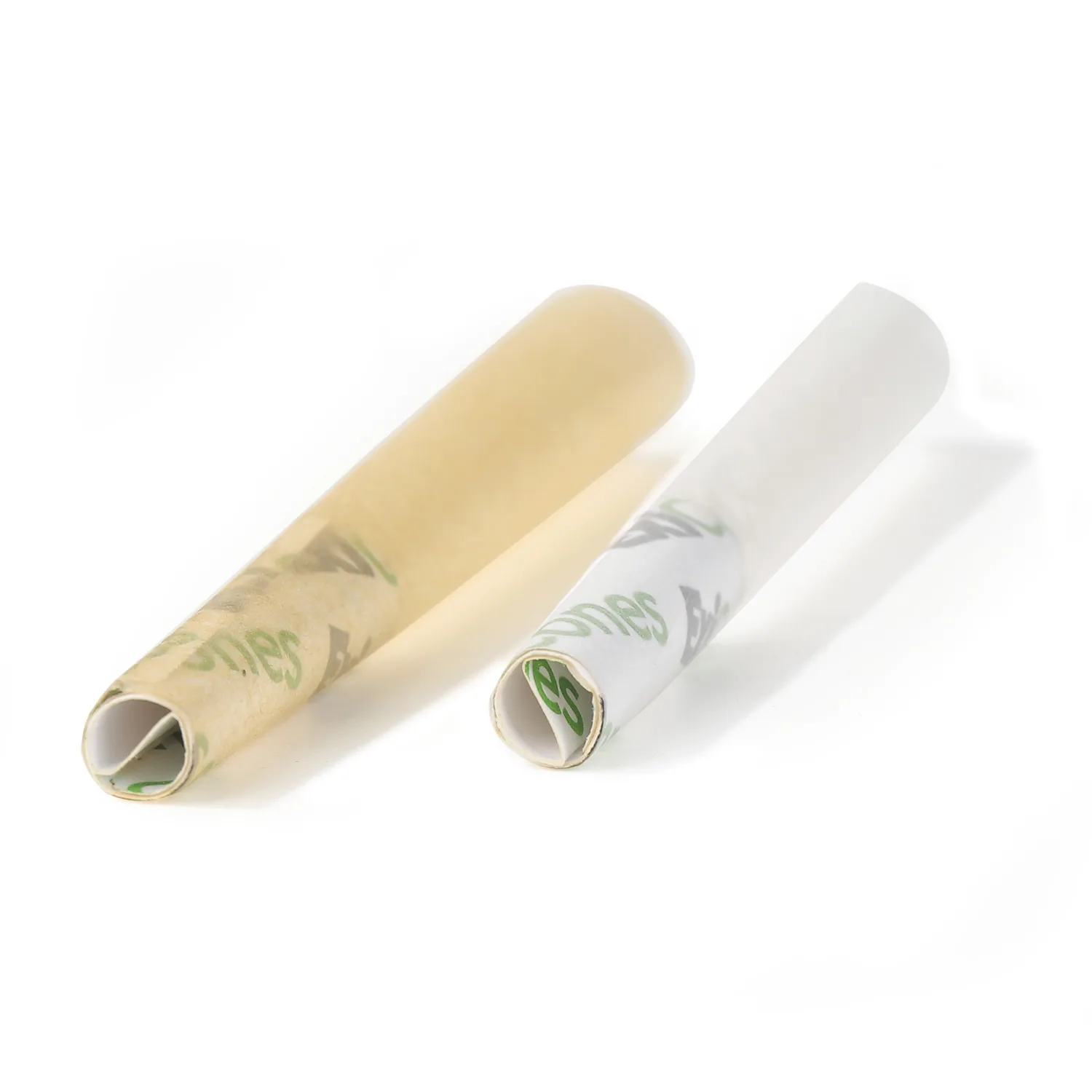
This mismatch is subtle but real. A consumer who opens well-designed packaging and finds a completely unbranded, generic-looking product inside can register that as a small letdown, even if they can’t quite articulate why. Closing that gap with even minimal, consistent branding on the paper itself tends to make the full unboxing experience feel more deliberate.
Does Custom Printed Paper Help or Hurt Trust and Anti-Counterfeit Perception?
This comes up more with established brands than with new launches.
A distinctive, consistently printed paper design makes your product harder to casually counterfeit or pass off as a generic substitute, and it signals to buyers that they’re getting the actual branded product rather than a repackaged unbranded item.
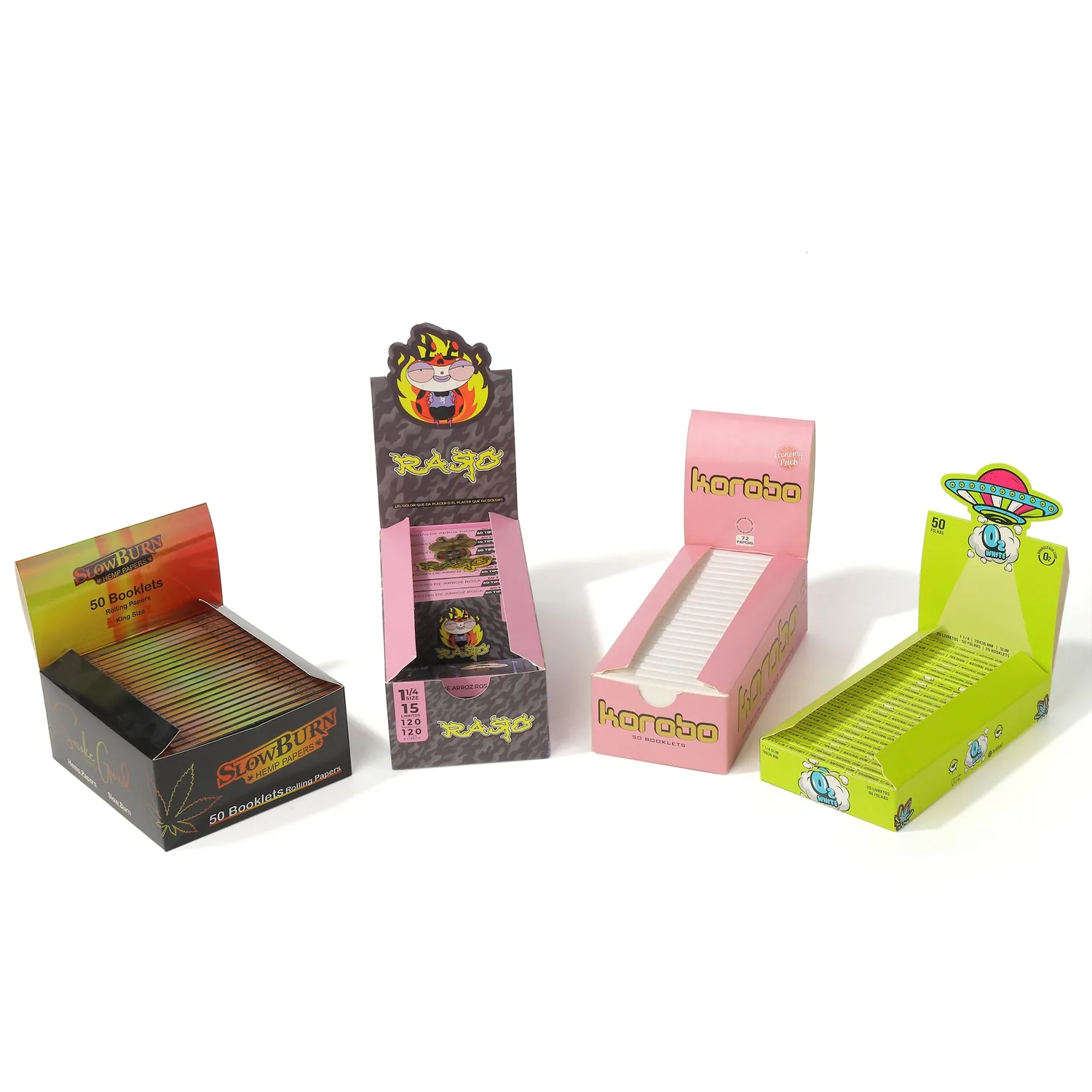
I don’t want to overstate this—custom print isn’t a security feature in the way holograms or serialized codes are. But a recognizable, consistent print design does add a layer of authenticity signal that a fully generic, unbranded paper simply can’t provide, which matters more the more established and recognizable your brand becomes.
How Do You Roll Out Custom Logo Papers Without Overcomplicating Production?
I’d rather help a brand start simple and consistent than launch with an overambitious design that causes production delays.
Start with a simple, consistent logo placement and one or two brand colors across your paper and packaging, confirm it on a physical sample, then expand design complexity in future runs once the base system is proven in production.
| Rollout step | Purpose |
|---|---|
| Simple logo placement, 1-2 colors | Establishes a consistent, low-risk baseline |
| Physical sample approval | Confirms print quality before scaling |
| Expand design complexity later | Builds on a proven production process |
Ace’s custom booklet programs quote from roughly USD $0.07–$0.30 per booklet wholesale, MOQ applying depending on print scope, material, and packaging.
FAQ
How do custom logo rolling papers build brand identity?
Printing your logo directly on the leaf extends your brand into the actual moment of use, since the paper is handled repeatedly during rolling and stays in view throughout the smoking session, unlike packaging that’s typically set aside after opening. This repeated in-use exposure reinforces brand recall differently than a single packaging impression at the point of purchase.
Does printing my logo on the paper actually matter if my packaging is already strong?
Yes, because packaging and the paper itself serve different touchpoints in the consumer’s experience. A generic, unbranded paper inside strong packaging can create a subtle disconnect that makes the overall experience feel less deliberate, even if the consumer can’t fully articulate why the mismatch bothers them.
Should I use the same design across my booklet, cone, and packaging SKUs?
Generally yes. Using consistent color, logo placement, and print style across your product line creates a cohesive brand system that reads as one recognizable brand, rather than a collection of separately designed items. This is a decision worth making early, since retrofitting consistency across multiple SKUs already in market is harder.
Can custom printed paper actually help with counterfeit or authenticity concerns?
It can help, though it isn’t a dedicated security feature like a hologram or serialized code. A distinctive, consistently printed design makes casual substitution more noticeable and signals to buyers that they’re receiving the actual branded product, which matters more as your brand becomes more established and recognizable.
Should I launch with a complex custom design or start simple?
I recommend starting with a simple, consistent logo placement and one or two brand colors, confirmed on a physical sample, before expanding design complexity in future production runs. This keeps your first launch lower-risk and gives you a proven production baseline to build more elaborate designs on later.
What does Ace Rolling need to start a custom logo rolling paper program?
Share your logo, target brand colors, and preferred SKUs (booklet, cone, packaging) for a consistent system across your line. Ace’s custom booklet programs quote from roughly USD $0.07–$0.30 per booklet wholesale, with MOQ applying depending on print scope, material, and packaging format.
Ready to Build a Consistent Branded Paper System?
Start with your logo and target colors, and I’ll help you plan a consistent rollout across your SKUs.
- Custom rolling papers: https://ace-rolling.com/custom-rolling-papers/
- OEM/ODM programs: https://ace-rolling.com/oem-odm-rolling-paper-manufacturer/
- Quote: https://ace-rolling.com/contact/