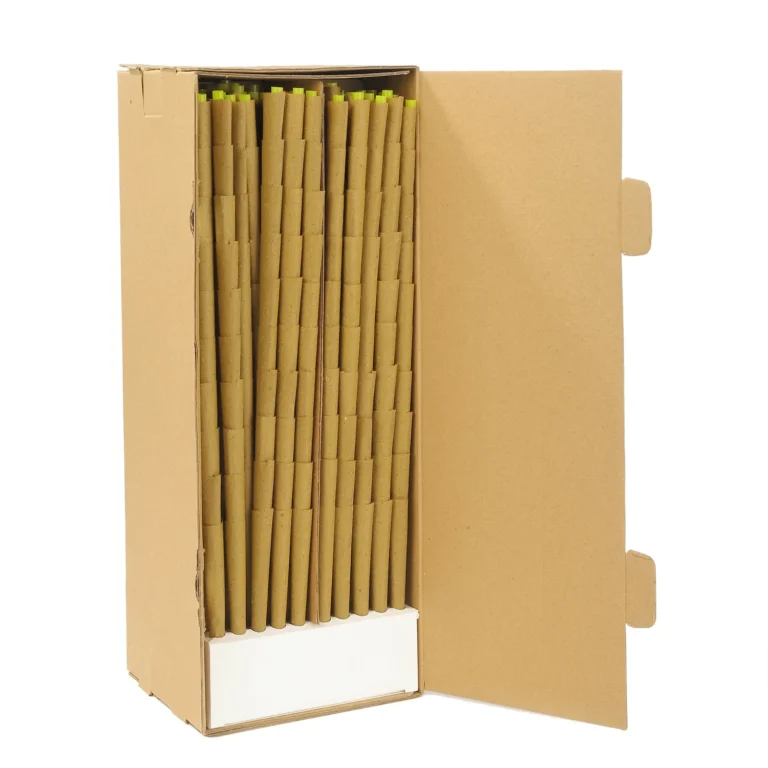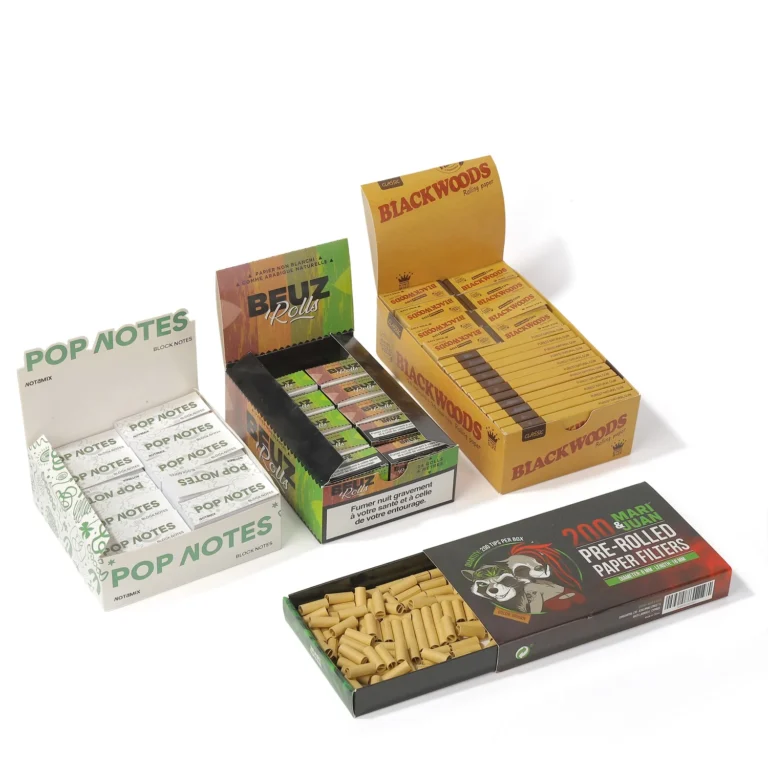

Bagaimana memulai bisnis kertas rokok? Pilih model komersial terlebih dahulu, lalu kunci ringkasan produk, tangani pengaturan hukum dasar untuk pasar Anda, sampel dengan produsen, beri merek pada kemasan, tempatkan pesanan produksi pertama, dan jual melalui saluran yang benar-benar dapat Anda jangkau. Kebanyakan pendiri tidak memerlukan pabrik kertas. Mereka memerlukan SKU yang jelas, mitra OEM atau grosir yang andal, dan rencana untuk mengubah persediaan menjadi pesanan ulang.
Panduan generik “9-langkah kerajaan” sering menumpuk ramalan pasar, kisaran pendanaan, dan tip perangkat lunak. Startup yang berguna dalam kategori ini biasanya menang dengan urutan yang lebih sederhana: model → spesifikasi → sampel → merek → pesanan pertama → jual → pesan ulang.
Langkah 1: Pilih Model Bisnis Anda
Pilih model paling ringan yang sesuai dengan modal, timeline, dan akses penjualan Anda:
| Model | Apa yang Anda lakukan | Terbaik ketika |
|---|---|---|
| Reseller / distributor | Beli merek jadi dan jual secara grosir | Anda sudah memiliki toko atau akun rute |
| Wholesale Signature / label putih | Jual lini siap pabrik atau format yang telah terbukti merek | Anda menginginkan kecepatan dan risiko rekayasa yang lebih rendah |
| OEM label pribadi | Tentukan produk + kemasan di bawah merek Anda | Anda ingin kepemilikan rak dan kontrol margin yang lebih lama |
| OEM/ODM kustom penuh | Rekayasa bahan, ukuran, atau sistem kemasan eksklusif | Anda sudah memvalidasi permintaan dan dapat menunggu pengembangan |
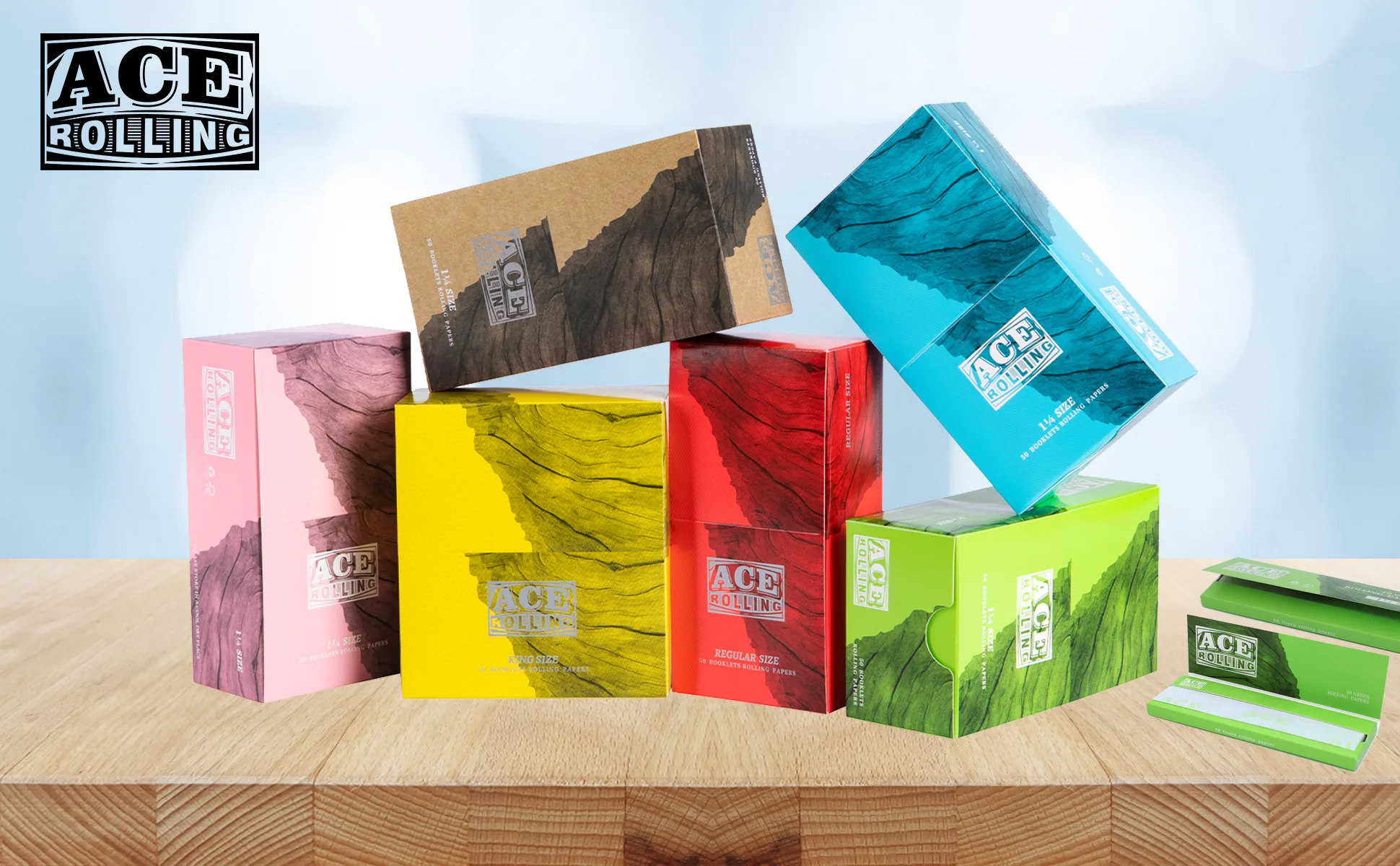
Ace Rolling mendukung sisi manufaktur dari tiga jalur terakhir: Koleksi Signature (ACE ROLLING, SPARKASE, PANDACE ROLL, Brilloll), branding label putih pada format yang terbukti, dan program kustom yang lebih lengkap. Memulai sebagai pengecer murni masih dapat mengajarkan sell-through sebelum Anda mendanai inventaris label pribadi.
Langkah 2: Pilih Ceruk dan Saluran yang Dapat Anda Jangkau
“Rami ramah lingkungan,” “ultra-tipis,” atau “kemasan seni” hanya penting jika Anda dapat menempatkannya. Tentukan:
- Saluran utama — apotek, toko rokok, toko kelontong, e-commerce, atau distributor
- Pelanggan inti — perokok harian yang berorientasi harga vs pembeli alami premium
- Fokus format — buku kecil, kerucut, atau keduanya
- Satu cerita bahan terlebih dahulu — bubur kayu, rami, atau bambu
- Satu atau dua ukuran terlebih dahulu — biasanya 1¼ dan/atau ukuran king
Hindari meluncurkan lima rasa, tiga ukuran, dan dua lini kerucut di minggu pertama. Asortimen yang ketat lebih mudah untuk disampel, didanai, dan diisi ulang.
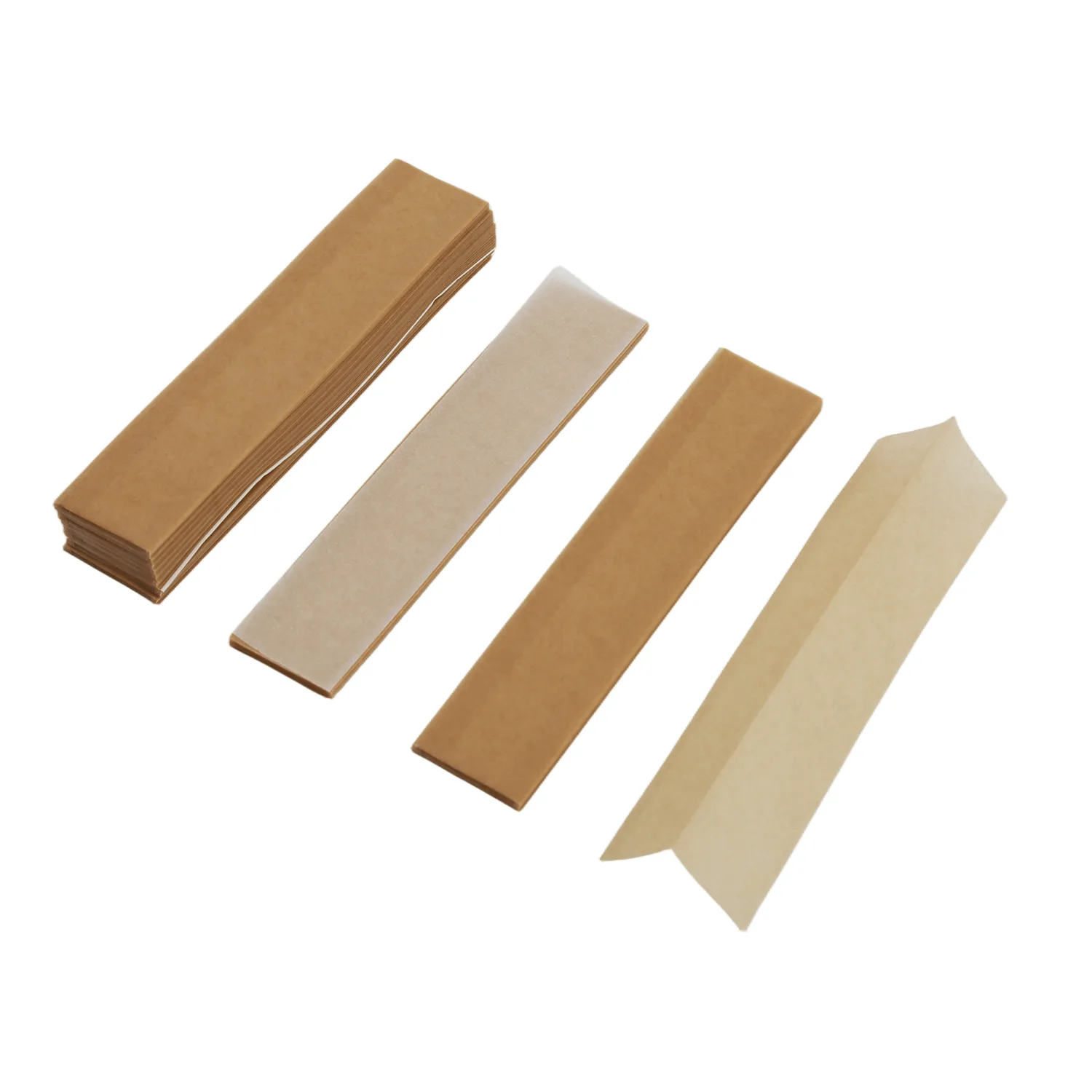
Langkah 3: Kunci Spesifikasi Produk
Anggap pengembangan produk sebagai briefing pabrik, bukan papan suasana. Tuliskan:
| Spesifikasi | Keputusan untuk mengunci |
|---|---|
| Format | Buku kecil, kerucut, atau keduanya |
| Ukuran | 1¼, king, slim, mini, dll. |
| BAHAN | Bubur kayu, rami, bambu, atau campuran yang disetujui |
| Gramatur / rasa sentuh | Rentang GSM target dan ekspektasi pembakaran |
| Permen karet | Kebutuhan kinerja gum arab food-grade |
| Tips | Tips yang disertakan atau tips terpisah |
| Jumlah daun / bungkus | Lembar per buku kecil; kerucut per toples atau kotak |
| Pengemasan | Sampul, kotak display, multipack, karton induk |
| Klaim | Hanya klaim yang diizinkan oleh pasar dan penasihat Anda |
Minta sampel fisik sebelum finalisasi desain. Rasa terbakar, segel permen karet, dan rasa robek menentukan apakah sebuah merek bertahan hingga pesanan kedua.
Langkah 4: Tangani Dasar Hukum dan Merek Lebih Awal
Kertas rokok biasanya dijual sebagai aksesori merokok, tetapi perusahaan Anda masih memerlukan kebersihan bisnis biasa—dan aturan ritel khusus pasar jika Anda menjual ke saluran ganja atau tembakau.
Minimal, rencanakan:
- Entitas bisnis dan pendaftaran pajak di tempat Anda beroperasi
- Pencarian/pendaftaran merek dagang untuk nama dan logo merek Anda
- Pemasaran terbatas usia dan batas iklan platform
- Aturan label dan kemasan untuk pasar tujuan
- Dokumen impor/bea cukai jika Anda sumber secara internasional
This is not legal advice. Use counsel familiar with tobacco-adjacent and cannabis-adjacent retail in your destination states or countries. Do not invent health claims on packs.
Step 5: Partner With a Manufacturer Instead of Building a Mill
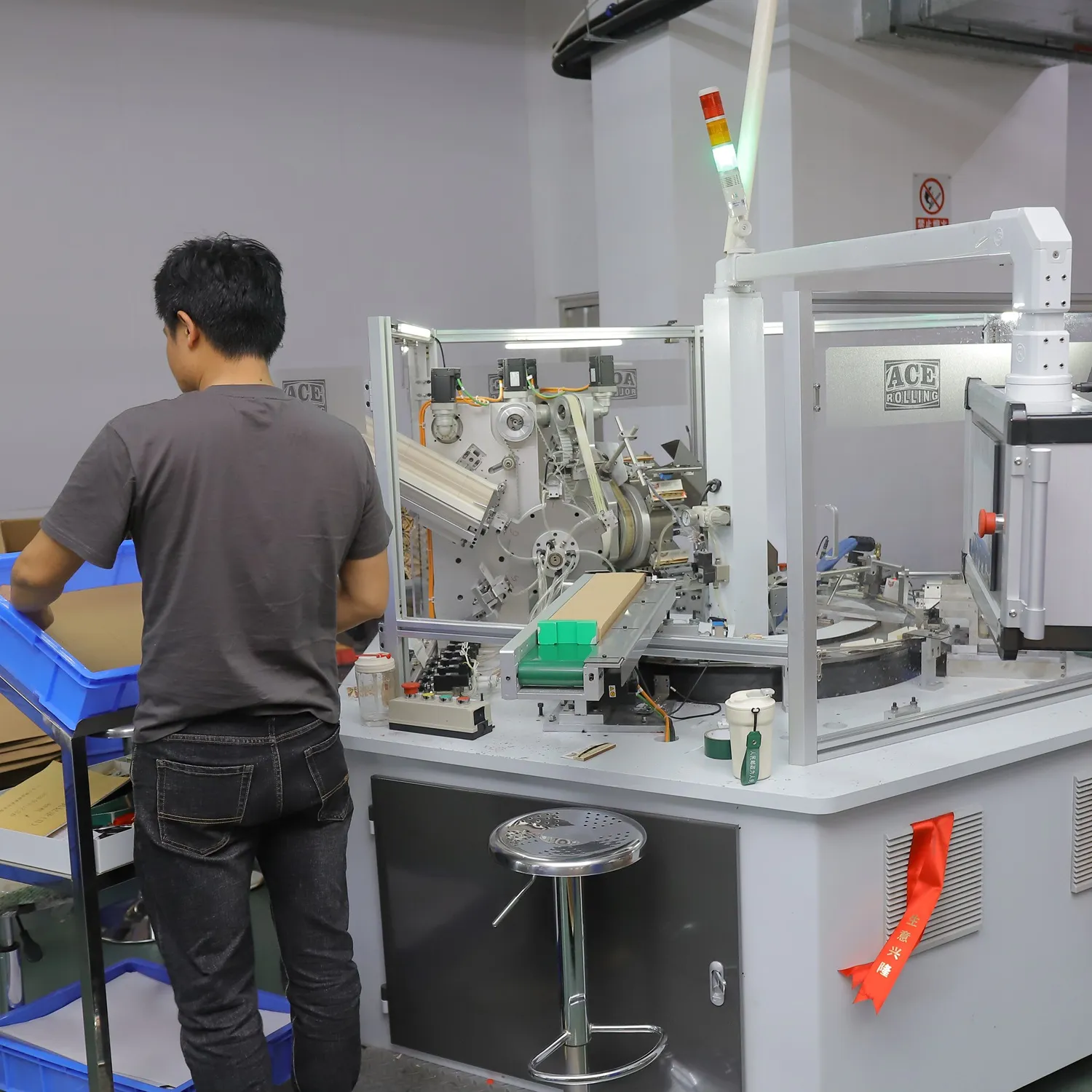
Operations for most new brands mean OEM partnership: inventory planning, QC against an approved sample, and reorder discipline—not buying converting machines on day one.
With Ace Rolling, a practical startup path looks like:
- Share channel, quantity estimate, and destination
- Choose white-label, signature wholesale, or custom OEM
- Request a sample kit and production-intent paper samples
- Approve burn, gum, size, and packaging structure
- Tempatkan karya seni pada garis potong pabrik
- Confirm MOQ, payment, lead time, and shipping mode
Many Ace Rolling custom programs start around 2,000 units and scale upward. Concept-to-delivery for private-label work is commonly planned around about two months, with mass production often about four to five weeks after specs and proofs are locked. Exact calendars depend on packaging complexity and freight.
Step 6: Build Branding That Survives the Shelf
Your pack has to work in real lighting, next to established names. Prioritize:
- Clear brand mark and readable size callouts
- Honest material labeling
- Display boxes that restock cleanly
- Artwork on correct dielines with bleed and safe zones
- Consistent color and finish across booklet and tray
Ace Rolling can support packaging development for private-label programs, including retail-ready structures. If you have no in-house design team, ask what dieline and mockup support is available once your MOQ path is clear.
Step 7: Fund the Real Cost Drivers—Not a Fantasy Budget
Public “startup cost” ranges vary widely because models differ. A reseller testing a few cartons is not the same project as a fully custom OEM launch with foil packaging and multi-SKU cones.
Budget around the costs you can quote:
- Samples and freight for testing
- First production order (MOQ × unit cost)
- Packaging tooling or extras if your structure needs them
- Inbound shipping, duties, and local warehousing
- Basic brand assets and sales samples for buyers
- Working capital for the reorder before the first invoice cycle closes
Ask Ace Rolling for a quotation against a complete brief instead of anchoring on generic internet ranges.
Step 8: Launch Sales Where You Already Have Access
Marketing only works if fulfillment and age-gated rules do. Common first channels:
- Existing smoke-shop or dispensary relationships
- Distributors covering your region
- Trade shows and B2B meetings
- Controlled e-commerce where accessory sales are allowed
- Bundle offers with related accessories once the core SKU turns
Measure sell-through before expanding flavors or sizes. The goal of launch is proof of reorder—not maximum SKU count.
Step 9: Scale With Reorders and Controlled Assortment Growth
Scale after the first SKU proves margin and quality:
- Lock a reorder forecast with your factory
- Add one adjacent size or cone SKU at a time
- Improve packaging only after sell-through data arrives
- Move from white label toward deeper custom only if differentiation pays
- Keep QC tied to the approved retained sample
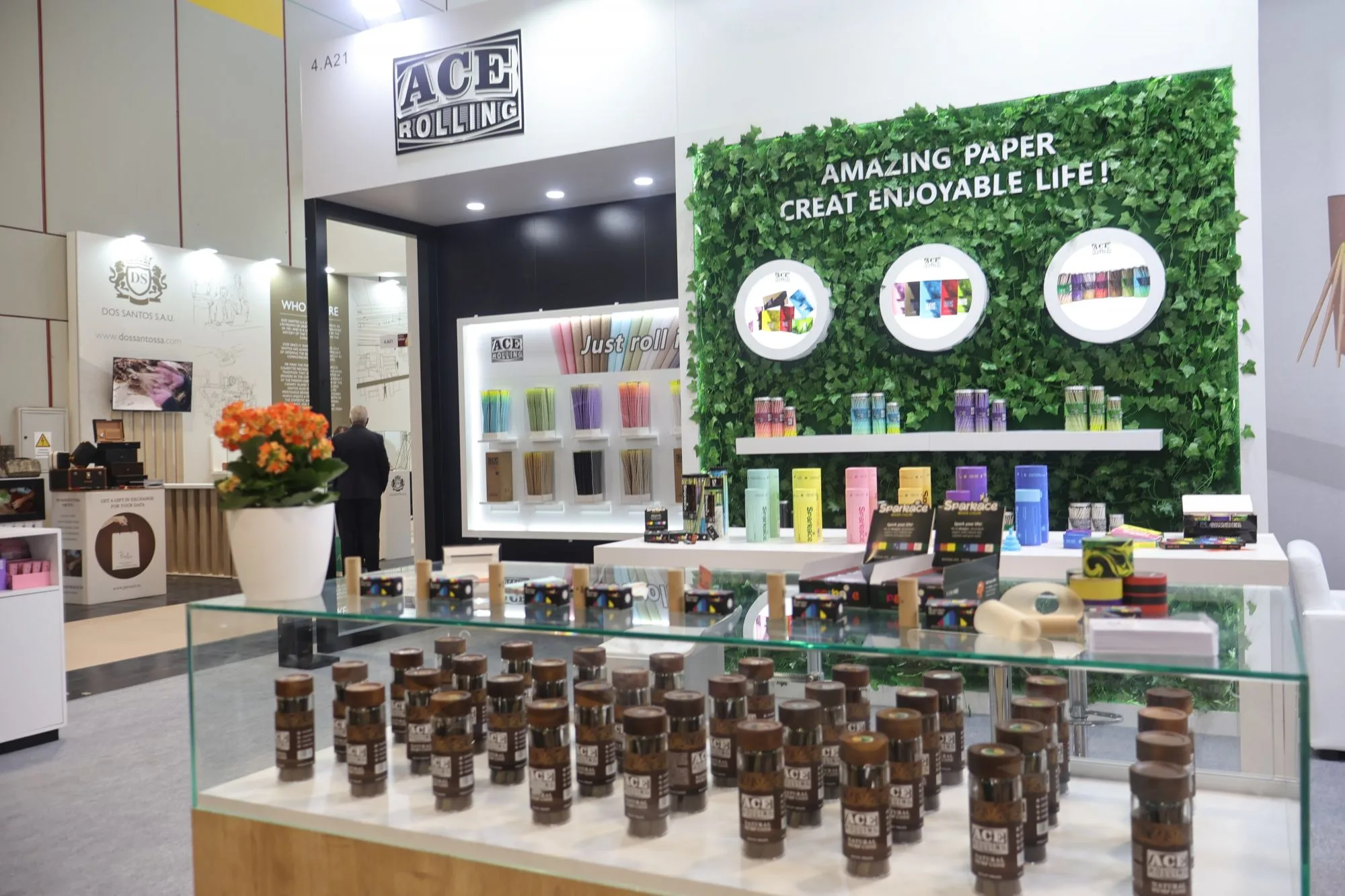
Ace Rolling’s dual path—Signature Collections for faster wholesale turnover, plus OEM/ODM for branded programs—lets you grow without restarting the entire supply chain every season.
Startup Checklist Before You Place the First Order
- Business model chosen (reseller, signature, white label, or custom OEM)
- Channel and niche written down
- Size, material, format, and pack counts locked
- Legal/trademark plan started for your markets
- Factory samples approved for burn and seal
- Artwork pada dieline yang benar
- MOQ, lead time, payment, and shipping confirmed
- First buyer list or wholesale path identified
- Reorder cash planned
Which Ace Rolling Path Fits a New Rolling Paper Business?
- Need speed and retail-ready stock: evaluate Signature Collections wholesale
- Need your logo on proven formats: start white-label / standard OEM
- Need exclusive specs: use full custom OEM/ODM after sampling
Send Ace Rolling your model, channel, formats, sizes, material preference, branding path, first quantity estimate, destination, and target timeline for a factory-grounded quote.
FAQ
How do you start a rolling paper business without a factory?
You start a rolling paper business without a factory by choosing a commercial model, locking product specs, and partnering with an OEM or wholesale manufacturer for samples and production. Ace Rolling supports white-label, signature wholesale, and custom private-label programs so founders can brand and sell without owning converting equipment on day one.
How much does it cost to start a rolling paper business?
Startup cost for a rolling paper business depends on model and assortment. A reseller test order differs from a private-label OEM launch with custom packaging. Ace Rolling quotes against your brief—format, material, print, packaging, quantity, and destination—rather than publishing one fixed startup price for every project.
What MOQ do new rolling paper brands usually need?
For Ace Rolling custom and OEM-style rolling paper programs, flexible MOQs commonly start from about 2,000 units and can scale for distributors. Exact MOQ still depends on booklet or cone format, print, and packaging. Confirm quantity on the quotation before you finalize funding and launch timing.
How long does it take to launch private-label rolling papers?
Ace Rolling commonly plans private-label rolling paper projects around about two months from concept to delivery, with mass production often about four to five weeks after specs and proofs are approved. Artwork delays, complex packaging, and ocean freight can extend the calendar, so lock samples early.