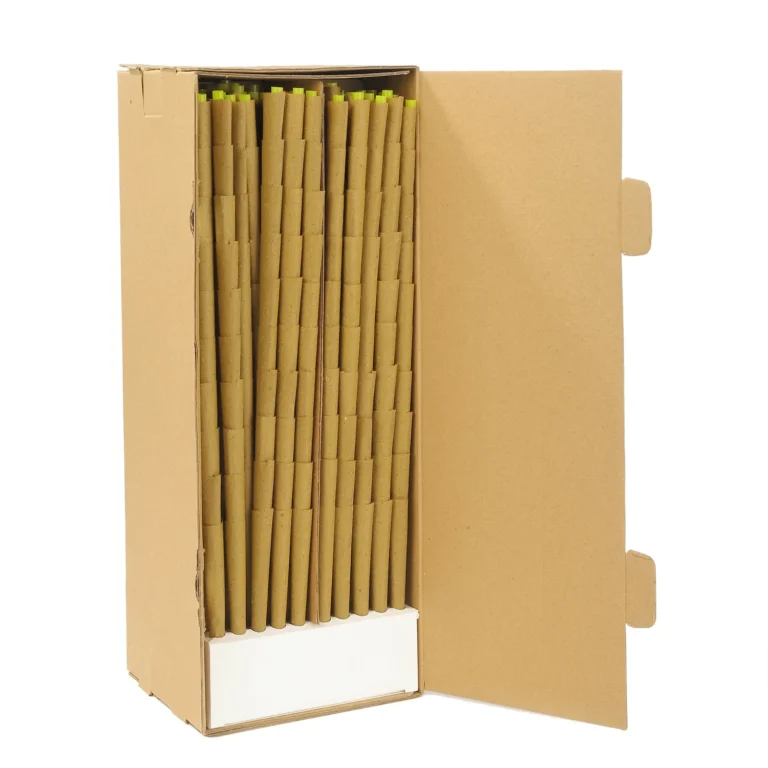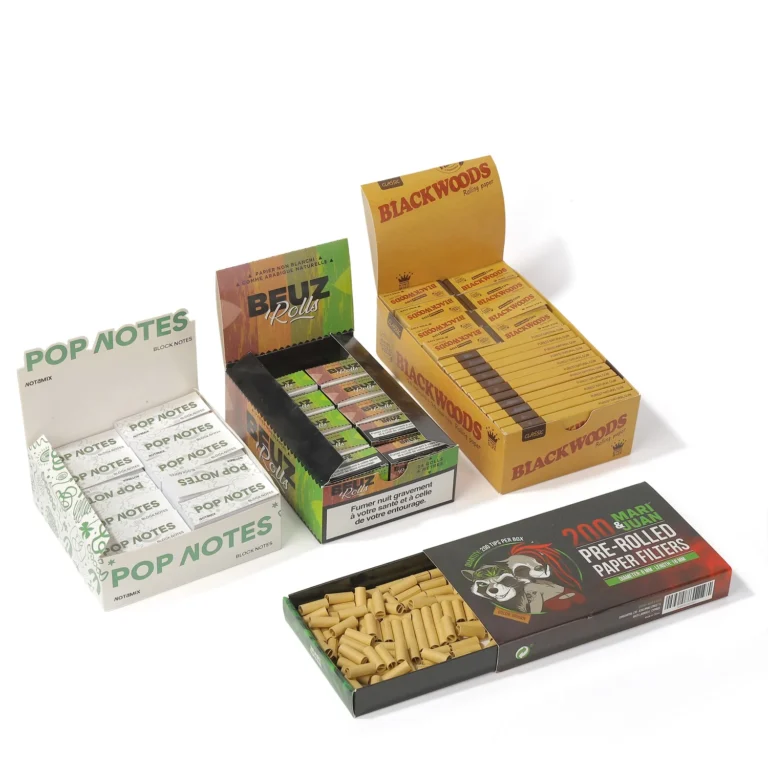

How to start a rolling paper business? Choose a commercial model first, then lock a product brief, handle basic legal setup for your market, sample with a manufacturer, brand the packaging, place a first production order, and sell through channels you can actually reach. Most founders do not need a paper mill. They need a clear SKU, a reliable OEM or wholesale partner, and a plan to turn inventory into reorders.
Generic “9-step empire” guides often pile on market forecasts, funding ranges, and software tips. Useful startups in this category usually win on a simpler sequence: model → specs → samples → brand → first order → sell → reorder.
Step 1: Choose Your Business Model
Pick the lightest model that matches your capital, timeline, and sales access:
| Model | What you do | Best when |
|---|---|---|
| Reseller / distributor | Buy finished brands and wholesale them | You already have shop or route accounts |
| Signature / white-label wholesale | Sell factory-ready lines or brand proven formats | You want speed and lower engineering risk |
| Private-label OEM | Specify product + packaging under your brand | You want shelf ownership and longer margin control |
| Full custom OEM/ODM | Engineer exclusive materials, sizes, or pack systems | You already validated demand and can wait for development |
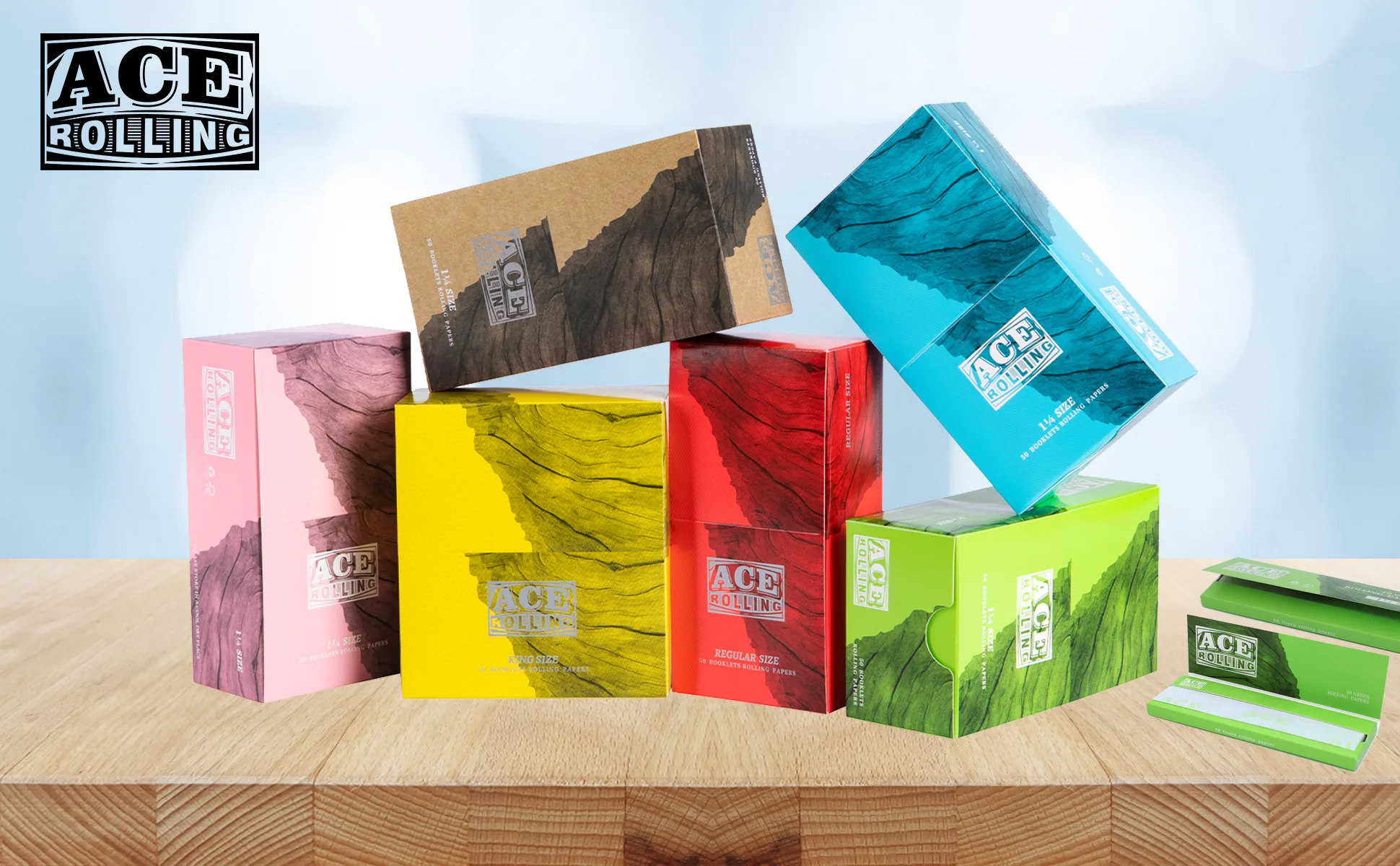
Ace Rolling supports the manufacturing side of the last three paths: Signature Collections (ACE ROLLING, SPARKASE, PANDACE ROLL, Brilloll), white-label branding on proven formats, and fuller custom programs. Starting as a pure reseller can still teach sell-through before you fund private-label inventory.
Step 2: Pick a Niche and Channel You Can Reach
“Eco hemp,” “ultra-thin,” or “art packs” only matter if you can place them. Define:
- Primary channel — dispensary, smoke shop, convenience, e-commerce, or distributor
- Core customer — price-led daily rollers vs premium natural buyers
- Format focus — booklets, cones, or both
- One material story first — wood pulp, hemp, or bamboo
- One or two sizes first — usually 1¼ and/or king size
Avoid launching five flavors, three sizes, and two cone lines in week one. A tight assortment is easier to sample, fund, and restock.
Step 3: Lock a Product Specification
Treat product development as a factory brief, not a mood board. Write down:
| Spec | Decision to lock |
|---|---|
| Format | Booklet, cone, or both |
| Size | 1¼, king, slim, mini, etc. |
| Material | Wood pulp, hemp, bamboo, or approved blend |
| Grammage / feel | Target GSM range and burn expectation |
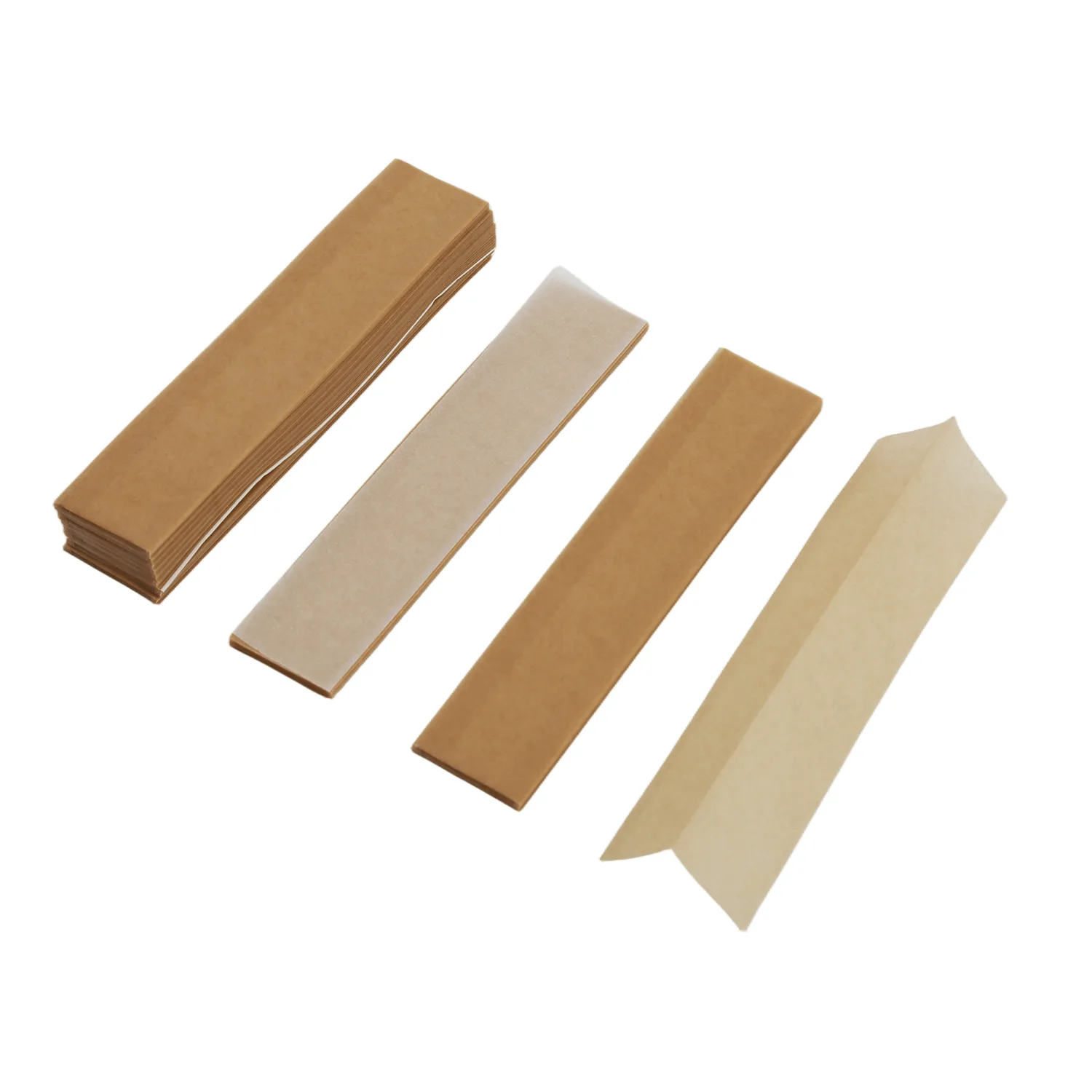
| Gum | Food-grade Arabic gum performance needs |
| Tips | Included tips or separate tips |
| Leaf / pack count | Leaves per booklet; cones per jar or box |
| Packaging | Cover, display box, multipack, master carton |
| Claims | Only claims your market and counsel allow |
Ask for physical samples before artwork finalization. Burn, gum seal, and tear feel decide whether a brand survives the second order.
Step 4: Handle Legal and Brand Basics Early
Rolling papers are typically sold as smoking accessories, but your company still needs ordinary business hygiene—and market-specific retail rules if you sell into cannabis or tobacco channels.
At minimum, plan for:
- Business entity and tax registration where you operate
- Trademark search/filing for your brand name and logo
- Age-gated marketing and platform advertising limits
- Label and packaging rules for destination markets
- Import/customs documents if you source internationally
This is not legal advice. Use counsel familiar with tobacco-adjacent and cannabis-adjacent retail in your destination states or countries. Do not invent health claims on packs.
Step 5: Partner With a Manufacturer Instead of Building a Mill
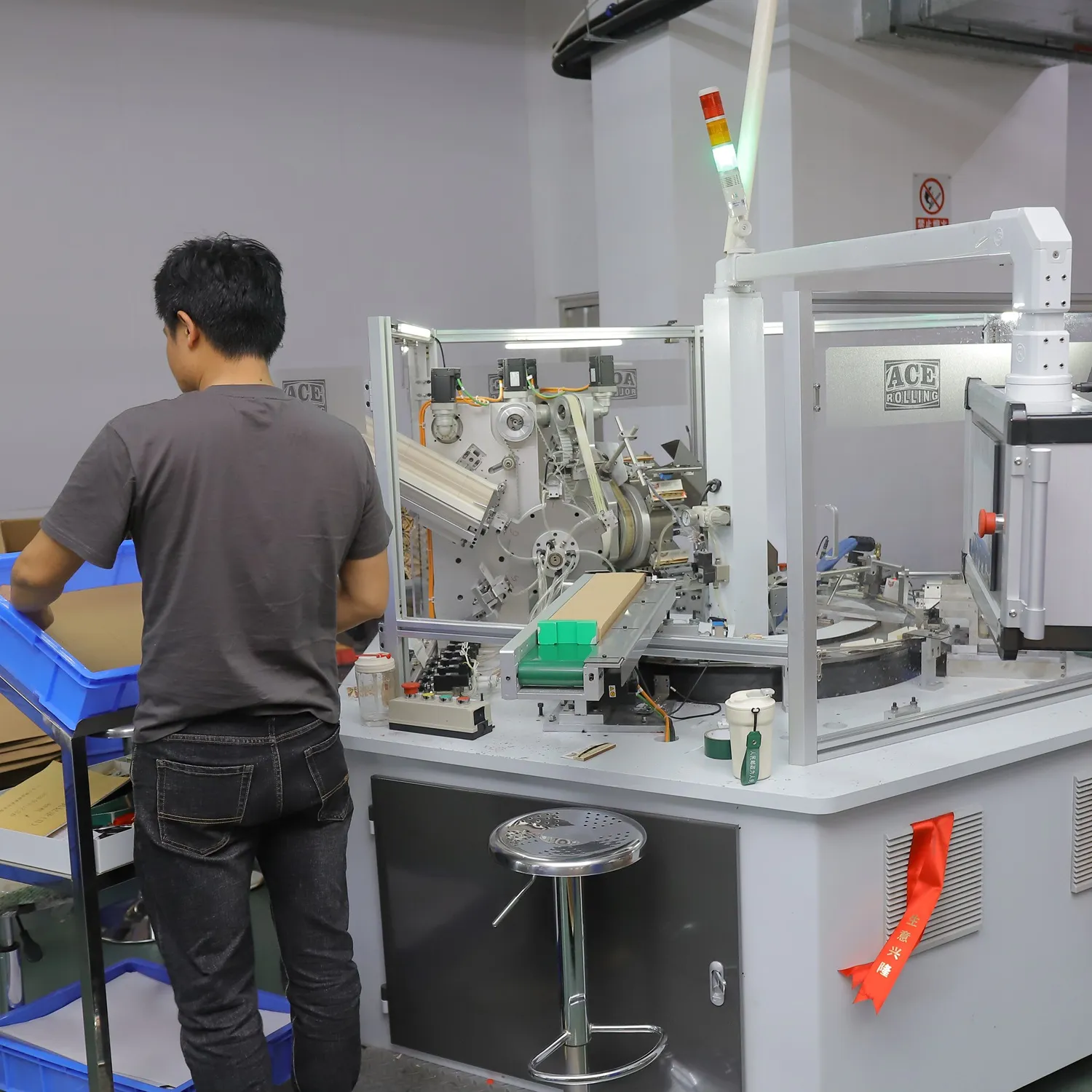
Operations for most new brands mean OEM partnership: inventory planning, QC against an approved sample, and reorder discipline—not buying converting machines on day one.
With Ace Rolling, a practical startup path looks like:
- Share channel, quantity estimate, and destination
- Choose white-label, signature wholesale, or custom OEM
- Request a sample kit and production-intent paper samples
- Approve burn, gum, size, and packaging structure
- Place artwork on factory dielines
- Confirm MOQ, payment, lead time, and shipping mode
Many Ace Rolling custom programs start around 2,000 units and scale upward. Concept-to-delivery for private-label work is commonly planned around about two months, with mass production often about four to five weeks after specs and proofs are locked. Exact calendars depend on packaging complexity and freight.
Step 6: Build Branding That Survives the Shelf
Your pack has to work in real lighting, next to established names. Prioritize:
- Clear brand mark and readable size callouts
- Honest material labeling
- Display boxes that restock cleanly
- Artwork on correct dielines with bleed and safe zones
- Consistent color and finish across booklet and tray
Ace Rolling can support packaging development for private-label programs, including retail-ready structures. If you have no in-house design team, ask what dieline and mockup support is available once your MOQ path is clear.
Step 7: Fund the Real Cost Drivers—Not a Fantasy Budget
Public “startup cost” ranges vary widely because models differ. A reseller testing a few cartons is not the same project as a fully custom OEM launch with foil packaging and multi-SKU cones.
Budget around the costs you can quote:
- Samples and freight for testing
- First production order (MOQ × unit cost)
- Packaging tooling or extras if your structure needs them
- Inbound shipping, duties, and local warehousing
- Basic brand assets and sales samples for buyers
- Working capital for the reorder before the first invoice cycle closes
Ask Ace Rolling for a quotation against a complete brief instead of anchoring on generic internet ranges.
Step 8: Launch Sales Where You Already Have Access
Marketing only works if fulfillment and age-gated rules do. Common first channels:
- Existing smoke-shop or dispensary relationships
- Distributors covering your region
- Trade shows and B2B meetings
- Controlled e-commerce where accessory sales are allowed
- Bundle offers with related accessories once the core SKU turns
Measure sell-through before expanding flavors or sizes. The goal of launch is proof of reorder—not maximum SKU count.
Step 9: Scale With Reorders and Controlled Assortment Growth
Scale after the first SKU proves margin and quality:
- Lock a reorder forecast with your factory
- Add one adjacent size or cone SKU at a time
- Improve packaging only after sell-through data arrives
- Move from white label toward deeper custom only if differentiation pays
- Keep QC tied to the approved retained sample
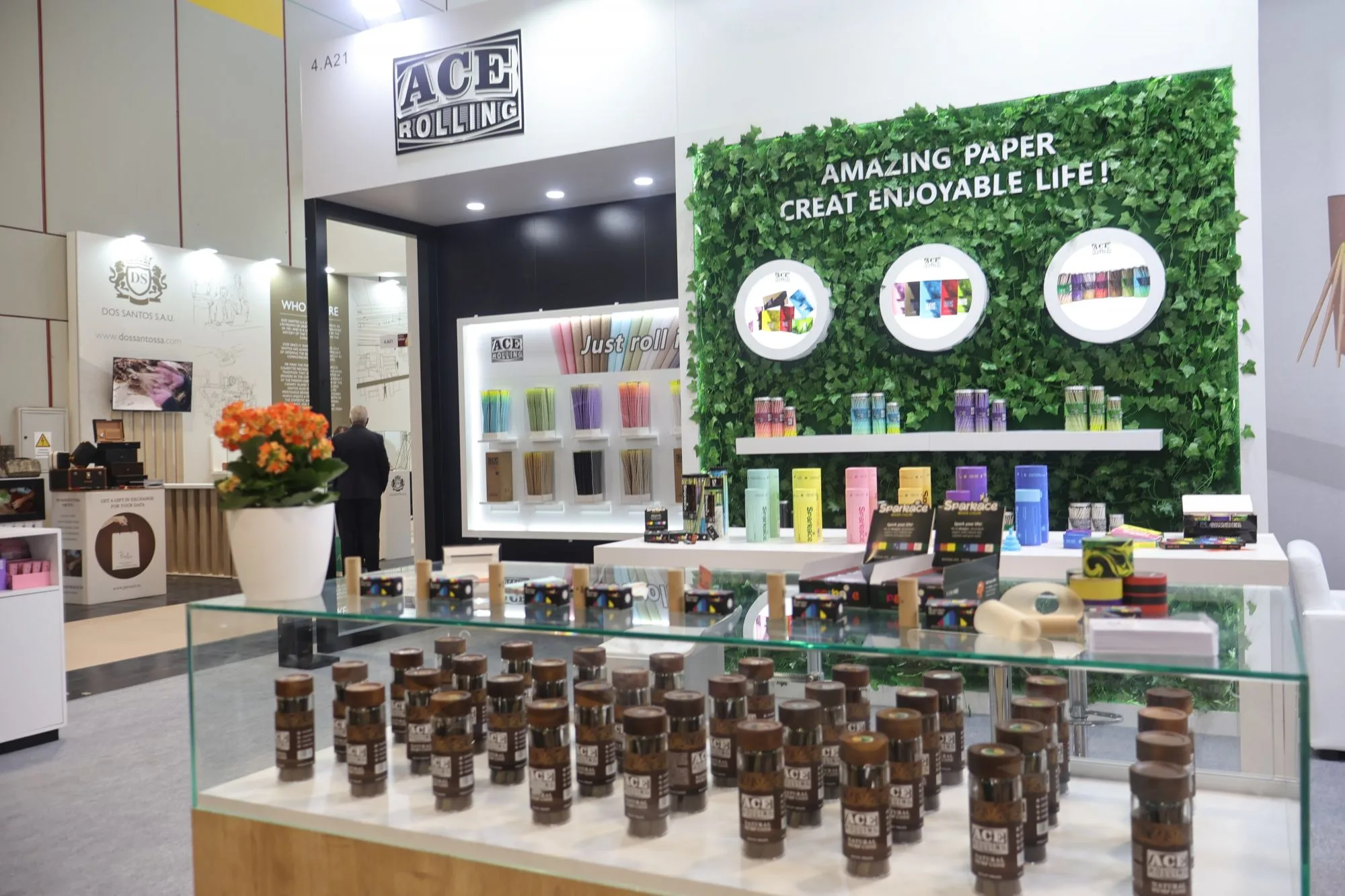
Ace Rolling’s dual path—Signature Collections for faster wholesale turnover, plus OEM/ODM for branded programs—lets you grow without restarting the entire supply chain every season.
Startup Checklist Before You Place the First Order
- Business model chosen (reseller, signature, white label, or custom OEM)
- Channel and niche written down
- Size, material, format, and pack counts locked
- Legal/trademark plan started for your markets
- Factory samples approved for burn and seal
- Artwork on correct dielines
- MOQ, lead time, payment, and shipping confirmed
- First buyer list or wholesale path identified
- Reorder cash planned
Which Ace Rolling Path Fits a New Rolling Paper Business?
- Need speed and retail-ready stock: evaluate Signature Collections wholesale
- Need your logo on proven formats: start white-label / standard OEM
- Need exclusive specs: use full custom OEM/ODM after sampling
Send Ace Rolling your model, channel, formats, sizes, material preference, branding path, first quantity estimate, destination, and target timeline for a factory-grounded quote.
FAQ
How do you start a rolling paper business without a factory?
You start a rolling paper business without a factory by choosing a commercial model, locking product specs, and partnering with an OEM or wholesale manufacturer for samples and production. Ace Rolling supports white-label, signature wholesale, and custom private-label programs so founders can brand and sell without owning converting equipment on day one.
How much does it cost to start a rolling paper business?
Startup cost for a rolling paper business depends on model and assortment. A reseller test order differs from a private-label OEM launch with custom packaging. Ace Rolling quotes against your brief—format, material, print, packaging, quantity, and destination—rather than publishing one fixed startup price for every project.
What MOQ do new rolling paper brands usually need?
For Ace Rolling custom and OEM-style rolling paper programs, flexible MOQs commonly start from about 2,000 units and can scale for distributors. Exact MOQ still depends on booklet or cone format, print, and packaging. Confirm quantity on the quotation before you finalize funding and launch timing.
How long does it take to launch private-label rolling papers?
Ace Rolling commonly plans private-label rolling paper projects around about two months from concept to delivery, with mass production often about four to five weeks after specs and proofs are approved. Artwork delays, complex packaging, and ocean freight can extend the calendar, so lock samples early.