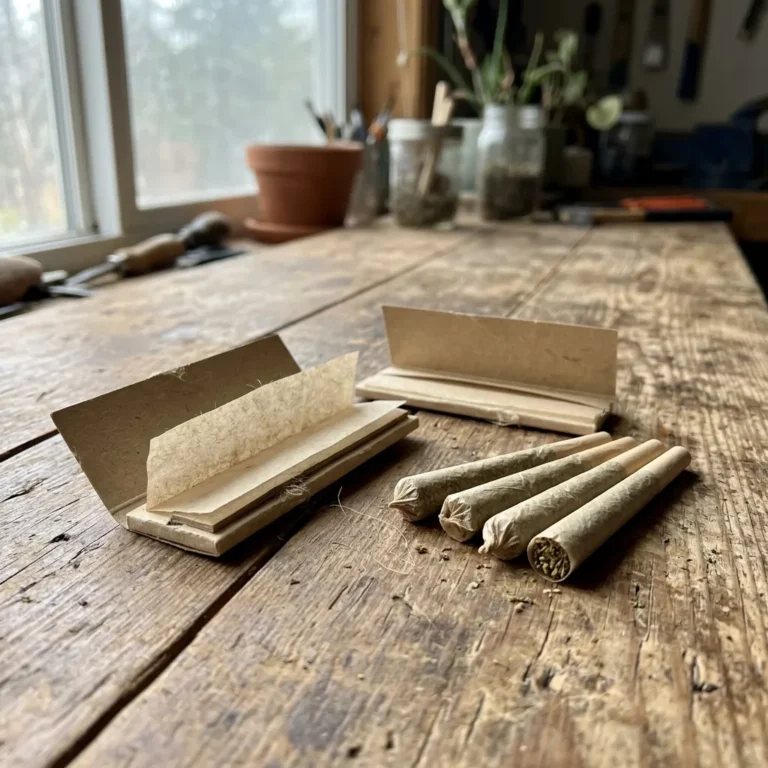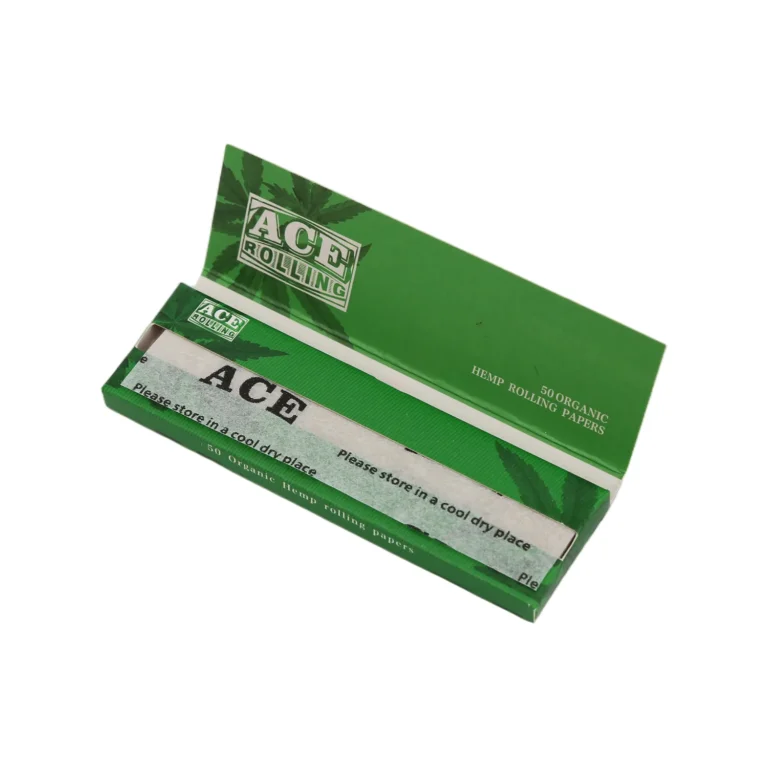

Papéis de enrolar biodegradáveis são vendidos no atacado? Sim, as rotas de papel de material natural são cotadas no atacado da fábrica, mas “biodegradável” é uma alegação ambiental regulamentada que precisa de dados de teste ASTM D6400 ou EN 13432 no SKU exato—Ace fornece o material, os compradores são responsáveis pela divulgação ecológica.
Páginas SERP voltadas para o varejo (páginas da marca RAW em sites de distribuidores como hswsupply, por exemplo) agrupam linguagem “natural” e “biodegradável” como cópia para o consumidor, mas equipes de sourcing B2B precisam separar a rota do papel da alegação ambiental. Guangdong Ace Rolling é uma OEM/ODM de Dongguan, China, para blocos de notas de marca própria (~USD 0,07–0,30) e cones pré-enrolados (~0,04–0,06) com opções de polpa não branqueada, cânhamo, linho, bambu e madeira. A Ace não fabrica RAW, Rizla ou OCB, e a Ace não carimba uma alegação genérica de “biodegradável” em SKUs sem um padrão de teste documentado por trás. Este artigo é um guia de due diligence para compradores, não um aconselhamento jurídico; verifique certificações e alegações conforme o mercado.
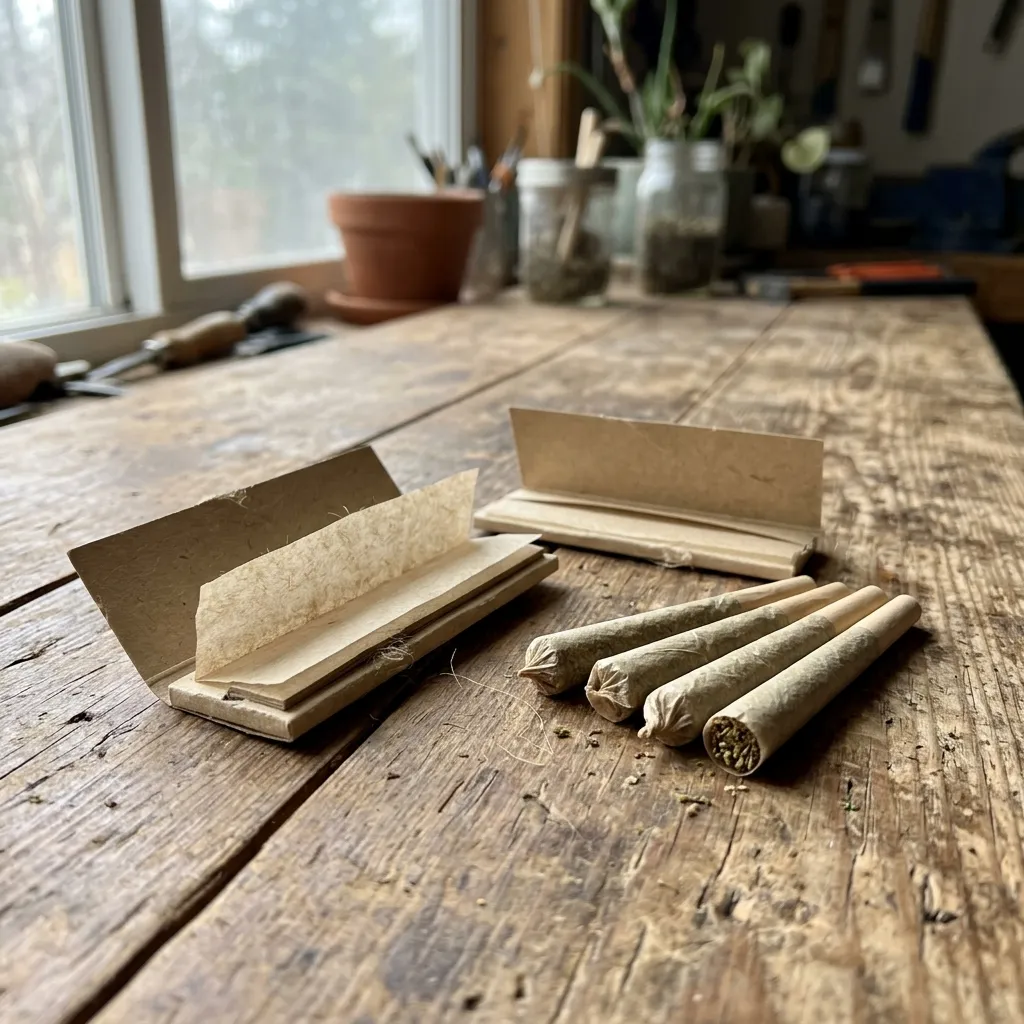
O que “Biodegradável” Realmente Significa para Papéis de Seda?
Introdução: “Biodegradável” soa intuitivo, mas é uma alegação ambiental regulamentada e testável na maioria dos grandes mercados—não um sinônimo de “fibra natural”.”
Resumo: A biodegradabilidade descreve a decomposição microbiana mensurável de um material sob condições definidas (temperatura, umidade, período). Os reguladores exigem uma norma de teste específica e um relatório de laboratório por material. Um papel de enrolar feito de polpa natural e goma arábica pode ter bom desempenho, mas essa intuição não é uma alegação legal. Compradores que colocam “biodegradável” em embalagens de varejo sem documentação enfrentam risco de fiscalização da FTC, ASA ou UE.
- Composição de fibra natural ≠ biodegradabilidade testada
- Compostável é um subconjunto mais rigoroso (compostagem industrial ou doméstica, prazo definido)
- “Ecológico” é uma palavra de marketing vaga com o maior risco de fiscalização
- Ace fornece o material; a alegação testada pertence a quem imprime a embalagem de varejo
- Ace pode apoiar o escopo do teste mediante solicitação, por programa, às custas do comprador
| Conceito | Significado | Ação do comprador |
|---|---|---|
| Material natural | Polpa e goma à base de plantas | Descreva a fibra, não o resultado |
| Biodegradável (testado) | Decomposição medida conforme a norma | Cite a norma na embalagem |
| Compostável (testado) | Decompõe-se em composto definido | Confirmar escopo industrial vs doméstico |
| “Ecológico” | Palavra de marketing vaga | Evitar na embalagem voltada ao varejo |
Conclusão Principal: Fibra natural é uma especificação de fábrica; biodegradabilidade é uma alegação laboratorial—nunca assuma que a segunda decorre automaticamente da primeira.
Papéis personalizados com rotas de fibra natural: https://ace-rolling.com/custom-rolling-papers/.
Quais Normas de Teste os Compradores Atacadistas Devem Solicitar?
Introdução: Se sua equipe de varejo planeja dizer “biodegradável” no mercado, a RFQ precisa de uma norma de teste nomeada no item da linha—não uma sensação.
Resumo: As principais normas internacionais para biodegradação e compostagem são ASTM D6400 (EUA, compostagem industrial), EN 13432 (UE, compostagem industrial), série OECD 301 (biodegradação aquosa para produtos químicos/fibras) e AS 5810 / OK compost HOME para escopo de compostagem doméstica. A Ace pode ajudar a estruturar um programa de teste com um laboratório terceirizado acreditado na pilha específica de papel + goma + tinta, por conta do comprador e por programa.
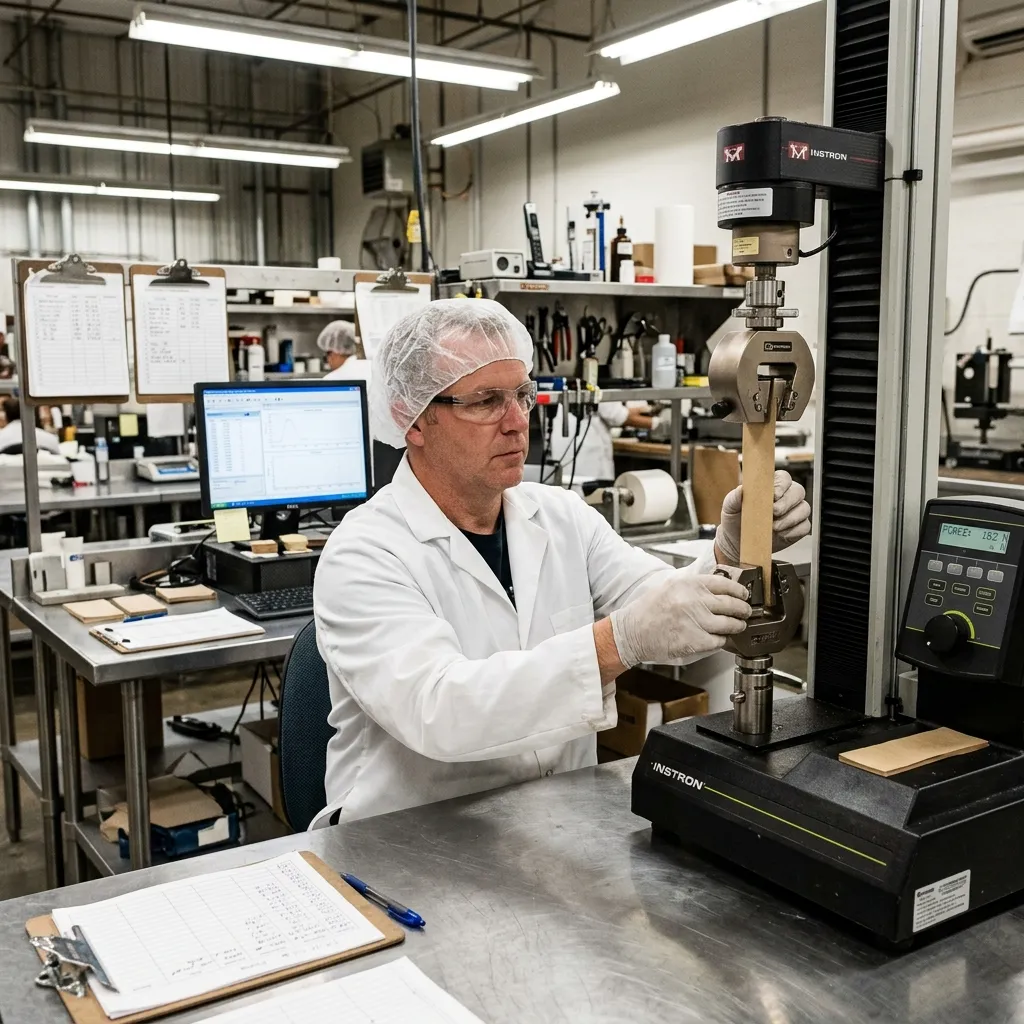
| Padrão | Escopo | Uso típico do comprador |
|---|---|---|
| ASTM D6400 | Compostabilidade industrial (EUA) | Cópia ecológica do varejo dos EUA |
| EN 13432 | Compostabilidade industrial (UE) | Texto ecológico de varejo da UE |
| OECD 301 (A–F) | Biodegradação aquosa | Dados de componentes de fibra/tinta |
| AS 5810 / OK compost HOME | Compostagem doméstica | Alegação de “compostagem doméstica” para o consumidor |
| Nenhuma norma citada | Marketing não suportado | Alto risco de fiscalização |
Conclusão Principal: Escolha o padrão que corresponde ao seu mercado-alvo e imprima-o na embalagem de varejo juntamente com a alegação—nunca alegue biodegradação sem um relatório arquivado.
Escopo de fabricação OEM / ODM: https://ace-rolling.com/oem-odm-rolling-paper-manufacturer/.
Natural vs Compostável vs Biodegradável — O Que o Texto de Marketing Deve Dizer?
Introdução: Essas três palavras parecem intercambiáveis em um deck de marca, mas estão em bases legais muito diferentes.
Summary: “Natural” describes composition and is comparatively low-risk if the fibers really are plant-based. “Biodegradable” and “compostable” describe an environmental outcome and require test data plus, in many markets, a disclosed timeframe and end-of-life pathway. Copy that mixes the three (for example, “100% natural biodegradable compostable paper”) multiplies enforcement risk instead of dividing it.
| Copy option | What it says | What it needs on file |
|---|---|---|
| “Natural paper” | Plant-based fiber | Bill of materials |
| “Unbleached natural pulp” | Nenhuma etapa de branqueamento | Mill declaration |
| “Biodegradable (per ASTM D6400)” | Tested breakdown | Third-party lab report |
| “Home compostable (OK compost HOME)” | Home-compost tested | Certification body scope |
| “Eco-friendly / green / earth-safe” | Vague | Nothing supports it—avoid |
Conclusão Principal: Say what you can prove and cite the standard—do not blend “natural” and “biodegradable” into one uncited paragraph.
Pre-rolled cones in natural paper routes: https://ace-rolling.com/pre-rolled-cones/.
Which Paper Routes and Gums Support Cleaner Environmental Stories?
Lead-in: Some paper stacks give a buyer a stronger material story to work with even before test data is filed.
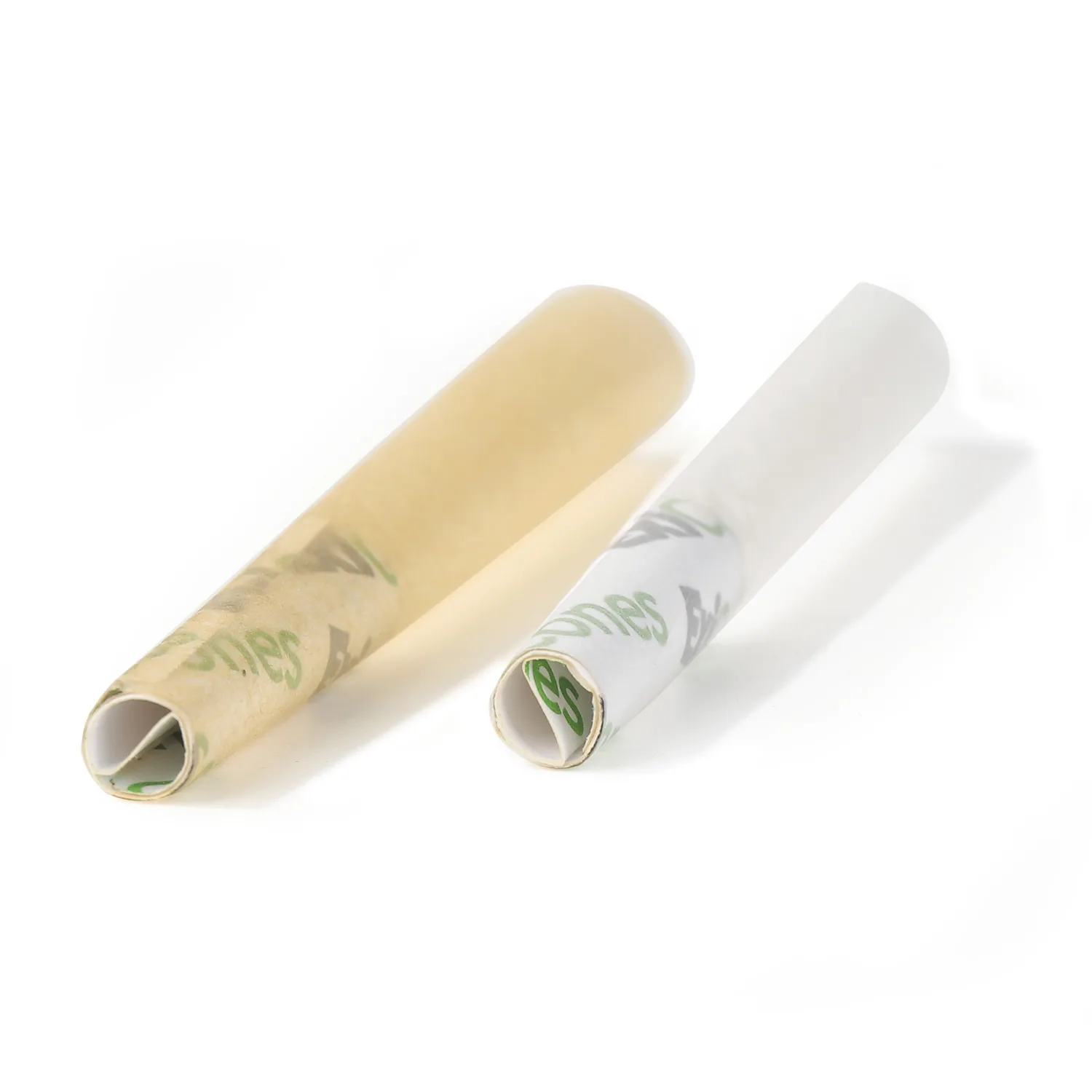
Summary: Unbleached wood pulp, hemp, flax, and bamboo are recognizable plant-based fibers that consumers already associate with “natural.” Combined with food-grade natural Arabic gum on applicable papers and, where the program qualifies, FSC-certified sourcing options and a Hengfeng-backed base paper option, the bill of materials supports a credible natural-material narrative. That narrative still needs test data before it becomes a biodegradability claim.
| Ace paper route | Natural-story strength | Notas |
|---|---|---|
| Polpa de madeira não branqueada | Forte | Recognizable natural color |
| Cânhamo | Forte | Popular natural fiber |
| Linho | Forte | Long-fiber, thin sheet |
| Bambu | Forte | Fast-growth fiber narrative |
| White wood pulp (bleached) | Weaker | Confirm bleach route (TCF/ECF) |
| Custom color / printed | Depends on ink | Ink stack affects test scope |
Conclusão Principal: Pick the paper route and gum first; the environmental story is only as clean as the full paper + gum + ink stack you actually print on.
Industrial jumbo rolls for base paper sourcing: https://ace-rolling.com/industrial-jumbo-rolls/.
What Marketing Claims Are Risky Under FTC / ASA / EU Green Claims?
Lead-in: Environmental marketing language sits under active enforcement in the US, UK, and EU—wholesale buyers should treat it as a compliance line item, not a design choice.
Summary: The US FTC Green Guides expect qualified, substantiated environmental claims. The UK ASA CAP Code enforces evidence-based green advertising. The EU Green Claims Directive is tightening rules on “green,” “eco,” and unverified biodegradable/compostable claims. Ace flags these as buyer concerns because Ace is the material supplier, not the retail claim owner. Buyers should confirm each market’s current rules with local counsel; this article is not legal advice.
| Market | Framework | Common risk word |
|---|---|---|
| US | FTC Green Guides | “Biodegradable” without qualification |
| UK | ASA CAP Code | “Eco-friendly” with no evidence |
| EU | Green Claims Directive (rollout) | Unverified “green” / “climate neutral” |
| Global retail | Marketplace policies | Unsubstantiated compostable claim |
| B2B contract | Buyer indemnity | Copy the buyer wrote, not Ace |
Conclusão Principal: Green words carry enforcement risk in every major market—qualify, cite the standard, and keep the evidence file with the SKU.
Quality and certifications scope: https://ace-rolling.com/quality-certifications/.
What Documentation Should a Wholesale Supplier Provide With Each Lot?
Lead-in: A defensible eco claim lives in the document folder, not on the marketing page.
Summary: Ask the supplier for the material declaration (pulp source, gum grade, ink stack), any relevant certifications on the SKU (FSC option, ISO 9001:2015 quality framework), and, when a biodegradability claim is planned, a third-party test report tied to that exact paper + gum + ink build. Ace supports document requests inside the ISO 9001:2015 framework and will scope additional testing on request, per program.

| Documento | Propósito | Ace position |
|---|---|---|
| Material declaration | Pulp, gum, ink identified | Standard on request |
| ISO 9001:2015 quality framework | Systems evidence | On file |
| FSC certificate scope | Chain-of-custody option | Per applicable SKU |
| Third-party biodegradation report | Backs the eco claim | Program-scoped, buyer cost |
| Retain samples | Dispute evidence | Standard practice |
Conclusão Principal: A biodegradable claim needs a matching lot-linked lab report—if the folder is empty, the pack copy is exposed.
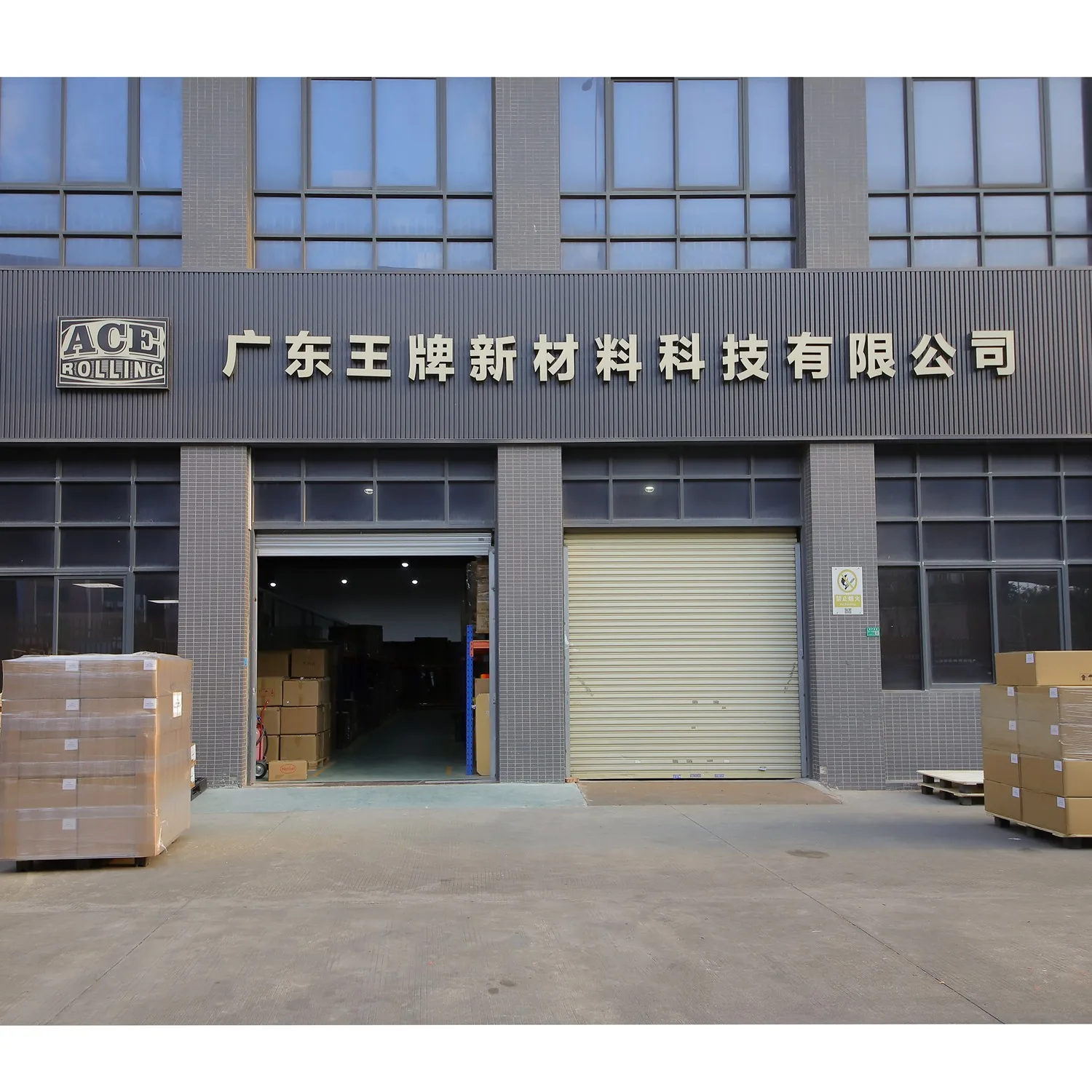
About the Dongguan factory: https://ace-rolling.com/about-factory/.
How Do You Discuss Biodegradable-Adjacent Sourcing With Ace Rolling?
Lead-in: A tight RFQ turns a fuzzy “eco paper” question into a concrete quote and a documented plan.
Summary: Tell Ace what you want the retail pack to say, what market it ships to, and which fiber and gum you want on the build. Ace will confirm which paper routes and gums support that narrative, whether FSC sourcing is available on that SKU, and what a third-party test program would look like if a biodegradability or compostability claim is on the pack. MOQs often start from around 2,000 units per SKU (spec-dependent); concept-to-delivery typically plans around two months; mass production commonly runs four to five weeks after approvals.
| RFQ line | O que escrever |
|---|---|
| Tamanho | 1¼ / king slim / king size / cone size |
| Fibra | Hemp / flax / bamboo / unbleached wood pulp |
| Goma | Food-grade natural Arabic gum (applicable papers) |
| Claim on pack | “Natural” only, or tested biodegradable / compostable |
| Documentação | Material declaration, FSC option, test scope |
| MOQ / lead time | Often from ~2,000; ~2 months concept-to-delivery |
| Destino | Port / country / Incoterms |
Conclusão Principal: Bring the target market and the exact pack claim to the RFQ—Ace can then quote the material, the documentation, and the test scope in one reply.
Start your Ace conversation here: https://ace-rolling.com/contact/.
Perguntas Frequentes
Does Ace Rolling sell “biodegradable” rolling papers wholesale?
Ace sells natural-material paper routes—hemp, flax, bamboo, unbleached wood pulp—with food-grade Arabic gum on applicable papers. Ace does not stamp a generic “biodegradable” claim on stock SKUs. A biodegradability claim requires a third-party test report against ASTM D6400, EN 13432, or a similar standard on the exact paper build.
Which test standard should I request for a biodegradable claim in the US?
For US retail, ASTM D6400 covers industrial compostability and is what the FTC Green Guides expect buyers to substantiate. OECD 301 series data can support fiber-level biodegradation discussion. Confirm current wording with local counsel per market; this guide is not legal advice, only a buyer due-diligence starting point for wholesale sourcing.
Can I put “eco-friendly” or “100% biodegradable” on my private-label pack?
Only if you can substantiate it. FTC, UK ASA, and the EU Green Claims Directive treat unqualified green language as enforcement risk. Ace supplies the material; the retail claim, evidence file, and market compliance sit with the buyer. Qualify the claim, cite the standard, and keep the lab report tied to the lot on file.
Do FSC-certified papers count as biodegradable for wholesale marketing?
No. FSC certifies responsible forestry chain-of-custody, not compostability or biodegradability. The two claims live in separate documents and require separate evidence. Ace offers FSC-certified sourcing as an option on applicable SKUs; a biodegradable or compostable claim still needs its own third-party test report tied to your specific paper and gum build.
What MOQ and lead time apply if I add a test program to a biodegradable SKU?
Ace MOQs often start from around two thousand units per SKU depending on spec, print, and pack; concept-to-delivery typically plans around two months, with mass production about four to five weeks after approvals. Adding a third-party biodegradation test program is scoped separately, at the buyer’s cost, and can extend the front-end timeline meaningfully.
Does Ace manufacture RAW, Rizla, or OCB biodegradable-style papers?
No. Ace is an independent OEM/ODM and private-label manufacturer based in Dongguan, China, and does not make RAW, Rizla, or OCB. Ace can quote comparable natural-fiber paper routes—hemp, flax, bamboo, unbleached wood pulp—for your own registered brand. Any environmental claim on that brand is documented against a test standard you approve.