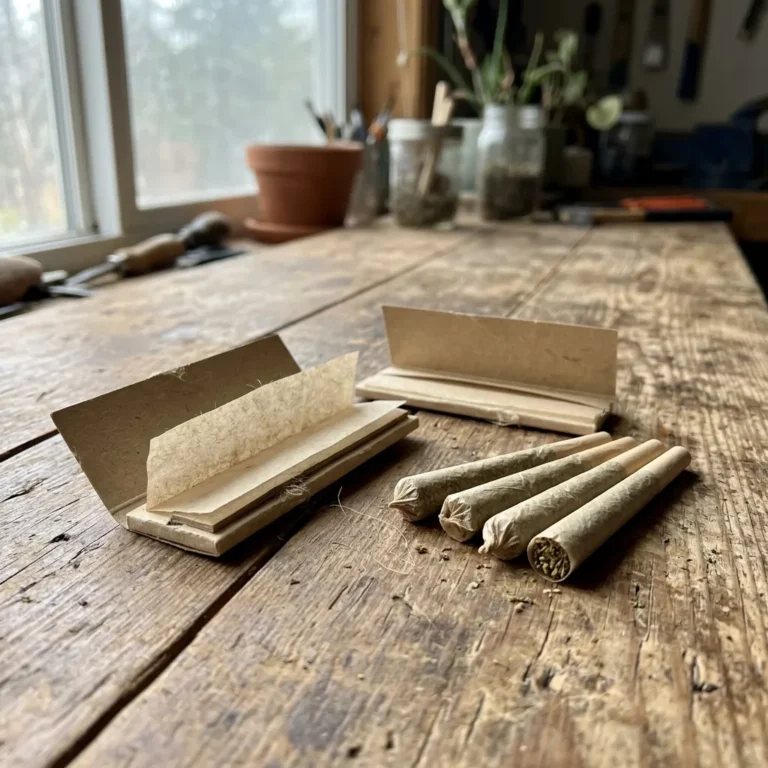

¿Se venden papeles de liar biodegradables al por mayor? Sí, las rutas de papel de material natural se cotizan al por mayor de fábrica, pero “biodegradable” es una declaración ambiental regulada que necesita datos de prueba ASTM D6400 o EN 13432 en el SKU exacto—Ace suministra el material, los compradores son responsables del marketing ecológico.
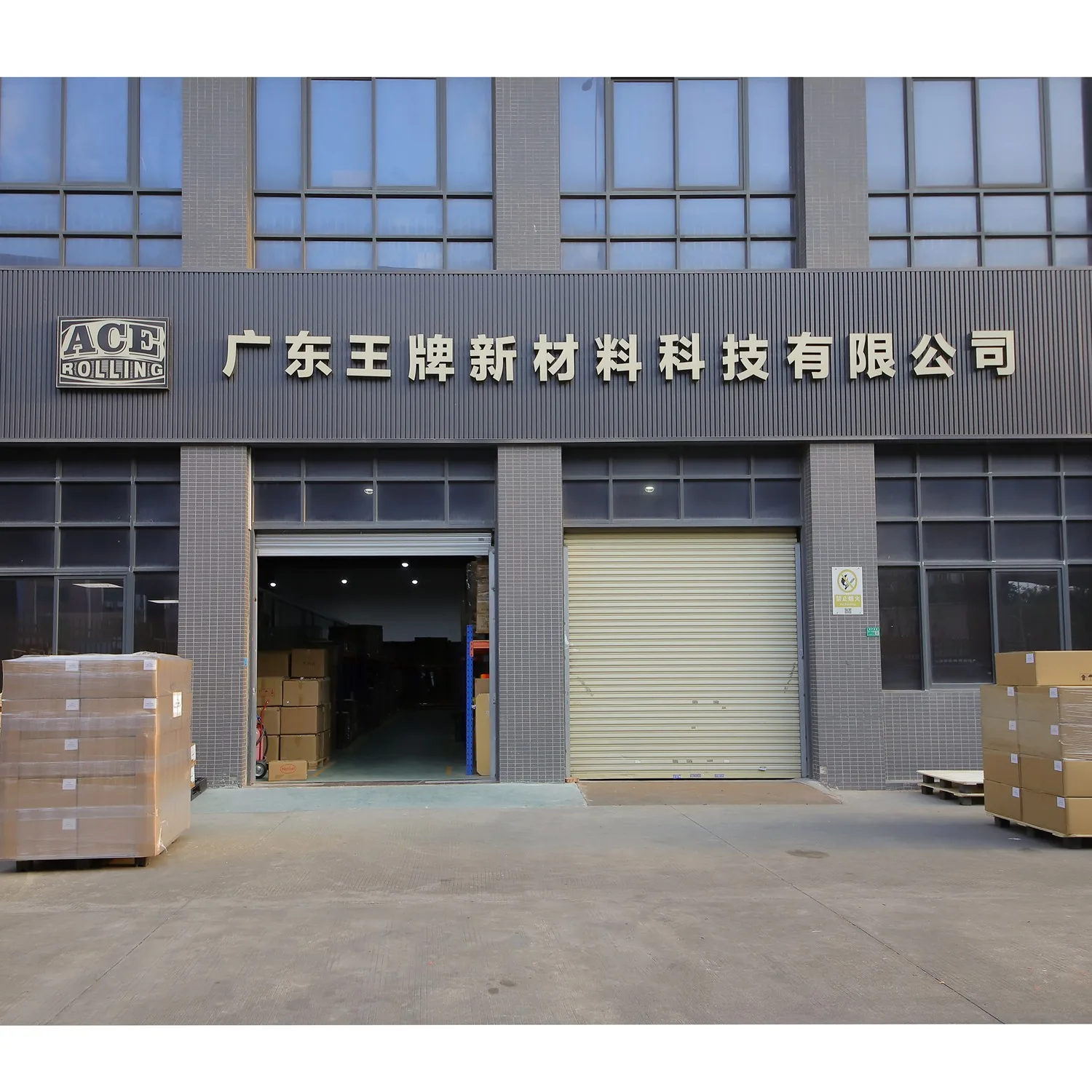
Las páginas SERP orientadas al minorista (por ejemplo, las páginas de marca RAW en sitios de distribuidores como hswsupply) agrupan el lenguaje “natural” y “biodegradable” como copia para el consumidor, pero los equipos de abastecimiento B2B necesitan separar la ruta del papel de la declaración ambiental. Guangdong Ace Rolling es un OEM/ODM de Dongguan, China, para libretas de marca privada (~USD 0.07–0.30) y conos prerollados (~0.04–0.06) con opciones de pulpa sin blanquear, de cáñamo, lino, bambú y madera. Ace no fabrica RAW, Rizla ni OCB, y Ace no estampa una declaración genérica de “biodegradable” en los SKU sin un estándar de prueba documentado detrás. Este artículo es una guía de diligencia debida para compradores, no asesoramiento legal; verifique certificaciones y declaraciones según el mercado.
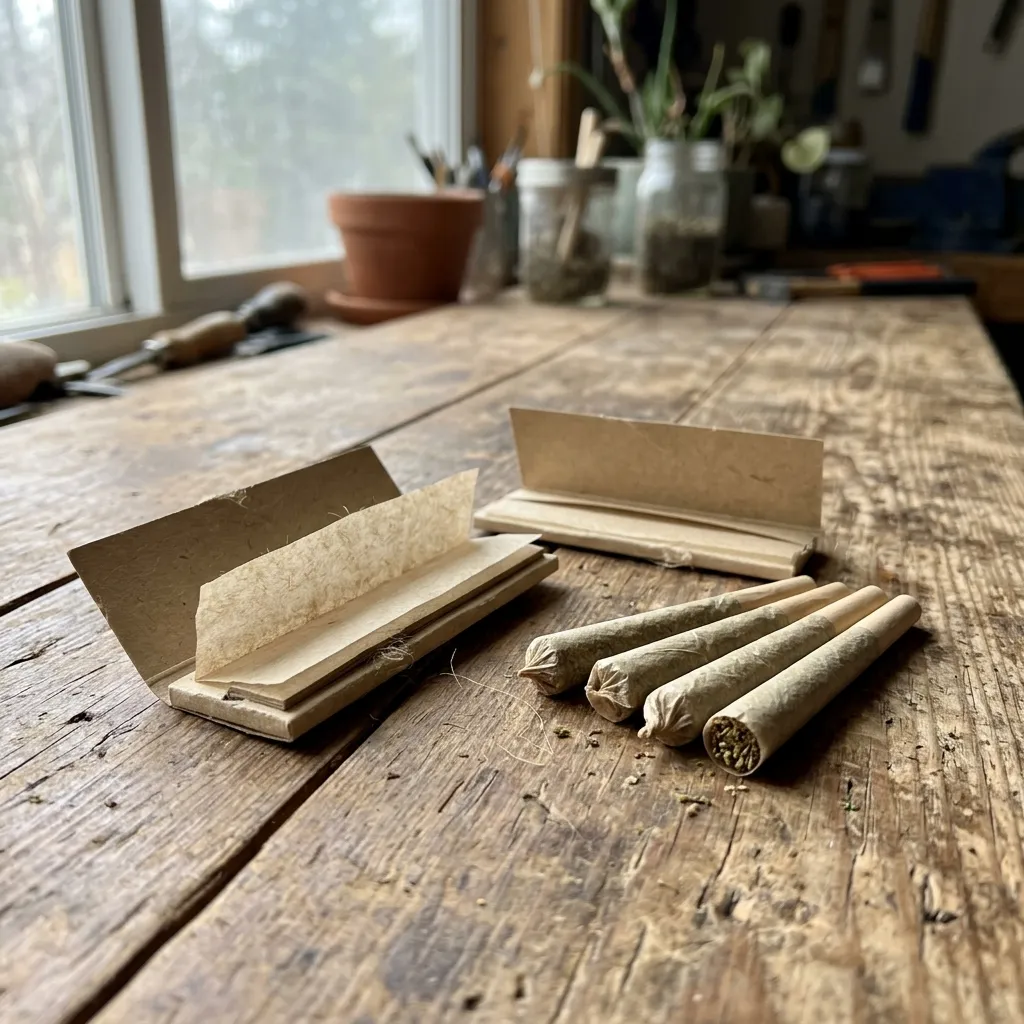
¿Qué significa realmente “biodegradable” para los papeles de liar?
Introducción: “Biodegradable” suena intuitivo, pero es una declaración ambiental regulada y comprobable en la mayoría de los mercados importantes, no un sinónimo de “fibra natural”.”
Resumen: La biodegradabilidad describe la descomposición microbiana medible de un material bajo condiciones definidas (temperatura, humedad, período de tiempo). Los reguladores esperan un estándar de prueba específico y un informe de laboratorio por material. Un papel de liar hecho de pulpa natural y goma arábiga puede tener un buen desempeño, pero esa intuición no es una declaración legal. Los compradores que ponen “biodegradable” en los paquetes minoristas sin documentación enfrentan el riesgo de acciones de la FTC, ASA o la UE.
- Composición de fibra natural ≠ biodegradabilidad probada
- Compostable es un subconjunto más estricto (compost industrial o doméstico, plazo definido)
- “Eco-amigable” es una palabra de marketing vaga con el mayor riesgo de aplicación
- Ace suministra el material; la declaración probada pertenece a quien imprime el envase minorista
- Ace puede apoyar el alcance de la prueba a solicitud, por programa, a costo del comprador
| Concepto | Significado | Acción del comprador |
|---|---|---|
| Material natural | Pulpa y goma de origen vegetal | Describe la fibra, no el resultado |
| Biodegradable (probado) | Descomposición medida según el estándar | Cite el estándar en el envase |
| Compostable (probado) | Se descompone en compost definido | Confirmar alcance industrial vs doméstico |
| “Respetuoso con el medio ambiente” | Palabra de marketing vaga | Evitar en envases dirigidos al minorista |
Conclusión clave: La fibra natural es una especificación de fábrica; la biodegradabilidad es una declaración de laboratorio: nunca asuma que la segunda se deriva automáticamente de la primera.
Papeles personalizados con rutas de fibra natural: https://ace-rolling.com/custom-rolling-papers/.
¿Qué estándares de prueba deben solicitar los compradores mayoristas?
Introducción: Si su equipo de ventas planea decir “biodegradable” en el mercado, la RFQ necesita un estándar de prueba nombrado en la partida, no una sensación.
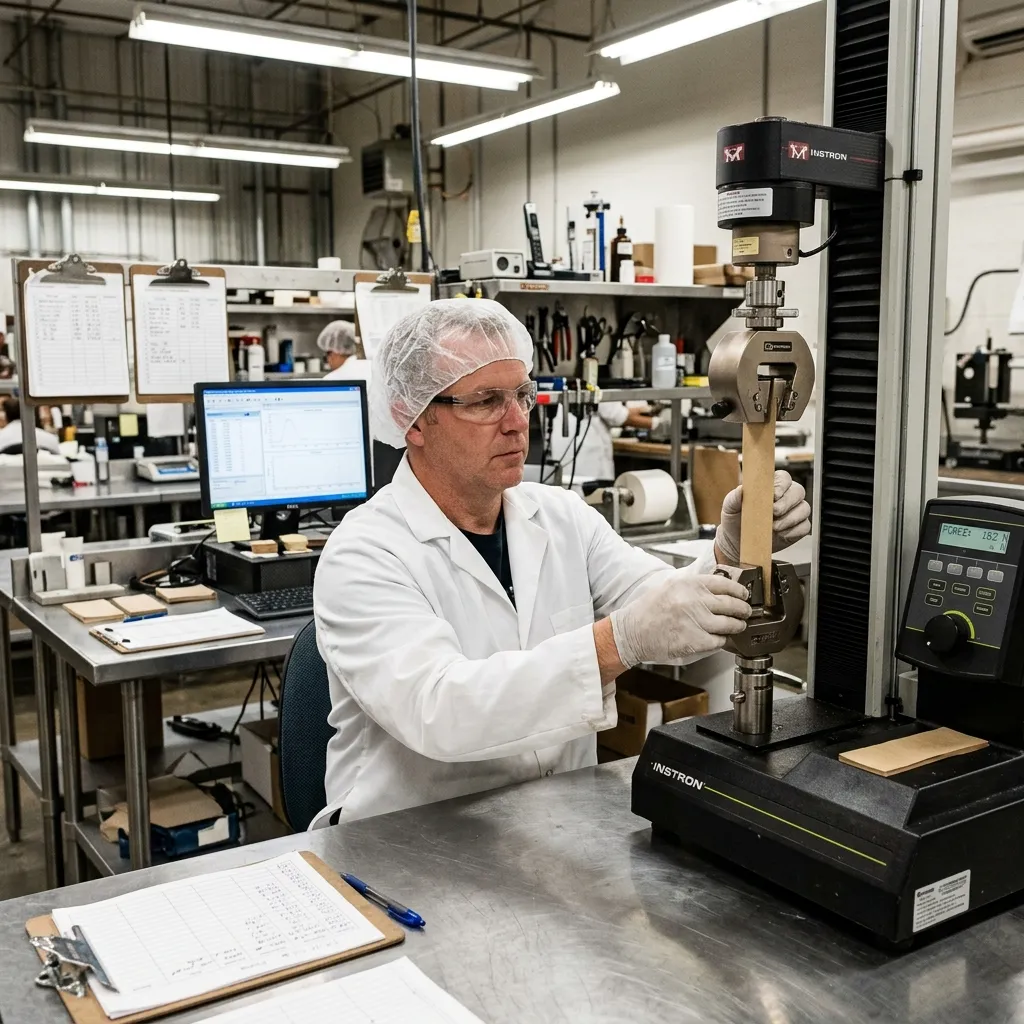
Resumen: Los principales estándares internacionales para biodegradación y compostaje son ASTM D6400 (EE. UU., compostaje industrial), EN 13432 (UE, compostaje industrial), serie OECD 301 (biodegradación acuosa para productos químicos/fibras), y AS 5810 / OK compost HOME para el alcance de compostaje doméstico. Ace puede ayudar a estructurar un programa de prueba con un laboratorio tercero acreditado en la combinación específica de papel + goma + tinta, a costo del comprador y por programa.
| Estándar | Alcance | Uso típico del comprador |
|---|---|---|
| ASTM D6400 | Compostabilidad industrial (EE. UU.) | Copia ecológica para minoristas de EE. UU. |
| EN 13432 | Compostabilidad industrial (UE) | Texto ecológico para venta minorista en la UE |
| OECD 301 (A–F) | Biodegradación acuosa | Datos de componentes de fibra/tinta |
| AS 5810 / OK compost HOME | Compostaje doméstico | Declaración de “compostaje doméstico” para el consumidor |
| Sin estándar citado | Marketing sin respaldo | Alto riesgo de aplicación |
Conclusión clave: Elija el estándar que coincida con su mercado objetivo e imprímalo en el envase minorista junto con la declaración—nunca declare biodegradabilidad sin un informe archivado.
Alcance de fabricación OEM / ODM: https://ace-rolling.com/oem-odm-rolling-paper-manufacturer/.
Natural vs Compostable vs Biodegradable — ¿Qué debe decir la copia de marketing?
Introducción: Estas tres palabras parecen intercambiables en una presentación de marca, pero se basan en fundamentos legales muy diferentes.
Summary: “Natural” describes composition and is comparatively low-risk if the fibers really are plant-based. “Biodegradable” and “compostable” describe an environmental outcome and require test data plus, in many markets, a disclosed timeframe and end-of-life pathway. Copy that mixes the three (for example, “100% natural biodegradable compostable paper”) multiplies enforcement risk instead of dividing it.
| Copy option | What it says | What it needs on file |
|---|---|---|
| “Natural paper” | Plant-based fiber | Bill of materials |
| “Unbleached natural pulp” | Sin etapa de blanqueo | Mill declaration |
| “Biodegradable (per ASTM D6400)” | Tested breakdown | Third-party lab report |
| “Home compostable (OK compost HOME)” | Home-compost tested | Certification body scope |
| “Eco-friendly / green / earth-safe” | Vague | Nothing supports it—avoid |
Conclusión clave: Say what you can prove and cite the standard—do not blend “natural” and “biodegradable” into one uncited paragraph.
Pre-rolled cones in natural paper routes: https://ace-rolling.com/pre-rolled-cones/.
Which Paper Routes and Gums Support Cleaner Environmental Stories?
Lead-in: Some paper stacks give a buyer a stronger material story to work with even before test data is filed.
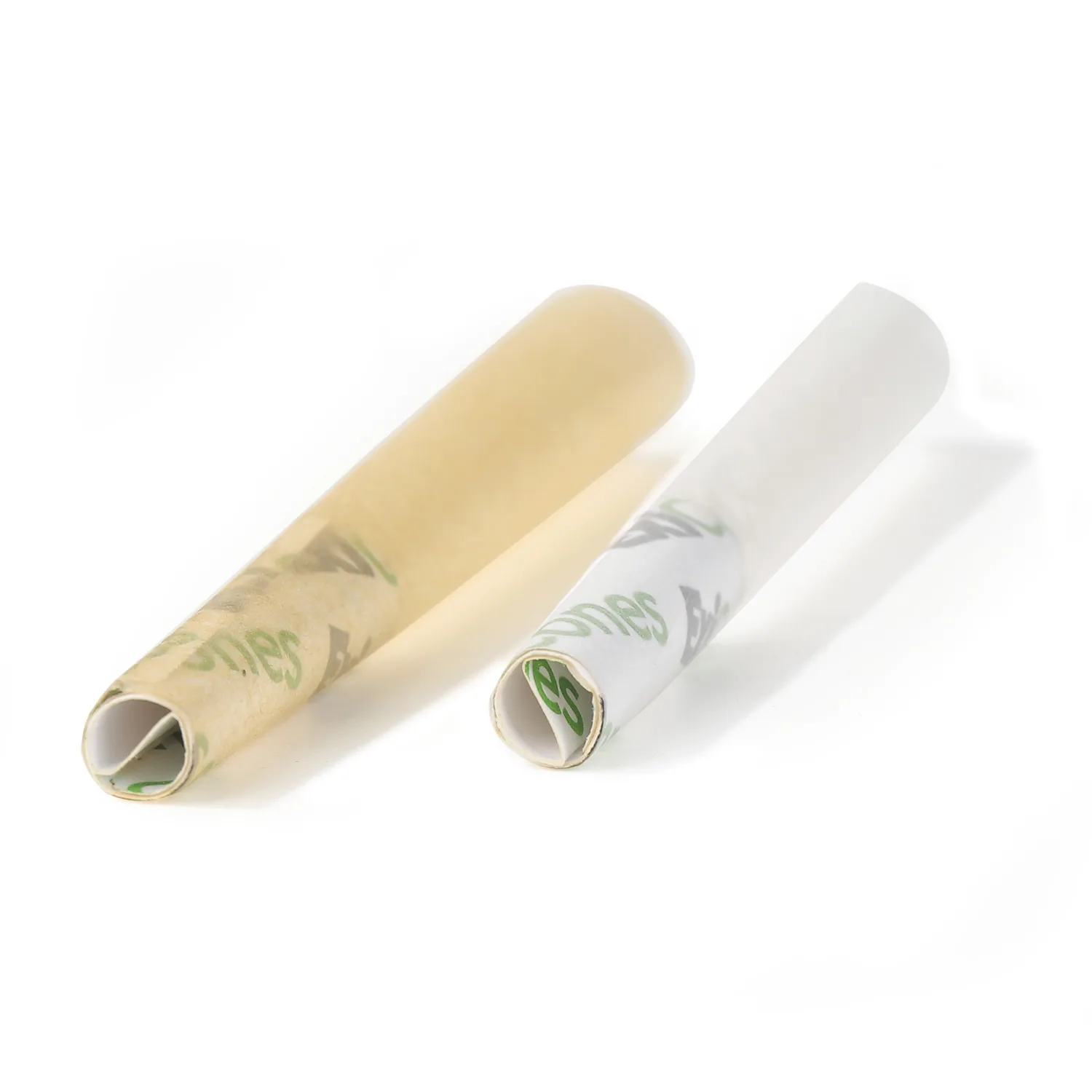
Summary: Unbleached wood pulp, hemp, flax, and bamboo are recognizable plant-based fibers that consumers already associate with “natural.” Combined with food-grade natural Arabic gum on applicable papers and, where the program qualifies, FSC-certified sourcing options and a Hengfeng-backed base paper option, the bill of materials supports a credible natural-material narrative. That narrative still needs test data before it becomes a biodegradability claim.
| Ace paper route | Natural-story strength | Notas |
|---|---|---|
| Pulpa de madera sin blanquear | Fuerte | Recognizable natural color |
| Cáñamo | Fuerte | Popular natural fiber |
| Lino | Fuerte | Long-fiber, thin sheet |
| Bambú | Fuerte | Fast-growth fiber narrative |
| White wood pulp (bleached) | Weaker | Confirm bleach route (TCF/ECF) |
| Custom color / printed | Depends on ink | Ink stack affects test scope |
Conclusión clave: Pick the paper route and gum first; the environmental story is only as clean as the full paper + gum + ink stack you actually print on.
Industrial jumbo rolls for base paper sourcing: https://ace-rolling.com/industrial-jumbo-rolls/.
What Marketing Claims Are Risky Under FTC / ASA / EU Green Claims?
Lead-in: Environmental marketing language sits under active enforcement in the US, UK, and EU—wholesale buyers should treat it as a compliance line item, not a design choice.
Summary: The US FTC Green Guides expect qualified, substantiated environmental claims. The UK ASA CAP Code enforces evidence-based green advertising. The EU Green Claims Directive is tightening rules on “green,” “eco,” and unverified biodegradable/compostable claims. Ace flags these as buyer concerns because Ace is the material supplier, not the retail claim owner. Buyers should confirm each market’s current rules with local counsel; this article is not legal advice.
| Market | Framework | Common risk word |
|---|---|---|
| US | FTC Green Guides | “Biodegradable” without qualification |
| UK | ASA CAP Code | “Eco-friendly” with no evidence |
| EU | Green Claims Directive (rollout) | Unverified “green” / “climate neutral” |
| Global retail | Marketplace policies | Unsubstantiated compostable claim |
| B2B contract | Buyer indemnity | Copy the buyer wrote, not Ace |
Conclusión clave: Green words carry enforcement risk in every major market—qualify, cite the standard, and keep the evidence file with the SKU.
Quality and certifications scope: https://ace-rolling.com/quality-certifications/.
What Documentation Should a Wholesale Supplier Provide With Each Lot?
Lead-in: A defensible eco claim lives in the document folder, not on the marketing page.
Summary: Ask the supplier for the material declaration (pulp source, gum grade, ink stack), any relevant certifications on the SKU (FSC option, ISO 9001:2015 quality framework), and, when a biodegradability claim is planned, a third-party test report tied to that exact paper + gum + ink build. Ace supports document requests inside the ISO 9001:2015 framework and will scope additional testing on request, per program.

| Documento | Propósito | Ace position |
|---|---|---|
| Material declaration | Pulp, gum, ink identified | Standard on request |
| ISO 9001:2015 quality framework | Systems evidence | On file |
| FSC certificate scope | Chain-of-custody option | Per applicable SKU |
| Third-party biodegradation report | Backs the eco claim | Program-scoped, buyer cost |
| Retain samples | Dispute evidence | Standard practice |
Conclusión clave: A biodegradable claim needs a matching lot-linked lab report—if the folder is empty, the pack copy is exposed.
About the Dongguan factory: https://ace-rolling.com/about-factory/.
How Do You Discuss Biodegradable-Adjacent Sourcing With Ace Rolling?
Lead-in: A tight RFQ turns a fuzzy “eco paper” question into a concrete quote and a documented plan.
Summary: Tell Ace what you want the retail pack to say, what market it ships to, and which fiber and gum you want on the build. Ace will confirm which paper routes and gums support that narrative, whether FSC sourcing is available on that SKU, and what a third-party test program would look like if a biodegradability or compostability claim is on the pack. MOQs often start from around 2,000 units per SKU (spec-dependent); concept-to-delivery typically plans around two months; mass production commonly runs four to five weeks after approvals.
| RFQ line | Qué escribir |
|---|---|
| Tamaño | 1¼ / king slim / king size / cone size |
| Fibra | Hemp / flax / bamboo / unbleached wood pulp |
| Goma | Food-grade natural Arabic gum (applicable papers) |
| Claim on pack | “Natural” only, or tested biodegradable / compostable |
| Documentación | Material declaration, FSC option, test scope |
| MOQ / lead time | Often from ~2,000; ~2 months concept-to-delivery |
| Destino | Port / country / Incoterms |
Conclusión clave: Bring the target market and the exact pack claim to the RFQ—Ace can then quote the material, the documentation, and the test scope in one reply.
Start your Ace conversation here: https://ace-rolling.com/contact/.
Preguntas frecuentes
Does Ace Rolling sell “biodegradable” rolling papers wholesale?
Ace sells natural-material paper routes—hemp, flax, bamboo, unbleached wood pulp—with food-grade Arabic gum on applicable papers. Ace does not stamp a generic “biodegradable” claim on stock SKUs. A biodegradability claim requires a third-party test report against ASTM D6400, EN 13432, or a similar standard on the exact paper build.
Which test standard should I request for a biodegradable claim in the US?
For US retail, ASTM D6400 covers industrial compostability and is what the FTC Green Guides expect buyers to substantiate. OECD 301 series data can support fiber-level biodegradation discussion. Confirm current wording with local counsel per market; this guide is not legal advice, only a buyer due-diligence starting point for wholesale sourcing.
Can I put “eco-friendly” or “100% biodegradable” on my private-label pack?
Only if you can substantiate it. FTC, UK ASA, and the EU Green Claims Directive treat unqualified green language as enforcement risk. Ace supplies the material; the retail claim, evidence file, and market compliance sit with the buyer. Qualify the claim, cite the standard, and keep the lab report tied to the lot on file.
Do FSC-certified papers count as biodegradable for wholesale marketing?
No. FSC certifies responsible forestry chain-of-custody, not compostability or biodegradability. The two claims live in separate documents and require separate evidence. Ace offers FSC-certified sourcing as an option on applicable SKUs; a biodegradable or compostable claim still needs its own third-party test report tied to your specific paper and gum build.
What MOQ and lead time apply if I add a test program to a biodegradable SKU?
Ace MOQs often start from around two thousand units per SKU depending on spec, print, and pack; concept-to-delivery typically plans around two months, with mass production about four to five weeks after approvals. Adding a third-party biodegradation test program is scoped separately, at the buyer’s cost, and can extend the front-end timeline meaningfully.
Does Ace manufacture RAW, Rizla, or OCB biodegradable-style papers?
No. Ace is an independent OEM/ODM and private-label manufacturer based in Dongguan, China, and does not make RAW, Rizla, or OCB. Ace can quote comparable natural-fiber paper routes—hemp, flax, bamboo, unbleached wood pulp—for your own registered brand. Any environmental claim on that brand is documented against a test standard you approve.