
Custom watermark rolling papers OEM works by converting approved artwork into roller tooling, embossing a controlled pattern into the paper web, verifying visibility and performance on samples, then releasing the accepted specification to mass production. The watermark is a paper-engineering feature—not ordinary surface logo printing.
For private-label buyers, the critical path is pattern geometry, tooling route, sample approval, and repeatable verification. Ace Rolling is a Dongguan, China OEM for custom brands. It does not make RAW, Rizla, or OCB, and this guide makes no medical claims.
What Is a Custom Rolling Paper Watermark?
Lead-in: Buyers often use “watermark” to describe any visible mark on a rolling paper, but tooling, ink, and packaging graphics are three different production scopes.
Summary: A true custom watermark is formed in the paper’s structure by a patterned roller or equivalent converting setup. It should be specified and sampled separately from a printed leaf logo and the printed booklet cover.
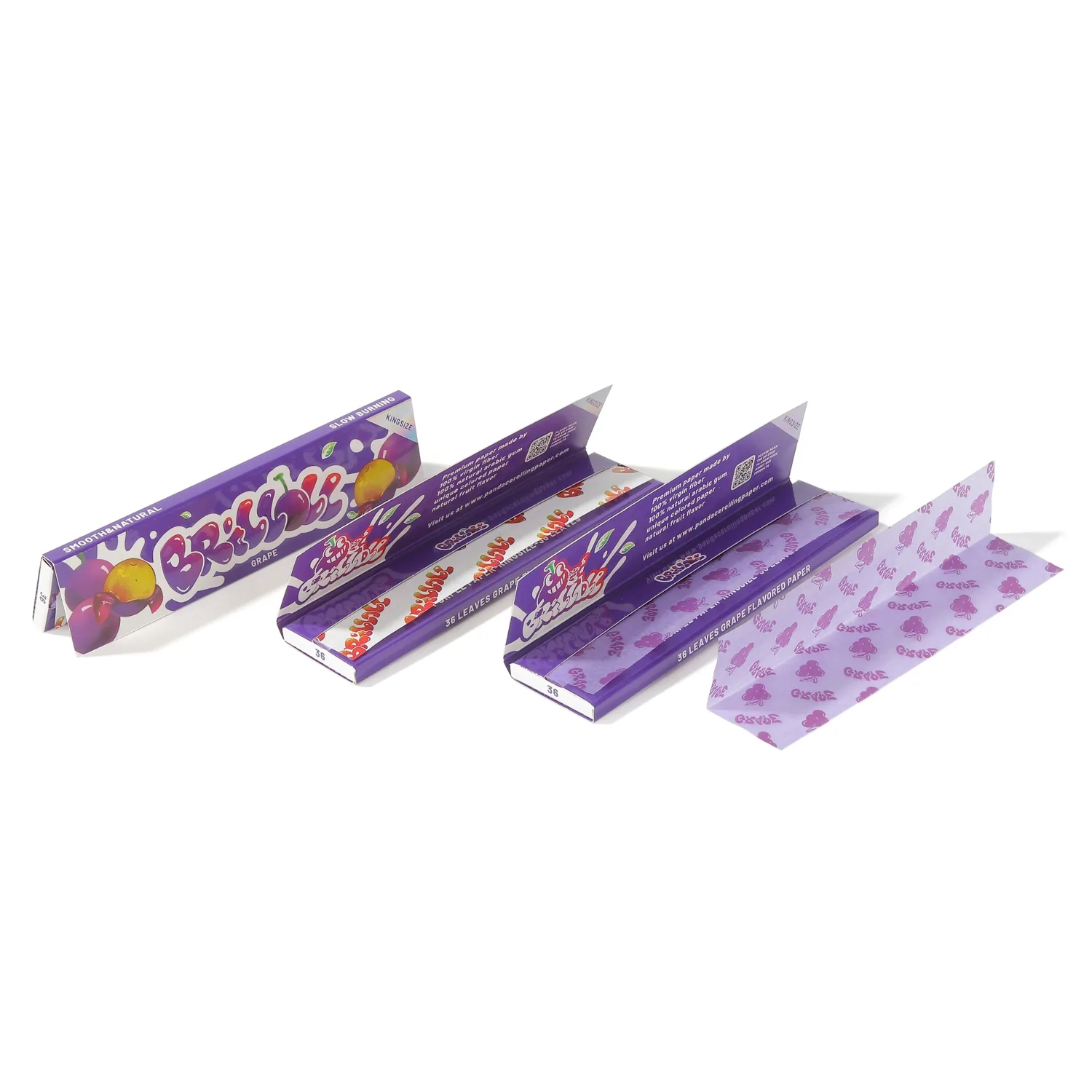
The distinction matters because each method creates a different buyer decision. A booklet logo is applied to packaging. A leaf print places approved ink on the sheet. A watermark changes local paper density or texture through mechanical contact, creating a repeating mark that becomes visible under suitable light or handling.
That structural pattern may support brand recognition, visual differentiation, or a controlled paper specification, but buyers should not treat it as automatic proof of authenticity or guaranteed burn performance. Fiber, basis weight, porosity, gum, storage, and fill conditions still influence how a finished paper behaves.
Before asking for a quotation, define whether the mark should repeat as a straight band, diagonal motif, crosshatch, wordmark, icon, or combined pattern. Also decide how obvious the mark should be. A delicate mark and a high-contrast mark require different artwork simplification, relief, pressure, and sample judgments.
| Brand surface | How it is made | What the buyer approves | Risco principal |
|---|---|---|---|
| Structural watermark | Patterned roller or converting tool changes paper texture/density | Repeat, depth, orientation, visibility | Weak detail or over-embossing |
| Printed leaf logo | Ink is deposited on the paper | Ink, color, registration, coverage | Ink load or blurred artwork |
| Printed booklet cover | Commercial packaging print | Color, finish, dieline, barcode | Trim or color mismatch |
| House watermark | Supplier’s existing pattern/tool | Suitability of a stock sample | Not exclusive to one brand |
Conclusão Principal: Specify the watermark, leaf print, and booklet artwork as three separate approval lines.
Explore Ace’s paper-level and pack-level customization at https://ace-rolling.com/custom-rolling-papers/.
Which Watermark Tooling Route Fits Your Budget?
Lead-in: The largest commercial surprise is that “custom watermark” can mean buying dedicated online equipment, commissioning an offline roller, or accepting a supplier’s existing house pattern.
Summary: SERP peers, including The Rolling Paper Company’s watermarking page, claim an online watermark setup can exceed USD $100,000, an offline roller is about USD $4,500 with roughly 60 days of preparation, and their house watermark is free. These are their claims—not Ace quotations.

An online system can integrate watermark creation into high-volume converting, but its capital requirement only makes sense when demand and machine utilization justify it. An offline roller can reduce the initial equipment commitment while adding a separate setup, handling, and scheduling stage. A house watermark avoids custom-tool expense, yet it usually provides no brand-exclusive motif.
Those SERP figures are useful as market anchors, not as a purchase order. Currency, roller width, engraving method, pattern complexity, ownership, freight, trials, and maintenance can move the actual quote. Ask whether the charge buys the tool, rents production time, or merely covers setup. Also ask who stores the roller and whether the buyer can move it to another facility.
For an OEM launch, the best route is not automatically the cheapest tool. A stock watermark may be rational for demand testing. Dedicated tooling becomes more defensible when a recognizable pattern, repeat control, and reorder continuity carry measurable brand value.
| Rota | SERP-peer cost claim | SERP-peer timing claim | Melhor ajuste | Buyer trade-off |
|---|---|---|---|---|
| Online watermark setup | Can exceed $100,000 | Específico do projeto | Very high sustained volume | Highest capital exposure |
| Offline custom roller | About $4,500 | About 60 days | Brand-specific OEM runs | Separate tooling and scheduling |
| House watermark | Free on the peer’s program | Existing setup | Fast market test | Little or no exclusivity |
| Plain paper | No watermark tool | Fastest mechanical path | Price-led launch | No structural brand motif |
Conclusão Principal: Treat SERP-peer figures as route comparisons; request a dated Ace quote for the exact width, repeat, ownership, and production scope.
Discuss an OEM route with the Ace team through https://ace-rolling.com/oem-odm-rolling-paper-manufacturer/.
How Should You Design a Watermark Pattern Brief?
Lead-in: Detailed screen artwork often fails when translated into shallow mechanical relief on ultra-thin paper.
Summary: The factory brief should reduce the design to robust lines, define repeat and orientation numerically, and state what an acceptable watermark looks like on the chosen paper—not just on a vector preview.

Start with clean vector artwork, then remove hairlines, tiny counters, microtext, and crowded intersections that may close up or disappear. A strong watermark icon usually survives reduction because its positive and negative spaces are unmistakable. The supplier should flag unmanufacturable detail before the roller is ordered.
The brief should identify leaf width and length, paper material, basis-weight target, watermark orientation, repeat distance, edge clearance, gum-side relationship, and permitted seam or join behavior. Include a scale drawing on the actual leaf—not only a standalone logo. If the mark must align with a booklet fold or viewing window, call that out explicitly.
Visibility must be judged against the real substrate. Natural and white papers can reveal the same relief differently, while colored or printed sheets can mask a subtle pattern. A buyer should therefore approve the watermark on the intended fiber and shade, not infer the result from another SKU.
| Campo do briefing | Option A | Option B | Decision question |
|---|---|---|---|
| Motif | Wordmark | Icon or geometric repeat | Which survives small-scale relief? |
| Orientação | Machine-direction bands | Diagonal or cross pattern | How should it read on the finished leaf? |
| Visibility | Subtle | Pronounced | Is discretion or shelf demonstration more important? |
| Repetir | Wide spacing | Tight spacing | How many complete motifs should appear per leaf? |
| Papel | Natural shade | White or colored shade | Which substrate keeps the pattern legible? |
| Ownership | Supplier-controlled tool | Buyer-owned tool by contract | Who controls reorders and transfer? |
Conclusão Principal: Approve a dimensioned, substrate-specific watermark brief before authorizing any roller expense.
Review material and customization options at https://ace-rolling.com/custom-rolling-papers/.
How Are Watermark Samples Verified Before Mass Production?
Lead-in: A sharp-looking digital file proves nothing about pressure, repeat, paper damage, or consistency on a running web.
Summary: Verification should move from artwork and tool proof to physical paper samples, then to a retained golden sample with measurable acceptance criteria for the mass lot.
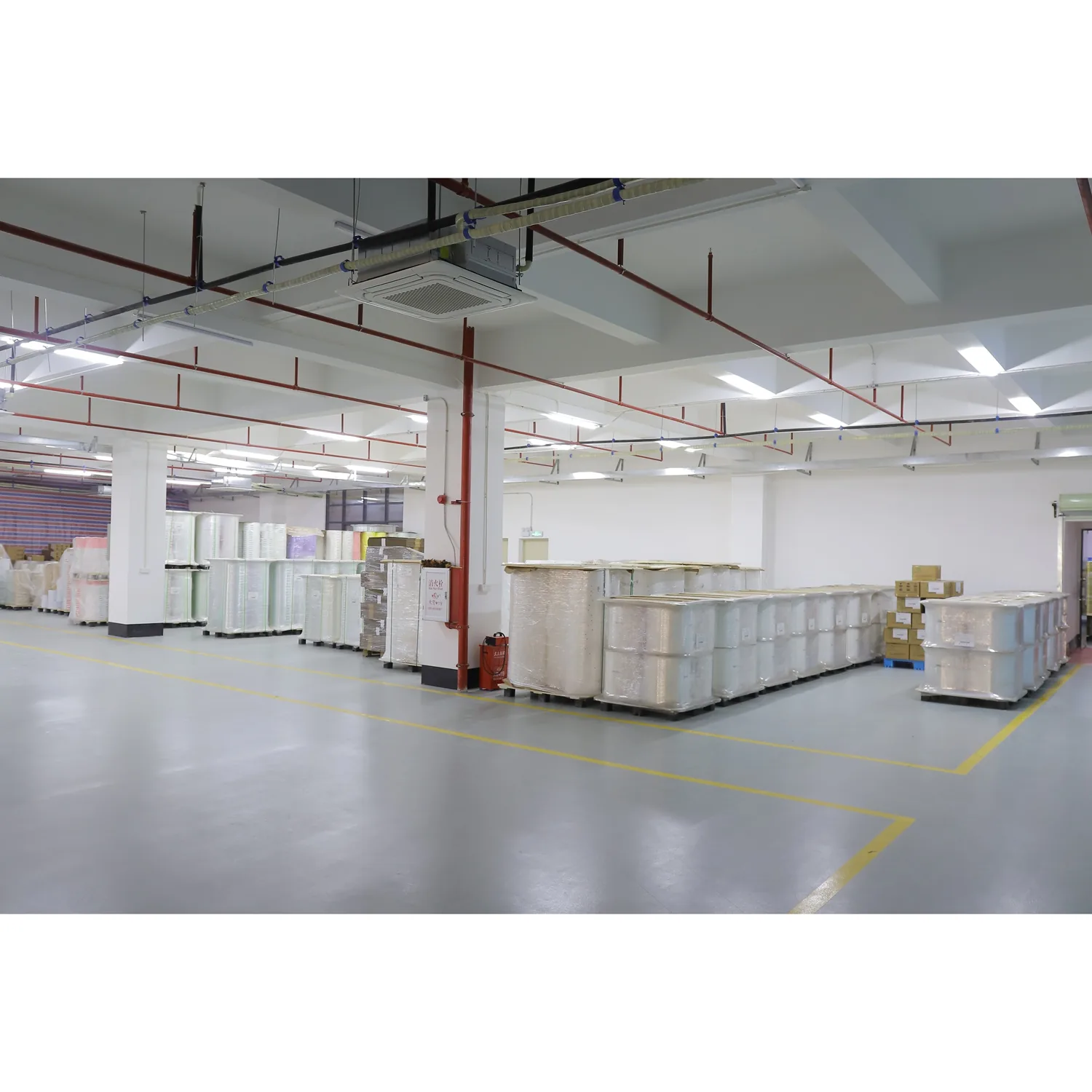
First, check the vector and roller proof for mirrored artwork, orientation, repeat length, edge clearance, and missing detail. Next, inspect trial paper under consistent transmitted and reflected light. Record the lighting and viewing distance so the approval can be repeated instead of relying on “looks good.”
Then examine the paper for unintended consequences: tears along heavy relief, wrinkles, uneven pressure bands, gum-edge interference, curl, or a pattern that fades across the web. A watermark sample should also be checked after cutting and booklet assembly because a technically correct repeat can land awkwardly on the finished leaf.
The approved sample should become a signed or otherwise traceable retain. Photos are useful for communication, but the physical retain remains the better comparison for texture and depth. Agree how many positions across the web and how many leaves per sampled booklet will be checked during production.
| Verification gate | Pass criterion | Evidence to retain | Failure signal |
|---|---|---|---|
| Artwork proof | Correct scale, repeat, orientation | Approved vector/PDF | Mirrored or crowded motif |
| Tool proof | Engraving matches released art | Roller proof or inspection record | Missing lines or wrong pitch |
| Trial web | Even relief across agreed positions | Labeled trial strips | Pressure fades across width |
| Cut leaf | Intended motif count and placement | Flat leaf samples | Pattern cut at the wrong phase |
| Booklet sample | Paper feeds and presents correctly | Sealed golden sample | Curl, tear, or awkward alignment |
| Mass lot | Agreed tolerance matches retain | Lot inspection record | Drift from approved depth/repeat |
Conclusão Principal: Do not release mass production until a physical watermark retain and acceptance method are approved.
See Ace’s quality framework and ISO 9001:2015 information at https://ace-rolling.com/quality-certifications/.
Where Does Watermarking Enter the OEM Production Flow?
Lead-in: A watermark roller is only one station in a longer system; changing it can affect web handling, cutting phase, booklet assembly, and production scheduling.
Summary: The approved paper specification moves through roll preparation, watermarking or embossing, slitting or cutting, gumming where applicable, conditioning, interleaving, packaging, and lot release. Exact station order depends on the line.
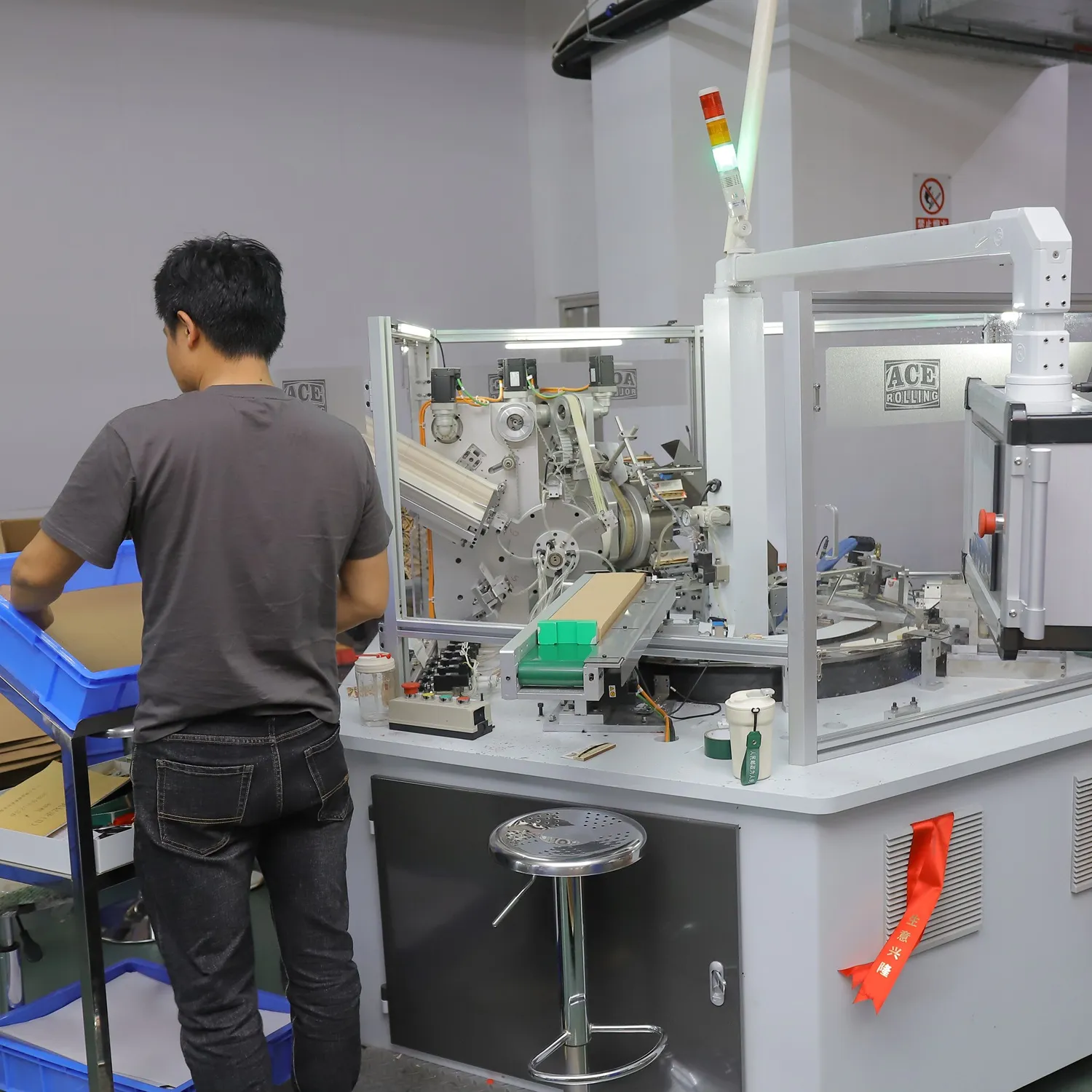
The factory begins by confirming that the chosen paper web and tool width are compatible. The patterned roller must run with controlled contact so the motif transfers consistently without crushing the sheet. If watermarking happens before final slitting, the factory must also control lane position; if it happens on a narrower bobbin, changeover and speed constraints may differ.
After the paper-level operation, the web must still pass downstream requirements. The gum edge on applicable papers should remain even, cuts should be clean, leaves should interleave correctly, and the booklet should dispense without tearing. Ace can offer food-grade Arabic gum on applicable papers; the gum claim should be confirmed for the quoted SKU rather than assumed for every product.
Mass production should follow the released tool, paper, repeat, and retain combination. Substituting a paper grade or changing pressure without approval can alter visibility. Reorders therefore need revision control: pattern file, tool ID, paper code, machine settings, and golden-sample reference should point to the same released version.
| Production stage | Watermark-specific control | General OEM control | Release question |
|---|---|---|---|
| Paper preparation | Stable web suited to relief | Material and shade match | Is this the sampled paper code? |
| Tool setup | Correct roller ID and orientation | Clean machine setup | Does the tool match released art? |
| Trial run | Depth and repeat consistency | Web feeds without damage | Are edge and center positions acceptable? |
| Cutting/gumming | Motif clears critical edges | Cut and gum remain uniform | Did watermarking disturb downstream work? |
| Interleaving | Leaves dispense without tears | Count and fold are correct | Does the finished booklet match the retain? |
| Lot release | Pattern within agreed tolerance | Packaging and quantity pass | Is the lot traceable to approvals? |
Conclusão Principal: A custom watermark is released as a controlled paper specification, not an isolated decorative add-on.
See the Ace factory and converting context at https://ace-rolling.com/about-factory/.
What MOQ, Price, and Timeline Should Buyers Plan?
Lead-in: Tool lead time and mass-production lead time are separate clocks, and custom watermark economics depend on spreading setup across a realistic order plan.
Summary: Ace OEM programs often start around 2,000 units. Booklets typically wholesale around USD $0.07–$0.30 and cones around $0.04–$0.06, both with MOQ. Plan about two months from concept to delivery, with mass often four to five weeks after approvals.

Those approved Ace bands describe the product, not a promise that dedicated watermark tooling is included. The watermark may create a separate one-time or amortized charge, especially when a new roller, trials, and storage are required. Ask the quote to separate unit goods, tooling, sampling, packaging effects, freight, and taxes or duties as applicable.
The commonly planned two-month concept-to-delivery window is realistic only after scope discipline. A custom roller route may need additional preparation; the SERP-peer offline example cites about 60 days for its roller. That peer timeline should not be added mechanically to every Ace project, but it proves why tooling approval must happen early.
For launch economics, compare the landed cost per sellable booklet across the expected tool life—not merely the first-order unit price. A larger run can spread tooling, but excess inventory creates cash and storage risk. Ask whether future reorders can reuse the tool and whether a minimum rerun quantity applies.
| Cost or schedule line | Ace planning fact | What may change it | Ação do comprador |
|---|---|---|---|
| Preço unitário do livreto | About $0.07–$0.30 plus MOQ | Paper, count, pack, finish, volume | Request SKU-specific quote |
| Preço unitário do cone | About $0.04–$0.06 plus MOQ | Size, paper, filter, pack, volume | Quote separately from booklets |
| Typical MOQ | Often around 2,000 | Tooling and packaging scope | Confirm per SKU and artwork |
| Concept to delivery | About two months | Tool prep, revisions, freight | Freeze decisions early |
| Produção em massa após aprovações | About four to five weeks | Complexity and production slot | Do not count pre-approval time as mass |
| Watermark tooling | Separate project-specific line | Route, width, pattern, ownership | Separate tooling from unit goods |
Conclusão Principal: Budget custom watermark tooling separately from Ace’s approved booklet and cone wholesale bands.
Compare OEM formats at https://ace-rolling.com/oem-odm-rolling-paper-manufacturer/.
How Do You Protect the Pattern and Qualify the Supplier?
Lead-in: The most expensive watermark failure may be contractual—unclear tool ownership, uncontrolled reuse, or an order built around protected third-party branding.
Summary: Define IP rights, tool custody, permitted use, reorder records, change control, and destruction or transfer terms before payment. Use only artwork your brand has the right to manufacture.
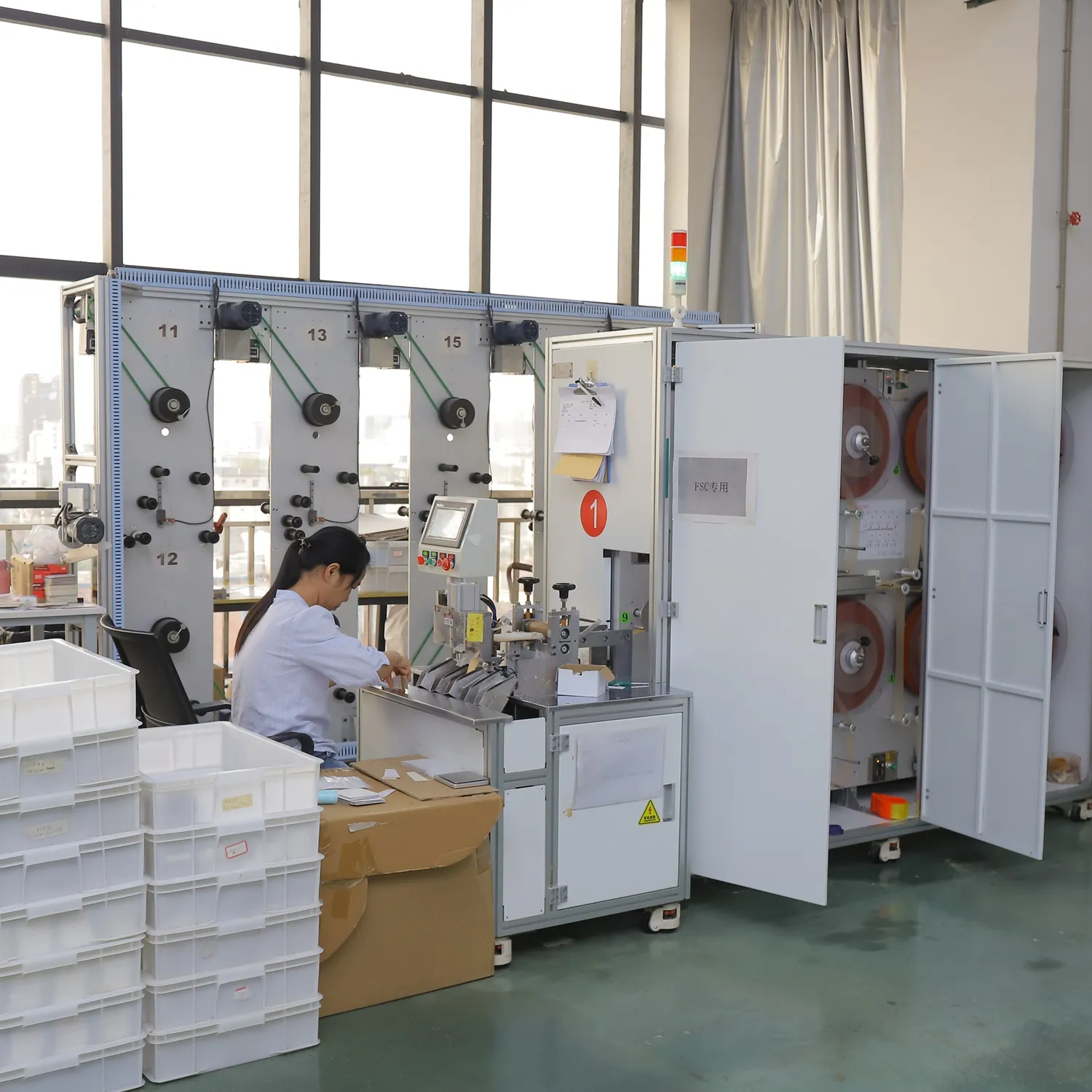
SERP peers state that they will not counterfeit famous brands. Ace likewise does not manufacture RAW, Rizla, or OCB. Do not submit those names, logos, or distinctive protected patterns as “references” for duplication. A legitimate OEM brief creates your own private-label identity and documents your authorization to use every submitted asset.
The purchase agreement should say whether the buyer owns the physical roller, the engraving file, both, or neither. It should identify storage fees, maintenance responsibility, expected reuse, access restrictions, and what happens if the relationship ends. An NDA alone does not resolve tool ownership.
Supplier qualification should also cover the surrounding quality system. Ace operates under ISO 9001:2015, offers FSC options, and can use food-grade Arabic gum on applicable papers. FSC and gum details must be confirmed for the quoted SKU; they should not be copied as universal claims. Ask for current, scope-relevant documents and approve only claims that fit the destination market.
| Qualification item | Weak answer | Stronger evidence | RFQ requirement |
|---|---|---|---|
| Artwork rights | “Use a famous pattern as reference” | Original owned/licensed artwork | Written rights confirmation |
| Tool ownership | “We will keep it” | Contract names owner and custody terms | Ownership, storage, transfer |
| Change control | Verbal adjustments | Revision, tool ID, and retain linked | No change without approval |
| Sistema de qualidade | Generic quality claim | Current ISO 9001:2015 scope review | Request relevant certificate |
| Material sourcing | Unqualified “eco” claim | FSC option tied to quoted material | Confirm chain/document scope |
| Goma | One claim for every item | Food-grade Arabic gum confirmed where applicable | Put SKU claim on quotation |
Conclusão Principal: Protect an original pattern with explicit tool terms and qualify every product claim at SKU level.
Send Ace your leaf size, paper choice, vector motif, repeat, quantity, packaging, tool-ownership preference, destination, and required delivery date at https://ace-rolling.com/contact/.
Perguntas Frequentes
Lead-in: Buyers usually need short answers on setup, cost, samples, intellectual property, and ordering before they can write a complete RFQ.
Summary: The six answers below compress the custom watermark OEM process into quotation-ready decisions without treating competitor claims as Ace commitments.
Use these answers to align internal teams, then attach a dimensioned pattern brief and product specification to the supplier inquiry. Physical paper samples remain necessary because a screen cannot demonstrate watermark depth, visibility, curl, or web-to-web consistency.
| FAQ decision | House watermark | Custom watermark | Confirm before deposit |
|---|---|---|---|
| Brand exclusivity | Usually low | Potentially high by contract | Artwork and use rights |
| Upfront setup | Lowest | Tooling likely separate | Written cost breakdown |
| Amostragem | Stock sample may suffice | Tool and paper trial required | Golden retain |
| Controle de reordenação | Supplier’s existing setup | Depends on tool custody | Tool ID and ownership |
| Velocidade de lançamento | Usually faster | Artwork/tool lead time | Dated critical path |
| RFQ detail | Paper and pack | Paper, pack, geometry, tool terms | Revision-controlled brief |
Conclusão Principal: A complete RFQ turns watermark artwork into measurable tooling, sample, ownership, and delivery requirements.
Review Ace’s custom paper program at https://ace-rolling.com/custom-rolling-papers/, then send the full RFQ to https://ace-rolling.com/contact/.
How do custom watermark rolling papers OEM work?
Custom watermark rolling papers OEM starts with original vector artwork, leaf dimensions, paper choice, repeat, and orientation. The factory translates the released pattern into compatible roller tooling, runs trial paper, checks visibility and web integrity, and retains an approved physical sample. Mass production then follows the controlled tool, substrate, and acceptance specification.
How much does a custom rolling paper watermark cost?
The Rolling Paper Company’s page, cited here as a SERP peer, claims online setup can exceed $100,000, an offline roller costs about $4,500, and its house watermark is free. Those are not Ace prices. Ace buyers should request separate lines for tooling, samples, unit goods, packaging, freight, and any storage.
How long does custom watermark tooling take?
The same SERP peer claims roughly 60 days for its offline roller, but actual timing depends on artwork, width, engraving, trials, and approvals. Ace commonly plans about two months concept-to-delivery, with mass production often four to five weeks after approvals. Confirm whether custom tooling extends the dated schedule before ordering.
What should I approve on a watermark sample?
Approve motif scale, orientation, repeat, visibility, edge clearance, and consistency across the paper width. Also check for tears, wrinkles, curl, gum interference, clean cutting, and booklet dispensing. Keep a labeled physical golden sample, not photographs alone, and define how the factory will compare mass lots with that approved retain.
Can a factory copy a famous rolling paper watermark?
A legitimate factory should not counterfeit protected branding. SERP peers explicitly state they do not counterfeit famous brands, and Ace does not manufacture RAW, Rizla, or OCB. Submit only original or properly licensed artwork, document your rights, and define whether your contract covers the engraving file, physical roller, exclusivity, custody, and transfer.
What should I send Ace for a custom watermark quote?
Send the finished leaf size, paper material and shade, vector motif, repeat distance, orientation, desired visibility, quantity, booklet specification, destination, and delivery target. State whether you want a house pattern or dedicated tooling and who should own it. Ace OEM MOQ often begins around 2,000, subject to the quoted scope.