
客製水印捲菸紙 OEM 的工作原理是將批准的圖案轉換為滾筒模具,在紙捲上壓印受控圖案,驗證樣品的可見性和性能,然後將接受的規格釋出至大量生產。水印是一種紙張工程特徵——非普通的表面標誌印刷。.
對於自有品牌買家,關鍵路徑是圖案幾何形狀、模具路線、樣品批准和可重複驗證。Ace Rolling 是位於中國東莞的客製品牌 OEM 製造商。它不生產 RAW、Rizla 或 OCB,且本指南不作任何醫療聲稱。.
什麼是客製化捲菸紙浮水印?
導入:買家常使用「水印」來描述捲菸紙上的任何可見標記,但模具、墨水和包裝圖案是三個不同的生產範疇。.
總結:真正的客製浮水印是透過圖案滾筒或等效加工設置在紙張結構中形成的。它應與印刷的葉片標誌及印刷手冊封面分開指定與取樣。.
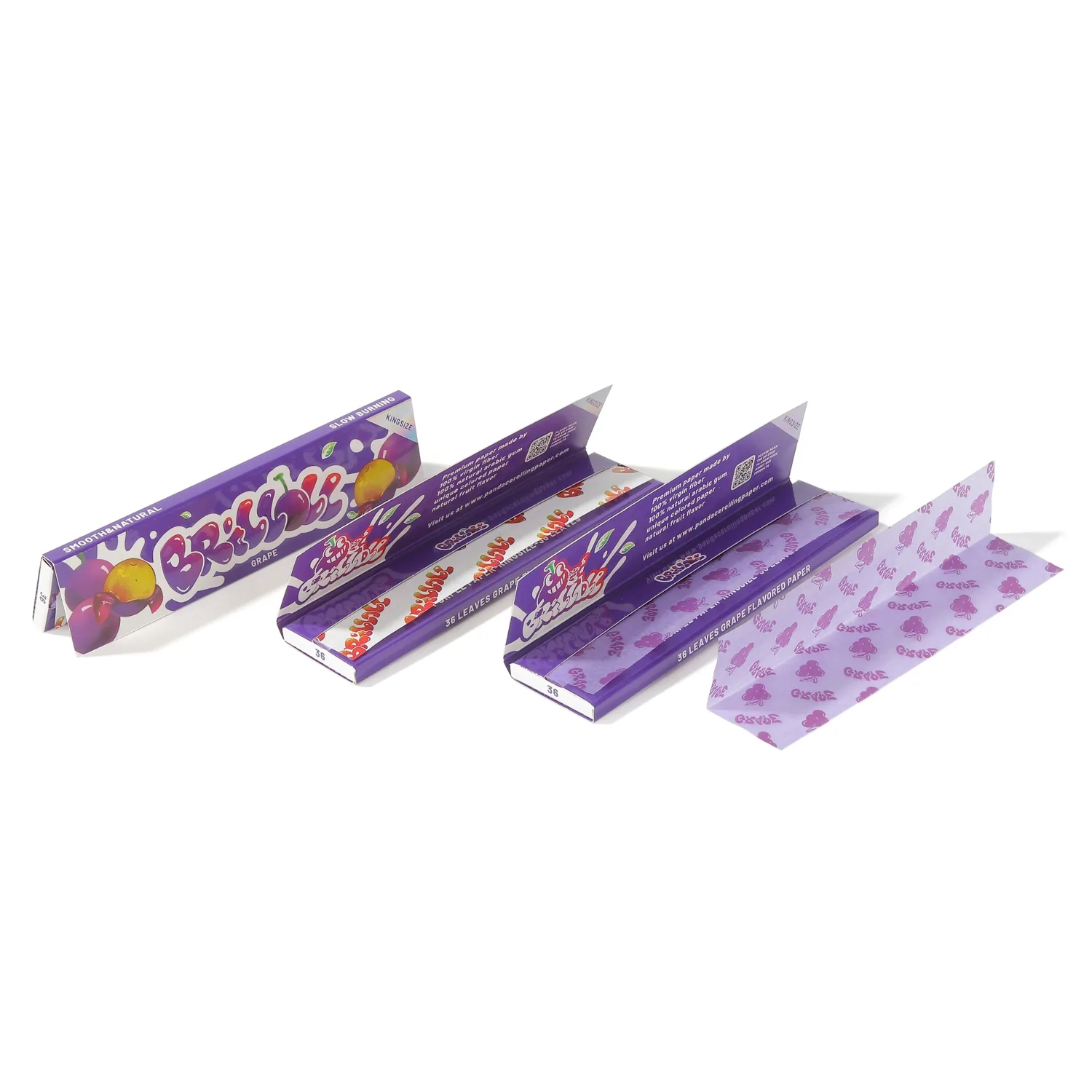
區別很重要,因為每種方法會創造不同的買家決策。冊子標誌應用於包裝上。葉印將核准的墨水印在紙張上。浮水印透過機械接觸改變局部紙張的密度或質地,創造出在適當光線或處理下可見的重複標記。.
該結構圖案可能支持品牌識別、視覺區分或受控的紙張規格,但買家不應將其視為真實性的自動證明或燃燒性能的保證。纖維、基重、孔隙度、膠水、儲存和填充條件仍會影響成品紙張的行為。.
在詢價前,需定義標記應以直條帶、斜向圖案、交叉線、文字標誌、圖示或組合圖案重複出現。同時決定標記的明顯程度。細膩標記與高對比標記需要不同的圖稿簡化、浮雕、壓力及樣本判斷。.
| 品牌表面 | 製作方式 | 買家批准的內容 | 主要風險 |
|---|---|---|---|
| 結構性浮水印 | 圖案滾筒或加工工具改變紙張質地/密度 | 重複、深度、方向、可見度 | 細節模糊或過度壓花 |
| 印刷葉子標誌 | 墨水沉積在紙張上 | 墨水、顏色、對位、覆蓋率 | 墨水負載或模糊的圖案 |
| 印刷手冊封面 | 商業包裝印刷 | 顏色、表面處理、裁切線、條碼 | 修剪或顏色不匹配 |
| 公司浮水印 | 供應商現有的圖案/工具 | 現成樣本的適用性 | 非單一品牌專屬 |
關鍵要點: 將水印、葉子印刷和小冊子圖案指定為三個獨立的批准項目。.
在 https://ace-rolling.com/custom-rolling-papers/ 探索 Ace 的紙張層級和包裝層級客製化。.
哪種水印模具路線適合您的預算?
引言:最大的商業驚喜是「客製浮水印」可能意味著購買專用線上設備、委製離線滾筒,或接受供應商現有的公司圖案。.
總結:包括The Rolling Paper Company浮水印頁面在內的SERP同業聲稱,線上浮水印設置可能超過100,000美元,離線滾筒約4,500美元且需約60天準備期,而其公司浮水印免費。這些是他們的聲明——並非Ace的報價。.

線上系統可將浮水印製作整合至高產量加工中,但其資本需求僅在需求與機器利用率合理時才具意義。離線滾筒可降低初始設備投入,但會增加獨立的設置、處理與排程階段。公司浮水印避免了客製模具費用,但通常不提供品牌專屬圖案。.
那些搜尋引擎結果頁面數據可作為市場參考基準,而非採購訂單。貨幣、滾筒寬度、雕刻方法、圖案複雜度、所有權、運費、試樣和維護都可能影響實際報價。詢問費用是購買模具、租用生產時間,還是僅涵蓋設置。同時詢問誰儲存滾筒,以及買家是否可以將其移至其他設施。.
對於OEM產品上市,最佳途徑未必自動是最便宜的模具。現成浮水印可能適合需求測試。當可識別圖案、重複控制與再訂購連續性能帶來可衡量的品牌價值時,專用模具便更具合理性。.
| 路線 | 搜尋引擎結果頁面同業成本聲稱 | 搜尋引擎結果頁面同業時間聲稱 | 最適合 | 買家權衡 |
|---|---|---|---|---|
| 線上浮水印設定 | 可能超過100,000美元 | 專案特定 | 極高的持續產量 | 最高資本投入 |
| 離線客製滾筒 | 約 $4,500 | 約60天 | 品牌專屬的OEM生產批次 | 分離工具與排程 |
| 公司浮水印 | 免費參與同儕計畫 | 現有設定 | 快速市場測試 | 極少或無專屬特性 |
| 普通紙張 | 無浮水印工具 | 最快的機械路徑 | 價格主導的上市策略 | 無結構性品牌圖案 |
關鍵要點: 將SERP同業數據視為路線比較;針對確切寬度、重複、所有權及生產範圍,索取帶日期的Ace報價。.
透過 https://ace-rolling.com/oem-odm-rolling-paper-manufacturer/ 與Ace團隊討論OEM路線。.
如何設計浮水印圖案簡報?
引言:詳細的螢幕圖稿在轉譯為超薄紙張上的淺機械浮雕時常會失敗。.
總結:工廠簡報應將設計簡化為堅固的線條,以數值定義重複和方向,並說明在選定紙張上可接受的浮水印外觀——而不僅僅是向量預覽。.

從乾淨的向量圖稿開始,移除可能閉合或消失的細線、微小計數器、微文字及擁擠交叉點。強烈的水印圖標通常能經得起縮減,因為其正負空間清晰可辨。供應商應在訂購滾筒前標記無法製造的細節。.
簡報應標明紙葉寬度與長度、紙張材質、基重目標、浮水印方向、重複距離、邊緣間距、膠面關係,以及允許的接縫或連接行為。包含實際紙葉的比例圖——不僅僅是獨立的標誌。如果標記必須與小冊子摺疊或視窗對齊,請明確指出。.
可見度必須根據實際基材判斷。天然紙與白紙可能以不同方式呈現相同浮雕,而彩色或印刷紙張可能掩蓋細微圖案。因此,買家應在預期的纖維與色調上核准水印,而非從其他SKU推斷結果。.
| 簡短欄位 | 選項 A | 選項B | 決策問題 |
|---|---|---|---|
| 圖案 | 文字標誌 | 圖標或幾何重複圖案 | 哪種能保留小規模浮雕? |
| 方向 | 機器方向條紋 | 對角線或交叉圖案 | 在成品紙葉上應如何呈現? |
| 可見性 | 細微 | 明顯 | 隱蔽性或貨架展示哪個更重要? |
| 重複 | 寬間距 | 緊密間距 | 每片菸葉應出現多少完整圖案? |
| 紙張 | 自然色調 | 白色或彩色色調 | 哪種基材能保持圖案清晰可辨? |
| 所有權 | 供應商控制的工具 | 買方依合約擁有的工具 | 誰控制重新訂購與轉移? |
關鍵要點: 在授權任何滾筒費用前,批准一份具有尺寸、針對特定基材的浮水印簡報。.
請在 https://ace-rolling.com/custom-rolling-papers/ 檢視材料和自訂選項。.
大規模生產前如何驗證浮水印樣品?
引言:一個外觀精美的數位檔案無法證明在運行紙卷上的壓力、重複性、紙張損傷或一致性。.
總結:驗證應從圖稿和工具證明轉移到實體紙張樣品,再到保留的黃金樣品,並為大批量產品設定可衡量的驗收標準。.
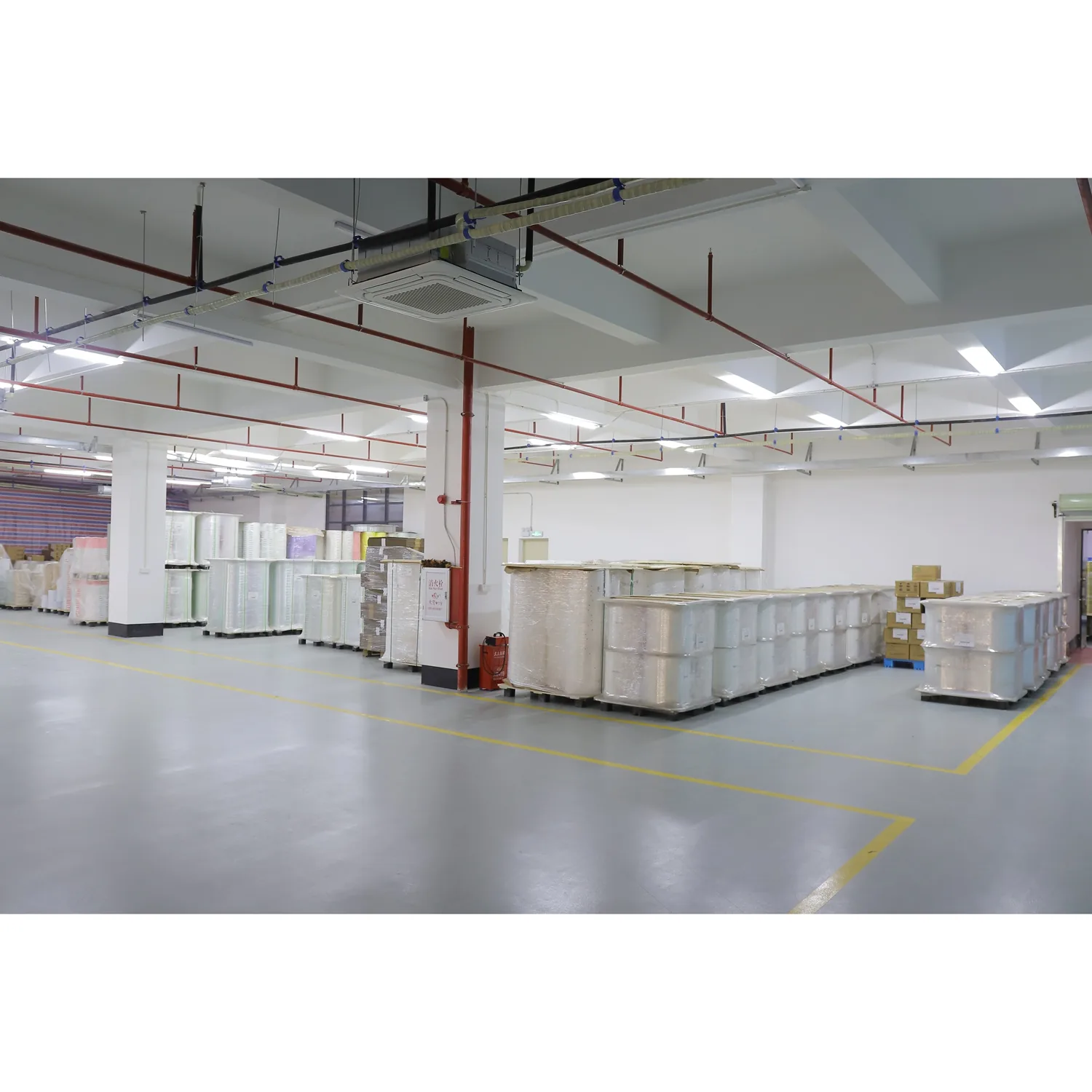
首先,檢查向量與滾筒打樣中的鏡像圖稿、方向、重複長度、邊緣間距及缺失細節。接著,在一致的透射光與反射光下檢查試製紙張。記錄照明條件與觀看距離,以便重複核准過程,而非依賴「看起來不錯」。“
然後檢查紙張是否有非預期後果:沿著厚重浮雕的撕裂、皺褶、不均勻壓力帶、膠邊干擾、捲曲,或圖案在紙幅上逐漸淡化。水印樣本也應在切割與小冊組裝後檢查,因為技術上正確的重複可能在成品菸葉上呈現尷尬位置。.
The approved sample should become a signed or otherwise traceable retain. Photos are useful for communication, but the physical retain remains the better comparison for texture and depth. Agree how many positions across the web and how many leaves per sampled booklet will be checked during production.
| Verification gate | Pass criterion | Evidence to retain | Failure signal |
|---|---|---|---|
| Artwork proof | Correct scale, repeat, orientation | Approved vector/PDF | Mirrored or crowded motif |
| Tool proof | Engraving matches released art | Roller proof or inspection record | Missing lines or wrong pitch |
| Trial web | Even relief across agreed positions | Labeled trial strips | Pressure fades across width |
| Cut leaf | Intended motif count and placement | Flat leaf samples | Pattern cut at the wrong phase |
| Booklet sample | Paper feeds and presents correctly | Sealed golden sample | Curl, tear, or awkward alignment |
| Mass lot | Agreed tolerance matches retain | Lot inspection record | Drift from approved depth/repeat |
關鍵要點: Do not release mass production until a physical watermark retain and acceptance method are approved.
See Ace’s quality framework and ISO 9001:2015 information at https://ace-rolling.com/quality-certifications/.
Where Does Watermarking Enter the OEM Production Flow?
Lead-in: A watermark roller is only one station in a longer system; changing it can affect web handling, cutting phase, booklet assembly, and production scheduling.
Summary: The approved paper specification moves through roll preparation, watermarking or embossing, slitting or cutting, gumming where applicable, conditioning, interleaving, packaging, and lot release. Exact station order depends on the line.
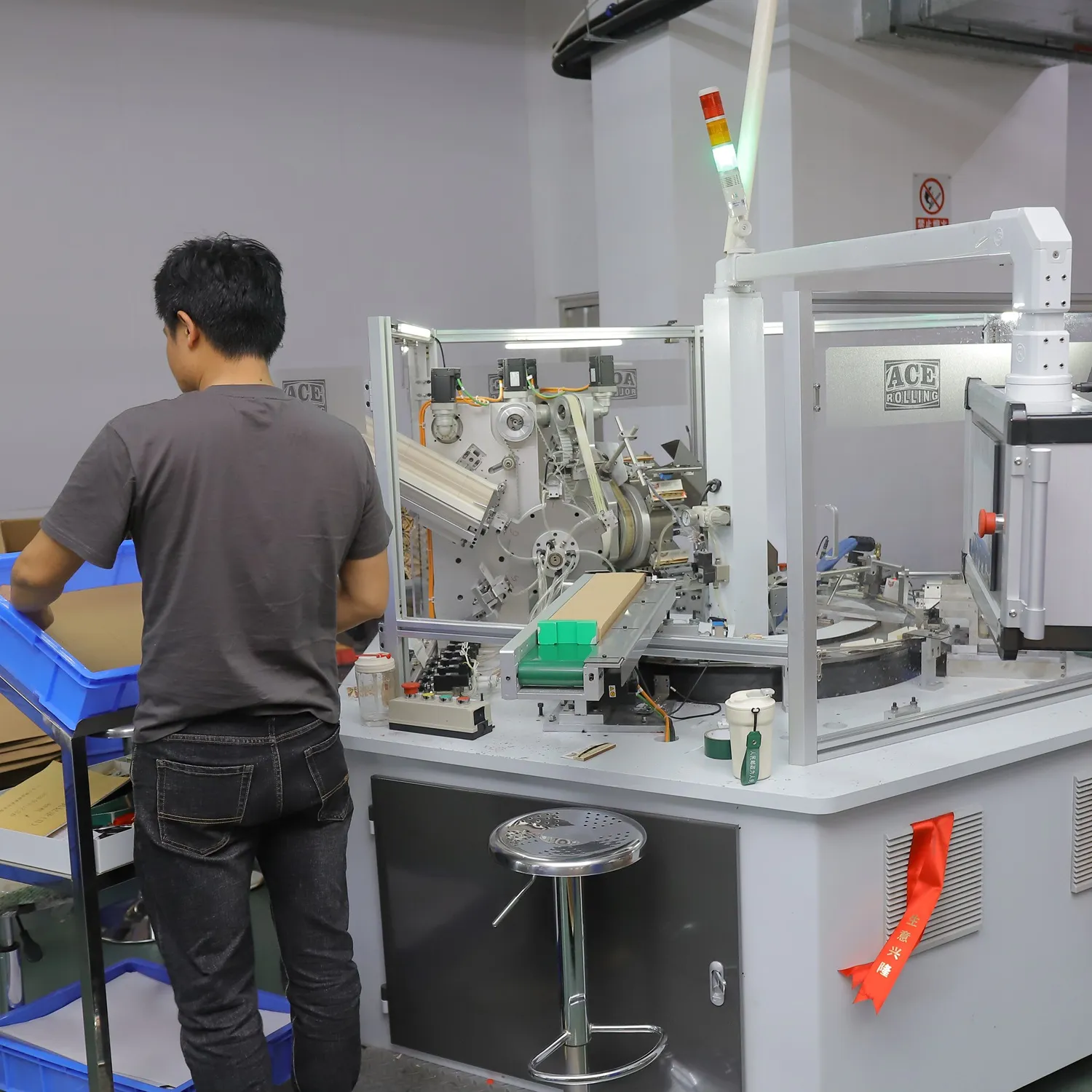
The factory begins by confirming that the chosen paper web and tool width are compatible. The patterned roller must run with controlled contact so the motif transfers consistently without crushing the sheet. If watermarking happens before final slitting, the factory must also control lane position; if it happens on a narrower bobbin, changeover and speed constraints may differ.
After the paper-level operation, the web must still pass downstream requirements. The gum edge on applicable papers should remain even, cuts should be clean, leaves should interleave correctly, and the booklet should dispense without tearing. Ace can offer food-grade Arabic gum on applicable papers; the gum claim should be confirmed for the quoted SKU rather than assumed for every product.
Mass production should follow the released tool, paper, repeat, and retain combination. Substituting a paper grade or changing pressure without approval can alter visibility. Reorders therefore need revision control: pattern file, tool ID, paper code, machine settings, and golden-sample reference should point to the same released version.
| Production stage | Watermark-specific control | General OEM control | 釋放問題 |
|---|---|---|---|
| Paper preparation | Stable web suited to relief | Material and shade match | Is this the sampled paper code? |
| Tool setup | Correct roller ID and orientation | Clean machine setup | Does the tool match released art? |
| Trial run | Depth and repeat consistency | Web feeds without damage | Are edge and center positions acceptable? |
| Cutting/gumming | Motif clears critical edges | Cut and gum remain uniform | Did watermarking disturb downstream work? |
| Interleaving | Leaves dispense without tears | Count and fold are correct | Does the finished booklet match the retain? |
| Lot release | Pattern within agreed tolerance | Packaging and quantity pass | Is the lot traceable to approvals? |
關鍵要點: A custom watermark is released as a controlled paper specification, not an isolated decorative add-on.
See the Ace factory and converting context at https://ace-rolling.com/about-factory/.
What MOQ, Price, and Timeline Should Buyers Plan?
Lead-in: Tool lead time and mass-production lead time are separate clocks, and custom watermark economics depend on spreading setup across a realistic order plan.
Summary: Ace OEM programs often start around 2,000 units. Booklets typically wholesale around USD $0.07–$0.30 and cones around $0.04–$0.06, both with MOQ. Plan about two months from concept to delivery, with mass often four to five weeks after approvals.

Those approved Ace bands describe the product, not a promise that dedicated watermark tooling is included. The watermark may create a separate one-time or amortized charge, especially when a new roller, trials, and storage are required. Ask the quote to separate unit goods, tooling, sampling, packaging effects, freight, and taxes or duties as applicable.
The commonly planned two-month concept-to-delivery window is realistic only after scope discipline. A custom roller route may need additional preparation; the SERP-peer offline example cites about 60 days for its roller. That peer timeline should not be added mechanically to every Ace project, but it proves why tooling approval must happen early.
For launch economics, compare the landed cost per sellable booklet across the expected tool life—not merely the first-order unit price. A larger run can spread tooling, but excess inventory creates cash and storage risk. Ask whether future reorders can reuse the tool and whether a minimum rerun quantity applies.
| Cost or schedule line | Ace planning fact | What may change it | 買家行動 |
|---|---|---|---|
| 小冊子單位價格 | About $0.07–$0.30 plus MOQ | Paper, count, pack, finish, volume | Request SKU-specific quote |
| 錐形單位價格 | About $0.04–$0.06 plus MOQ | Size, paper, filter, pack, volume | Quote separately from booklets |
| 典型最低訂購量 | Often around 2,000 | Tooling and packaging scope | Confirm per SKU and artwork |
| Concept to delivery | About two months | Tool prep, revisions, freight | Freeze decisions early |
| 批准後的批量生產 | About four to five weeks | Complexity and production slot | Do not count pre-approval time as mass |
| Watermark tooling | Separate project-specific line | Route, width, pattern, ownership | Separate tooling from unit goods |
關鍵要點: Budget custom watermark tooling separately from Ace’s approved booklet and cone wholesale bands.
Compare OEM formats at https://ace-rolling.com/oem-odm-rolling-paper-manufacturer/.
How Do You Protect the Pattern and Qualify the Supplier?
Lead-in: The most expensive watermark failure may be contractual—unclear tool ownership, uncontrolled reuse, or an order built around protected third-party branding.
Summary: Define IP rights, tool custody, permitted use, reorder records, change control, and destruction or transfer terms before payment. Use only artwork your brand has the right to manufacture.
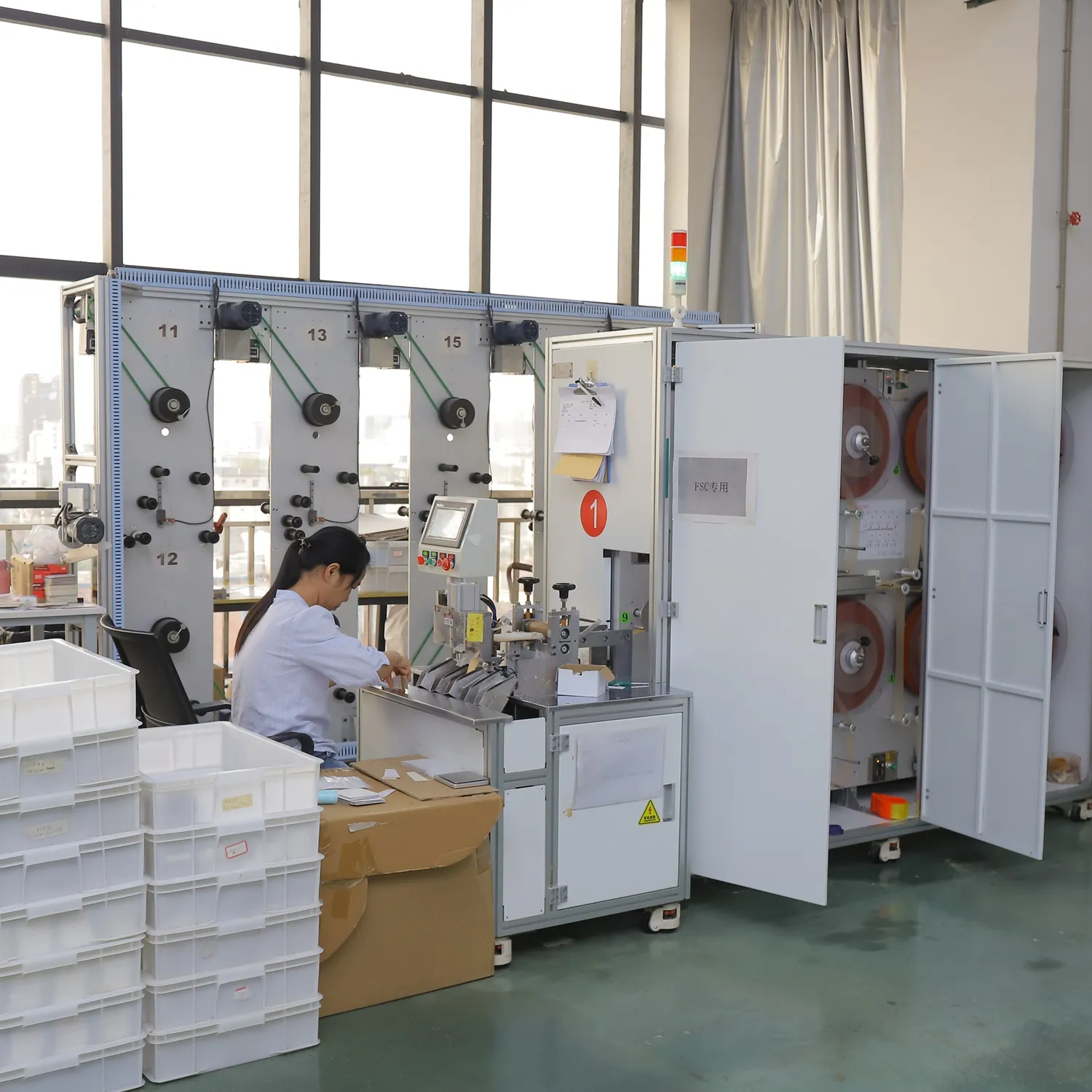
SERP peers state that they will not counterfeit famous brands. Ace likewise does not manufacture RAW, Rizla, or OCB. Do not submit those names, logos, or distinctive protected patterns as “references” for duplication. A legitimate OEM brief creates your own private-label identity and documents your authorization to use every submitted asset.
The purchase agreement should say whether the buyer owns the physical roller, the engraving file, both, or neither. It should identify storage fees, maintenance responsibility, expected reuse, access restrictions, and what happens if the relationship ends. An NDA alone does not resolve tool ownership.
Supplier qualification should also cover the surrounding quality system. Ace operates under ISO 9001:2015, offers FSC options, and can use food-grade Arabic gum on applicable papers. FSC and gum details must be confirmed for the quoted SKU; they should not be copied as universal claims. Ask for current, scope-relevant documents and approve only claims that fit the destination market.
| Qualification item | Weak answer | Stronger evidence | RFQ requirement |
|---|---|---|---|
| Artwork rights | “Use a famous pattern as reference” | Original owned/licensed artwork | Written rights confirmation |
| Tool ownership | “We will keep it” | Contract names owner and custody terms | Ownership, storage, transfer |
| 變更控制 | Verbal adjustments | Revision, tool ID, and retain linked | No change without approval |
| 品質系統 | Generic quality claim | Current ISO 9001:2015 scope review | Request relevant certificate |
| Material sourcing | Unqualified “eco” claim | FSC option tied to quoted material | Confirm chain/document scope |
| 膠 | One claim for every item | Food-grade Arabic gum confirmed where applicable | Put SKU claim on quotation |
關鍵要點: Protect an original pattern with explicit tool terms and qualify every product claim at SKU level.
Send Ace your leaf size, paper choice, vector motif, repeat, quantity, packaging, tool-ownership preference, destination, and required delivery date at https://ace-rolling.com/contact/.
常見問題
Lead-in: Buyers usually need short answers on setup, cost, samples, intellectual property, and ordering before they can write a complete RFQ.
Summary: The six answers below compress the custom watermark OEM process into quotation-ready decisions without treating competitor claims as Ace commitments.
Use these answers to align internal teams, then attach a dimensioned pattern brief and product specification to the supplier inquiry. Physical paper samples remain necessary because a screen cannot demonstrate watermark depth, visibility, curl, or web-to-web consistency.
| FAQ decision | 公司浮水印 | Custom watermark | Confirm before deposit |
|---|---|---|---|
| Brand exclusivity | Usually low | Potentially high by contract | Artwork and use rights |
| Upfront setup | Lowest | Tooling likely separate | Written cost breakdown |
| 取樣 | Stock sample may suffice | Tool and paper trial required | Golden retain |
| 重新訂購控制 | Supplier’s existing setup | Depends on tool custody | Tool ID and ownership |
| 上市速度 | Usually faster | Artwork/tool lead time | Dated critical path |
| RFQ detail | Paper and pack | Paper, pack, geometry, tool terms | Revision-controlled brief |
關鍵要點: A complete RFQ turns watermark artwork into measurable tooling, sample, ownership, and delivery requirements.
Review Ace’s custom paper program at https://ace-rolling.com/custom-rolling-papers/, then send the full RFQ to https://ace-rolling.com/contact/.
How do custom watermark rolling papers OEM work?
Custom watermark rolling papers OEM starts with original vector artwork, leaf dimensions, paper choice, repeat, and orientation. The factory translates the released pattern into compatible roller tooling, runs trial paper, checks visibility and web integrity, and retains an approved physical sample. Mass production then follows the controlled tool, substrate, and acceptance specification.
How much does a custom rolling paper watermark cost?
The Rolling Paper Company’s page, cited here as a SERP peer, claims online setup can exceed $100,000, an offline roller costs about $4,500, and its house watermark is free. Those are not Ace prices. Ace buyers should request separate lines for tooling, samples, unit goods, packaging, freight, and any storage.
How long does custom watermark tooling take?
The same SERP peer claims roughly 60 days for its offline roller, but actual timing depends on artwork, width, engraving, trials, and approvals. Ace commonly plans about two months concept-to-delivery, with mass production often four to five weeks after approvals. Confirm whether custom tooling extends the dated schedule before ordering.
What should I approve on a watermark sample?
Approve motif scale, orientation, repeat, visibility, edge clearance, and consistency across the paper width. Also check for tears, wrinkles, curl, gum interference, clean cutting, and booklet dispensing. Keep a labeled physical golden sample, not photographs alone, and define how the factory will compare mass lots with that approved retain.
Can a factory copy a famous rolling paper watermark?
A legitimate factory should not counterfeit protected branding. SERP peers explicitly state they do not counterfeit famous brands, and Ace does not manufacture RAW, Rizla, or OCB. Submit only original or properly licensed artwork, document your rights, and define whether your contract covers the engraving file, physical roller, exclusivity, custody, and transfer.
What should I send Ace for a custom watermark quote?
Send the finished leaf size, paper material and shade, vector motif, repeat distance, orientation, desired visibility, quantity, booklet specification, destination, and delivery target. State whether you want a house pattern or dedicated tooling and who should own it. Ace OEM MOQ often begins around 2,000, subject to the quoted scope.