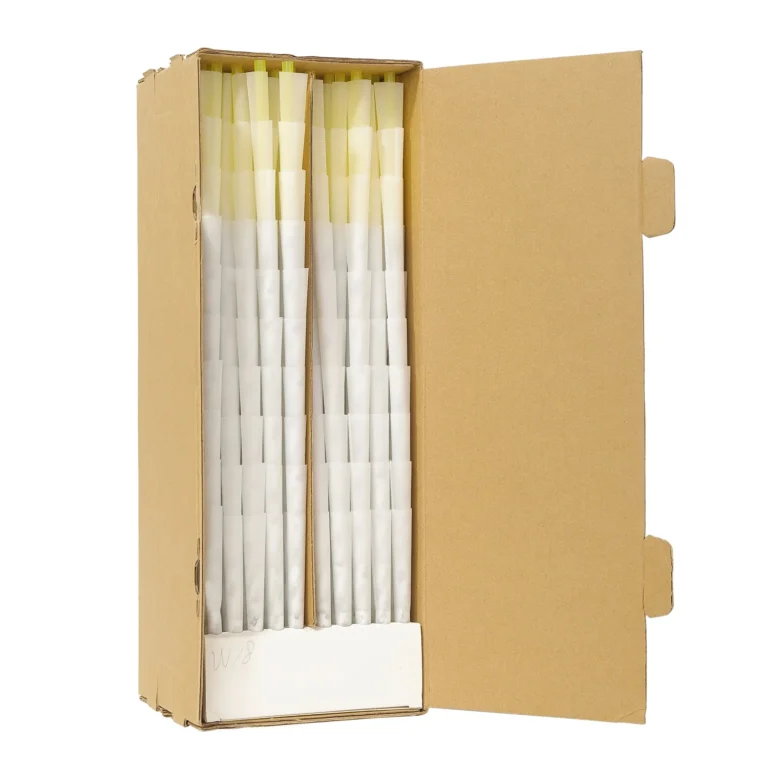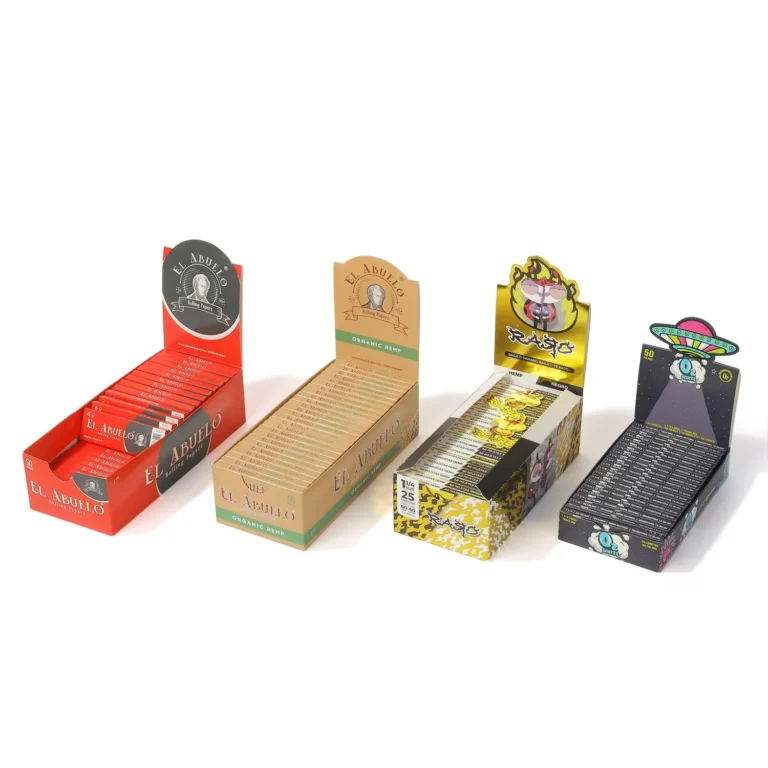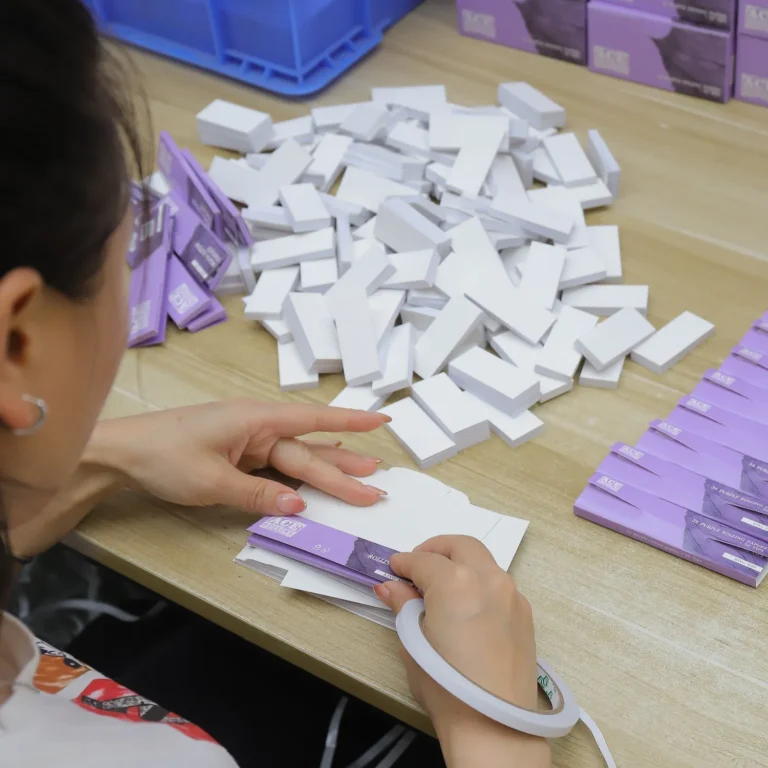

Como funciona a embalagem com controle de umidade para papéis? Um pacote de UR (umidade relativa) bidirecional dentro de um tubo, pote ou saquinho selado mantém o papel e os cones pré-enrolados próximos a uma faixa de umidade alvo, prevenindo enrugamento, fragilidade ou falha da goma—o pacote e a barreira do recipiente trabalham juntos, e nenhum deles sozinho resolve o desvio de umidade.
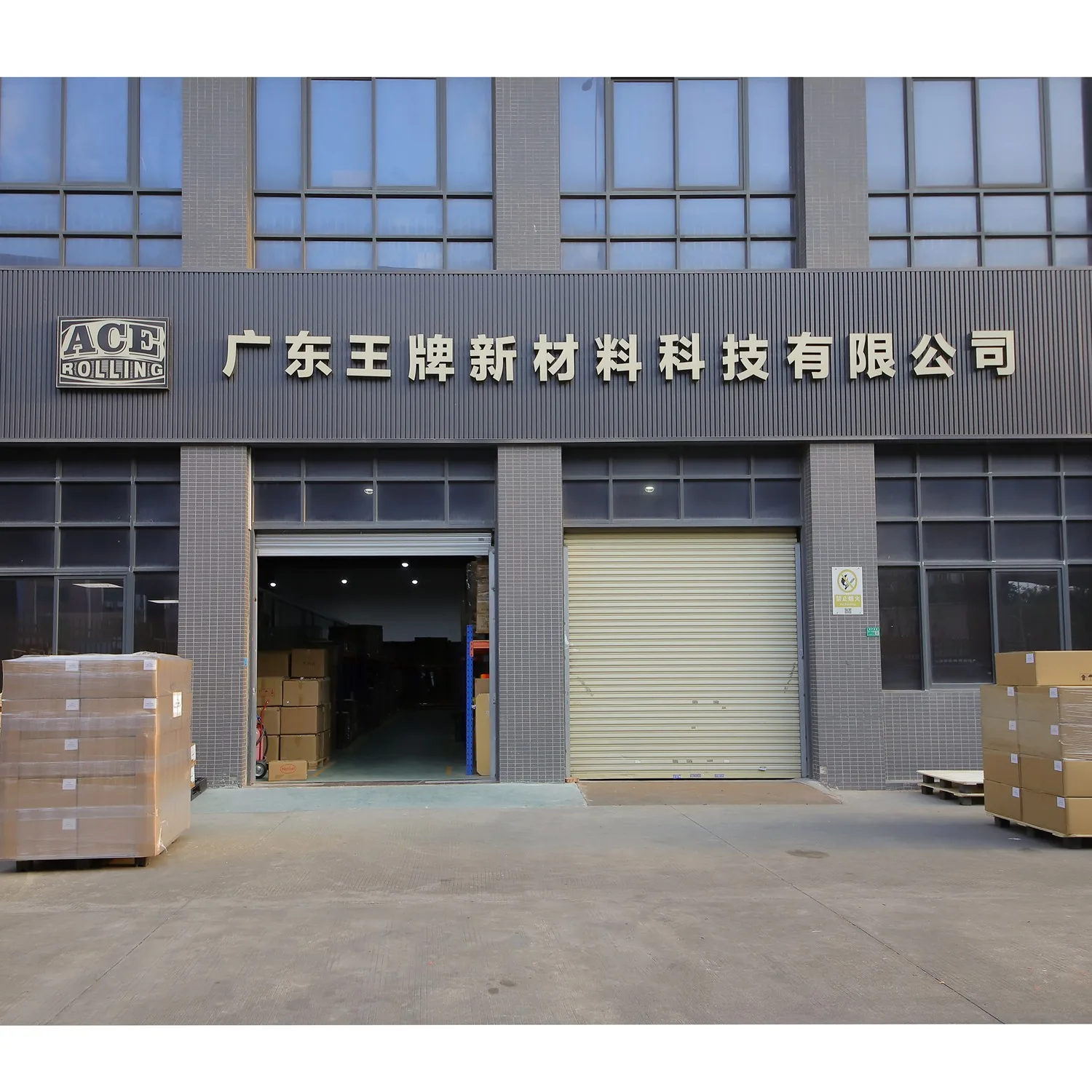
Pares de SERP, como a Boveda, comercializam pacotes de RH bidirecionais dimensionados especificamente para embalagens de pré-rolados e papel. A Guangdong Ace Rolling é uma OEM/ODM de Dongguan, China, para cadernos e cones de marca própria que podem integrar compartimentos compatíveis para pacotes de RH e embalagens de barreira em um programa personalizado sob demanda. Este guia explica como o sistema funciona e o que deve ser informado.
Por que o Papel de Seda Precisa de Controle de Umidade?
Introdução: Papel e cones reagem à umidade ambiente como qualquer outro produto de papel.
Resumo: Umidade insuficiente deixa o papel quebradiço e propenso a rasgos ou falhas na goma. Umidade excessiva pode causar enrolamento, aderência ou risco de mofo no material de enchimento. Uma faixa de RH alvo estável mantém o papel trabalhável e a goma confiável durante o transporte, armazenamento e tempo de prateleira.

| Condição | Risco |
|---|---|
| Muito seco | Papel quebradiço, selo de goma fraco |
| Muito úmido | Enrolamento, aderência, risco de mofo no enchimento |
| UR estável | Papel trabalhável, goma confiável |
Conclusão Principal: O controle de umidade não é uma embalagem cosmética opcional—ele protege as duas propriedades funcionais mais importantes: integridade do papel e vedação da goma.
Enquadramento de qualidade: https://ace-rolling.com/quality-certifications/.
O Que É um Pacote de RH Bidirecional e Como Ele Funciona?
Introdução: “Bidirecional” significa que o pacote pode adicionar ou remover umidade conforme necessário.
Resumo: Um pacote de UR bidirecional libera umidade em um ambiente muito seco e absorve o excesso de umidade de um ambiente muito úmido, amortecendo o recipiente selado em direção a uma faixa-alvo. Normalmente é um sachê ou cartão pequeno colocado dentro de um tubo, pote ou saco junto com o produto.
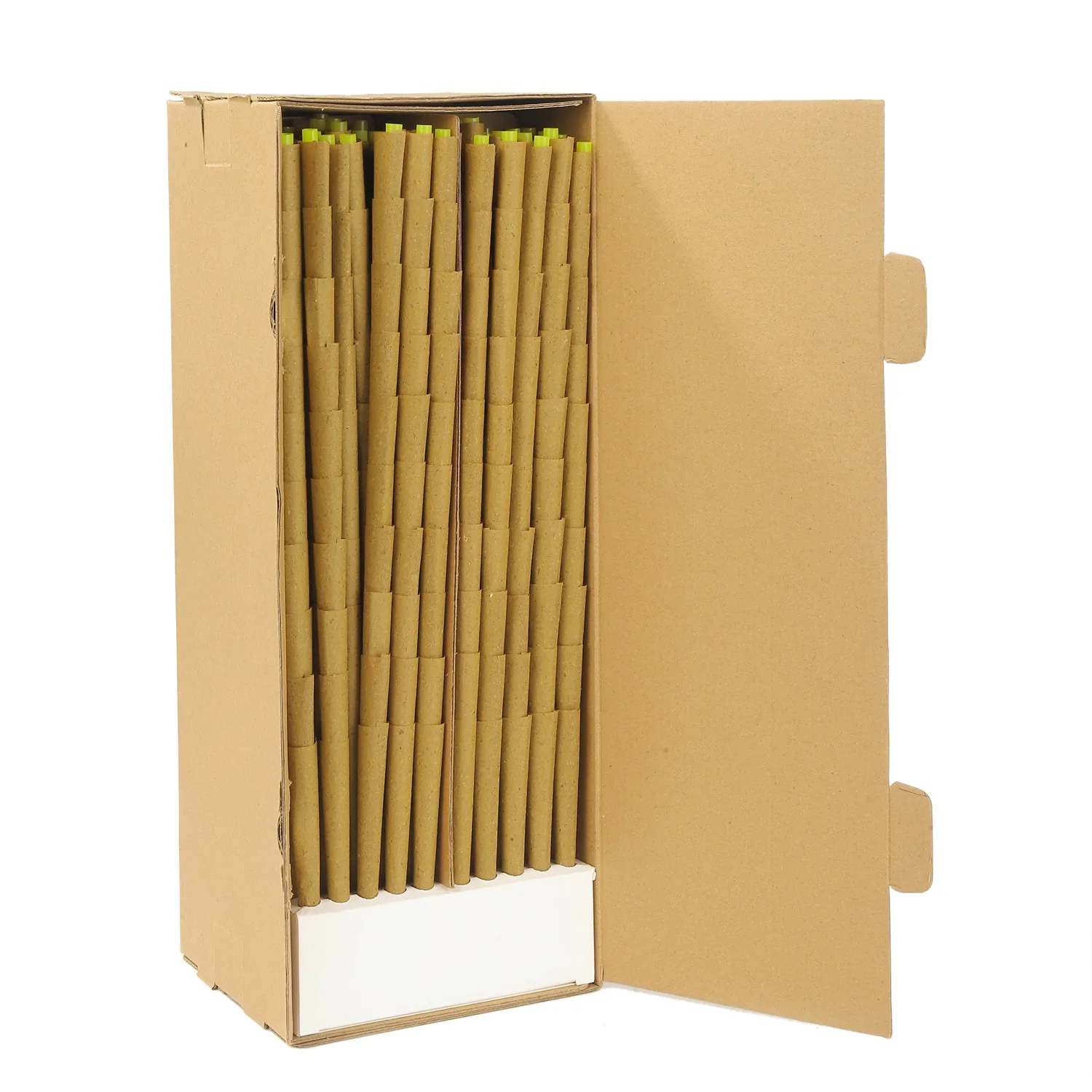
| Tipo de pacote de RH | Função |
|---|---|
| Pacote bidirecional | Adiciona ou remove umidade conforme necessário |
| Dessecante unidirecional | Remove apenas umidade |
| Sem pacote | Sem tamponamento ativo |
Conclusão Principal: Um pacote bidirecional atua como um tampão ativo em direção a uma faixa alvo—não é o mesmo que um simples dessecante que apenas remove umidade.
Rotas de embalagem: https://ace-rolling.com/custom-rolling-papers/.
O Pacote de UR Sozinho Resolve o Controle de Umidade?
Introdução: O pacote precisa de um recipiente selado para realmente manter seu efeito.
Resumo: Um pacote de UR funciona dentro de uma barreira selada—um tubo hermético, pote com gaxeta ou saquinho com revestimento de folha de alumínio. Se a embalagem externa não estiver bem selada, o ar ambiente troca constantemente com o interior e o pacote de UR tem que trabalhar continuamente contra um sistema aberto, encurtando sua vida útil efetiva e reduzindo o controle.
| Combinação de embalagem | Eficácia |
|---|---|
| Pacote de RH + tubo/frasco selado | Controle forte e sustentado |
| Pacote de UR + saco solto | Controle mais fraco e de menor duração |
| Sem pacote de UR, apenas selado | Alguma barreira, sem tamponamento ativo |
Conclusão Principal: Combine o pacote de UR com uma embalagem genuinamente hermética – um recipiente aberto ou mal vedado anula o propósito.
Embalagem personalizada: https://ace-rolling.com/custom-rolling-papers/.
Quais Formatos de Recipientes Suportam Melhor o Controle de Umidade?
Introdução: Alguns formatos vedam com mais confiabilidade do que outros.
Resumo: Tubos com tampa pop-top bem ajustada, potes de vidro ou PET com gaxetas de borracha e saquinhos de mylar com revestimento de folha de alumínio e selagem térmica adequada suportam razoavelmente bem o controle de umidade. Caixas simples de papelão sem um forro interno geralmente não mantêm o controle de umidade efetivamente por si só.

| Formato | Suporte de controle de umidade |
|---|---|
| Tubo com tampa de pressão (tampa firme) | Bom |
| Pote com gaxeta | Bom |
| Bolsa de alumínio selada a calor | Bom |
| Plain paperboard box | Weak alone |
Conclusão Principal: Choose a genuinely airtight format if humidity control matters to your product—paperboard alone won’t hold it.
Packaging options: https://ace-rolling.com/pre-rolled-cones/.
How Do You Size an RH Pack for Your Package Volume?
Lead-in: Pack size should roughly match the air and product volume it’s buffering.
Summary: Larger sealed containers or higher unit counts generally need a larger RH pack (or more packs) to maintain effective buffering, while small single-unit tubes need only a small pack or card. Oversizing wastes material cost; undersizing under-protects the product—size to your actual container volume, not a guess.
| Package volume | RH pack sizing approach |
|---|---|
| Small single-unit tube | Small pack/card |
| Larger multi-unit jar | Larger pack or multiple packs |
| Bulk case | Sized per case volume |
Conclusão Principal: Match RH pack size to actual sealed container volume—don’t default to one pack size across every SKU.
Sourcing questions: https://ace-rolling.com/quality-certifications/.
Can Ace Rolling Integrate RH Packs Into a Private-Label Program?
Lead-in: RH pack integration is a packaging-system decision to brief alongside the product spec.
Summary: Ace can plan packaging that accommodates compatible RH pack slots for tubes, jars, or pouches as part of a custom program—buyers typically source or specify their preferred RH pack brand/size, and Ace confirms the packaging dieline accommodates it correctly during the sample stage.

| Passo | Responsibility |
|---|---|
| RH pack brand/size | Buyer specifies preference |
| Packaging dieline fit | Confirmed during sample stage |
| Integration test | Physical sample before mass |
Conclusão Principal: Specify your preferred RH pack brand and size early so the packaging dieline can be built to fit it correctly.
Programas OEM: https://ace-rolling.com/oem-odm-rolling-paper-manufacturer/.
How Do You Brief a Humidity-Controlled Packaging Program?
Lead-in: One brief settles container format, RH pack integration, and sealing together.
Summary: Send Ace your product type (booklet or cone), target container format, preferred RH pack brand/size, quantity, destination, and timeline. Confirm sealing integrity on a physical sample before mass approval—humidity control performance can’t be validated from a drawing alone.
| Passo | Ação |
|---|---|
| 1 | Choose sealed container format |
| 2 | Specify RH pack brand/size |
| 3 | Confirm dieline fit on sample |
| 4 | Validate seal integrity |
| 5 | Produção em massa ~4–5 semanas após as aprovações |
Conclusão Principal: Humidity control is a system of container + RH pack + seal quality—brief all three together, not the RH pack alone.
Início: https://ace-rolling.com/contact/.
Perguntas Frequentes
How does humidity control packaging work for rolling papers?
A two-way RH (relative humidity) pack placed inside a sealed tube, jar, or pouch actively adds or removes moisture to hold the contents near a target humidity range. This prevents paper from becoming brittle (too dry) or curling and sticking (too humid). The RH pack only works effectively when paired with genuinely airtight outer packaging.
What is the difference between a two-way RH pack and a desiccant?
A two-way RH pack can both release and absorb moisture, buffering toward a target range in either direction. A one-way desiccant only removes moisture and cannot add it back if conditions become too dry. For rolling papers and pre-rolled cones, a two-way pack generally provides more balanced protection since both dryness and excess humidity cause problems.
Does packaging format matter for humidity control to work?
Yes, significantly. An RH pack needs a genuinely airtight container—like a pop-top tube with a tight lid, a gasketed jar, or a heat-sealed foil pouch—to hold its effect. A plain paperboard box without an inner liner generally cannot maintain humidity control on its own, since ambient air exchanges too freely through the packaging.
Can Ace Rolling integrate RH packs into a private-label packaging program?
Yes. Ace can plan packaging dielines that accommodate compatible RH pack slots for tubes, jars, or pouches as part of a custom program. Buyers typically specify their preferred RH pack brand and size early so the packaging can be built to fit correctly, then confirm the fit and seal integrity on a physical sample before mass production.
How do I know what size RH pack my packaging needs?
RH pack size should roughly match your sealed container’s air and product volume—small single-unit tubes need a small pack or card, while larger multi-unit jars or bulk cases need a larger pack or multiple packs. Oversizing wastes material cost and undersizing under-protects the product, so size to your actual container volume rather than guessing.
Does humidity control packaging affect the wholesale price?
RH pack integration and airtight packaging formats are a packaging-system decision separate from the base booklet or cone price, and can add material and dieline cost depending on the format chosen. Discuss your target container format and RH pack integration in the same RFQ as your product spec so Ace can quote the full system together.
Ready to Brief a Humidity-Controlled Packaging Program?
Choose a sealed container format, specify your RH pack preference, and validate on a physical sample.
- Custom packaging: https://ace-rolling.com/custom-rolling-papers/
- Opções de cone: https://ace-rolling.com/pre-rolled-cones/
- Orçamento: https://ace-rolling.com/contact/