
Papéis de enrolar perfurados estão disponíveis OEM na China? Sim—linhas de rasgo perfuradas que permitem que uma única folha se solte limpa do bloco do livreto são uma opção padrão de conversão, e a Guangdong Ace Rolling produz livretos perfurados como parte de seu programa OEM/ODM de Dongguan na faixa de atacado padrão de ~USD $0,07–$0,30 por livreto com MOQ.
Pares do SERP, como o Made-in-China, listam o papel de enrolar perfurado como um filtro de busca comum para sourcing OEM. Este guia explica o que a perfuração realmente faz, como afeta a qualidade da goma e do rasgo, e como especificá-la corretamente para um programa de livreto de marca própria.
O que a Perfuração Realmente Faz em uma Folha de Papel de Seda?
Introdução: A perfuração é uma etapa de conversão, não um material de papel.
Resumo: Uma linha perfurada é uma fileira de pequenos cortes ao longo da borda onde cada folha se prende ao bloco do livreto, permitindo que o fumante rasgue uma única folha limpa em vez de puxar e arriscar uma borda irregular ou um remanescente preso. É aplicada durante a conversão, independente da fibra do papel em si.
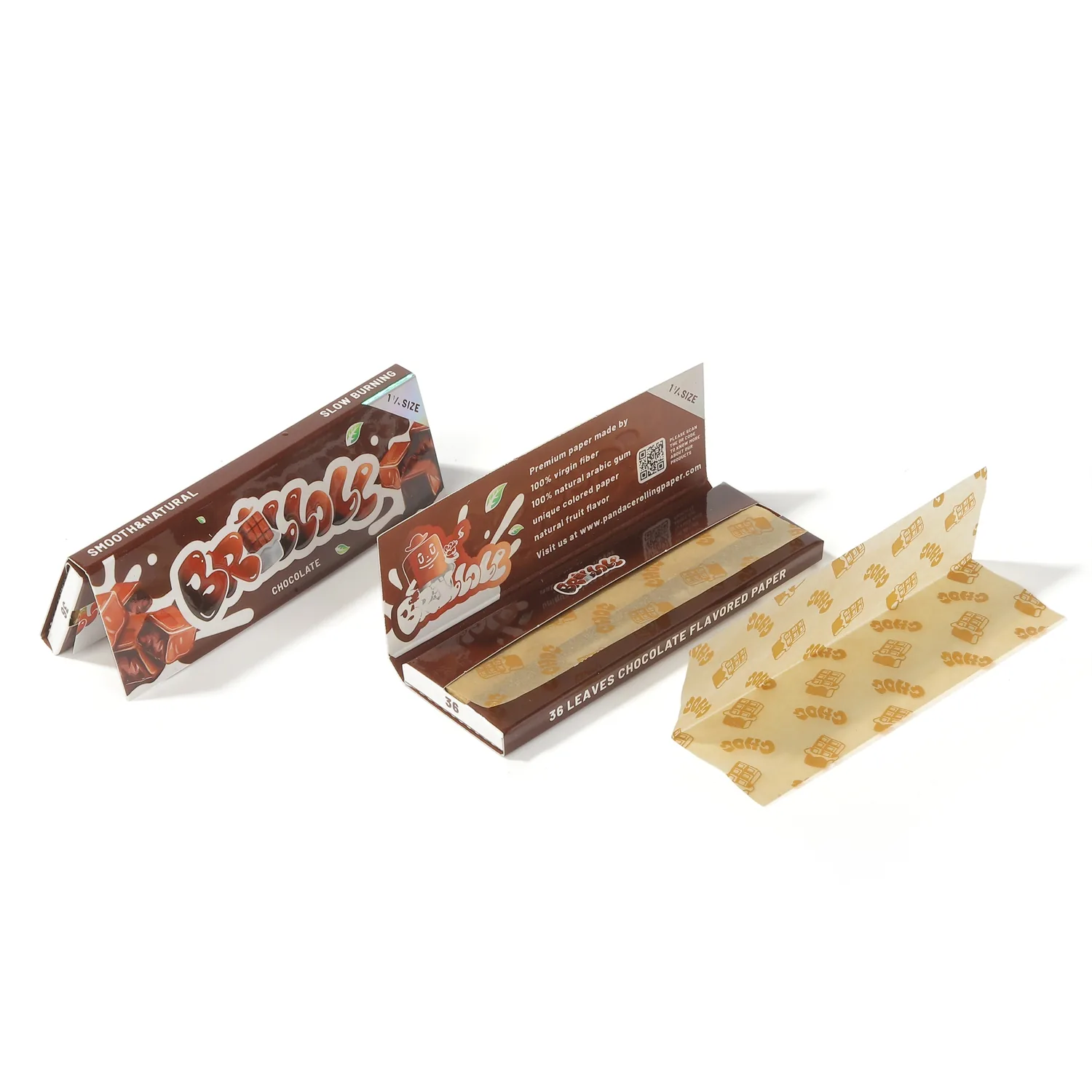
| Elemento | Função |
|---|---|
| Linha de perfuração | Separação limpa de folha única |
| Sem perfuração | Rasgo manual, borda menos limpa |
| Aplica-se a | Qualquer fibra de papel, etapa de conversão |
Conclusão Principal: A perfuração é um detalhe de conversão aplicado a qualquer fibra de papel—não está vinculada a um material de papel específico.
Papéis personalizados: https://ace-rolling.com/custom-rolling-papers/.
Como a Perfuração Afeta a Colocação da Linha de Goma?
Introdução: A tira de goma e a linha de perfuração precisam estar posicionadas corretamente uma em relação à outra.
Resumo: A tira de goma geralmente fica ao longo de uma borda da folha, separada da linha de perfuração que prende a folha ao bloco do livreto. Uma conversão correta mantém essas duas características sem interferência—a goma não deve passar por ou muito perto da perfuração, o que poderia enfraquecer a vedação ou a linha de rasgo.
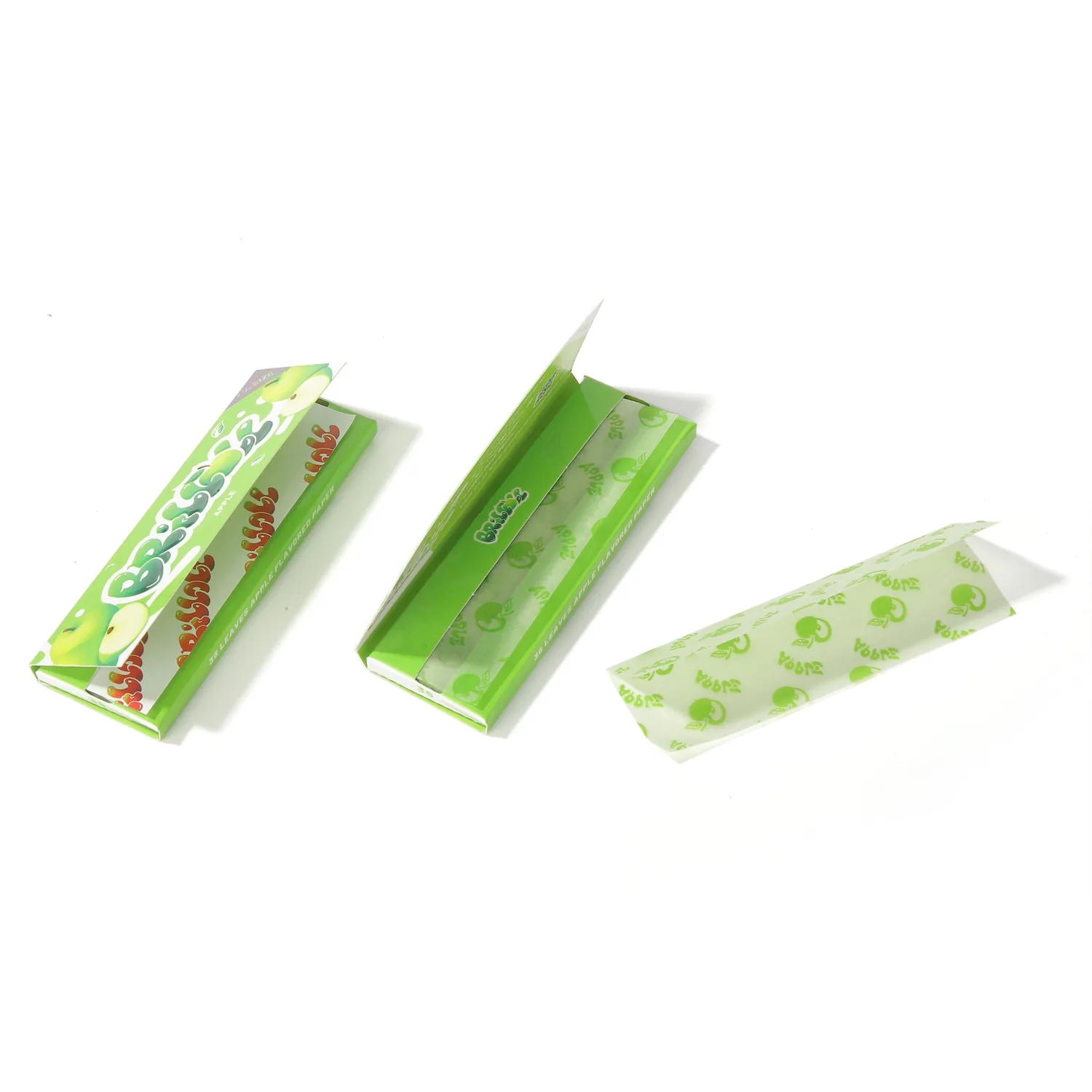
| Característica | Posição |
|---|---|
| Faixa de goma | Ao longo da borda de vedação |
| Perfuração | Ao longo da borda de fixação do livreto |
| Risco se desalinhado | Selagem fraca ou rasgo irregular |
Conclusão Principal: Confirme a colocação da goma e da perfuração em uma amostra física—o desalinhamento entre os dois é um defeito comum de conversão para detectar precocemente.
Enquadramento de materiais: https://ace-rolling.com/quality-certifications/.
A Perfuração Funciona da Mesma Forma em Todas as Fibras de Papel?
Introdução: Diferentes fibras respondem levemente de forma diferente ao corte de perfuração.
Resumo: Papéis finos e delicados podem rasgar mais facilmente ao longo de uma linha de perfuração do que papéis mais grossos ou fibrosos, onde o destacamento pode exigir um pouco mais de força ou deixar uma borda menos limpa. Este é um problema de calibração de conversão—a profundidade e o espaçamento da perfuração podem ser ajustados por fibra para obter um rasgo limpo e consistente.
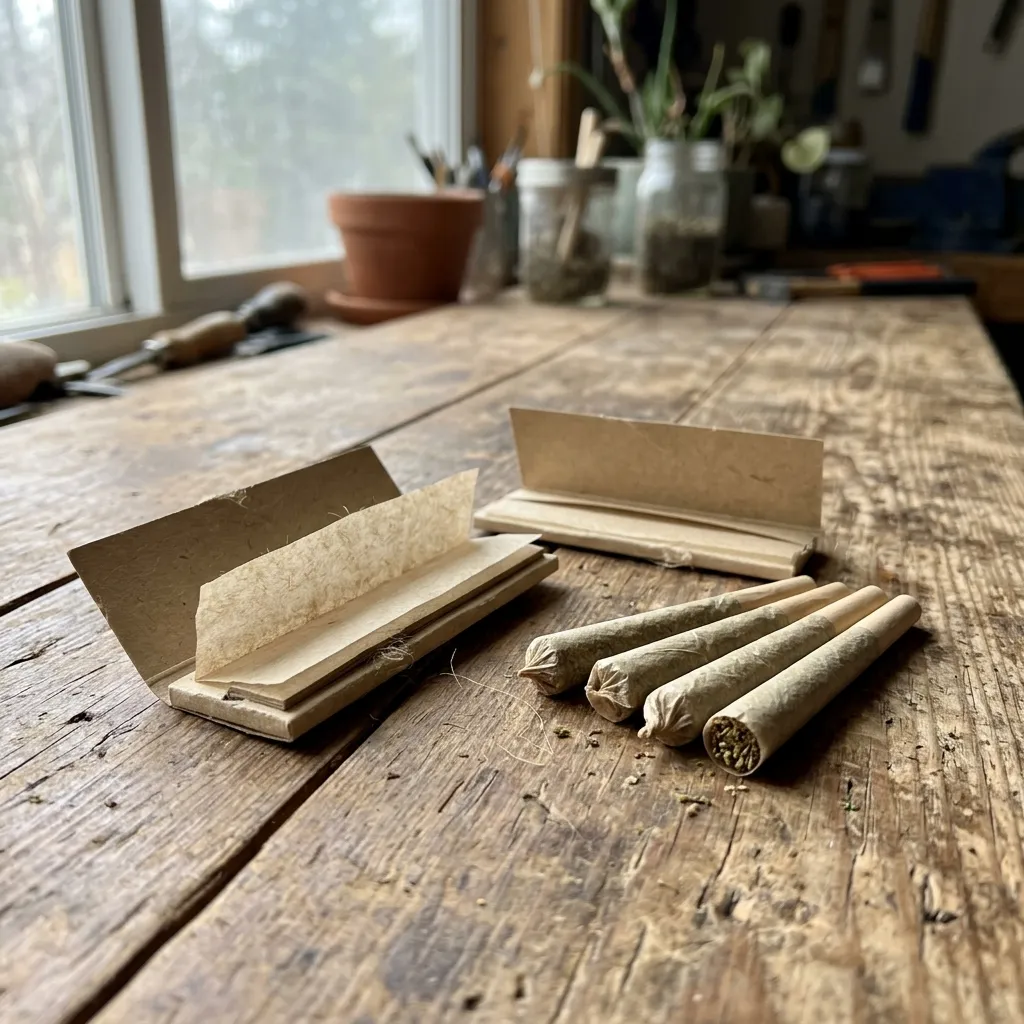
| Tipo de fibra | Comportamento da perfuração |
|---|---|
| Papéis finos/leves | Rasga facilmente, precisa de calibração precisa |
| Papéis mais grossos/fibrosos | Pode precisar de profundidade de perfuração ajustada |
| Calibração | Ajustável por fibra durante a conversão |
Conclusão Principal: Solicite um teste de rasgo em amostra na sua fibra de papel específica—a profundidade da perfuração pode precisar de calibração por material.
Rotas de papel: https://ace-rolling.com/custom-rolling-papers/.
Quais Verificações de Qualidade Você Deve Realizar em Amostras Perfuradas?
Introdução: A qualidade da perfuração é melhor avaliada rasgando folhas de amostra.
Resumo: Testar a limpeza do rasgo (se a folha se separa ao longo da linha pretendida sem rasgar irregularmente na próxima folha), a força do rasgo (nem muito apertado, nem tão solto que a folha caia prematuramente) e a consistência em várias folhas do mesmo livreto, não apenas na primeira.

| Teste | Critérios de aprovação |
|---|---|
| Limpeza do rasgo | Linha limpa, sem rasgar completamente |
| Força de rasgo | Nem muito apertado nem muito solto |
| Consistência | Mesmo desempenho em todas as folhas |
Conclusão Principal: Teste de rasgo em várias folhas ao longo do livreto, não apenas na folha superior—a consistência da conversão pode variar no bloco.
Processo de amostra: https://ace-rolling.com/how-to-get-a-custom-rolling-paper-sample-kit/.
Does Perforation Change the Wholesale Price of a Booklet?
Lead-in: Perforation is a converting-line detail, not typically a major cost driver.
Summary: Ace quotes perforated booklets inside the same standard ~$0.07–$0.30 per-booklet wholesale band with MOQ as non-perforated booklets—perforation itself generally does not represent a large cost step, though it should still be specified clearly in the RFQ since it affects tooling setup on the converting line.
| Fator de custo | Nota |
|---|---|
| Perfuração | Minor converting detail, specify clearly |
| Fibra de papel | Larger cost driver |
| Print/finish | Larger cost driver |
Conclusão Principal: Perforation itself is a small line item—your paper fiber and print scope drive most of the wholesale cost.
Wholesale bands: https://ace-rolling.com/quality-certifications/.
Can You Combine Perforation With Custom Print and Fiber Choices?
Lead-in: Perforation is fully compatible with the rest of your booklet customization.
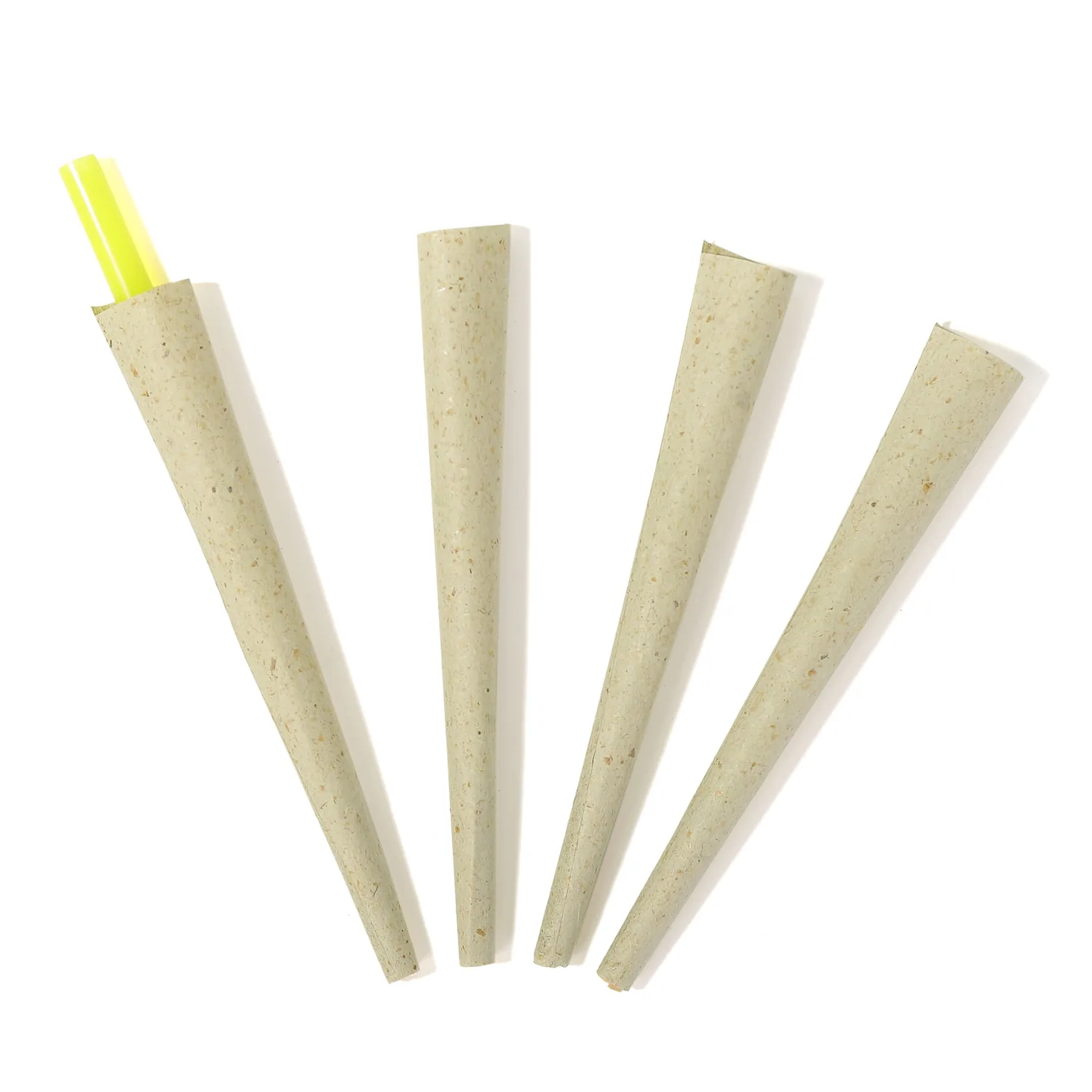
Summary: Yes—perforated leaves can be produced across white, unbleached kraft, hemp, bamboo, or custom-printed paper routes. Perforation doesn’t restrict fiber or print choice; brief it as one line item alongside your fiber, print, and cover finish decisions in the same RFQ.
| Combination | Compatibility |
|---|---|
| Perforation + any fiber | Compatible |
| Perforation + custom print | Compatible |
| Perforation + any cover finish | Compatible |
Conclusão Principal: Perforation is an independent line item—combine it freely with your other fiber and print decisions.
Programas OEM: https://ace-rolling.com/oem-odm-rolling-paper-manufacturer/.
How Do You Order Perforated Booklets From Ace Rolling?
Lead-in: One brief settles fiber, perforation, gum placement, and print together.
Summary: Send Ace your fiber choice, perforation requirement, print scope, cover finish, target quantity, destination, and timeline. Ace quotes booklets inside the ~$0.07–$0.30 wholesale band with MOQ, plans concept-to-delivery near two months, and runs mass about four to five weeks after sample approvals confirm clean tear performance.
| Passo | Ação |
|---|---|
| 1 | Specify perforation requirement |
| 2 | Confirm fiber and gum placement |
| 3 | Approve tear-test on samples |
| 4 | Congelar arte final |
| 5 | Produção em massa ~4–5 semanas após as aprovações |
Conclusão Principal: State perforation explicitly in your RFQ and validate tear performance on a physical sample before mass production.
Início: https://ace-rolling.com/contact/.
Perguntas Frequentes
Papéis de enrolar perfurados estão disponíveis OEM na China?
Yes. Perforated tear-lines that let a single leaf detach cleanly from the booklet block are a standard converting option. Guangdong Ace Rolling, a Dongguan, China OEM/ODM manufacturer, produces perforated booklets at the standard ~$0.07–$0.30 per-booklet wholesale band with MOQ, compatible with any fiber, print, or finish choice in the same program.
Does perforation work differently depending on the paper fiber?
Somewhat. Thin, delicate papers may tear more easily along a perforation line, while thicker or more fibrous stock can need slightly more force or leave a less clean edge unless perforation depth is calibrated for that specific material. This is a converting-line adjustment, not a limitation—request a sample tear test on your exact fiber before mass production.
Does adding perforation increase the wholesale price of a booklet?
Generally not significantly. Ace quotes perforated booklets inside the same standard ~$0.07–$0.30 per-booklet wholesale band with MOQ as non-perforated booklets. Perforation itself is a minor converting-line detail compared with fiber choice, print scope, and cover finish, which are typically the larger cost drivers in a booklet quote.
Can perforation be combined with custom printing and a specific paper fiber?
Yes. Perforated leaves can be produced across white, unbleached kraft, hemp, bamboo, or custom-printed paper routes, and perforation does not restrict fiber or print choice. Brief perforation as one line item alongside your fiber, print, and cover finish decisions in the same RFQ so the full booklet spec is quoted together.
What should I check on a perforated paper sample before approving mass production?
Test tear cleanliness (does the leaf separate along the intended line without ragging into the next leaf), tear force (not too tight or too loose), and consistency across multiple leaves in the same booklet, not just the top sheet. Also confirm the gum strip and perforation line don’t interfere with each other on the sample.
Where does the gum strip sit relative to the perforation line?
The gum strip typically sits along the sealing edge of the leaf, separate from the perforation line attaching the leaf to the booklet block. Correct converting keeps the two features from interfering—gum too close to or through the perforation can weaken the seal or the tear line, so confirm placement on a physical sample.
Ready to Brief a Perforated Booklet Program?
Specify your perforation requirement alongside fiber, print, and finish, then validate tear quality on a sample.
- Custom papers: https://ace-rolling.com/custom-rolling-papers/
- Programas OEM: https://ace-rolling.com/oem-odm-rolling-paper-manufacturer/
- Orçamento: https://ace-rolling.com/contact/