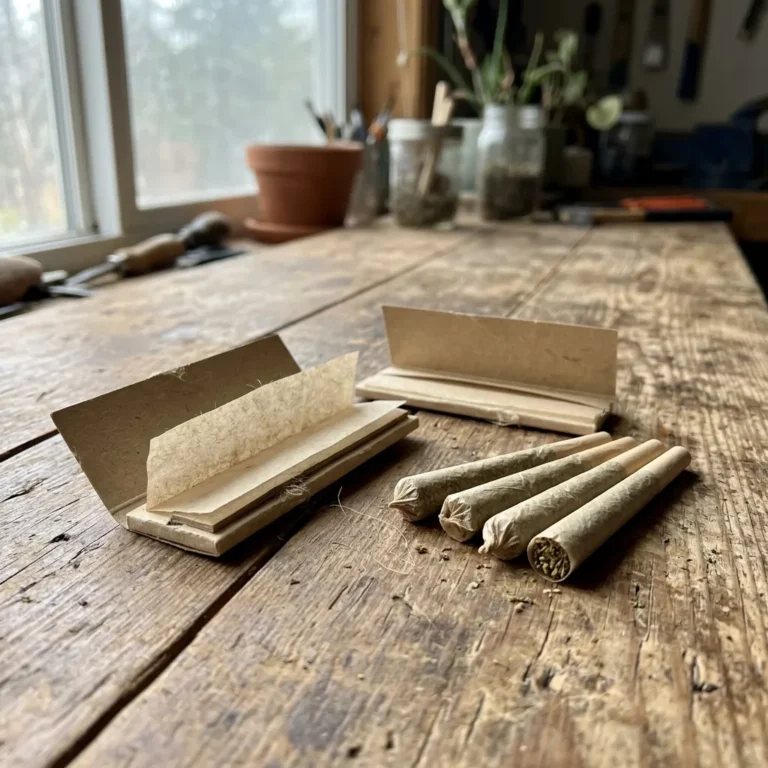

What type of paper is used in rolling paper? Plant-fiber paper engineered for burning—not notebook, printer, or magazine stock. The sheet is almost always made from hemp, rice-style fiber, wood pulp, flax, bamboo, or specialty cellulose film, then finished with a thin натуральная камедь strip (commonly Arabic / acacia gum) so the leaf seals.
Competitor “what kind of paper” guides (including Roll Your Own Papers’ complete materials overview) list the same fiber families and stress that rolling paper is purpose-built: ultra-thin GSM, controlled porosity, and a food-contact-minded adhesive. Ace Rolling manufactures rolling papers and cones mainly in конопля, бамбук и древесная масса directions, with ultra-thin options and Arabic gum on applicable programs. Sample the exact SKU—fiber name on a pack is a start, not a lab certificate.
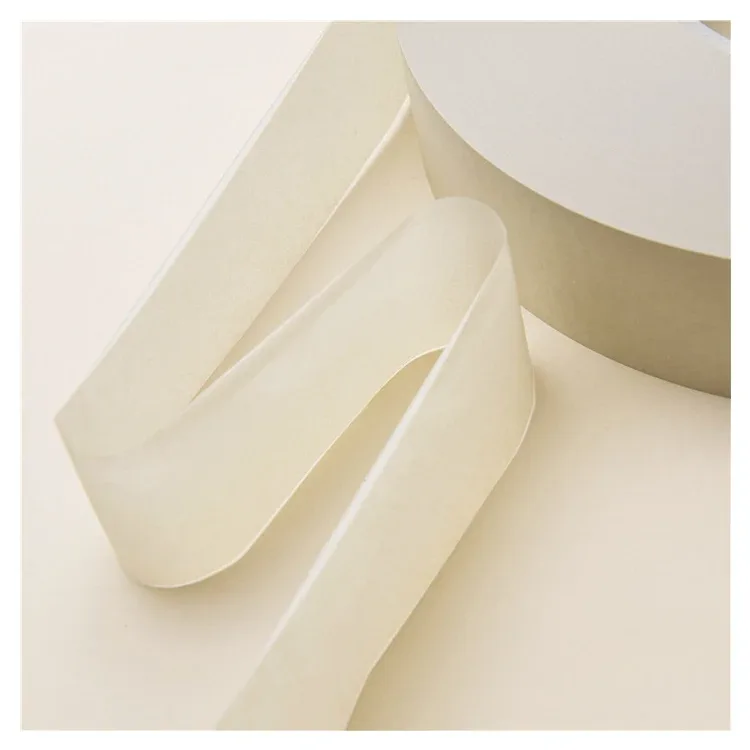
Таблица кратких ответов
| Тип бумаги | What it is | Typical buyer note |
|---|---|---|
| Конопля | Industrial hemp plant fiber | Balanced grip, common “natural” hero |
| Рисовый стиль | Rice straw / rice-fiber sheet | Ultra-thin, low taste, harder to roll |
| Древесная целлюлоза | Tree fiber (often softwood) | Classic, forgiving, often thicker |
| Лён | Flax / linen plant fiber | Smooth Euro-style thin feel |
| Бамбук | Bamboo plant fiber | Renewable story; Ace OEM option |
| Прозрачная целлюлоза | Regenerated plant cellulose film | Novelty, very slow, different feel |
| Esparto / blends | Specialty grass or mixed fibers | Less common; check label |
Also on every standard leaf: a gum line. Tips/crutches are a thicker cardstock accessory, not the same ultra-thin wrap paper.
Why It Is Not “Regular Paper”
Office and craft papers are made for writing and printing. They are usually much heavier (often ~70–80+ gsm vs rolling papers commonly discussed in roughly the 10–28 г/м² band), may carry bleaches, coatings, or inks you do not want to burn, and lack a proper gum edge. Rolling paper mills refine plant pulp into thin, porous sheets meant for even combustion and minimal flavor interference.
Never substitute printer paper, notebook sheets, or magazine pages. Use products designed as rolling papers or cones.
The Main Types Explained
Конопля
Hemp is one of the most common answers to “what type of paper.” Fibers from industrial hemp form a sheet that is usually easier to handle than ultra-thin rice-style leaves, with a mild plant note and strong natural/unbleached merchandising. Many everyday and private-label lines start here.
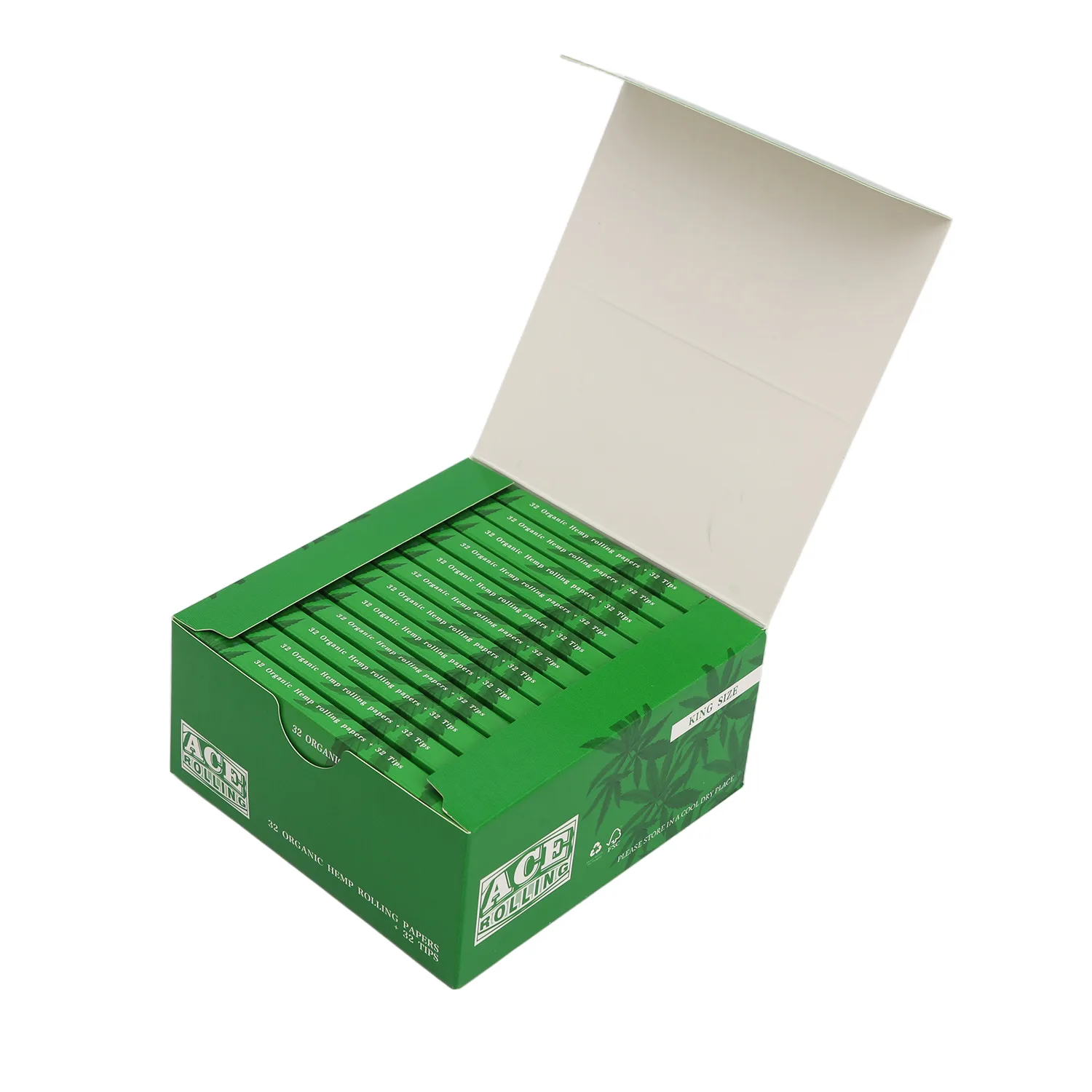
Ace Rolling offers organic hemp booklet and tips programs among Signature and OEM options. Confirm GSM, bleach status, and tip inclusion on the sample you approve.
Рисовый стиль
Rice-style papers are processed from rice straw or related rice fiber into nearly translucent sheets. Buyers choose them for least paper taste and low ash mass. Trade-offs: tear risk, humidity sensitivity, and a steeper learning curve. Some “rice” retail SKUs are blends—read the pack.
Ace’s published core OEM menu emphasizes hemp, bamboo, and wood pulp; if you need a rice-style brief, ask the factory what is available for sampling rather than assuming every fiber is stocked identically.
Древесная целлюлоза
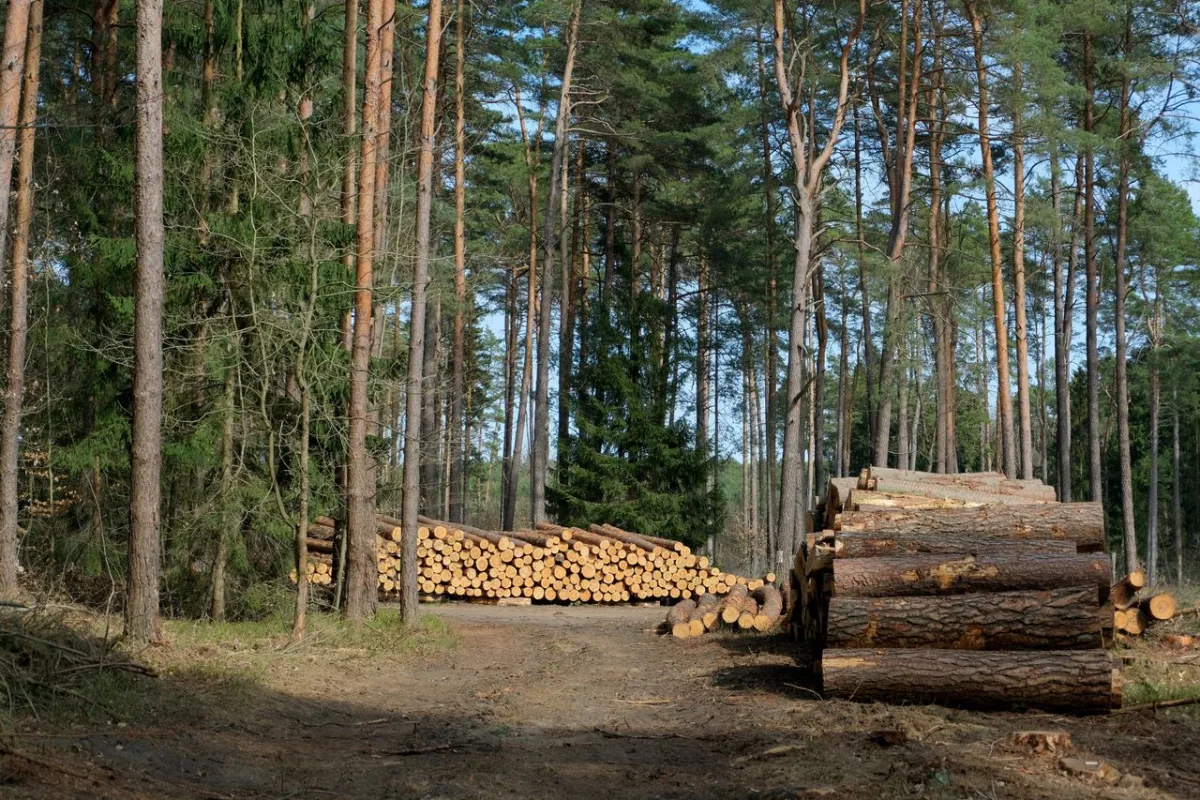
Wood pulp is the classic rolling paper base—tree fiber formed into a sturdier, often thicker leaf. It is beginner-friendly and widely used in value and traditional white papers. Bleached pulp looks bright white; unbleached pulp stays tan. Expect more paper presence in taste and ash than ultra-thin rice or fine hemp when the sheet is heavy.
Лён
Flax (linen plant) papers sit in a smooth, medium-thin European-favorite lane: even burn reputation, subtle flavor, fine ash when well made. Availability varies by market. Ace site OEM messaging lists flax among material variants on sample-kit style pages; lock the exact flax or blend SKU with physical samples.
Бамбук
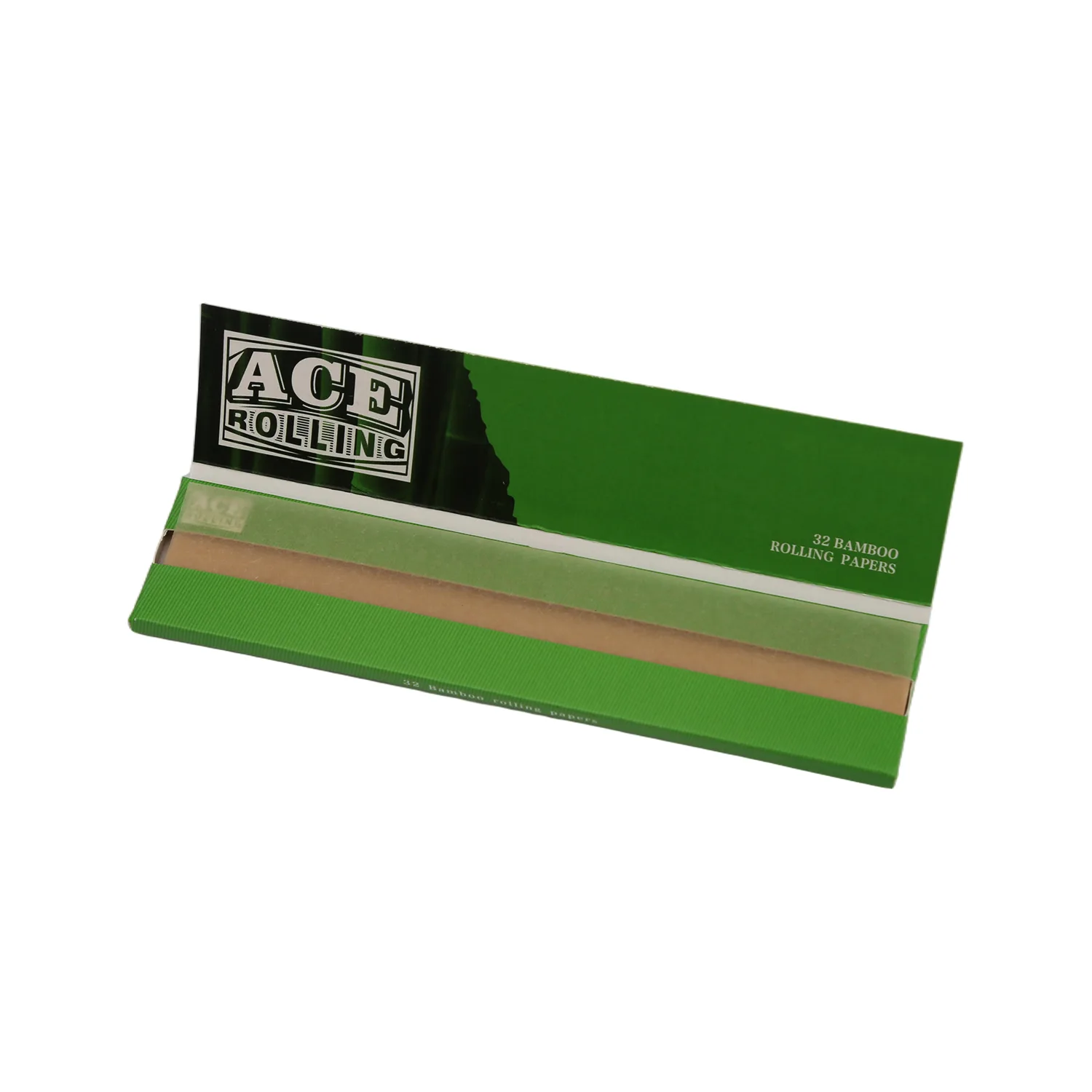
Bamboo is a fast-growing plant-fiber option used for eco-forward product stories and Ace OEM/Signature bamboo booklets. Feel and burn sit closer to other plant papers than to clear cellulose. Verify FSC or sustainability marks on the specific pack if those claims matter for retail.
Clear cellulose and other specialties
Clear “cellulose” papers are regenerated plant cellulose films—see-through, very slow burn, almost no ash. They are a specialty type, not the default booklet paper in most smoke shops. Colored or flavored papers usually start from one of the plant bases above, then add dyes or flavor systems—treat those as coatings on a fiber type, not a new fiber family.
Esparto grass and proprietary blends appear in some heritage or niche lines. Always read the fiber claim on the pack.
What Else Is “On” the Paper?
| Component | Роль |
|---|---|
| Plant fiber sheet | Structure, burn, taste baseline |
| Watermark / porosity control | Even burn guidance |
| Аравийская / акациевая камедь | Moisture-activated seal |
| Optional print / color | Brand or novelty (ink/dye quality matters) |
| Optional tips | Separate thicker paper/card filter |
Quality talk in materials guides also covers ash color, gum evenness, and consistency leaf-to-leaf. Those are process outcomes on top of fiber choice.
Thickness (GSM) vs Fiber Type
Волокно отвечает на вопрос “из какого растения”.” г/м² answers how much paper mass sits between you and the fill. Consumer guides often group ultra-thin (~10–13 gsm), thin (~13–18), medium (~18–22), and thicker (~22–28) bands. Ace OEM pages highlight ultra-thin / slow-burn positioning (including low-teens gsm and flagship Класс 10 г/м² messaging where applicable). Thinner usually means less paper taste and less forgiveness; thicker usually means easier rolling and more paper presence.
Pick fiber и GSM together—not fiber alone.
How to Choose a Type (Quick)
| Вы хотите… | Начните с… |
|---|---|
| Повседневный баланс | Конопля |
| Минимальный привкус бумаги | Рисовый стиль / ультратонкий |
| Easiest first rolls | Древесная масса (часто толще) |
| Eco plant story | Конопля или бамбук |
| Smooth thin Euro feel | Flax / specialty thin |
| Объём частных марок | Hemp or wood pulp first, then expand |
For OEM, Ace Rolling commonly works from about 2 000 единиц MOQ on custom booklet programs, with sample kits covering material ranges before artwork lock. Matching cones can use the same fiber story.
Суть
The type of paper used in rolling paper is ultra-thin plant-fiber paper—most often hemp, rice-style, wood pulp, flax, or bamboo—plus a natural gum edge. It is not office paper. Ace Rolling builds hemp, bamboo, and wood pulp programs (with ultra-thin and Arabic gum options on applicable SKUs); sample fiber and GSM before you brand or buy bulk.
Часто задаваемые вопросы
What type of paper is used in rolling paper?
Rolling papers use specialized plant-fiber sheets—commonly hemp, rice-style fiber, wood pulp, flax, or bamboo—cut thin and finished with a natural gum strip. Clear cellulose films are a specialty alternative. They burn more evenly than printer paper. Ace Rolling focuses on hemp, bamboo, and wood pulp for booklets and cones.
Is rolling paper the same as regular paper?
No. Rolling paper is far thinner, more porous, and built for combustion with a gum seal. Regular office paper is heavier, often chemically finished for printing, and unsafe as a substitute. Always buy products labeled as rolling papers or pre-rolled cones from reputable makers.
What is the most common rolling paper material?
Hemp and wood pulp are among the most common retail bases; rice-style leads when buyers prioritize minimal paper taste. Market mix varies by region and price tier. Ace Rolling’s OEM and Signature lines commonly feature hemp, bamboo, and wood pulp—ask for samples of the fiber you plan to sell.
Does Ace Rolling make different paper types?
Yes. Ace Rolling manufactures rolling papers and related products in hemp, bamboo, and wood pulp directions, including ultra-thin options and Arabic gum on applicable programs. Custom OEM can lock material, size, print, and packaging—typically from about 2,000 units MOQ. Confirm the exact type on a retained sample before mass production.