
Как производятся бумаги для самокруток? В промышленных терминах: растительные волокна превращаются в тонкий лист → лист высушивается и наматывается → наносится водяной знак и разрезается на рулоны/бобины → наносится натуральная линия камеди → листы разрезаются, прокладываются и упаковываются в буклеты (или формируются в конусы). Объяснения брендов, такие как “Как делают сигаретную бумагу?” от Zig-Zag, проходят по той же цепочке: пульпа, лист, водяной знак, нанесение клея, прокладка и упаковка.
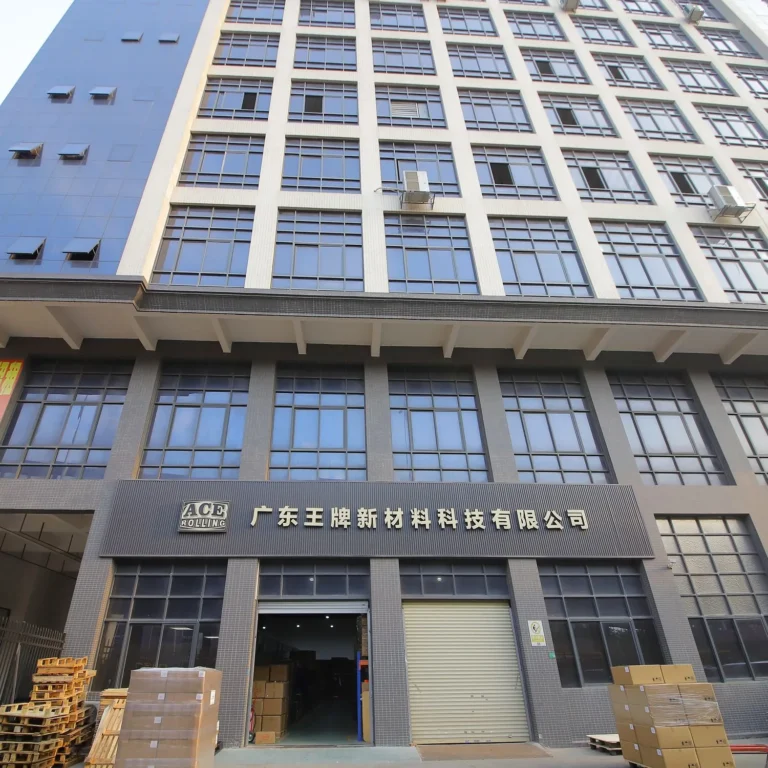
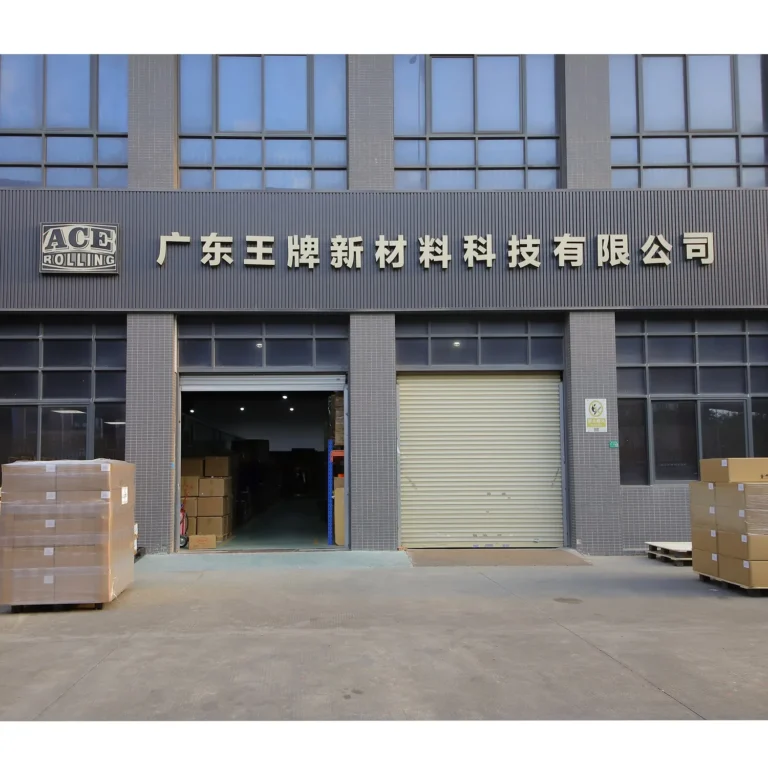
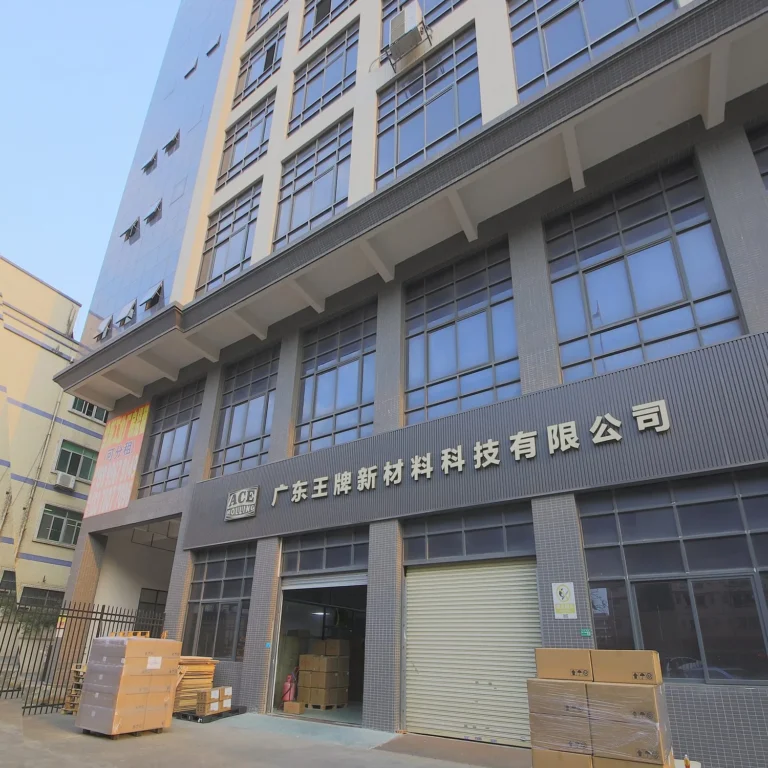
Ace Rolling — это производитель из Дунгуаня, выпускающий сигаретную бумагу, предварительно скрученные конусы и упаковку для программ Signature и OEM/ODM. Ace преобразует премиальную бумажную основу (включая сообщения о поставках от Hengfeng Group на флагманских страницах) в готовые к продаже буклеты и конусы — с аравийской/акациевой камедью, вариантами водяных знаков и контролем качества — вместо того чтобы рассматривать каждый бренд как изделие ручной работы.
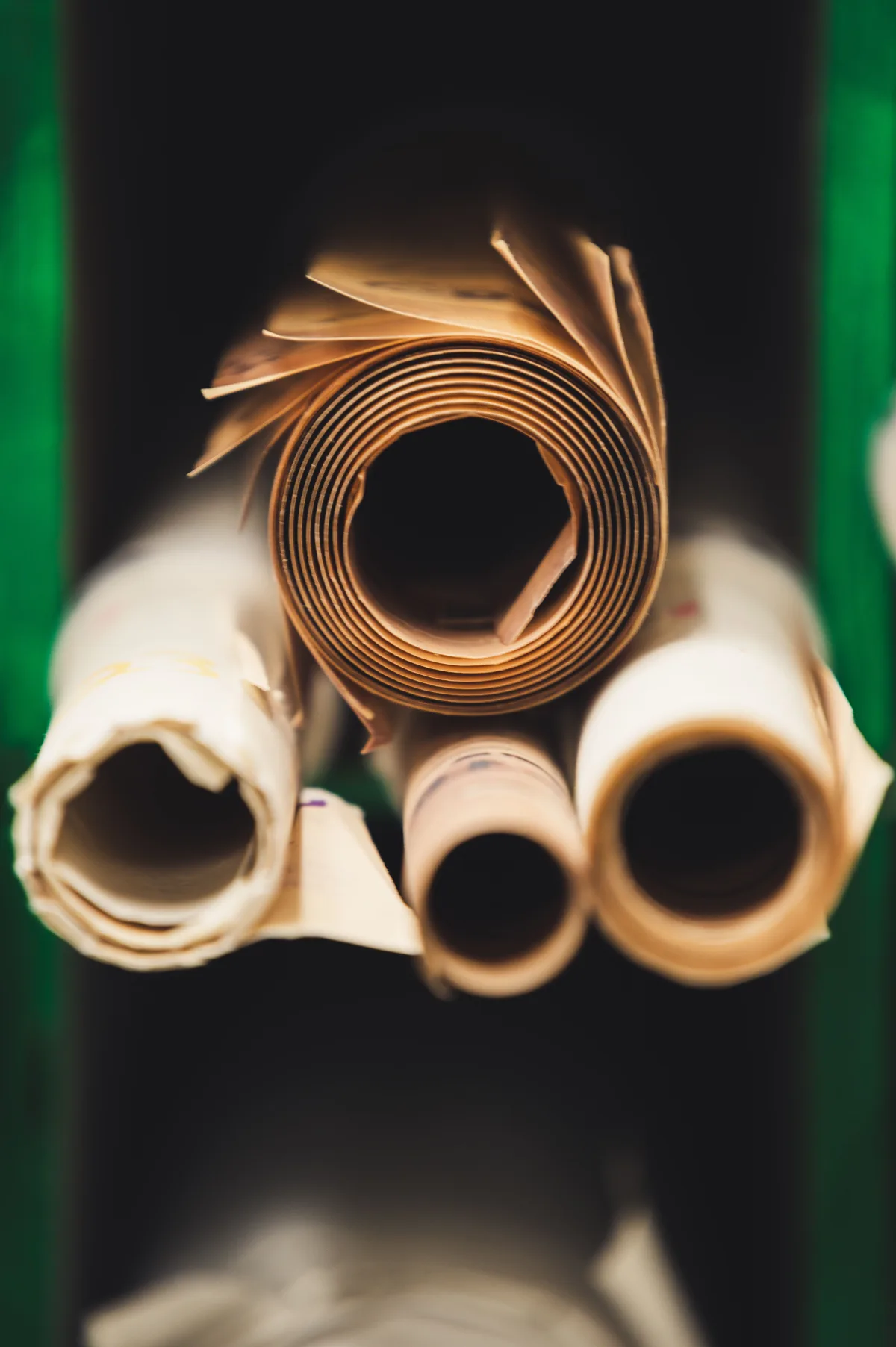
Карта производства (Волокно → Буклет)
| Этап | Что происходит | Почему это важно |
|---|---|---|
| 1. Подготовка волокон | Выбраны волокна конопли, льна, древесной массы, бамбука, рисового типа | Задаёт основу прочности, вкуса и горения |
| 2. Изготовление пульпы | Волокна раскрываются, очищаются, суспендируются в воде | Равномерный лист требует чистого, разделённого волокна |
| 3. Формирование листа | Формирование тонкого полотна, прессование, сушка, намотка | Создание бумаги сверхнизкой плотности (GSM) |
| 4. Водяной знак / Контроль качества | Узор прессуется или формируется; брак отбраковывается | Признаки равномерного горения + маркеры подлинности |
| 5. Разрезка | Широкие рулоны нарезаются на катушки/бобины нужного размера | Соответствует форматам 1¼, king slim, одинарной ширины |
| 6. Нанесение клея | Нанесена тонкая линия арабской/акациевой камеди | Герметизация влаги без привкуса |
| 7. Резка + прокладка | Листы разрезаны, сложены, сложены гармошкой | Выдача по одному листу за раз |
| 8. Упаковка | Обёртка буклета, мундштуки опционально, дисплейные коробки | Готовый к размещению на полке артикул |
| 9. Контроль качества + отгрузка | Визуальный контроль/AQL, упаковка на экспорт | Партия соответствует сохраненному образцу |
Поездки с индивидуальным брендированием (печать на обложке, эксклюзивный водяной знак, частная упаковка) на вершине этот путь — см. статью Ace о кастомизации/OEM для ворот покупателей. Эта страница остаётся на как производится сама бумага.
Шаг 1: Выбор и подготовка растительных волокон
Сигаретная бумага начинается как растительный материал — обычно древесная масса, конопля, лён, бамбук, или волокна в стиле рисовой бумаги — не офисные отходы. Волокна отбираются по чистоте, распределению длины и пригодности для сверхтонких листов. В продуктах и OEM-меню Ace Rolling обычно представлены конопля, бамбук и древесная масса, причём лён упоминается среди вариантов материалов в сообщениях сайта, ориентированных на образцы.
Отбеленная или неотбеленная — это выбор обработки здесь: отбеливание меняет цвет и предпочтения некоторых покупателей; неотбеленная сохраняет естественный бежевый оттенок.
Шаг 2: Изготовление массы
Промышленные производители (Zig-Zag описывает контролируемое размягчение, механическое разделение волокон, очистку при высокой температуре, затем массу с водой) превращают твёрдое волокно в тонкая водянистая суспензия. Цель — разделить волокна, не разрушая длину, необходимую для прочного тонкого листа.
Точные рецепты фабрик и названия машин различаются в зависимости от предприятия. Покупателям следует обращать внимание на результаты: массу без примесей, стабильную степень помола и состав, способный удерживать целевую плотность (GSM).
Шаг 3: Формирование тонкого листа
Суспензия пульпы формируется в непрерывное полотно на бумагоделательном оборудовании, затем прессуется и сушится до толщины сигаретной бумаги. Потребительские и брендовые руководства часто указывают примерно 10–28 г/м² for finished leaves; Ace OEM messaging highlights ultra-thin / slow-burn positioning (including low-teens gsm and flagship Класс 10 г/м² options where applicable).
The dried web is wound into jumbo / master rolls—the industrial form you see before converting.
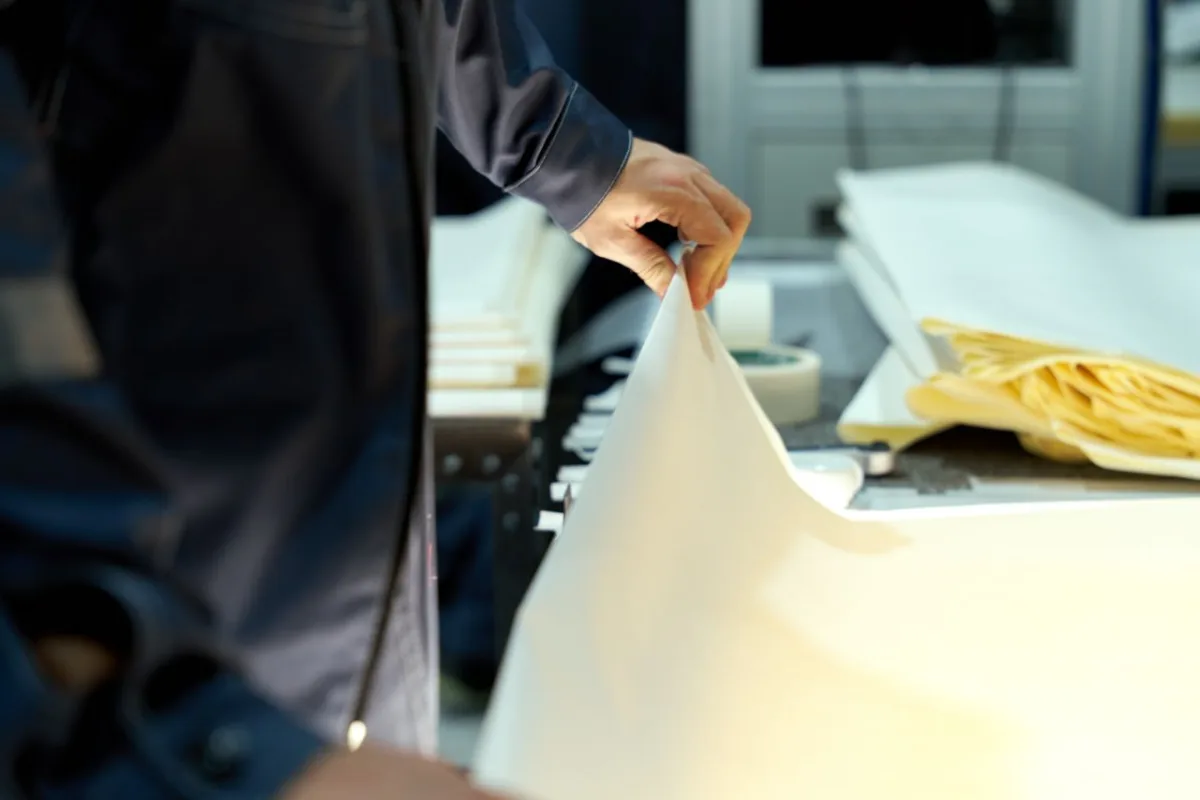
Step 4: Watermark and Quality Gate
Before or after slit sizing, many premium papers receive a водяной знак—straight lines, criss-cross patterns, logos, or brand motifs pressed with engraved rolls or formed in the sheet. Zig-Zag’s public process note is blunt: paper that fails requirements does not get the stamp.
Watermarks are not only decoration. They can influence burn path and act as a visual authenticity cue. Ace OEM programs support watermark directions (including custom patterns where process allows); approve burn samples with the watermark you will sell.
Step 5: Slit Into Size Reels / Bobbins
Wide master rolls are slit to the width of the finished leaf (for example, common industry widths near king-slim / 1¼ programs vs narrower single-wide formats). Those narrower rolls—бобины—feed gumming and booklet lines.
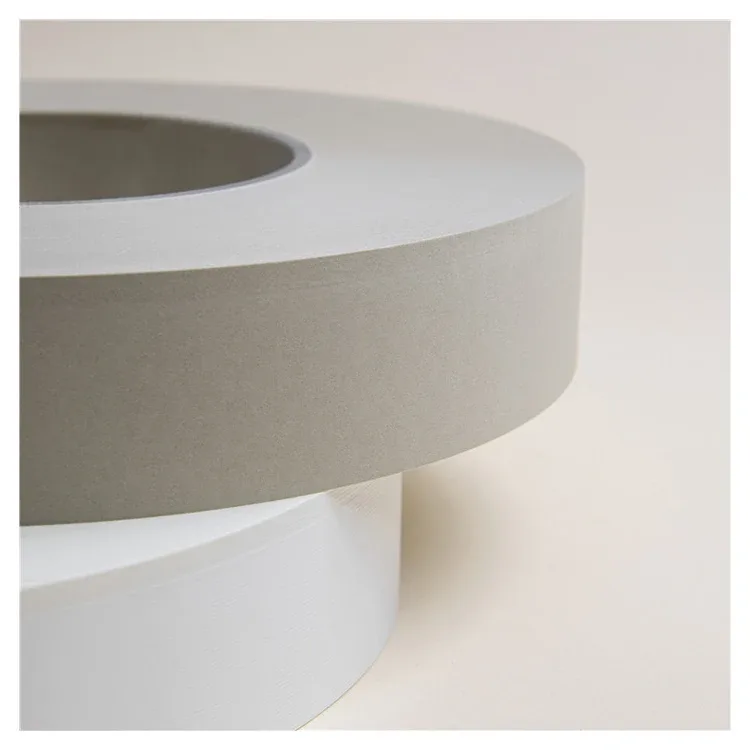
Step 6: Apply the Gum Line
A gumming machine lays a thin strip of adhesive—typically natural Arabic / Acacia gum from acacia sap—along the edge that will seal the roll. Applied too thick, gum tastes and feels heavy; too thin, seals fail. Food-grade gum discipline matters because the strip is ignited with the leaf.
Ace Rolling specifies natural Arabic gum on applicable booklet and cone programs. Test adhesion on your climate and fill style during sampling.
Step 7: Cut, Fold, and Interleave Into Booklets
Cutters size each leaf; folders crease; interleavers stack sheets so pulling one presents the next—the classic accordion booklet format popularized in modern rolling-paper packaging. Optional tips are inserted when the SKU includes crutches.
Leaf counts (32, 40, 50, 100, and Ace’s advertised high-count options such as up to 120-leaf capability on flagship OEM messaging) are locked here. Miscounts and crushed corners are converting defects, not pulp defects.
Step 8: Package, QC, and Ship
Printed booklet covers and display boxes wrap the interleaved block. Visual screening and AQL-style sampling check print, gum, count, and burn against a retained sample. Cartons then move to domestic or export freight.
For private-label work, Ace commonly plans about два месяца concept to delivery, with mass production often about четыре-пять недель after approvals—and custom booklet MOQs often near 2 000 единиц. Standard Signature stock follows catalog replenishment instead of a full OEM calendar.
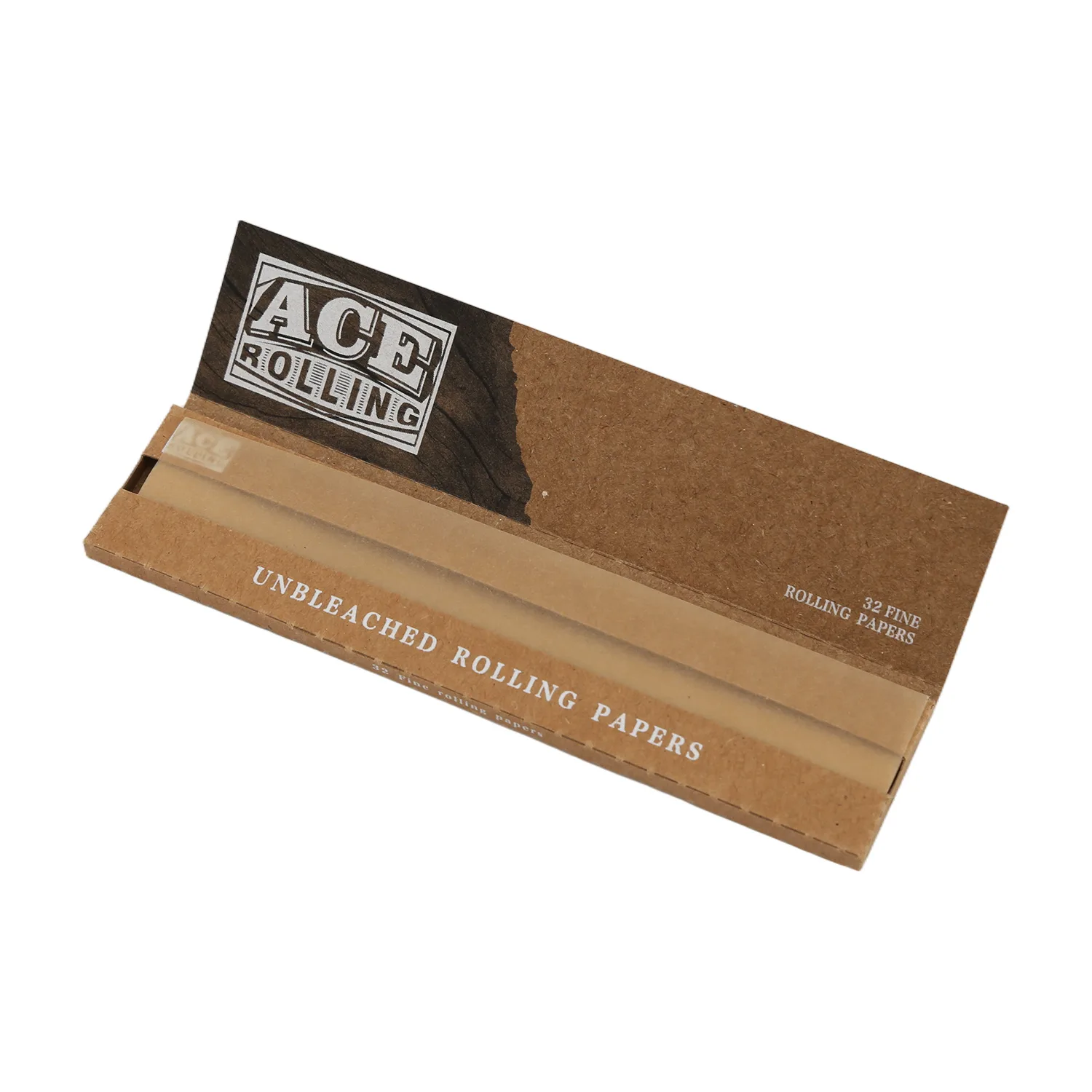
Mill vs Converter: Who Does What?
| Роль | Typical work |
|---|---|
| Paper mill | Fiber → pulp → jumbo sheet rolls |
| Converter / booklet plant | Slit, gum, watermark finish, interleave, pack, print |
| Brand / OEM buyer | Specs, artwork, compliance claims, market channel |
Some heritage brands own more of the mill story; many private-label programs buy mill-quality bobbins and convert under one roof. Ace positions as a manufacturer-led partner with premium raw-material supply relationships and in-house converting into booklets, cones, and packaging.
What Buyers Should Ask a Manufacturer
- Fiber and GSM of the retained sample
- Gum type and adhesion test method
- Watermark options and burn effect
- In-house converting vs trading only
- Leaf-count accuracy and tip insert capability
- Lot-to-lot change control
- Lead time after artwork lock
- Matching cone capability if needed
Суть
Rolling papers are manufactured by turning plant fibers into ultra-thin sheets, then converting those sheets—watermark, slit, gum, cut, interleave, and pack—into booklets or cones. Zig-Zag’s public process outline matches that industry sequence. Ace Rolling manufactures finished papers and cones on that converting path for Signature and OEM buyers; start with fiber, GSM, gum, and a physical sample before you scale.
Часто задаваемые вопросы
How are rolling papers manufactured?
Factories pulp plant fibers into a thin sheet, dry and wind it, then watermark, slit, gum, cut, and interleave leaves into booklets—or form cones. Natural Arabic or Acacia gum creates the seal strip. Ace Rolling converts premium paper stock into retail booklets and cones with QC against approved samples.
What materials go into manufactured rolling papers?
Common bases are wood pulp, hemp, flax, bamboo, and rice-style fiber, plus a thin natural gum line. Additives and watermarks can tune ash and burn behavior. Ace Rolling’s core manufacturing directions include hemp, bamboo, and wood pulp; confirm the exact furnish on a sample kit.
What is interleaving in rolling paper manufacturing?
Interleaving stacks cut leaves so each pull presents the next sheet in an accordion booklet—the format most smokers recognize. It happens after gumming and cutting, before the outer wrap is applied. Accurate interleaving protects leaf count and keeps the pack easy to use.
Does Ace Rolling manufacture papers or only brand them?
Ace Rolling manufactures rolling papers, pre-rolled cones, and packaging for Signature Collections and OEM/ODM private label. Custom booklet programs commonly start around 2,000 units, with sample approval before mass production. Ask for fiber, GSM, gum, and packaging specs in one brief for a factory quote.