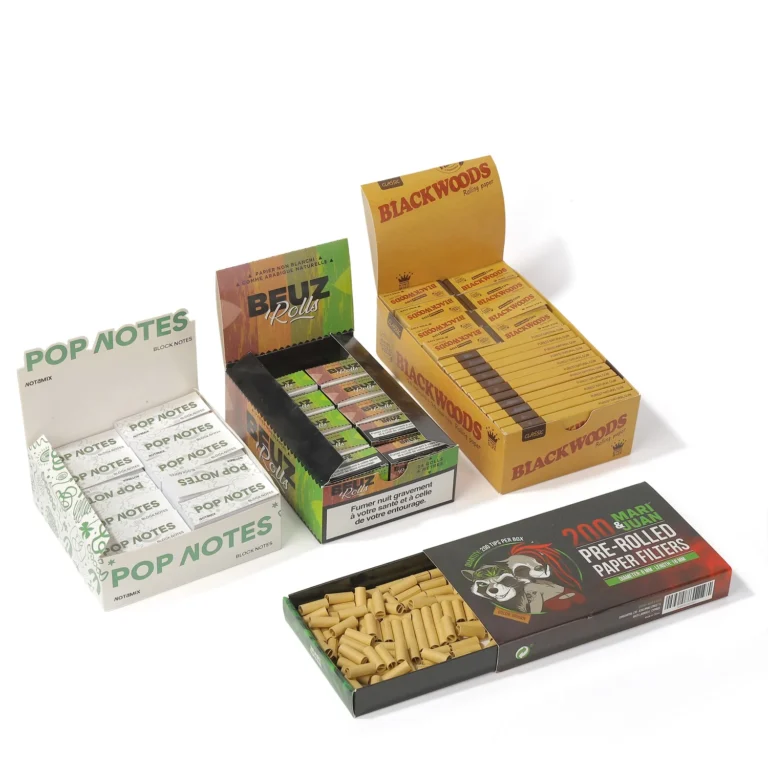

Which paper is best for joints? There is no single universal winner. The best rolling paper for joints depends on material, grammage, size, burn behavior, and how your end users actually roll. For brands and distributors, the right choice is the paper that matches your market preference and stays consistent lot after lot.
Ace Rolling helps private-label and OEM buyers compare paper options with production-intent samples—so decisions come from handling and burn checks, not brand slogans.
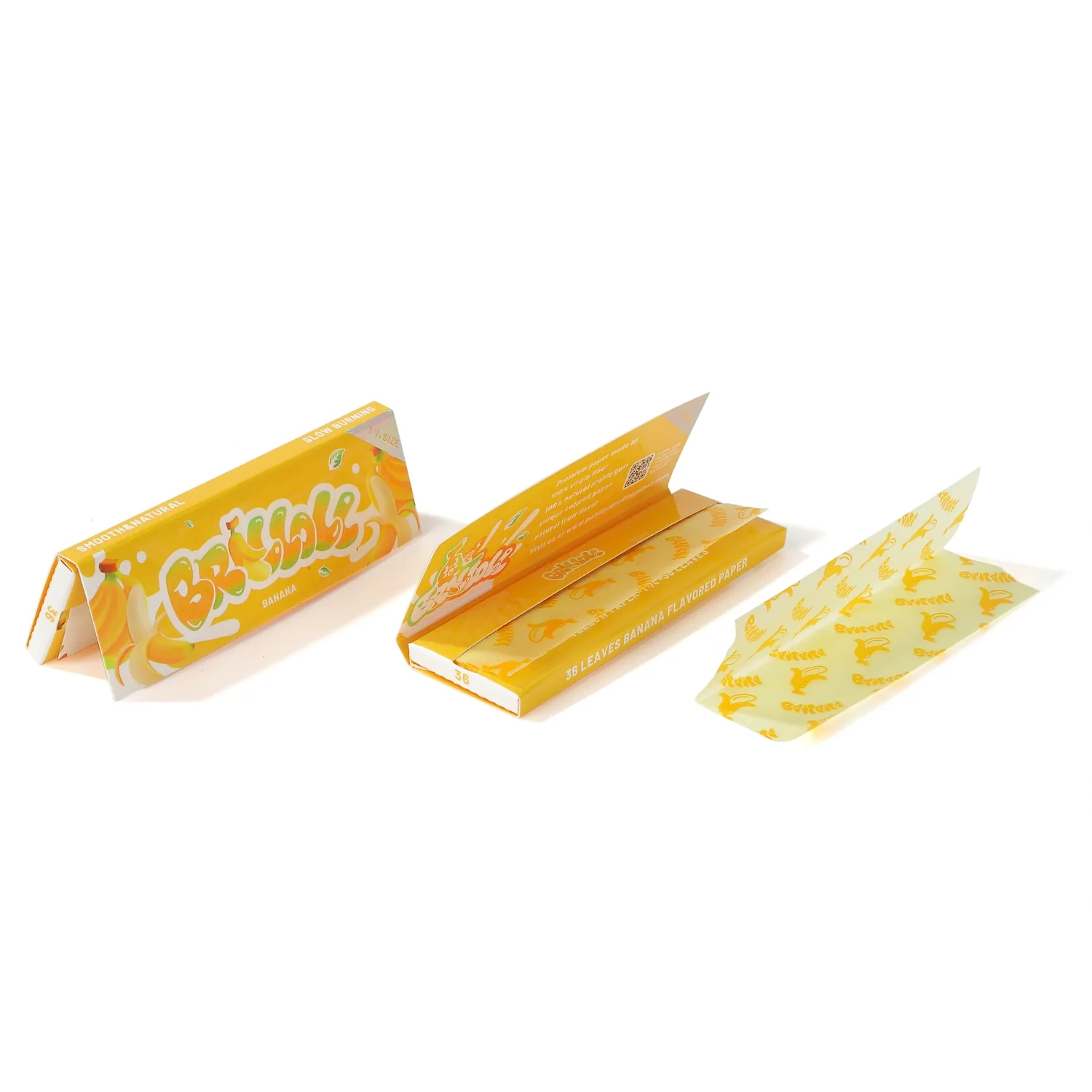
What Makes a Rolling Paper Work Well for Joints?
A good joint paper seals cleanly, rolls without constant tearing, and burns in a way your customers accept. “Best” is a performance fit, not a trophy label.
Use these buyer checks when comparing papers:
| Проверка покупателем | What to verify on samples |
|---|---|
| Handling strength | Paper resists tearing while rolling and packing |
| Gum performance | Seal holds without bitter taste or weak adhesion |
| Burn behavior | Even burn under your typical fill and roll style |
| Taste neutrality | Paper does not overpower the fill for your market |
| Size fit | Format matches solo, shared, or pre-roll-adjacent use |
| Постоянство партии | Next carton feels like the approved sample |
Do not rank papers by marketing adjectives alone. Run the same rolling test across candidate materials and keep the approved sample as your production reference.
Which Material Is Best for Joint Papers?
Material changes feel, burn, and brand story. None is automatically best for every joint program.
Common options buyers compare:
- White wood pulp: Familiar look, widely accepted, often easy for newer rollers
- Unbleached wood pulp: Natural appearance, useful for minimalist brand positioning
- Hemp: Distinct fiber story and texture preferred in many cannabis-adjacent markets
- Flax / thin specialty papers: Premium thin-paper feel when handling strength stays acceptable
- Bamboo or other alternative fibers: Useful when your brand needs a specific material narrative and documentation
Retail guides often praise hemp for “natural” positioning and rice-style papers for thinness. Treat those as preference signals, not proof. Always request the exact material proposed for bulk—not a substitute demo stock—and confirm any sustainability claim with documents that apply to that SKU.

Does Size and Grammage Matter for Joints?
Yes. Size and grammage change rolling ease, fill volume, and perceived quality as much as fiber type.
Typical size planning for joint-focused assortments:
- Single wide: Smaller format for lighter fills
- 1¼: Versatile everyday size for many markets
- King size / king size slim: Longer formats for larger joints or different brand aesthetics
- Custom sizes: Useful when you need shelf differentiation and can support development time
Grammage (GSM) is the thickness/weight lever:
- Lighter papers can feel premium and burn faster, but may be less forgiving to roll
- Medium papers often balance handling and burn for broad retail audiences
- Heavier papers can feel sturdier and burn slower, with a different mouthfeel
There is no default “best GSM for joints.” Choose against your target user’s skill level and preferred session style, then lock the range in the purchase order.
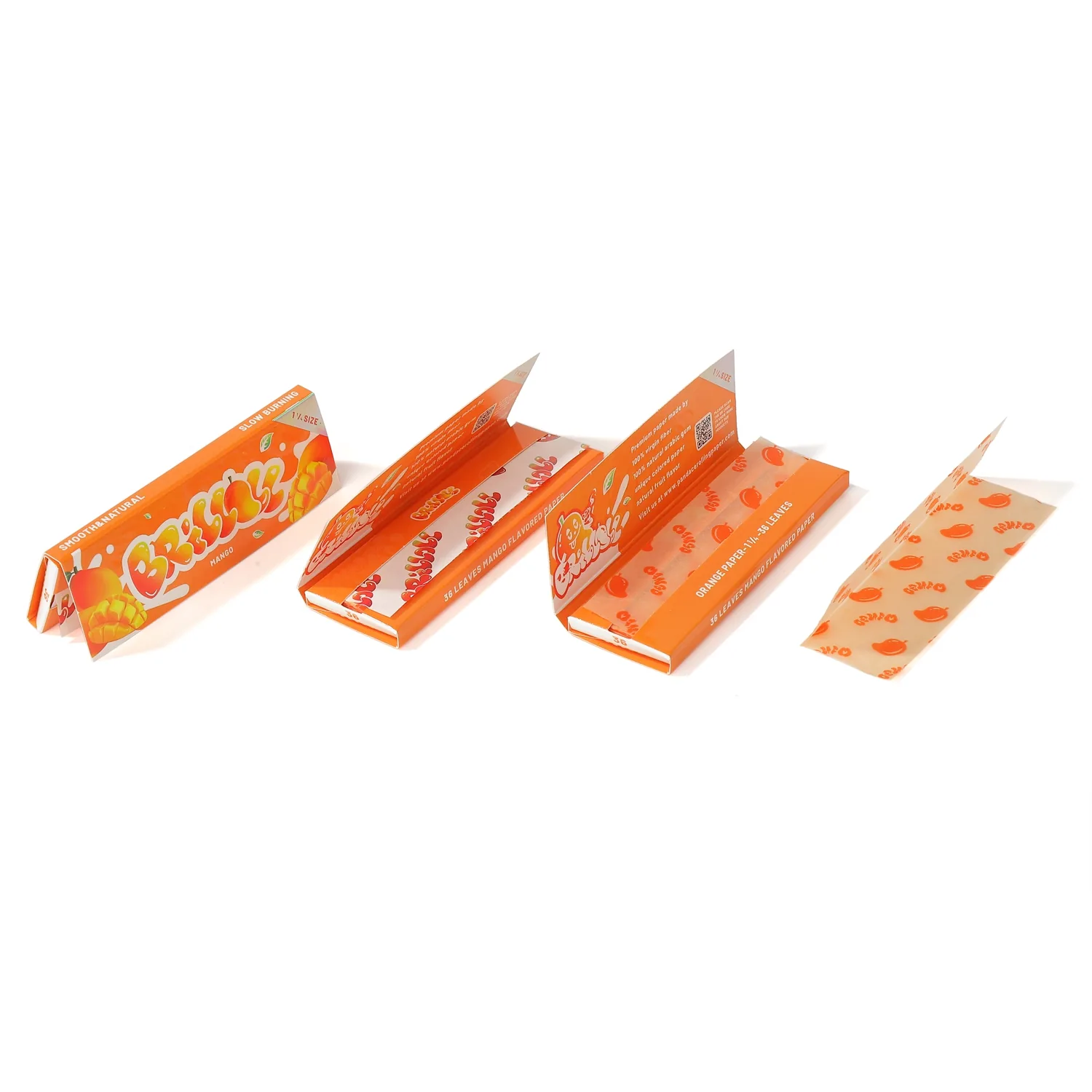
Should Brands Chase “Best Brand” Lists?
Consumer articles often rank RAW, Elements, Zig-Zag, or OCB as top joint papers. Those lists reflect retail popularity and editorial preference. They are not a substitute for your own sample protocol, and they do not tell a private-label buyer which OEM specification will win in your channel.
For B2B buyers, a better question is:
- What paper profile do my customers already like?
- Can I reproduce that profile with documented specs?
- Can the factory hold that profile across reorders?
- Does packaging and claim language fit my destination market?
If you are building a brand, use popular retail benchmarks as research inputs, then develop your own approved standard through sampling. Ace Rolling supports that OEM path with booklet, print, and packaging options once the paper performance is locked.
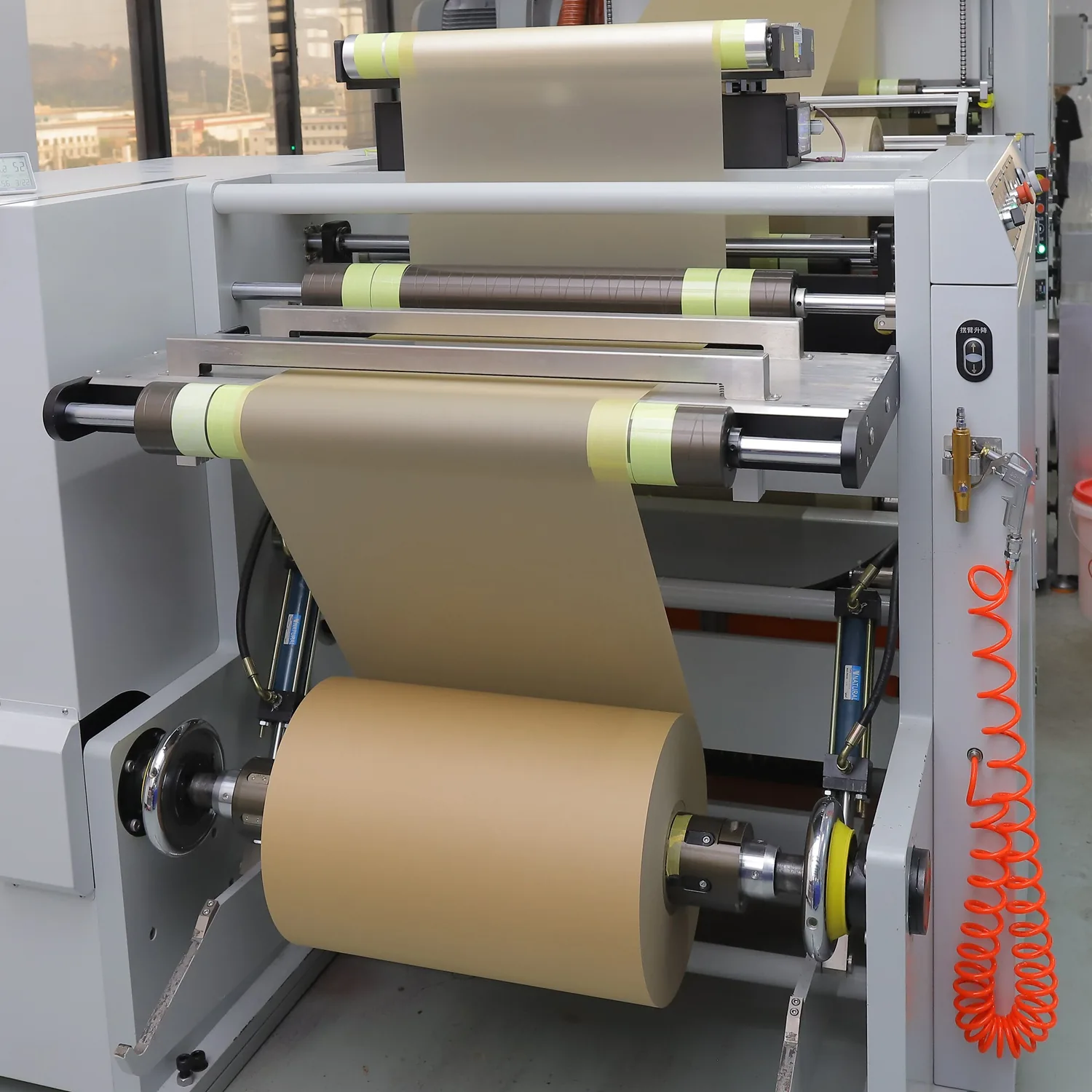
How Important Is Manufacturing Consistency?
For joint papers sold at scale, consistency is part of product quality. A paper that rolls beautifully once but varies in gum, thickness, or porosity creates returns, bad reviews, and filling problems.
Before bulk orders, verify:
- Thickness and porosity control methods
- Gum placement and adhesion checks
- Color consistency for unbleached or dyed papers
- Print rub resistance if leaves or covers are printed
- Pack sealing and moisture protection in transit
- Lot coding so issues can be traced
Ask the factory how sample-to-bulk change control works. Keep retain samples from the approved lot and compare incoming goods against them.
Что следует подтвердить перед заказом?
- Target user preference: easy-roll, thin-paper, natural look, or balanced everyday
- Material and grammage range in writing
- Size/format and leaf count
- Printed leaf / cover artwork needs and claim review
- Physical sample approval under real rolling conditions
- Packaging format for retail or wholesale
- MOQ, сроки выполнения, оплата и условия доставки
- Reorder reference codes and quality inspection criteria
Какой вариант Ace Rolling подходит для вашего проекта?
Start with two or three candidate papers in the size your market already buys, then customize packaging after performance is approved. See Индивидуальные бумаги для скручивания и OEM/ODM решения. For sample recommendations, свяжитесь с Ace Rolling with target joint style, material preference, size, destination, and estimated quantity.
Часто задаваемые вопросы
Which paper is best for joints?
No single paper is best for every joint. The right choice depends on material, grammage, size, and how your customers roll. Brands should sample candidate papers under real use conditions and lock an approved specification before packaging customization and bulk production.
Is hemp paper always better for joints?
Hemp is popular in many cannabis-adjacent markets, but it is not automatically better than wood pulp or other fibers. Hemp offers a distinct texture and brand story; other materials may roll easier or feel more familiar. Compare physical samples against your audience instead of assuming one fiber wins.
What size rolling paper is best for joints?
1¼ is a common everyday size, while single wide suits lighter fills and king formats suit longer joints. The best size is the one your market already expects and can roll consistently. Test the size with your actual fill style before committing an entire private-label assortment.
Does thinner paper mean better joints?
Thinner paper can feel premium and less intrusive, but it can also tear more easily and burn faster. Medium or slightly heavier papers may perform better for newer rollers or humid climates. Choose grammage for handling and burn targets, not for a generic “thinner is better” rule.
How should private-label buyers choose joint paper?
Private-label buyers should define the target user, shortlist materials and sizes, approve production-intent samples, then finalize print and packaging. Confirm factory consistency, lot coding, and reorder controls before scaling. Ace Rolling can support that OEM path once the paper performance standard is clear.