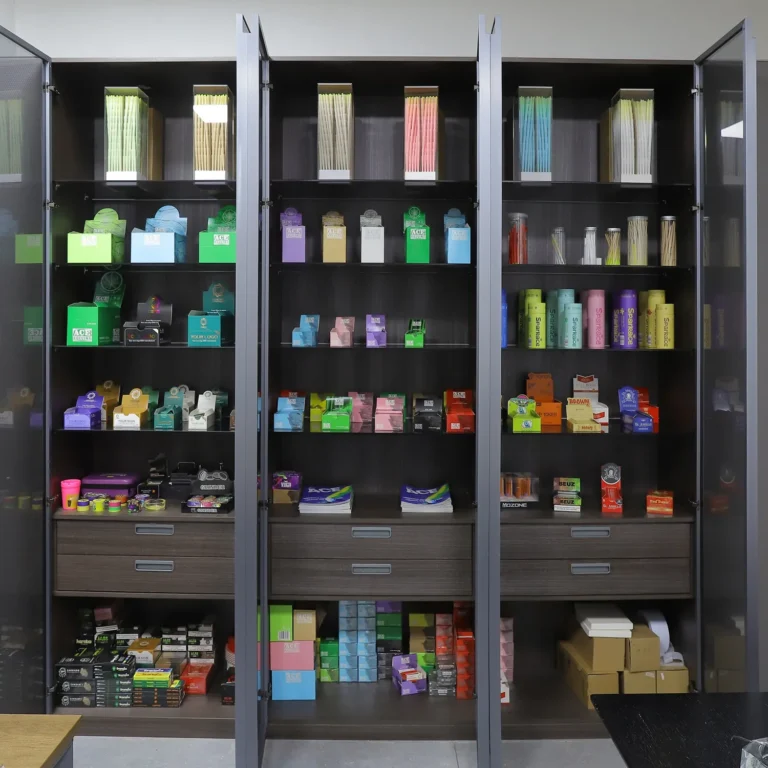

RAW, OCB, Zig-Zag, Shine, and Juicy Jays dominate global rolling paper sales. Each occupies a distinct niche: RAW leads in natural hemp, OCB commands European heritage, Zig-Zag owns the convenience format, Shine targets luxury, and Juicy Jays owns flavoured papers. But here is what most buyers miss — many of these are brands, not manufacturers. Understanding who actually makes the paper determines your sourcing strategy, whether you are a consumer in the UK or a distributor building a private label in the EU.
What are the top rolling paper manufacturers today?
The market splits into two layers: brands you see on shelves, and factories that actually produce the paper.
The leading brand-level names are RAW, OCB, Zig-Zag, Shine, Juicy Jays, Rizla, Blazy Susan, and Randy’s. Behind them sit manufacturers like HBI International (which produces both RAW and Juicy Jays), Republic Technologies (owner of OCB and Zig-Zag), and specialised mills in France, Spain, and China that produce white-label stock for dozens of smaller brands.

If you are buying for personal use, brand reputation guides your choice. But here’s the thing: if you are sourcing for a smoke shop, dispensary, or private-label project, the manufacturer matters more than the brand name. A factory with FSC-certified pulp, ISO 9001 processes, and in-house booklet assembly can produce paper indistinguishable from the market leaders — at a fraction of the wholesale cost.
In France and Spain, where much of the world’s rolling paper originates, manufacturers like PDL (Papeteries du Léman, since 1921) supply raw stock to multiple brands. In China, direct factories now offer full customisation — from watermark design to retail carton printing — with MOQs as low as 5,000 units.
| Brand | Owner / Manufacturer | Key Differentiator | Primary Market |
|---|---|---|---|
| RAW | HBI International | Natural unbleached hemp | Global |
| OCB | Republic Technologies | 200+ year French heritage | EU, North America |
| Zig-Zag | Republic Technologies | Interleaved booklet patent | Global |
| Juicy Jays | HBI International | Triple-dipped flavours | North America |
| Shine | Shine Papers LLC | 24K edible gold | Premium / gift |
| Rizla | Imperial Brands / Japan Tobacco | Thickness grading system | UK, EU |
| Blazy Susan | Blazy Susan | Pink visual identity | US, social media |
| Randy’s | Randy’s | Built-in wire | Practical / novice |
Key Takeaway: Brands sell perception. Manufacturers control quality, cost, and customisation.
What makes RAW the most recognised name in rolling papers?
RAW built its reputation on a single promise: no bleach, no chalk, no additives.
Josh Kesselman launched RAW in Gainesville, Florida in 2005. The brown, unbleached hemp paper immediately stood out against the white, chemically processed competition. The reality is that RAW did not invent hemp paper — OCB and others had produced it for years — but RAW marketed it with unmatched consistency and authenticity.
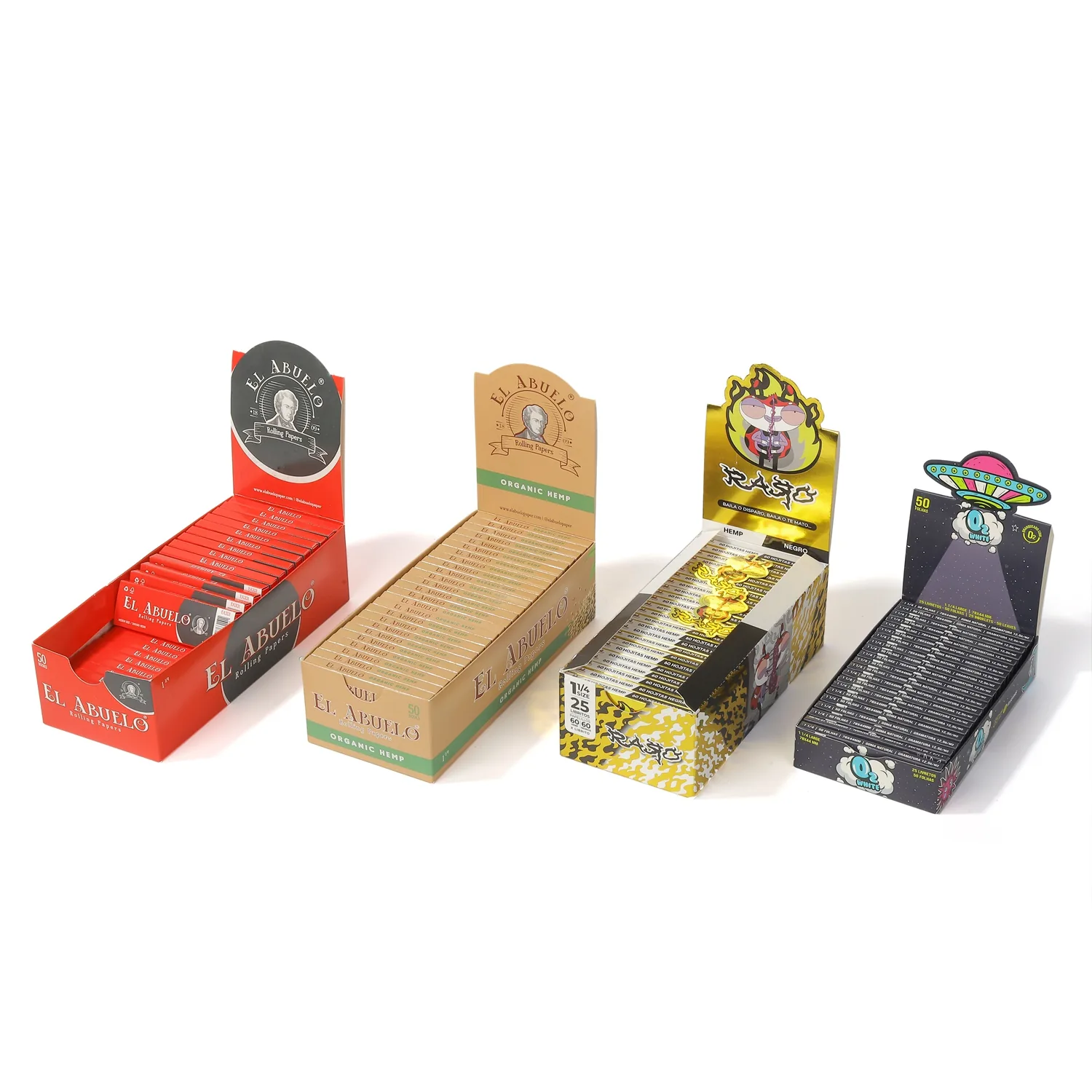
RAW papers use natural hemp fibres and an acacia gum line. The “Phatty” wider format, the roll-your-own continuous paper, and the King Size line give consumers format flexibility that many competitors lack. But here’s what most people get wrong: RAW is a brand, not a factory. HBI International manufactures RAW and Juicy Jays in facilities that also produce white-label stock for smaller brands.
So what does this mean for you? If you are a retailer in Germany or the UK, RAW commands shelf space because consumers ask for it by name. If you are building a private label, the same manufacturing technology — unbleached hemp, acacia gum, watermark — is available from direct manufacturers without the brand premium.
| RAW Feature | Specification | B2B Relevance |
|---|---|---|
| Material | Natural hemp | Premium positioning, eco appeal |
| Gum | Acacia (water-based) | Clean label, food-contact safe |
| Formats | 1¼, King Size, Slim, Roll | Broad SKU coverage |
| Watermark | Criss-cross pattern | Prevents runs, signals authenticity |
| Brand equity | Highest in category | Commands retail price premium |
Key Takeaway: RAW owns consumer trust. Manufacturers own the technology that produces it.
How does OCB’s 200-year heritage translate into quality?
History does not guarantee quality, but consistent process control over two centuries comes close.
OCB traces its roots to 1822, when the Bolloré family established a paper mill in France. The brand name itself — OCB — stands for “Odet-Cascadec-Bolloré,” the rivers and family behind the original mill. In 1918, the company began producing cigarette papers. By 2009, it had shifted to organic hemp under the ownership of Republic Technologies.
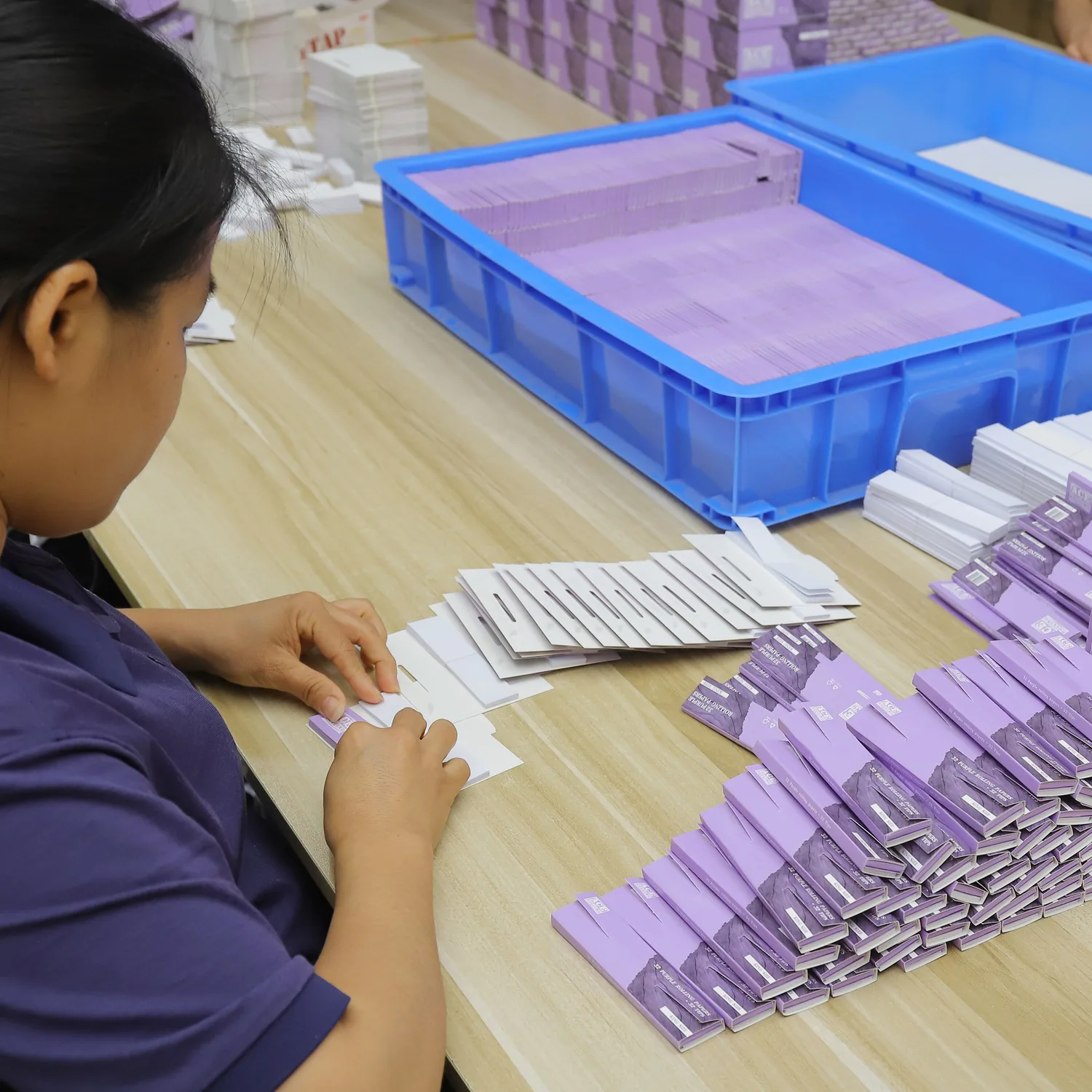
The OCB line offers four distinct material bases: Brown Rice (unbleached, ultra-thin), Bamboo (the only bamboo paper widely available in the US), Virgin (natural unbleached), and Premium (responsibly managed wood fibre). This range lets retailers cater to every consumer preference from eco-purist to traditionalist.
And that’s not all: OCB’s European manufacturing base — primarily in France — gives it regulatory advantages in the EU. REACH compliance, food-contact certification, and FSC-certified pulp sourcing are standard, not optional. In the UK, OCB remains a trusted alternative to RAW for consumers who prefer a lighter, thinner burn.
| OCB Line | Material | Weight | Best For |
|---|---|---|---|
| Brown Rice | Rice + hemp | Ultra-thin | Minimal paper taste |
| Bamboo | 100% bamboo | Thin | Sustainability story |
| Virgin | Unbleached hemp | Standard | Natural positioning |
| Premium | Wood fibre | Standard | Traditional burn |
Key Takeaway: OCB combines heritage credibility with material diversity that few competitors match.
Why do Zig-Zag’s interleaved booklets dominate retail shelves?
The best product innovation is often invisible to the consumer.
In 1895, Zig-Zag invented the interleaved booklet — the horizontal-linked format where pulling one paper exposes the next. This seems trivial until you manage retail inventory. Interleaved booklets pack tighter, display flatter, and reduce shelf-space waste. For a convenience store in the UK or a dispensary in California, that translates to more SKUs per facing.
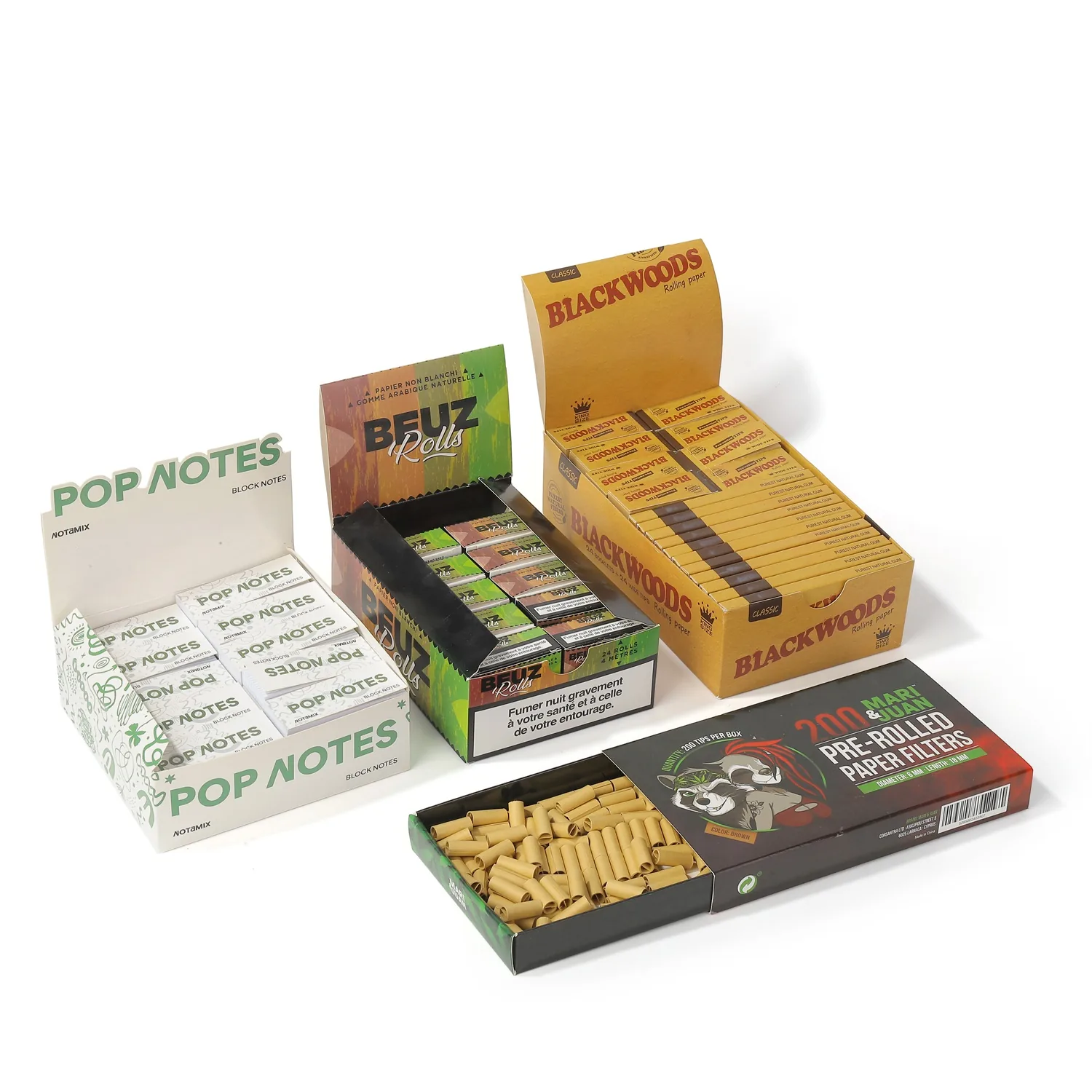
Zig-Zag, like OCB, is owned by Republic Technologies. The brand dates to 1855 in France and retains a reputation for reliability and value. The product line covers organic hemp, ultra-thin, and the Kutcorners slow-burn series. While RAW dominates the premium natural segment, Zig-Zag owns the practical, everyday smoker.
But here’s the thing: the interleaved format is not proprietary anymore. Any manufacturer with modern booklet assembly equipment can replicate it. The question for B2B buyers is whether your manufacturer can match Zig-Zag’s production consistency at a competitive unit cost.
| Zig-Zag Feature | Consumer Benefit | Retail Benefit |
|---|---|---|
| Interleaved format | Easy paper access | Compact shelf display |
| Organic hemp option | Natural positioning | Captures RAW-adjacent buyers |
| Kutcorners | Slow burn | Repeat purchase driver |
| Price positioning | Affordable daily use | Higher volume turnover |
Key Takeaway: Zig-Zag wins on format efficiency and price positioning, not material innovation.
What sets Shine’s 24K gold papers apart from standard options?
Shine occupies a category of one: luxury rolling papers.
Each Shine paper contains edible 24-karat gold leaf over a hemp base. The result is a slow-burning, visually striking paper that leaves gold flakes in the ashtray. A single sheet costs over $10 — more than a full booklet of RAW. Shine also produces king-size papers, pre-rolled cones, Tiger Stripe black-and-gold editions, and branded grinders.
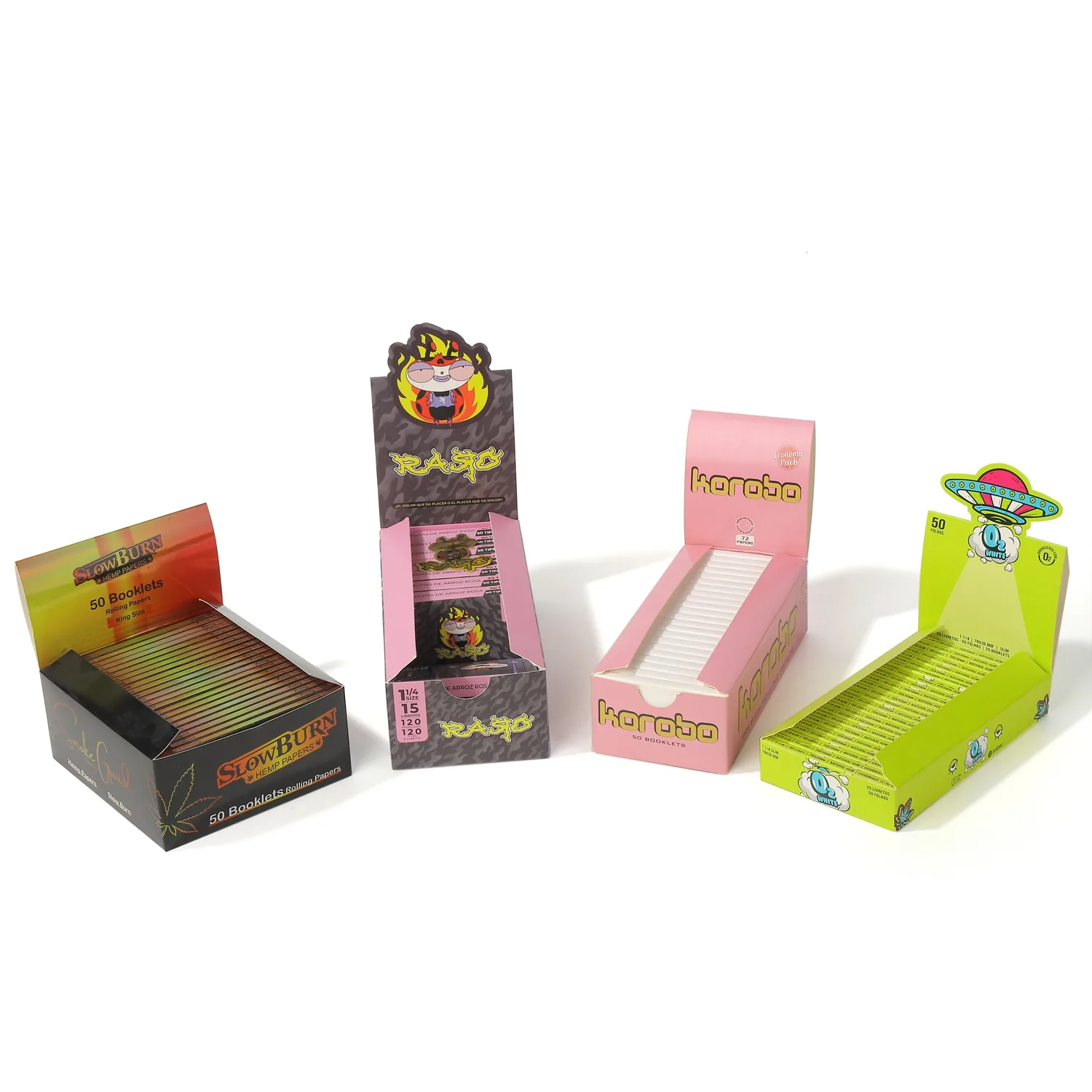
From a manufacturing perspective, Shine is fascinating. The gold application requires precise lamination over a functional base paper without compromising burn quality or gum adhesion. Few factories can execute this at scale. The brand targets gift markets, events, and social media moments rather than daily consumers.
For B2B buyers, Shine demonstrates what premium customisation looks like at the extreme end. If your brand strategy includes limited editions, celebrity collaborations, or ultra-premium positioning, Shine’s production model — specialised materials, low-volume precision, high-margin pricing — offers a template.
| Shine Attribute | Specification | Market Position |
|---|---|---|
| Material | Hemp + 24K edible gold | Ultra-premium |
| Price per sheet | $10+ | Gift / occasion |
| Burn characteristic | Slow, even | Smooth experience |
| Social value | High (visual shareability) | Event / influencer |
| Production complexity | Very high | Limited competition |
Key Takeaway: Shine proves that rolling papers can be luxury goods when materials and story align.
How do Juicy Jays’ flavoured papers hold up against natural alternatives?
Flavour is the most divisive feature in rolling papers.
Juicy Jays, also produced by HBI International, uses a triple-dipping process to infuse papers with flavours that persist through the entire smoke. Options range from fruit (blueberry, pineapple, raspberry) to dessert (vanilla ice cream, bubblegum) to novelty (root beer, absinthe, liquorice). The papers use hemp bases and soy-based inks for printing.
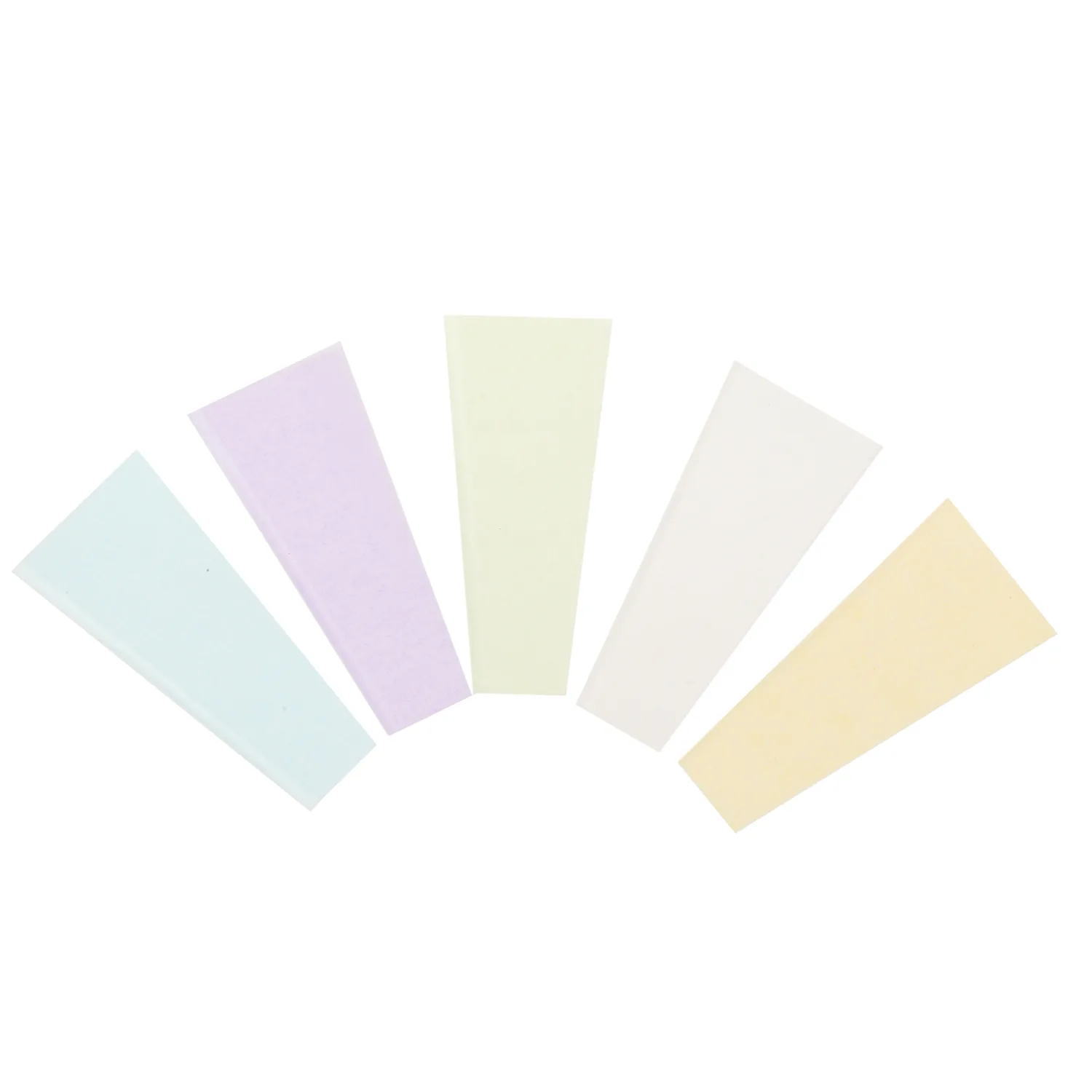
The consumer appeal is obvious: flavoured papers make smoking more enjoyable for casual users and social settings. The health concern is equally clear: added flavouring compounds raise questions about inhalation safety and regulatory compliance. In the EU, flavoured tobacco products face increasing restrictions. Rolling papers occupy a grey zone, but the trend points toward tighter oversight.
For retailers, Juicy Jays drives impulse purchases and younger demographics. For manufacturers, the triple-dipping process requires precise solvent control and drying curves that not every factory can manage. If you are considering a flavoured line for your private label, verify that your manufacturer uses food-grade flavouring compounds and can provide safety data sheets.
| Aspect | Flavoured Papers (Juicy Jays) | Natural Papers (RAW/OCB) |
|---|---|---|
| Consumer appeal | High (fun, social) | High (clean, pure) |
| Health perception | Mixed (additives) | Strong (no additives) |
| Regulatory risk | Moderate (EU tightening) | Low |
| Production complexity | High (dipping + drying) | Standard |
| Shelf differentiation | Very high | Moderate |
Key Takeaway: Flavoured papers drive impulse sales but carry regulatory and health perception risks.
What should you know about Rizla’s thickness grading system?
Rizla turned paper thickness into a consumer decision framework.
Founded in 1532 (yes, nearly 500 years ago), Rizla pioneered the colour-coded thickness system: Silver for ultra-thin, Blue for light, Green for medium, and Red for heavy. This simple visual code lets consumers pick their burn experience without reading technical specs. In the UK, where Rizla holds significant market share, the colour system is practically synonymous with rolling paper selection.
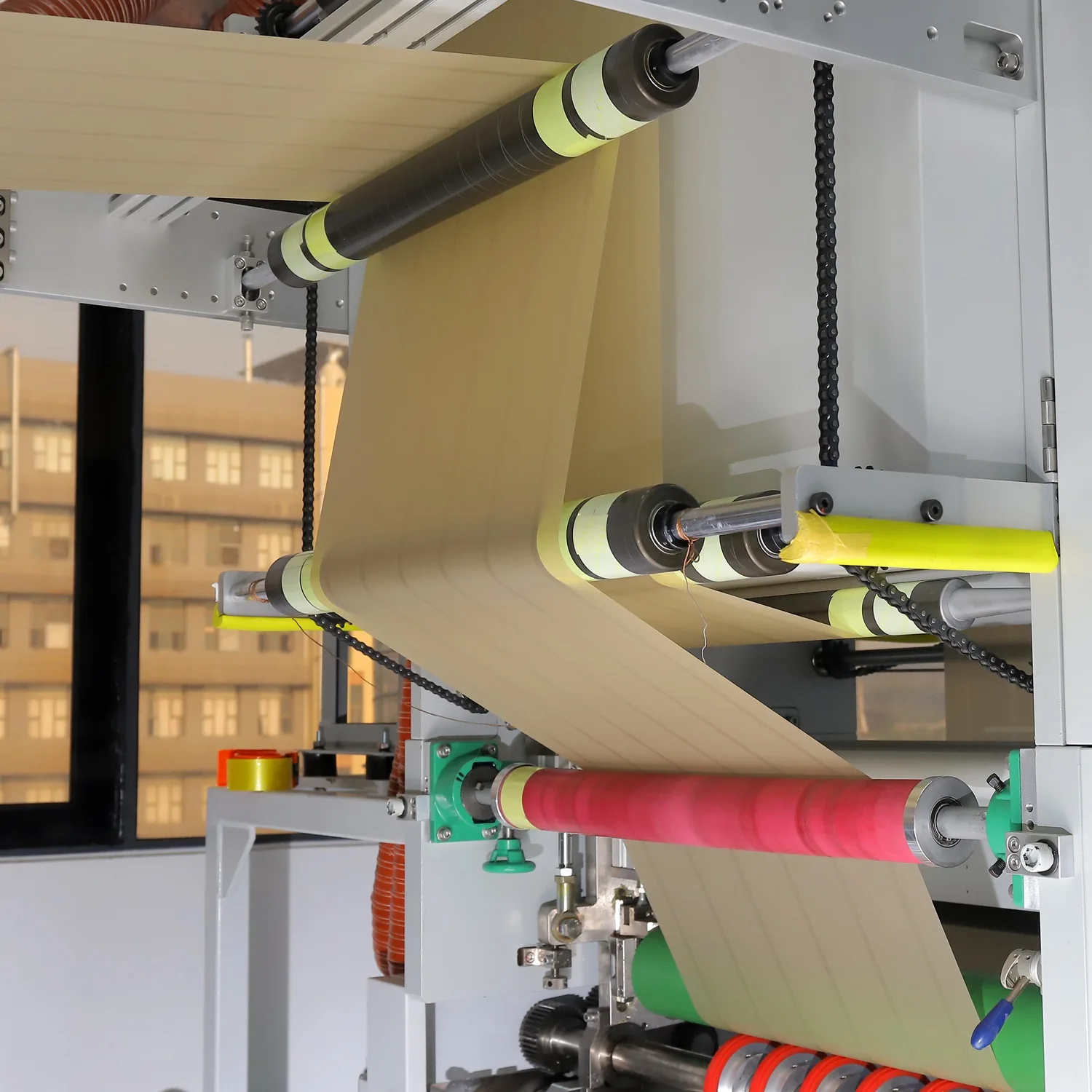
The Rizla Natura line adds an unbleached organic hemp option, responding to the same natural trend that powered RAW’s growth. Rizla is now owned by Imperial Brands (formerly Japan Tobacco), giving it massive distribution leverage across Europe and Asia.
From a manufacturing standpoint, maintaining four distinct thickness grades requires precise calendering control — the process that compresses paper to a target gsm. A 1-gsm variance is perceptible to regular users. Consistent batch-to-batch control separates professional mills from hobby operations.
| Rizla Grade | Thickness | Burn Speed | User Profile |
|---|---|---|---|
| Silver | Ultra-thin | Fast | Experienced, minimal paper taste |
| Blue | Light | Medium-fast | Standard daily user |
| Green | Medium | Medium | Traditional preference |
| Red | Heavy | Slow | Slower burn, more paper body |
| Natura | Ultra-thin hemp | Fast | Eco-conscious user |
Key Takeaway: Rizla’s colour system proves that simplifying technical choice drives consumer adoption.
How do Blazy Susan and Randy’s serve niche market segments?
Not every successful brand needs to dominate the mainstream.
Blazy Susan built its entire identity on a single visual cue: bright pink papers. The restaurant-style branding, combined with a vibrant colour that stands out on social media, captures younger consumers and gift buyers. The product line expanded to include Shaggy’s King Size Wide and Grateful Dead collaborations. Functionally, Blazy Susan papers are standard wood-pulp or hemp papers. The differentiation is purely aesthetic and cultural.
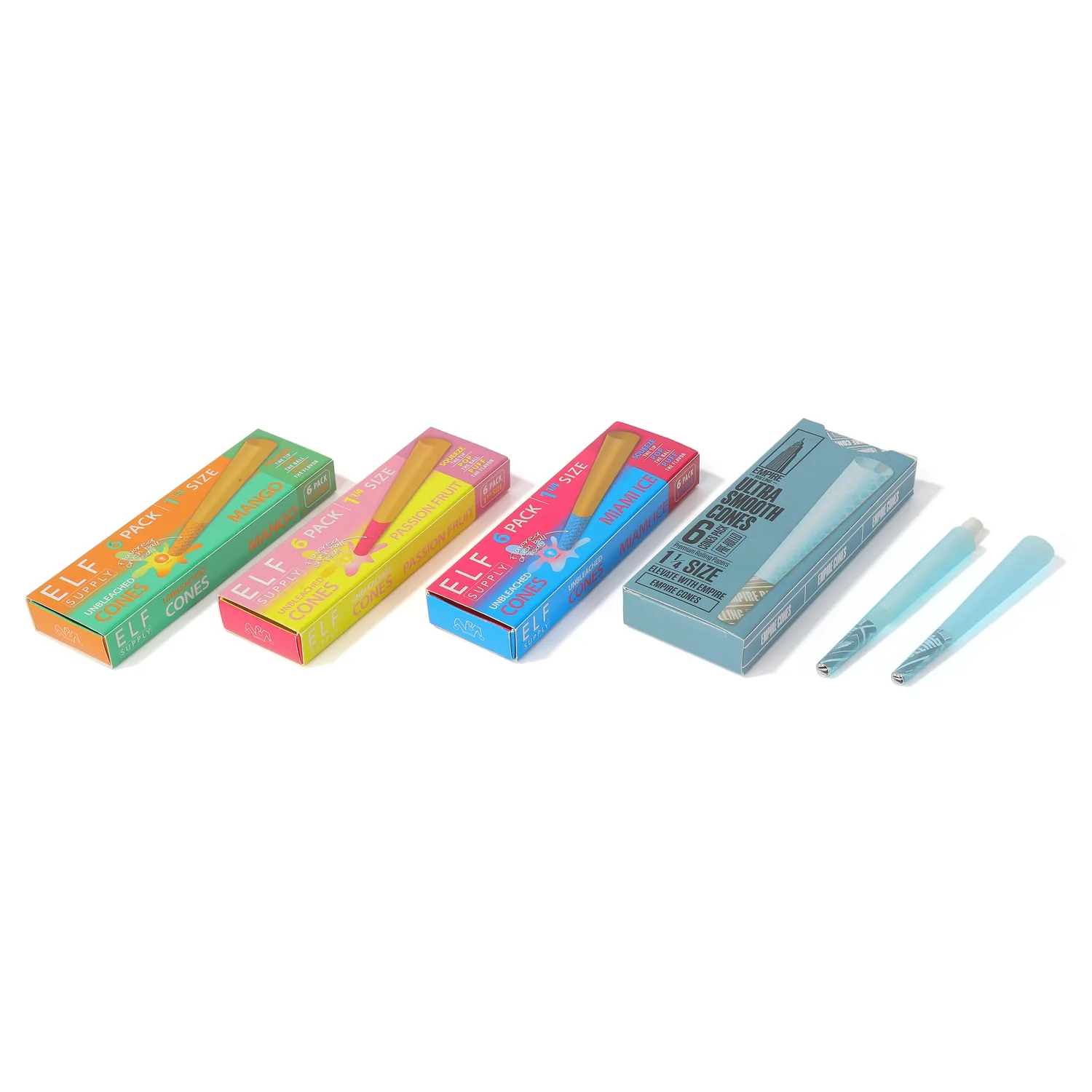
Randy’s takes the opposite approach: functional innovation. Since 1975, the brand has built a small steel wire into each paper. The wire acts as a built-in handle, making rolling easier for novices and passing simpler in groups. After burning past the wire, it becomes a roach clip. It is practical, gimmicky, and surprisingly durable — the brand has survived nearly 50 years.
Both brands illustrate a crucial B2B lesson: niche positioning can be more profitable than mass appeal. A pink paper or a wired paper will never outsell RAW. But in a crowded market, being unforgettable captures a loyal segment willing to pay a premium.
| Brand | Niche | Innovation Type | Price Position |
|---|---|---|---|
| Blazy Susan | Visual identity / social media | Colour + branding | Affordable |
| Randy’s | Functional ease-of-use | Built-in wire | Mid-range |
Key Takeaway: Niche brands survive on memorability, not market share.
What really matters when comparing rolling paper specifications?
Brand stories sell. Specifications determine whether the product actually works.
When you strip away marketing, four technical parameters define rolling paper performance: grammage (gsm), porosity (CU), gum type, and fibre source. Brands rarely publish these numbers. Manufacturers live by them.
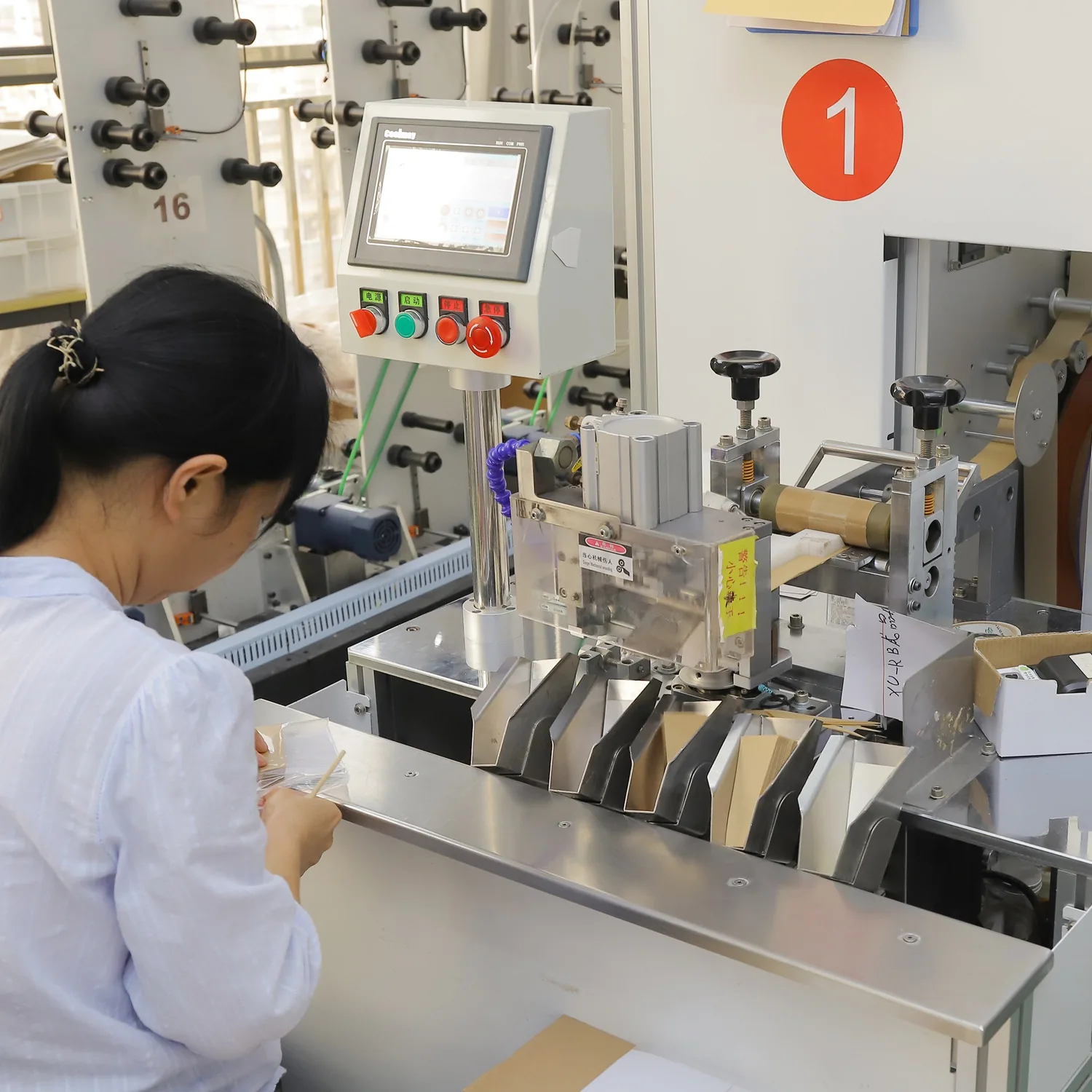
Grammage controls paper body and burn speed. Most consumer booklets fall between 12 and 15 gsm. RAW and OCB Virgin sit around 13-14 gsm. Rizla Silver pushes closer to 11 gsm for an almost transparent feel. In the UK and Germany, 13 gsm is the practical sweet spot that balances rollability with minimal paper taste.
Porosity — measured in Coresta Units — determines airflow. Low porosity (5-20 CU) restricts air for a slower, denser draw. High porosity (80-120 CU) creates an airy, light smoke. Most successful brands target 15-30 CU for mainstream appeal.
Gum type separates premium from commodity. Acacia gum (used by RAW and OCB) is natural, food-safe, and activates with moisture. Synthetic gums cost less but raise health concerns and can fail in humid climates. In the EU, food-contact regulations increasingly favour natural gum.
So what does this mean for you? If you are comparing manufacturers, request spec sheets with exact gsm, CU, and gum composition. If a supplier cannot provide these, they are not a manufacturer. They are a broker.
| Specification | Consumer Impact | Manufacturing Control |
|---|---|---|
| Grammage (gsm) | Paper body, rollability | Calendering precision |
| Porosity (CU) | Draw resistance, burn speed | Fibre blend + pressing |
| Gum type | Adhesion, health perception | Coating process |
| Fibre source | Taste, burn, story | Pulp procurement |
Key Takeaway: Demand specifications in writing. Marketing copy is not a quality guarantee.
How do you choose between a brand and a direct manufacturer?
This is the decision that separates retail buyers from wholesale strategists.
If you are a consumer or a small retailer, established brands offer immediate credibility, consistent supply, and recognised packaging. RAW, OCB, and Zig-Zag do not require customer education. You order, you sell, you restock.

But here’s what most people get wrong: brand premiums are substantial. A RAW booklet that retails for £2.50 in the UK might cost the retailer £1.20. A comparable white-label booklet from a direct manufacturer — same hemp, same gsm, same gum — might land at £0.40-0.60 wholesale. The margin difference funds your marketing, your retail fit-out, or your next product line.
Direct manufacturers also unlock customisation. Want a 12.5 gsm hemp paper with your logo, a custom watermark, and kraft display boxes? No brand will sell you that. A factory will — often with MOQs starting at 5,000-10,000 units.
In the EU, direct sourcing requires more due diligence. Verify REACH compliance, food-contact certification, and FSC chain-of-custody. Request production floor videos. Ask for reference clients. A legitimate manufacturer welcomes scrutiny. A broker avoids it.
| Sourcing Model | Best For | Margin | Control | Risk |
|---|---|---|---|---|
| Established brand | Retail start-ups, brand recognition | Low | None | Low |
| White-label / private label | Mid-size distributors, margin focus | Medium | Packaging only | Medium |
| Direct OEM / ODM | Large brands, full customisation | High | Full | Higher (vetting required) |
Key Takeaway: Brands reduce risk. Direct manufacturers multiply margin and control. Your stage of growth determines the right choice.
Frequently Asked Questions
Who actually manufactures RAW rolling papers?
RAW is manufactured by HBI International, a US-based company that also produces Juicy Jays and other smoking accessories. HBI operates manufacturing facilities capable of hemp paper production, booklet assembly, and custom printing — though the company does not publicly disclose exact factory locations. For B2B buyers seeking similar quality without the brand premium, direct manufacturers in China and Europe offer comparable unbleached hemp paper with equivalent gsm and gum specifications.
Are hemp papers better than wood pulp papers?
“Better” depends on your criteria. Hemp papers burn slower and carry a natural, earthy flavour that many consumers prefer. They also offer a stronger sustainability story — hemp grows faster than trees and requires fewer pesticides. Wood pulp papers, however, are more consistent in manufacturing, accept printing more reliably, and cost less per unit. In the EU, wood pulp from FSC-certified sources remains environmentally viable. For B2B buyers, the decision should align with your brand positioning: hemp for natural/premium, wood pulp for value/consistency.
What is the difference between 1¼ and king-size rolling papers?
1¼ papers measure approximately 76mm x 44mm and hold 0.5-0.75g of material. They are the standard size for personal use and the most common format worldwide. King-size papers measure approximately 110mm x 44mm and hold 1.0-1.5g, making them popular for social sharing. King-size slim (108mm x 44mm but narrower) has become the dominant format in the UK and EU for consumers who want length without excess width. For manufacturers, producing both formats requires only slitting width adjustments — the same paper stock serves all three.
Can I order custom rolling papers with my own branding?
Yes. Direct manufacturers accept OEM and ODM orders for custom rolling papers with MOQs typically starting at 5,000-10,000 booklets. Customisation options include logo printing (1-4 colour), booklet size and format, paper material (hemp, rice, wood pulp, bamboo), gum line type, watermark design, and retail packaging (kraft boxes, PDQ displays, combo packs with tips). In the EU, custom orders must include REACH compliance documentation and food-contact safety certification. Request samples from 3-5 manufacturers before committing to production.
Do rolling papers expire or go stale?
Rolling papers do not have a strict expiration date, but they can degrade over time. The gum line — especially natural acacia gum — can dry out or lose adhesion after 2-3 years if stored in hot or humid conditions. Paper fibres can also become brittle if exposed to direct sunlight. Manufacturers typically recommend storage in a cool, dry place away from UV light. For B2B buyers, rotating stock every 18-24 months ensures the best product quality. If you are sourcing white-label papers, confirm with your manufacturer whether they include production dates or lot numbers on packaging for traceability.
Contact Us Today to discuss your rolling paper requirements and receive a customised quotation for your brand. Ace Rolling supplies custom rolling papers, pre-rolled cones, and retail packaging solutions to distributors and brand owners across the UK and EU.
Before you request a quote, use this checklist: how to choose a rolling paper manufacturer for factory capability, certifications, MOQ, and customization.