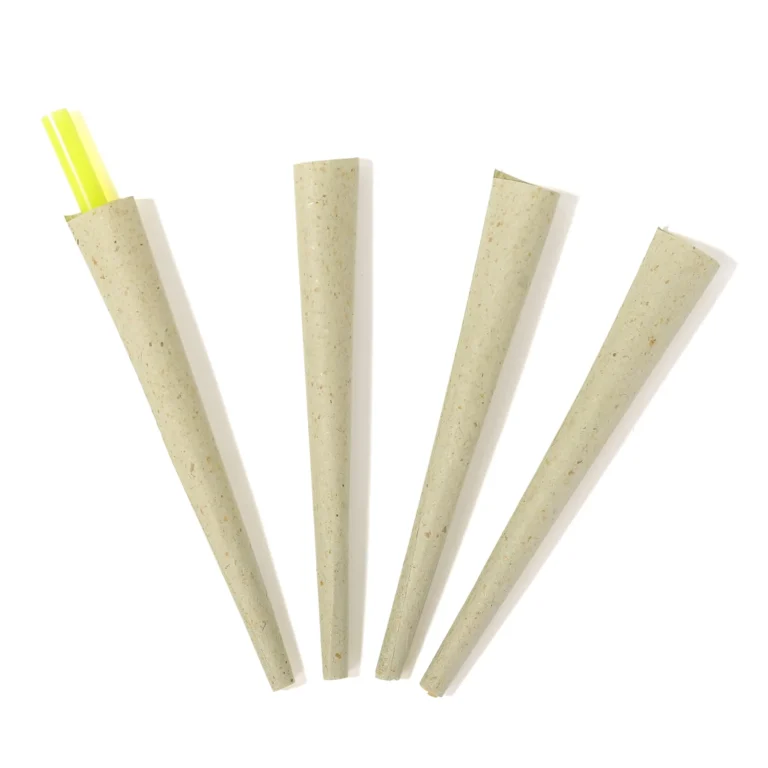

What GSM specs fit cone packing machines at wholesale? Most automated cone-filling lines run reliably with mid-range paper weight—confirm your exact machine’s tolerance with your equipment vendor and validate it on a physical sample run before locking GSM in a wholesale spec, since machines vary by model.
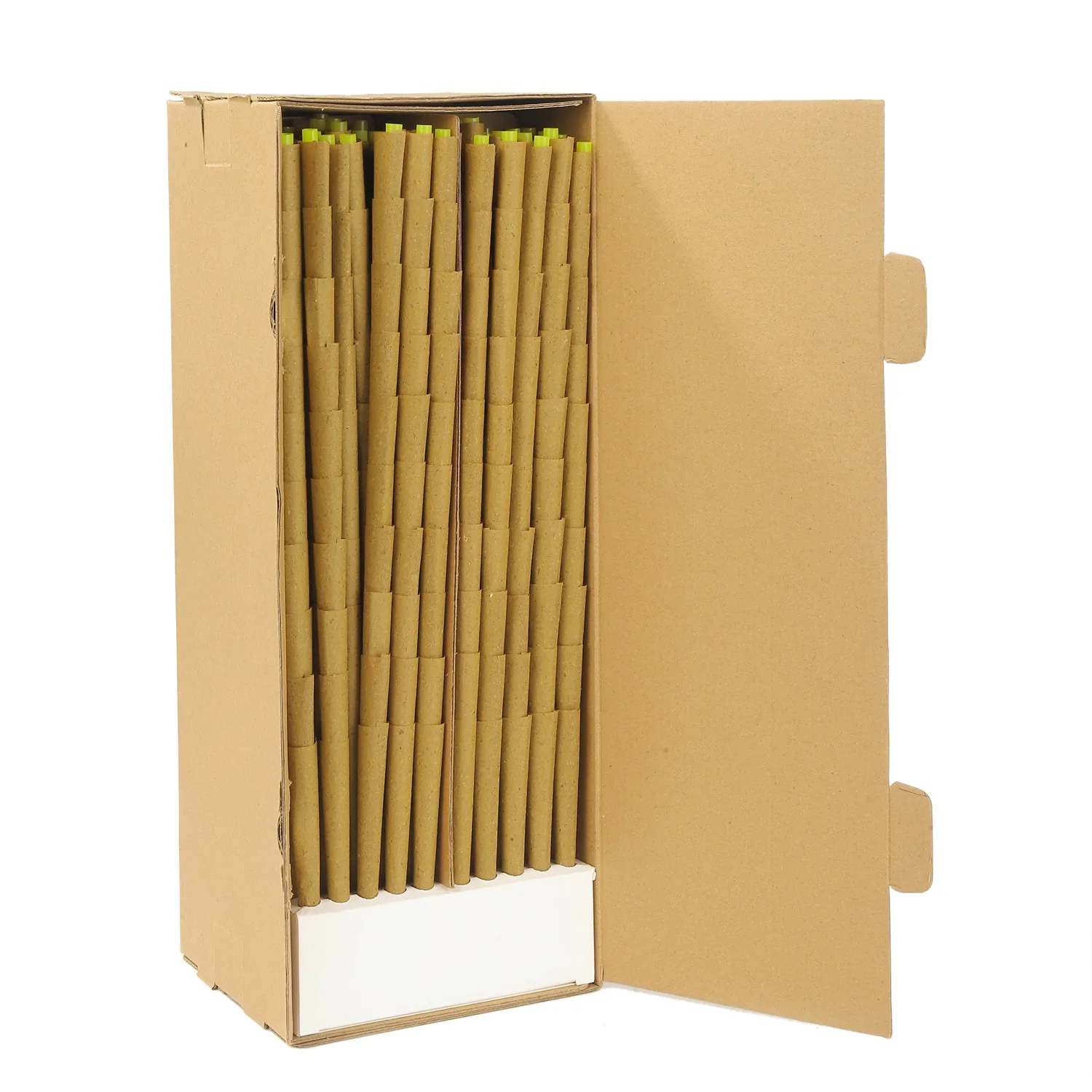
SERP peers such as Amazon-listed automatic filling machines flag GSM as a spec buyers must match to their equipment. Guangdong Ace Rolling is a Dongguan, China OEM/ODM for pre-rolled cones (~USD $0.04–$0.06 with MOQ) and can produce cones across a range of paper weights—GSM is confirmed per program against the buyer’s actual filling equipment, not assumed from a generic chart.
What Does GSM Actually Measure on Rolling Paper?
Lead-in: GSM is a weight measurement, not a direct proxy for quality.
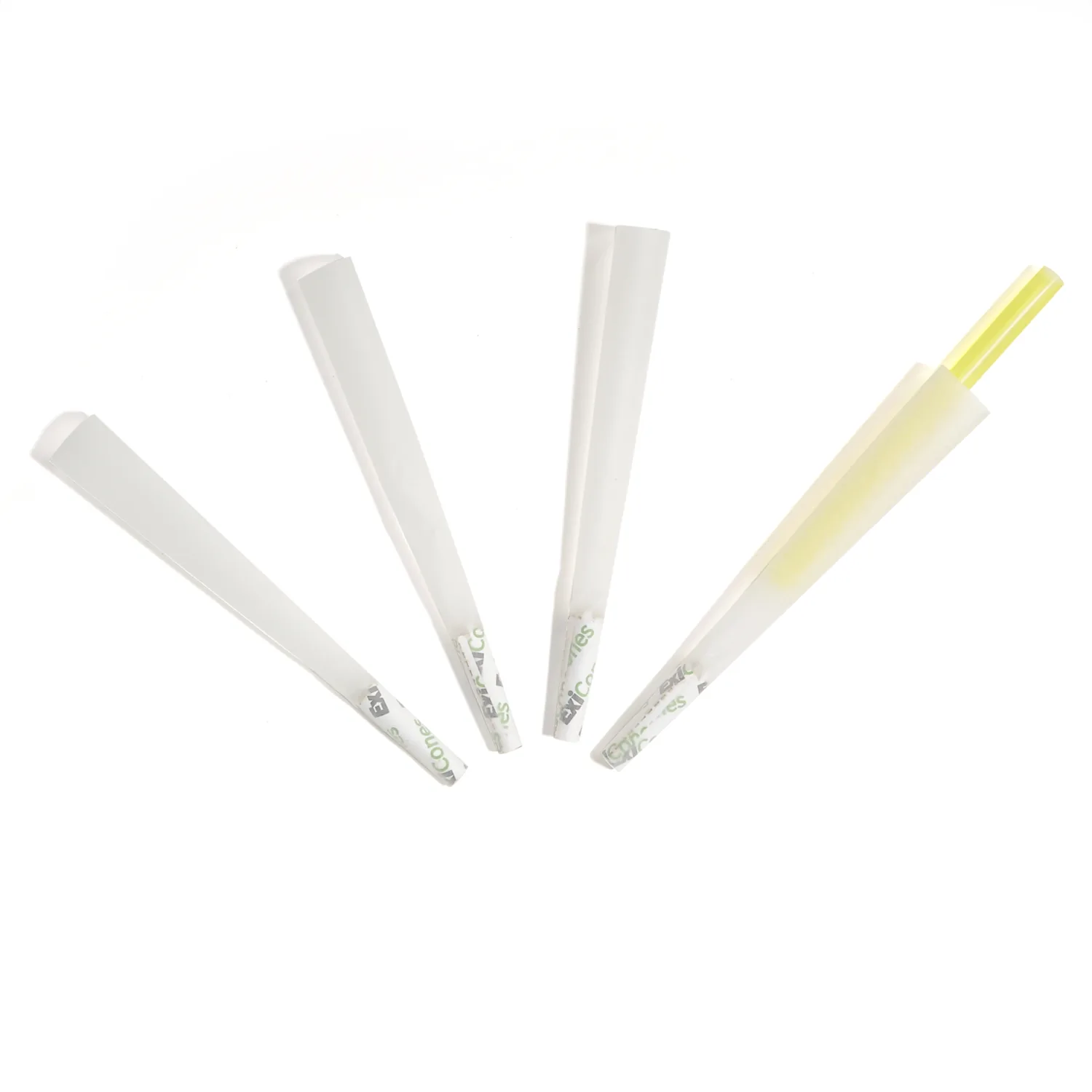
Summary: GSM stands for grams per square meter—it measures paper density/weight, not burn quality or strength directly. Lighter GSM paper is generally thinner and can be more delicate to handle mechanically; heavier GSM paper is generally sturdier but can behave differently in a filling machine’s grippers and formers.
| GSM range | General feel |
|---|---|
| Lighter | Thinner, more delicate |
| Mid-range | Balanced handling |
| Heavier | Sturdier, more rigid |
Key Takeaway: GSM is a weight spec, not a quality guarantee—confirm your target range with your actual machine vendor.
Paper specs: https://ace-rolling.com/custom-rolling-papers/.
Why Does Machine-Fill Equipment Care About GSM?
Lead-in: Automated fillers physically grip, form, and load cone paper—weight affects every step.
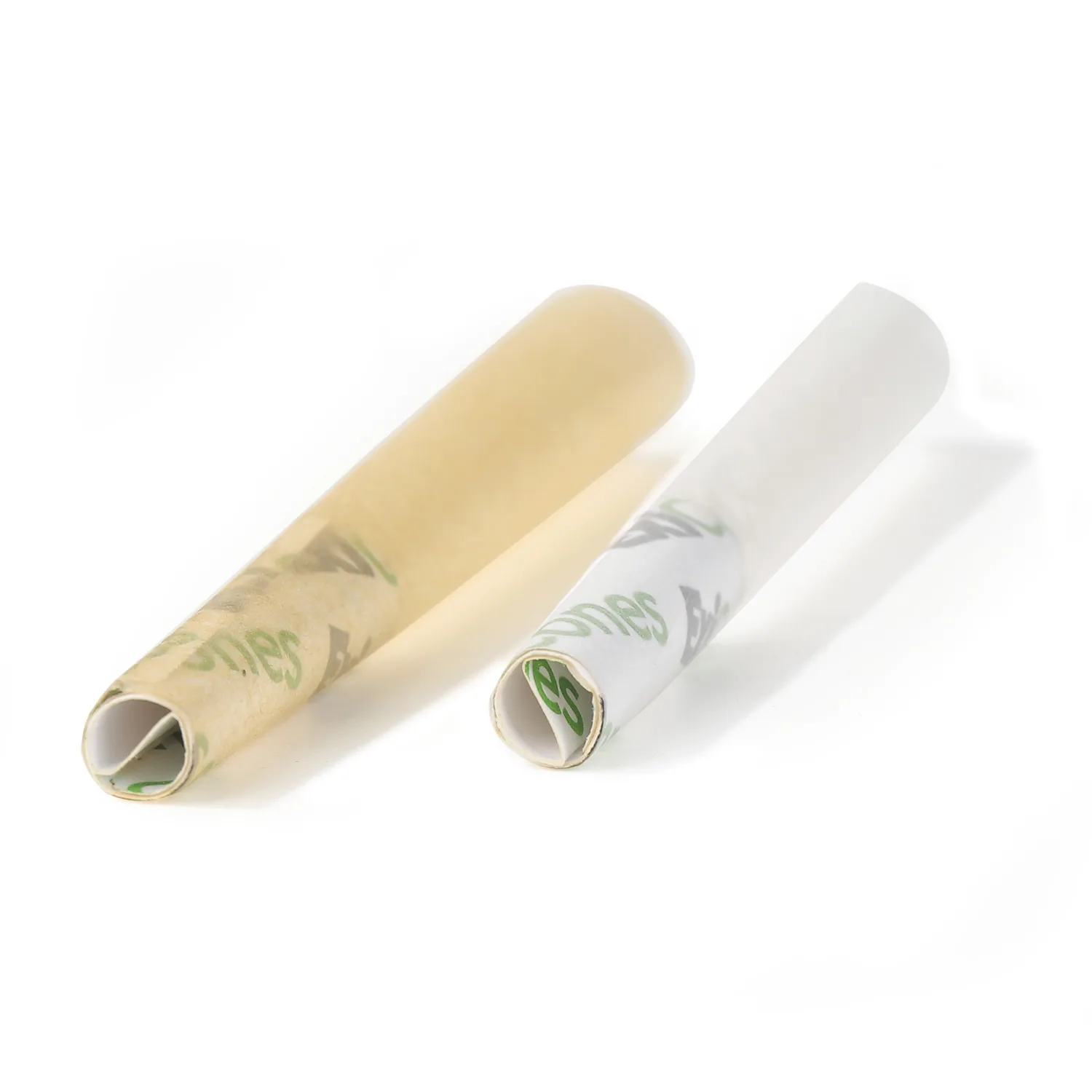
Summary: Cone-forming and filling machines are calibrated to a paper weight range by the equipment manufacturer. Paper outside that calibrated range can jam, misform, or tear during automated handling even if it performs fine by hand. This is why GSM tolerance is a machine-specific spec, not a universal rolling paper standard.
| Machine step | GSM sensitivity |
|---|---|
| Gripping/feeding | Too light can misfeed |
| Cone forming | Too heavy can resist forming |
| Sealing | Weight affects gum contact |
Key Takeaway: Get your machine’s calibrated GSM tolerance directly from your equipment vendor before specifying paper.
Machine-fill sourcing: https://ace-rolling.com/what-are-the-best-pre-rolled-cones-for-machine-filling/.
How Do You Confirm the Right GSM for Your Specific Machine?
Lead-in: A generic “recommended GSM” chart cannot replace a real test run.
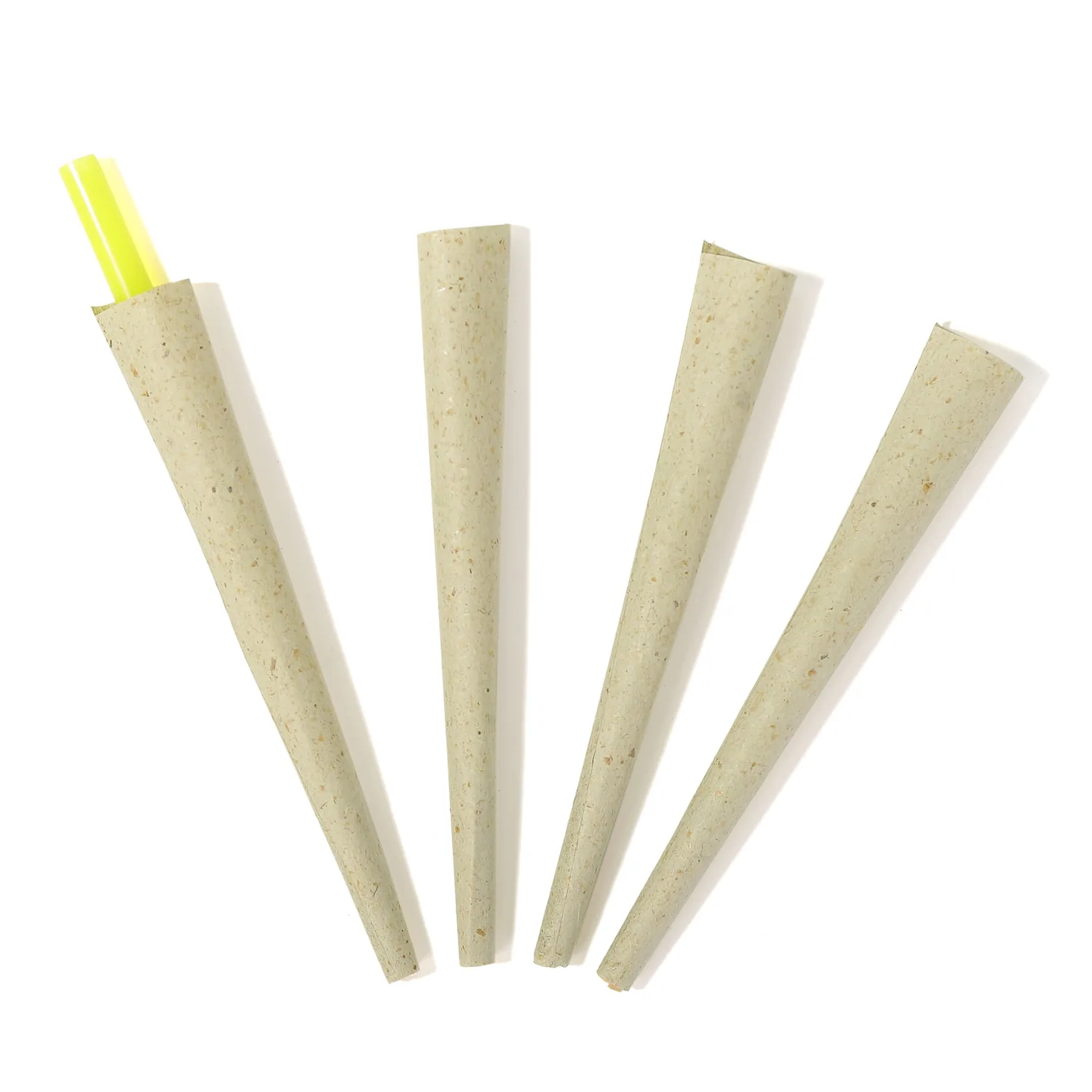
Summary: Ask your equipment manufacturer for the machine’s rated GSM tolerance, then request cone samples at that target GSM from your paper supplier and run a physical test batch on your actual machine. Only a real test run confirms whether feed, forming, and sealing perform consistently at production speed.
| Step | Action |
|---|---|
| 1 | Get rated GSM tolerance from machine vendor |
| 2 | Request matched-GSM cone samples |
| 3 | Run a physical test batch |
| 4 | Confirm feed, form, seal at speed |
Key Takeaway: Trust a physical test run on your own machine over any generic GSM recommendation chart.
Sample process: https://ace-rolling.com/how-to-get-a-custom-rolling-paper-sample-kit/.
Does GSM Affect Tear Strength and Burn Behavior?
Lead-in: Weight and strength are related but not identical properties.
Summary: Heavier GSM paper often has more tear resistance, which can help withstand automated handling, but tear strength also depends on fiber type and processing—not GSM alone. Burn behavior is a separate property driven more by fiber composition and additives than by weight; don’t assume heavier GSM automatically burns slower.

| Property | Primary driver |
|---|---|
| Tear resistance | GSM + fiber type |
| Burn rate | Fiber composition, additives |
| Machine handling | GSM + machine calibration |
Key Takeaway: Don’t use GSM as a proxy for burn quality—request burn-specific sample testing separately.
Material framing: https://ace-rolling.com/quality-certifications/.
Can You Order Custom GSM Outside a Standard Range?
Lead-in: Custom GSM is possible but should be validated before committing to volume.
Summary: Ace can produce cones across a range of paper weights depending on the program. Buyers with a specific machine-tolerance requirement outside a standard range should flag it early in the RFQ so Ace can confirm feasibility and produce matched samples before any mass-quantity commitment.
| Request type | Process |
|---|---|
| Standard GSM range | Faster sampling |
| Custom/edge-case GSM | Feasibility check first |
| Both | Validate on your machine before mass |
Key Takeaway: Flag any non-standard GSM requirement in your first RFQ message, not after samples are already in production.
OEM programs: https://ace-rolling.com/oem-odm-rolling-paper-manufacturer/.
What Happens If GSM Doesn’t Match Your Machine?
Lead-in: A mismatch usually shows up as a production-floor problem, not a paper defect.
Summary: Common symptoms of GSM mismatch include frequent jams, inconsistent cone forming, weak or torn seals, and higher scrap rates during automated runs. If these issues appear only on the automated line and not in hand-rolling tests, GSM-to-machine mismatch is a likely first suspect to investigate.
| Symptom | Likely cause |
|---|---|
| Frequent jams | Paper too light/thin for gripper |
| Inconsistent forming | Paper too stiff/heavy for former |
| Weak seals | GSM affecting gum contact |
Key Takeaway: If problems appear only on the automated line, check GSM-to-machine match before blaming the paper batch.
Machine-fill guide: https://ace-rolling.com/what-are-the-best-pre-rolled-cones-for-machine-filling/.
How Do You Order Machine-Matched GSM Cones From Ace?
Lead-in: One brief with your machine’s tolerance settles the paper spec quickly.
Summary: Share your machine model and rated GSM tolerance, target cone size, fill weight, quantity, destination, and timeline. Ace quotes cones inside the ~$0.04–$0.06 wholesale band with MOQ, and can produce matched-GSM samples for you to validate on your own equipment before mass approval.
| Step | Action |
|---|---|
| 1 | Share machine model + GSM tolerance |
| 2 | Request matched-GSM samples |
| 3 | Test on your own line |
| 4 | Approve mass production |
| 5 | Mass ~4–5 weeks after approvals |
Key Takeaway: Your machine vendor’s GSM tolerance—not a generic chart—should drive your paper spec.
Start: https://ace-rolling.com/contact/.
FAQ
What GSM specs fit cone packing machines at wholesale?
There is no single universal GSM that fits every machine—automated cone-forming and filling equipment is calibrated to a specific weight tolerance by its manufacturer. Get your machine’s rated GSM tolerance from your equipment vendor, then request matched-GSM samples from your paper supplier and validate them with a physical test run before locking a wholesale spec.
Does heavier GSM paper always burn slower?
No. Burn behavior is driven mainly by fiber composition and additives, not paper weight alone. Heavier GSM paper is generally sturdier and more tear-resistant, which can help with automated handling, but it does not automatically translate into slower burn. Request burn-specific sample testing separately from any GSM-driven handling decision.
How do I know if my machine’s paper mismatch is a GSM problem?
Common symptoms include frequent jams, inconsistent cone forming, weak seals, or higher scrap rates during automated runs. If these issues appear on the automated line but not in hand-rolling tests, GSM-to-machine mismatch is a likely first suspect. Confirm by testing a sample batch at your machine vendor’s rated GSM tolerance.
Can Ace Rolling produce cones at a custom GSM for my machine?
Ace can produce cones across a range of paper weights depending on the program, and can confirm feasibility for a specific GSM target tied to your machine’s tolerance. Flag any non-standard GSM requirement early in your RFQ so Ace can produce matched samples for you to validate on your own equipment before any mass-quantity commitment.
Should I test GSM on my own machine before ordering in bulk?
Yes. A generic recommended-GSM chart cannot replace a physical test run on your specific machine model, since calibration varies between equipment manufacturers and even between machine generations. Request matched-GSM cone samples and run a test batch confirming feed, forming, and sealing at production speed before committing to a bulk wholesale order.
Does GSM affect the wholesale price of pre-rolled cones?
GSM is one of several factors, alongside cone size, filter tip, print, and packaging, that determine where a specific SKU lands inside Ace’s standard ~$0.04–$0.06 per-cone wholesale band. A custom or edge-case GSM target may require a feasibility check before quoting. Confirm your exact spec, including GSM, before comparing quotes across suppliers.
Ready to Match Your Machine’s GSM Spec?
Share your machine’s rated GSM tolerance and request matched samples before committing to bulk volume.
- Machine-fill guide: https://ace-rolling.com/what-are-the-best-pre-rolled-cones-for-machine-filling/
- Sample process: https://ace-rolling.com/how-to-get-a-custom-rolling-paper-sample-kit/
- Quote: https://ace-rolling.com/contact/