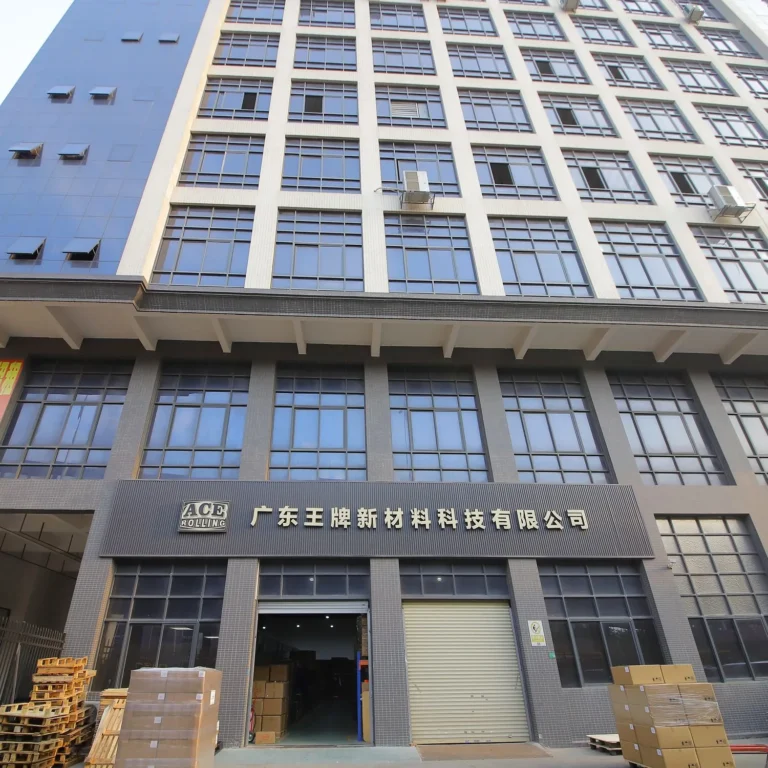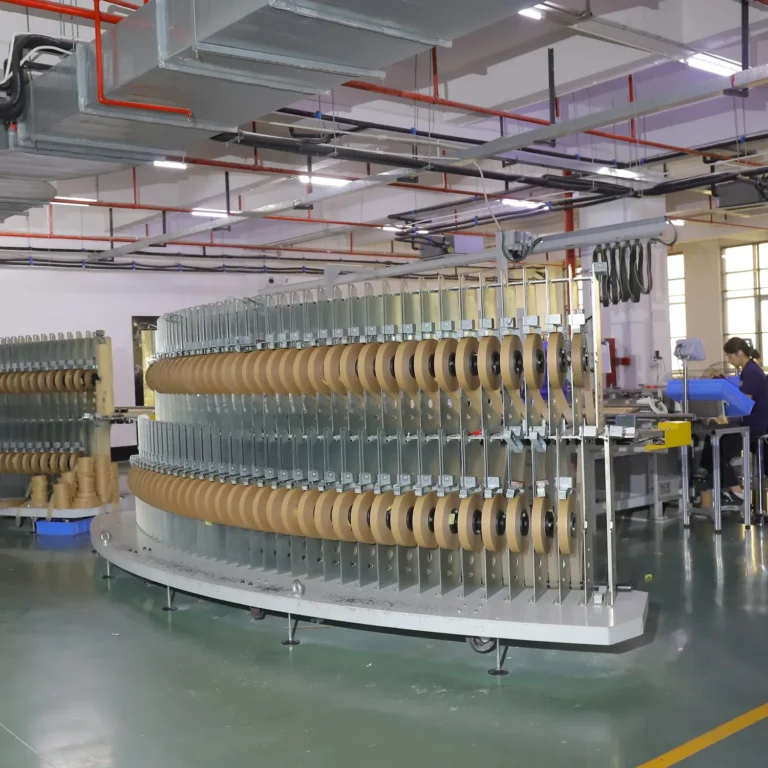

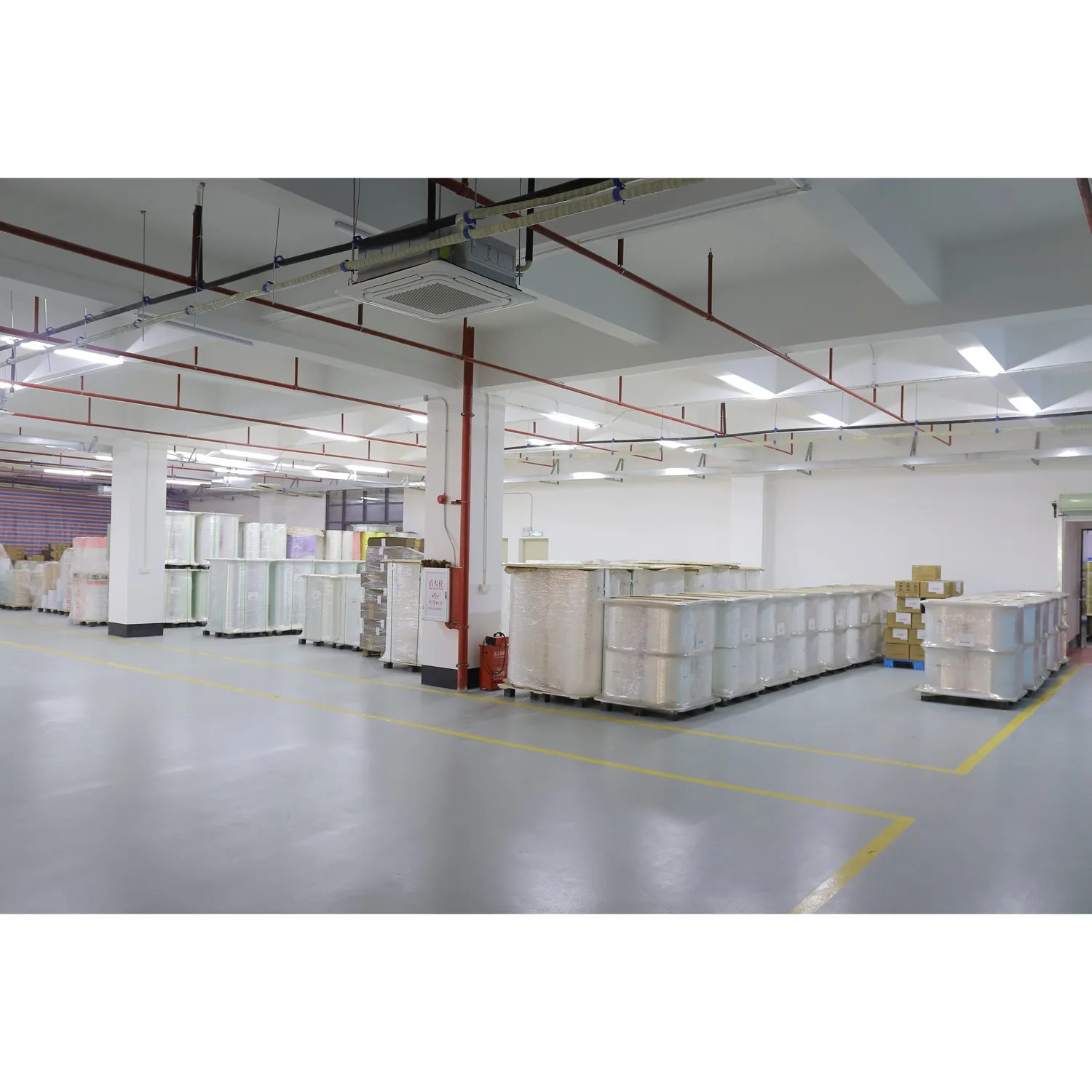
您参观了一家卷纸工厂。经理向您展示了令人印象深刻的机器。但当您询问纤维来源时,他指向一个堆满无标签巨型纸卷的仓库。当您询问油墨认证时,他出示了一份两年前的复印件。工厂看起来专业,但流程并非如此。.
卷烟纸制造涉及七个阶段:原材料选择、造纸机生产、胶线涂布、分切、印刷、折叠和质量控制。每个阶段决定了最终产品是否燃烧均匀、口感纯净并符合安全标准。跳过任何阶段或将关键步骤外包的工厂无法保证产品一致性。.
本文阐述了每个制造阶段、专业工厂与贸易中间商的区别,以及买家在选择生产合作伙伴前应核实的事项。.
卷烟纸应选择何种纤维?
每张卷烟纸皆始于纤维。纤维的选择决定了纸张的物理特性——抗拉强度、孔隙率、燃烧速度、灰烬色泽与风味特征。.
木浆
木浆仍是卷烟纸的主要原材料。它来源丰富、成本效益高,且可加工成极薄、孔隙率均匀的薄片。浆料来源至关重要:软木纤维(松木、云杉)较长,制成的纸张强度更高;硬木纤维(桉树、桦木)较短,能形成更光滑的表面。.
制造商必须确保木浆来自负责任管理的森林。FSC(森林管理委员会)或PEFC认证提供此类保证。若无认证来源,品牌在环保意识强烈的市场中可能面临供应链不透明和声誉损害的风险。.
大麻纤维
大麻纤维的纤维素含量约为85%,而木浆中仅约30%。更高的纤维素含量使制造商能够以更低的基重生产更薄、更强的纸张。大麻纤维也比木纤维更长,这提高了高速加工过程中的抗撕裂性。.
从采购角度看,大麻需要更严格的来料检验。不同大麻作物的纤维长度、木质素含量和残留果胶差异显著。缺乏大麻处理经验的工厂难以保持批次间孔隙率和燃烧速率的一致性。.
稻草
米纸由经过处理的稻草制成,而非稻谷本身。它是最薄、最透明的卷烟纸材料,对口感干扰极小。其挑战在于易碎性。稻草纤维短而脆,这使得它们在标准造纸机上加工时容易撕裂。.
成功生产米纸的制造商通常采用改良的湿部化学工艺——添加粘合剂或将稻草与较长纤维混合,以提高在高速生产线上的运行性能。.
亚麻、竹材与其他替代纤维
亚麻(亚麻布)能制成强度高、燃烧缓慢且带有淡雅泥土风味的纸张。竹子生长迅速且无需农药,对注重可持续性的品牌颇具吸引力。这两种材料均需专业加工技术,并非所有造纸厂都能在不进行大量工艺调整的情况下处理这些纤维。.
| 纤维 | 纤维素含量 | 强度 | 燃烧速率 | 风味特征 |
|---|---|---|---|---|
| 木浆 | ~30% | 高 | 慢速-中速 | 中性 |
| 大麻 | ~85% | 非常高 | 中等 | 微甜/坚果味 |
| 稻草 | ~45% | 低 | 快速 | 极小 |
| 亚麻 | ~70% | 非常高 | 缓慢 | 泥土气息 |
| 竹 | ~50% | 中等 | 中等 | 中性微甜 |
造纸机如何生产卷纸?
实际的纸张制造在造纸机上进行——这是一条将液态纸浆转化为干燥纸幅的连续生产线。.
浆料制备
原纤维在水中浆化,精磨至合适的纤维长度分布,并与填料混合。碳酸钙(白垩)是最常用的填料,可提高不透明度、控制燃烧速率,并为漂白纸张提供白色。填料含量需精确控制,因其直接影响孔隙率——填料越多,孔隙率越低,燃烧越慢。.
在此阶段,制造商还会根据需要添加湿强剂。卷烟纸通常不需要高湿强度,因为正常使用中不接触水。但某些特种纸可通过轻微湿强改性来防止潮湿储存时的撕裂。.
纸张成型
稀释的纸浆浆料(通常为99%水、1%纤维)被铺展到移动的金属网上。水通过网孔排出,留下纤维垫。该纤维垫经过压辊挤出更多水分,然后进入干燥区。.
干燥部使用蒸汽加热的烘缸将含水量降至约5-8%。精确的湿度目标至关重要:过干会使纸张变脆易折裂;过湿则纸张疲软难以处理。.
压光与表面处理
干燥后,纸张经过压光辊——加热的钢制滚筒压缩纸页以达到所需平滑度和厚度。卷纸的目标基重通常为10-20克/平方米(g/m²),属于商业生产中最轻的纸种之一。.
一些制造商在此阶段进行表面施胶处理,以提高印刷适性或调整孔隙率。但过度施胶可能影响消费者期望的自然燃烧特性。.
胶线涂布如何运作?
胶条——即“胶线”——是用户用来密封卷纸的部分。其涂布是整个过程中对精度要求最高的步骤之一。.
胶水化学性质
天然阿拉伯胶是行业标准。它提取自塞内加尔金合欢树的树液,属于食品级、纯素产品,拥有数百年的安全使用历史。当被唾液湿润时,胶质激活并形成牢固柔韧的密封层;干燥时则保持惰性,不会粘连册页中的相邻纸张。.
一些低成本制造商使用合成粘合剂或淀粉基胶水。这些可能导致异味、胶线激活不均或在潮湿环境下过早粘连。专业工厂会在每批胶水投入生产前测试其粘度、固含量和激活阈值。.
涂布精度
胶线以微米级薄层形式涂布于纸幅一侧边缘,通常宽度小于1毫米。涂布装置必须在整幅纸宽(可能达1米或更宽)上保持一致的宽度、厚度和边缘对齐。.
胶线过宽会浪费粘合剂并可能影响卷制体验;过窄则无法密封;若对齐偏移,部分纸页边缘无胶,其他纸页胶位错误。现代工厂采用视觉检测系统实时监控胶线位置,并剔除不符合规格的部分。.
分切与卷绕过程中发生了什么?
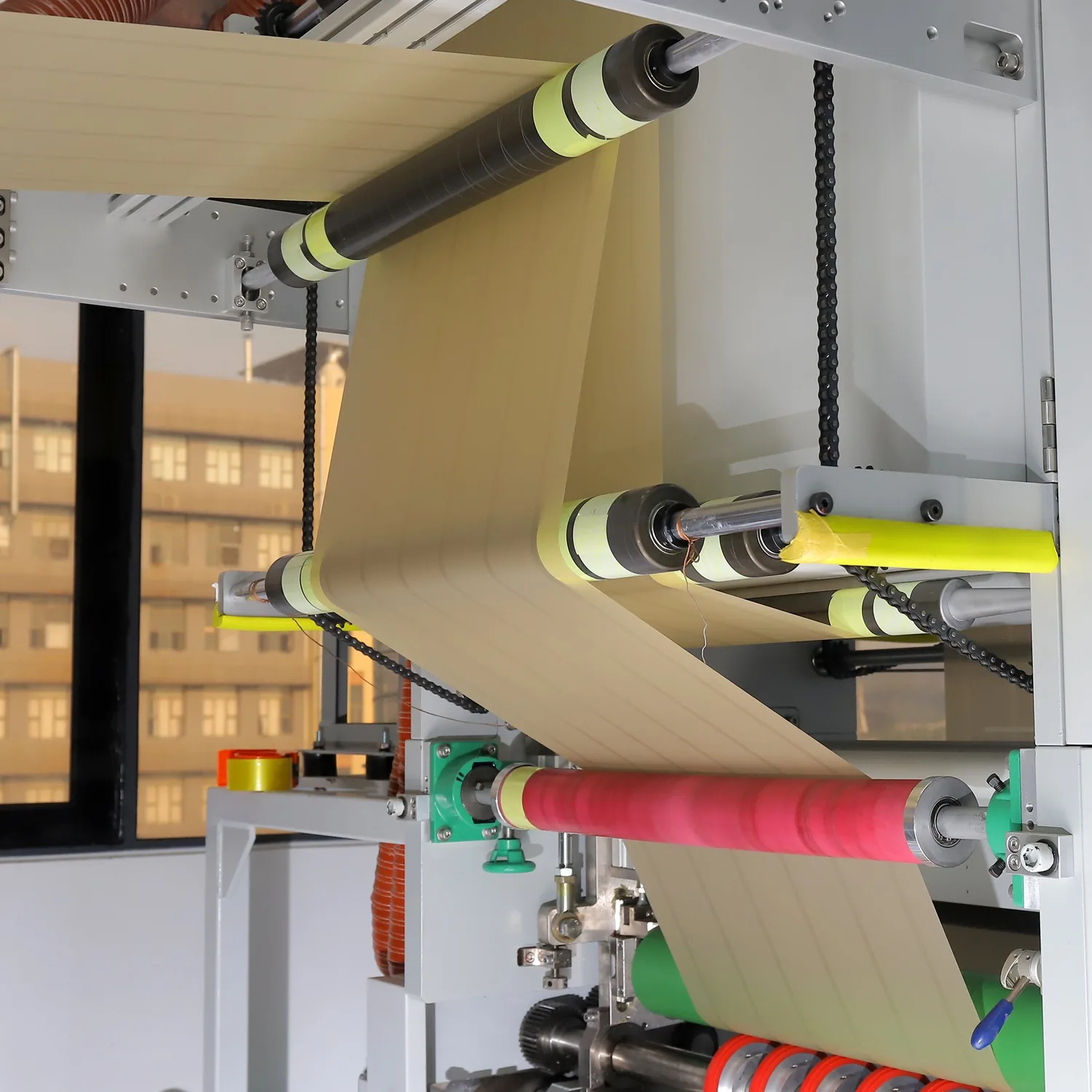
造纸机产出的母卷通常宽1-2米,需分切成与最终产品宽度匹配的窄幅纸卷——卷纸的常规宽度为36-55毫米。.
分切技术
高速精密分切机使用锋利的圆形刀片,将母卷同时切割成多个窄幅纸卷。必须精确保持刀片锋利度、压力和对齐度。钝刀会产生毛边或粉尘污染产品。.
分切过程中的张力控制同样重要:张力过大会拉伸纸张,改变其孔隙率和燃烧速率;张力过小则导致起皱或错位。专业分切机采用带称重传感器反馈的闭环张力控制,从卷头到卷尾保持稳定的纸幅张力。.
工业客户用巨型纸卷
部分客户直接采购巨型纸卷——这些用于自动灌装设备或进一步加工的大直径纸卷(未分切或已分切)通常含5000-10000米纸长,需要特殊搬运设备。工厂必须确保纸卷卷绕张力均匀、边缘整洁,且搬运过程中不发生横向偏移(望远镜现象)。.
卷烟纸上的印刷是如何完成的?
如果卷烟纸带有印刷图案——如品牌标志、水印或装饰图案——印刷会在分切之后,在窄幅卷筒上进行。.
印刷方法
胶版印刷 是卷烟纸印刷中最常用的方法。油墨图像从印版转移到橡皮布,再转移到纸张上。橡皮布能贴合精细的纸张表面而不撕裂它。胶印对于5,000至50,000本小册子的印量经济实惠,并能很好地再现清晰的徽标和文本。.
凹版印刷 使用雕刻铜质滚筒,其微孔结构可容纳油墨。此工艺能实现卓越的摄影画质与平滑渐变,但需要昂贵的滚筒雕刻成本,仅在大批量生产(数十万册及以上)时才具备经济效益。.
油墨安全性
标准商业印刷油墨含石油基溶剂、矿物油及颜料,不适用于需加热吸入的产品。卷烟纸制造商必须使用食品级油墨,其配方需采用天然植物油载体(大豆油、米糠油或棕榈油)及FDA认证的颜料。.
正规工厂应为每批油墨保存第三方实验室出具的分析证书(CoA),确保重金属(铅、砷、镉、汞)及有毒溶剂含量低于检测限值。.
水印
真水印是在造纸过程中直接形成的。带有凸起图案的网纹水印辊(dandy roll)压印湿纤维层,通过纤维位移产生半透明图案。该工艺无法通过印刷复制,是真正的防伪标识。.
部分制造商采用仿水印技术——通过印刷透明油性涂层模拟水印视觉效果。这类工艺更易实现,但缺乏真水印的防伪价值。.
小册子如何折叠和组装?
需将窄幅印刷卷材转换为最终手册形态。.
交错折叠
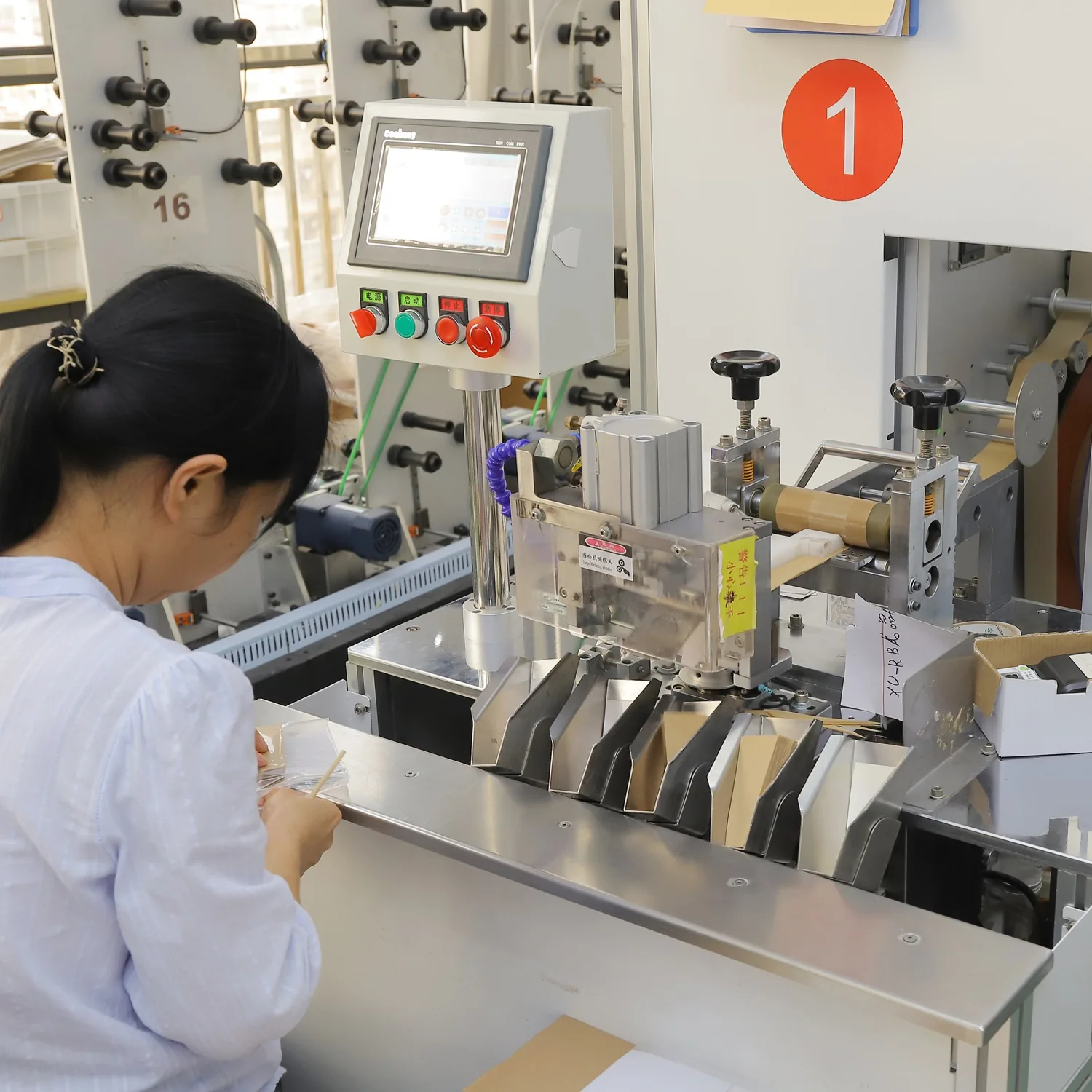
大多数卷烟纸小册子采用交错叠放的方式——每张纸对折后插入下一张纸中,形成“弹出”效果,即拉出一张纸时会部分露出下一张。这需要精密的折叠设备,以确保折叠深度、纸张对齐和互锁紧密度的一致性。.
若内页锁合过紧,抽拉时纸张易撕裂;若过松,则内页易错位或手册整体臃肿。折叠线定位需确保每张内页折叠后胶线精确位于指定边缘。.
手册结构
标准手册包含32-50张内页。折叠后的纸叠放入印刷封面卡内,封面卡包裹纸叠并通过胶粘或钉装固定。封面卡具备多重功能:保护内页、展示品牌标识,并提供结构刚性使手册能在零售货架上直立展示。.
部分高级册页采用磁吸封口、浮雕封面或烫印标识,这些需要额外的组装工序和专用设备。.
哪些质量测试最为关键?
卷烟纸生产中的质量控制并非单一检查点,而是一个贯穿从进厂纤维检验到最终包装每一阶段的持续过程。.
来料检测
- 纤维分析:验证纤维长度、木质素含量及纯度
- 胶粘剂测试:检查粘度、固含量及微生物污染
- 油墨认证:确认食品级配方及符合性声明文件
过程监控
- 基重:通过β射线扫描仪沿纸幅宽度连续测量
- 含水量:在干燥区通过红外传感器进行监控
- 透气性:使用Coresta单位(CU)或葛尔莱秒数测试
- 胶线对齐:通过机器视觉系统验证
- 印刷套准:检查颜色对齐和缺陷检测
成品检测
- 燃烧速率:每批在受控条件下燃烧,以验证均匀、一致的燃烧效果
- 灰烬颜色与纯度:白色或浅灰色灰烬表明纤维纯净,深色或斑点状灰烬则提示存在污染
- 抗张强度:已验证确保纸张在正常操作中不会撕裂
- 尺寸精度:根据规格测量纸张长度、宽度及折叠位置
- 微生物与重金属检测:受监管市场强制要求;建议所有产品执行
| 测试 | 目的 | 频率 |
|---|---|---|
| 基重 | 纸张厚度一致性 | 连续式 |
| 含水量 | 防止脆化或疲软 | 连续式 |
| 透气性 | 控制燃烧速率 | 每批次 |
| 胶粘性 | 确保封合可靠性 | 每批次 |
| 燃烧速率 | 验证燃烧均匀性 | 每批次 |
| Ash color | Detect contamination | 每批次 |
| Heavy metals | Safety compliance | Certificate per ink batch |
| Microbial | Safety compliance | Periodic third-party |
How Do You Evaluate a Rolling Paper Manufacturer?
If you are sourcing rolling papers for a brand or retail line, the factory tour and documentation review matter more than the price quote. Here is what to verify:
Production capacity and utilization: Ask for annual capacity in booklets or tons, and current utilization rate. A factory running at 95 percent utilization may struggle to meet deadlines. A factory running at 20 percent may lack demand for a reason.
In-house versus outsourced processes: Does the factory control slitting, printing, and folding internally, or does it outsource some steps? Each handoff between suppliers introduces delay, cost, and quality risk.
认证范围: ISO 9001 is the baseline. FSC matters for wood-pulp products. For regulated cannabis markets, request heavy metal, pesticide, and microbial testing documentation. Verify that certificates are current and cover the specific products you are ordering.
Sample consistency: Request samples from three different production batches. Variation in color, texture, thickness, or burn behavior signals poor process control.
Response time and communication: In custom manufacturing, problems are inevitable. A supplier that responds to inquiries within hours rather than days will save you from missed deadlines and defective batches.
Customization capabilities: Can the factory modify basis weight, porosity, gum-line width, sheet count per booklet, or cover card dimensions? A factory with integrated slitting and folding equipment can typically offer more flexibility than one that buys pre-made blanks.
What Manufacturing Mistakes Should You Avoid?
- Inconsistent raw material sourcing: Switching pulp suppliers without adjusting process parameters produces variation in porosity and burn rate that customers notice immediately.
- Poor humidity control during storage: Paper is hygroscopic. If factory storage areas lack climate control, moisture content drifts, which affects folding behavior and gum-line activation.
- Using non-food-grade inks for cost savings: Standard commercial inks contain toxic solvents and heavy metals. The savings are not worth the liability.
- Inadequate slitter maintenance: Dull blades create dust and ragged edges that contaminate the product and produce poor user experience.
- Skipping batch-level burn testing: Burn rate is the most user-perceptible quality attribute. Factories that test only occasionally risk shipping batches that canoe, run, or burn too fast.
关于 Ace Rolling
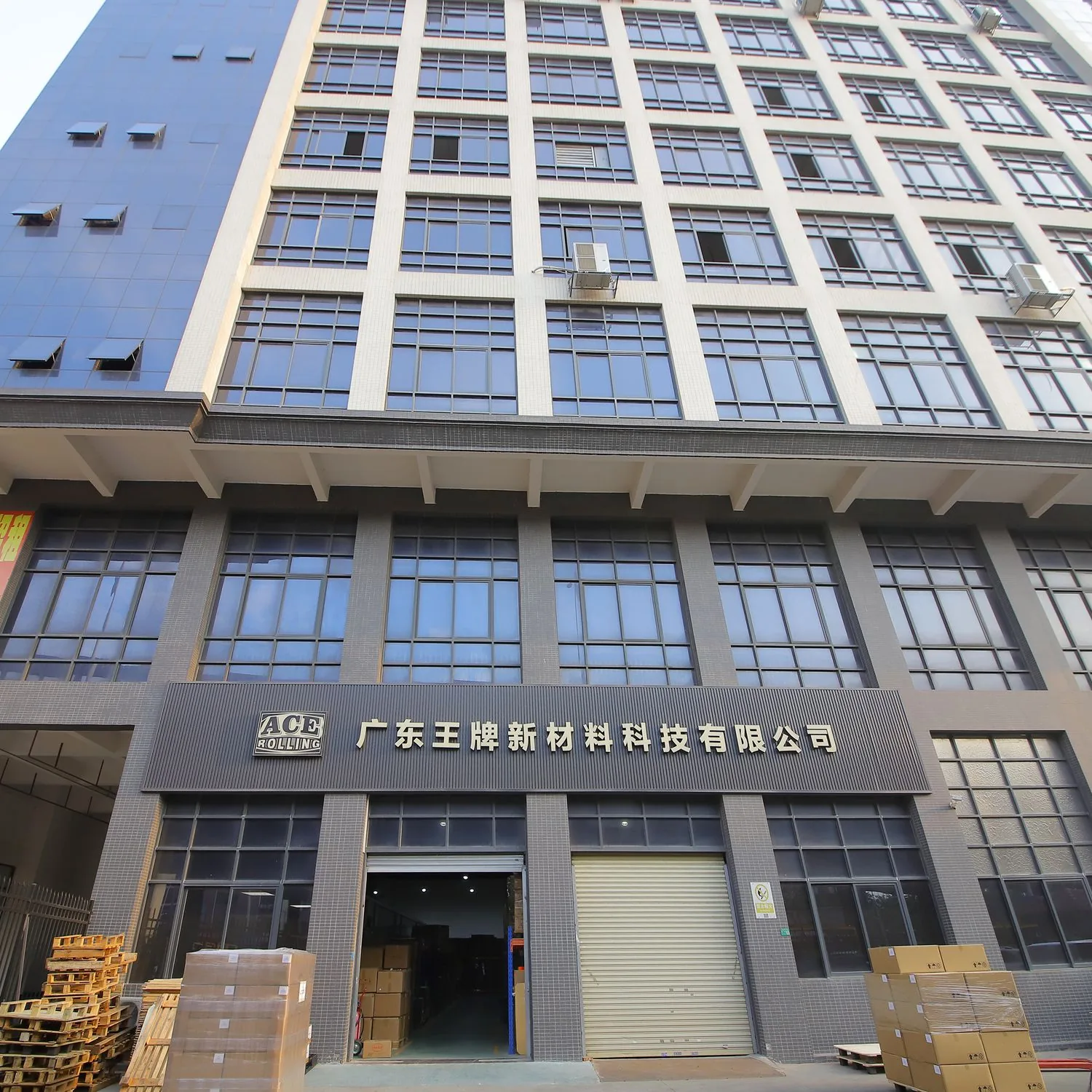
Ace Rolling是 Guangdong Ace Rolling New Material Technology Co., Ltd. — one of only two RYO paper factories operating at this scale worldwide. We control the full manufacturing process from raw material to finished booklet.
制造基础设施
我们在中国东莞的2,000–4,000平方米工厂配备5–7条国际标准高速生产线和17台核心设备,实现全自动化生产。年产能可达 5亿本小册子和锥形纸.
我们也是 行业内唯一制造商 配备先进的高速精密分切机,可定制小册子尺寸高达 120页 — a flexibility that no competitor currently matches.
Material Partnership
我们生产的每一张纸都源自 牡丹江恒丰纸业股份有限公司(恒丰集团) — the world’s third-largest specialty and smoking paper enterprise, commanding one-third of global smoking paper market share. This exclusive supply relationship gives us material stability, transparency, and pricing leverage that resellers cannot access.
认证资质
- ISO 9001:2015 ——质量管理体系
- FSC(森林管理委员会) ——负责任采购
- 阿里巴巴认证供应商 ——经TÜV Rheinland / SGS现场审核,具备完整的原材料可追溯性
生产能力
We produce the full spectrum of rolling paper formats:
- Standard booklets (32–120 leaves)
- Pre-rolled cones (all standard sizes)
- Jumbo rolls for industrial filling machines (5,000–10,000 meters)
- Custom printed papers with food-grade inks
- True watermark embedding
- Premium filter tips (paper, wood, glass, ceramic)
- Complete retail packaging integration
所有纸张使用 100%天然有机阿拉伯树胶. Every batch is tested for dynamic porosity, slow burn rate, and ash purity. We offer both finished retail products under our four registered brands and 深度OEM/ODM定制 built from scratch.
Amazing Paper, Create, Enjoyable Life! ——Ace Rolling
常见问题
What is the most critical quality attribute in rolling paper manufacturing?
Burn rate uniformity. A paper that burns evenly from end to end, without canoeing or running, is the result of correct fiber selection, consistent porosity, precise gum-line application, and controlled moisture content. Every other quality attribute — taste, ash color, tensile strength — is secondary to reliable combustion.
How thin can rolling paper be manufactured?
Commercially viable rolling papers range from approximately 10 g/m² to 28 g/m². Below 10 g/m², the paper becomes too fragile for high-speed processing and normal handling. At the upper end, above 25 g/m², the paper begins to feel thick and may burn too slowly for consumer preference.
Why does the same material sometimes burn differently between batches?
Even with the same fiber type, variations in fiber length distribution, filler content, moisture level, or calendering pressure will change porosity and burn rate. This is why professional manufacturers test every batch and maintain strict process control parameters.
What is the difference between a paper mill and a rolling paper converter?
A paper mill produces the base paper on a paper machine. A converter takes that base paper and slits, prints, folds, and packages it into finished booklets. Some companies do both. Others are converters only, buying base paper from third-party mills. The more steps a single company controls, the better the quality consistency and the shorter the lead time.
Can rolling papers be manufactured with custom porosity?
Yes. Porosity is controlled by filler content, fiber refining degree, and calendering pressure. A manufacturer with in-house papermaking capability can adjust these parameters to achieve a target porosity range. This is useful for brands that want a specific burn rate or draw resistance.
最终建议
Manufacturing rolling papers is not a simple printing job. It requires expertise in fiber science, precision machinery, food-grade safety, and continuous quality monitoring. The difference between a reliable manufacturer and a low-cost supplier usually shows up in the details that consumers notice — uneven burning, off-flavors, gum that does not stick, or booklets that fall apart.
Working with a factory that controls the full process, from raw material to finished product, gives you the consistency, customization options, and compliance documentation that brand-builders need.
Ready to manufacture your own rolling paper line? Ace Rolling offers end-to-end production with full customization — from fiber selection and porosity specification to printed booklets and retail packaging. Contact our team for factory specifications, samples, and production timelines.