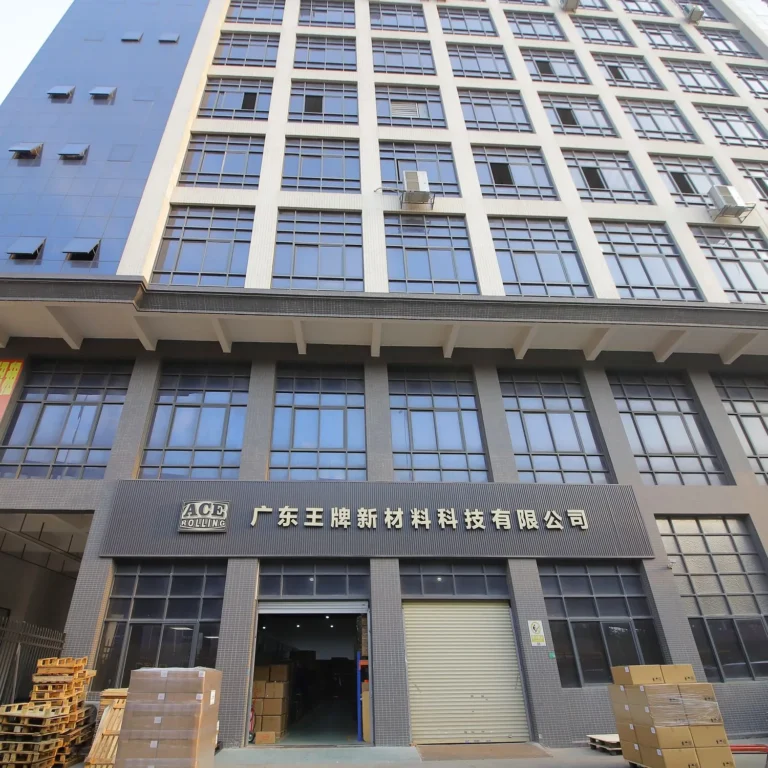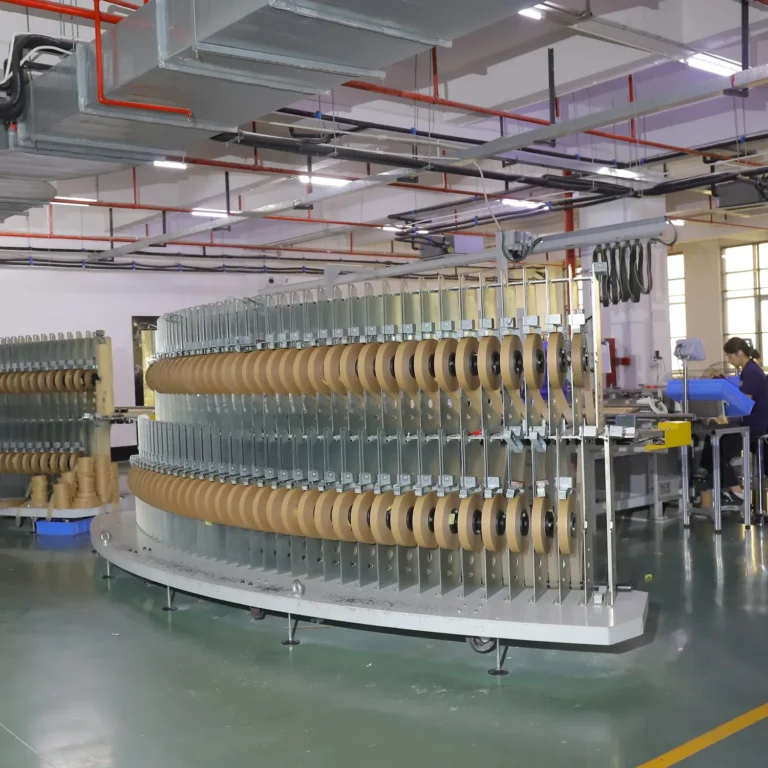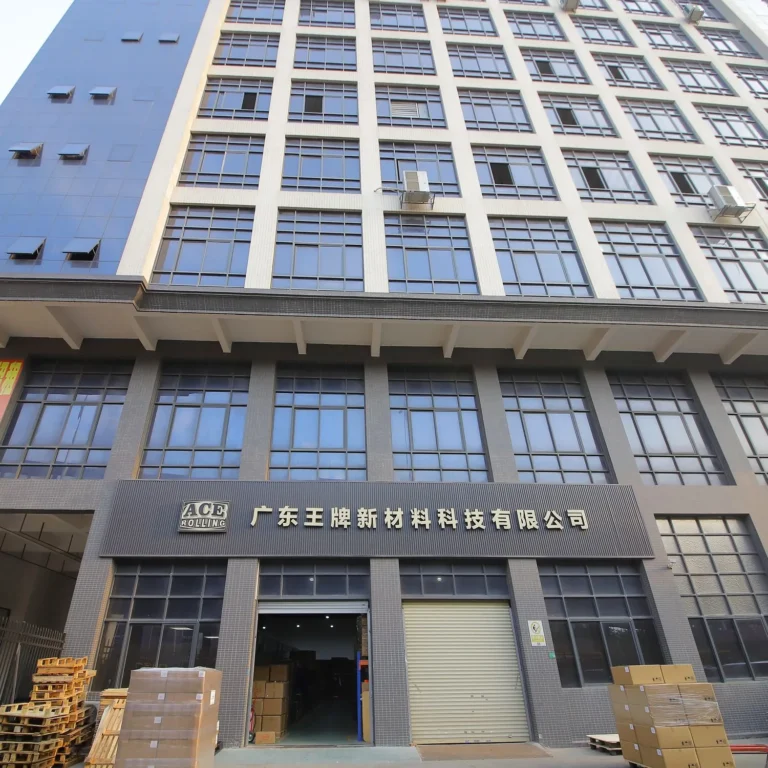

You toured a rolling paper factory. The manager showed you impressive machines. But when you asked about fiber sourcing, he pointed to a warehouse full of unlabeled jumbo rolls. When you asked about ink certification, he showed you a two-year-old photocopy. The factory looked professional. The processes were not.
Rolling paper manufacturing involves seven stages: raw material selection, paper machine production, gum-line application, slitting, printing, folding, and quality control. Each stage determines whether the final product burns evenly, tastes clean, and meets safety standards. A factory that skips any stage or outsources critical steps cannot guarantee consistency.
This article explains each manufacturing stage, what separates a professional factory from a trading middleman, and what buyers should verify before committing to a production partner.
What Fiber Should You Choose for Rolling Papers?
Every rolling paper begins with fiber. The choice of fiber determines the paper’s physical properties — tensile strength, porosity, burn rate, ash color, and taste profile.
Pâte de bois
Wood pulp remains the dominant raw material for rolling papers. It is abundant, cost-effective, and can be processed into extremely thin sheets with consistent porosity. The pulp source matters. Softwood fibers (pine, spruce) are longer and produce stronger paper. Hardwood fibers (eucalyptus, birch) are shorter and create a smoother surface.
Manufacturers must verify that wood pulp comes from responsibly managed forests. FSC (Forest Stewardship Council) or PEFC certification provides this assurance. Without certified sourcing, a brand risks supply-chain opacity and reputational damage in environmentally conscious markets.
Hemp Fiber
Hemp contains approximately 85 percent cellulose compared to roughly 30 percent in wood pulp. This higher cellulose content allows manufacturers to produce thinner, stronger paper at lower basis weights. Hemp fibers are also longer than wood fibers, which improves tear resistance during high-speed processing.
From a sourcing perspective, hemp requires more rigorous incoming inspection. Fiber length, lignin content, and residual pectin vary significantly between hemp crops. A factory that lacks experience with hemp will struggle to maintain consistent porosity and burn rate across batches.
Rice Straw
Rice paper is made from processed rice straw, not the rice grain itself. It is the thinnest and most translucent rolling paper material, with minimal taste interference. The challenge is fragility. Rice straw fibers are short and brittle, which makes them difficult to process on standard paper machines without tearing.
Manufacturers who produce rice paper successfully typically use modified wet-end chemistry — adding binding agents or blending rice straw with longer fibers to improve runnability on high-speed lines.
Flax, Bamboo, and Alternative Fibers
Flax (linen) produces a strong, slow-burning paper with a subtle earthy taste. Bamboo grows rapidly and requires no pesticides, making it attractive for sustainability-focused brands. Both materials require specialized processing knowledge. Not every paper mill can handle these fibers without extensive process adjustments.
| Fibre | Cellulose Content | Résistance | Vitesse de combustion | Profil de goût |
|---|---|---|---|---|
| Pâte de bois | ~30% | Élevé | Slow-medium | Neutre |
| Chanvre | ~85% | Très élevé | Moyen | Subtly sweet/nutty |
| Rice straw | ~45% | Faible | Rapide | Minimal |
| Lin | ~70% | Très élevé | Lent | Earthy |
| Bambou | ~50% | Moyen | Moyen | Neutral-slightly sweet |
How Is Rolling Paper Made on a Paper Machine?
The actual paper manufacturing happens on a paper machine — a continuous process line that transforms liquid pulp slurry into a dry sheet.
Stock Preparation
Raw fibers are pulped in water, refined to the correct fiber length distribution, and mixed with fillers. Calcium carbonate (chalk) is the most common filler. It improves opacity, controls burn rate, and creates the white color in bleached papers. The filler content is precisely controlled because it directly affects porosity — more filler means lower porosity and slower burn.
At this stage, the manufacturer also adds wet-strength agents if needed. Rolling papers do not require high wet strength because they are not exposed to water in normal use. However, some specialized papers benefit from slight wet-strength modification to prevent tearing during humid storage.
Sheet Formation
The diluted pulp slurry (typically 99 percent water, 1 percent fiber) is spread onto a moving wire mesh. Water drains through the mesh, leaving a fiber mat. This mat passes through press rolls that squeeze out more water, then enters the drying section.
The drying section uses steam-heated cylinders to reduce moisture content to approximately 5–8 percent. The exact moisture target is critical. Too dry, and the paper becomes brittle and prone to cracking during folding. Too moist, and the paper becomes limp and difficult to handle.
Calendering and Surface Treatment
After drying, the paper passes through calender rolls — heated steel cylinders that compress the sheet to achieve the desired smoothness and thickness. For rolling papers, the target basis weight is typically 10–20 grams per square meter (g/m²), which is among the lightest paper grades manufactured commercially.
Some manufacturers apply a surface sizing treatment at this stage to improve printability or modify porosity. However, excessive sizing can interfere with the natural burn characteristics that consumers expect.
How Does Gum-Line Application Work?
The adhesive strip — the “gum line” — is what allows the user to seal a rolled paper. Its application is one of the most precision-critical steps in the entire process.
Gum Chemistry
Natural Arabic gum is the industry standard. It is derived from the sap of Acacia senegal trees, is food-grade, vegan, and has centuries of safe use history. When moistened with saliva, the gum activates and forms a strong, flexible seal. When dry, it remains inactive and does not stick to adjacent sheets in the booklet.
Some low-cost manufacturers use synthetic adhesives or starch-based gums. These can produce off-flavors, inconsistent activation, or premature sticking in humid conditions. A professional factory tests every batch of gum for viscosity, solids content, and activation threshold before it enters production.
Application Precision
The gum line is applied as a micro-thin coating — typically less than 1 millimeter wide — along one edge of the paper web. The applicator must maintain consistent width, thickness, and edge alignment across the entire width of the paper web, which may be 1 meter or wider.
If the gum line is too wide, it wastes adhesive and may interfere with the rolling experience. If it is too narrow, the seal fails. If the alignment drifts, some sheets have no gum at the edge while others have gum in the wrong position. Modern factories use vision inspection systems to monitor gum-line placement in real time and reject sections that fall outside specification.
What Happens During Slitting and Winding?
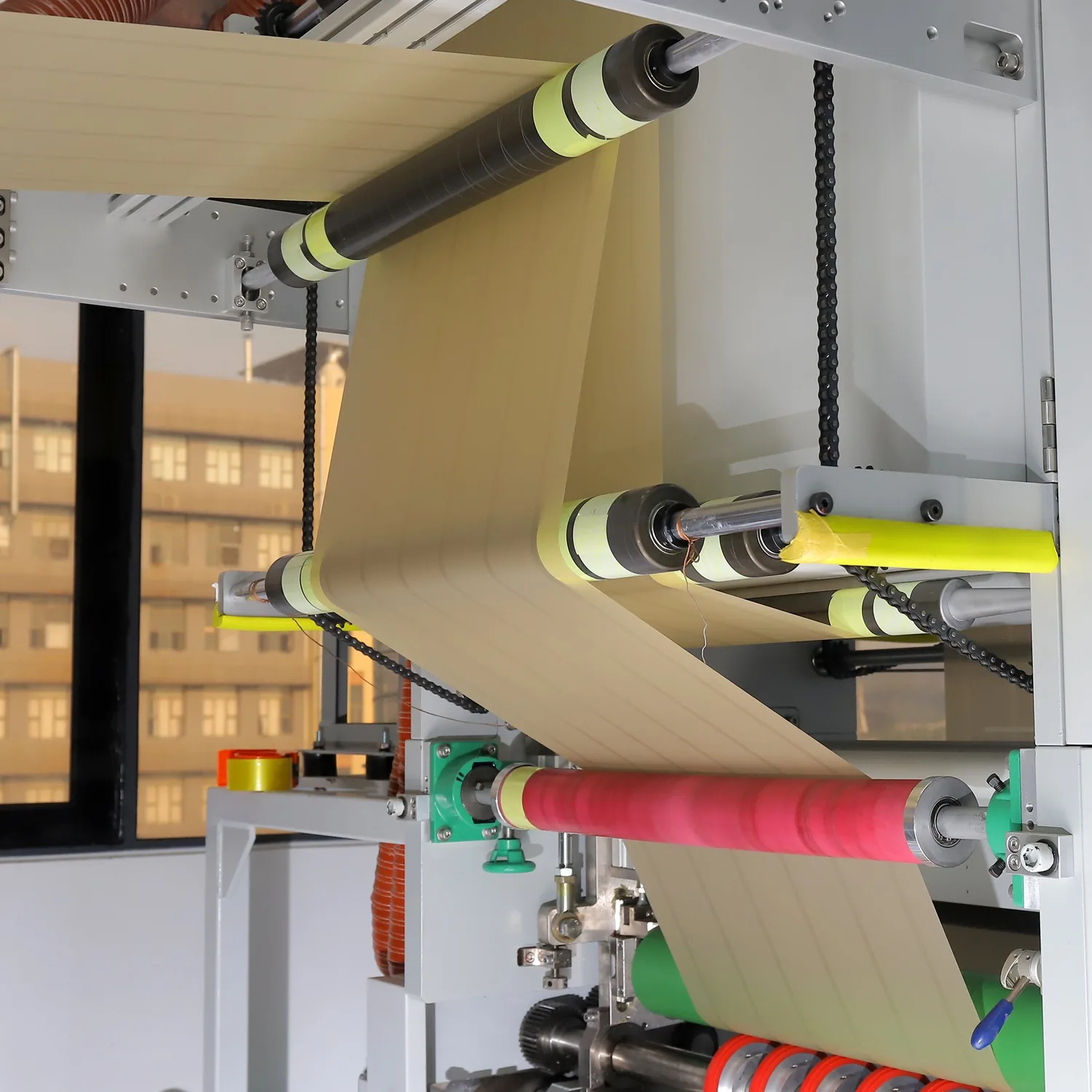
The parent reel from the paper machine is typically 1–2 meters wide. It must be slit into narrow rolls that match the width of the final product — usually 36–55 millimeters for rolling papers.
Slitting Technology
High-speed precision slitters use razor-sharp circular blades to cut the parent reel into multiple narrow rolls simultaneously. Blade sharpness, pressure, and alignment must be maintained precisely. Dull blades create ragged edges or generate dust that contaminates the product.
The tension control during slitting is equally important. Too much tension stretches the paper, which changes its porosity and burn rate. Too little tension causes wrinkling or misalignment. Professional slitters use closed-loop tension control with load-cell feedback to maintain consistent web tension from the start of the reel to the end.
Jumbo Rolls for Industrial Customers
Some customers purchase jumbo rolls directly — large bobbins of unslit or slit paper intended for automated filling machines or further processing. These rolls typically contain 5,000–10,000 meters of paper and require special handling equipment. The factory must verify that the roll is wound with consistent tension, that edges are clean, and that the roll does not telescope (shift sideways) during handling.
How Is Printing Done on Rolling Papers?
If the rolling paper carries a printed design — a brand logo, watermark, or decorative pattern — the printing occurs after slitting, on the narrow web.
Printing Methods
Offset lithography is the most common method for rolling paper printing. An inked image is transferred from a plate to a rubber blanket, then to the paper. The rubber blanket conforms to the delicate paper surface without tearing it. Offset is economical for runs of 5,000–50,000 booklets and reproduces crisp logos and text well.
Rotogravure uses engraved copper cylinders that hold ink in microscopic cells. It produces superior photographic quality and smooth gradients but requires expensive cylinder engraving. This method is only economical for very large runs — hundreds of thousands of booklets or more.
Ink Safety
Standard commercial printing inks contain petroleum-based solvents, mineral oils, and pigments that are not safe for products intended to be heated and inhaled. Rolling paper manufacturers must use food-grade inks formulated with natural vegetable oil carriers (soy, rice bran, or palm oil) and FDA-approved pigments.
A reputable factory maintains Certificates of Analysis (CoA) from third-party laboratories for every ink batch, verifying that heavy metals (lead, arsenic, cadmium, mercury) and toxic solvents are below detection limits.
Filigranes
True watermarks are created during the papermaking process itself. A dandy roll — a wire-mesh cylinder with raised patterns — presses the wet fiber sheet, displacing fibers to create a semi-transparent pattern. This cannot be replicated by printing and serves as a genuine authenticity marker.
Some manufacturers use pseudo-watermarks — printed transparent oily coatings that simulate the watermark appearance. These are easier to produce but lack the security value of a true watermark.
How Are Booklets Folded and Assembled?
The narrow printed web must be converted into the final booklet format.
Interleaved Folding
Most rolling paper booklets use interleaved sheets — each sheet is folded in half and tucked into the next sheet, creating a “pop-up” effect where pulling one sheet partially exposes the next. This requires precise folding equipment that maintains consistent fold depth, sheet alignment, and interlock tightness.
If the interlock is too tight, sheets tear when pulled. If it is too loose, sheets fall out of alignment or the booklet becomes bulky. The fold must also be positioned so that the gum line ends up at the correct edge of each individual sheet after folding.
Booklet Construction
A standard booklet contains 32–50 sheets. The folded stack is placed inside a printed cover card, which is then folded around the stack and sealed with adhesive or staples. The cover card serves multiple functions: it protects the sheets, displays branding, and provides the structural rigidity that allows the booklet to stand upright on a retail shelf.
Some premium booklets use magnetic closures, embossed covers, or foil-stamped logos. These require additional assembly steps and specialized equipment.
What Quality Tests Matter Most?
Quality control in rolling paper manufacturing is not a single checkpoint. It is a continuous process that spans every stage from incoming fiber inspection to final packaging.
Incoming Material Testing
- Fiber analysis: Verify fiber length, lignin content, and purity
- Gum testing: Check viscosity, solids content, and microbial contamination
- Ink certification: Confirm food-grade formulation and CoA documentation
In-Process Monitoring
- Grammage: Measured continuously across the web width using beta-gauge scanners
- Moisture content: Monitored with infrared sensors in the drying section
- Porosité: Tested using Coresta units (CU) or Gurley seconds
- Gum-line alignment: Verified with machine vision systems
- Print registration: Checked for color alignment and defect detection
Finished Product Testing
- Burn rate: Each batch is burned under controlled conditions to verify even, consistent combustion
- Ash color and purity: White or light gray ash indicates clean fiber. Dark or speckled ash suggests contamination
- Tensile strength: Verified to ensure the paper does not tear during normal handling
- Dimensional accuracy: Sheet length, width, and fold position measured against specification
- Microbial and heavy metal testing: Required for regulated markets; recommended for all products
| Test | Objectif | Frequency |
|---|---|---|
| Grammage | Consistency of paper thickness | Continuous |
| Moisture content | Prevent brittleness or limpness | Continuous |
| Porosité | Control burn rate | Every batch |
| Gum adhesion | Ensure reliable sealing | Every batch |
| Burn rate | Verify even combustion | Every batch |
| Ash color | Detect contamination | Every batch |
| Heavy metals | Safety compliance | Certificate per ink batch |
| Microbial | Safety compliance | Periodic third-party |
How Do You Evaluate a Rolling Paper Manufacturer?
If you are sourcing rolling papers for a brand or retail line, the factory tour and documentation review matter more than the price quote. Here is what to verify:
Production capacity and utilization: Ask for annual capacity in booklets or tons, and current utilization rate. A factory running at 95 percent utilization may struggle to meet deadlines. A factory running at 20 percent may lack demand for a reason.
In-house versus outsourced processes: Does the factory control slitting, printing, and folding internally, or does it outsource some steps? Each handoff between suppliers introduces delay, cost, and quality risk.
Certification scope: ISO 9001 is the baseline. FSC matters for wood-pulp products. For regulated cannabis markets, request heavy metal, pesticide, and microbial testing documentation. Verify that certificates are current and cover the specific products you are ordering.
Sample consistency: Request samples from three different production batches. Variation in color, texture, thickness, or burn behavior signals poor process control.
Response time and communication: In custom manufacturing, problems are inevitable. A supplier that responds to inquiries within hours rather than days will save you from missed deadlines and defective batches.
Customization capabilities: Can the factory modify basis weight, porosity, gum-line width, sheet count per booklet, or cover card dimensions? A factory with integrated slitting and folding equipment can typically offer more flexibility than one that buys pre-made blanks.
What Manufacturing Mistakes Should You Avoid?
- Inconsistent raw material sourcing: Switching pulp suppliers without adjusting process parameters produces variation in porosity and burn rate that customers notice immediately.
- Poor humidity control during storage: Paper is hygroscopic. If factory storage areas lack climate control, moisture content drifts, which affects folding behavior and gum-line activation.
- Using non-food-grade inks for cost savings: Standard commercial inks contain toxic solvents and heavy metals. The savings are not worth the liability.
- Inadequate slitter maintenance: Dull blades create dust and ragged edges that contaminate the product and produce poor user experience.
- Skipping batch-level burn testing: Burn rate is the most user-perceptible quality attribute. Factories that test only occasionally risk shipping batches that canoe, run, or burn too fast.
À propos d'Ace Rolling
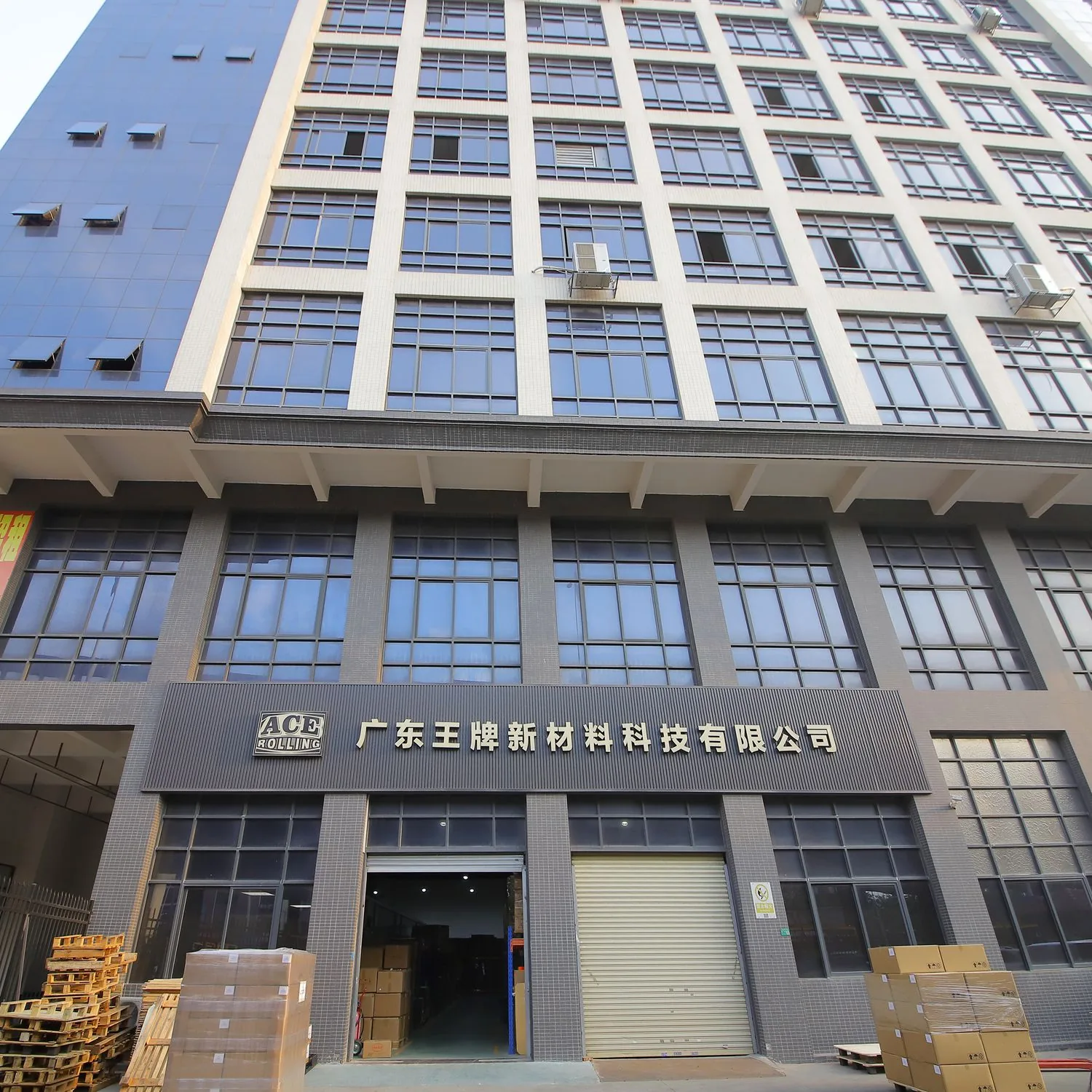
Ace Rolling est Guangdong Ace Rolling New Material Technology Co., Ltd. — one of only two RYO paper factories operating at this scale worldwide. We control the full manufacturing process from raw material to finished booklet.
Infrastructure de fabrication
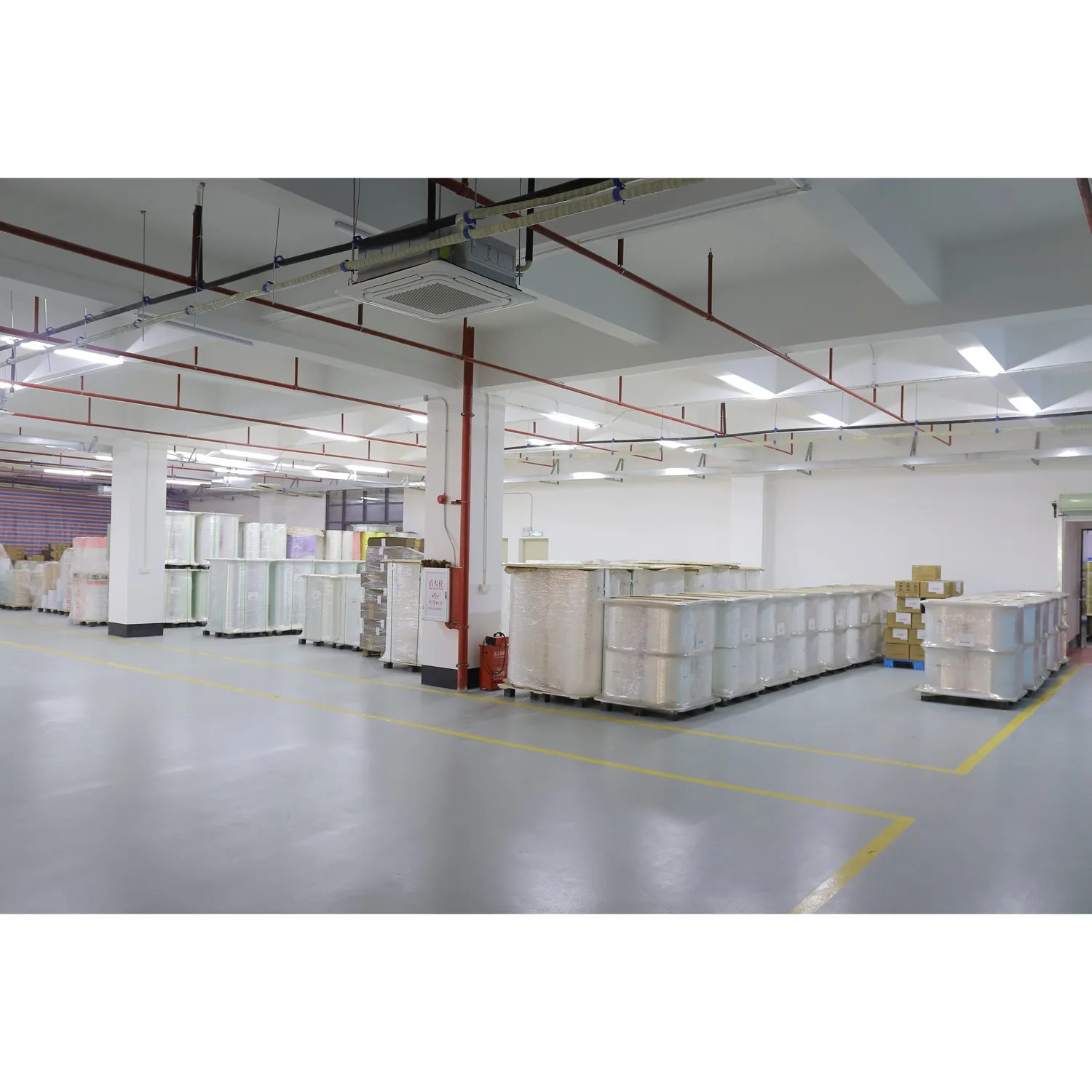
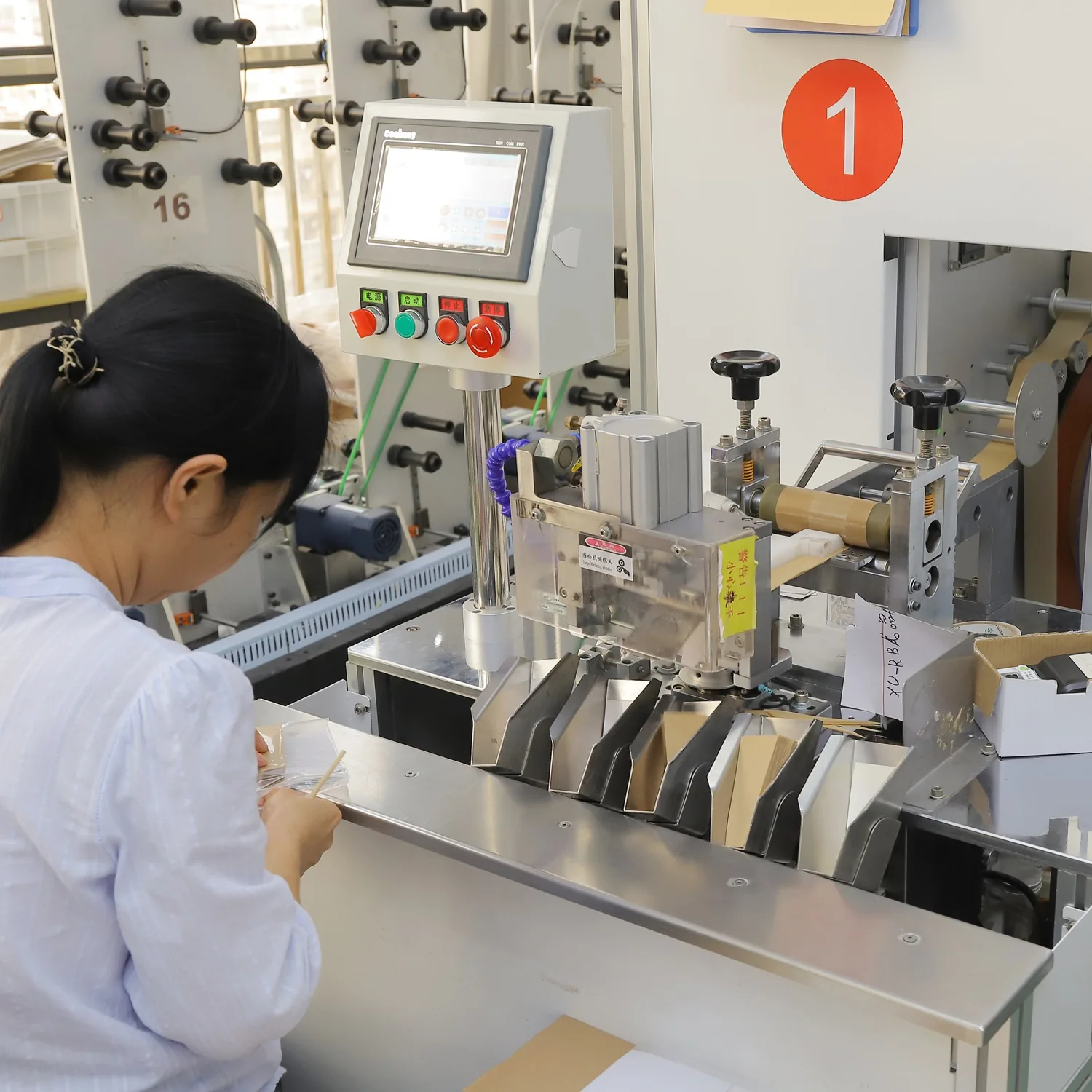
Notre installation de 2 000 à 4 000 m² à Dongguan, en Chine, fonctionne avec une production entièrement automatisée sur 5 à 7 lignes haute vitesse de norme internationale et 17 machines principales. La capacité annuelle atteint 500 millions de carnets et cônes.
Nous sommes également le seul fabricant de l'industrie équipés de machines de découpe de précision à grande vitesse avancées capables de personnaliser des carnets jusqu'à 120 feuilles par carnet — a flexibility that no competitor currently matches.
Material Partnership
Chaque feuille que nous produisons commence par du papier de base provenant de Mudanjiang Hengfeng Paper Co., Ltd. (Groupe Hengfeng) — the world’s third-largest specialty and smoking paper enterprise, commanding one-third of global smoking paper market share. This exclusive supply relationship gives us material stability, transparency, and pricing leverage that resellers cannot access.
Certifications
- ISO 9001:2015 — systèmes de gestion de la qualité
- FSC (Forest Stewardship Council) — approvisionnement responsable
- Fournisseur Vérifié Alibaba — audités sur site par TÜV Rheinland / SGS avec une traçabilité complète des matières premières
Capacités
We produce the full spectrum of rolling paper formats:
- Standard booklets (32–120 leaves)
- Pre-rolled cones (all standard sizes)
- Jumbo rolls for industrial filling machines (5,000–10,000 meters)
- Custom printed papers with food-grade inks
- True watermark embedding
- Premium filter tips (paper, wood, glass, ceramic)
- Complete retail packaging integration
Tous les papiers utilisent 100% gomme arabique naturelle organique. Every batch is tested for dynamic porosity, slow burn rate, and ash purity. We offer both finished retail products under our four registered brands and personnalisation OEM/ODM approfondie built from scratch.
Amazing Paper, Create, Enjoyable Life! — Ace Rolling
Questions Fréquemment Posées
What is the most critical quality attribute in rolling paper manufacturing?
Burn rate uniformity. A paper that burns evenly from end to end, without canoeing or running, is the result of correct fiber selection, consistent porosity, precise gum-line application, and controlled moisture content. Every other quality attribute — taste, ash color, tensile strength — is secondary to reliable combustion.
How thin can rolling paper be manufactured?
Commercially viable rolling papers range from approximately 10 g/m² to 28 g/m². Below 10 g/m², the paper becomes too fragile for high-speed processing and normal handling. At the upper end, above 25 g/m², the paper begins to feel thick and may burn too slowly for consumer preference.
Why does the same material sometimes burn differently between batches?
Even with the same fiber type, variations in fiber length distribution, filler content, moisture level, or calendering pressure will change porosity and burn rate. This is why professional manufacturers test every batch and maintain strict process control parameters.
What is the difference between a paper mill and a rolling paper converter?
A paper mill produces the base paper on a paper machine. A converter takes that base paper and slits, prints, folds, and packages it into finished booklets. Some companies do both. Others are converters only, buying base paper from third-party mills. The more steps a single company controls, the better the quality consistency and the shorter the lead time.
Can rolling papers be manufactured with custom porosity?
Yes. Porosity is controlled by filler content, fiber refining degree, and calendering pressure. A manufacturer with in-house papermaking capability can adjust these parameters to achieve a target porosity range. This is useful for brands that want a specific burn rate or draw resistance.
Final Thoughts
Manufacturing rolling papers is not a simple printing job. It requires expertise in fiber science, precision machinery, food-grade safety, and continuous quality monitoring. The difference between a reliable manufacturer and a low-cost supplier usually shows up in the details that consumers notice — uneven burning, off-flavors, gum that does not stick, or booklets that fall apart.
Working with a factory that controls the full process, from raw material to finished product, gives you the consistency, customization options, and compliance documentation that brand-builders need.
Ready to manufacture your own rolling paper line? Ace Rolling offers end-to-end production with full customization — from fiber selection and porosity specification to printed booklets and retail packaging. Contact our team for factory specifications, samples, and production timelines.