
如何創辦自己的捲菸紙公司?建立一個 品牌公司, ,而非造紙廠:註冊企業、選擇利基市場與通路、鎖定產品簡介、與OEM製造商打樣、品牌包裝設計、籌措首次最小訂購量資金、在可銷售年齡限制配件的管道上市,然後透過重複訂單擴大規模。通用的2025年「九步帝國」指南(包括Serif的捲菸紙業務大綱)列出利基→研究→產品→計劃→資金→法律→營運→行銷→擴張。這張藍圖有效——如果您將 營運 視為工廠合作關係,而非首日購買轉換機器。.
Ace Rolling 製造捲菸紙、預捲錐形紙及包裝,適用於 Signature 批發、白標及完整的 OEM/ODM 私有標籤方案。大多數新公司透過擁有品牌與銷售通路取得成功,而 Ace(或同業工廠)則負責加工與品質控制。.
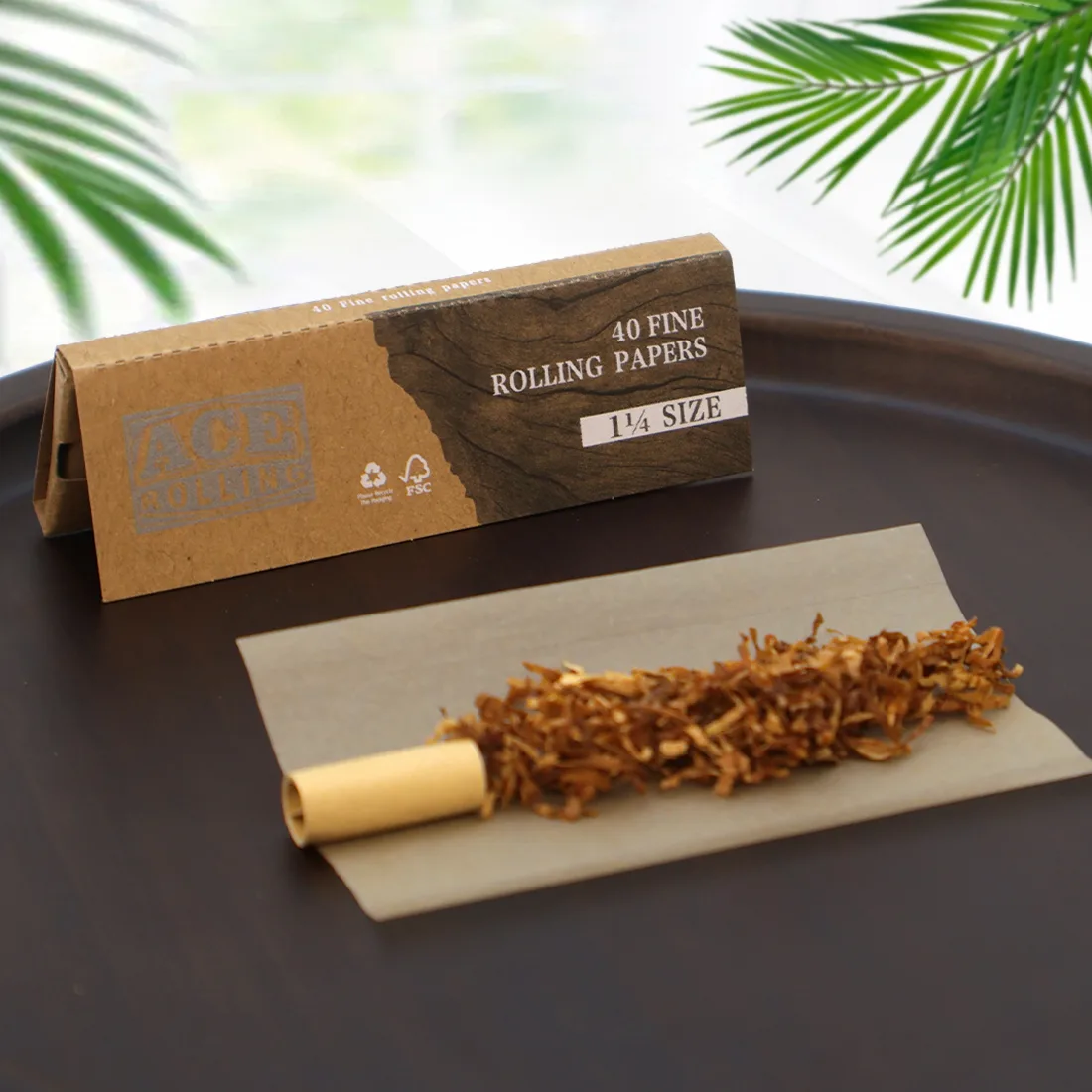
現實公司模型
| 模式 | 您的公司擁有的部分 | 工廠擁有的部分 |
|---|---|---|
| 經銷商/轉售商 | 帳戶與物流 | 第三方品牌成品 |
| Signature 批發 | 記錄品牌作為賣方 | Ready Ace 簽名款SKU |
| 白標代工 | 標誌+包裝設計於驗證規格上 | 紙張、膠水、加工、品質控制 |
| 全客製化OEM/ODM | 獨家規格+品牌系統 | 開發+生產 |
創立「自家公司」通常意味著白標或客製 OEM——而非在第一個月就建立工廠。.
步驟一:確定您的利基市場
Serif式指南從利基市場開始有其道理:貨架空間擁擠。選擇一個主要故事:
- 天然/未漂白大麻
- 超薄慢燃型
- 日常預算木漿紙
- 高級藝術/生活風格包裝
- 錐形優先的便利性
- 藥房批發品項
將利基市場寫成一句可以印在展示盒上的承諾。如果你無法用一句話說清楚,那麼產品組合就太寬泛了。.
步驟2:進行可執行的市場研究
跳過虛榮的「行業蓬勃發展」幻燈片。僅研究會改變你的庫存單位和現金計劃的內容:
- 在您可觸及的管道中,誰會購買(菸草店、藥房、便利店、經銷商、受控電子商務)?
- 哪些尺寸受歡迎——1¼、細長國王尺寸,還是錐形紙?
- 價格區間位於您目標包裝旁的貨架上
- 競爭對手包裝聲稱您將 並非 複製品(商標、藝術品)
- 關於調味紙、年齡限制和廣告的當地規定
在投資設計前,先與三位買家談談。一句禮貌的「我們已有大麻之王供應商」能避免錯誤的最低訂購量。.
步驟3:開發您的產品(工廠簡報)
捲菸紙公司的產品開發是一個 規格表, ,非情緒板:
| 規格 | 在設計前鎖定 |
|---|---|
| 格式 | 小冊子、錐形紙,或兩者兼具 |
| 尺寸 | 1¼ / 加長 / 等規格. |
| 材質 | 大麻、竹漿、木漿… |
| GSM / 觸感 | 薄型 vs 容錯型 |
| 膠 | Arabic / Acacia performance |
| 濾嘴 | 包含或分開 |
| Counts | Leaves per booklet; cones per box |
| 包裝 | Cover, display, master carton |
| 聲明 | Only what counsel allows |
Request Ace sample kits and production-intent papers. Approve burn, seal, and tear before you pay for print plates and bulk fiber.
Step 4: Create a Business Plan (Lean, Quotable)
A useful plan for this category fits on a few pages:
- Company entity and brand name
- Niche + channel
- SKU list (start with one hero)
- OEM partner path and MOQ
- Unit economics from a real quote
- First 90-day sales targets
- Reorder cash buffer
- Compliance notes by destination
Investors and partners care more about a factory quotation and buyer list than a 40-page template.
Step 5: Secure Funding Against Real Cost Drivers
Do not anchor on internet “startup cost ranges” that mix mill builds with logo SWAG. Fund what you can invoice:
- Samples and courier fees
- First production order (MOQ × unit)
- Packaging extras if your structure needs them
- Freight, duties, local warehouse
- Sales samples and basic brand assets
- Working capital until the first reorder lands
Ace Rolling custom booklet programs commonly start around 2,000 單位. Ask for one quote against a complete brief so funding matches scope.
Step 6: Navigate Legal Requirements
Form the company properly where you operate (entity, tax ID, bank account). Then handle brand and channel rules:
- Trademark search/filing for name and logo
- Age-restricted marketing and platform policies
- Label/claim rules for each destination
- Import docs if you source from Ace’s China converting base
- Flavored-paper retail limits in markets such as California (seller-focused—get local counsel)
This is not legal advice. Tobacco-adjacent and cannabis-adjacent rules change by state and country.
Step 7: Set Up Operations (OEM, Not a Mill)
Operations for a new rolling paper company:
- Choose Signature wholesale, white label, or custom OEM
- Appoint one product owner who controls the retained sample
- 將設計稿置於工廠刀模線上
- Confirm payment terms, lead time, and Incoterms
- Plan inbound QC against the approved sample
- Set reorder triggers before the shelf goes empty
Ace commonly plans private-label work around about 兩個月 從概念到交付,量產通常約需 四至五週 after approvals. Exact calendars depend on art, packaging complexity, and freight.
Step 8: Launch Marketing Campaigns That Match Access
Marketing only works if you can fulfill and stay compliant:
- Sell into accounts you already know
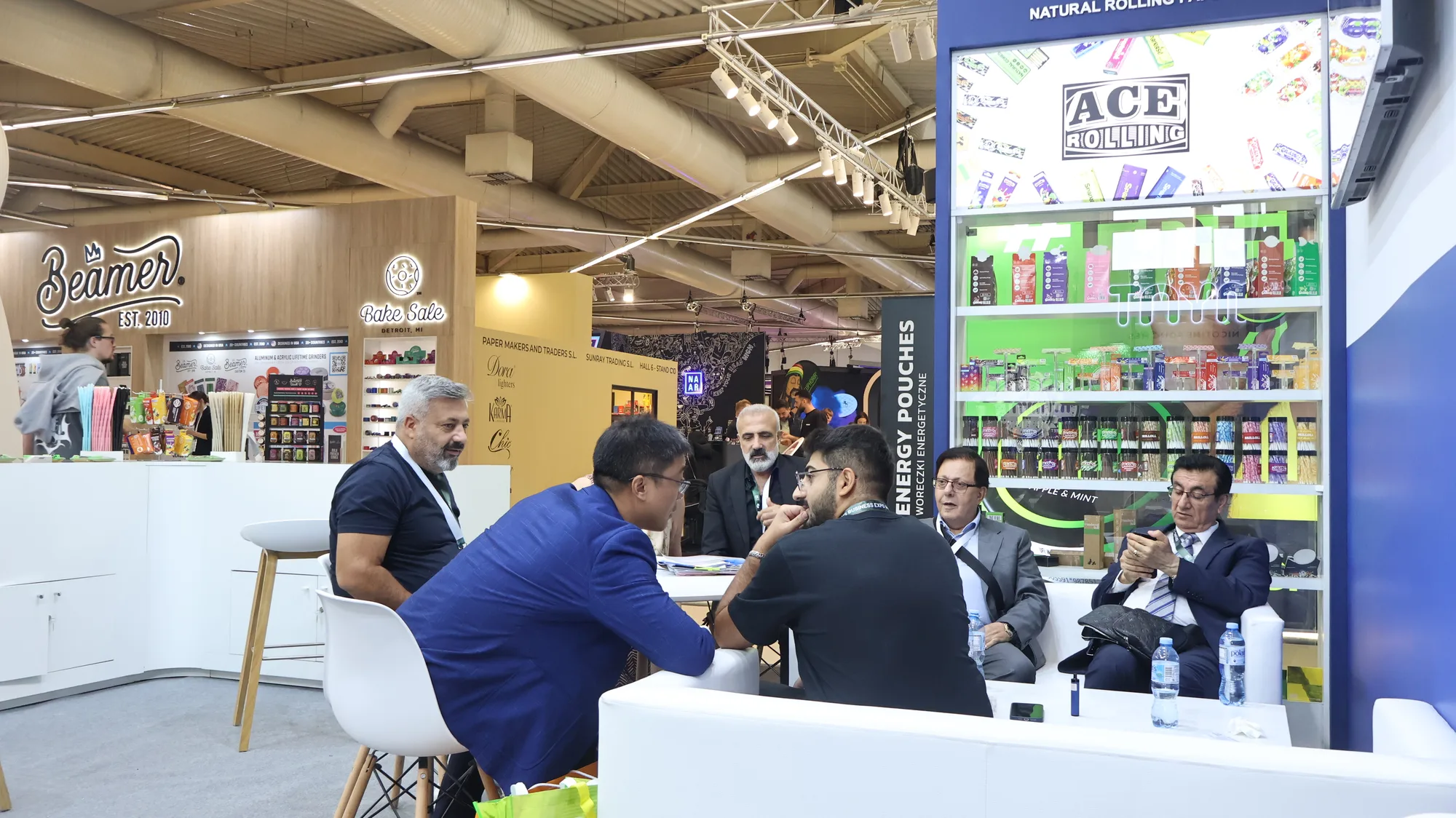
- Use trade shows and distributor intros
- Keep claims honest (material, size, leaf count)—no medical promises
- Age-gate digital channels
- Measure sell-through before adding five flavors
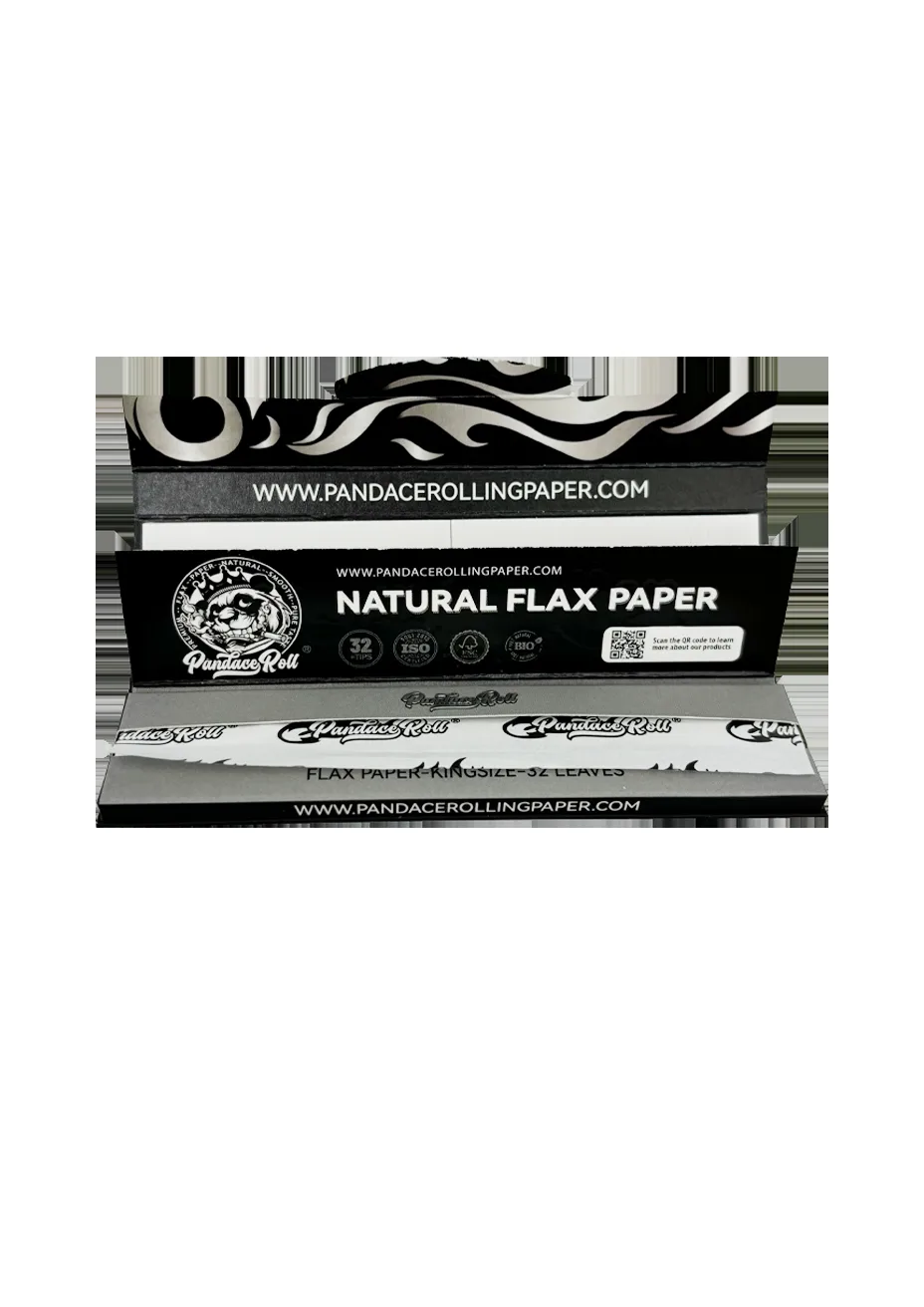
Brand photography of the real booklet beats AI mockups once samples exist.
Step 9: Scale and Optimize
Scale after the hero SKU reorders:
- Add one adjacent size or cone SKU
- Improve packaging from sell-through feedback
- Deepen customization only if margin pays for it
- Keep lot continuity with the same factory reference
- Expand markets only after compliance review
Company Launch Checklist
- Entity + brand name plan started
- Niche and channel written down
- One hero SKU specified
- Factory samples approved
- 美術設計使用正確的裁切線
- MOQ, payment, lead time, shipping confirmed
- First buyer path identified
- Reorder cash reserved
- Compliance notes for destination markets filed
總結
Starting your own rolling paper company means building a brand and sales engine while partnering with a manufacturer for paper, gum, converting, and QC. Follow the familiar nine steps—niche, research, product, plan, funding, legal, operations, launch, scale—but run operations through OEM. Ace Rolling can support Signature wholesale, white-label, and custom programs from about 2,000 單位 MOQ; send model, channel, specs, quantity, and destination for a factory-grounded quote.
常見問題
How do I start my own rolling paper company without a factory?
Register the company, pick a niche and channel, lock a product brief, then OEM with a manufacturer for samples and production under your brand. Most startups do not build mills first. Ace Rolling supports white-label and custom private-label papers and cones so you can own the brand while the factory handles converting.
How much money do I need to start a rolling paper company?
Cost depends on model: reseller tests differ from custom OEM with display packaging. Budget samples, first MOQ, freight/duties, brand assets, and reorder cash from a real factory quote—not a generic internet range. Ace Rolling quotes against your format, material, print, packaging, quantity, and destination.
What is a typical MOQ for a new rolling paper company?
Ace Rolling custom and OEM booklet programs commonly start around 2,000 units and scale for distributors. Exact MOQ still depends on size, print, tips, and packaging structure. Confirm quantity on the quotation before you finalize funding, freight mode, and your first buyer commitments for launch.
How long until my company can ship branded papers?
Ace Rolling commonly plans private-label projects around about two months from concept to delivery, with mass production often about four to five weeks after approvals. Artwork delays and ocean freight can extend the timeline. Lock samples and dielines early to protect the launch date.