
How to start your own rolling paper company? Build a brand company, not a paper mill: register the business, pick a niche and channel, lock a product brief, sample with an OEM manufacturer, brand the packaging, fund the first MOQ, launch where you can sell age-gated accessories, then scale on reorders. Generic 2025 “9-step empire” guides (including Serif’s rolling-paper business outline) list niche → research → product → plan → funding → legal → operations → marketing → scale. That map works—if you treat operations as factory partnership, not buying converting machines on day one.
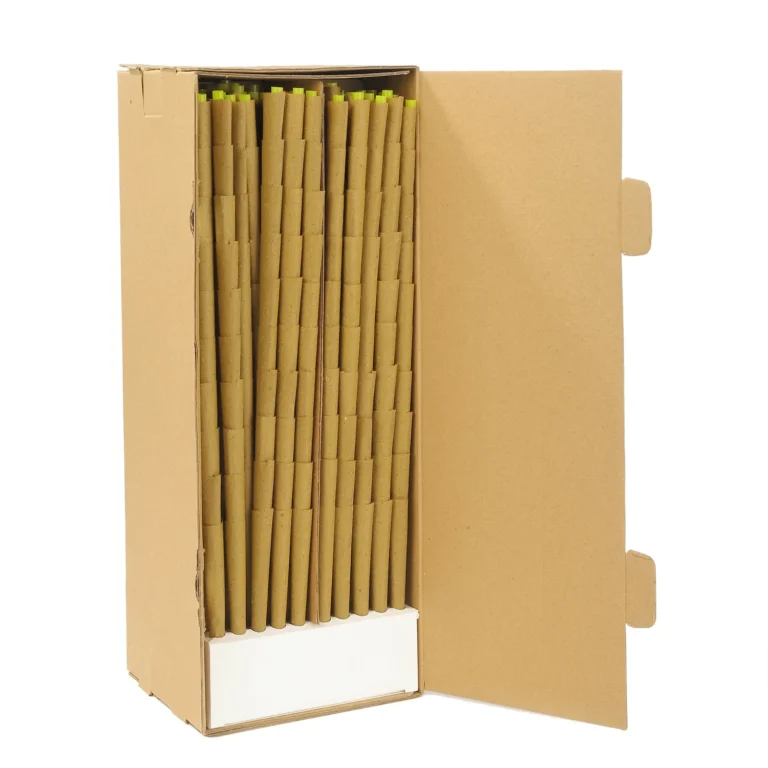
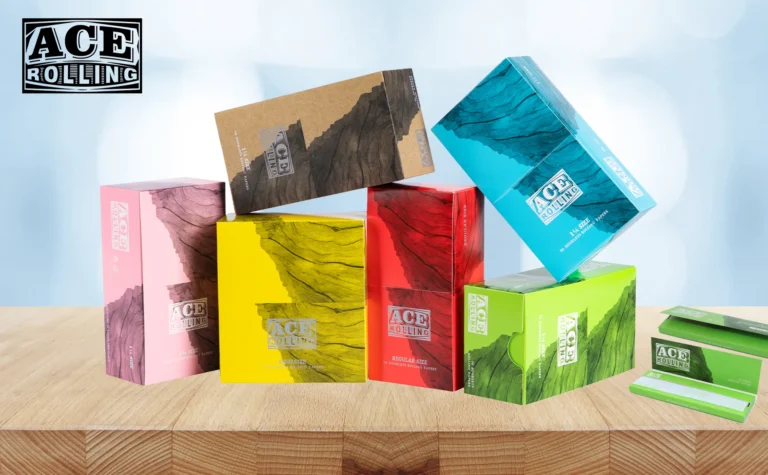
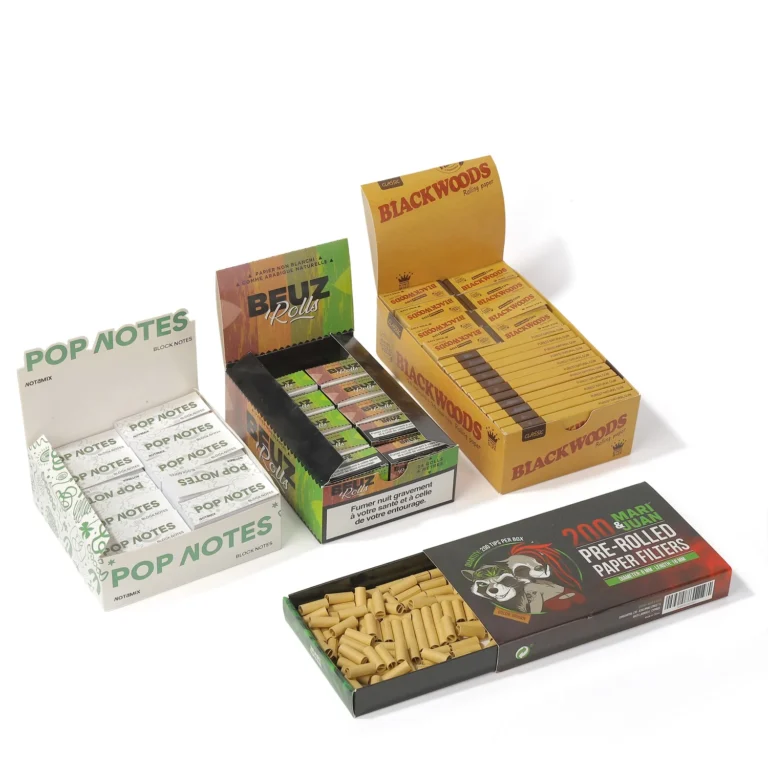
Ace Rolling manufactures rolling papers, pre-rolled cones, and packaging for Signature wholesale, white-label, and full OEM/ODM private-label programs. Most new companies succeed by owning the brand and sell-through while Ace (or a peer factory) owns converting and QC.
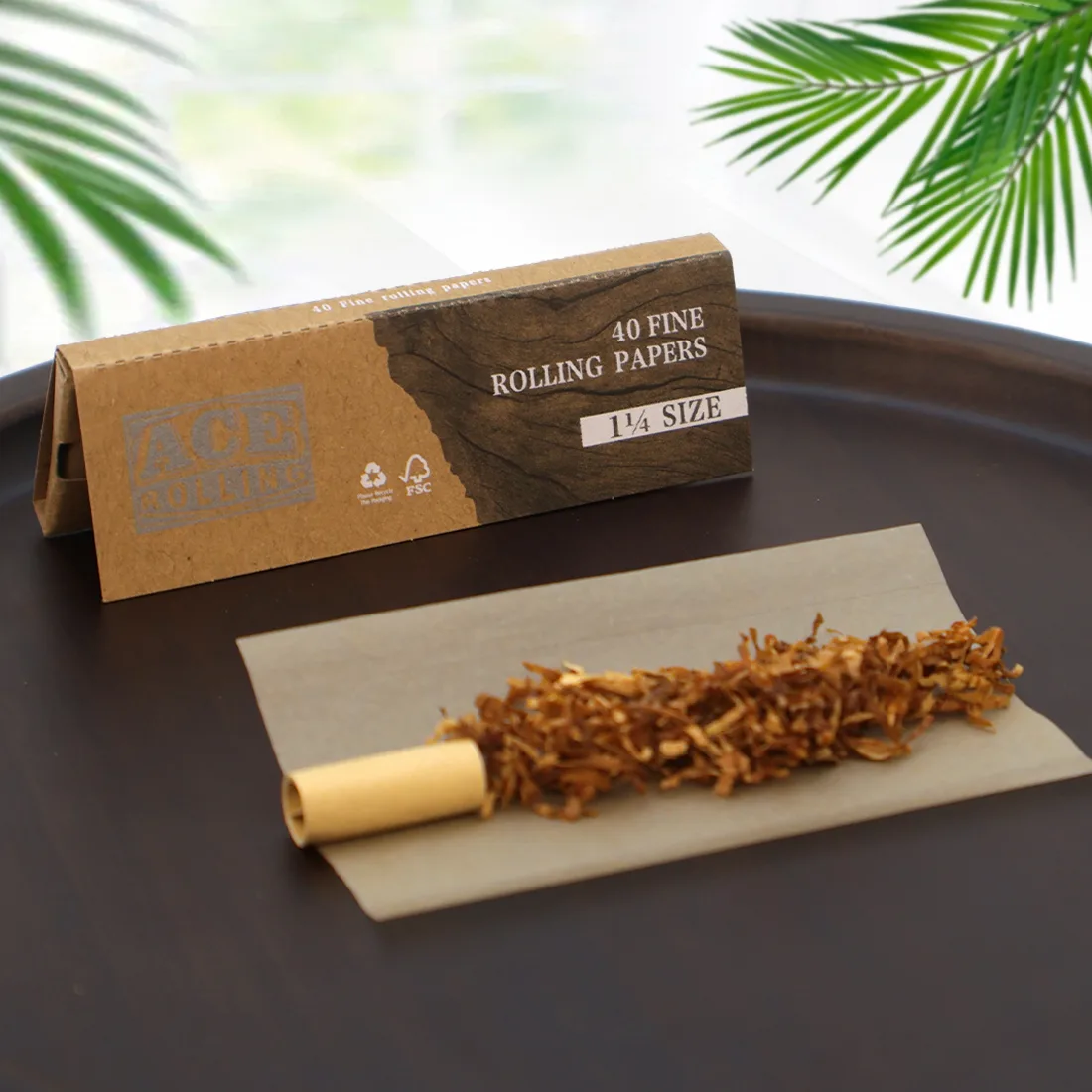
The Realistic Company Model
| Model | What your company owns | What the factory owns |
|---|---|---|
| Distributor / reseller | Accounts and logistics | Finished third-party brands |
| Signature wholesale | Brand of record as seller | Ready Ace Signature SKUs |
| White-label OEM | Logo + pack art on proven specs | Paper, gum, converting, QC |
| Full custom OEM/ODM | Exclusive specs + brand system | Development + production |
Starting your “own company” usually means white-label or custom OEM—not building a mill in month one.
Step 1: Identify Your Niche
Serif-style guides start with niche for a reason: shelf space is crowded. Choose one primary story:
- Natural / unbleached hemp
- Ultra-thin slow-burn
- Budget everyday wood pulp
- Premium art / lifestyle packs
- Cone-first convenience
- Dispensary wholesale assortment
Write the niche as a one-line promise you can print on a display box. If you cannot say it in one sentence, the assortment is too wide.
Step 2: Conduct Market Research You Can Act On
Skip vanity “industry booming” slides. Research only what changes your SKU and cash plan:
- Who buys in your reachable channel (smoke shop, dispensary, convenience, distributor, controlled e-com)?
- Which sizes turn—1¼, king slim, or cones?
- Price bands on the shelf next to your intended pack
- Competitor pack claims you will not copy (trademarks, artwork)
- Local rules on flavored papers, age gates, and advertising
Talk to three buyers before you fund art. A polite “we already have hemp king” saves a wrong MOQ.
Step 3: Develop Your Product (Factory Brief)
Product development for a rolling paper company is a spec sheet, not a mood board:
| Spec | Lock before artwork |
|---|---|
| Format | Booklets, cones, or both |
| Size | 1¼ / king / etc. |
| Material | Hemp, bamboo, wood pulp… |
| GSM / feel | Thin vs forgiving |
| Gum | Arabic / Acacia performance |
| Tips | Included or separate |
| Counts | Leaves per booklet; cones per box |
| Packaging | Cover, display, master carton |
| Claims | Only what counsel allows |
Request Ace sample kits and production-intent papers. Approve burn, seal, and tear before you pay for print plates and bulk fiber.
Step 4: Create a Business Plan (Lean, Quotable)
A useful plan for this category fits on a few pages:
- Company entity and brand name
- Niche + channel
- SKU list (start with one hero)
- OEM partner path and MOQ
- Unit economics from a real quote
- First 90-day sales targets
- Reorder cash buffer
- Compliance notes by destination
Investors and partners care more about a factory quotation and buyer list than a 40-page template.
Step 5: Secure Funding Against Real Cost Drivers
Do not anchor on internet “startup cost ranges” that mix mill builds with logo SWAG. Fund what you can invoice:
- Samples and courier fees
- First production order (MOQ × unit)
- Packaging extras if your structure needs them
- Freight, duties, local warehouse
- Sales samples and basic brand assets
- Working capital until the first reorder lands
Ace Rolling custom booklet programs commonly start around 2,000 units. Ask for one quote against a complete brief so funding matches scope.
Step 6: Navigate Legal Requirements
Form the company properly where you operate (entity, tax ID, bank account). Then handle brand and channel rules:
- Trademark search/filing for name and logo
- Age-restricted marketing and platform policies
- Label/claim rules for each destination
- Import docs if you source from Ace’s China converting base
- Flavored-paper retail limits in markets such as California (seller-focused—get local counsel)
This is not legal advice. Tobacco-adjacent and cannabis-adjacent rules change by state and country.
Step 7: Set Up Operations (OEM, Not a Mill)
Operations for a new rolling paper company:
- Choose Signature wholesale, white label, or custom OEM
- Appoint one product owner who controls the retained sample
- Place artwork on factory dielines
- Confirm payment terms, lead time, and Incoterms
- Plan inbound QC against the approved sample
- Set reorder triggers before the shelf goes empty
Ace commonly plans private-label work around about two months concept to delivery, with mass production often about four to five weeks after approvals. Exact calendars depend on art, packaging complexity, and freight.
Step 8: Launch Marketing Campaigns That Match Access
Marketing only works if you can fulfill and stay compliant:
- Sell into accounts you already know
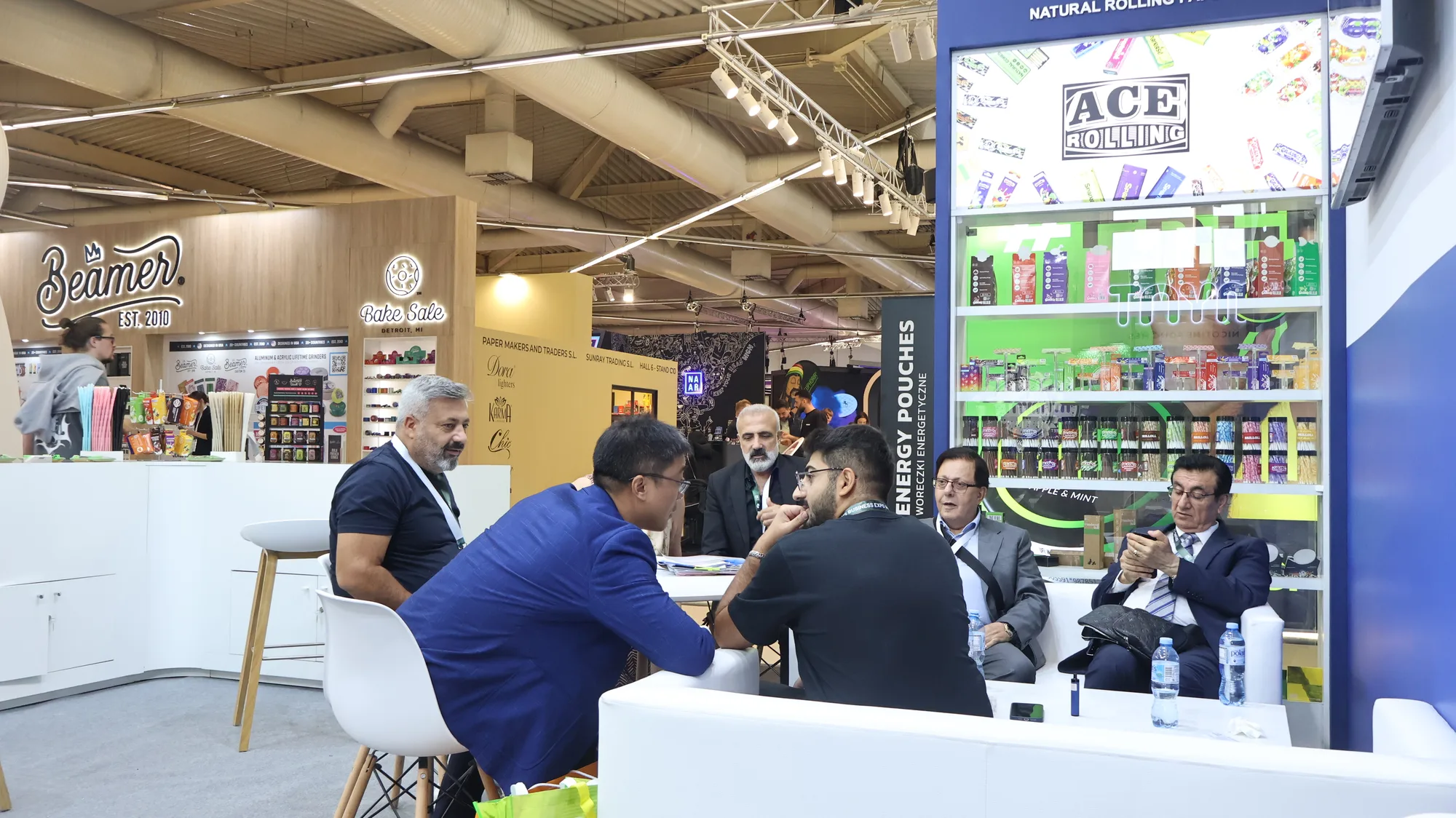
- Use trade shows and distributor intros
- Keep claims honest (material, size, leaf count)—no medical promises
- Age-gate digital channels
- Measure sell-through before adding five flavors
Brand photography of the real booklet beats AI mockups once samples exist.
Step 9: Scale and Optimize
Scale after the hero SKU reorders:
- Add one adjacent size or cone SKU
- Improve packaging from sell-through feedback
- Deepen customization only if margin pays for it
- Keep lot continuity with the same factory reference
- Expand markets only after compliance review
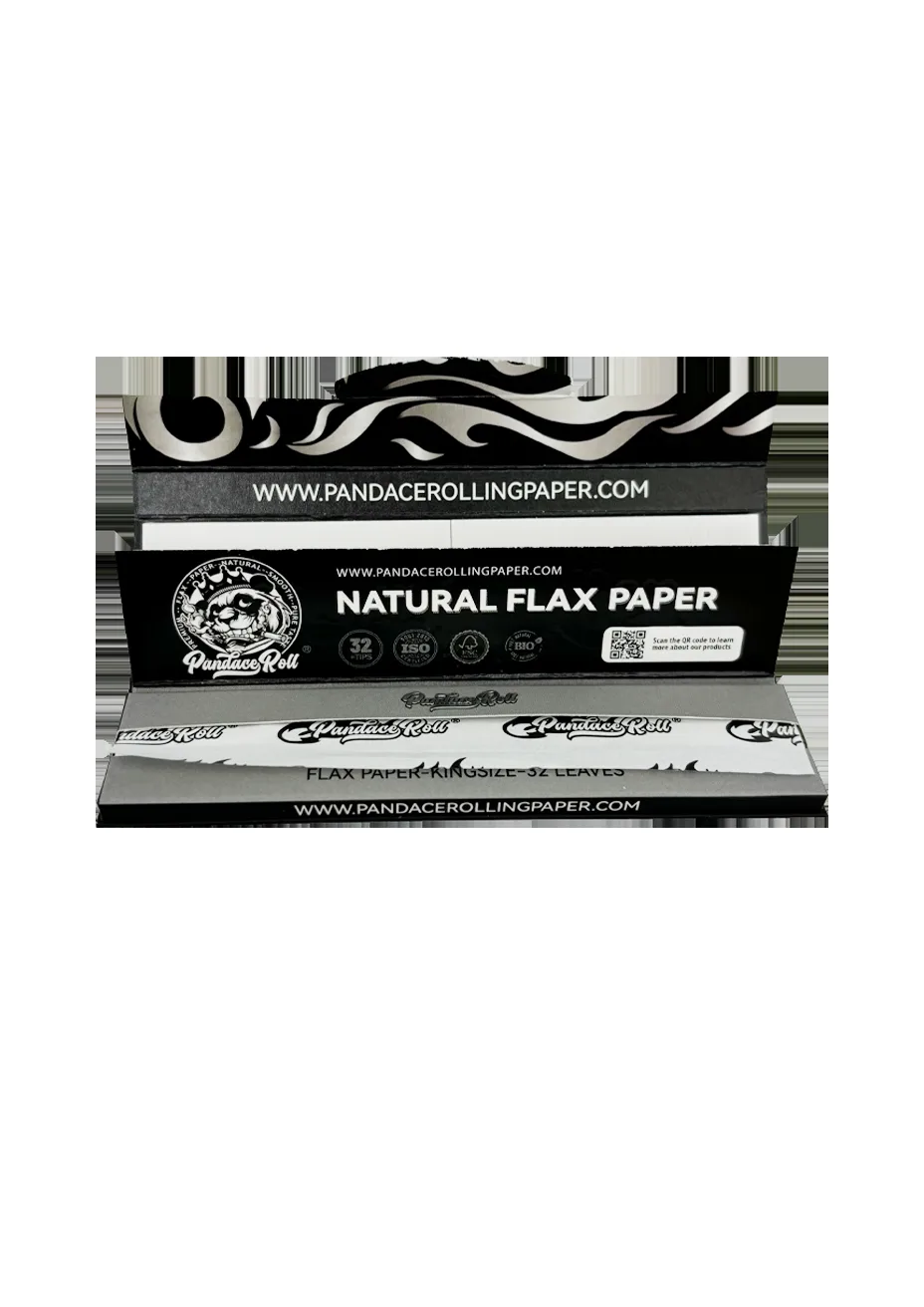
Company Launch Checklist
- Entity + brand name plan started
- Niche and channel written down
- One hero SKU specified
- Factory samples approved
- Artwork on correct dielines
- MOQ, payment, lead time, shipping confirmed
- First buyer path identified
- Reorder cash reserved
- Compliance notes for destination markets filed
Bottom Line
Starting your own rolling paper company means building a brand and sales engine while partnering with a manufacturer for paper, gum, converting, and QC. Follow the familiar nine steps—niche, research, product, plan, funding, legal, operations, launch, scale—but run operations through OEM. Ace Rolling can support Signature wholesale, white-label, and custom programs from about 2,000 units MOQ; send model, channel, specs, quantity, and destination for a factory-grounded quote.
FAQ
How do I start my own rolling paper company without a factory?
Register the company, pick a niche and channel, lock a product brief, then OEM with a manufacturer for samples and production under your brand. Most startups do not build mills first. Ace Rolling supports white-label and custom private-label papers and cones so you can own the brand while the factory handles converting.
How much money do I need to start a rolling paper company?
Cost depends on model: reseller tests differ from custom OEM with display packaging. Budget samples, first MOQ, freight/duties, brand assets, and reorder cash from a real factory quote—not a generic internet range. Ace Rolling quotes against your format, material, print, packaging, quantity, and destination.
What is a typical MOQ for a new rolling paper company?
Ace Rolling custom and OEM booklet programs commonly start around 2,000 units and scale for distributors. Exact MOQ still depends on size, print, tips, and packaging structure. Confirm quantity on the quotation before you finalize funding, freight mode, and your first buyer commitments for launch.
How long until my company can ship branded papers?
Ace Rolling commonly plans private-label projects around about two months from concept to delivery, with mass production often about four to five weeks after approvals. Artwork delays and ocean freight can extend the timeline. Lock samples and dielines early to protect the launch date.