
I’ve had brands send me a plain flower cone spec for an infused SKU, then call back three weeks later asking why the seams split. Oil doesn’t behave like dry flower.
A heavier, unbleached fiber paper with a wider gum strip resists oil saturation and seam failure far better than a light, bleached, printed paper built for dry flower—fiber choice matters more than color or brand story here.
Read this and you’ll know which paper properties to actually spec before you send an infused pre-roll RFQ, instead of reusing your dry-flower spec and hoping.
Why Does Infusion Change What the Paper Actually Has to Survive?
I see brands treat this as a flavor decision. It’s a materials decision first.
Oil and terpene coating saturates the paper from the inside out, softening fiber bonds and stressing the seam in a way dry flower never does—the paper needs to resist wicking and structural weakening, not just look good.
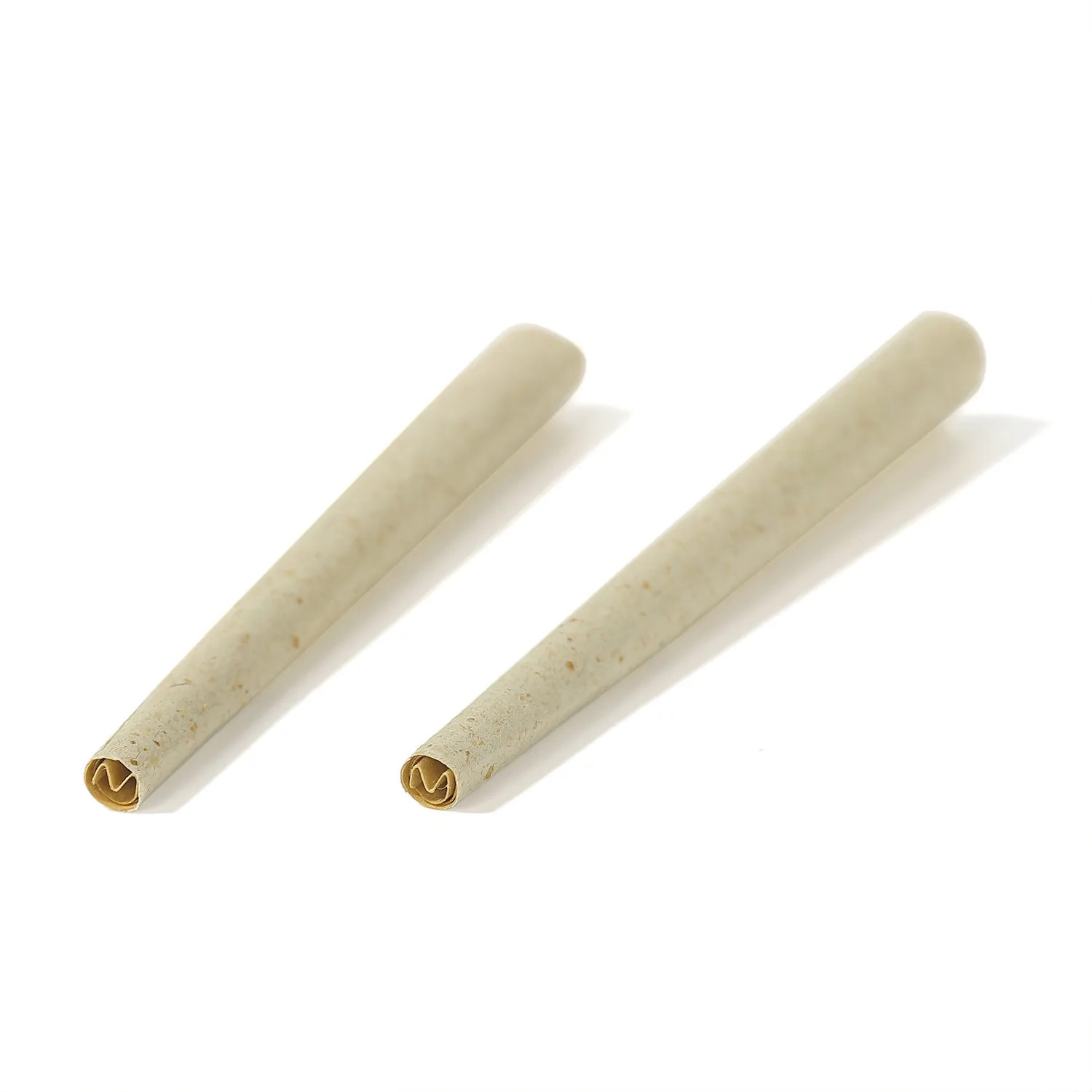
I tell buyers to stop thinking about infused pre-rolls as “flower cones with extra steps.” The oil sits directly against the paper fiber for the product’s shelf life, not for a few seconds during rolling. That’s a fundamentally different mechanical load than dry flower ever puts on a sheet. A paper that performs fine dry can still soften, wick oil to the outside, or lose seam strength weeks after packing. I ask every infused-format buyer the same question before quoting: is this a light coating, a heavy full-saturation soak, or a diamond/sauce application with a different viscosity? Each one stresses the paper differently, and I’ve watched buyers spec paper for a light coating and then switch to a heavier application without re-checking the material.
| Infusion type | Typical stress on paper |
|---|---|
| Light terpene coating | Moderate softening, manageable with standard weight |
| Full oil saturation | High wicking risk, needs heavier fiber |
| Sauce/diamond application | Variable viscosity, needs sample testing per batch |
Which Fiber Types Actually Hold Up Under Oil Saturation?
I get asked “does hemp burn better” a lot. That’s the wrong question for infused product.
Unbleached and hemp-based fiber routes generally hold structural integrity better under oil saturation than lightly processed bleached white paper, because the fiber bonds are less broken down by the bleaching process to begin with.

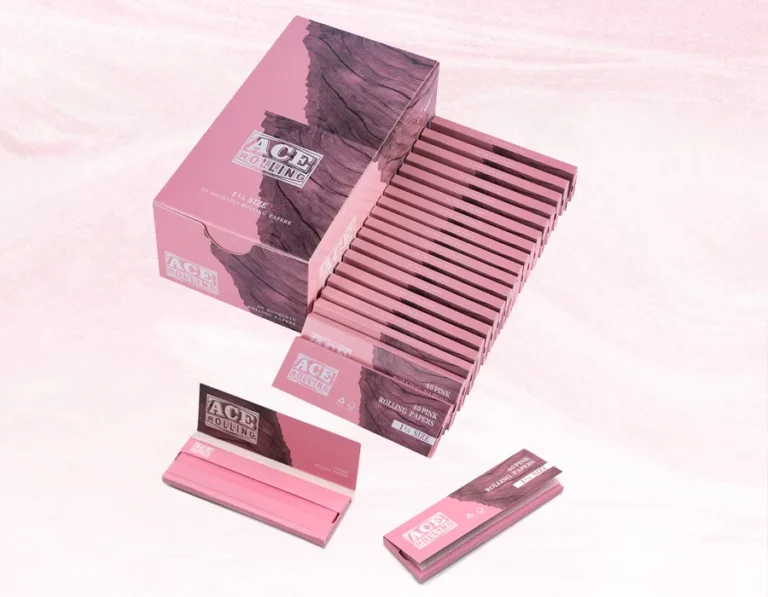
This isn’t a claim that bleached paper “fails”—I’ve seen bleached-paper infused SKUs ship fine at lower coating levels. But when I’m briefing a heavier-saturation program, I default to recommending an unbleached, hemp, or flax route first, because the fiber structure took less chemical processing and tends to keep more of its original tensile strength when wet with oil. Ace runs paper across white, unbleached, hemp, flax, bamboo, and wood pulp routes, so this isn’t a “you’re stuck with one option” conversation—it’s picking the fiber that matches your actual coating level, then confirming on a physical sample with your real oil, not a generic sample.
客製化捲菸紙:https://ace-rolling.com/custom-rolling-papers/。.
Does Paper Weight Matter More Than People Assume for Infused Cones?
I’ll say this plainly: weight matters more here than it does for almost any other pre-roll decision.
A heavier basis weight sheet gives oil more fiber mass to saturate before it wicks through to the outer surface, which is the main visible failure mode buyers complain about—thin paper simply runs out of fiber to absorb the oil.
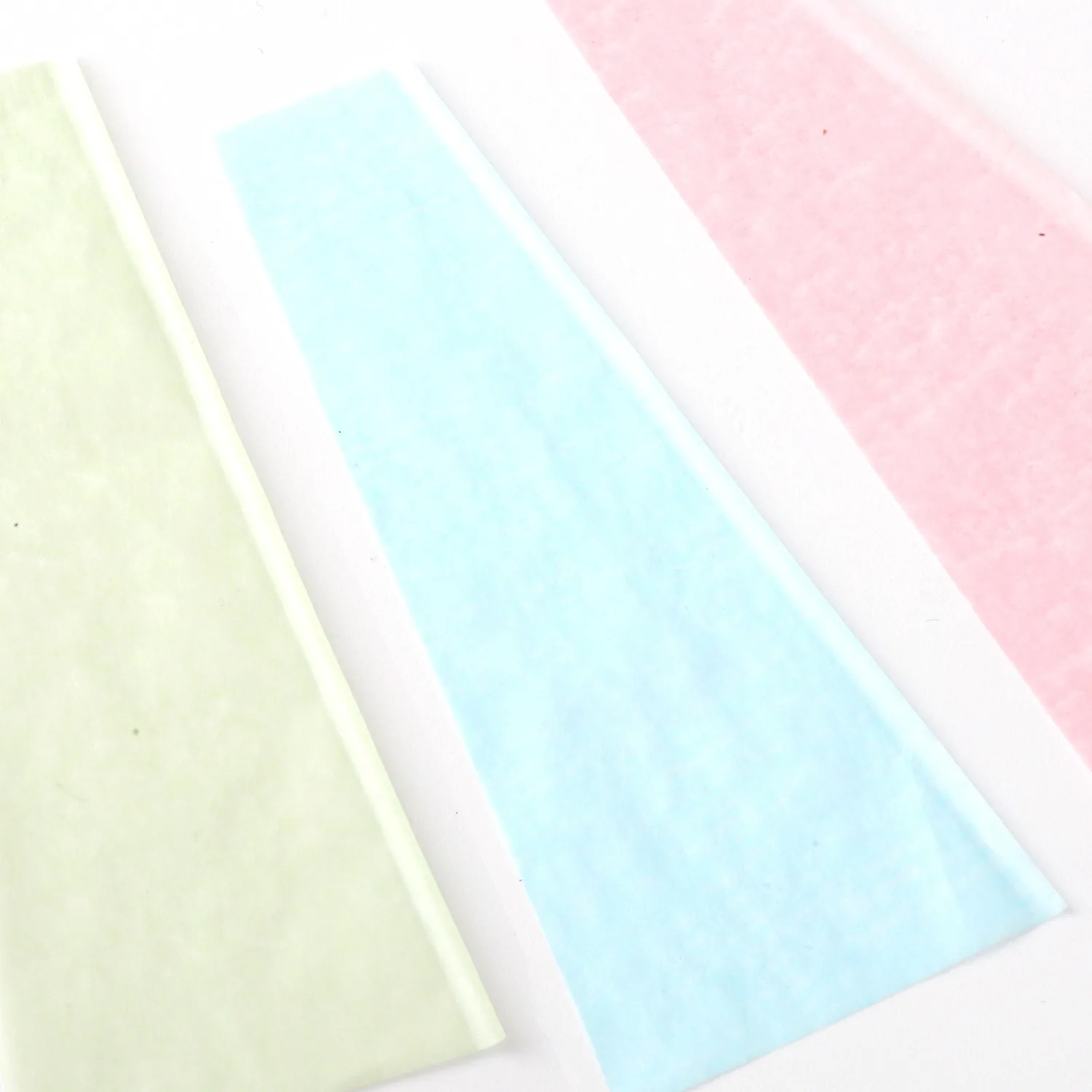
I’ve walked through this exact failure with more than one buyer: light coating, thin paper, ships fine in the sample batch, then a slightly heavier production coating three months later and the outside of every unit looks damp. The fix almost never requires a total format change—it usually just needs a heavier basis weight paper in the same fiber family. I ask buyers to send me their actual coating weight per unit (not a range, the real target number) before I recommend a specific weight tier, because guessing here is exactly how the “it worked in testing” problem happens.
| Fill scenario | Weight tier tendency |
|---|---|
| Light coating, dry-adjacent feel | Standard weight often sufficient |
| Moderate to full saturation | Heavier weight tier recommended |
| High-viscosity sauce/diamond | Heavier weight plus physical sample required |
Should You Avoid Printed or Colored Paper for Infused Product?
I’ve had this conversation more than once with a brand that wanted a bold printed cone for an infused line.
Print and dye sitting close to an oil-saturated area carries a higher migration risk than on dry flower, so I generally steer infused programs toward simpler print placement or a natural/unprinted base with printed packaging carrying the branding instead.
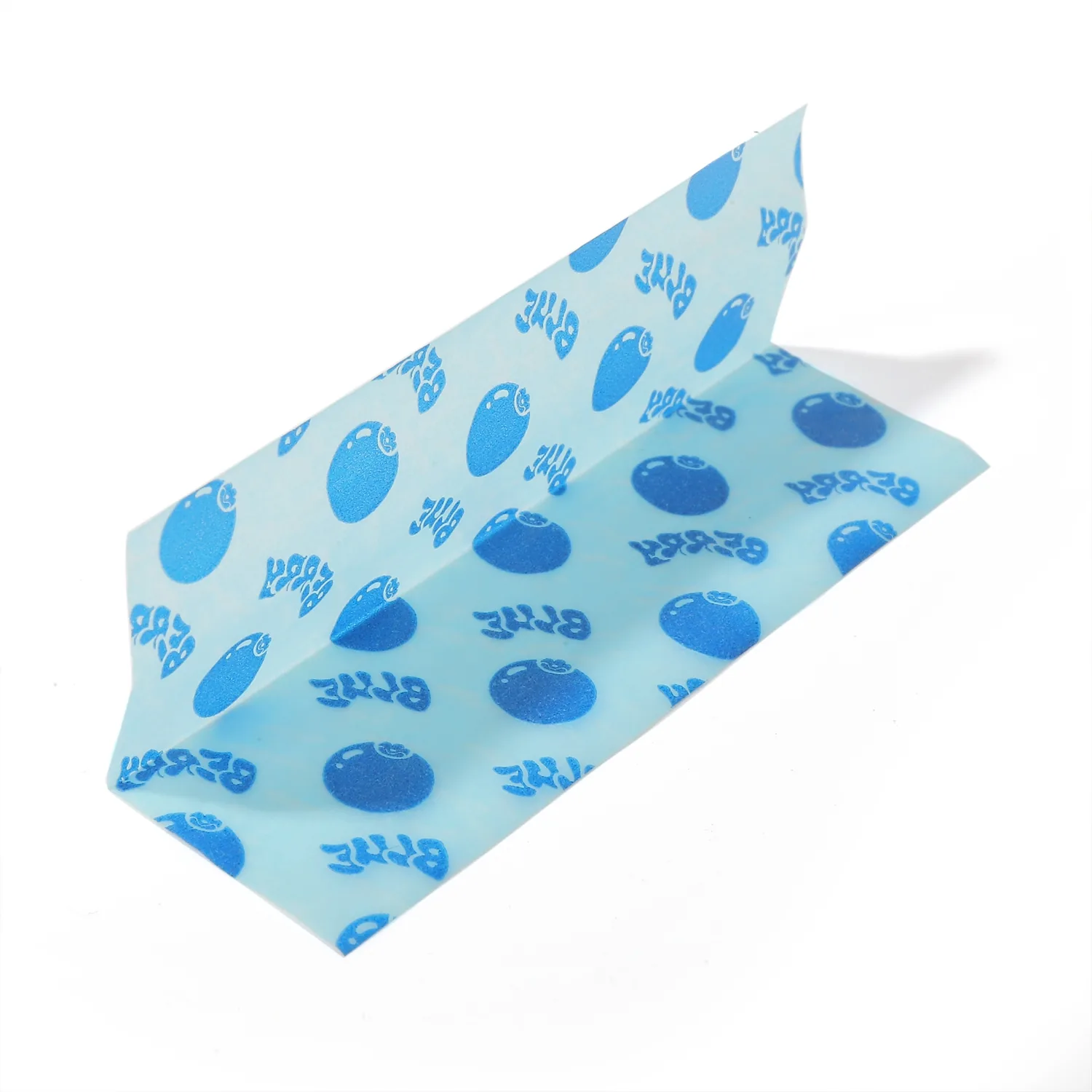
This isn’t a blanket “never print infused papers” rule—it’s a placement and ink-type conversation. If a brand wants visible branding on the paper itself, I ask where the oil actually sits relative to the printed area, and I push the primary logo statement to the retail packaging or a paper tube label instead of the direct-contact paper surface when the coating is heavy. That keeps the brand story intact without betting it on ink stability against oil it wasn’t necessarily tested against.
客製化包裝:https://ace-rolling.com/custom-rolling-papers/。.
How Does Gum Type Hold Up When Oil Is in the Mix?
Buyers almost never ask about the gum strip specifically. I bring it up anyway.
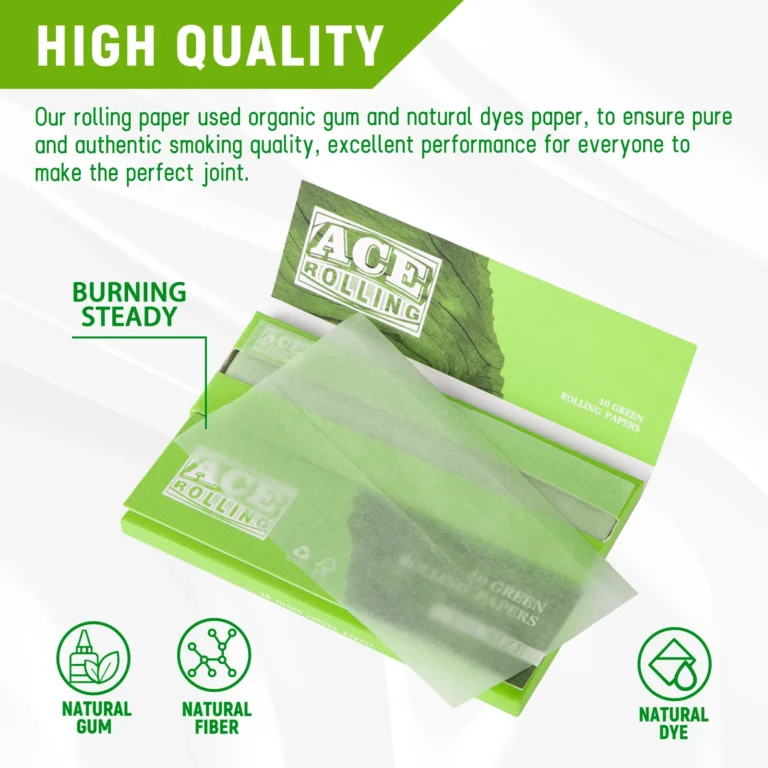
A food-grade natural gum strip (commonly an Arabic gum route) generally maintains a stronger seal under oil exposure than lower-grade synthetic adhesives, but I still recommend a wider gum strip on heavier-saturation programs as extra insurance.
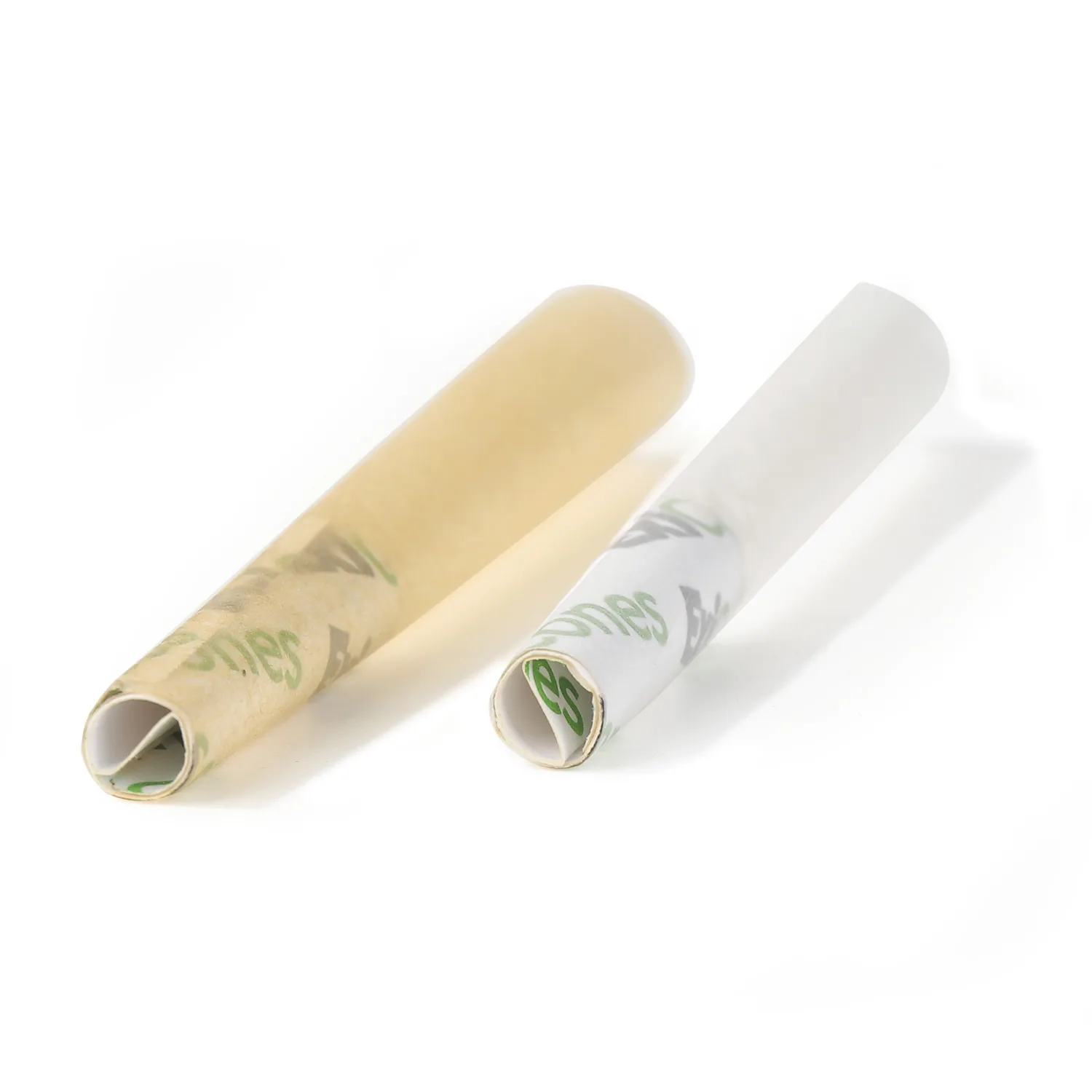
The seam is the mechanical weak point on any cone, and oil migrating toward it over time is the scenario I ask buyers to test for specifically—not just “does it look sealed on day one,” but “is it still sealed after 60-90 days on a shelf at normal storage temperature.” Ace uses food-grade natural organic Arabic gum on its standard cone lines, and for infused-format buyers I’ll flag a wider gum strip as a spec option worth testing against your real fill, rather than assuming the standard strip width is automatically enough.
What Cone Format Actually Works Best for Filling Infused Material?
Machine-filling infused cones is a different problem than filling dry ground flower.
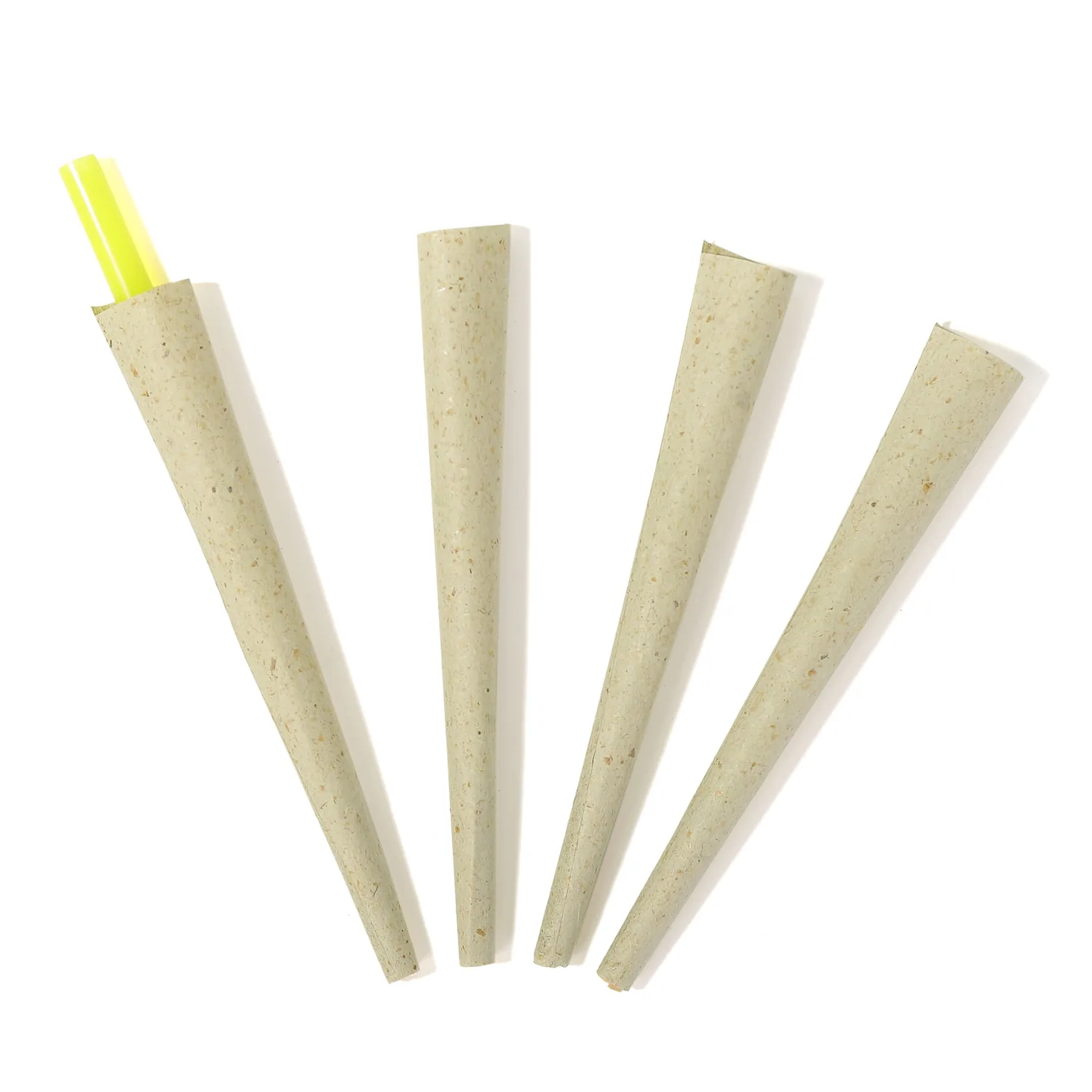
Standard 84mm/98mm/109mm cone formats all work with infused fill, but your filling method (hand vs. machine) and the fill’s viscosity should drive the cone diameter and tip choice, not just your preferred retail size.
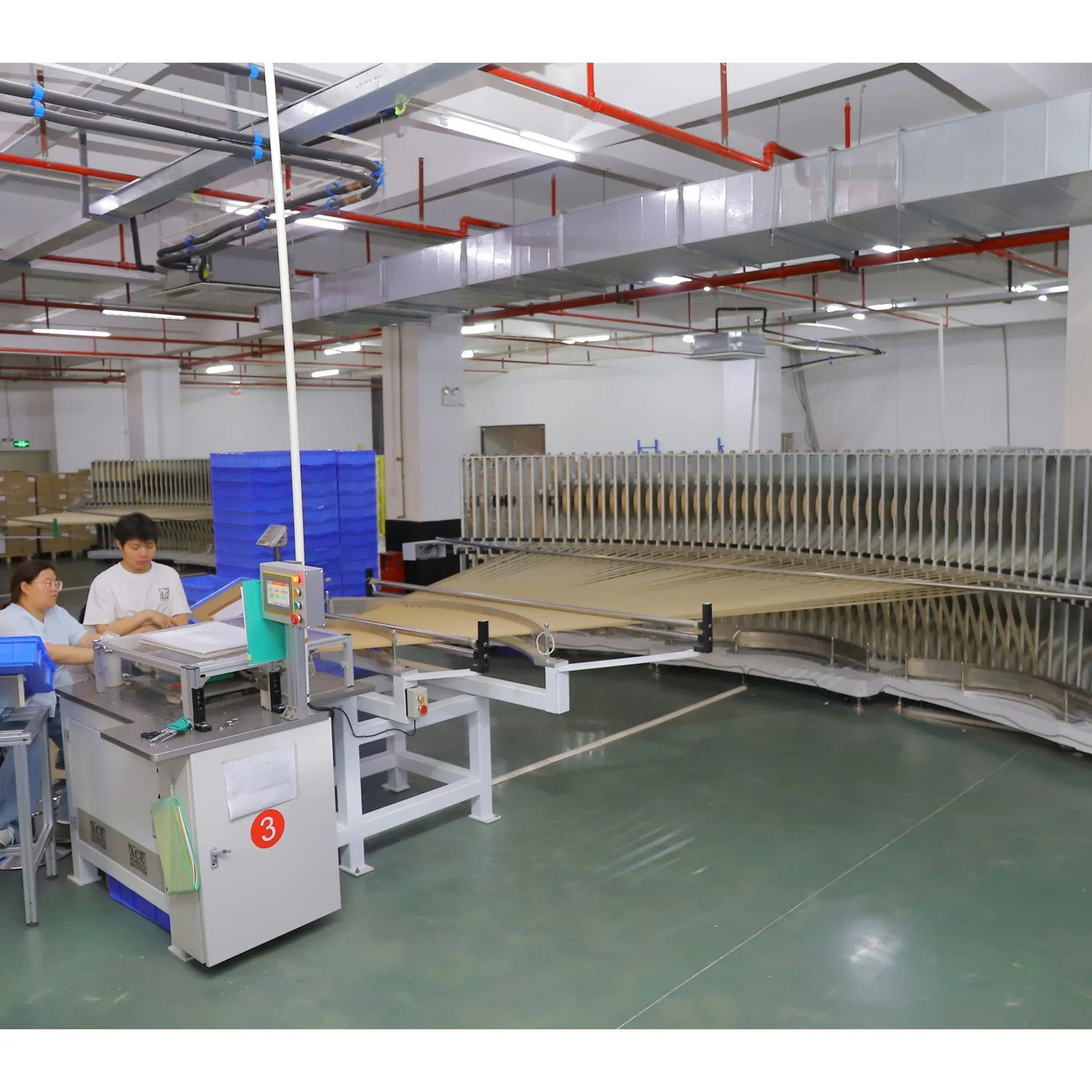
I’ve seen buyers lock in a cone size based on shelf comparison to competitors, then discover their filling equipment struggles with a sticky, oil-coated fill at that exact diameter. If you’re hand-filling, you have more flexibility to adjust technique around a stickier fill. If you’re running it through filling equipment, I want to know your machine’s tolerances before confirming cone diameter, because a viscous fill behaves differently than dry ground flower moving through the same hopper.
紙筒選項:https://ace-rolling.com/pre-rolled-cones/。.
How Do You Brief This Spec So Your Sample Actually Matches Production?
This is where I see the most expensive mistakes happen—not in the paper choice itself, but in the brief.
Send your manufacturer the real coating type, target coating weight per unit, and fill method up front, then approve a physical sample using your actual infused material—not a placeholder—before committing to a production MOQ.
| Brief element | Why I ask for it |
|---|---|
| Coating type (terpene/oil/sauce) | Determines saturation risk level |
| Target coating weight per unit | Sets the weight tier recommendation |
| Fill method (hand/machine) | Sets cone diameter and tip constraints |
| Actual infused material for sampling | Confirms real-world seam and wick behavior |
Ace’s private label rolling paper and cone programs quote from roughly USD $0.07–$0.30 per booklet and USD $0.04–$0.06 per cone wholesale, MOQ applies depending on size, material, print, and packaging. I’d rather quote you accurately once your real fill spec is in hand than guess low and revise later.
常見問題
Which rolling paper type fits infused pre-rolls best?
A heavier, unbleached fiber paper with a wider gum strip generally fits infused pre-rolls best, since it resists oil saturation and seam stress better than a light, bleached paper built for dry flower. The right weight tier still depends on your coating weight per unit, so confirm on a physical sample using your real infused material first.
Does hemp paper really hold up better than white paper under oil?
Generally yes for heavier saturation levels, because hemp and unbleached fiber routes retain more original tensile strength than bleached white paper, which loses some fiber bond strength during the bleaching process. For lighter terpene coatings, bleached white paper can still perform fine—the right choice depends on your actual coating level, not a blanket fiber rule.
Why does paper weight matter so much for infused cones specifically?
A heavier basis weight gives oil more fiber mass to saturate before it wicks through to the visible outer surface, which is the main failure mode buyers report. Thin paper runs out of absorption capacity faster under moderate-to-full saturation, so weight tier should scale with your actual coating weight rather than a standard dry-flower spec for rolling paper.
Should I avoid printed designs on infused pre-roll papers?
Not entirely, but I recommend caution: ink and dye near an oil-saturated area carry a higher migration risk than on dry flower. Consider pushing primary branding to printed retail packaging or a tube label instead of the direct-contact paper surface for heavier-saturation programs, while lighter coatings generally tolerate printed papers with less concern.
How do I make sure my sample actually predicts production performance?
Send your manufacturer your real coating type, target coating weight per unit, and fill method before requesting a sample, then insist the sample uses your actual infused material rather than a placeholder. A sample built on the wrong coating weight or a substitute fill won’t reliably predict how the paper performs once real production coating levels are applied.
What does Ace Rolling need from me to quote an infused pre-roll paper program?
I ask for your coating type, target coating weight per unit, fill method (hand or machine), cone size, and estimated order quantity. Ace’s private label programs quote from roughly USD $0.07–$0.30 per booklet and USD $0.04–$0.06 per cone wholesale with MOQ applying based on size, material, print, and packaging.
Ready to Spec Paper for Your Infused Program?
Send me your real coating weight and fill method, and I’ll recommend a fiber and weight tier worth sampling.
- 客製化捲菸紙:https://ace-rolling.com/custom-rolling-papers/
- 預捲錐形:https://ace-rolling.com/pre-rolled-cones/
- 引用:https://ace-rolling.com/contact/