
捲菸紙中含有哪些添加劑,它們安全嗎? 主要添加劑類別包括樹膠/黏合劑條、任何漂白或增白過程,以及偶爾在轉換過程中使用的加工助劑——買家應要求針對其確切SKU的具體成分披露和實驗室文件,而不是依賴於該類別的一般安全假設。.
SERP同行如Marijuana Packaging討論添加劑透明度作為買家的期望。本指南涵蓋買家應詢問的主要添加劑類別,以及如何驗證成分披露作為批發採購流程的一部分。.
樹脂/黏合條是由什麼製成的?
引言:膠條是幾乎所有捲菸紙格式中最普遍的添加劑。.
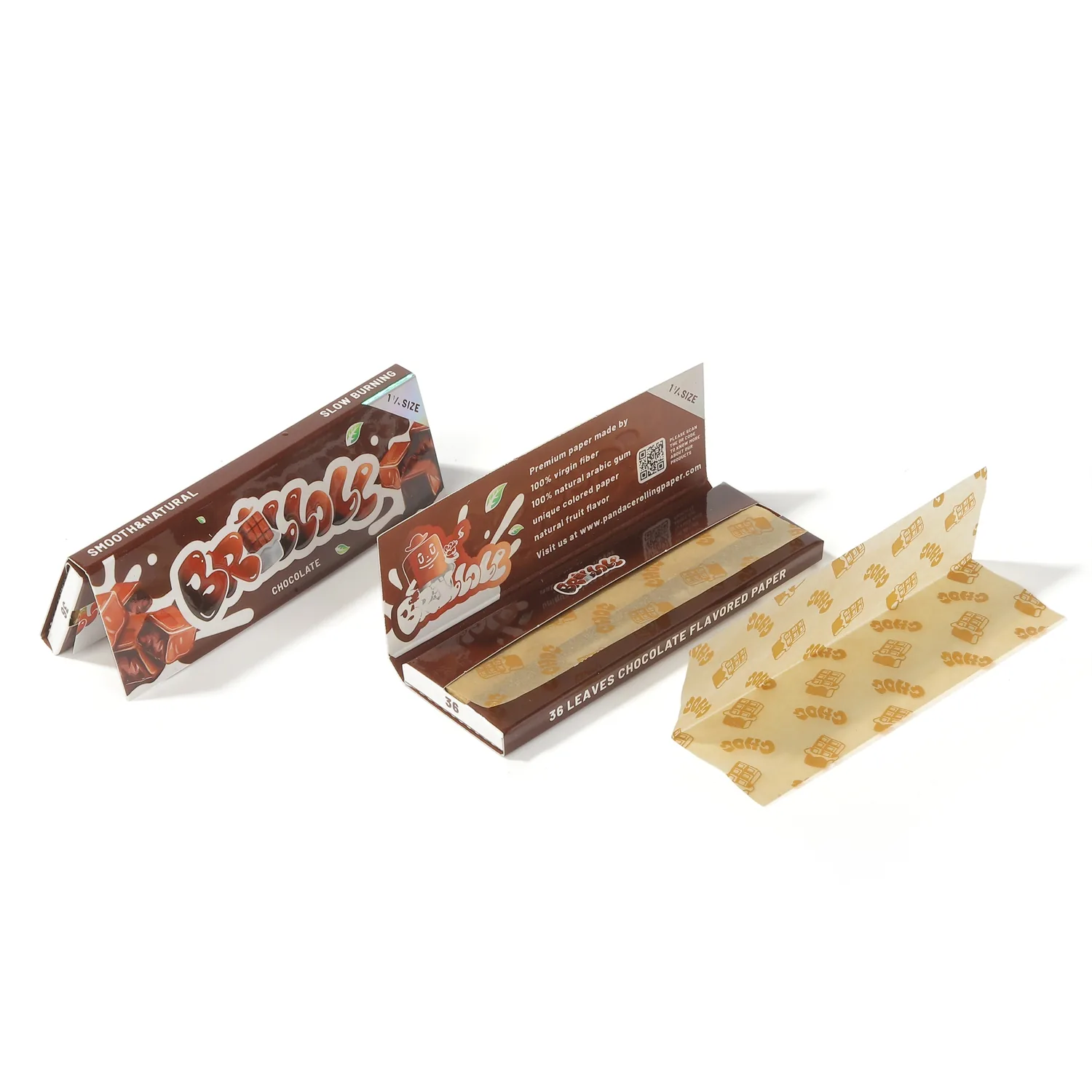
總結:大多數捲菸紙在封口邊緣使用天然樹脂黏合劑(通常是天然阿拉伯樹膠路線)。成分可能因供應商而異,因此買家應透過文件確認具體的樹脂類型及任何食品級來源聲明,而非假設所有「天然樹脂」聲明都是等同的。.
| 元素 | 細節 |
|---|---|
| 常見路線 | 天然樹膠(例如阿拉伯膠)黏合劑 |
| 需要驗證 | 按供應商確認具體類型和來源 |
| 位置 | 葉片密封邊緣 |
關鍵要點: 請透過文件確認您特定供應商的樹膠成分和來源聲明——不要假設所有「天然樹膠」聲明都是相同的。.
品質文件:https://ace-rolling.com/quality-certifications/。.
漂白或增白過程涉及什麼?
引言:白紙通常經過未漂白紙跳過的加工步驟。.
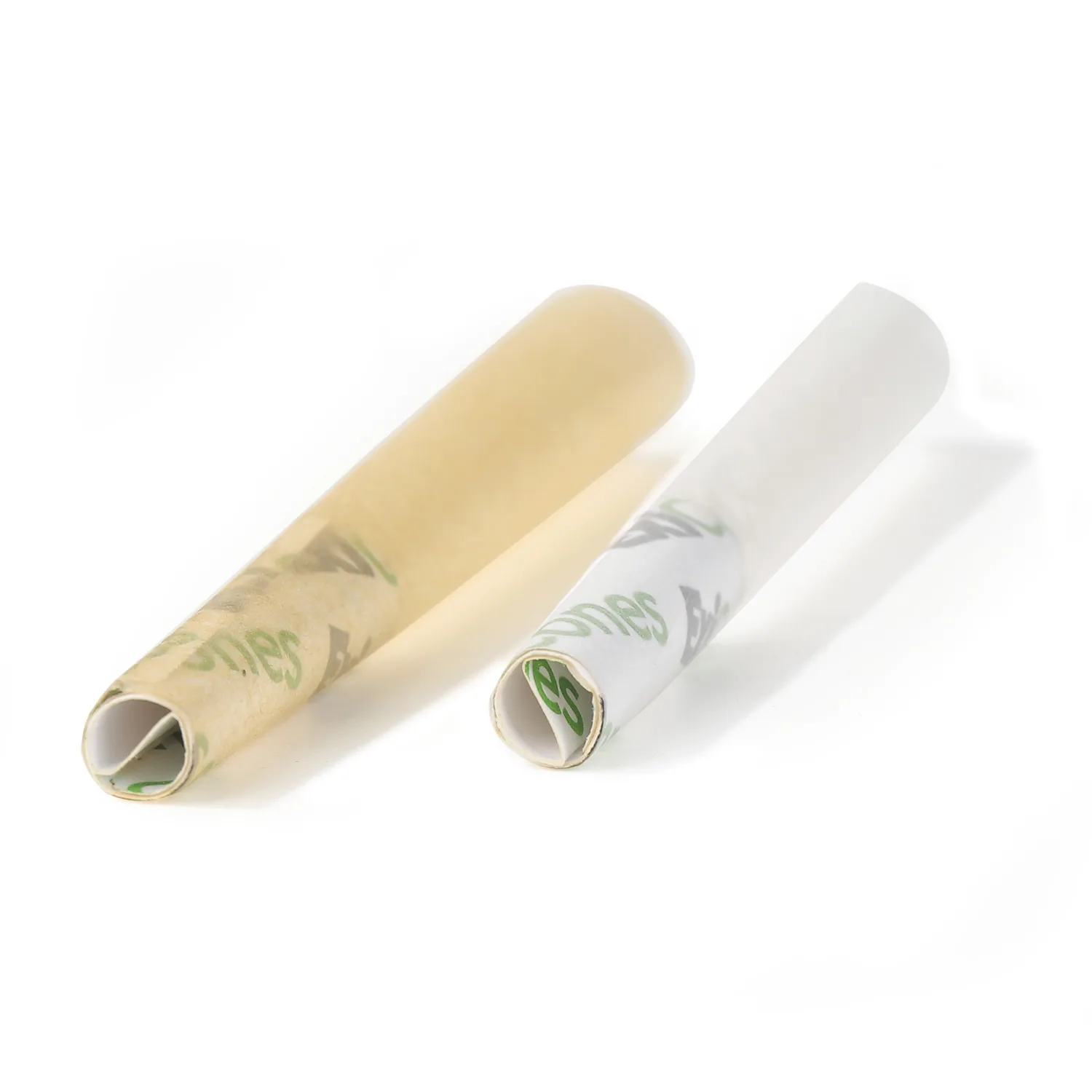
總結:實現亮白紙張顏色通常涉及紙漿加工過程中的漂白步驟。未漂白或「天然」紙張路線跳過此步驟,保留更棕褐色的自然色調。希望特別避免漂白的買家應選擇未漂白纖維路線,而不是假設所有白紙都使用相同的漂白方法。.
| 紙材選用路徑 | 漂白參與程度 |
|---|---|
| 白色/亮白紙張 | 通常經過漂白 |
| 未漂白/天然 | 跳過漂白步驟 |
關鍵要點: 如果避免漂白對您的品牌很重要,請指定未漂白纖維路線,而不是預設假設特定的漂白方法。.
材料路線:https://ace-rolling.com/custom-rolling-papers/。.
轉換過程中是否使用加工助劑?
引言:某些加工化學品可能在製造過程中使用,但不會出現在最終產品中。.
總結:某些加工助劑可在紙漿處理或轉換過程中使用,這些助劑設計在成品階段被去除或大部分消除。關心殘留痕跡的買家應特別要求殘留測試數據,而非假設「加工助劑」的措辭意味著無需實驗室驗證即無痕跡殘留。.
| 問題 | 為何重要 |
|---|---|
| 使用哪些加工助劑 | 確認化學輸入的範圍 |
| 殘留微量測試 | 透過數據驗證去除聲明 |
| 路線特定披露 | 因纖維和漂白路線而異 |
關鍵要點: 要求殘留測試數據,而非接受未經驗證的一般「加工過程中已去除」聲明。.
樣品流程:https://ace-rolling.com/how-to-get-a-custom-rolling-paper-sample-kit/。.
買家應要求哪些成分揭露?
引言:書面披露文件比一般的安全保證更有用。.
總結:要求一份書面成分揭露,列出纖維類型、樹脂/黏合劑類型以及用於您特定SKU的任何漂白或加工步驟。這應與您的實際生產路線相關聯,而非通用的類別範圍聲明,因為在同一供應商目錄中,不同纖維和整理選擇的成分可能有所不同。.
| 揭露要素 | 應指定 |
|---|---|
| 纖維類型 | 確切路線(木漿、大麻等) |
| 樹膠/黏合劑類型 | 特定成分 |
| 漂白/加工步驟 | 路線特定,非通用 |
關鍵要點: 要求SKU特定的書面揭露,而非一般類別聲明—成分在供應商自身的目錄中各不相同。.
品質與認證:https://ace-rolling.com/quality-certifications/。.
實驗室測試如何支持添加劑安全驗證?
引言:當有實驗室數據支持時,文件聲明更具可信度。.
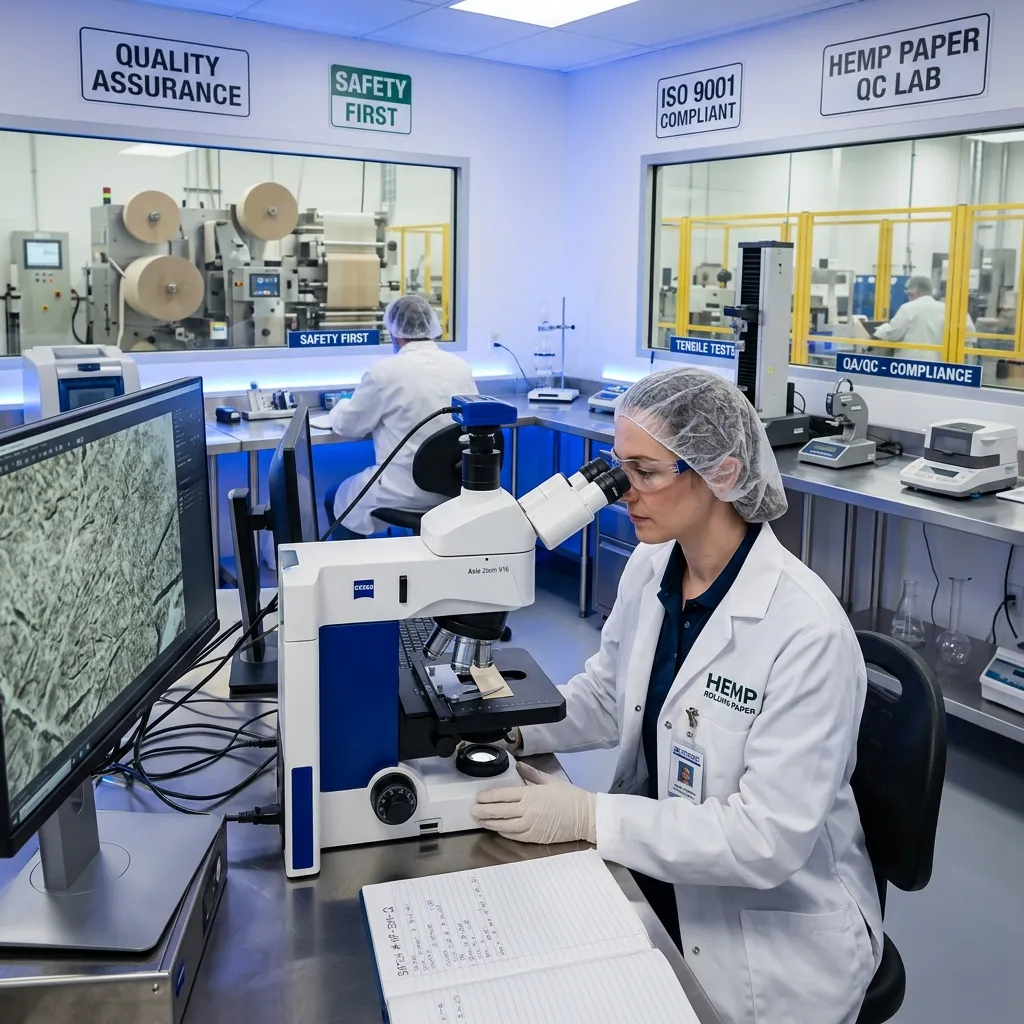
總結:材料安全COA(與大麻素測試不同)可以驗證重金屬水平、殘留水平和成分是否符合聲明標準,為買家提供可獨立檢查的數據,而不僅僅依賴供應商的書面披露。請連同成分披露一起要求此文件,以獲得更完整的資訊。.
| Verification layer | What it adds |
|---|---|
| Written disclosure | States what’s used |
| Lab testing (COA) | Verifies levels independently |
| Combined | Stronger safety verification |
關鍵要點: Combine written disclosure with lab testing data for a more complete additive safety picture than either alone.
COA guide: https://ace-rolling.com/what-should-a-rolling-paper-material-safety-coa-include/.
What Claims Should Buyers Be Cautious About?
Lead-in: Some marketing language overstates what’s actually verifiable.
Summary: Be cautious of unqualified “chemical-free,” “totally natural,” or “100% safe” claims without supporting documentation, since rolling paper by definition involves some processing (even minimal processing routes involve some steps). Request the specific, checkable claim instead of accepting broad marketing language as a safety guarantee.
| 聲明類型 | Caution level |
|---|---|
| “Chemical-free” (unqualified) | High—verify specifics |
| “100% safe” (unqualified) | High—not independently verifiable |
| Specific, documented composition claim | Lower—checkable |
關鍵要點: Ask for the specific, checkable claim behind broad marketing language—unqualified “chemical-free” or “100% safe” statements aren’t independently verifiable on their own.
品質文件:https://ace-rolling.com/quality-certifications/。.
How Do You Request Additive Composition Documentation From Ace?
Lead-in: One request specifies your SKU and the documentation you need.
Summary: Send Ace your target product spec (fiber, gum, bleaching route) and request written composition disclosure plus relevant lab documentation for that specific SKU. Build this into your standard sourcing process for every new product line, not as a one-time check.

| 步驟 | 行動 |
|---|---|
| 1 | Specify your target SKU/spec |
| 2 | Request written composition disclosure |
| 3 | Request relevant lab documentation |
| 4 | Repeat for each new product line |
關鍵要點: Make composition and lab documentation requests standard for every new SKU—not a one-time historical check.
開始:https://ace-rolling.com/contact/。.
常見問題
捲菸紙中含有哪些添加劑,它們安全嗎?
The main additive categories are the gum/adhesive strip, any bleaching or whitening processing, and occasionally processing aids used during converting. Rather than relying on general safety assumptions, buyers should request written composition disclosure and lab documentation for their specific SKU to verify what’s actually used and at what levels.
What is the gum strip on rolling papers typically made of?
Most rolling papers use a natural gum adhesive, commonly a natural Arabic gum route, along the sealing edge. Composition can vary by supplier, so buyers should confirm the specific gum type and any food-grade sourcing claims with documentation rather than assuming all “natural gum” claims across different suppliers are identical in composition or sourcing.
Does white rolling paper always involve a bleaching process?
Typically yes. Achieving a bright white paper color generally involves a bleaching step during pulp processing, while unbleached or “natural” paper routes skip this step and retain a more tan or brown natural tone. If avoiding bleaching matters to your brand, specify an unbleached fiber route rather than assuming a particular bleaching method by default.
How can I verify that processing aids don’t remain in the finished paper?
Request residue testing data specifically rather than accepting a general “removed during processing” claim without lab verification. Some processing aids used during pulp processing or converting are designed to be eliminated by the finished stage, but the only way to confirm this for your specific product is through documented residue testing, not marketing language alone.
What should I be cautious about when a supplier claims their paper is “chemical-free”?
Be cautious of unqualified “chemical-free,” “totally natural,” or “100% safe” claims without supporting documentation, since rolling paper by definition involves some processing, even in minimal-processing routes. Ask for the specific, checkable claim behind the marketing language—composition disclosure and lab data are more useful than broad, unqualified safety statements.
How is a material safety COA different from a written composition disclosure?
A written composition disclosure states what fiber, gum, and processing steps are used for a specific SKU. A material safety COA (certificate of analysis) independently verifies heavy metal levels, residue levels, and composition against a stated standard through lab testing. Combining both gives buyers a more complete additive safety picture than either alone.
Ready to Verify Additive Composition for Your Order?
Request written composition disclosure and lab documentation for your specific SKU before committing.
- COA guide: https://ace-rolling.com/what-should-a-rolling-paper-material-safety-coa-include/
- 品質與認證:https://ace-rolling.com/quality-certifications/
- 引用:https://ace-rolling.com/contact/