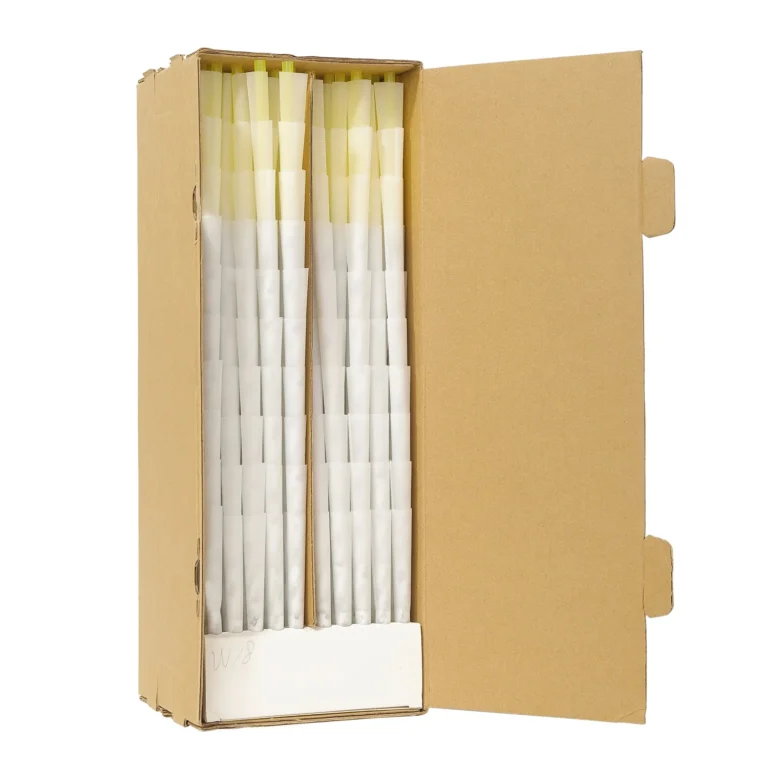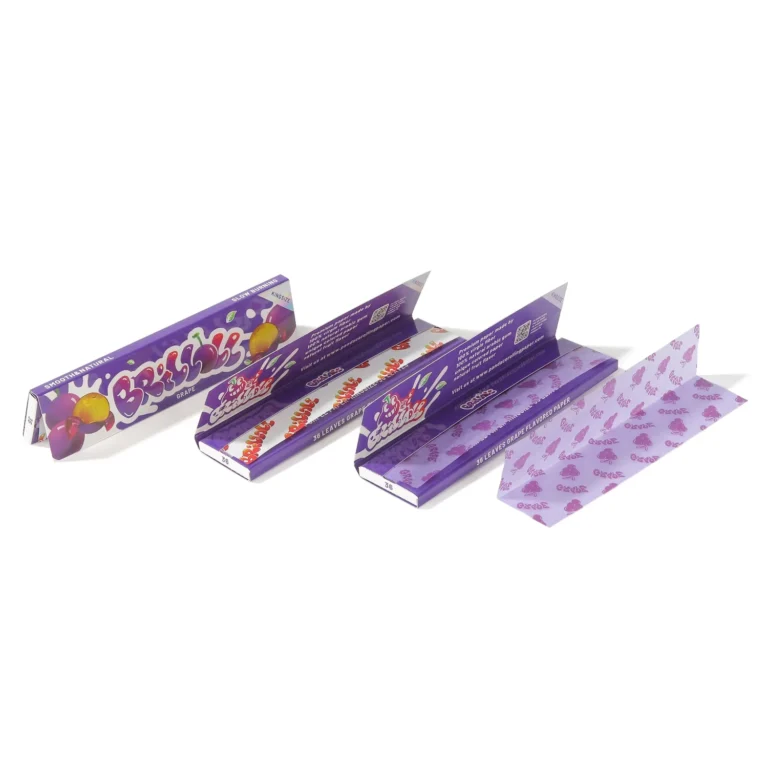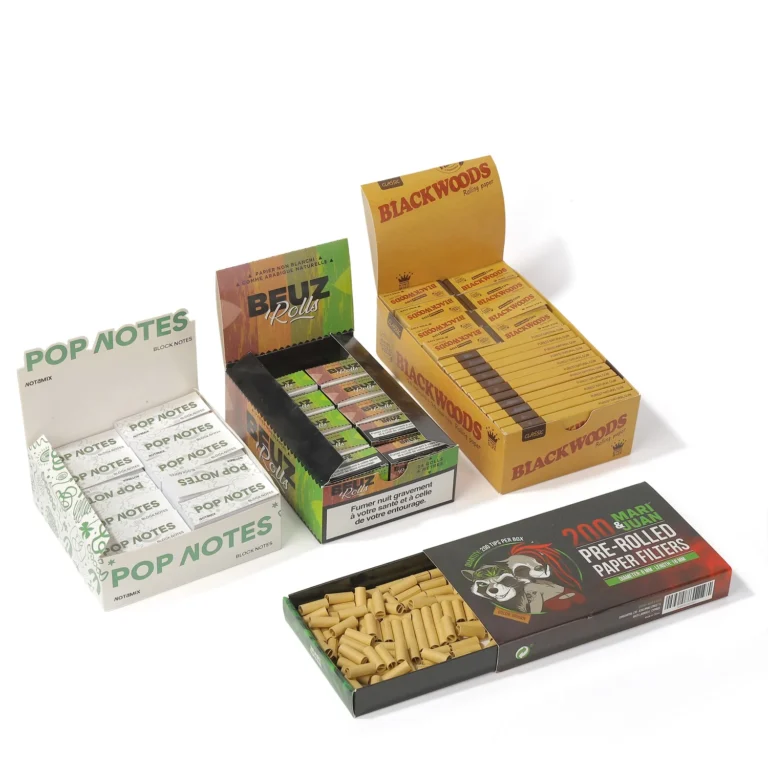

For lifestyle brands, dispensaries, and smoking accessory distributors, packaging design is a primary driver of product differentiation. Sourcing standard plain booklets limits your brand’s retail appeal, while high-quality custom rolling paper booklet packaging allows you to leverage premium textures, magnetic closures, and metallic foils to stand out on dispensary shelves.
To achieve production-ready packaging, design teams must coordinate closely with direct manufacturers to obtain exact vector dieline templates. Working with an OEM factory ensures that your folds, glue lines, and tip configurations align with automated bundling machinery, reducing the risk of paper damage and printing misalignment.
Understanding standard booklet configurations, paperboard specifications, and custom finishing methods will streamline your design-to-production workflow.
—
What are the standard booklet configurations and dieline layouts?
Before starting the graphic design process, you must establish the physical dimensions of the booklet. A direct factory offers several standardized templates:
- King Size Slim with Tips (110mm x 44mm): The most popular premium configuration. The booklet includes 32 leaves of rolling paper and 32 cardboard filter tips, bound together with a folding paperboard cover.
- 1 1/4 Format (78mm x 44mm): A compact option favored in North American markets, ideal for pocket-sized retail multi-packs.
- Double Window Booklet: Houses two parallel slots of paper sheets, doubling the quantity of leaves per booklet.
| Booklet Size | Paper Dimensions | Cardboard Tip Quantity | Recommended Paperboard | Dieline Complexity |
|---|---|---|---|---|
| King Size Slim | 110 mm x 44 mm | Optional (usually 32 tips) | 250 – 300 GSM kraft card | High (requires fold-out flap) |
| 1 1/4 Size | 78 mm x 44 mm | Optional (usually 32 tips) | 250 GSM white SBS board | Moderate (simple fold-over) |
| Single Wide | 70 mm x 36 mm | None | 200 GSM coated card | Low |
—
Which premium finishes elevate custom packaging value?
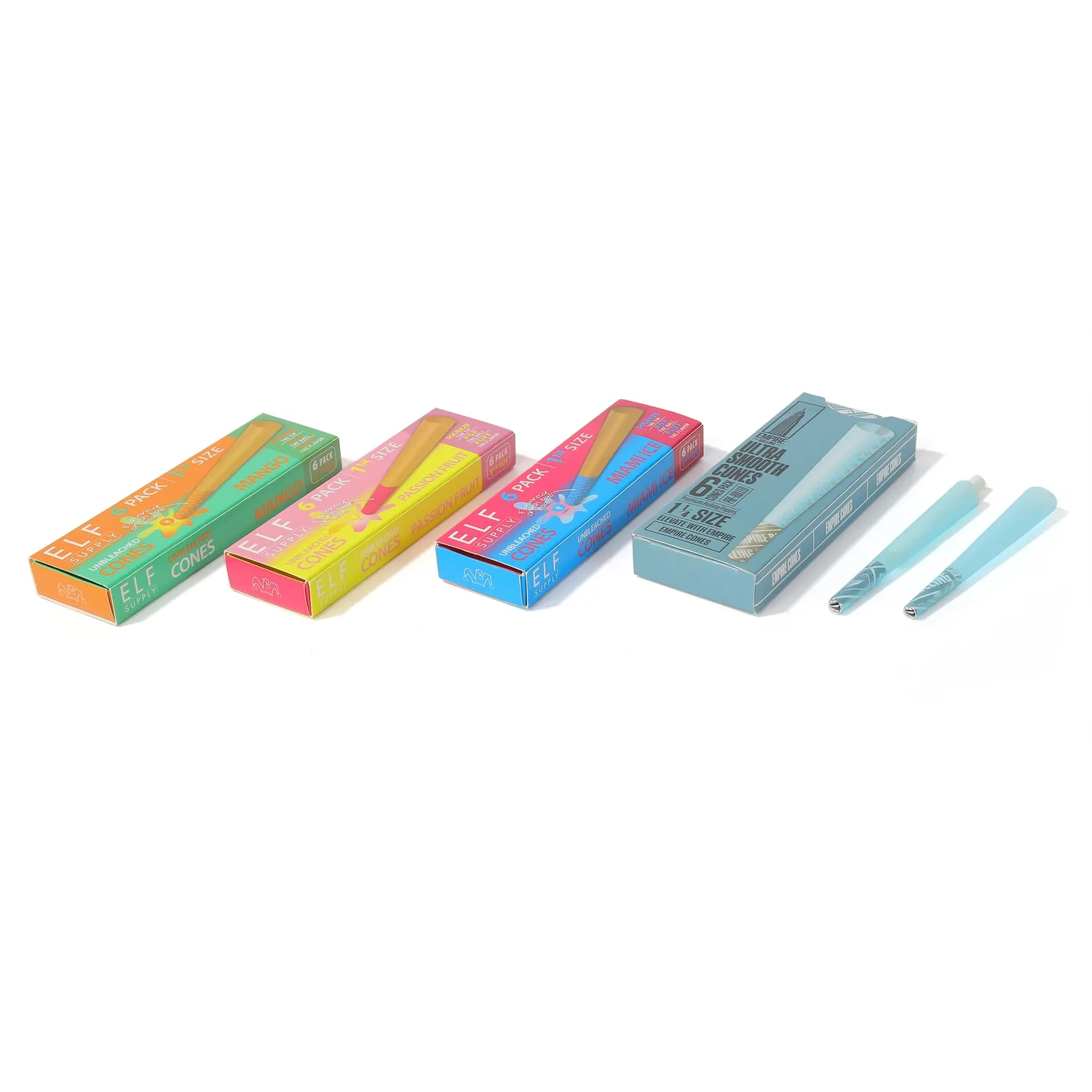
Applying advanced print finishing techniques to your cardboard covers transforms a basic paperboard pack into a premium lifestyle product.
When preparing your dielines, consult with your manufacturer regarding these special printing capabilities:
- Hot Foil Stamping: Applies a thin metallic foil layer (gold, silver, rose gold, or holographic) to logos or brand lettering, catching light on retail shelves.
- Spot UV Embossing: Lays down a glossy, raised varnish over specific design elements, creating a tactile contrast against a matte cardboard background.
- Magnetic Closures: Embeds micro magnets within the paperboard folds to keep the booklet flap closed, protecting the paper sheets from moisture and pocket wear.
—
How to design matching retail display boxes?
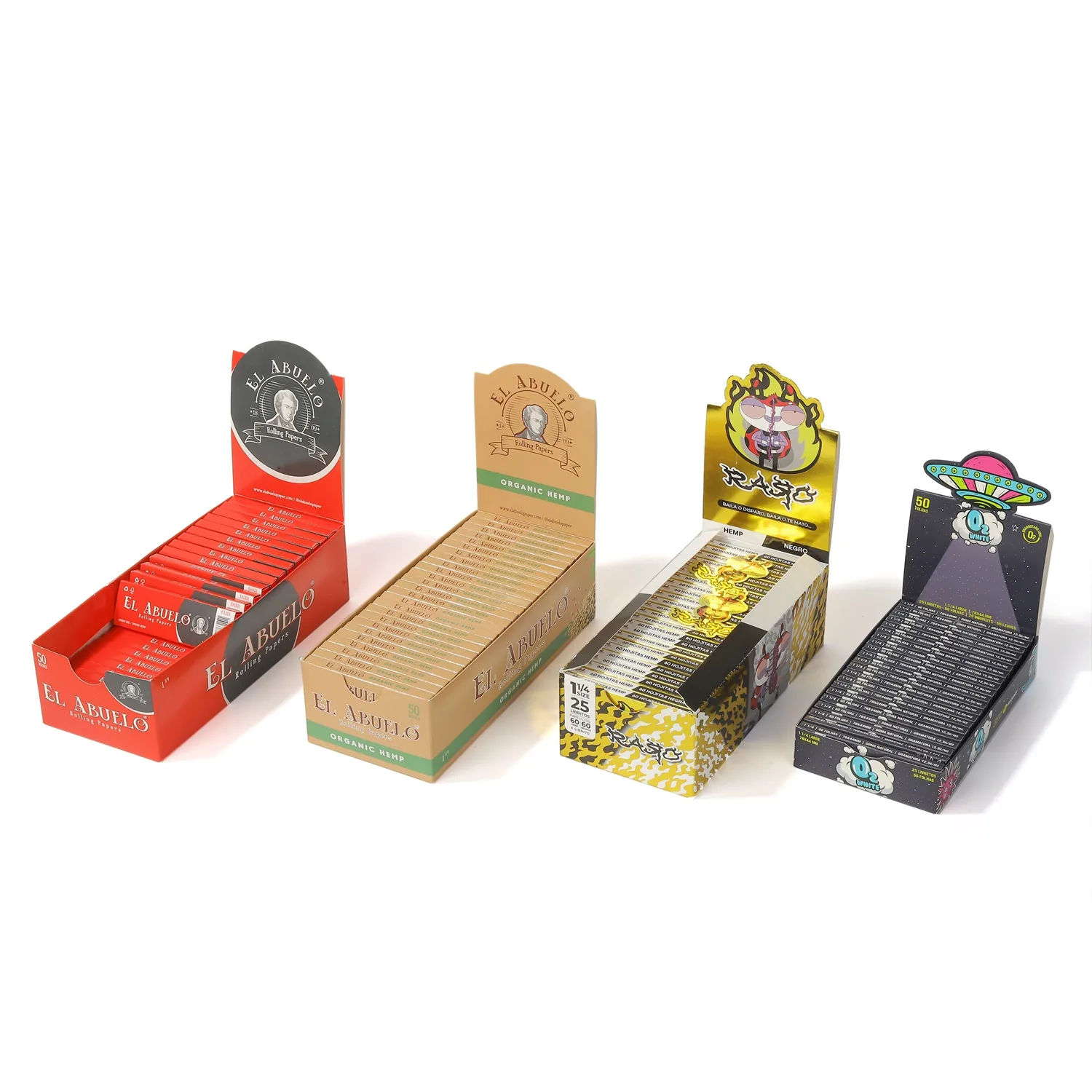
A cohesive product line requires matching outer packaging. Most direct factories package booklets in retail display boxes containing 24, 25, or 50 booklets.
To ensure visual consistency, your graphic team should design the display box and booklet concurrently using matching dielines:
- Tear-Away Flaps: The display box dieline must include perforated tear lines, allowing retail clerks to easily fold back the lid to create a clean countertop display.
- Structural Strength: Display boxes should utilize heavier 350 GSM corrugated or rigid board to prevent crushing during international shipping.
- Eco-Friendly Materials: Aligning with brand sustainability initiatives, utilize recycled kraft boards or FSC-certified materials finished with natural soy-based inks.
—
How does Ace Rolling support private-label design development?
As an ISO9001:2015 certified manufacturer with a 4,000 square meter factory floor, Ace Rolling provides comprehensive support for OEM brand development.
We help brands secure high-quality packaging through:
- Free Vector Dielines: Supplying detailed PDF/Adobe Illustrator dielines for all booklet, tip, and display box formats.
- Flexible MOQ Tiers: Offering custom packaging runs starting at 1,000 booklets per SKU, accommodating growing brands and startups.
- Physical Prototyping: Generating printed mockups and sample booklets to test material thickness and fold clearances before launching high-volume production runs.
Design Development Checklist
- [ ] Request the vector PDF dieline from the factory for your selected booklet size (e.g. King Size Slim with Tips).
- [ ] Ensure all text on dieline folds is converted to outlines to prevent font issues.
- [ ] Set up separate layers for special finishes like spot UV varnish or gold foil stamping.
- [ ] Request a physical sample mockup to verify fold alignments and magnetic latch strength.