
Custom rolling papers vs white label: which is better for a new brand? For most new brands, white label is the better first step. It puts your brand on proven booklet structures so you can launch faster, spend less on development, and learn what your market actually buys. Full custom rolling papers are better when you already need exclusive materials, sizes, or packaging architecture—and can support longer sampling.
Ace Rolling supports both paths: entry private-label / white-label programs on standard formats, and deeper custom OEM work when your brief is ready. Many successful brands start white label, then deepen customization after sell-through data arrives.
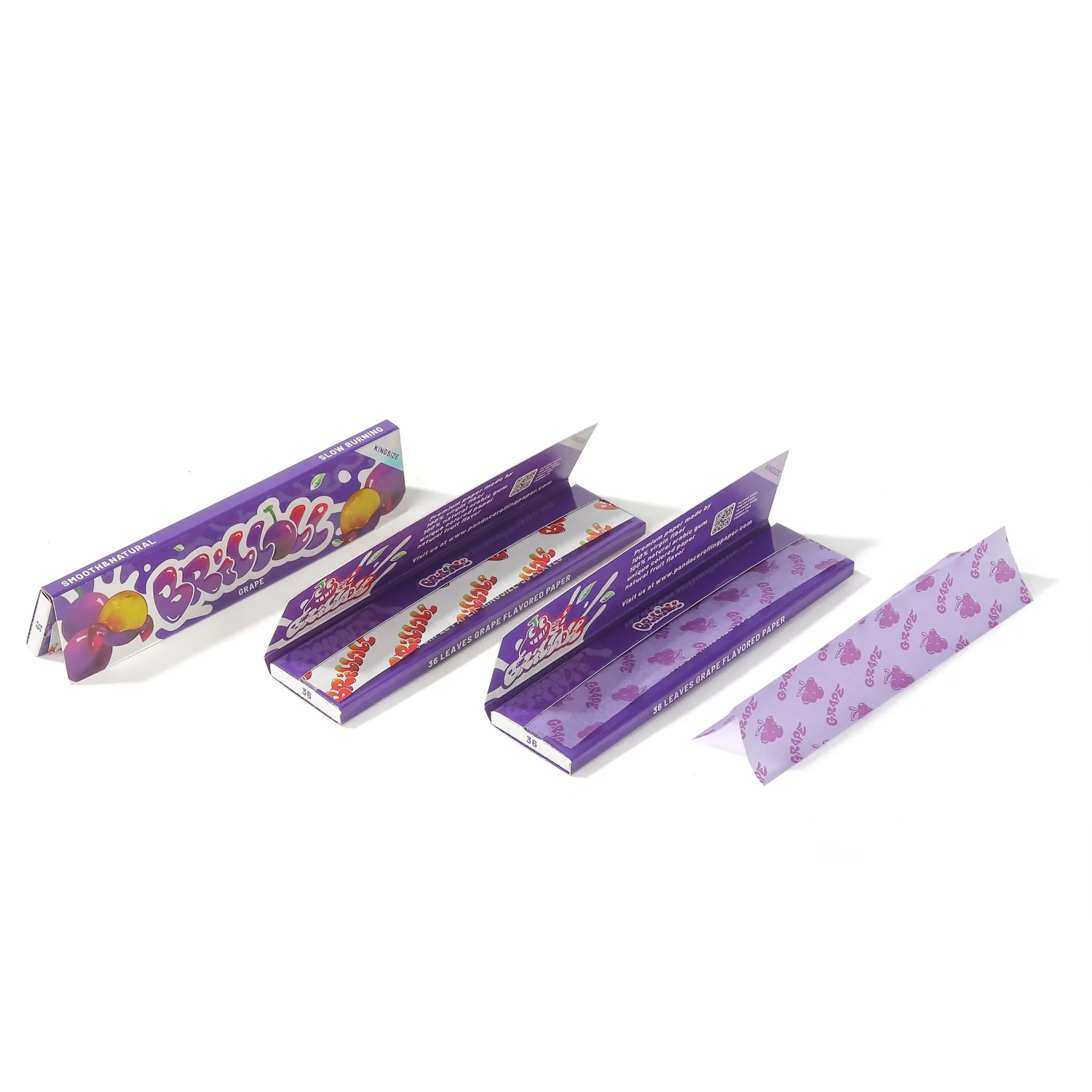
What Is the Difference Between White Label and Full Custom?
In practical factory language, the two paths differ by how many variables you change.
White label applies your brand to proven paper specs, sizes, and packaging structures. You still get custom cover art and brand identity, but you avoid reinventing every technical detail on day one.
Full custom (deeper OEM) changes more of the product itself—material blends, exclusive dimensions, special watermarks, complex print, or unique packaging systems. You approve more samples and accept a longer development clock.
Industry articles often describe this same split as private label versus OEM: private label leans on existing manufacturing standards with branding on top; OEM invites fuller product direction. Use the terms your factory understands, but judge the project by how many specifications are unique to you.
| Factor | White label | Full custom |
|---|---|---|
| Speed to first shipment | Faster | Longer sample and proof cycles |
| Development cost | Lower | Higher setup and revision cost |
| Product uniqueness | Mostly branding + select options | Deeper product + pack differentiation |
| Best for new brands | Usually yes | When demand and budget already support it |
| Risk if first assortment fails | Lower inventory/development risk | Higher if exclusive SKUs miss the market |
Why White Label Is Usually Better for a New Brand
A new brand’s first job is not to invent the world’s most exclusive paper. It is to get a sellable, consistent booklet into real channels and learn.
White label helps because:
- Proven sizes and structures reduce technical surprises
- Artwork can focus on cover, tray, and brand story
- Sample rounds stay shorter when the base product already exists
- Cash stays available for distribution and marketing
- Reorders are simpler while you validate demand
Ace Rolling’s custom manufacturing pages also frame wood-pulp options as a practical entry route for private-label programs, with premium fibers available when positioning requires them. That matches a new-brand sequence: start with a clear standard format, then upgrade materials or pack architecture after the brand proves it can sell.
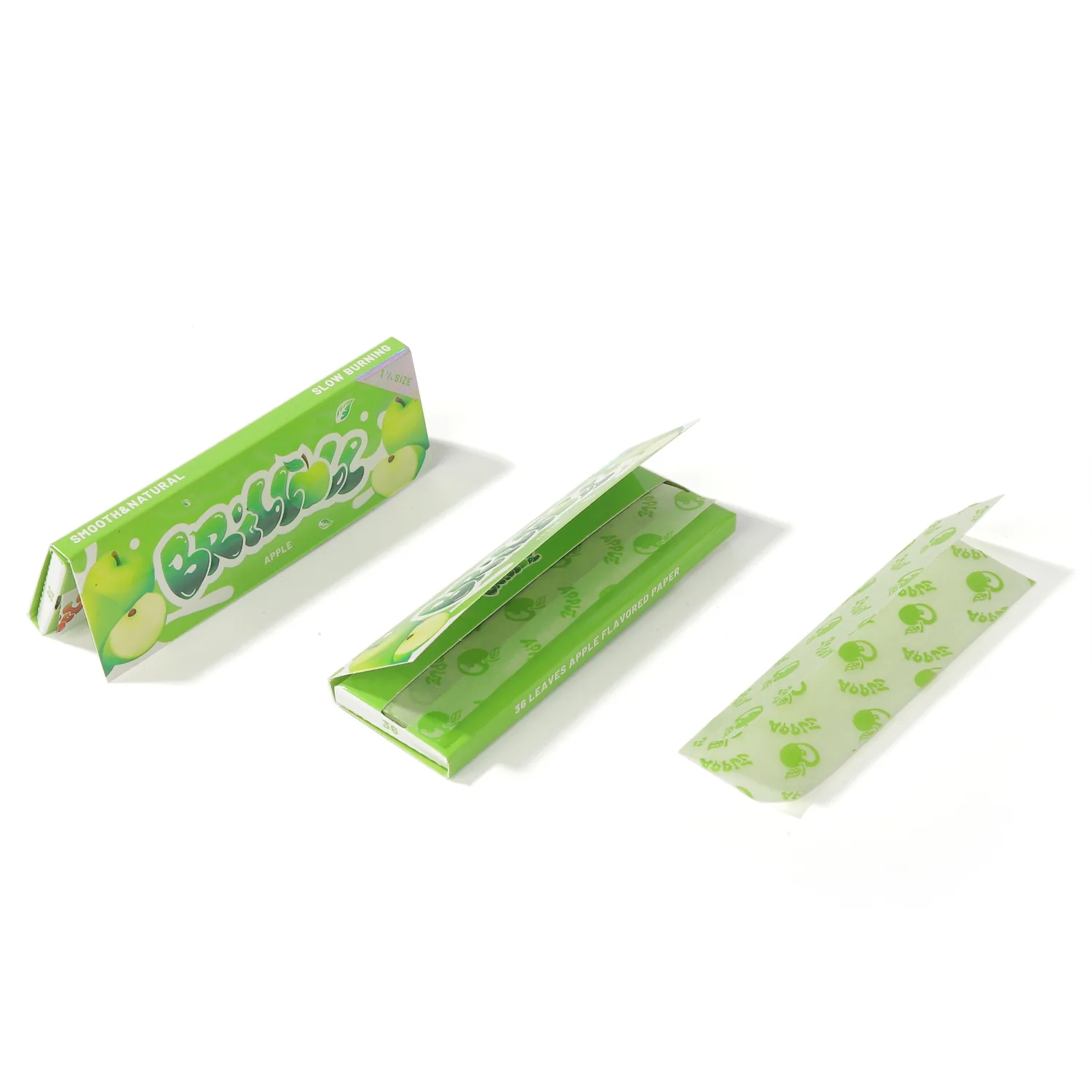
When Full Custom Is the Better Choice
Full custom becomes the better path when product uniqueness is the strategy—not only the logo.
Choose deeper customization when:
- Your buyers expect a proprietary size, leaf count, or material story
- Packaging itself is the shelf differentiator (for example display systems or specialty closures)
- You already tested a simpler branded pack and know what to improve
- You can fund sample rounds and hold inventory of exclusive SKUs
- Competitive look-alikes on shared standard packs would hurt your positioning
Custom work is not “better” in the abstract. It is better when the extra development time creates a feature your customer will pay for. If the only difference is a logo on the same commodity structure, white label usually wins on speed and clarity.
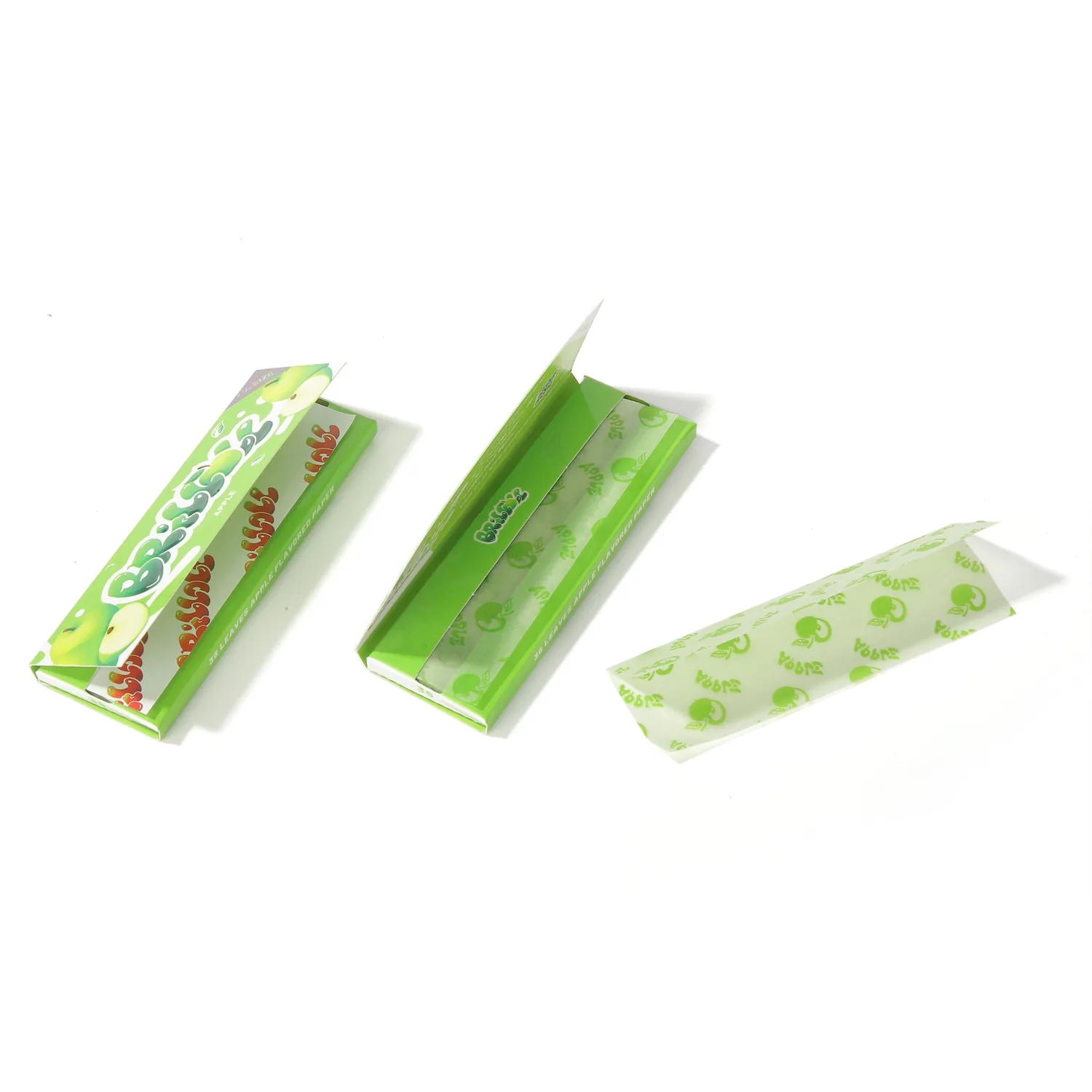
Can a New Brand Use a Hybrid Path?
Yes—and that is often the smartest plan.
A practical hybrid sequence:
- Launch one white-label size with strong cover branding
- Track sell-through, returns, and customer feedback
- Add a second SKU only after the first turns
- Move into fuller custom materials or packaging once the brand thesis is proven
- Keep reorder codes locked so quality stays consistent while you expand
Ace Rolling’s OEM path is Brief → Sample → Sign Off → Scale. White label compresses the early brief. Full custom expands the sample and sign-off gates. Hybrid brands use both: short gates first, deeper gates later.
On timing, Ace Rolling’s factory framing targets about two months concept-to-delivery for retail-ready private-label programs, with mass production commonly around four to five weeks after approvals on custom booklet workflows. Simpler white-label setups usually protect that calendar better than multi-variable first orders.
How Should a New Brand Decide in One Meeting?
Ask these five questions:
- Do we need unique paper performance, or unique branding first?
- What is our real launch deadline?
- How much cash can we put into samples and exclusive inventory?
- Will customers pay more for a custom feature we can name in one sentence?
- Can we support reorders of an exclusive SKU if the first order is slow?
If answers favor speed, learning, and brand story, start white label. If answers favor exclusive product features and you can fund development, go custom—or plan custom as phase two.

What Should You Send Ace Rolling Either Way?
Whether you choose white label or full custom, send:
- Target market and channel
- Preferred size and material
- Artwork status
- Packaging needs
- First-order quantity and 12-month range
- Destination requirements
- Launch timing
Which Ace Rolling Option Fits a New Brand?
Most new brands should start with a white-label booklet and custom cover, then expand. If your brief already requires exclusive materials or pack architecture, plan a full custom sample path from day one. See Custom Rolling Papers, OEM/ODM Solutions, and the Factory Overview. To compare both paths on one quote, contact Ace Rolling with format, artwork status, packaging, quantity, and timeline.
FAQ
Is white label or custom better for a new rolling paper brand?
White label is usually better for a new brand because it is faster and lower risk. You brand proven booklet structures while you learn market demand. Full custom is better later—or immediately—only when exclusive product features are central to your positioning and budget.
What is the main risk of starting with full custom?
The main risk is spending time and money on exclusive specs before you know what sells. Late artwork changes, complex packaging, and unused exclusive inventory stretch timelines and cash. New brands often learn faster with one focused white-label SKU first.
Can white label still look premium?
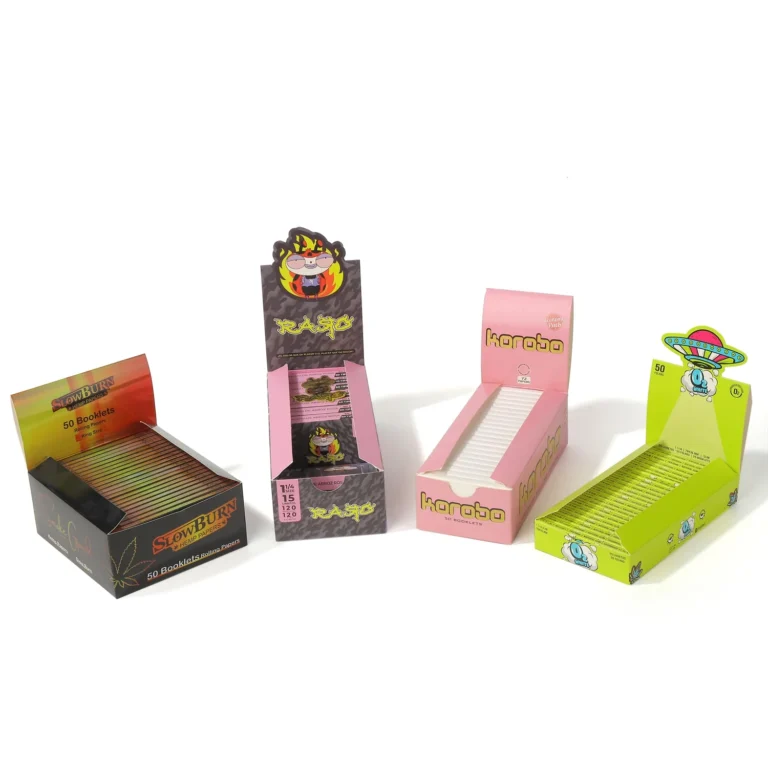
Yes. Premium branding can live in cover art, print finishes, tips, and display packaging even when the base booklet structure is standard. Ace Rolling supports packaging and print upgrades on private-label programs. Choose custom construction when the paper or pack architecture itself must be exclusive.
When should a new brand switch from white label to custom?
Switch when sell-through is proven and customer feedback points to a specific exclusive need—material, size, watermark, or packaging system. Then open a controlled custom sample path instead of redesigning everything at once. Keep the winning white-label SKU alive while you test the custom upgrade.
How does Ace Rolling support both options?
Ace Rolling manufactures white-label and deeper custom rolling paper programs under one OEM process: Brief → Sample → Sign Off → Scale. New brands can start with standard formats and branded covers, then expand into fuller customization. Share your timeline and differentiation needs so the quote matches the right path.