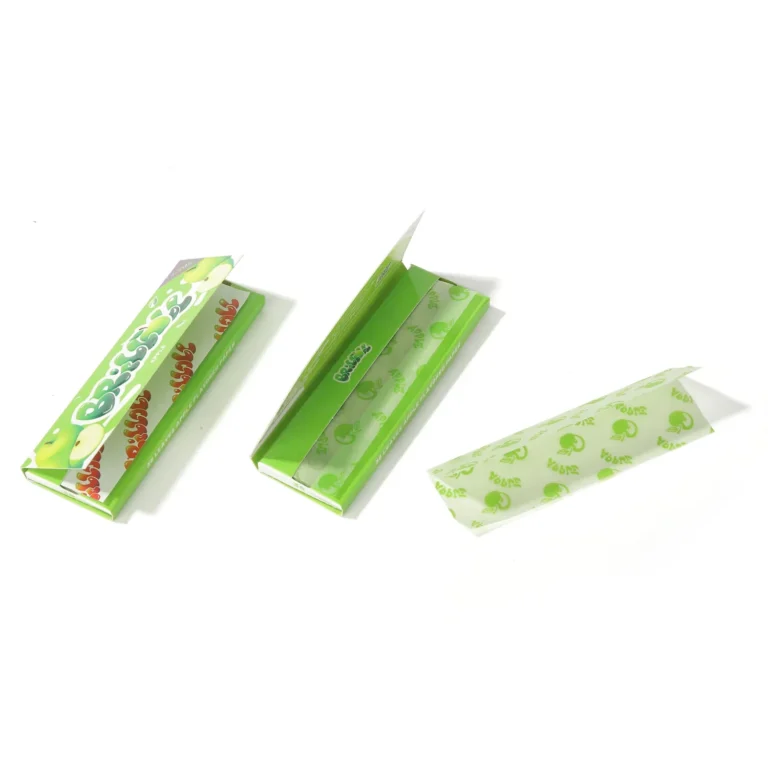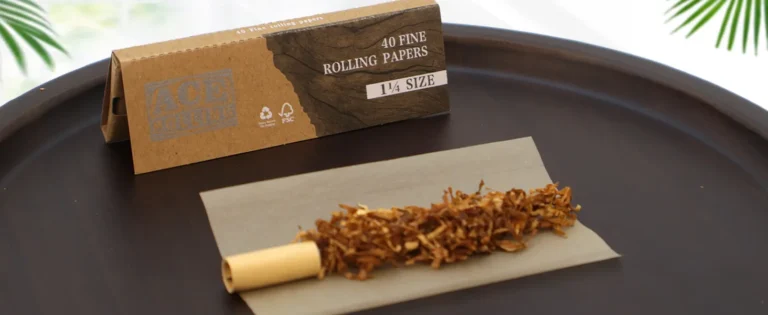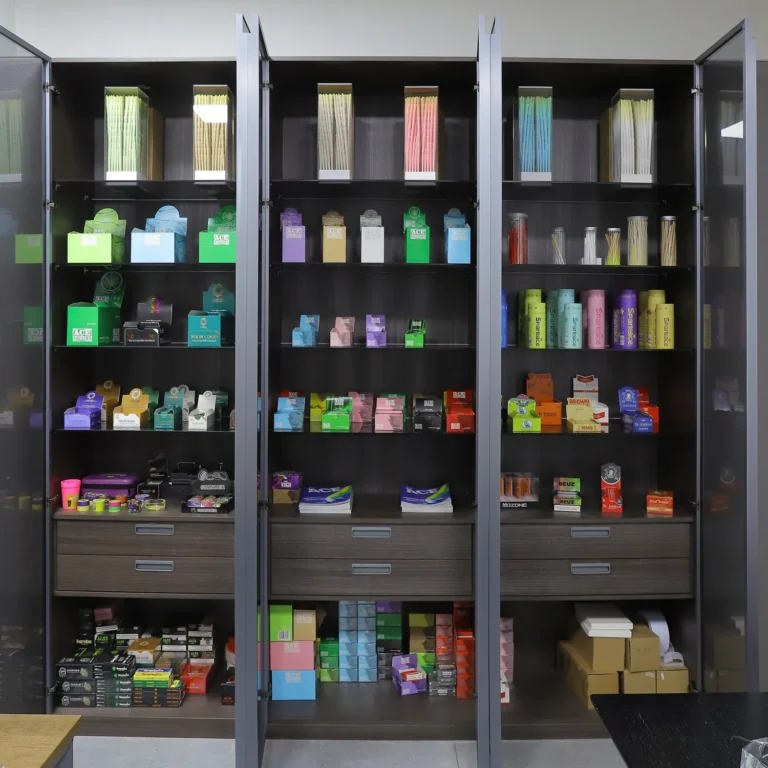

What is the difference between white label and custom label? The core difference is who specifies the product. In a white-label rolling paper program, the manufacturer largely defines the paper, size, and structure, while you mainly brand it. In a custom-label (often called private-label or full-custom) program, you specify more of what the product is—not only the logo on the pack.
People use these terms loosely. For Ace Rolling buyers, ignore the jargon fight and ask one practical question: are we branding a proven factory standard, or defining a unique product?
What Does White Label Mean for Rolling Papers?
White label rolling papers are produced by a manufacturer that already knows the product. You choose from proven formats and put your brand on the cover, tray, or related packaging. The factory’s existing paper specs, gum system, and booklet structure do most of the technical work.
White label typically means:
- The manufacturer specifies core product construction
- You specify brand identity and approved artwork
- Shared production efficiency can keep unit cost lower
- Time to market is usually shorter
- Multiple brands may use similar underlying product platforms
This path fits buyers who need brand recognition quickly without designing paper recipes, exclusive sizes, or new converting processes from scratch.
What Does Custom Label Mean for Rolling Papers?
“Custom label” in rolling paper sourcing usually points to a buyer-specified private-label or OEM path. You are not only changing the brand mark. You define more of the product: material, GSM, size, leaf count, watermark, print coverage, tips, and packaging architecture.
Custom / private-label typically means:
- You specify more product and packaging details
- Samples and proofs take more rounds
- Development and setup cost are usually higher
- Exclusivity and differentiation potential are stronger
- Quality targets can be written into your own standard
In plain factory language, this is closer to full custom OEM than to a logo-only white-label booklet.
| Question | White label | Custom label / private label |
|---|---|---|
| Who defines the paper recipe and structure? | Mostly the manufacturer | Mostly the buyer, with factory guidance |
| What do you mainly control? | Branding and approved options | Product + branding + packaging system |
| Speed | Faster | Slower development |
| Cost profile | Usually lower startup cost | Usually higher development cost |
| Exclusivity | Lower on the base product | Higher if specs are unique |
| Best first use | New brands, fast launch | Differentiated brands with clear specs |

Why Do Buyers Confuse the Two Terms?
Because both put your brand on the pack. From a shelf photo, white label and custom label can look similar. The difference is hidden in the specification sheet: who chose the GSM, gum, size, and converting method?
Also, factories and agencies use overlapping words:
- Some say “private label” for any branded pack
- Some say “custom” for any printed cover
- Some reserve “custom/OEM” for buyer-defined construction
When you request a quote from Ace Rolling, describe the work in specs—not only labels. Say whether you need a standard booklet with branded artwork, or a unique material/size/packaging build. That single clarification prevents white-label pricing from being compared against a full custom engineering scope.
Which Path Fits Rolling Paper Brands Better?
Choose white label when:
- You need speed to market
- You do not have an exclusive paper design yet
- Budget should go to distribution and brand building first
- Proven factory standards already meet your quality bar
Choose custom label / fuller private-label OEM when:
- You already know the exact product you want
- Your positioning depends on exclusive features
- You can fund samples, proofs, and longer development
- Look-alike standard packs would weaken your brand
Ace Rolling supports both. Entry private-label programs can start on proven formats; deeper custom work expands material, print, watermark, and packaging control. Factory planning for retail-ready private-label programs is framed as about a two-month concept-to-delivery sprint, with mass production commonly around four to five weeks after approvals on custom booklet workflows—confirm the dated window on your quote.
How Should You Brief the Factory So the Difference Is Clear?
Send one sentence that states the path, then list specs.
White-label brief example:
- “Brand our standard 1¼ unbleached booklet; we supply cover artwork only.”
Custom-label brief example:
- “We need hemp, target GSM range, king size slim, custom watermark, printed tips, and magnetic display packaging.”
Then confirm:
- Size and leaf count
- Material and GSM
- Print scope (cover only vs leaf/tips)
- Packaging structure
- Quantity and destination
- Sample and sign-off gates
Which Ace Rolling Option Fits Your Project?
If you mainly need brand recognition on a proven booklet, start white label. If you need buyer-specified construction and packaging, plan a custom private-label OEM path. See Custom Rolling Papers and OEM/ODM Solutions. For a path recommendation, contact Ace Rolling with whether you need logo-on-standard or full product specification, plus size, material, artwork status, and quantity.
FAQ
What is the difference between white label and custom label?
White label means the manufacturer largely defines the product and you brand it. Custom label—often used like private label in rolling papers—means you specify more of the product itself, not only the brand mark. The practical test is who owns the specification sheet behind the packaging.
Is custom label the same as private label?
In many rolling paper conversations, yes: both point to selling under your brand with stronger buyer input on the product. Some marketers use private label for buyer-specified goods and white label for manufacturer-specified goods. Ask your factory to define the terms against your brief so quotes stay comparable.
Is white label always cheaper?
Often, yes at startup, because the factory reuses proven processes across customers and you avoid heavy development. Custom/private-label builds can cost more when exclusive specs need special setup and sampling. High volume can change the math, so compare landed unit cost on the same size and material family.
Which is better for a new rolling paper brand?
Most new brands should start white label: faster launch, lower development risk, and clearer learning. Move into custom label OEM when customer demand justifies exclusive features. Ace Rolling can support that sequence—standard branded booklets first, then deeper buyer-specified customization after sell-through is proven.
How do I ask Ace Rolling for the right path?
Say whether you need branding on a standard booklet or a buyer-specified product build. Include size, material, GSM targets, artwork scope, packaging, quantity, and destination. Ace Rolling can then map Brief → Sample → Sign Off → Scale to either a white-label or fuller custom-label plan.