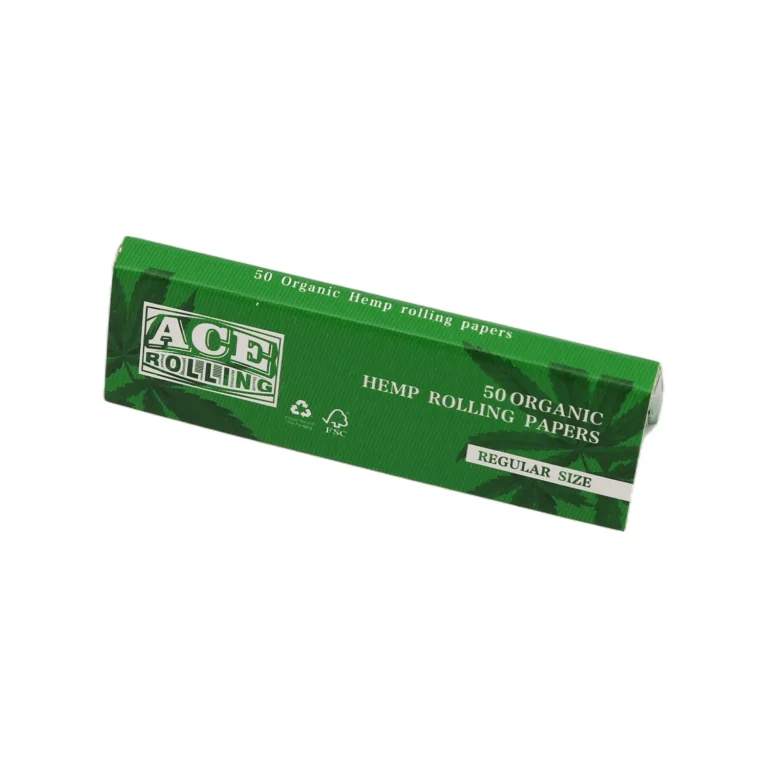

Sind perforierte Rolling Papers in China als OEM verfügbar? Ja – perforierte Trennlinien, die ein einzelnes Blatt sauber vom Buchblock lösen, sind eine Standardverarbeitungsoption. Guangdong Ace Rolling produziert perforierte Hefte als Teil seines Dongguan OEM/ODM-Programms zum Standard-Wholesale-Preis von ca. USD $0,07–$0,30 pro Heft (mit MOQ).
SERP-Peers wie Made-in-China listen perforiertes Rollenpapier als gängigen Suchfilter für OEM-Beschaffung auf. Dieser Leitfaden erklärt, was Perforation tatsächlich bewirkt, wie sie die Gummierung und Reißqualität beeinflusst und wie man sie korrekt für ein Private-Label-Heftprogramm spezifiziert.
Was bewirkt Perforation eigentlich auf einem Rolling-Paper-Blatt?
Einleitung: Perforation ist ein Verarbeitungsschritt, kein Papiermaterial.
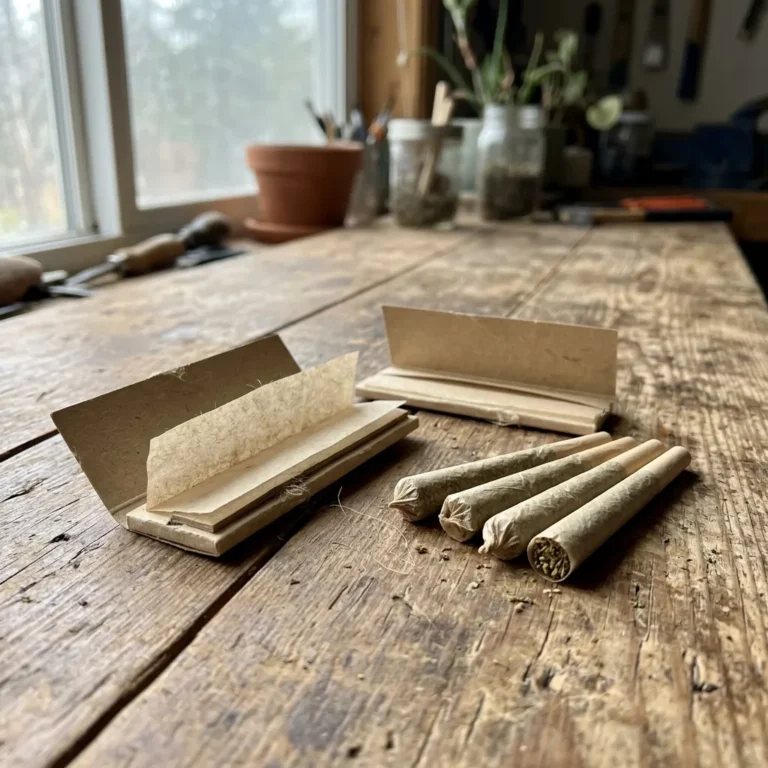
Zusammenfassung: Eine perforierte Linie ist eine Reihe winziger Schnitte entlang der Kante, an der jedes Blatt mit dem Büchleinblock verbunden ist, sodass der Raucher ein einzelnes Blatt sauber abreißen kann, anstatt zu ziehen und eine ausgefranste Kante oder einen anhängenden Rest zu riskieren. Sie wird während der Verarbeitung aufgebracht, unabhängig von der Papierfaser selbst.
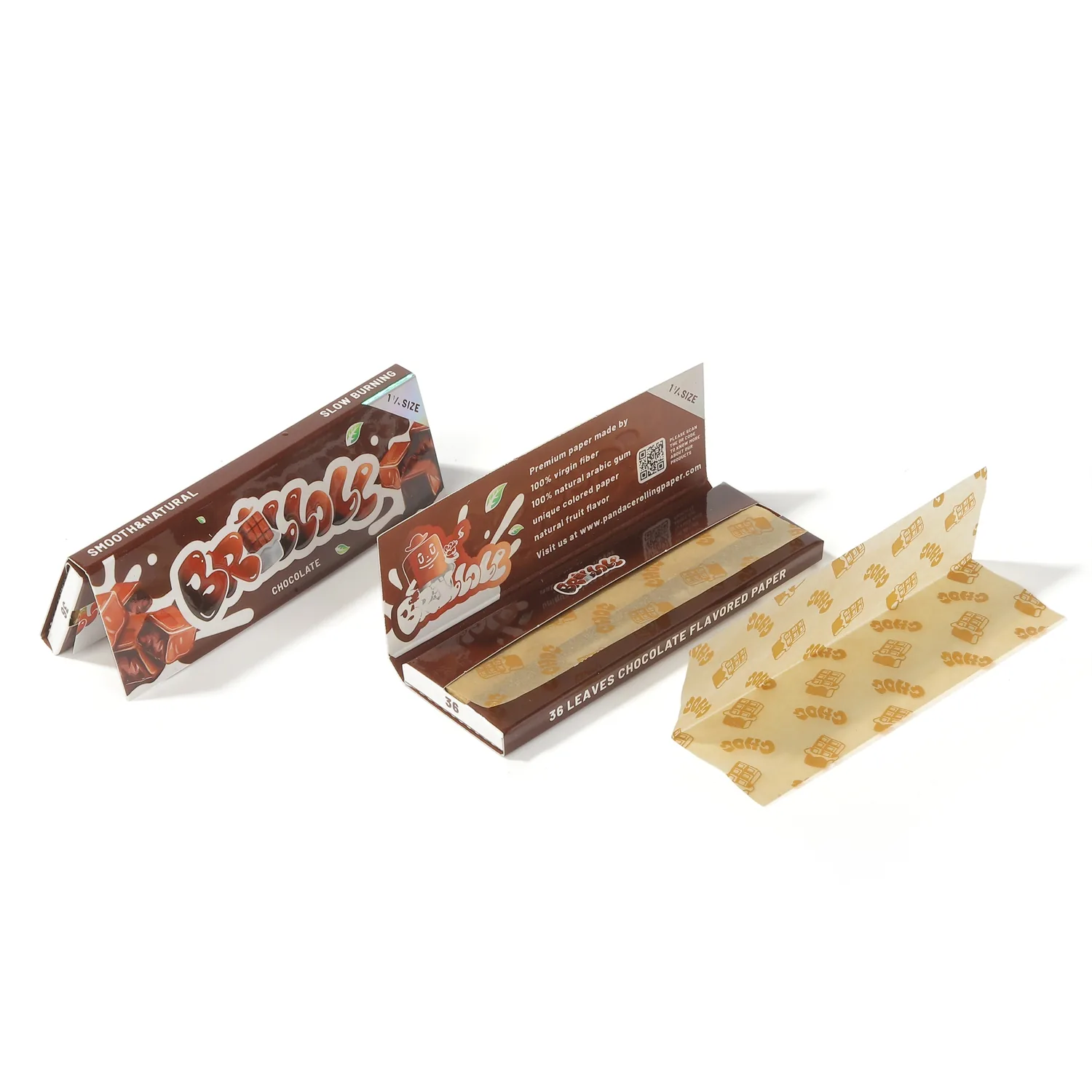
| Element | Funktion |
|---|---|
| Perforationslinie | Saubere Einzelblatt-Trennung |
| Keine Perforation | Manuelles Reißen, weniger saubere Kante |
| Gilt für | Beliebige Papierfaser, Verarbeitungsschritt |
Wesentliche Erkenntnis: Perforation ist ein Verarbeitungsdetail, das auf jede Papierfaser angewendet wird – es ist nicht an ein bestimmtes Papiermaterial gebunden.
Benutzerdefinierte Papiere: https://ace-rolling.com/custom-rolling-papers/.
Wie beeinflusst die Perforation die Positionierung der Gummilinie?
Einleitung: Der Gummistreifen und die Perforationslinie müssen korrekt zueinander positioniert werden.
Zusammenfassung: Der Gummistreifen liegt typischerweise entlang einer Kante des Blatts, getrennt von der Perforationslinie, die das Blatt mit dem Büchleinblock verbindet. Korrekte Verarbeitung verhindert, dass diese beiden Merkmale sich beeinträchtigen – Gummi sollte nicht durch oder zu nah an der Perforation verlaufen, da dies die Siegelung oder die Reißlinie schwächen könnte.
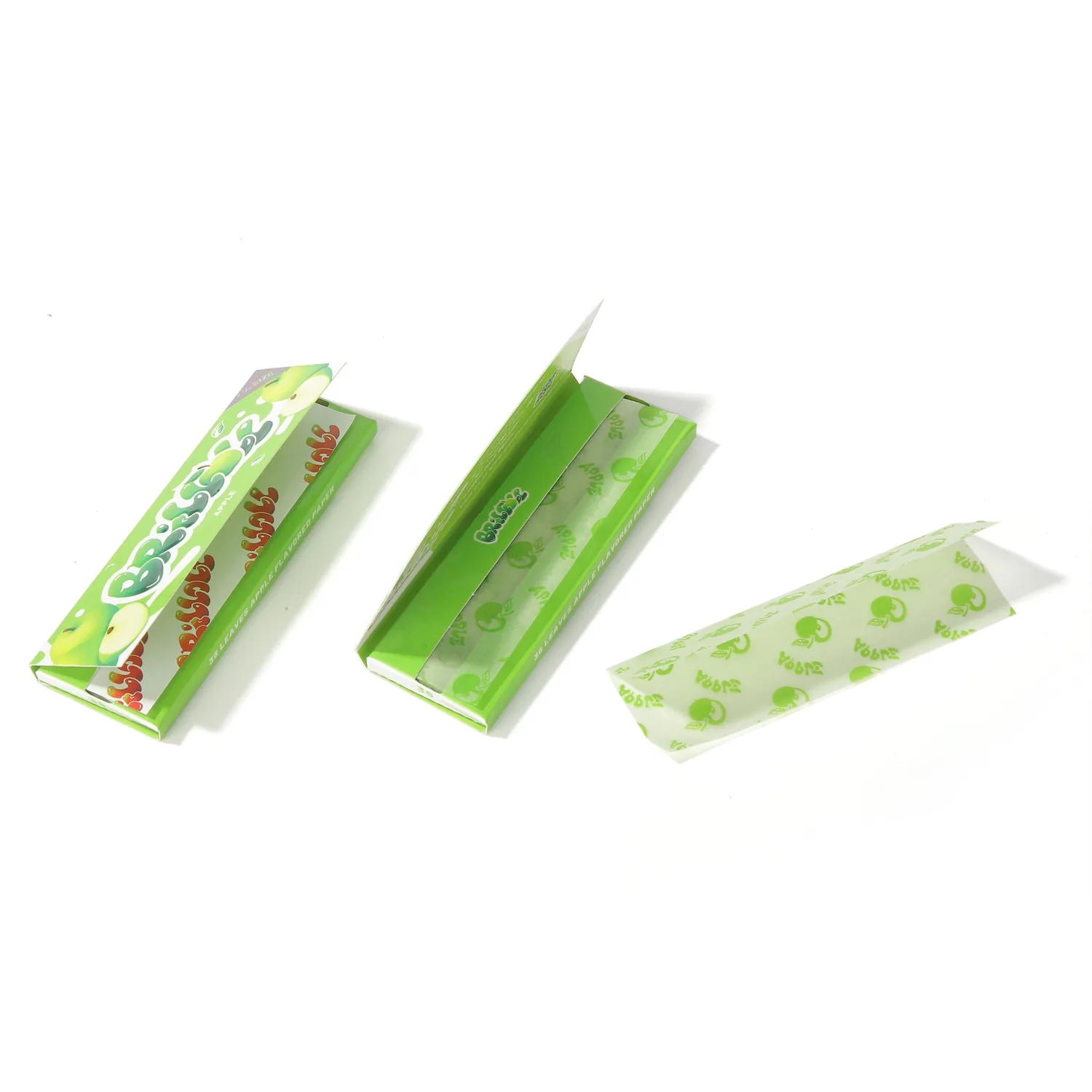
| Funktion | Position |
|---|---|
| Gummistreifen | Entlang der Siegelkante |
| Perforation | Entlang der Heftbefestigungskante |
| Risiko bei Fehlausrichtung | Schwache Versiegelung oder ausgefranster Riss |
Wesentliche Erkenntnis: Gummierung und Perforationsplatzierung an einem physischen Muster bestätigen – Fehlausrichtung zwischen beiden ist ein häufiger Konvertierungsfehler, der frühzeitig erkannt werden sollte.
Materialrahmen: https://ace-rolling.com/quality-certifications/.
Funktioniert die Perforation bei jedem Papierfasertyp gleich?
Einführung: Verschiedene Fasern reagieren leicht unterschiedlich auf Perforationsschnitt.
Zusammenfassung: Dünne, empfindliche Papiere reißen entlang einer Perforationslinie möglicherweise leichter als dickere oder faserigere Papiere, bei denen das Abreißen etwas mehr Kraft erfordern oder eine weniger saubere Kante hinterlassen kann. Dies ist ein Problem der Verarbeitungskalibrierung – Perforationstiefe und -abstand können pro Fasertyp angepasst werden, um ein sauberes, gleichmäßiges Reißen zu erreichen.
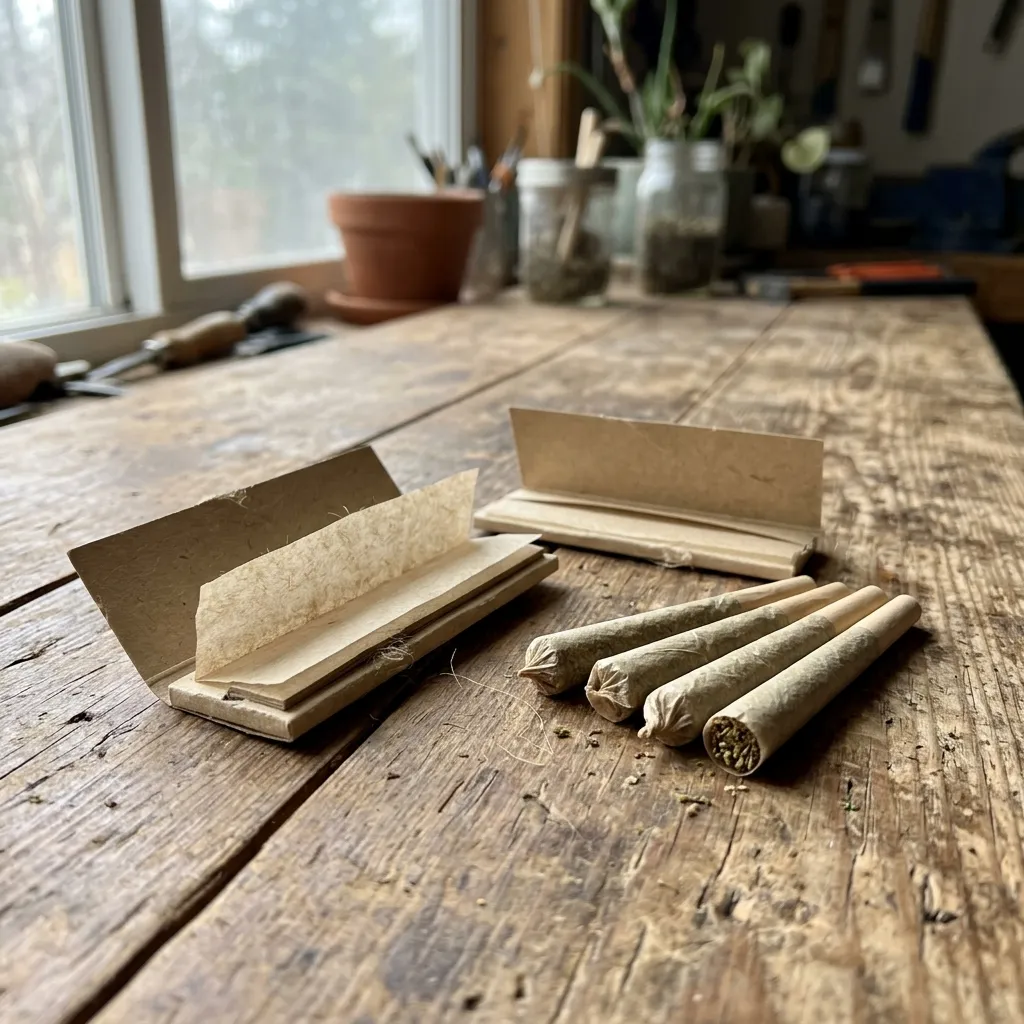
| Fasertyp | Perforationsverhalten |
|---|---|
| Dünne/leichte Papiere | Reißt leicht, benötigt präzise Kalibrierung |
| Dickere/faserige Papiere | Möglicherweise angepasste Perforationstiefe erforderlich |
| Kalibrierung | Während der Verarbeitung je nach Faser anpassbar |
Wesentliche Erkenntnis: Fordern Sie einen Probereißtest für Ihren spezifischen Papierfasertyp an – die Perforationstiefe muss möglicherweise pro Material kalibriert werden.
Papierwege: https://ace-rolling.com/custom-rolling-papers/.
Welche Qualitätskontrollen sollten Sie an perforierten Mustern durchführen?
Einleitung: Die Perforationsqualität lässt sich am besten durch tatsächliches Reißen von Probenblättern beurteilen.
Zusammenfassung: Testen Sie die Reißsauberkeit (trennt sich das Blatt entlang der vorgesehenen Linie, ohne in das nächste Blatt auszufransen), die Reißkraft (nicht zu fest, nicht so locker, dass das Blatt vorzeitig herausfällt) und die Konsistenz über mehrere Blätter im selben Büchlein, nicht nur beim ersten.

| Test | Kriterien bestehen |
|---|---|
| Reißsauberkeit | Saubere Linie, kein Durchreißen |
| Reißkraft | Neither too tight nor too loose |
| Konsistenz | Same performance across all leaves |
Wesentliche Erkenntnis: Tear-test multiple leaves across the booklet, not just the top sheet—converting consistency can vary through the block.
Probenprozess: https://ace-rolling.com/how-to-get-a-custom-rolling-paper-sample-kit/.
Does Perforation Change the Wholesale Price of a Booklet?
Lead-in: Perforation is a converting-line detail, not typically a major cost driver.
Summary: Ace quotes perforated booklets inside the same standard ~$0.07–$0.30 per-booklet wholesale band with MOQ as non-perforated booklets—perforation itself generally does not represent a large cost step, though it should still be specified clearly in the RFQ since it affects tooling setup on the converting line.
| Kostenfaktor | Hinweis |
|---|---|
| Perforation | Minor converting detail, specify clearly |
| Paper fiber | Larger cost driver |
| Print/finish | Larger cost driver |
Wesentliche Erkenntnis: Perforation itself is a small line item—your paper fiber and print scope drive most of the wholesale cost.
Großhandelsbereiche: https://ace-rolling.com/quality-certifications/.
Can You Combine Perforation With Custom Print and Fiber Choices?
Lead-in: Perforation is fully compatible with the rest of your booklet customization.
Summary: Yes—perforated leaves can be produced across white, unbleached kraft, hemp, bamboo, or custom-printed paper routes. Perforation doesn’t restrict fiber or print choice; brief it as one line item alongside your fiber, print, and cover finish decisions in the same RFQ.
| Combination | Compatibility |
|---|---|
| Perforation + any fiber | Compatible |
| Perforation + custom print | Compatible |
| Perforation + any cover finish | Compatible |
Wesentliche Erkenntnis: Perforation is an independent line item—combine it freely with your other fiber and print decisions.
OEM-Programme: https://ace-rolling.com/oem-odm-rolling-paper-manufacturer/.
How Do You Order Perforated Booklets From Ace Rolling?
Lead-in: One brief settles fiber, perforation, gum placement, and print together.
Summary: Send Ace your fiber choice, perforation requirement, print scope, cover finish, target quantity, destination, and timeline. Ace quotes booklets inside the ~$0.07–$0.30 wholesale band with MOQ, plans concept-to-delivery near two months, and runs mass about four to five weeks after sample approvals confirm clean tear performance.
| Schritt | Aktion |
|---|---|
| 1 | Specify perforation requirement |
| 2 | Confirm fiber and gum placement |
| 3 | Approve tear-test on samples |
| 4 | Freeze artwork |
| 5 | Mass ~4–5 weeks after approvals |
Wesentliche Erkenntnis: State perforation explicitly in your RFQ and validate tear performance on a physical sample before mass production.
Start: https://ace-rolling.com/contact/.
FAQ
Sind perforierte Rolling Papers in China als OEM verfügbar?
Yes. Perforated tear-lines that let a single leaf detach cleanly from the booklet block are a standard converting option. Guangdong Ace Rolling, a Dongguan, China OEM/ODM manufacturer, produces perforated booklets at the standard ~$0.07–$0.30 per-booklet wholesale band with MOQ, compatible with any fiber, print, or finish choice in the same program.
Does perforation work differently depending on the paper fiber?
Somewhat. Thin, delicate papers may tear more easily along a perforation line, while thicker or more fibrous stock can need slightly more force or leave a less clean edge unless perforation depth is calibrated for that specific material. This is a converting-line adjustment, not a limitation—request a sample tear test on your exact fiber before mass production.
Does adding perforation increase the wholesale price of a booklet?
Generally not significantly. Ace quotes perforated booklets inside the same standard ~$0.07–$0.30 per-booklet wholesale band with MOQ as non-perforated booklets. Perforation itself is a minor converting-line detail compared with fiber choice, print scope, and cover finish, which are typically the larger cost drivers in a booklet quote.
Can perforation be combined with custom printing and a specific paper fiber?
Yes. Perforated leaves can be produced across white, unbleached kraft, hemp, bamboo, or custom-printed paper routes, and perforation does not restrict fiber or print choice. Brief perforation as one line item alongside your fiber, print, and cover finish decisions in the same RFQ so the full booklet spec is quoted together.
What should I check on a perforated paper sample before approving mass production?
Test tear cleanliness (does the leaf separate along the intended line without ragging into the next leaf), tear force (not too tight or too loose), and consistency across multiple leaves in the same booklet, not just the top sheet. Also confirm the gum strip and perforation line don’t interfere with each other on the sample.
Where does the gum strip sit relative to the perforation line?
The gum strip typically sits along the sealing edge of the leaf, separate from the perforation line attaching the leaf to the booklet block. Correct converting keeps the two features from interfering—gum too close to or through the perforation can weaken the seal or the tear line, so confirm placement on a physical sample.
Ready to Brief a Perforated Booklet Program?
Specify your perforation requirement alongside fiber, print, and finish, then validate tear quality on a sample.
- Custom papers: https://ace-rolling.com/custom-rolling-papers/
- OEM programs: https://ace-rolling.com/oem-odm-rolling-paper-manufacturer/
- Quote: https://ace-rolling.com/contact/