
Are perforated rolling papers available OEM in China? Yes—perforated tear-lines that let a single leaf detach cleanly from the booklet block are a standard converting option, and Guangdong Ace Rolling produces perforated booklets as part of its Dongguan OEM/ODM program at the standard ~USD $0.07–$0.30 per-booklet wholesale band with MOQ.
SERP peers such as Made-in-China list perforated rolling paper as a common search filter for OEM sourcing. This guide explains what perforation actually does, how it affects gum and tear quality, and how to brief it correctly for a private-label booklet program.
What Does Perforation Actually Do on a Rolling Paper Leaf?
Lead-in: Perforation is a converting step, not a paper material.
Summary: A perforated line is a row of tiny cuts along the edge where each leaf attaches to the booklet block, allowing the smoker to tear off a single sheet cleanly rather than pulling and risking a ragged edge or attached remnant. It’s applied during converting, independent of the paper fiber itself.
| Elemen | Fungsi |
|---|---|
| Perforation line | Clean single-leaf separation |
| No perforation | Manual tear, less clean edge |
| Berlaku untuk | Any paper fiber, converting step |
Poin Penting: Perforation is a converting detail applied to any paper fiber—it’s not tied to one specific paper material.
Kertas kustom: https://ace-rolling.com/custom-rolling-papers/.
How Does Perforation Affect Gum Line Placement?
Lead-in: The gum strip and the perforation line need to be positioned correctly relative to each other.
Summary: The gum strip typically sits along one edge of the leaf, separate from the perforation line that attaches the leaf to the booklet block. Correct converting keeps these two features from interfering—gum should not run through or too close to the perforation, which could weaken the seal or the tear line.
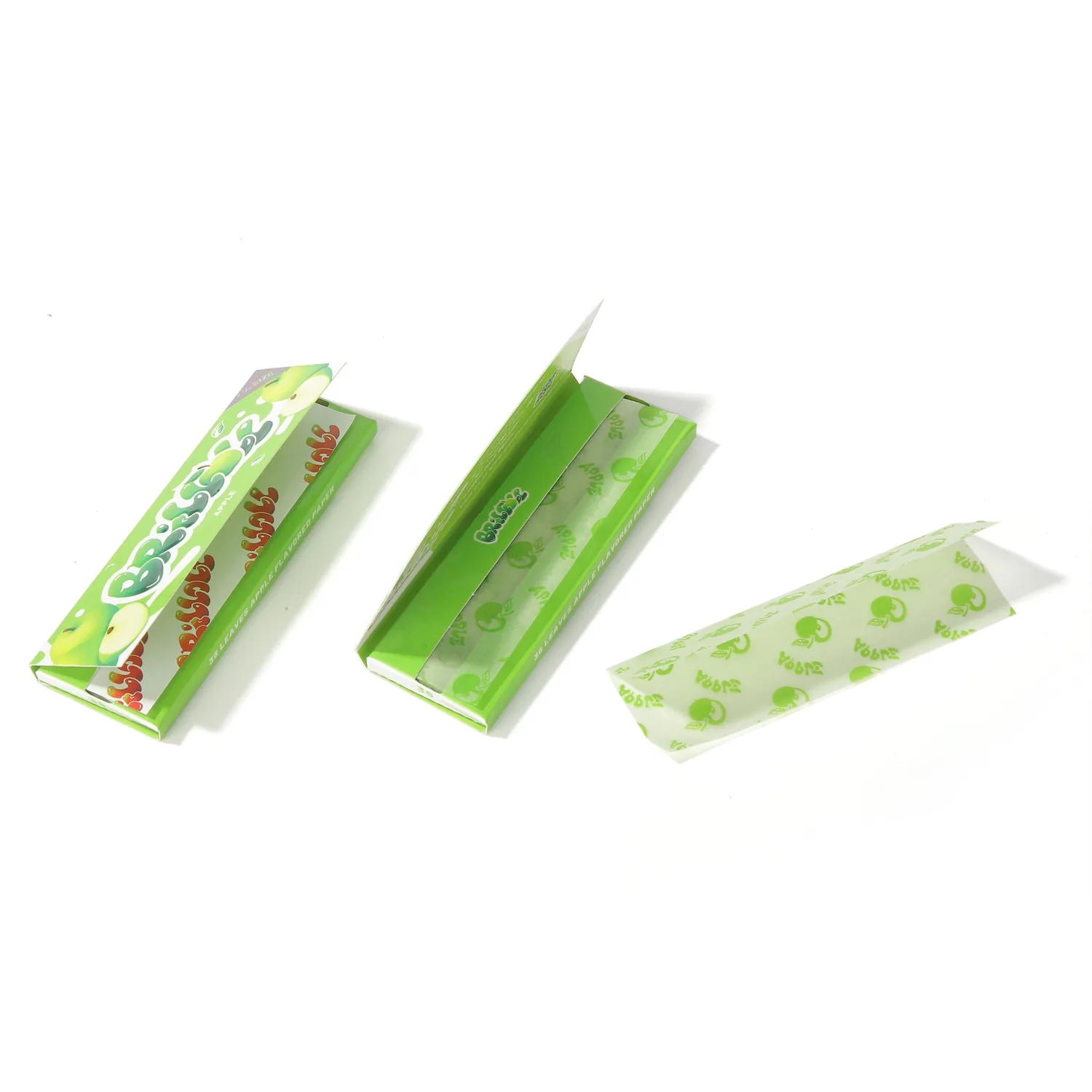
| Fitur | Position |
|---|---|
| Strip perekat | Along the sealing edge |
| Perforation | Along the booklet-attachment edge |
| Risk if misaligned | Weak seal or ragged tear |
Poin Penting: Confirm gum and perforation placement on a physical sample—misalignment between the two is a common converting defect to catch early.
Materials framing: https://ace-rolling.com/quality-certifications/.
Does Perforation Work the Same on Every Paper Fiber?
Lead-in: Different fibers respond slightly differently to perforation cutting.
Summary: Thin, delicate papers may tear more easily along a perforation line than thicker or more fibrous stock, where tear-off can require slightly more force or leave a less clean edge. This is a converting-calibration issue—perforation depth and spacing can be adjusted per fiber to achieve a clean, consistent tear.
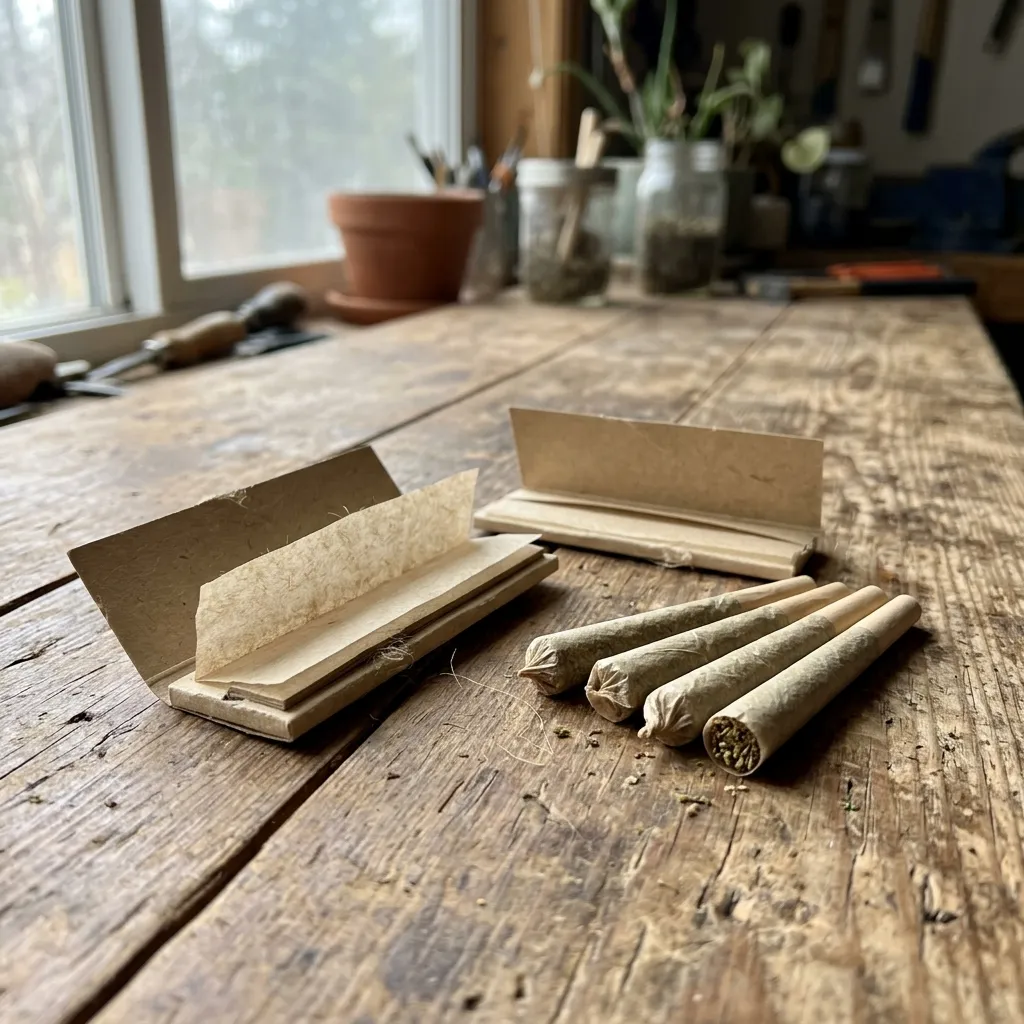
| Jenis serat | Perforation behavior |
|---|---|
| Thin/light papers | Tears easily, needs precise calibration |
| Thicker/fibrous papers | May need adjusted perf depth |
| Calibration | Adjustable per fiber during converting |
Poin Penting: Request a sample tear test on your specific paper fiber—perforation depth may need calibration per material.
Rute kertas: https://ace-rolling.com/custom-rolling-papers/.
What Quality Checks Should You Run on Perforated Samples?
Lead-in: Perforation quality is best judged by actually tearing sample leaves.
Summary: Test tear cleanliness (does the leaf separate along the intended line without ragged tearing into the next leaf), tear force (not too tight, not so loose the leaf falls out prematurely), and consistency across multiple leaves in the same booklet, not just the first one.

| Uji | Kriteria lulus |
|---|---|
| Tear cleanliness | Clean line, no tear-through |
| Tear force | Neither too tight nor too loose |
| Konsistensi | Same performance across all leaves |
Poin Penting: Tear-test multiple leaves across the booklet, not just the top sheet—converting consistency can vary through the block.
Proses sampel: https://ace-rolling.com/how-to-get-a-custom-rolling-paper-sample-kit/.
Does Perforation Change the Wholesale Price of a Booklet?
Lead-in: Perforation is a converting-line detail, not typically a major cost driver.
Summary: Ace quotes perforated booklets inside the same standard ~$0.07–$0.30 per-booklet wholesale band with MOQ as non-perforated booklets—perforation itself generally does not represent a large cost step, though it should still be specified clearly in the RFQ since it affects tooling setup on the converting line.
| Faktor biaya | Catatan |
|---|---|
| Perforation | Minor converting detail, specify clearly |
| Serat kertas | Larger cost driver |
| Print/finish | Larger cost driver |
Poin Penting: Perforation itself is a small line item—your paper fiber and print scope drive most of the wholesale cost.
Band grosir: https://ace-rolling.com/quality-certifications/.
Can You Combine Perforation With Custom Print and Fiber Choices?
Lead-in: Perforation is fully compatible with the rest of your booklet customization.
Summary: Yes—perforated leaves can be produced across white, unbleached kraft, hemp, bamboo, or custom-printed paper routes. Perforation doesn’t restrict fiber or print choice; brief it as one line item alongside your fiber, print, and cover finish decisions in the same RFQ.
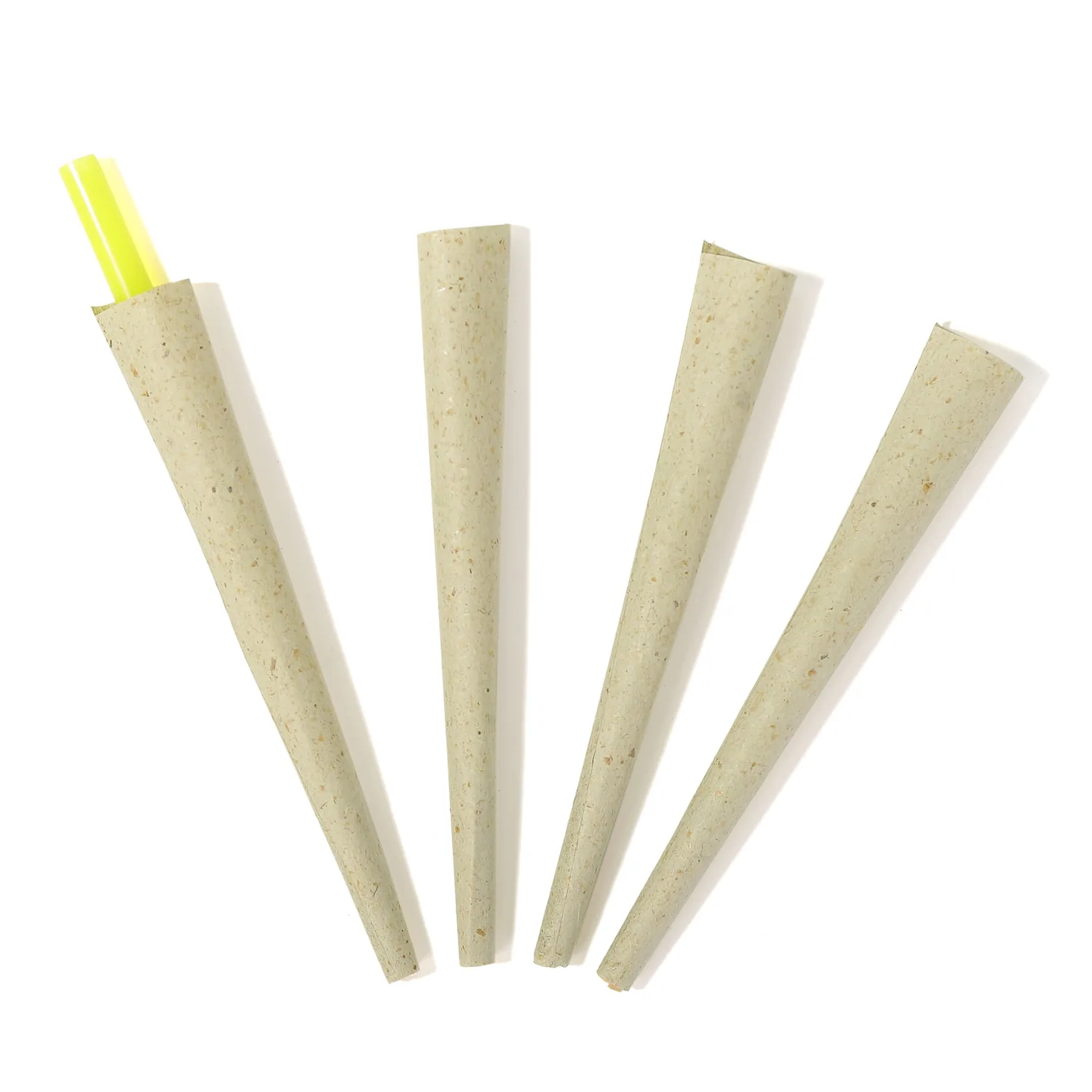
| Combination | Compatibility |
|---|---|
| Perforation + any fiber | Compatible |
| Perforation + custom print | Compatible |
| Perforation + any cover finish | Compatible |
Poin Penting: Perforation is an independent line item—combine it freely with your other fiber and print decisions.
Program OEM: https://ace-rolling.com/oem-odm-rolling-paper-manufacturer/.
How Do You Order Perforated Booklets From Ace Rolling?
Lead-in: One brief settles fiber, perforation, gum placement, and print together.
Summary: Send Ace your fiber choice, perforation requirement, print scope, cover finish, target quantity, destination, and timeline. Ace quotes booklets inside the ~$0.07–$0.30 wholesale band with MOQ, plans concept-to-delivery near two months, and runs mass about four to five weeks after sample approvals confirm clean tear performance.
| Langkah | Aksi |
|---|---|
| 1 | Specify perforation requirement |
| 2 | Confirm fiber and gum placement |
| 3 | Approve tear-test on samples |
| 4 | Freeze artwork |
| 5 | Mass ~4–5 weeks after approvals |
Poin Penting: State perforation explicitly in your RFQ and validate tear performance on a physical sample before mass production.
Mulai: https://ace-rolling.com/contact/.
FAQ
Are perforated rolling papers available OEM in China?
Yes. Perforated tear-lines that let a single leaf detach cleanly from the booklet block are a standard converting option. Guangdong Ace Rolling, a Dongguan, China OEM/ODM manufacturer, produces perforated booklets at the standard ~$0.07–$0.30 per-booklet wholesale band with MOQ, compatible with any fiber, print, or finish choice in the same program.
Does perforation work differently depending on the paper fiber?
Somewhat. Thin, delicate papers may tear more easily along a perforation line, while thicker or more fibrous stock can need slightly more force or leave a less clean edge unless perforation depth is calibrated for that specific material. This is a converting-line adjustment, not a limitation—request a sample tear test on your exact fiber before mass production.
Does adding perforation increase the wholesale price of a booklet?
Generally not significantly. Ace quotes perforated booklets inside the same standard ~$0.07–$0.30 per-booklet wholesale band with MOQ as non-perforated booklets. Perforation itself is a minor converting-line detail compared with fiber choice, print scope, and cover finish, which are typically the larger cost drivers in a booklet quote.
Can perforation be combined with custom printing and a specific paper fiber?
Yes. Perforated leaves can be produced across white, unbleached kraft, hemp, bamboo, or custom-printed paper routes, and perforation does not restrict fiber or print choice. Brief perforation as one line item alongside your fiber, print, and cover finish decisions in the same RFQ so the full booklet spec is quoted together.
What should I check on a perforated paper sample before approving mass production?
Test tear cleanliness (does the leaf separate along the intended line without ragging into the next leaf), tear force (not too tight or too loose), and consistency across multiple leaves in the same booklet, not just the top sheet. Also confirm the gum strip and perforation line don’t interfere with each other on the sample.
Where does the gum strip sit relative to the perforation line?
The gum strip typically sits along the sealing edge of the leaf, separate from the perforation line attaching the leaf to the booklet block. Correct converting keeps the two features from interfering—gum too close to or through the perforation can weaken the seal or the tear line, so confirm placement on a physical sample.
Ready to Brief a Perforated Booklet Program?
Specify your perforation requirement alongside fiber, print, and finish, then validate tear quality on a sample.
- Custom papers: https://ace-rolling.com/custom-rolling-papers/
- OEM programs: https://ace-rolling.com/oem-odm-rolling-paper-manufacturer/
- Quote: https://ace-rolling.com/contact/