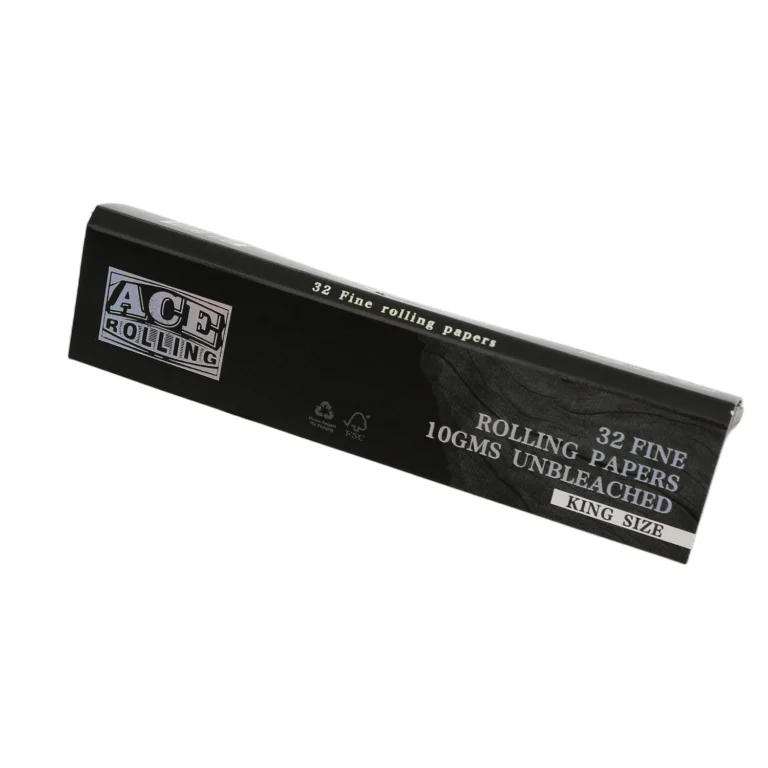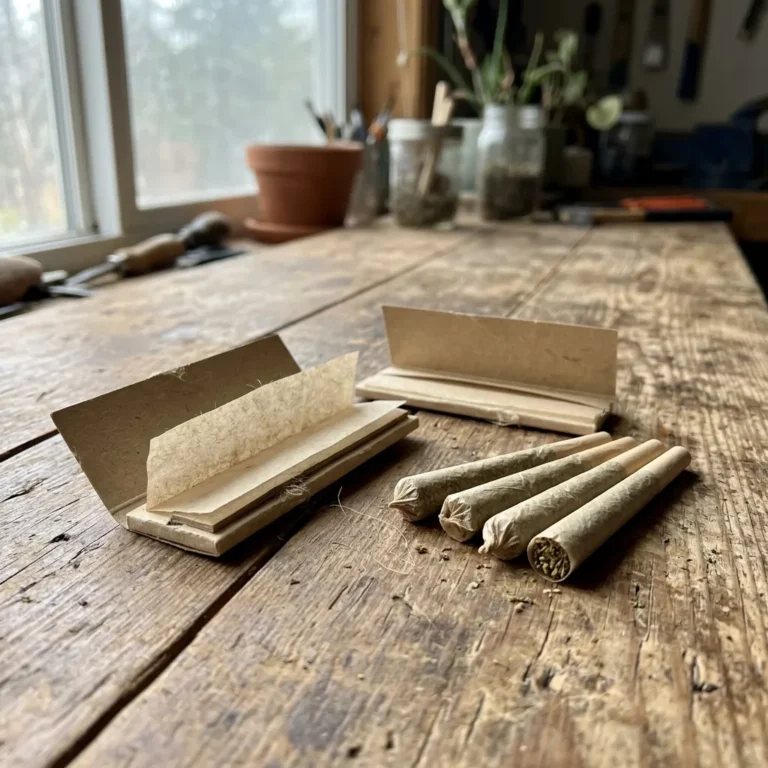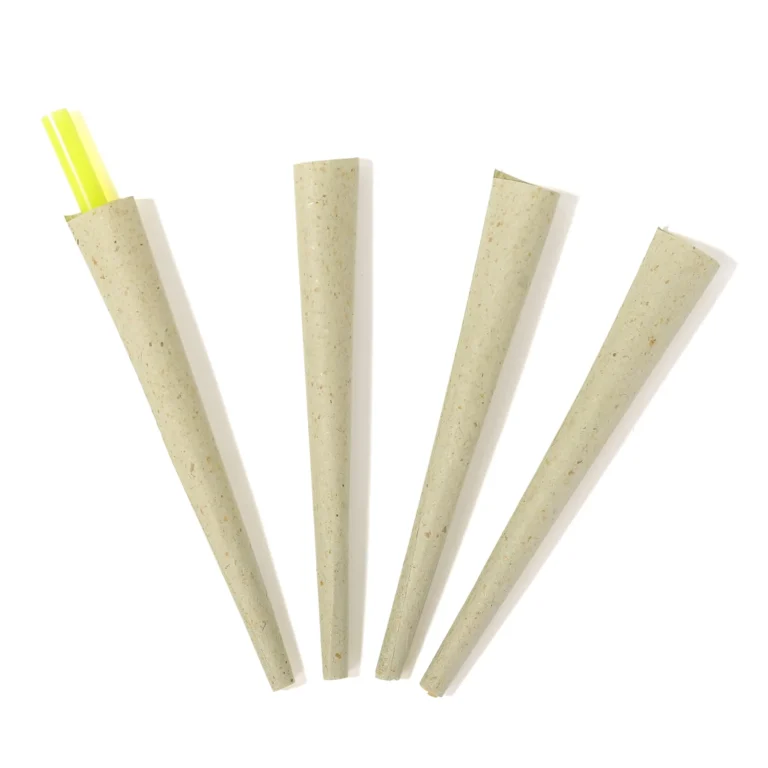

You requested samples from three hemp paper suppliers. One batch burned evenly with light ash. The second canoed and tasted harsh. The third looked identical to the first but fell apart during rolling. Same material label, three completely different products.
Hemp paper contains approximately 85% cellulose compared to 30% in wood pulp, which produces stronger fibers and more predictable burn behavior. But those advantages disappear if the manufacturer does not control fiber processing, slitting tension, and gum-line application.
This article explains how to evaluate hemp paper manufacturers before you commit volume orders. We cover material science, factory verification, customization limits, and the certifications that separate real manufacturers from trading companies.
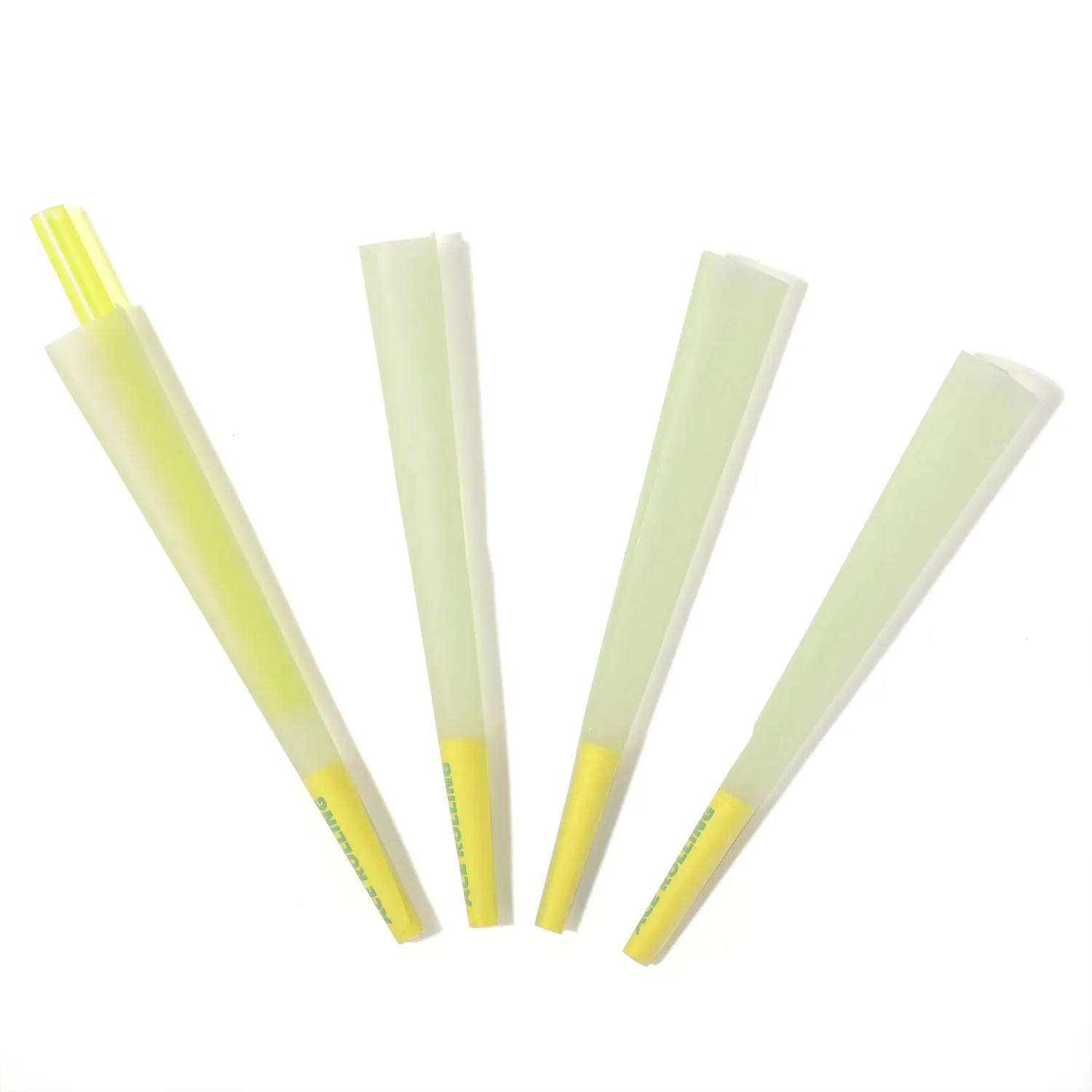
What Makes Hemp Paper Different from Wood Pulp?
Hemp paper is not a marketing label. It is a material category with measurable properties that differentiate it from wood-pulp and rice-paper alternatives.
Higher cellulose content. Industrial hemp contains approximately 85% cellulose, compared to roughly 30% in wood pulp. Higher cellulose content means stronger fibers, better sheet formation, and more predictable burn behavior.
Faster renewability. Hemp reaches maturity in approximately four months. Trees require 20 years or more to produce comparable fiber volume. One acre of hemp can yield the equivalent of four to ten acres of timber over a two-decade cycle.
Fiber strength and burn characteristics. Hemp fibers are longer and more durable than wood fibers. In rolling paper applications, this translates to sheets that resist tearing during handling, hold their shape when rolled, and burn at a steady, even rate — provided the manufacturing process preserves those fiber properties.
These material advantages matter only when the manufacturer understands how to process hemp fibers without degrading them. Not every factory that *claims* hemp capability actually controls the production stack.
Why Are Brands Switching to Hemp-Based Rolling Papers?
Three forces are driving the shift:
Consumer demand for natural materials. End users increasingly read packaging labels. Unbleached hemp paper, free of chlorine and chemical additives, aligns with the preference for transparency and simplicity.
Regulatory and sourcing advantages. Hemp is not classified as a controlled substance in most jurisdictions when THC content remains below 0.3%. This simplifies import/export documentation and reduces customs complexity compared to products with less transparent supply chains. FSC-certified hemp sourcing also satisfies sustainability requirements from major retail chains.
Burn consistency and user experience. When manufactured correctly, hemp paper delivers a mild taste profile that does not overpower the material being rolled. The natural fiber structure supports even combustion — a functional property that directly affects customer satisfaction and repeat purchases.
What to Verify Before Partnering with a Hemp Paper Manufacturer
Sourcing decisions in this category should be driven by factory-level verification, not brochure claims. Here is what to examine:
Raw Material Traceability
Where does the base paper come from? A genuine manufacturer can name their paper supplier and explain the relationship. White-label resellers typically cannot.
The base paper determines everything: fiber consistency, porosity, ash color, and gum adhesion. If a factory buys jumbo rolls from opaque intermediaries, batch-to-batch variation is inevitable. Demand documentation showing the origin of raw materials and, ideally, an exclusive or primary-supplier relationship with a recognized paper mill.
Production Capacity and Automation Level
Ask direct questions: How many production lines? What is annual booklet and cone capacity? What is the average lead time for standard versus custom orders?
Semi-automated factories struggle with large-volume consistency. Fully automated lines with international-standard equipment are the baseline for any partner claiming industrial-scale capability.
Profundidad de la personalización
Can the manufacturer adjust sheet dimensions, booklet leaf count, paper weight (gsm), and cone sizes? Do they offer tipping paper, filter tips, and accessory integration? Can they handle packaging design and logo printing?
Surface-level customization — printing a logo on standard booklets — is common. Deep customization, including unique paper formulations, proprietary leaf counts, and built-in accessories, requires engineering capacity that only integrated manufacturers possess.
Certifications That Matter
| Certification | What It Verifies |
|---|---|
| ISO 9001:2015 | Quality management systems and process consistency |
| FSC (Consejo de Administración Forestal) | Responsible sourcing of wood-pulp components and supply-chain traceability |
| Food-Grade Gum | Natural Arabic gum adhesion, safe for intended use |
| Third-Party Factory Audit | On-site verification by TÜV, SGS, or equivalent agencies |
Certificates should be current and verifiable. Ask for certificate numbers and issuing bodies.
Quality Testing Protocols
A credible manufacturer tests for:
- Dynamic porosity — airflow resistance that affects draw and burn rate
- Slow, even burn — preventing “canoeing” or uneven combustion
- Ash color and purity — clean white or light gray ash indicates minimal chemical residue
- Gum adhesion — consistent stickiness across temperature and humidity ranges
Request test reports or, better, arrange third-party inspection before committing to volume orders.
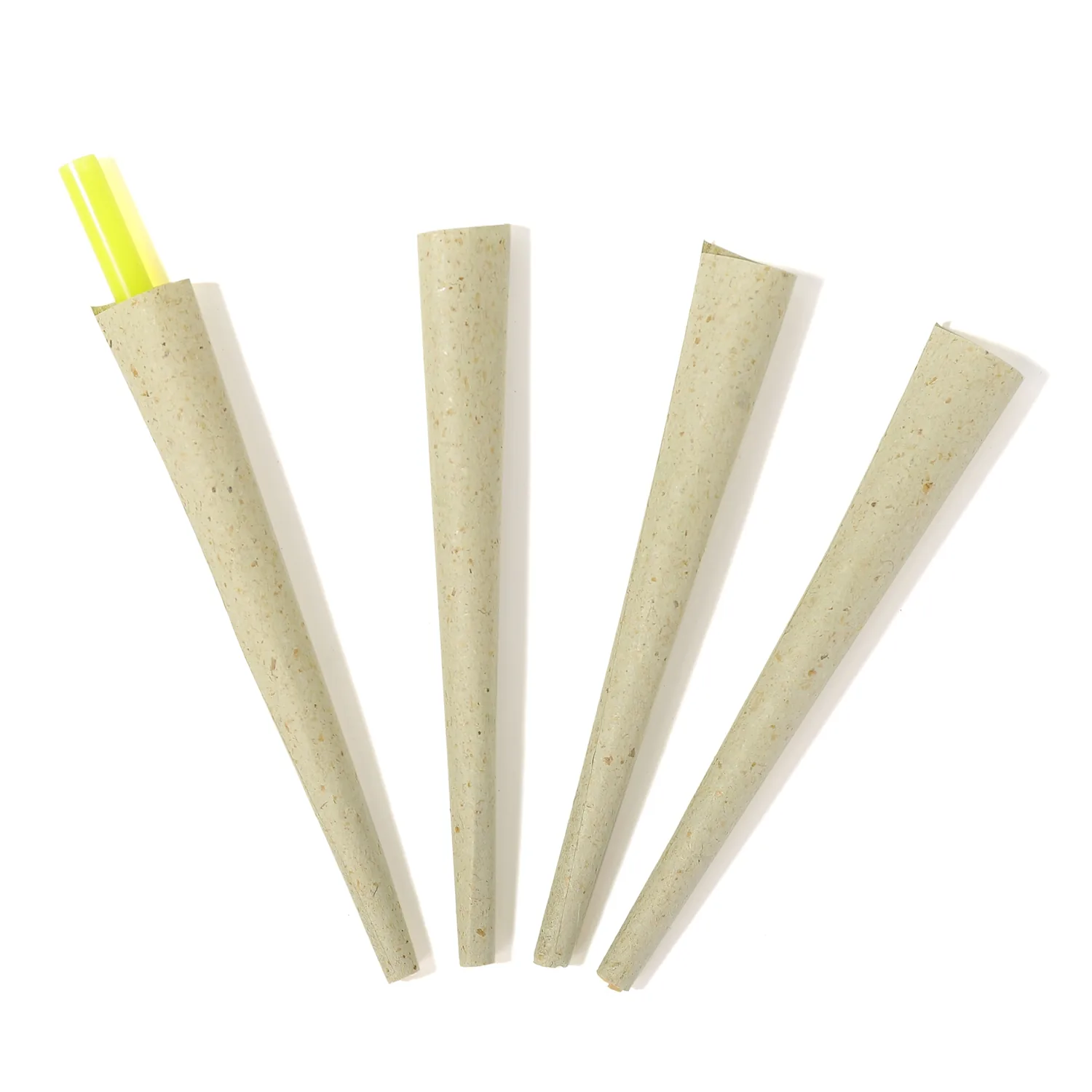
How Do You Tell a Real Manufacturer from a Reseller?
The rolling paper industry has a deep layer of trading companies and resellers. They market aggressively but own no equipment. Here is how to distinguish them:
White-label resellers source finished booklets from anonymous factories, apply branding, and resell. They cannot modify paper formulation, adjust leaf count, or guarantee batch consistency because they do not control production.
Actual manufacturers own or directly operate production facilities. They buy base paper in jumbo rolls, run slitting and folding lines, apply gum, and manage packaging in-house. They can modify specifications, run quality control at every stage, and absorb volume increases without outsourcing.
How to spot the difference:
- Ask for factory video or live virtual tour
- Request samples from two different production batches and compare
- Check if they can customize leaf count per booklet (a precise mechanical setting)
- Verify if they name their base paper supplier
- Look for Alibaba Verified Supplier status with on-site audit documentation
What Manufacturing Capabilities Should You Demand?
Not every factory that produces rolling papers can handle the technical requirements of hemp-specific manufacturing. Hemp fibers behave differently than rice or wood pulp during slitting and folding. These capabilities signal serious production competence:
High-speed precision slitting. The number of leaves per booklet is determined by slitting accuracy. Industry-standard booklet sizes range from 32 to 50 leaves. Advanced manufacturers with precision slitters can customize up to 120 leaves per booklet — a capability that requires equipment investment most factories have not made.
Multi-material production lines. A factory worth partnering with should handle more than hemp. The ability to switch between hemp, rice, flax, bamboo, and cellulose papers on the same equipment indicates operational maturity and gives your brand flexibility to expand product lines without switching suppliers.
Packaging and accessory integration. Finished booklets are only part of the product. Can the manufacturer supply filter tips (glass, wood, ceramic, acetate), custom trays, and retail-ready packaging? Integrated accessory production simplifies logistics and ensures design consistency across the product family.
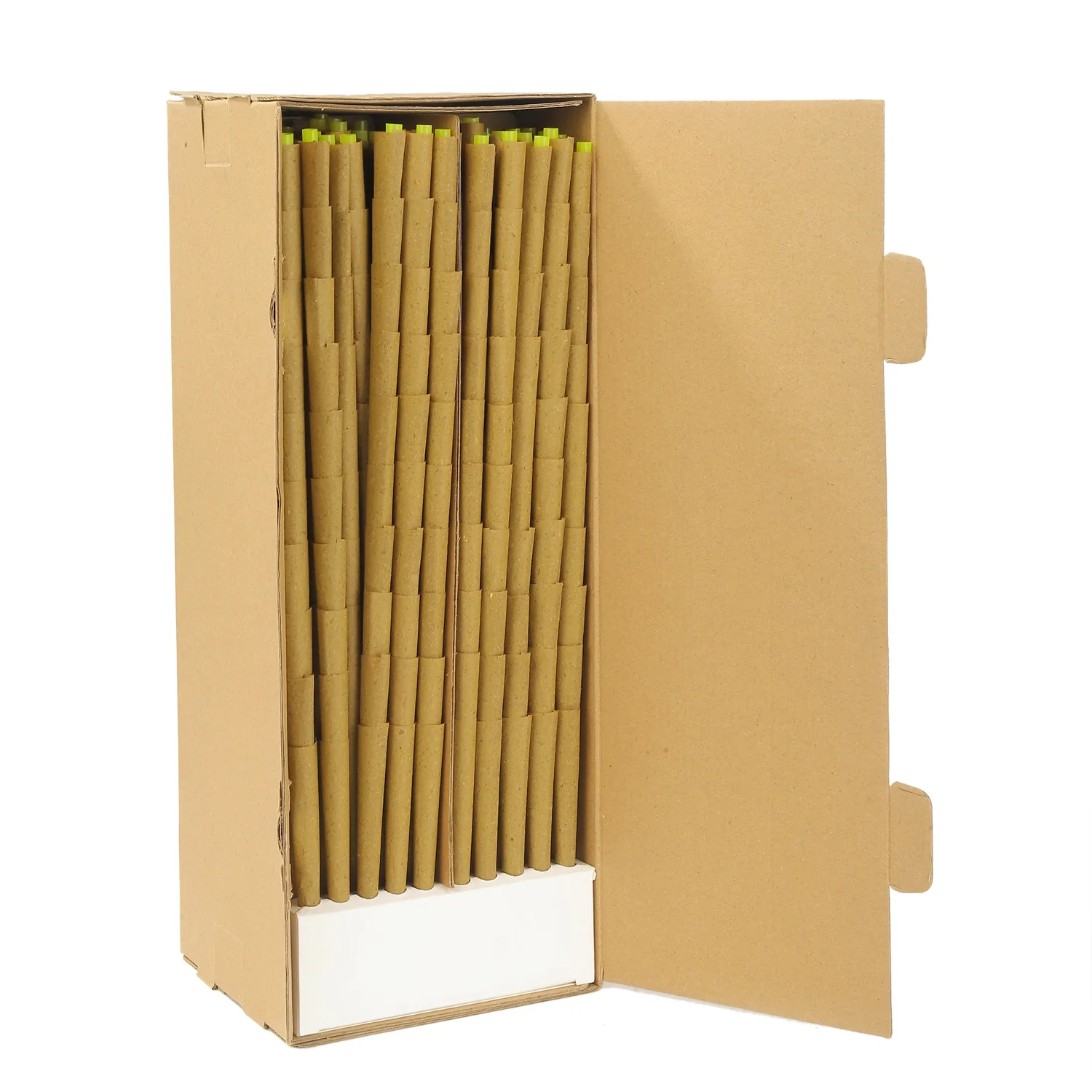
What Mistakes Do Buyers Make When Sourcing Hemp Paper?
Even experienced buyers make these mistakes:
Inconsistent base paper quality. If the manufacturer changes base paper suppliers to cut costs, your product changes without warning. Demand supplier-lock agreements or single-source documentation.
Hidden customization costs. Some factories quote low base prices but charge excessively for tooling, plate changes, or packaging design. Request fully loaded quotations including setup fees, mold costs, and design services.
Long lead times from under-capacitized factories. A factory running at 95% capacity cannot absorb your order without delays. Verify current capacity utilization and ask for guaranteed delivery windows with penalty clauses.
Compliance gaps. Missing FSC chain-of-custody documentation or expired ISO certificates can block retail distribution in regulated markets. Audit compliance before signing contracts, not after production begins.
Acerca de Ace Rolling
Ace Rolling es Guangdong Ace Rolling New Material Technology Co., Ltd. — one of only two RYO paper factories operating at industrial scale globally. We are not a reseller. We are the manufacturer.
Manufacturing at Scale
Our 2,000–4,000 sqm facility in Dongguan, China runs fully automated production across 5–7 international-standard high-speed lines and 17 core machines. Annual capacity reaches 500 million booklets and cones. We maintain an average response time under two hours and an on-time delivery rate exceeding 98%.
Control de Materiales
100% of our base paper is supplied by Mudanjiang Hengfeng Paper Co., Ltd. (Grupo Hengfeng) — the world’s third-largest specialty and smoking paper enterprise, commanding one-third of global smoking paper market share. This exclusive supply relationship gives us batch-to-batch consistency that trading companies cannot match.
Certificaciones
- ISO 9001:2015
- FSC (Consejo de Administración Forestal)
- Alibaba Verified Supplier — audited on-site by TÜV Rheinland / SGS with full raw-material traceability
Material Innovation
Beyond standard hemp, rice, and wood pulp, we develop sustainable alternatives for brands seeking differentiation:
- Pandace pure flax — the world’s first 100% tree-free, biodegradable rolling paper
- Authentic bamboo paper — fast-growing, low-impact fiber source
- Rose petal wraps — alternativa botánica para posicionamiento premium
- Celulosa transparente — papel transparente para productos visualmente destacados
Todos los papeles utilizan goma arábiga orgánica natural 100% para la adhesión, sin aditivos químicos nocivos. Cada lote se prueba para porosidad dinámica, velocidad de combustión lenta y pureza de cenizas.
Capacidad Única en la Industria
Somos el único fabricante equipado con máquinas de corte de alta velocidad y precisión capaces de personalizar libretas de hasta 120 hojas por libreta — una flexibilidad que ningún competidor iguala actualmente.
Global Footprint
- Dongguan — sede de fabricación
- Shenzhen — oficina de ventas
- Hong Kong — sucursal de comercio global
Servimos mercados en América del Norte, Europa Occidental, América del Sur, el Sudeste Asiático y África a través de Incoterms y opciones de pago flexibles.
Dos Modelos de Negocio
Ya sea que necesite productos minoristas totalmente terminados bajo nuestras cuatro marcas registradas, o una personalización profunda OEM/ODM creada desde cero — desde puntas de madera grabadas con láser hasta marcas de agua y sabores personalizados — se aplica el mismo estándar de calidad.
Preguntas frecuentes
¿Qué certificaciones debe tener un fabricante de papel de cáñamo?
Como mínimo: ISO 9001:2015 para gestión de calidad, FSC para abastecimiento responsable y documentación de gama alimentaria. Las auditorías de fábrica por terceros (TÜV, SGS, Bureau Veritas) proporcionan una verificación adicional de las capacidades declaradas.
¿Cómo se compara el papel de cáñamo con el papel de arroz para enrollar?
El papel de cáñamo es más fuerte y resistente al desgarro debido a sus fibras más largas. El papel de arroz es más delgado y se quema más rápido con cenizas mínimas. El cáñamo ofrece una experiencia de fumado ligeramente más robusta; el arroz atrae a usuarios que priorizan un sabor mínimo del papel. La elección correcta depende de la preferencia de su mercado objetivo.
¿Qué MOQ debo esperar de una fábrica de papel de cáñamo?
Los fabricantes industriales suelen requerir de 5.000 a 10.000 unidades para folletos con marca personalizada. Algunas fábricas admiten cantidades mínimas de pedido más bajas para nuevas empresas — 2.000 unidades en ciertas configuraciones — pero verifique si los pedidos con MOQ bajo reciben la misma prioridad en la línea de producción que los pedidos de gran volumen.
¿Se puede personalizar el papel de cáñamo con el logotipo y el empaque de mi marca?
Sí. La personalización incluye impresión de libretas, marca de agua en hojas interiores, diseño de empaque e integración de accesorios (conos, bandejas, puntas). La profundidad de la personalización depende de si trabajas con un fabricante real o un revendedor. Los fabricantes controlan toda la cadena; los revendedores están limitados a un branding superficial.
Reflexiones Finales
El papel de cáñamo no es una moda. Es una mejora de material respaldada por propiedades medibles: mayor contenido de celulosa, renovabilidad más rápida y fibras más fuertes. Pero esas ventajas existen solo cuando el fabricante sabe cómo procesar el cáñamo sin degradarlo.
Si estás evaluando fabricantes de papel de cáñamo para tu próxima línea de productos, verifica la trazabilidad del material, la capacidad de producción, la profundidad de personalización y las certificaciones antes de comprometerte. La fábrica que elijas determina todo, desde la consistencia del lote hasta la fiabilidad de la entrega.
En Ace Rolling, controlamos toda la cadena de producción, desde el papel base obtenido exclusivamente del Grupo Hengfeng hasta la producción final de libretas y conos en nuestra fábrica de Dongguan. Si necesitas muestras, documentación de capacidades o un recorrido por la fábrica, nuestro equipo responde en un plazo de dos horas.
Amazing Paper, Create, Enjoyable Life! — Ace Rolling