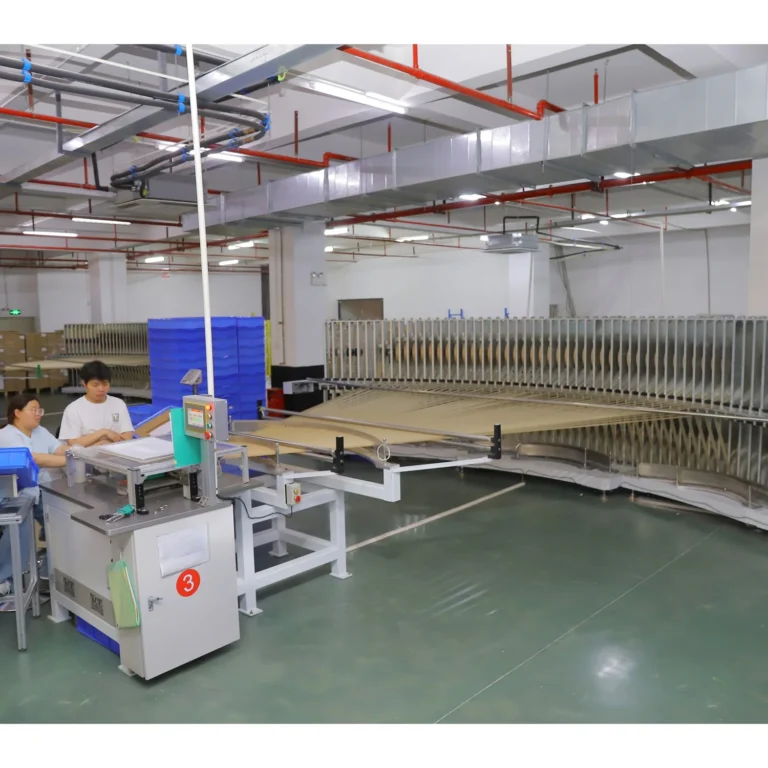

I’ve stood at this exact station on the converting line more times than I can count, watching buyers ask the same three questions.
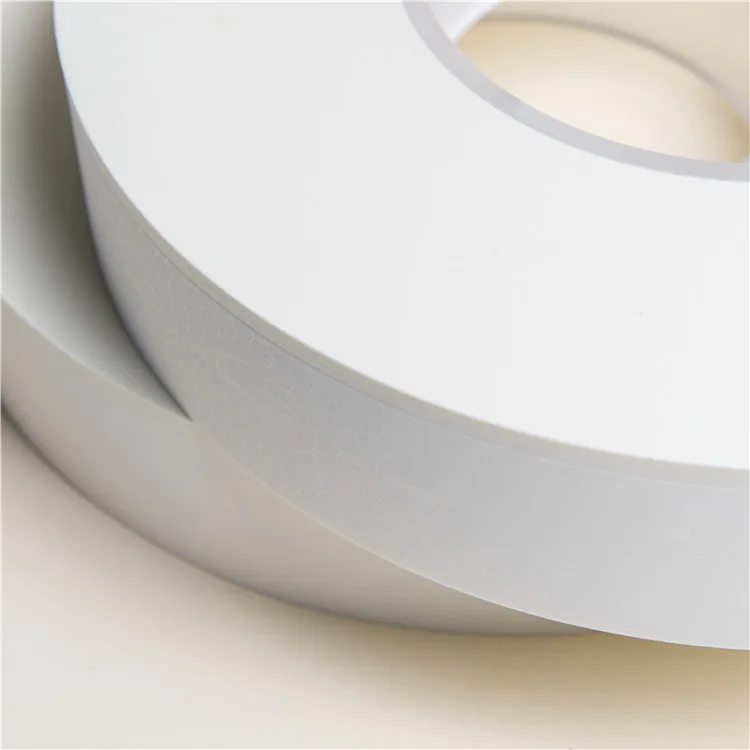
A gumming unit runs a thin, controlled line of natural gum (commonly Arabic/Acacia gum) along one edge of the paper web as it moves through the converting line, then the gummed edge passes through an in-line drying stage before slitting and cutting into finished leaves.
I’ve covered the full fiber-to-booklet converting chain elsewhere; this piece is a deep dive on just the gumming station, since that’s the step buyers ask me the most granular questions about. See the full chain at https://ace-rolling.com/how-are-rolling-papers-manufactured/.
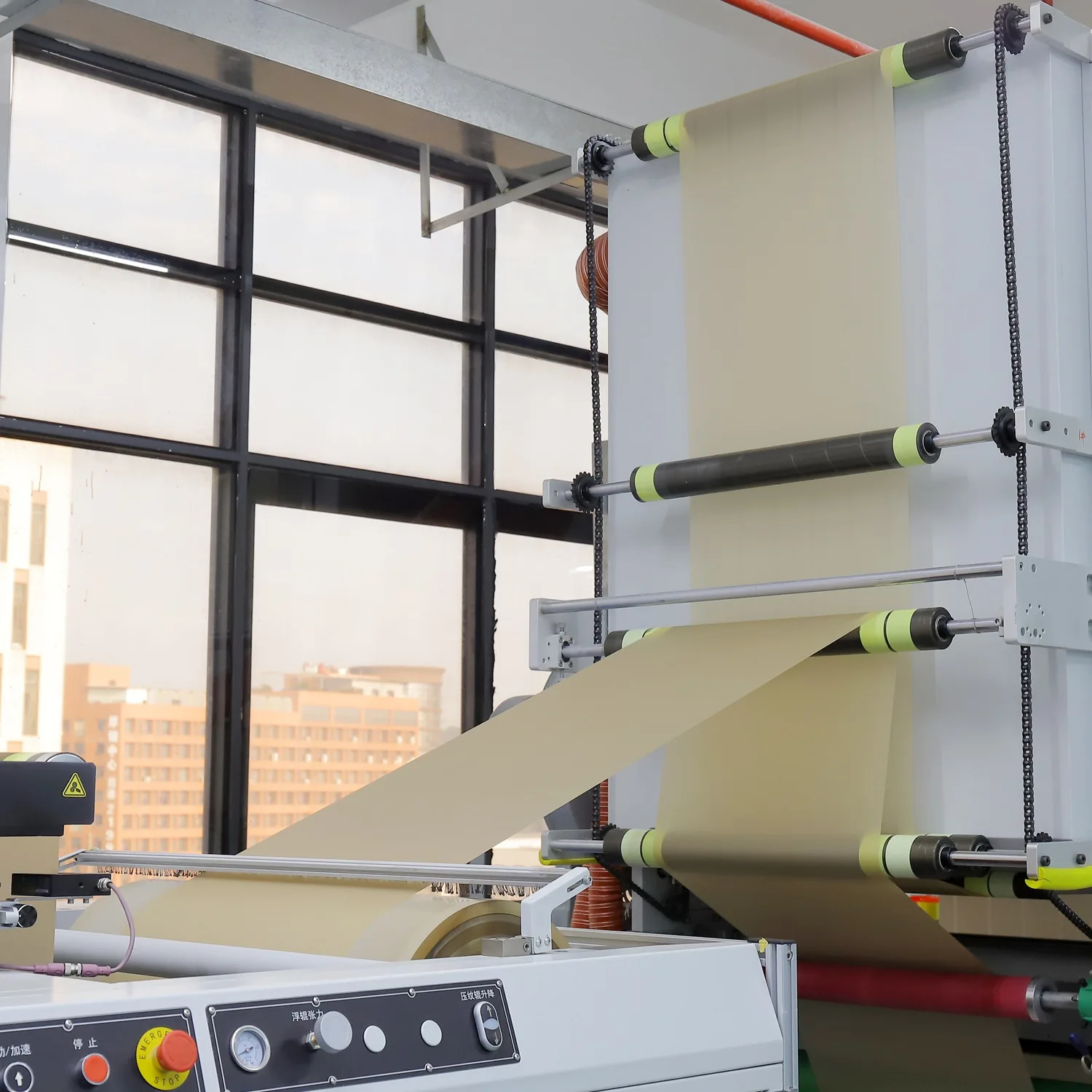
What Actually Happens at the Gumming Station on the Line?
I get asked if this is a manual step. It isn’t, at the volumes we’re talking about.
A gumming unit applies gum solution to a precise strip along one edge of the moving paper web using a roller or wheel-transfer mechanism, timed to the web speed so the gum line lands consistently along the entire roll.

The gum solution itself sits in a reservoir feeding the application roller, and the roller contacts only the intended strip width of the moving web—not the full sheet. Getting this right at production line speed, continuously, for an entire master roll, is the actual engineering challenge here. A station that runs perfectly on a slow test pass can behave differently once it’s running at full production speed, which is one reason I always want to see a sample run at real line speed, not just a hand-pulled demo strip.
How Is Gum Width and Thickness Actually Controlled?
This is the part most buyers have never thought about, and it matters more than they expect.
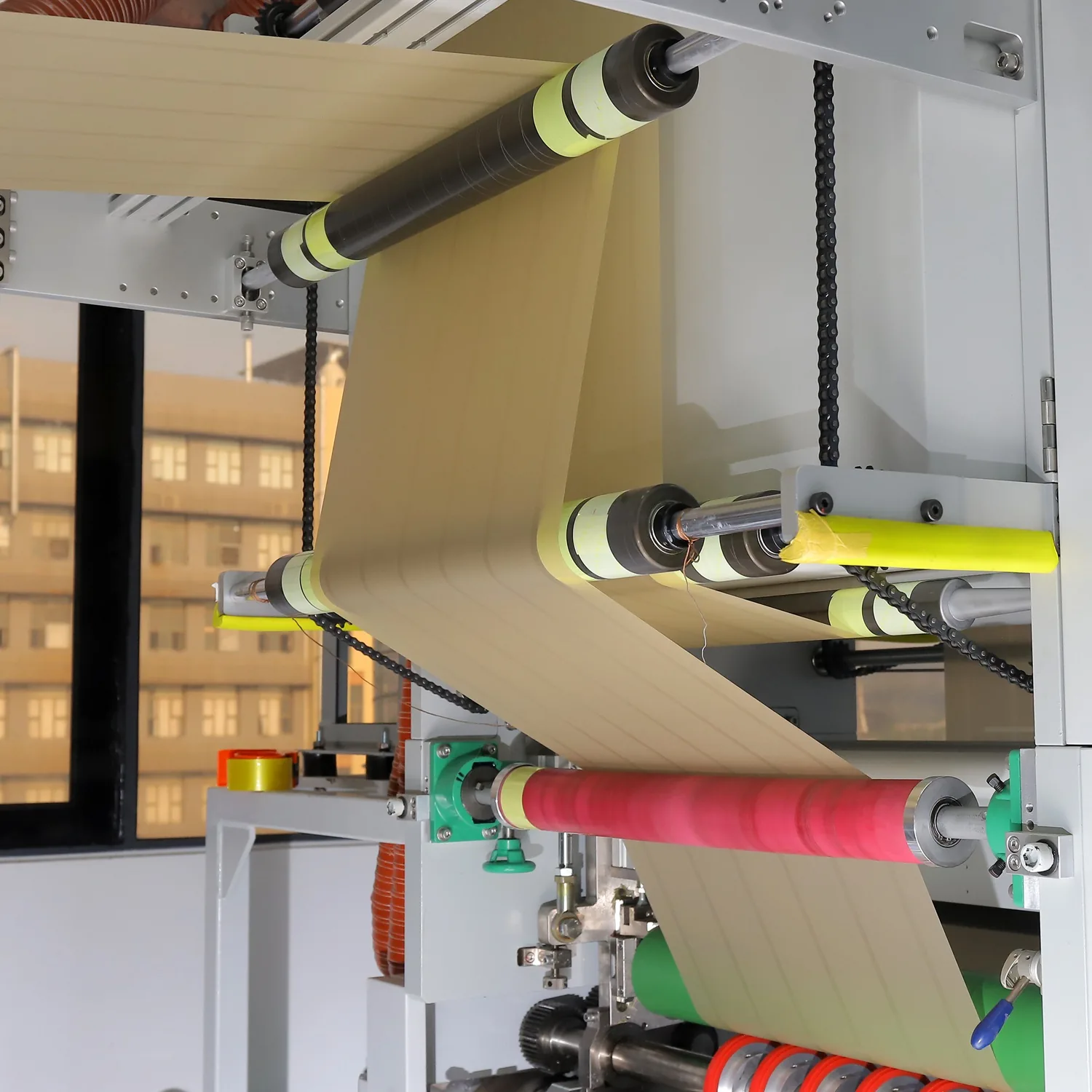
Gum strip width is set by the application roller’s contact width and web positioning, while thickness is controlled by gum solution viscosity and the pressure/gap settings on the application roller—both need to stay within a tight tolerance across an entire production run.
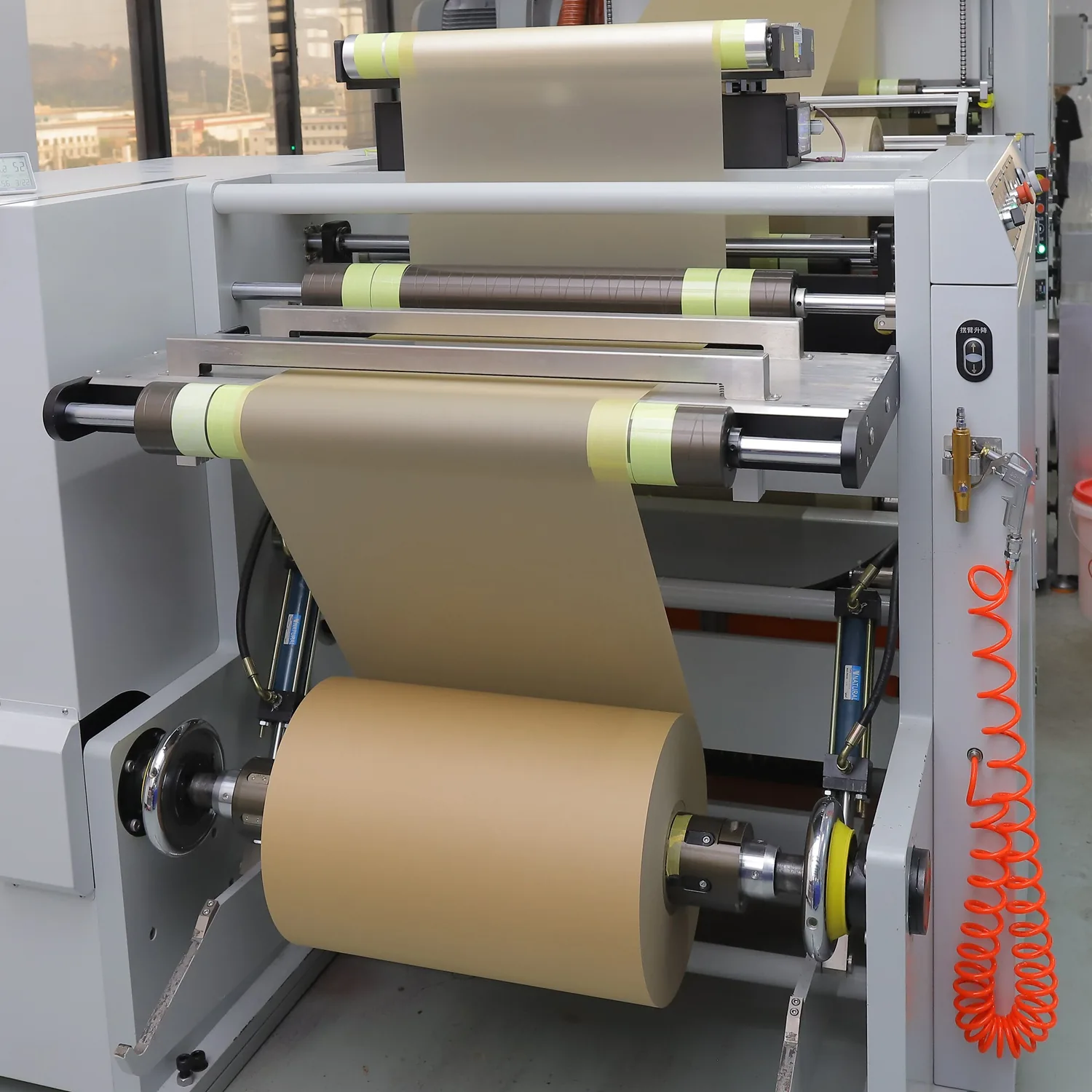
Web tension matters here too. If the paper web isn’t held at consistent tension as it passes the gumming station, the gum strip can shift slightly in position or thickness even with the application settings unchanged. This is part of why converting line setup and maintenance directly affects gum consistency, not just the gumming unit’s own settings in isolation.
| Control factor | What it affects |
|---|---|
| Application roller contact width | Gum strip width |
| Gum solution viscosity | Gum strip thickness |
| Web tension consistency | Positioning and evenness of transfer |
What Goes Wrong When Gum Is Applied Too Thick or Too Thin?
I’ve seen both failure directions, and they show up differently.
Gum applied too thick adds noticeable taste and a heavier feel to the finished leaf and can slow drying enough to cause sticking issues downstream; gum applied too thin risks weak seal strength, where the seam doesn’t hold reliably when the consumer rolls and licks the paper.
Too-thick gum is usually a viscosity or roller-gap setting issue, and it tends to be visually obvious on inspection—a heavier, glossier strip than spec. Too-thin gum is harder to catch visually and often only shows up as a seal-strength complaint after the product reaches a consumer, which is exactly why adhesion testing during production (not just visual inspection) matters as much as it does.
Does Humidity During Production Affect How Gum Applies and Dries?
Yes, and this is one of the more underrated variables in the whole process.
Ambient humidity in the converting environment affects both how the gum solution behaves during application and how quickly it dries in-line, so converting facilities that don’t control this factor can see more day-to-day variation in gum consistency than ones that do.
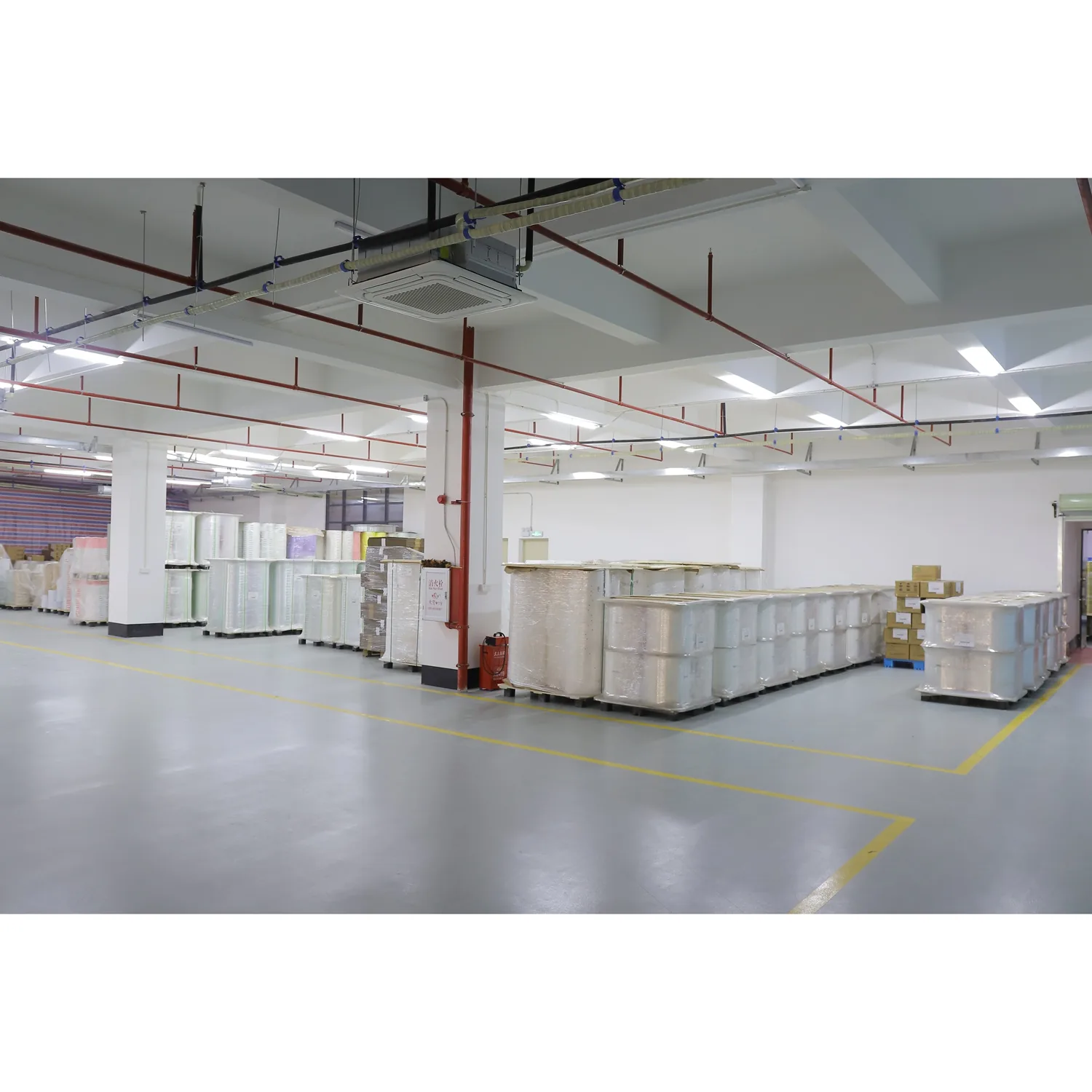
I bring this up with buyers specifically because it’s a facility question, not just an equipment spec question. A converting line running the exact same gum recipe and roller settings can still show more variation between production runs if the facility’s ambient humidity swings significantly between them. It’s a reasonable question to ask any manufacturer you’re vetting: how is your converting environment controlled, not just what gum do you use.
How Is Gum Adhesion Actually Tested Before a Batch Ships?
Visual inspection alone doesn’t confirm the gum actually holds.
Adhesion testing typically involves physically rolling and sealing sample leaves from the batch and checking whether the seam holds under normal handling, done at intervals throughout a production run rather than only at the start.

A single adhesion check at the start of a production run doesn’t catch drift that can happen partway through, whether from a viscosity change, a roller wear issue, or an environmental shift. I ask manufacturers about their testing interval specifically—checking once versus checking throughout the run is a meaningful quality difference that isn’t visible on a finished product until it’s already shipped.
What Should You Ask About Gum When Vetting a Manufacturer?
This is the short list I’d actually use if I were the buyer instead of the supplier.
Ask what gum type is used (and whether it’s food-grade), how gum consistency is tested during a run (not just at the start), and request a physical sample from your actual target production run rather than a generic reference sample.
| Question to ask | Por qué es importante |
|---|---|
| What gum type, food-grade confirmed? | Confirms base material safety and consistency |
| How often is adhesion tested per run? | Reveals whether drift gets caught mid-run |
| Can I get a sample from my actual target run? | Confirms real conditions, not a generic reference |
Ace Rolling uses food-grade natural organic Arabic gum on its standard booklet and cone lines and can walk buyers through its gumming and QC process during vetting. Custom booklet programs quote from roughly USD $0.07–$0.30 per booklet wholesale with MOQ applying.
Preguntas frecuentes
How is the gum strip applied when making rolling papers?
A gumming unit applies a thin, controlled line of natural gum, commonly Arabic or Acacia gum, along one edge of the moving paper web using a roller or wheel-transfer mechanism, timed to line speed. The gummed edge then passes through an in-line drying stage before the web is slit and cut into finished leaves.
What controls how wide or thick the gum strip ends up?
Gum strip width is set by the application roller’s contact width and how the web is positioned relative to it, while thickness is controlled by the gum solution’s viscosity and the roller’s pressure and gap settings. Web tension consistency also affects how evenly the gum actually transfers across an entire production run.
What happens if a manufacturer applies gum too thin?
Gum applied too thin risks weak seal strength, meaning the seam may not hold reliably when a consumer rolls and licks the finished paper. This defect is harder to catch through visual inspection alone than a too-thick gum line, which is why adhesion testing during production, not just a visual check, matters for catching it before shipment.
Does the humidity in the factory actually affect the finished gum line?
Yes. Ambient humidity in the converting environment affects both how the gum solution behaves during application and how quickly it dries in-line, so facilities without controlled environments can see more variation between production runs. It’s a reasonable question to ask when vetting a rolling paper manufacturer, not just what gum recipe they use.
How often should gum adhesion be tested during a production run?
Adhesion should be tested at intervals throughout a production run, not only at the start, since viscosity drift, roller wear, or environmental shifts can affect gum consistency partway through. A single start-of-run check can miss defects that only appear later in the same batch, so ask your manufacturer about their specific testing interval.
Does Ace Rolling use food-grade gum on its rolling paper lines?
Yes, Ace Rolling uses food-grade natural organic Arabic gum on its standard booklet and cone production lines. Buyers can request details on the gumming and adhesion-testing process during vetting, and custom booklet programs quote from roughly USD $0.07–$0.30 per booklet wholesale with MOQ applying based on size, material, and packaging.
Want to See the Gumming Process for Your Program?
Ask about gum type, testing interval, and request a sample from your actual target run.
- Calidad y certificaciones: https://ace-rolling.com/quality-certifications/
- Papeles de fumar personalizados: https://ace-rolling.com/custom-rolling-papers/
- Cotización: https://ace-rolling.com/contact/