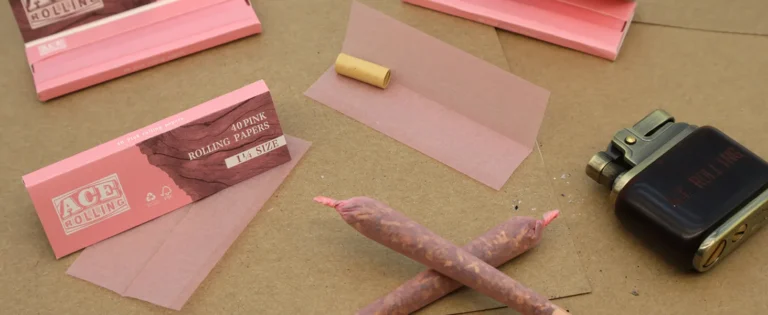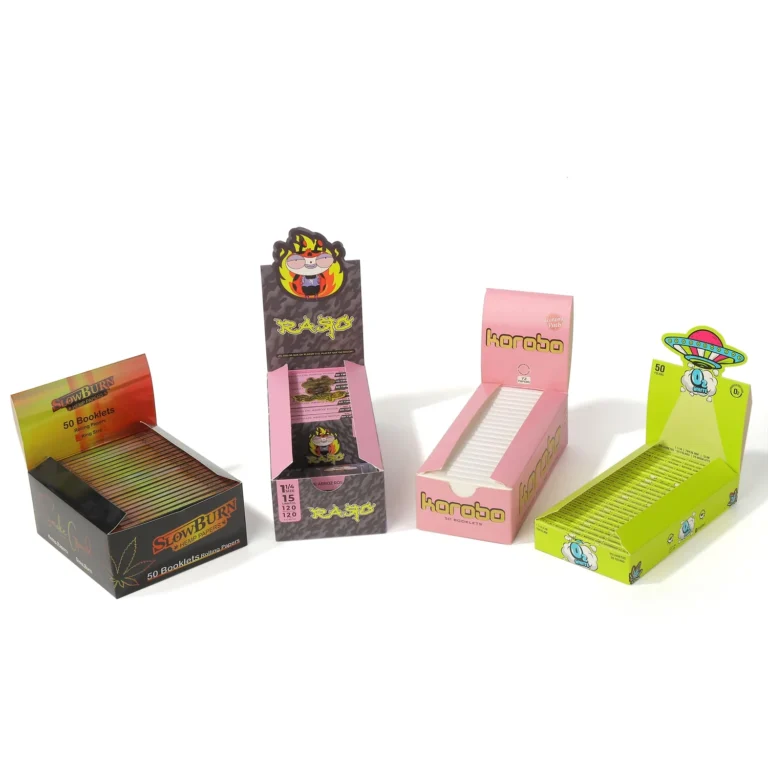

我曾无数次站在转换生产线的这个工位,看着采购方提出同样的三个问题。.
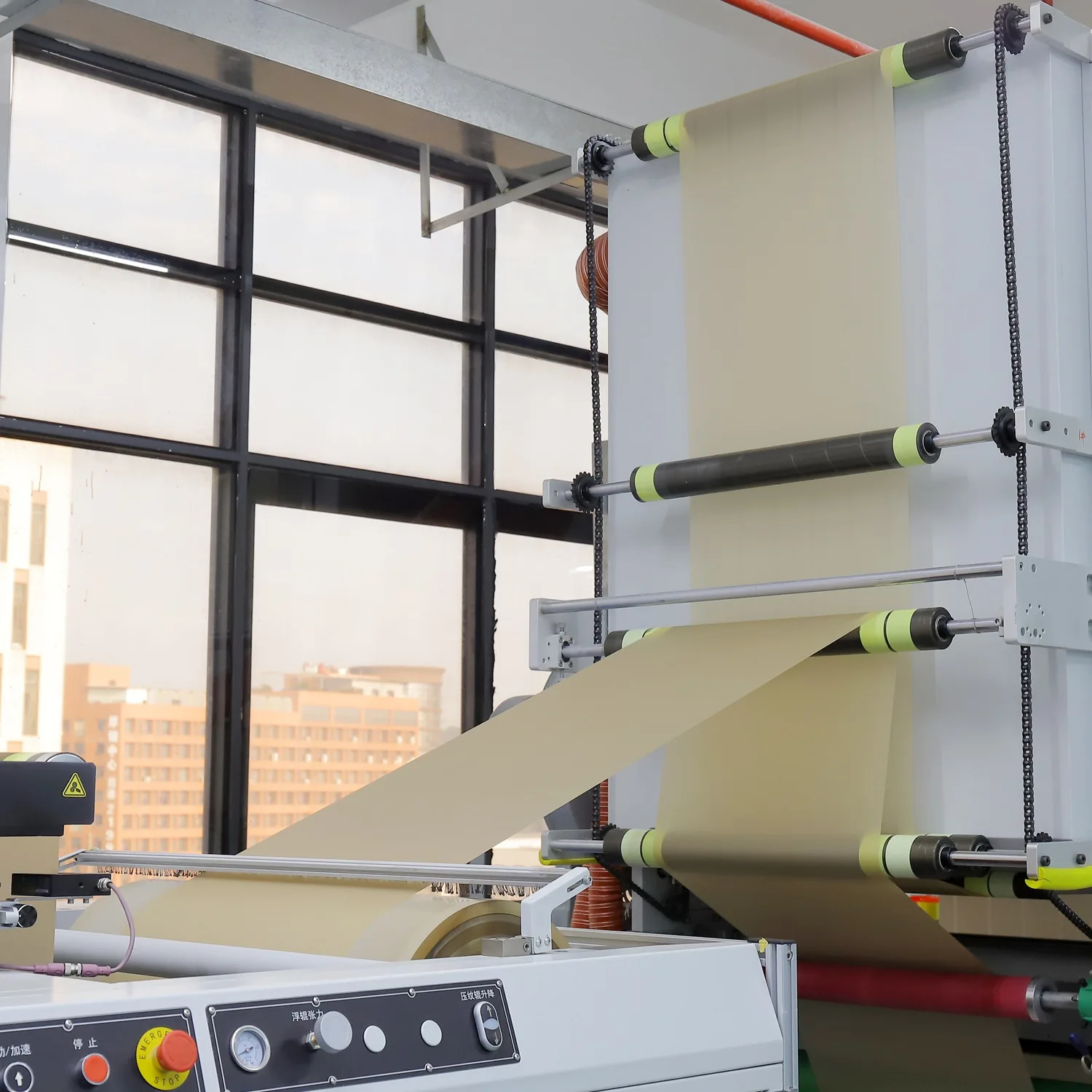
涂胶单元在纸幅通过加工线时,沿其边缘精确涂布一条细薄可控的天然胶线(通常为阿拉伯/金合欢胶),随后涂胶边缘经过在线干燥阶段,再进行分切和裁切成成品纸页。.
我已在别处详细介绍了从纤维到小册子的完整转换链条;本文则深入探讨涂胶站,因为这是买家向我询问最细致问题的环节。完整链条请见 https://ace-rolling.com/how-are-rolling-papers-manufactured/。.
生产线涂胶站的实际运作流程是怎样的?
有人问我这是否是一个手动步骤。不是的,考虑到我们讨论的产量规模,这并非手动操作。.
上胶单元通过辊筒或轮转机构将胶液精确涂布在移动纸卷一侧边缘的条带上,其动作与卷材速度同步,确保胶线在整个纸卷上保持位置一致。.

胶液本身储存在供料槽中,通过涂布辊仅接触移动纸幅的目标胶条宽度区域——而非整张纸幅。在生产线全速运行下,持续稳定地完成整卷母卷的精确涂布,才是真正的工程挑战。在低速测试中表现完美的涂胶站,全速生产时可能出现差异,这正是我坚持要求查看实际生产线速度样本而非手工演示条的原因之一。.
胶条宽度与厚度如何实现精准控制?
这是大多数买家从未考虑过的部分,但其重要性远超他们预期。.
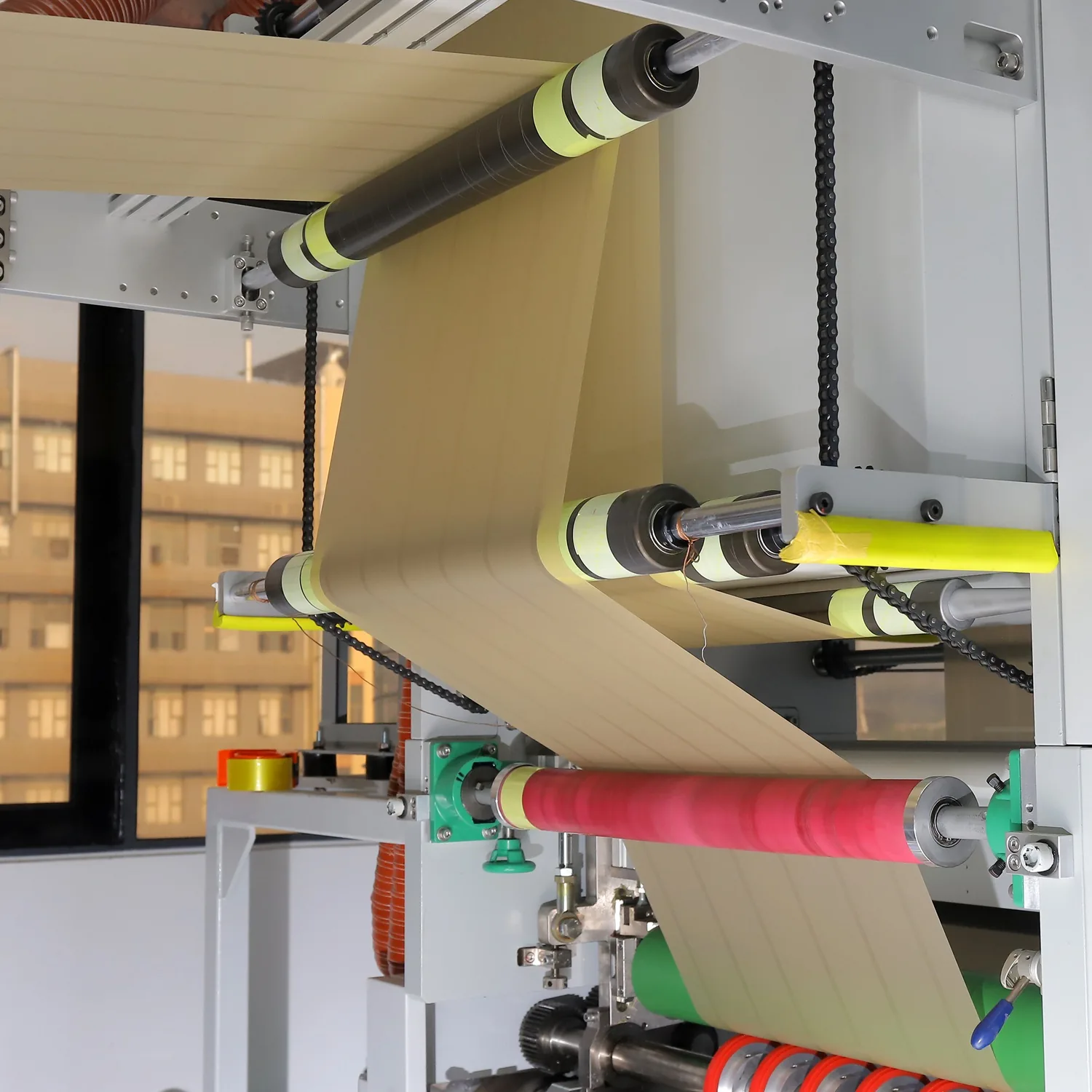
胶条宽度由涂布辊接触宽度与纸幅定位决定,厚度则受胶液粘度及涂布辊压力/间隙参数控制——二者均需在整个生产过程中保持严格公差。.
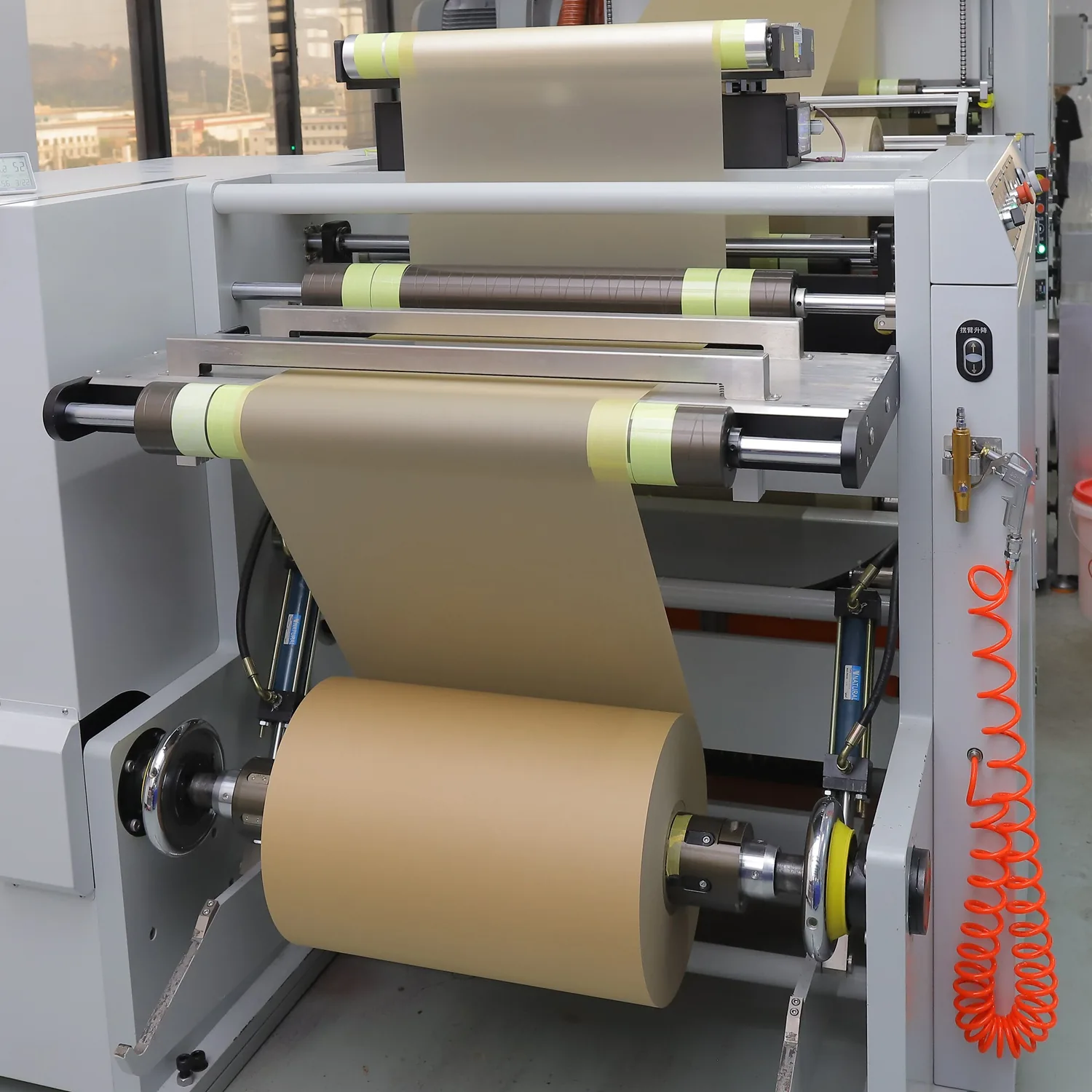
纸幅张力同样关键。若纸幅经过涂胶站时未保持恒定张力,即使涂布参数不变,胶条位置或厚度仍可能发生微移。这解释了为何加工线的配置与维护直接影响胶体一致性,而非仅取决于涂胶单元自身的独立设置。.
| 控制因素 | 影响方面 |
|---|---|
| 涂胶辊接触宽度 | 胶条宽度 |
| 胶液粘度 | 胶条厚度 |
| 卷材张力一致性 | 定位与转移均匀性 |
涂胶过厚或过薄会导致什么问题?
我见过两种失效方向,它们的表现方式不同。.
涂胶过厚会给成品烟叶带来明显的异味和沉重感,并可能因干燥过慢导致下游工序出现粘连问题;涂胶过薄则存在封口强度不足的风险,消费者卷舔烟纸时接缝可能无法可靠粘合。.
胶层过厚通常是粘度或辊隙设置问题,目检时往往很明显——胶条比规格要求更厚重、光泽更强。胶层过薄则较难通过目视发现,通常只有在产品到达消费者手中后,因封口强度不足而引发投诉时才显现,这也正是生产过程中进行粘附性测试(而不仅仅是目视检查)至关重要的原因。.
生产过程中的湿度是否影响涂胶与干燥效果?
是的,这是整个过程中较被低估的变量之一。.
加工环境中的环境湿度既影响涂胶时胶液的表现,也影响其在线干燥速度。因此,未控制该因素的加工厂比已控制的工厂更容易出现胶层一致性的日常波动。.
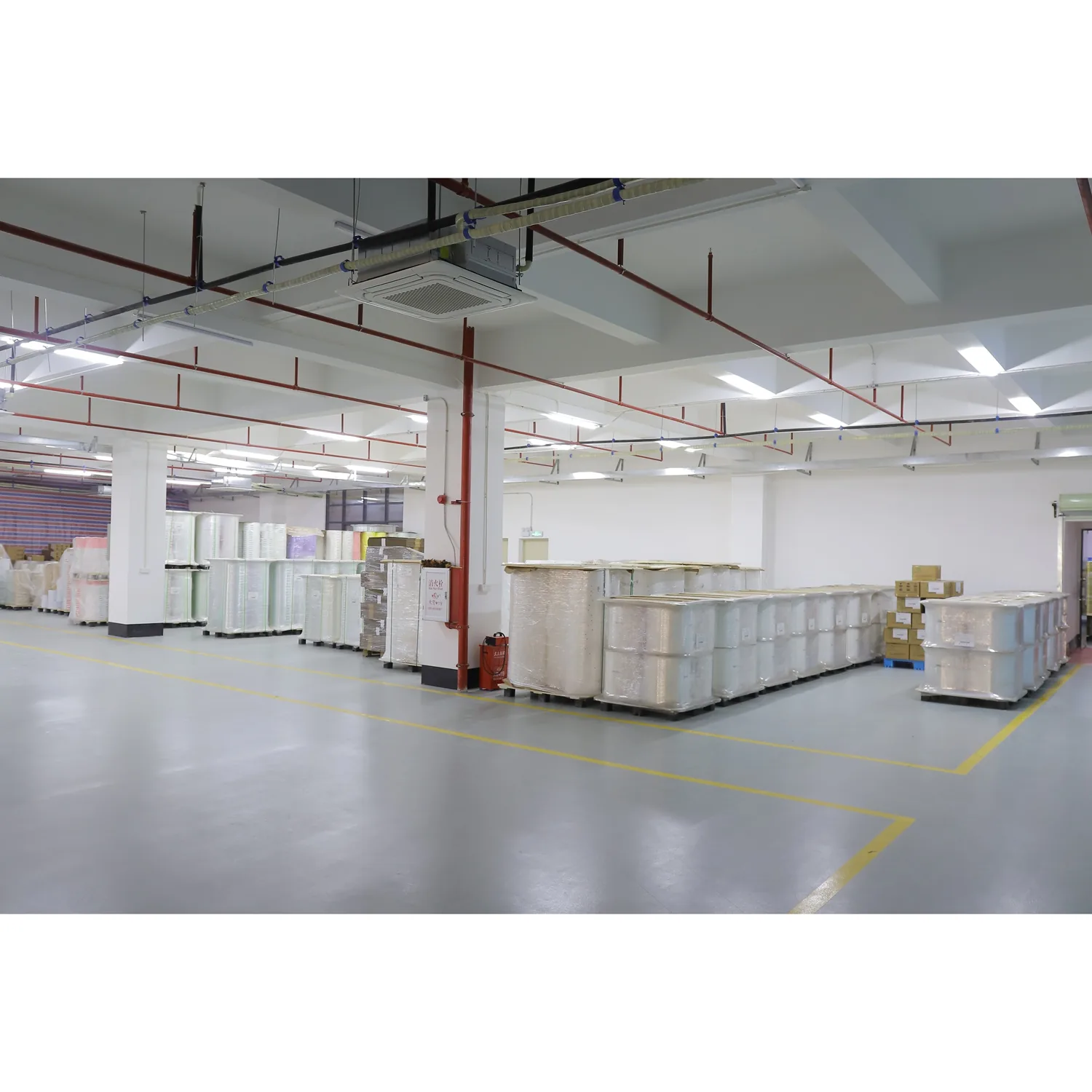
我特别向采购方提出这一点,因为这是关于生产环境的问题,而不仅仅是设备规格问题。即使采用完全相同的胶水配方和辊筒设置,如果生产批次间环境湿度波动显著,转换生产线仍可能表现出更大的差异。向任何正在评估的制造商提出这个问题是合理的:您的转换环境是如何控制的,而不仅仅是使用何种胶水。.
批次发货前如何实际测试胶水粘合性?
仅凭目视检查无法确认胶水实际粘合效果。.
粘合测试通常涉及对批次中的样本纸页进行物理卷封,并检查接缝在正常操作下是否牢固,该测试在生产过程中按间隔进行,而非仅在开始时执行。.
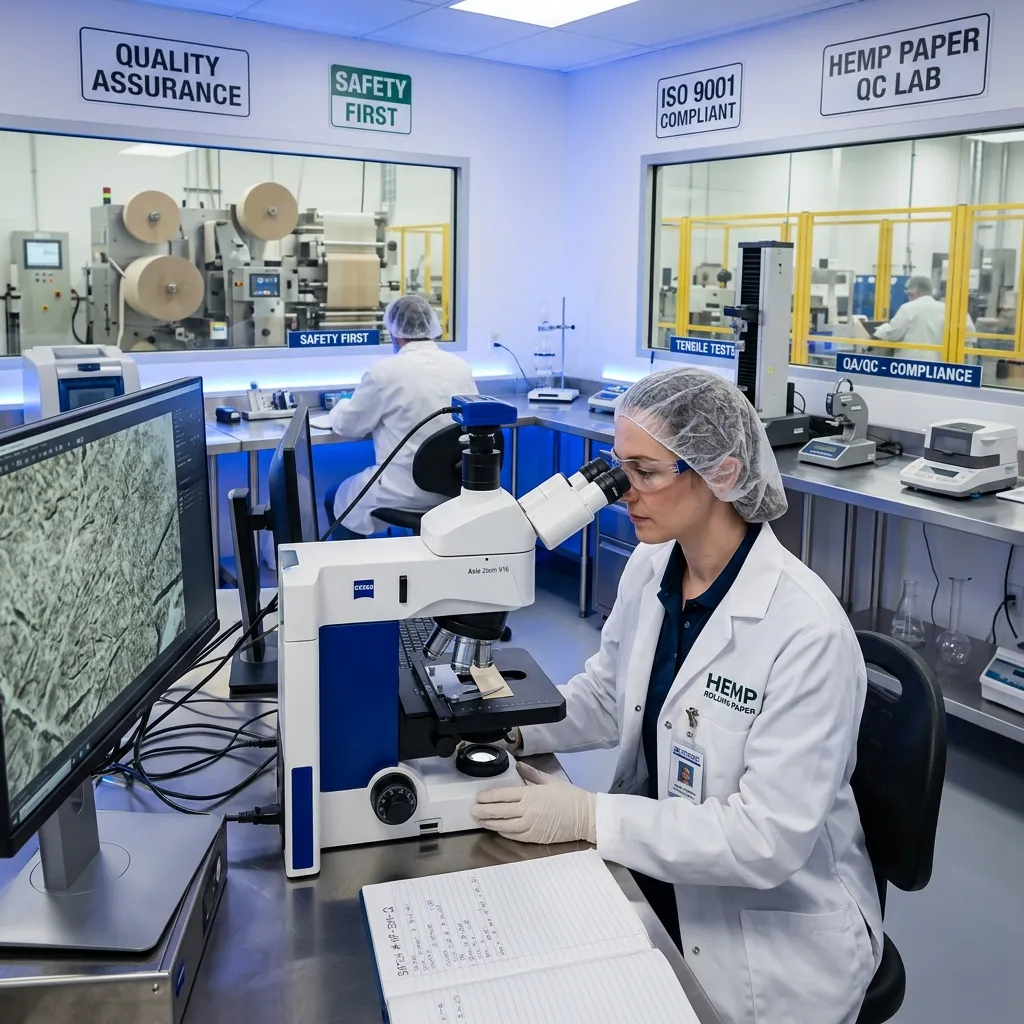
生产批次开始时的单次粘合检查无法捕捉中途可能发生的漂移,无论是由于粘度变化、滚筒磨损问题还是环境变化。我会特别询问制造商的测试频率——仅检查一次与全程持续检查是显著的质量差异,这种差异在成品发货前往往无法察觉。.
评估制造商时应询问哪些涂胶相关问题?
如果我是采购方而非供应商,这便是我实际会使用的简短清单。.
询问使用何种胶水类型(是否为食品级)、生产过程中如何测试胶水稠度(不仅限于起始阶段),并要求提供实际目标生产批次的具体样品,而非通用参考样品。.
| 需询问的问题 | 为何重要 |
|---|---|
| 使用何种胶型?是否通过食品级认证? | 确认基材安全性与一致性 |
| 每次生产运行中粘合测试的频率是多少? | 揭示生产过程中是否捕获漂移现象 |
| 能否获取目标生产批次的实际样品? | 确认实际条件,而非通用参考 |
Ace Rolling在其标准小册子和锥形纸生产线中使用食品级天然有机阿拉伯胶,并可在评估期间向采购方详细介绍其上胶和质量控制流程。定制小册子项目的批发报价约为每册$0.07–$0.30美元,并适用最低订购量。.
常见问题
制作卷烟纸时如何涂布胶水条?
A gumming unit applies a thin, controlled line of natural gum, commonly Arabic or Acacia gum, along one edge of the moving paper web using a roller or wheel-transfer mechanism, timed to line speed. The gummed edge then passes through an in-line drying stage before the web is slit and cut into finished leaves.
What controls how wide or thick the gum strip ends up?
Gum strip width is set by the application roller’s contact width and how the web is positioned relative to it, while thickness is controlled by the gum solution’s viscosity and the roller’s pressure and gap settings. Web tension consistency also affects how evenly the gum actually transfers across an entire production run.
What happens if a manufacturer applies gum too thin?
Gum applied too thin risks weak seal strength, meaning the seam may not hold reliably when a consumer rolls and licks the finished paper. This defect is harder to catch through visual inspection alone than a too-thick gum line, which is why adhesion testing during production, not just a visual check, matters for catching it before shipment.
Does the humidity in the factory actually affect the finished gum line?
Yes. Ambient humidity in the converting environment affects both how the gum solution behaves during application and how quickly it dries in-line, so facilities without controlled environments can see more variation between production runs. It’s a reasonable question to ask when vetting a rolling paper manufacturer, not just what gum recipe they use.
How often should gum adhesion be tested during a production run?
Adhesion should be tested at intervals throughout a production run, not only at the start, since viscosity drift, roller wear, or environmental shifts can affect gum consistency partway through. A single start-of-run check can miss defects that only appear later in the same batch, so ask your manufacturer about their specific testing interval.
Does Ace Rolling use food-grade gum on its rolling paper lines?
Yes, Ace Rolling uses food-grade natural organic Arabic gum on its standard booklet and cone production lines. Buyers can request details on the gumming and adhesion-testing process during vetting, and custom booklet programs quote from roughly USD $0.07–$0.30 per booklet wholesale with MOQ applying based on size, material, and packaging.
Want to See the Gumming Process for Your Program?
Ask about gum type, testing interval, and request a sample from your actual target run.
- 质量与认证:https://ace-rolling.com/quality-certifications/
- 定制卷烟纸:https://ace-rolling.com/custom-rolling-papers/
- 报价:https://ace-rolling.com/contact/