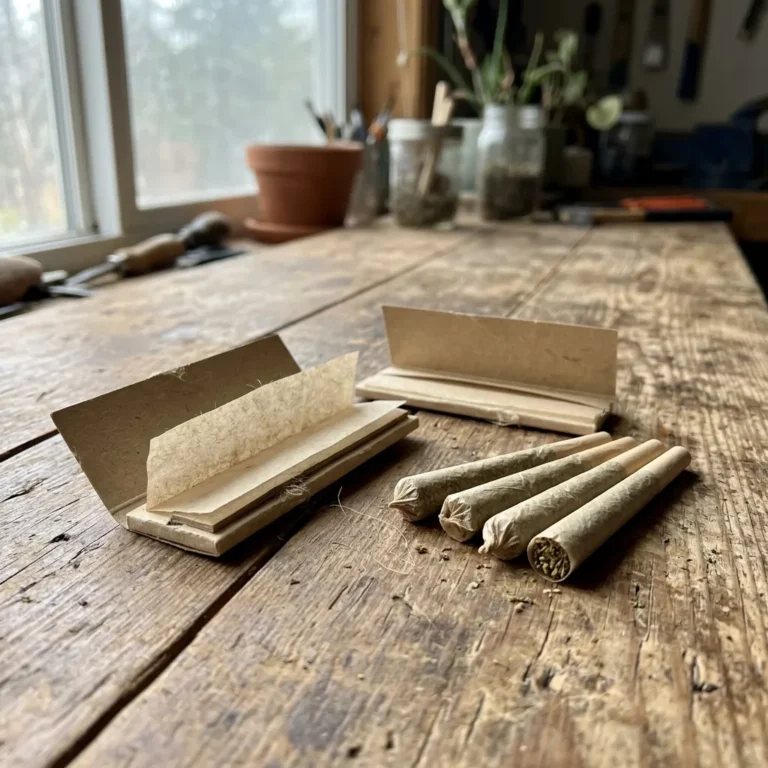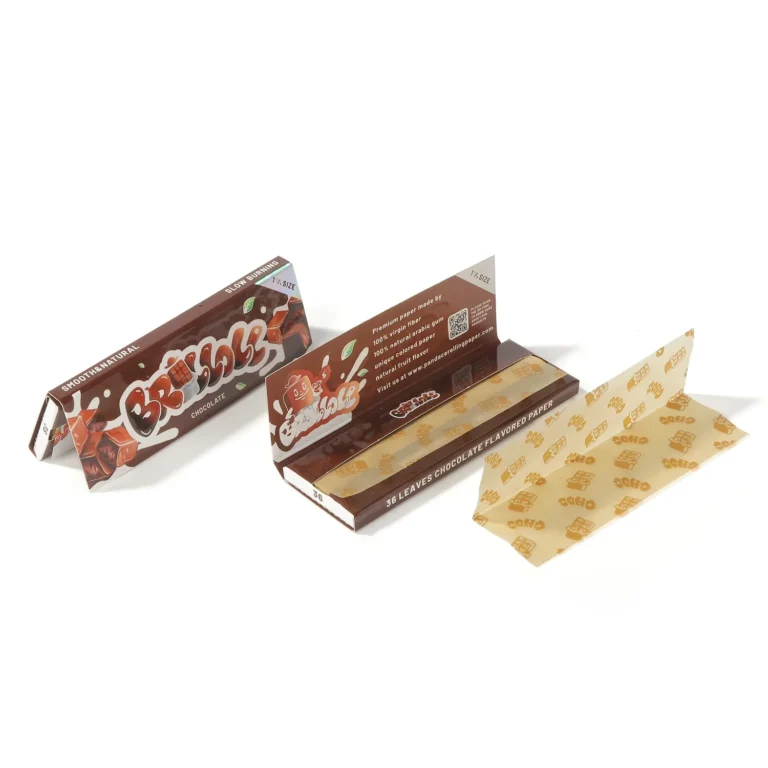

Choose hemp when category familiarity and a textured, forgiving paper story lead the brief; sample flax when a thinner, refined, heritage-positioned route could differentiate the brand. Neither fiber guarantees burn, taste, sustainability, or quality. Approve the exact sheet, gum, converting, packaging, documents, MOQ, and landed cost.
Ace Rolling lists both flax and hemp among available paper routes for OEM booklets and pre-rolled cones from Dongguan, China. This guide turns a fiber debate into a private-label buying decision.
What Is the Core Private-Label Difference Between Flax and Hemp?
The useful distinction is commercial positioning, not a claim that one plant is universally superior. Hemp is widely recognized in natural-positioned rolling-paper ranges; flax can give a brand a less-common, classic paper narrative.
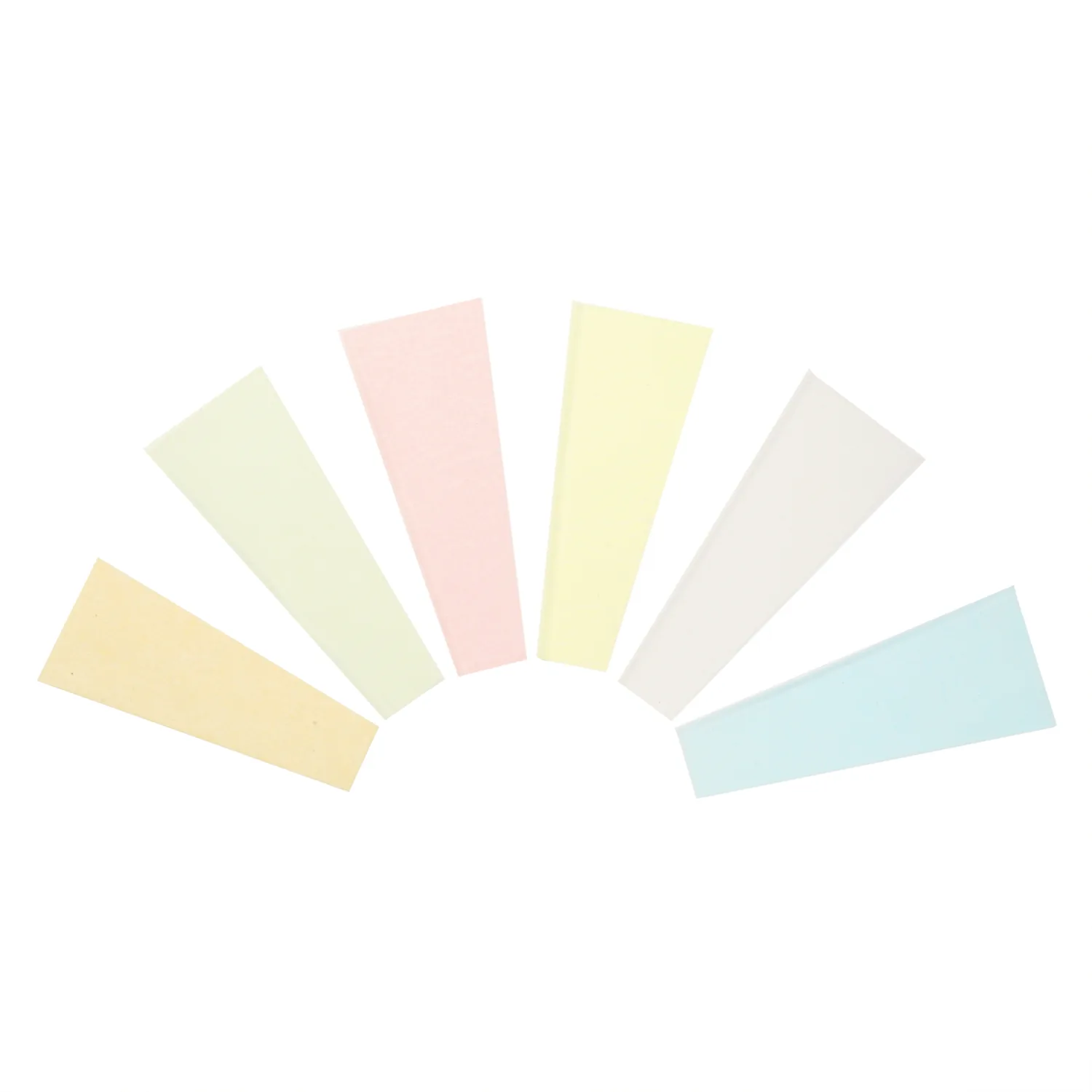
RYO Papers’ materials guide frames hemp as an all-round premium route and flax as a heritage-oriented, thin and durable option. Those are that supplier’s market characterizations, not guaranteed Ace performance. An OEM buyer must compare finished constructions with the same size, GSM target, gum, watermark, print, and pack.
| Buyer priority | Hemp shortlist | Flax shortlist | Decision gate |
|---|---|---|---|
| Familiar fiber story | Strong | More niche | Test customer comprehension |
| Distinctive heritage story | Moderate | Strong | Review brand architecture |
| Forgiving handling brief | Often shortlisted | Sample against hemp | Physical roll test |
| Thin refined brief | Sample thinner routes | Often shortlisted | GSM and strength test |
| Evidence-led claims | Document required | Document required | SKU-specific paperwork |
Explore both routes at https://ace-rolling.com/custom-rolling-papers/ and request matched samples rather than unrelated catalog examples.
Key Takeaway: Hemp offers familiarity while flax can offer differentiation; the finished paper—not the fiber label—must earn approval.
How Should Buyers Compare Feel and Handling?
Hand-feel includes grip, stiffness, fold memory, tear resistance, gum activation, and how consistently different users can form the finished product. These properties vary with fiber furnish, GSM, surface treatment, and converting.
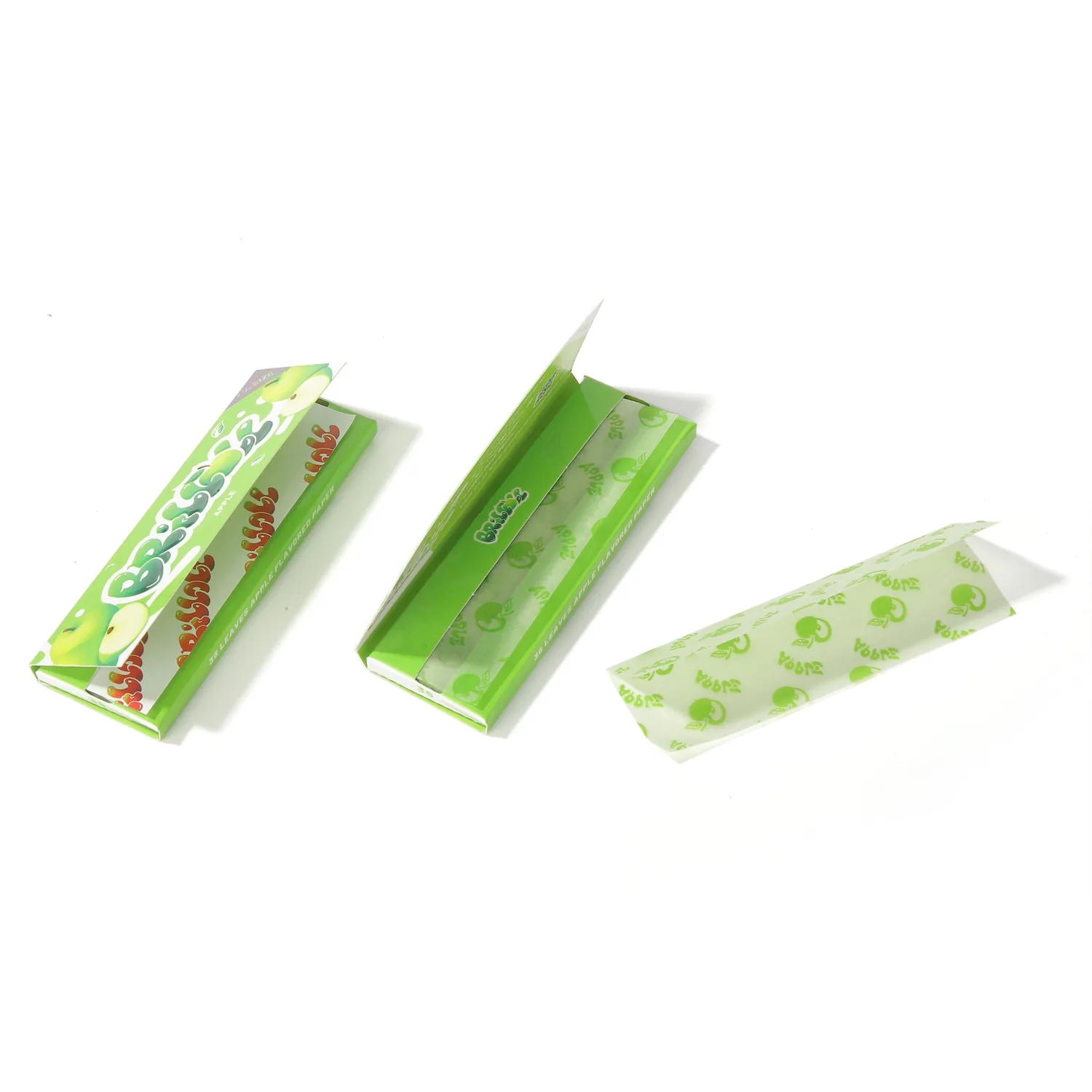
Market guides often describe hemp as textured or grippy and flax as thin yet strong. Treat those descriptions as sample hypotheses. Give blind-coded sheets to several testers, control sheet size and fill, and record failures. A material that impresses one experienced tester may frustrate the broader target audience.
| Handling test | What to keep constant | What to score | Approval signal |
|---|---|---|---|
| Dry grip | Sheet size and humidity | Slip and control | Repeatable preference |
| Fold formation | Same rolling method | Crease and spring-back | Consistent shape |
| Tear resistance | Same tension | Edge and body tears | Low failure rate |
| Gum activation | Same moisture method | Tack and residue | Reliable seal |
| Pack removal | Same booklet format | Curl and sheet damage | Clean dispensing |
Ace’s https://ace-rolling.com/oem-odm-rolling-paper-manufacturer/ program can quote matched flax and hemp candidates once the intended format and performance brief are clear.
Key Takeaway: Convert “hemp feels easier” or “flax feels finer” into controlled test scores before selecting a private-label material.
Does Flax or Hemp Create a Better Burn Position?
Neither fiber name can guarantee slow, even, low-ash, or problem-free performance. Burn behavior also depends on GSM, porosity, watermark, gum, sheet dimensions, fill distribution, ambient conditions, and user technique.
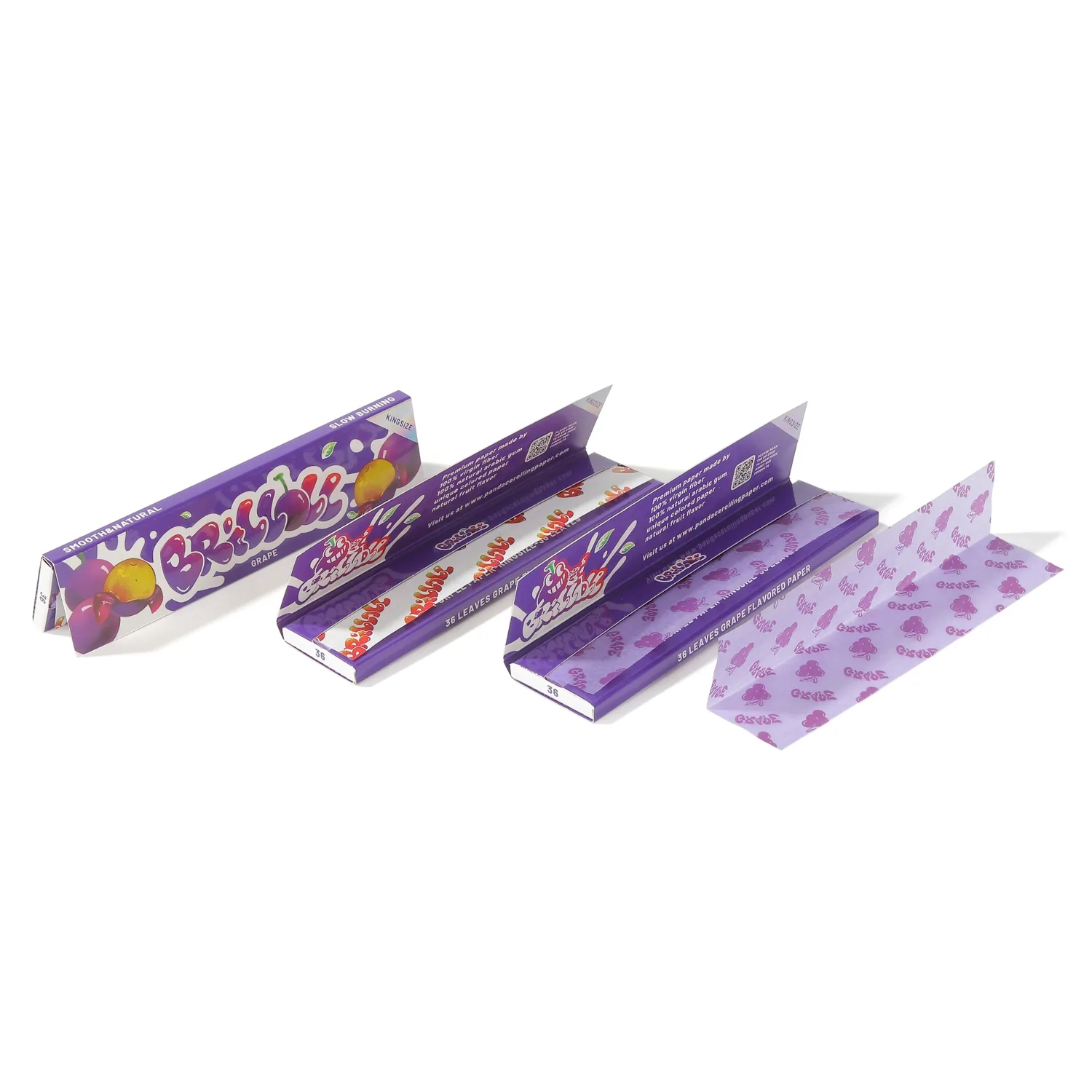
RYO Papers describes hemp and flax with favorable burn profiles, while other market guides make similar comparisons. Use such claims to design a test, not to print an absolute promise. Run matched samples with repeatable conditions, document relights and side-burn observations, and avoid guarantees such as “never canoes.”
| Burn variable | Fiber label answers it? | Buyer test |
|---|---|---|
| GSM and thickness | No | Verify specification and weigh samples |
| Porosity | No | Request technical target and lot checks |
| Watermark | No | Compare matched patterned sheets |
| Gum line | No | Check activation and seal continuity |
| Fill distribution | No | Standardize preparation |
| Ambient humidity | No | Condition and record samples |
Discuss QC and applicable records at https://ace-rolling.com/quality-certifications/ before approving any packaging language.
Key Takeaway: Position flax or hemp only after controlled finished-sheet tests; no fiber can support an absolute burn guarantee by itself.
Which Fiber Builds the Stronger Brand Story?
Hemp usually needs less explanation because many category buyers already recognize it. Flax can create novelty and heritage, but packaging may need to explain the material plainly without drifting into unsupported environmental or health claims.
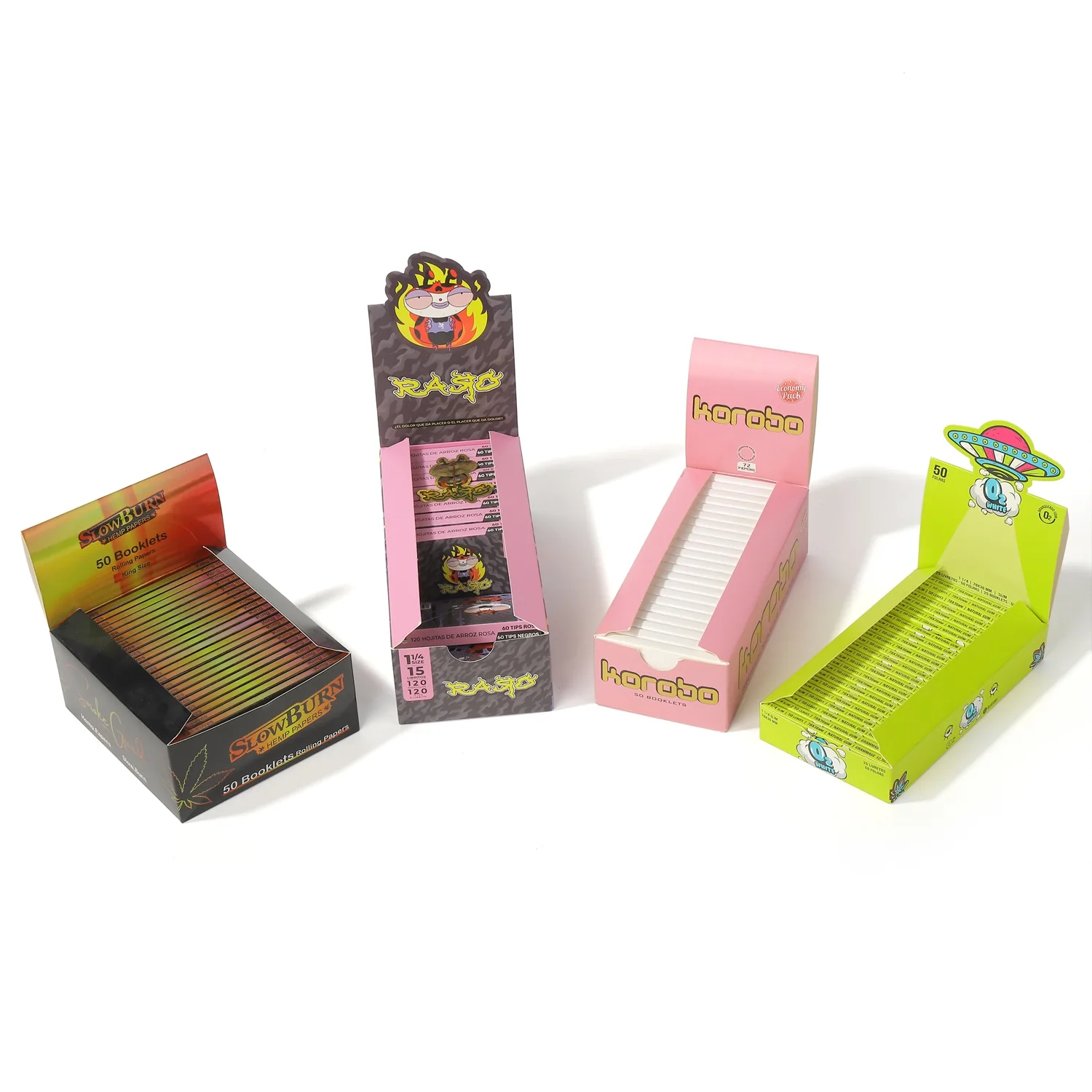
A useful story connects material, color, tactile presentation, pack architecture, and target channel. Hemp can anchor a familiar plant-fiber line. Flax can anchor a refined or classic line. Neither “plant based” nor a natural color automatically proves organic, sustainable, biodegradable, safer, or healthier status.
| Brand route | Hemp role | Flax role | Claim boundary |
|---|---|---|---|
| Familiar natural-positioned | Hero or core SKU | Secondary distinction | Verify every sourcing claim |
| Heritage/classic | Supporting material | Strong hero candidate | Avoid invented origin history |
| Modern minimal | Neutral or unbleached route | Thin refined route | Describe actual construction |
| Value/premium ladder | Premium cue if supported | Specialty cue if supported | Do not imply quality from fiber alone |
| Multi-material range | Familiar anchor | Differentiated extension | Keep SKUs clearly named |
Develop booklet design through https://ace-rolling.com/custom-rolling-papers/ and keep material facts separate from visual mood.
Key Takeaway: Hemp can reduce education friction; flax can increase distinctiveness, provided the packaging says only what the exact SKU documents support.
Should the Launch Use Booklets, Cones, or Both?
The fiber decision changes when the product format changes. Booklets emphasize sheet feel, gum, leaf count, cover and display; cones add geometry, seam, tip, fill method, and machine compatibility.
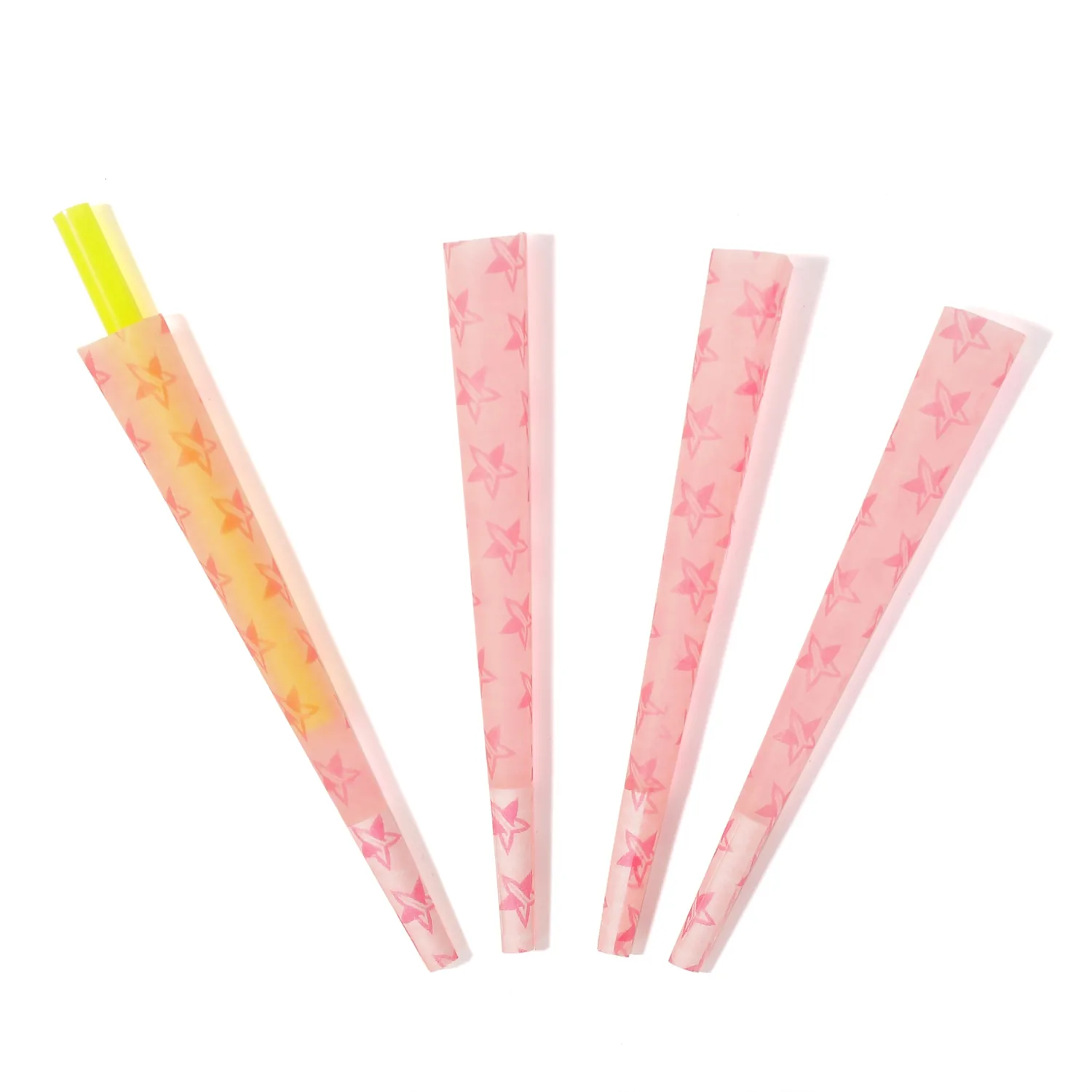
A new brand usually learns more from one focused hero SKU than from launching flax and hemp across multiple sizes at once. If the audience already understands both materials, a paired comparison can work. Otherwise, sample both, select one lead format, and reserve the alternative for a later extension.
| Launch architecture | Advantage | Risk | Best first test |
|---|---|---|---|
| Hemp booklet | Familiar material cue | Crowded positioning | Shelf concept and roll panel |
| Flax booklet | Distinctive story | Requires education | Copy and handling panel |
| Hemp cone | Familiar cone route | Machine variables remain | Filled speed trial |
| Flax cone | Specialty differentiation | Supply/handling must be proven | Geometry and fill trial |
| Paired materials | Clear comparison range | Doubles inventory complexity | Channel preorders |
Review formed-product options at https://ace-rolling.com/pre-rolled-cones/ and keep booklet and cone approvals separate even when branding matches.
Key Takeaway: Choose one hero format by channel behavior and operational readiness; matching flax and hemp ranges can follow proven demand.
How Do Price, MOQ, and Supply Affect the Choice?
Fiber is one cost input among size, GSM, gum, leaf count, print, tips, finishes, packaging, quantity, freight, and destination requirements. Ask for like-for-like quotes or the material comparison becomes meaningless.
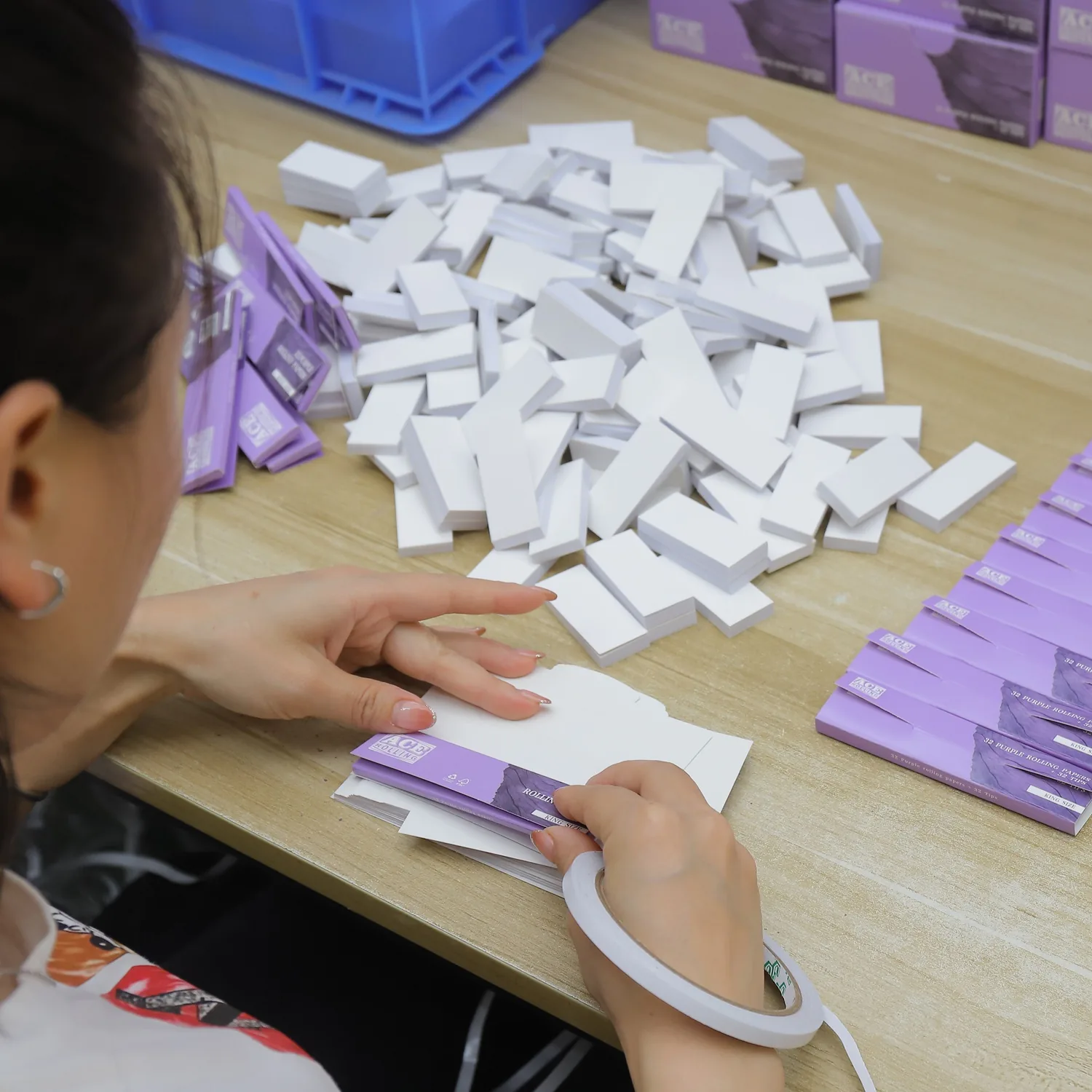
Ace’s approved factory wholesale planning ranges are about $0.07–$0.30 per custom booklet and $0.04–$0.06 per pre-rolled cone, with MOQ applying. Programs commonly start from about 2,000+ units, depending on size, material, print, filter, packaging, quantity, and specification. Flax or hemp requires an exact quote; neither has a fixed premium.
| Commercial input | Ace planning reference | Comparison rule |
|---|---|---|
| Custom booklet | About $0.07–$0.30 | Same size, leaves, gum, print, pack |
| Pre-rolled cone | About $0.04–$0.06 | Same geometry, tip, print, pack |
| MOQ | Commonly 2,000+ | Confirm separately for each SKU |
| Material availability | Project-specific | Ask for current route and lot |
| Landed cost | Destination-specific | Add freight, duty, cartons, QC |
Use https://ace-rolling.com/about-factory/ to understand the Dongguan manufacturing context, then request a dated commercial proposal.
Key Takeaway: Compare flax and hemp under one locked RFQ; approved wholesale ranges are planning references, not material-specific quotations.
What Sample and OEM Checklist Should Decide the Winner?
The decision should end in a signed specification, retained physical sample, approved artwork, claim list, QC plan, and commercial quote. Without those controls, the “winner” can change when the production lot arrives.
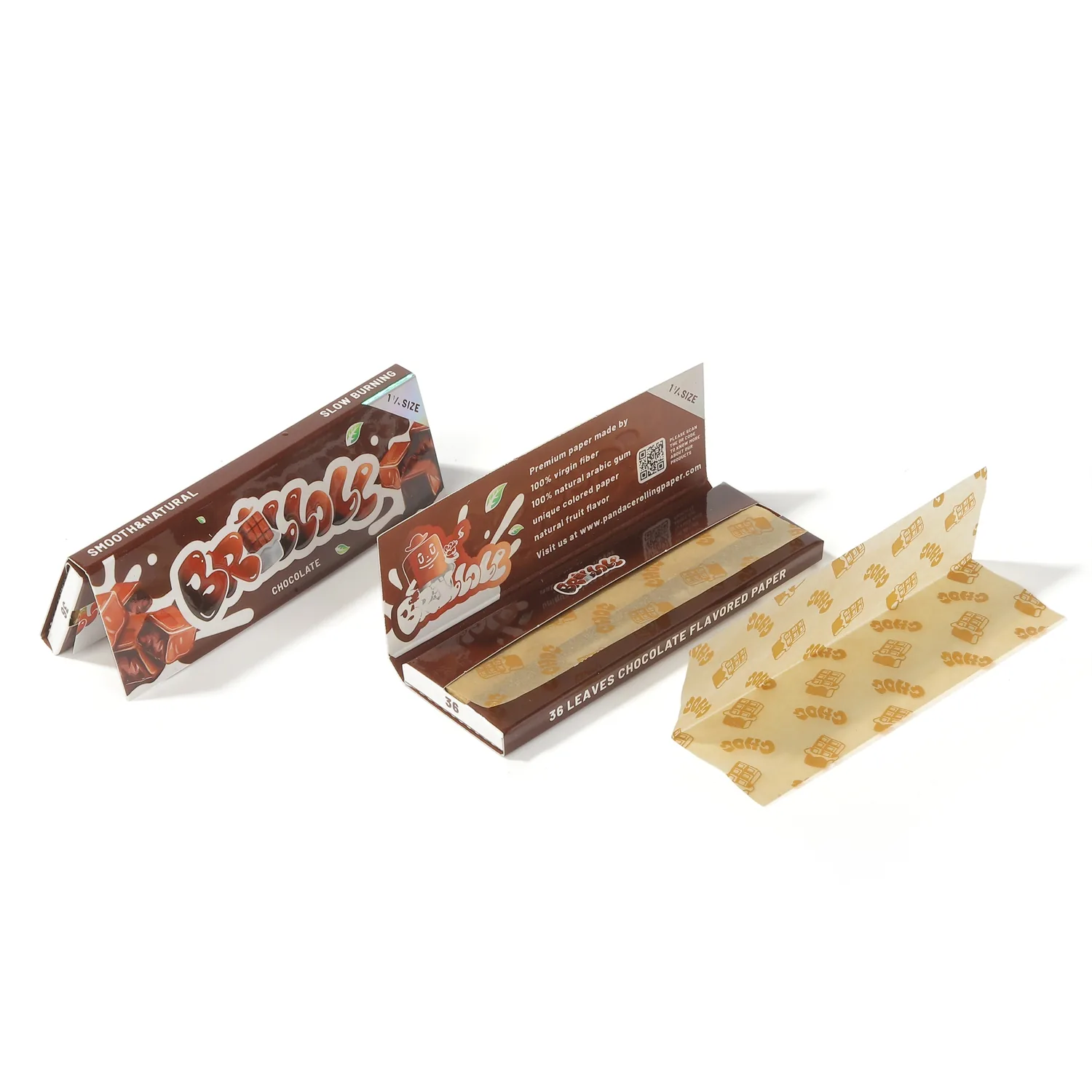
Request flax and hemp samples coded A and B with matching size and intended GSM range. Test handling and burn under recorded conditions, review paper and gum documentation, build retail mock-ups, obtain channel feedback, and model landed margin. Ace does not manufacture RAW products; create original private-label artwork and do not imply competitor affiliation.
| Approval gate | Required evidence | Stop condition |
|---|---|---|
| Material identity | Written specification | Fiber route is vague |
| Functional sample | Recorded blind comparison | Results cannot be repeated |
| Packaging | Signed dieline and proof | Unsupported claim remains |
| Quality | Agreed checks and retained sample | No production reference |
| Commercial | MOQ, price, lead-time quote | Scopes are not comparable |
| Reorder | Version-controlled specification | Untracked material change |
Send format, size, paper route, color, gum, print, packaging, quantity, destination, and document requirements at https://ace-rolling.com/contact/.
Key Takeaway: Let a matched sample scorecard, documented claims, and landed economics choose between flax and hemp—not category folklore.
FAQ
Are flax rolling papers better than hemp rolling papers?
Flax rolling papers are not universally better than hemp rolling papers. Flax may support a thinner, refined, heritage-positioned brief, while hemp often offers stronger category familiarity and a textured handling story. Compare matched finished sheets for grip, tear resistance, gum, burn behavior, packaging fit, documents, MOQ, and landed cost.
Which material is easier to position for private label?
Hemp is often easier to position because many rolling-paper buyers already recognize the material. Flax can be more distinctive but may need concise packaging education. The better choice depends on channel, target price, visual identity, sample performance, and evidence. Neither material automatically proves sustainability, organic status, safety, or superior quality.
Can Ace Rolling make both flax and hemp booklets?
Ace Rolling lists flax and hemp among available paper routes for custom rolling paper programs, subject to the exact specification and current quotation. Buyers should request matched samples and state sheet size, leaf count, GSM target, color, gum, watermark or print, cover finishes, display packaging, quantity, destination, and required documents.
Can flax and hemp paper be made into pre-rolled cones?
Flax and hemp are listed paper routes for Ace Rolling cone projects, subject to geometry, construction, availability, and sample approval. Cone buyers must also specify length, top diameter, tip dimensions and material, seam, filling method or machine, target fill range, print, pack-out, quantity, destination, and inspection requirements.
What are Ace Rolling’s MOQ and wholesale price ranges?
Ace Rolling programs commonly start around 2,000+ units, although final MOQ depends on product, size, paper, print, filter, packaging, and quantity. Approved factory wholesale planning ranges are about $0.07–$0.30 per custom booklet and $0.04–$0.06 per cone. A dated quote determines the actual flax or hemp price.
How should I request flax and hemp samples?
Ask for matched flax and hemp candidates built to the same format and intended specification. Include paper size, GSM target, color, gum, leaf count or cone geometry, print, packaging, quantity, destination, and documents. Submit the brief at https://ace-rolling.com/contact/ and request coded samples plus a written comparison specification.