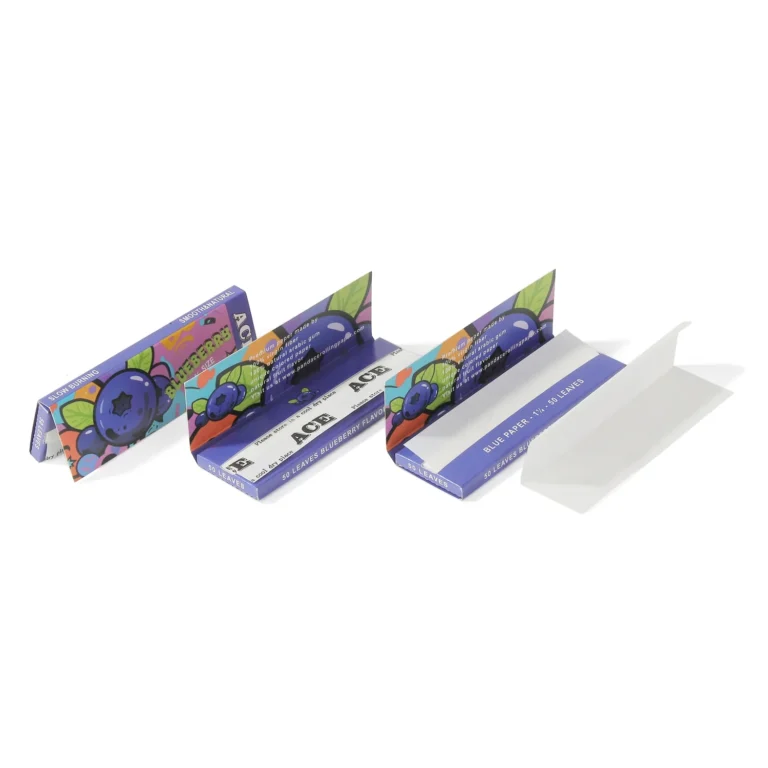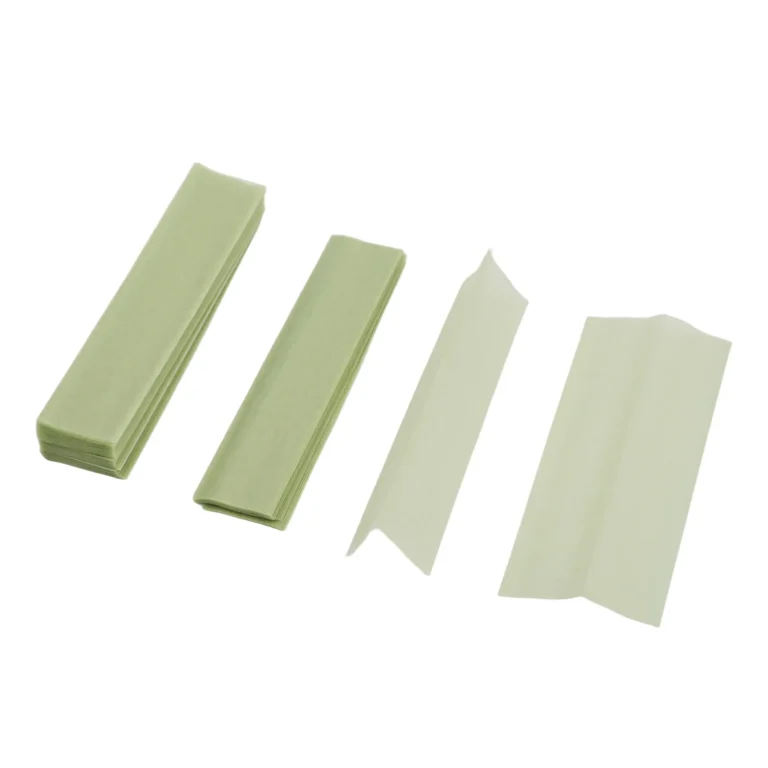

Best rolling papers: rice, hemp, or wood pulp? There is no universal winner. The “best” material is the one that matches your skill, taste goal, and rolling environment. Zig-Zag’s material guide puts it plainly: rice, wood pulp, and hemp each win different jobs—clean slow burns, easy grips, or natural balance—not a single trophy.
If you need one practical default for most adult rollers and many private-label launches, start with unbleached or organic hemp, then keep a rice-style ultra-thin for flavor-first sessions and a wood-pulp option for beginners or windy outdoor rolls. Ace Rolling manufactures hemp, bamboo, and wood pulp programs (ultra-thin options and Arabic gum on applicable SKUs). Confirm rice-style availability on samples if that is your hero brief.
Quick Picker: What’s “Best” for You?
| Your situation | Best-fit material | Why |
|---|---|---|
| Want least paper taste, slow burn, quiet indoor roll | Rice-style | Ultra-thin, near-neutral, low ash |
| Everyday balance / teaching yourself | Hemp | Grip + moderate burn + natural story |
| First rolls / rushed / outdoor wind | Wood pulp | Thicker hold, visible seams, forgiving |
| Hate tasting paper | Rice or hemp | Lowest interference |
| Keep tearing thin leaves | Wood pulp or mid hemp | More durability |
| Eco / tree-free merchandising | Hemp (or bamboo) | Plant-fiber positioning |
| Private-label first SKU | Hemp | Broad sell-through, easier QC story |
“Best” = fit, not marketing rank.
Why Material Decides the Experience
Guides like Zig-Zag’s highlight the same levers:
- Grip — rice can slip; pulp and hemp hold better
- Burn time — rice slowest; pulp often faster; hemp in between
- Taste — rice nearly invisible; pulp more papery; hemp mild/earthy
- Durability — thicker pulp survives rough handling; thin rice tears easier
- Sustainability story — hemp usually scores highest in consumer eco framing
GSM still matters inside each fiber family. A thin pulp and a thick hemp can swap places on burn feel—sample both.
Rice: Best When You Want the Paper to Disappear
Rice-style papers (processed rice straw / rice-fiber sheets) are ultra-thin, smooth, and translucent. They are best when:
- You prioritize fill flavor over easy handling
- You roll indoors with dry hands and time
- You want minimal ash
They are usually not best when you are new, rolling in humidity, or outside in wind. Zig-Zag-style advice is fair: rice rewards patience; it punishes rush.
Best for: experienced rollers, terpene-first sessions Skip if: you need forgiveness more than neutrality
Wood Pulp: Best When You Need Control Fast
Wood pulp is the classic gas-station-to-smoke-shop workhorse—tree fiber in bleached white or unbleached brown. It is best when:
- You are learning to roll
- You need seams you can see and feel
- You are outside, sharing, or in a hurry
Trade-offs match the Zig-Zag snapshot: faster burn, more ash, more paper taste than rice or hemp. That is acceptable when reliability beats purity.
Best for: beginners, casual everyday rolls, teaching others Skip if: you already hate “papery” flavor
Hemp: Best All-Rounder for Most People
Hemp sits in the middle—light texture, easy enough for near-beginners, moderate burn, mostly neutral taste with a slight natural note. Eco-minded buyers also pick hemp for a tree-free plant story.
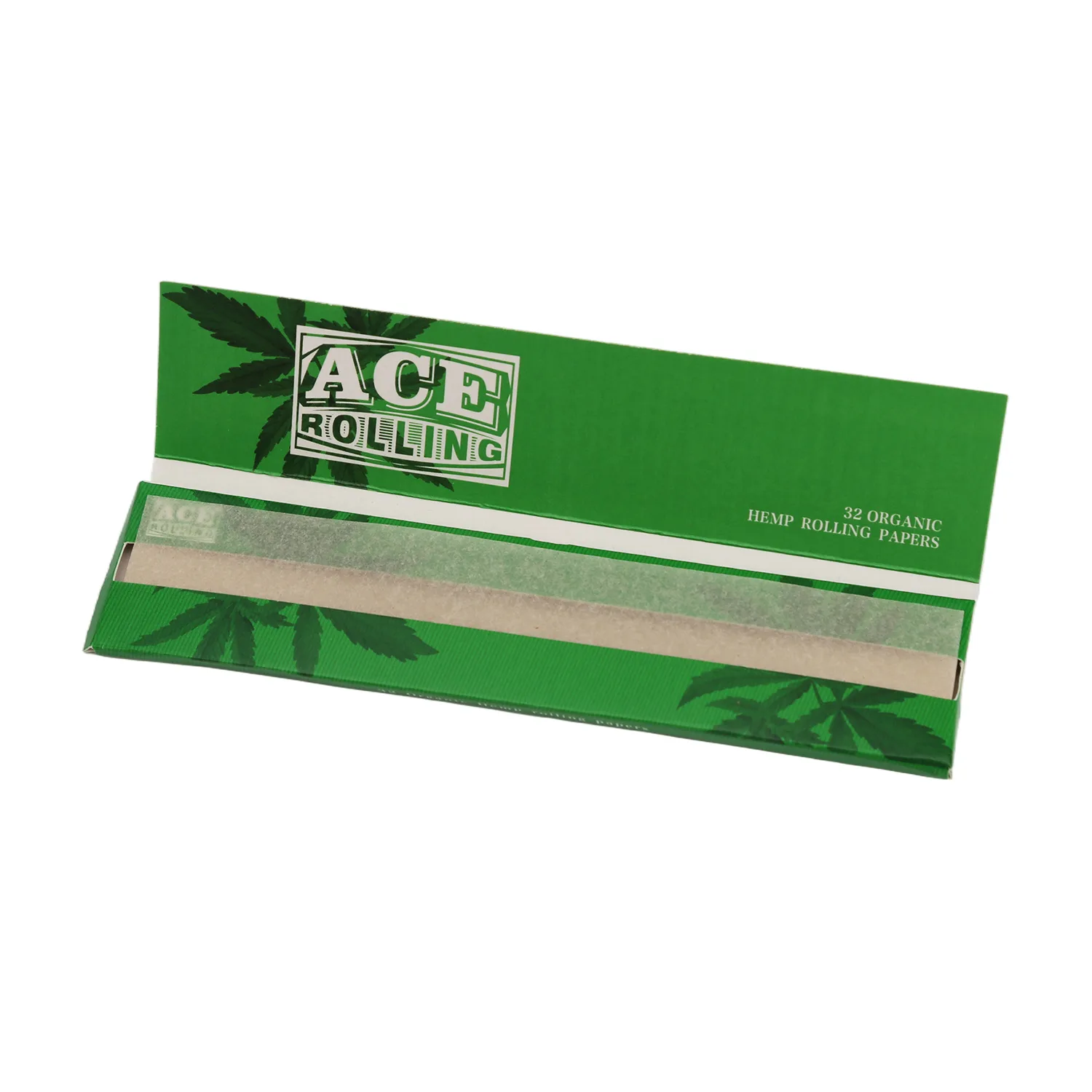
Ace Signature organic hemp packs and OEM hemp programs live here. For shops and new brands, hemp is often the best first shelf hero because it satisfies both “natural” shoppers and average rolling skill.

Best for: daily drivers, private label, mixed skill groups Skip if: you demand absolute rice-level invisibility
Scenario Guide (Same Question, Different Answers)
“I want the best tasting session”
Pick rice-style (or the thinnest unflavored hemp you can handle). Avoid thick bleached pulp.
“I’m still learning”
Pick wood pulp or a mid-weight hemp. Save rice for later.
“I roll outside a lot”
Prefer hemp or wood pulp. Ultra-thin rice fights wind and damp fingers.
“I care about natural / eco packaging”
Start with hemp (Ace also offers bamboo as a related plant-fiber lane). Verify unbleached claims and gum type on the pack.
“I’m launching a brand—what’s the best first material?”
Start hemp or proven wood pulp, sample burn/gum, then add a rice-style SKU after sell-through. Ace custom booklet programs start at MOQ 50,000 booklets per design, with a lead time of 2–4 weeks after approvals.
Rice vs Hemp vs Wood Pulp: Decision Table
| Feature | Rice-style | Wood pulp | Hemp |
|---|---|---|---|
| Burn | Slow | Medium–fast | Moderate |
| Rolling ease | Tricky | Easiest | Easy |
| Taste impact | Almost none | Noticeable | Neutral / slight earth |
| Ash | Very low when thin | Higher / more visible | Low–moderate |
| Texture | Ultra-thin, slick | Medium, grainy | Soft grip |
| Eco score (typical consumer view) | Medium | Lower (unless certified unbleached story) | High |
| Best roller | Experienced | Beginner / casual | Most people |
Bleached, Unbleached, and Blends
Wood pulp and hemp both appear bleached-white or natural-tan. Color is a process choice, not proof of fiber. A bright white pack can still be pulp; a brown pack can be hemp, unbleached pulp, or a blend. Rice-style leaves are often pale and translucent even without a “kraft” look.
Some retail SKUs blend fibers for strength or cost. If the pack only says “natural” without naming rice, hemp, or wood pulp, treat the fiber as unverified until you get a factory spec sheet.
How Does Cost Compare Between Wood Pulp and Hemp at Wholesale?
Fiber choice is one lever inside the same booklet wholesale band.
Both fibers quote at Ace factory wholesale with MOQ. Wood pulp generally sits toward the lower end for a given spec because raw material and processing are simpler; hemp can sit slightly higher due to fiber sourcing and processing differences—confirm exact placement with a spec-matched RFQ.
| Cost driver | Wood pulp | Hemp |
|---|---|---|
| Raw fiber cost | Lower | Slightly higher |
| Processing complexity | Standard | Slightly more involved |
| Print flexibility | High | Good, texture-dependent |
Don’t compare a wood pulp quote to a hemp quote unless print, size, and packaging specs match exactly.
Does Wood Pulp or Hemp Print Better?
Fiber surface texture affects how crisp your cover and paper art will look.
Wood pulp’s smoother, more uniform surface generally takes fine detail and bright color more predictably. Hemp’s natural texture can add character but may soften fine print detail slightly. Neither is “wrong”—brands leaning heavily on bold graphics often lean wood pulp; brands leaning on texture and story often accept hemp’s softer print.
| Print factor | Wood pulp | Hemp |
|---|---|---|
| Fine detail | Sharper | Slightly softer |
| Bright color | True to ink | Slightly muted |
| Texture character | Minimal | Visible, tactile |
If your brand lives on bold cover graphics, wood pulp is the safer print base; if texture is part of the story, hemp delivers it.
How to Confirm Your “Best” in One Evening
- Buy or sample one rice-style, one hemp, one pulp booklet (same size)
- Use the same grind and tip
- Note tear rate, seal ease, first-puff paper taste, and canoeing
- Rank for *your* hands—not a forum trophy
- For OEM: lock the winner as retained sample before artwork
Ace sample kits exist for this exact decision. Arabic gum performance should be part of the test, not an afterthought.
Are Hemp Papers “Healthier” Than Rice?
Searchers mix “better for you” with material preference—factories must not invent medical claims.
Smokery Hub notes both can be natural/unbleached paths and that neither is clearly healthier. Ace will not claim medical superiority—compare bleach route, additives, and documentation instead.
| Safer merchandising claim | Risky claim to avoid |
|---|---|
| Unbleached / specified bleach route | “Healthiest paper” |
| Food-grade Arabic gum (applicable SKUs) | Disease or detox language |
| Documented fiber | Unproven toxin rankings |
Sell burn and handling differences—not unsupported health trophies.
Bottom Line
The best rolling papers among rice, hemp, and wood pulp depend on the job: rice for clean slow flavor, wood pulp for easy control, hemp for the everyday middle that most people—and many brands—should start with. Ace Rolling can supply hemp, bamboo, and wood pulp programs (and discuss rice-style samples); pick by scenario, then prove it on a burn test before you scale.
Paper material is a core spec for pre-rolled cones too, and the brand sets it when cones are produced through ACE Rolling’s custom cone service in Dongguan, at US$0.04–0.06 per cone.
FAQ
Are rice, hemp, or wood pulp rolling papers the best?
None wins for everyone. Rice is best for minimal taste and slow burns; wood pulp is best for beginners and tough conditions; hemp is best for balanced everyday use. Choose by skill, location, and flavor priority. Sample all three in the same size before you commit a brand or habit.
What is the best material for most people?
Hemp is the usual all-rounder: easier than rice, cleaner-feeling than thick pulp for many rollers, and strong for natural merchandising. Ace Rolling’s organic hemp and OEM hemp lines fit that default. Switch to rice when purity matters more than handling.
Is wood pulp ever better than hemp or rice?
Yes—when you need grip, visibility, and speed while learning or rolling outdoors. Wood pulp’s faster burn and stronger paper taste are acceptable trade-offs for control. Unbleached pulp improves the “natural” story versus bright bleached white, but it is still pulp, not hemp.
Can Ace Rolling supply rice, hemp, and wood pulp for a brand?
Ace Rolling manufactures hemp, bamboo, and wood pulp directions for Signature and custom OEM programs, with MOQ 50,000 booklets per design. Rice-style options should be confirmed on a sample request. Lock fiber, GSM, and gum on a retained sample before mass production.