
Les papiers en cellulose transparente peuvent être une option de marque propre spécialisée lorsque la transparence crée une histoire délibérée en rayon et que la construction exacte passe les tests de manipulation et de combustion. Comparez-les avec le chanvre, le style riz et les papiers conventionnels, vérifiez les exigences du marché, échantillonnez d'abord et confirmez la disponibilité et le MOQ avec l'OEM.
Où les papiers en cellulose transparente s'intègrent-ils dans une gamme de marque propre ?
La cellulose transparente appartient à une voie spécialisée, pas automatiquement au centre de chaque assortiment. Sa différence visible peut créer une conversation en point de vente, mais la nouveauté doit se traduire par des achats répétés et des opérations réalisables.
Le rôle le plus fort est souvent un SKU héros limité, une extension de ligne adaptée à la présentation, ou un produit pour les acheteurs recherchant déjà une présentation de papier inhabituelle. Il est moins adapté lorsque le canal exige des repères familiers de papier naturel ou la complexité d'assortiment la plus faible possible.
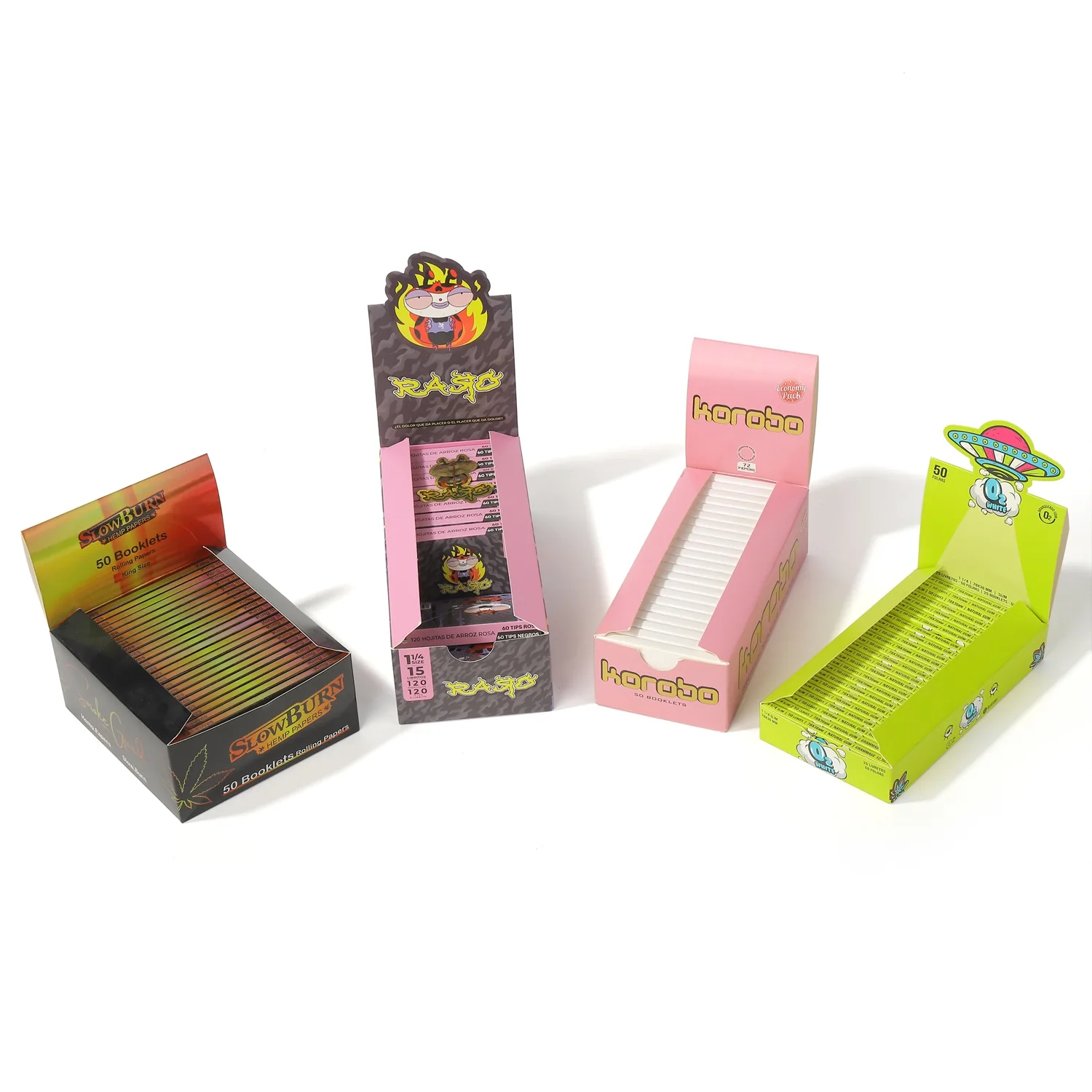
Considérez la cellulose transparente comme une catégorie de marché à discuter avec un OEM. Ace Rolling ne doit pas être présenté comme stockant à tout moment toutes les tailles, formats ou constructions de cellulose. Demandez au Équipe OEM et ODM si l'option exacte peut être sourcée et convertie pour votre programme proposé.
| Rôle de gamme | Ajustement en cellulose transparente | Avantage commercial | Risque principal |
|---|---|---|---|
| SKU héros spécialisé | Fort | Différence visuelle immédiate | La nouveauté peut ne pas se répéter |
| SKU quotidien de base | Conditionnel | Identité distinctive | Indices d'utilisation moins familiers |
| Lancement limité | Fort | Testez la demande avec concentration | Nécessite un volume discipliné |
| Ligne de valeur | Faible à conditionnel | Différenciation visuelle | L'économie peut ne pas convenir |
| Échantillonneur multi-matériaux | Fort | Encourage la comparaison | Plus de complexité d'inventaire |
Point clé : Donnez à la cellulose transparente un rôle spécialisé spécifique dans la gamme et confirmez la faisabilité OEM avant de construire le lancement autour d'elle.
Comment la cellulose se compare-t-elle au papier de chanvre et de style riz ?
Les noms des matériaux communiquent différentes attentes en rayon. La cellulose transparente met l'accent sur la transparence et la nouveauté ; le chanvre signale souvent une histoire reconnaissable de fibre végétale ; le papier de style riz signale souvent une expérience de papier léger et fin.
Aucun n'est automatiquement meilleur. Le comportement fini dépend de la composition, du poids surfacique, de l'épaisseur, de la porosité, de la surface, du système de gommage ou de scellement, des dimensions et de la cohérence de production. Comparez les candidats SKU exacts plutôt que les réputations génériques des matériaux.

Demandez les tailles correspondantes et les nombres de paquets dans la présélection. Évaluez si la transparence soutient l'architecture de la marque ou contredit l'emballage existant en couleur naturelle. Ace Rolling voie de papier à rouler personnalisé peut transformer la direction matérielle choisie en un brief complet de livret, sous réserve de disponibilité et d'approbation.
| Facteur acheteur | Cellulose transparente | Chanvre | Style riz |
|---|---|---|---|
| Indice principal en rayon | Transparent, inhabituel | Histoire familière des fibres végétales | Papier léger et raffiné |
| Différenciation visuelle | Très élevé | Moyen | Moyen |
| Gestion des attentes | Doit échantillonner la feuille exacte semblable à un film | Souvent adhérent ; vérifiez le mélange | Peut être délicat lorsqu'il est fin |
| Rôle de la marque | Spécialité/nouveauté | Cœur positionné naturel | Fin premium |
| Focus sur l'approbation | Feel, seal, burn, clarity | Fiber, GSM, gum | Thinness, strength, gum |
Point clé : Compare clear cellulose, hemp, and rice-style papers as finished constructions serving different shopper stories, not as a universal quality ranking.
What Burn and Hand-Feel Questions Must Samples Answer?
Transparency does not predict performance. Buyers need to test whether the exact paper handles, seals, rolls, and burns in a way that fits the intended customer and pack promise.
Clear cellulose may feel smoother or more film-like than familiar fibrous paper, which can alter grip and rolling expectations. Its visual edge is irrelevant if users struggle with the sheet, the seal does not hold, or results vary across samples.
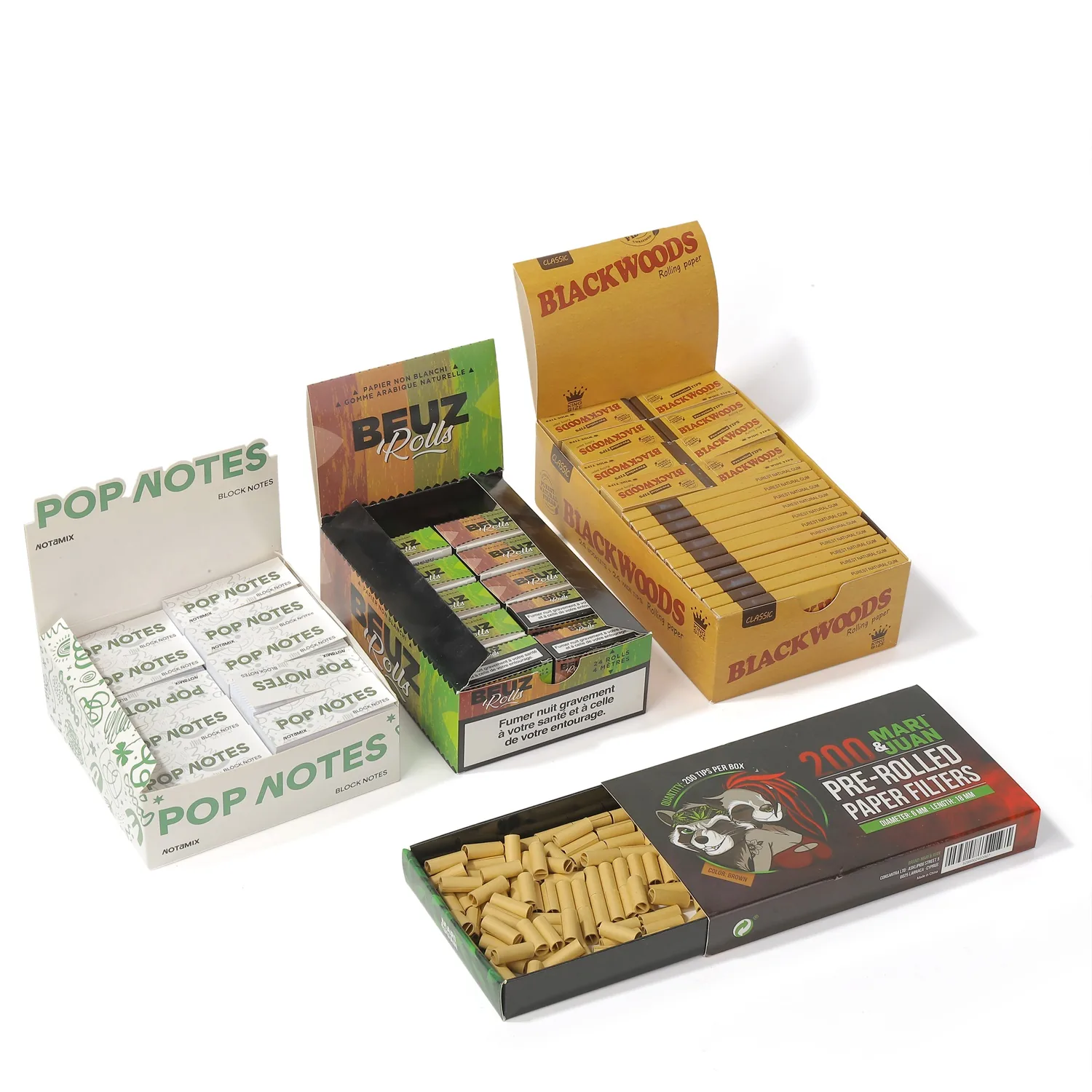
Run controlled comparisons using the same fill, grind, moisture, weight, density, dimensions, humidity, and technique. Record handling, seal activation, relights, side-burn tendency, ash, residue observations, and paper presence without making health or medical claims. Use Ace Rolling’s rolling papers page to frame a matched sample request.
| Sample question | Test method | Enregistrer | Reject when |
|---|---|---|---|
| Does it grip and roll? | Multiple users, same conditions | Slip, fold, tears | Target users cannot handle it |
| Does the seam hold? | Standardized activation | Seal time and failures | Repeated opening occurs |
| How does it burn? | Matched fill and density | Relights and side burn | Outside agreed brief |
| Is clarity consistent? | Compare over one background | Haze and variation | Lot appearance varies visibly |
| Does it store well? | Conditioned recheck | Curl, sticking, brittleness | Performance degrades |
Point clé : Approve the exact transparent construction through repeatable handling, seal, storage, and burn tests—not appearance alone.
Which Formats and Packaging Make the Shelf Story Work?
Format determines how much of the clear-paper concept shoppers can understand before purchase. Booklets can use windows, diagrams, or a visible sample treatment where legally and structurally appropriate; formed products need geometry and pack protection.
A specialty pack should explain the material plainly without crowding the front panel. The goal is to make the difference visible while keeping size, count, instructions, required warnings, and manufacturer or importer information readable.
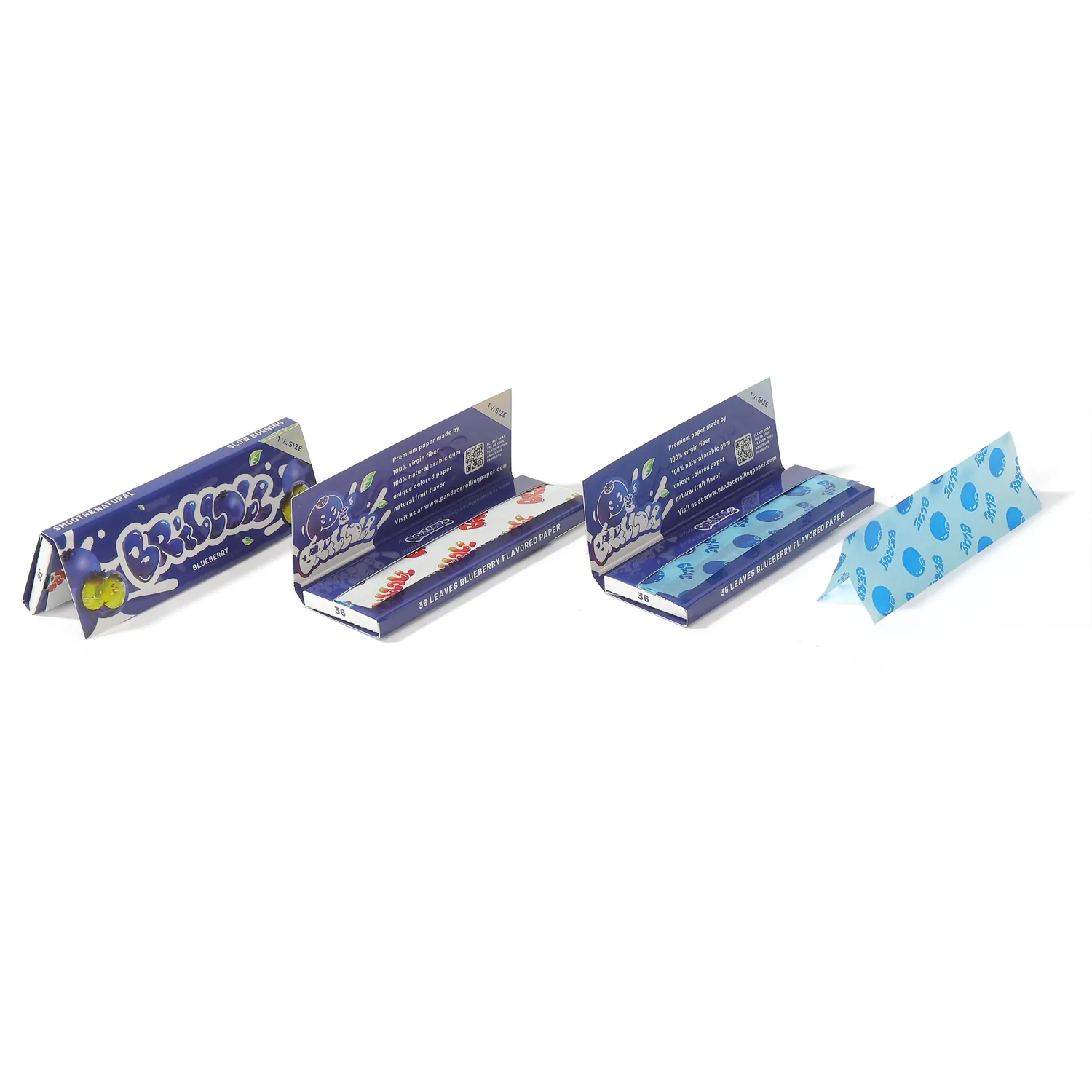
Ask whether the proposed clear cellulose route is technically suitable for booklets, wraps, or formed formats before designing the range. Every format requires its own sample approval. Ace Rolling’s custom packaging program can coordinate the outer presentation, while substrate and conversion feasibility remain subject to the final specification.
| Format decision | Story opportunity | Technical gate | Packaging need |
|---|---|---|---|
| Flat booklet | Clear-paper reveal | Sheet feed and interleave | Protect from curl/sticking |
| Specialty single pack | Strong trial cue | Seal and dimensions | Clear instructions |
| Formed format | Dramatic appearance | Forming and seam feasibility | Crush protection |
| Carton d'affichage | High shelf visibility | Pack-out count | Stable retail tray |
| Mixed sampler | Side-by-side education | Multiple approved SKUs | Clear identification |
Point clé : Design the pack only after confirming that the intended clear-cellulose format can be sampled, converted, protected, and explained accurately.
What Claims and Compliance Checks Apply?
“Cellulose” and “clear” are material or appearance descriptions, not permission to make environmental, safety, or medical promises. Claims must match the exact composition, documents, and destination market.
Do not describe a clear paper as healthier, safer, non-toxic, organic, plastic-free, biodegradable, compostable, or sustainable unless qualified counsel and applicable evidence support the precise statement. Visual similarity to film can also create consumer questions that packaging should answer factually.
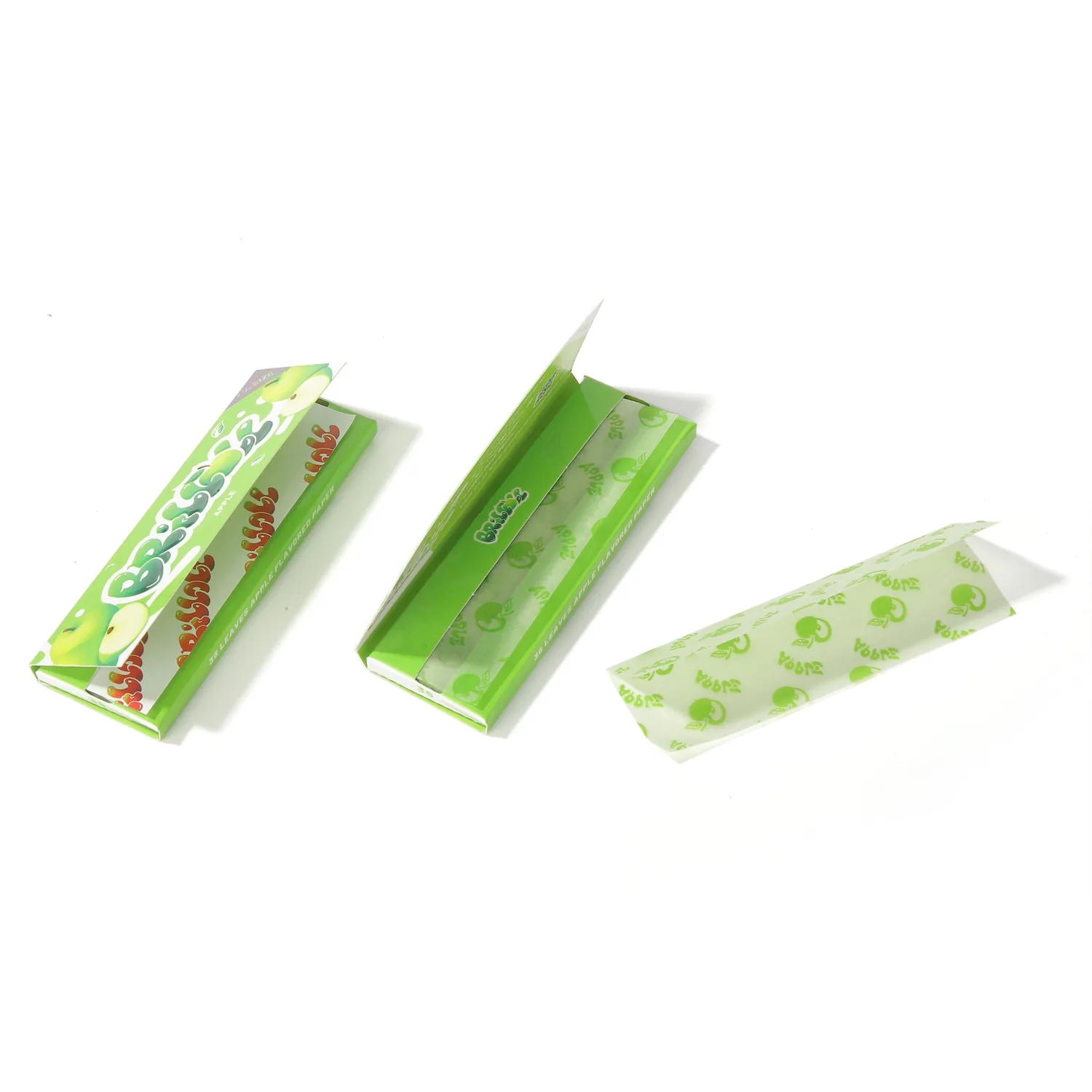
Request a bill of materials or composition statement, relevant test documents, ink and seal information, origin details, and market-specific labeling support. FSC is an option for applicable fiber-based sourcing programs, not a default assumption for every cellulose SKU. Use Ace Rolling’s quality information as a starting point for a SKU-specific document checklist.
| Proposed statement | Buyer treatment | Evidence needed | Safer approach |
|---|---|---|---|
| “Clear cellulose paper” | Use only if accurate | Composition/specification | Name material plainly |
| “Biodegradable” | Do not assume | Applicable standard and test | Omit until substantiated |
| “Plastic-free” | Do not assume | Full composition evidence | Confirm exact formulation |
| “Healthier” | À éviter | Medical substantiation | Make no health comparison |
| “FSC-certified” | Conditional option | Applicable scope documents | Verify before printing |
Point clé : Keep claims factual and product-specific; transparency is a shelf feature, not evidence for environmental or health claims.
How Should Buyers Qualify Availability and Production Control?
Specialty materials can have fewer sourcing and converting routes than mainstream papers. Supplier qualification therefore starts before artwork: confirm availability, minimum material runs, compatible sizes, storage, converting, sealing, print limits, QC, and reorder continuity.
Ace Rolling manufactures OEM programs in Dongguan, China, but clear cellulose should be framed as an option to discuss—not as a promise that every possible cellulose SKU is continuously stocked. Ask for written feasibility tied to one complete specification.
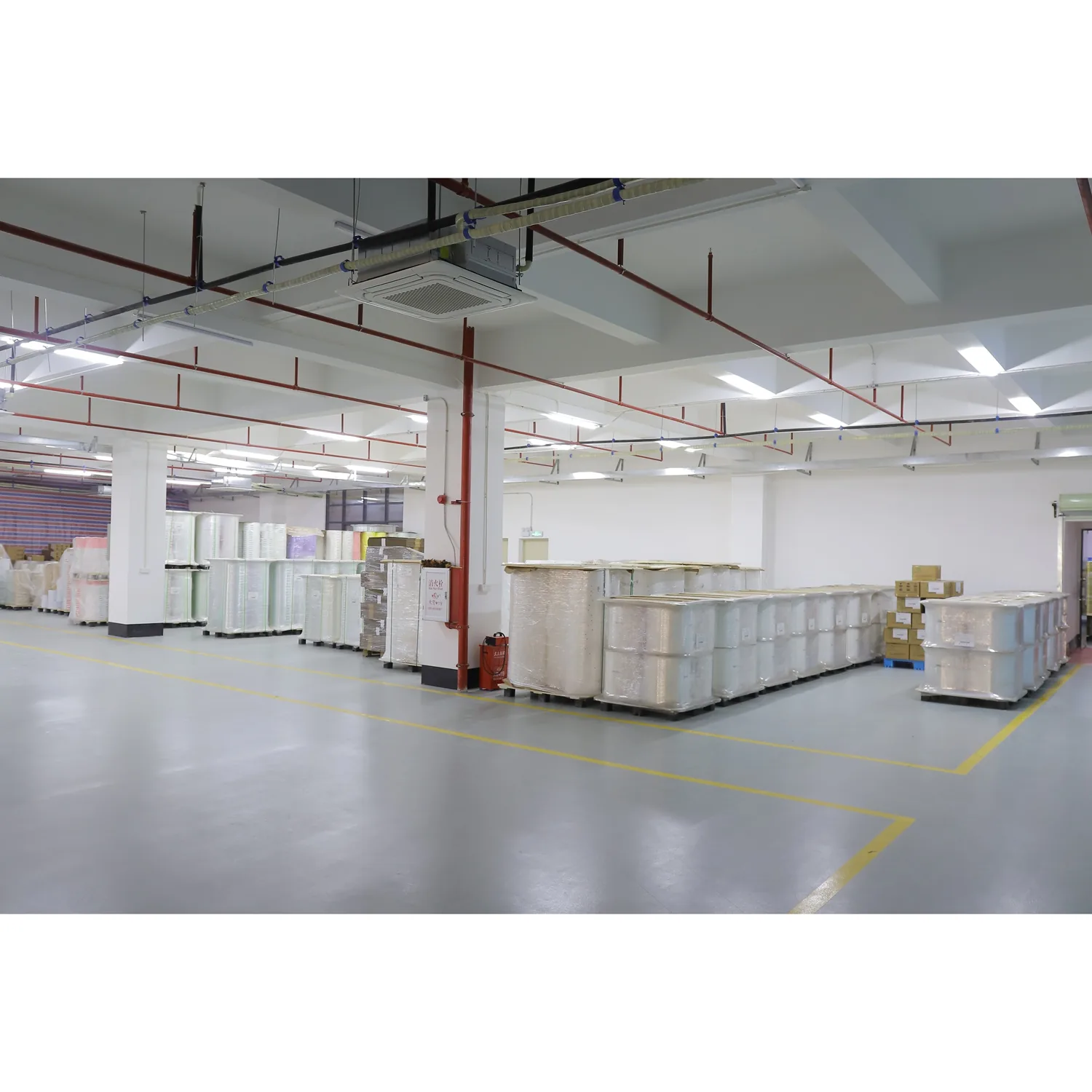
The approval plan should include incoming-material checks, appearance standards, dimensions, seal performance, pack-out, retained samples, and change notification. If material source or formulation changes, require a new sample review. Explore factory capability through Ace Rolling’s Dongguan factory overview.
| Qualification question | Pourquoi c'est important | Preuve | Stop condition |
|---|---|---|---|
| Is exact material available? | Avoids catalog assumptions | Written feasibility | Vague “similar” substitute |
| Can target format be converted? | Specialty sheets may differ | Production sample | No format trial |
| What varies by lot? | Clarity and feel need control | QC specification | No acceptance range |
| How are retains stored? | Supports disputes/reorders | Retain procedure | No reference sample |
| What triggers reapproval? | Protects formulation changes | Change-control clause | Silent substitution allowed |
Point clé : Qualify one exact cellulose construction, supplier route, and control plan instead of relying on a broad catalog category.
What MOQ, Price, and Launch Plan Should Buyers Expect?
Specialty does not mean buyers should accept unclear economics. Quote the whole finished product: material, dimensions, count, printing, packaging, tooling, samples, quantity, freight, duty, and destination.
Les programmes personnalisés Ace Rolling commencent souvent autour de 2 000 unités, subject to the exact specification. Approved general planning bands are about $0,07–$0,30 par livret personnalisé et $0,04–$0,06 par cône pré-roulé, with MOQ and quotation applying. These are not cellulose-specific prices and do not prove a clear SKU is available.
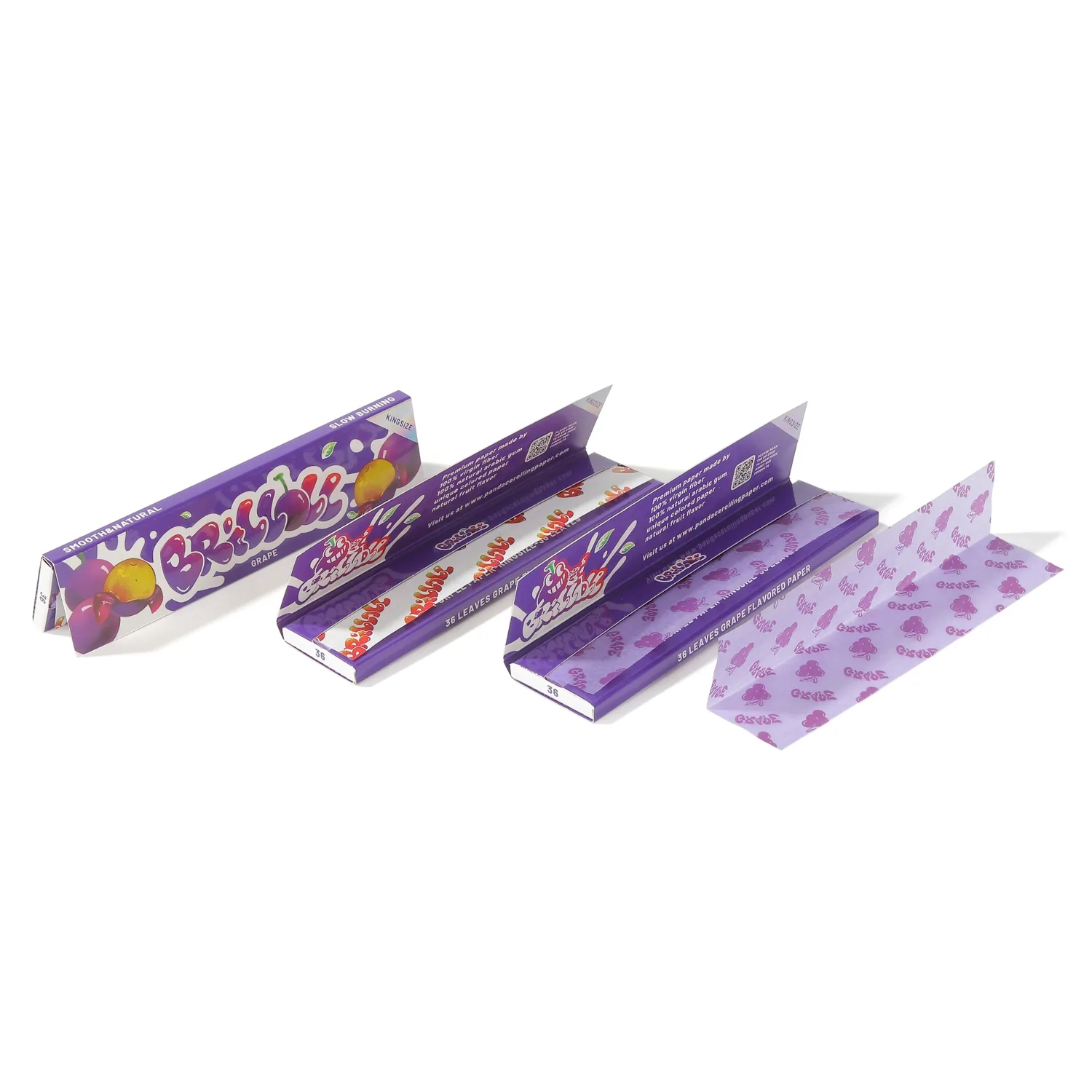
Start with a focused pilot SKU, secure production-intent samples, and model landed margin at realistic sell-through. A typical Ace private-label project can be planned around about two months concept-to-delivery, with mass production often roughly four to five weeks after approvals, depending on complexity. Request feasibility and a current quote through the contact page.
| Commercial item | Référence de planification | Cellulose caveat | Action de l'acheteur |
|---|---|---|---|
| MOQ | Souvent autour de 2 000 unités | Specialty route may differ | Confirm exact SKU |
| Prix du carnet | Environ $0,07–$0,30 | Not a cellulose price list | Request formal quote |
| Prix du cône | Environ $0.04–$0.06 | Format availability unconfirmed | Verify feasibility |
| Mass production | Often 4–5 weeks after approval | Complexity can change timing | Lock samples first |
| Landed margin | Destination specific | Freight and duty apply | Model full cost |
Point clé : Treat approved price bands as general planning references, then obtain a cellulose-specific feasibility, MOQ, sample, and landed-cost quote.
FAQ
Are clear cellulose papers available for private label?
Clear cellulose is a recognized specialty market category that can be discussed for private-label development. Availability depends on the exact material, size, format, sealing system, print, packaging, quantity, and timing. Do not assume every OEM stocks every variant. Request written feasibility and approve a production-intent sample before committing to a launch.
Are clear cellulose papers better than hemp papers?
Neither is universally better. Clear cellulose offers a transparent, novelty-led shelf story, while hemp carries a more familiar plant-fiber identity. Compare matched finished samples for handling, sealing, burn behavior, packaging fit, documentation, MOQ, landed cost, and customer preference. The best choice is the one that meets the defined channel brief.
Do clear cellulose papers burn differently?
They can feel and perform differently from familiar fibrous papers, but transparency alone does not predict burn. Composition, thickness or area weight, porosity, seal, dimensions, humidity, fill moisture, density, and technique all matter. Run controlled comparisons and record sample-specific results without making universal, safety, health, or medical claims.
Can clear cellulose packaging claim biodegradable or plastic-free?
Not automatically. “Cellulose,” “clear,” “biodegradable,” and “plastic-free” are separate claims requiring accurate composition information and, where applicable, recognized substantiation. Buyers should review the exact material documents and destination-market rules before printing. If evidence is incomplete, use a factual product name and omit broad environmental or comparative claims.
What is the MOQ for clear cellulose private label?
Ace Rolling custom programs often begin around 2,000 units, but that is a planning reference rather than a guaranteed MOQ for every specialty material. Clear cellulose MOQ may depend on sourcing, converting, format, print, packaging, and quantity. Confirm the exact SKU’s feasibility, minimum run, sample charges, and reorder conditions in writing.
How do I request a clear cellulose sample and quote?
Send the intended format, dimensions, material description, weight or thickness target, seal, print, packaging, forecast quantity, destination, document needs, and launch date. Ask for comparison samples against hemp or rice-style paper and a retained production-intent proof. Then contacter Ace Rolling for current feasibility, MOQ, timing, and pricing.