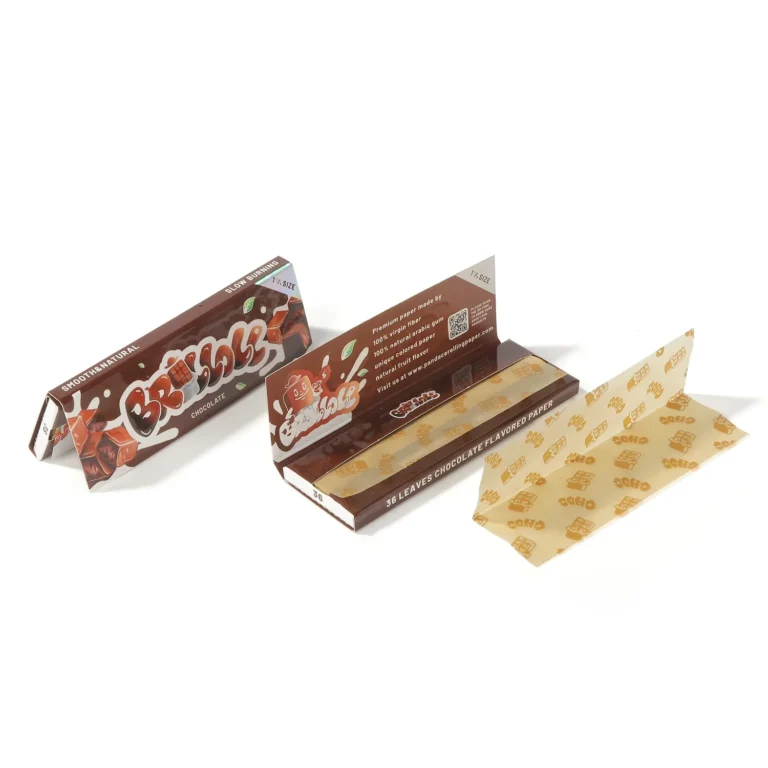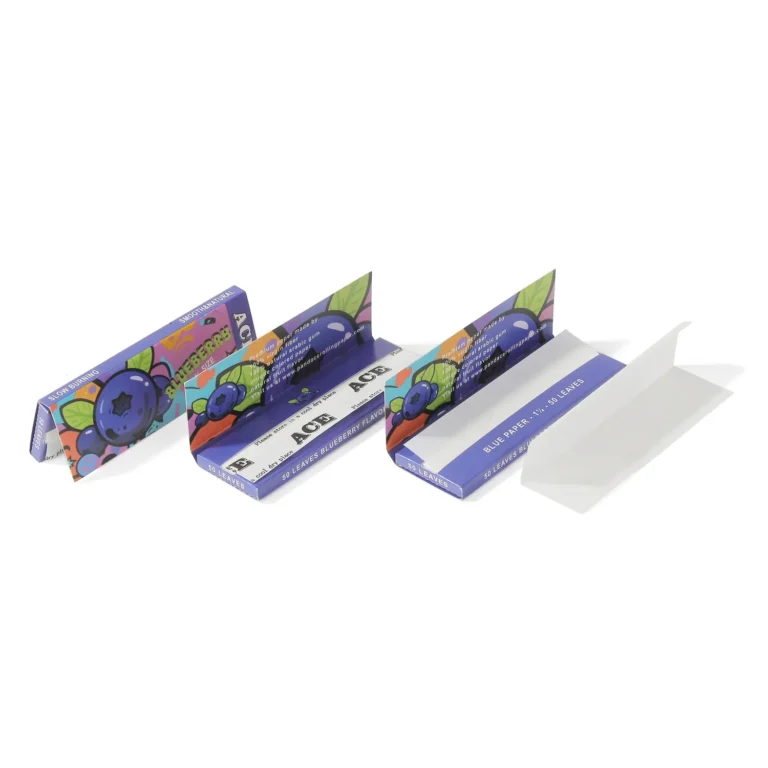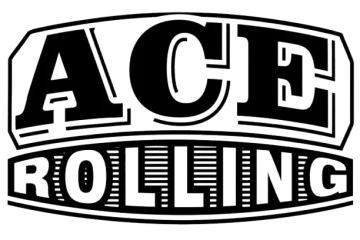

Papéis de celulose transparente podem ser uma opção de marca própria especializada quando a transparência cria uma história deliberada na prateleira e a construção exata passa nos testes de manuseio e queima. Compare-os com papéis de cânhamo, estilo arroz e convencionais, verifique os requisitos do mercado, amostre primeiro e confirme disponibilidade e MOQ com o OEM.
Onde os Papéis de Celulose Transparente se Encaixam em uma Linha de Marcas Próprias?
A celulose transparente pertence a uma linha especializada, não automaticamente no centro de cada sortimento. Sua diferença visível pode criar uma conversa no varejo, mas a novidade deve se traduzir em compra repetida e operações viáveis.
O papel mais forte costuma ser um SKU herói limitado, uma extensão de linha amigável para exposição ou um produto para compradores que já buscam uma apresentação de papel incomum. É menos adequado quando o canal exige sinais familiares de papel natural ou a menor complexidade possível de sortimento.
Trate a celulose transparente como uma categoria de mercado para discutir com um OEM. A Ace Rolling não deve ser representada como estocando todos os tamanhos, formatos ou construções de celulose o tempo todo. Pergunte ao Equipe de OEM e ODM se a opção exata pode ser adquirida e convertida para o seu programa proposto.
| Papel da linha | Ajuste de celulose transparente | Vantagem comercial | Risco principal |
|---|---|---|---|
| SKU herói especializado | Forte | Diferença visual imediata | Novidade pode não se repetir |
| SKU básico do dia a dia | Condicional | Identidade distintiva | Sinais de uso menos familiares |
| Lançamento limitado | Forte | Testa a demanda com foco | Exige volume disciplinado |
| Linha de valor | Fraco a condicional | Diferenciação visual | A economia pode não se adequar |
| Amostrador multi-material | Forte | Incentiva a comparação | Mais complexidade de inventário |
Conclusão Principal: Atribua à celulose transparente uma função especializada específica na linha e confirme a viabilidade do OEM antes de estruturar o lançamento em torno dela.
Como a Celulose se Compara com Papéis de Cânhamo e Estilo Arroz?
Os nomes dos materiais comunicam diferentes expectativas na prateleira. A celulose transparente enfatiza transparência e novidade; o cânhamo frequentemente sinaliza uma história reconhecível de fibra vegetal; o papel estilo arroz frequentemente sinaliza uma experiência de papel leve e fino.
Nenhum é automaticamente melhor. O comportamento final depende da composição, peso por área, espessura, porosidade, superfície, sistema de goma ou vedação, dimensões e consistência de produção. Compare os candidatos exatos de SKU em vez de reputações genéricas de materiais.

Peça tamanhos e quantidades de embalagem correspondentes na lista final. Avalie se a transparência apoia a arquitetura da marca ou conflita com as embalagens de cor natural existentes. Ace Rolling's rota personalizada de papel de enrolar pode transformar a direção de material escolhida em um briefing completo de folheto, sujeito à disponibilidade e aprovação.
| Fator do comprador | Celulose transparente | Cânhamo | Estilo arroz |
|---|---|---|---|
| Sinal principal de prateleira | Transparente, incomum | História familiar de fibra vegetal | Papel leve e refinado |
| Diferenciação visual | Muito alto | Médio | Médio |
| Expectativa de manuseio | Deve-se amostrar a folha exata semelhante a filme | Frequentemente aderente; verificar mistura | Pode ser delicado quando fino |
| Papel da marca | Especialidade/novidade | Núcleo posicionado naturalmente | Prêmio fino |
| Approval focus | Feel, seal, burn, clarity | Fiber, GSM, gum | Thinness, strength, gum |
Conclusão Principal: Compare clear cellulose, hemp, and rice-style papers as finished constructions serving different shopper stories, not as a universal quality ranking.
What Burn and Hand-Feel Questions Must Samples Answer?
Transparency does not predict performance. Buyers need to test whether the exact paper handles, seals, rolls, and burns in a way that fits the intended customer and pack promise.
Clear cellulose may feel smoother or more film-like than familiar fibrous paper, which can alter grip and rolling expectations. Its visual edge is irrelevant if users struggle with the sheet, the seal does not hold, or results vary across samples.
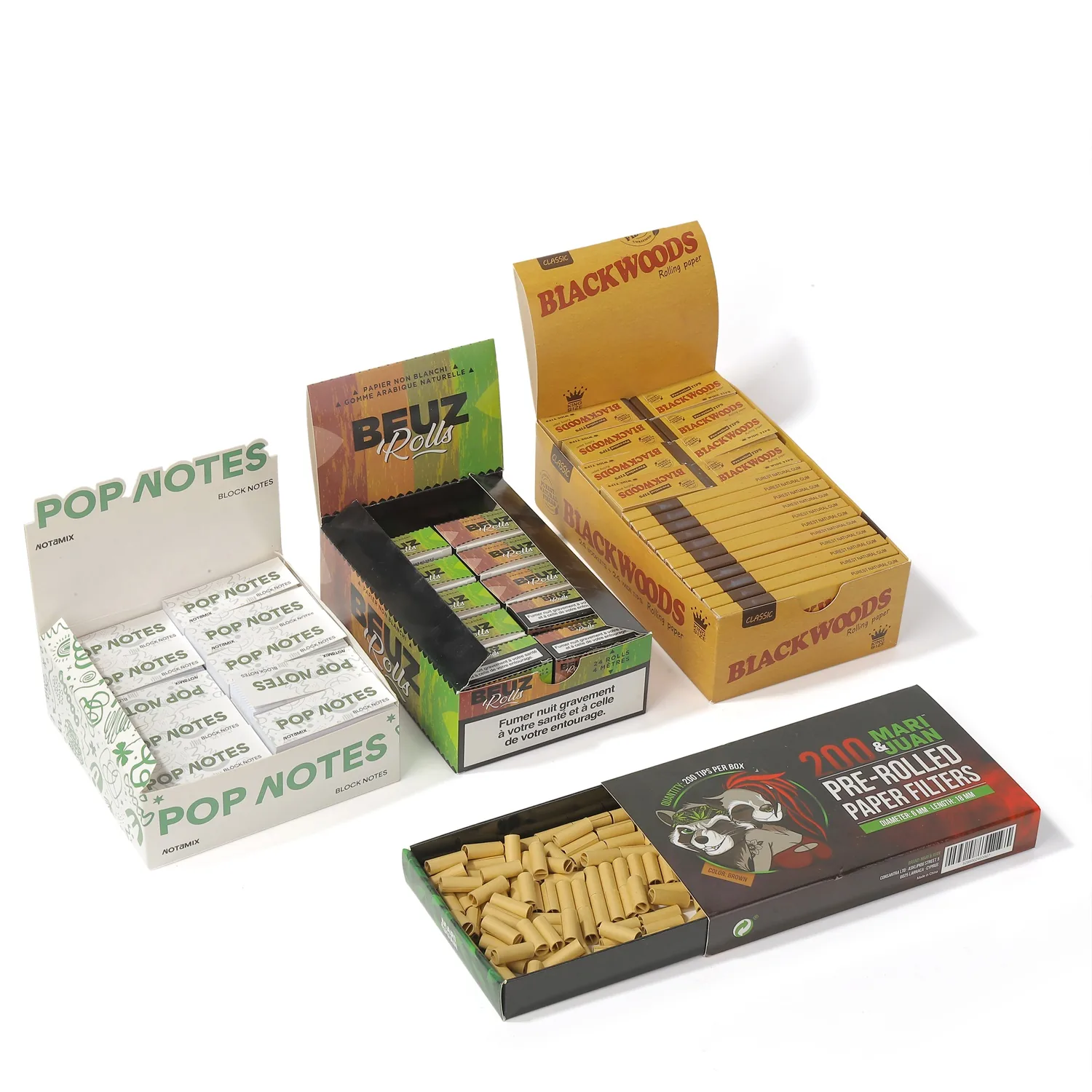
Run controlled comparisons using the same fill, grind, moisture, weight, density, dimensions, humidity, and technique. Record handling, seal activation, relights, side-burn tendency, ash, residue observations, and paper presence without making health or medical claims. Use Ace Rolling’s rolling papers page to frame a matched sample request.
| Sample question | Test method | Record | Reject when |
|---|---|---|---|
| Does it grip and roll? | Multiple users, same conditions | Slip, fold, tears | Target users cannot handle it |
| Does the seam hold? | Standardized activation | Seal time and failures | Repeated opening occurs |
| How does it burn? | Matched fill and density | Relights and side burn | Outside agreed brief |
| Is clarity consistent? | Compare over one background | Haze and variation | Lot appearance varies visibly |
| Does it store well? | Conditioned recheck | Curl, sticking, brittleness | Performance degrades |
Conclusão Principal: Approve the exact transparent construction through repeatable handling, seal, storage, and burn tests—not appearance alone.
Which Formats and Packaging Make the Shelf Story Work?
Format determines how much of the clear-paper concept shoppers can understand before purchase. Booklets can use windows, diagrams, or a visible sample treatment where legally and structurally appropriate; formed products need geometry and pack protection.
A specialty pack should explain the material plainly without crowding the front panel. The goal is to make the difference visible while keeping size, count, instructions, required warnings, and manufacturer or importer information readable.
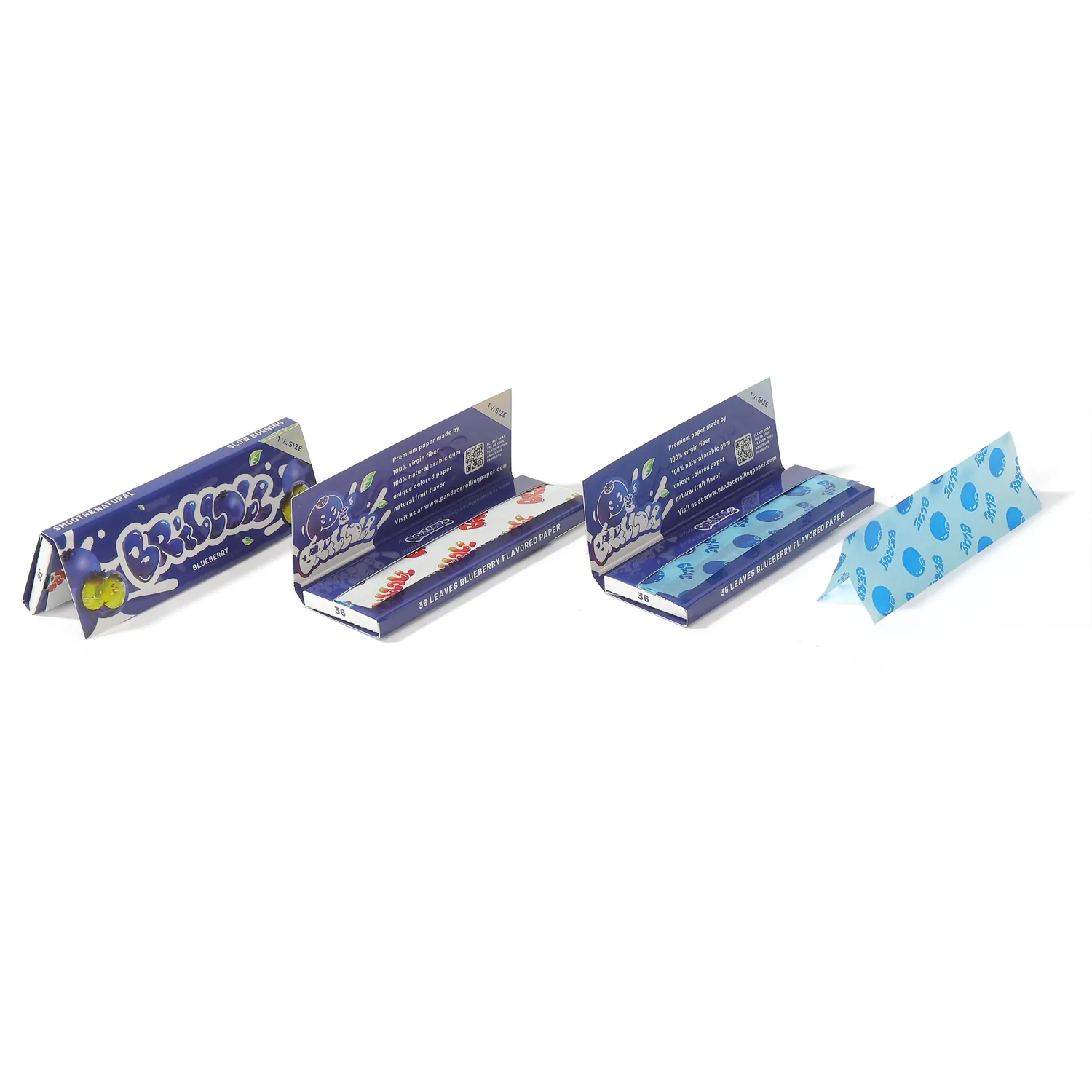
Ask whether the proposed clear cellulose route is technically suitable for booklets, wraps, or formed formats before designing the range. Every format requires its own sample approval. Ace Rolling’s custom packaging program can coordinate the outer presentation, while substrate and conversion feasibility remain subject to the final specification.
| Format decision | Story opportunity | Technical gate | Packaging need |
|---|---|---|---|
| Flat booklet | Clear-paper reveal | Sheet feed and interleave | Protect from curl/sticking |
| Specialty single pack | Strong trial cue | Seal and dimensions | Clear instructions |
| Formed format | Dramatic appearance | Forming and seam feasibility | Crush protection |
| Caixa de exibição | High shelf visibility | Pack-out count | Stable retail tray |
| Mixed sampler | Side-by-side education | Multiple approved SKUs | Clear identification |
Conclusão Principal: Design the pack only after confirming that the intended clear-cellulose format can be sampled, converted, protected, and explained accurately.
What Claims and Compliance Checks Apply?
“Cellulose” and “clear” are material or appearance descriptions, not permission to make environmental, safety, or medical promises. Claims must match the exact composition, documents, and destination market.
Do not describe a clear paper as healthier, safer, non-toxic, organic, plastic-free, biodegradable, compostable, or sustainable unless qualified counsel and applicable evidence support the precise statement. Visual similarity to film can also create consumer questions that packaging should answer factually.
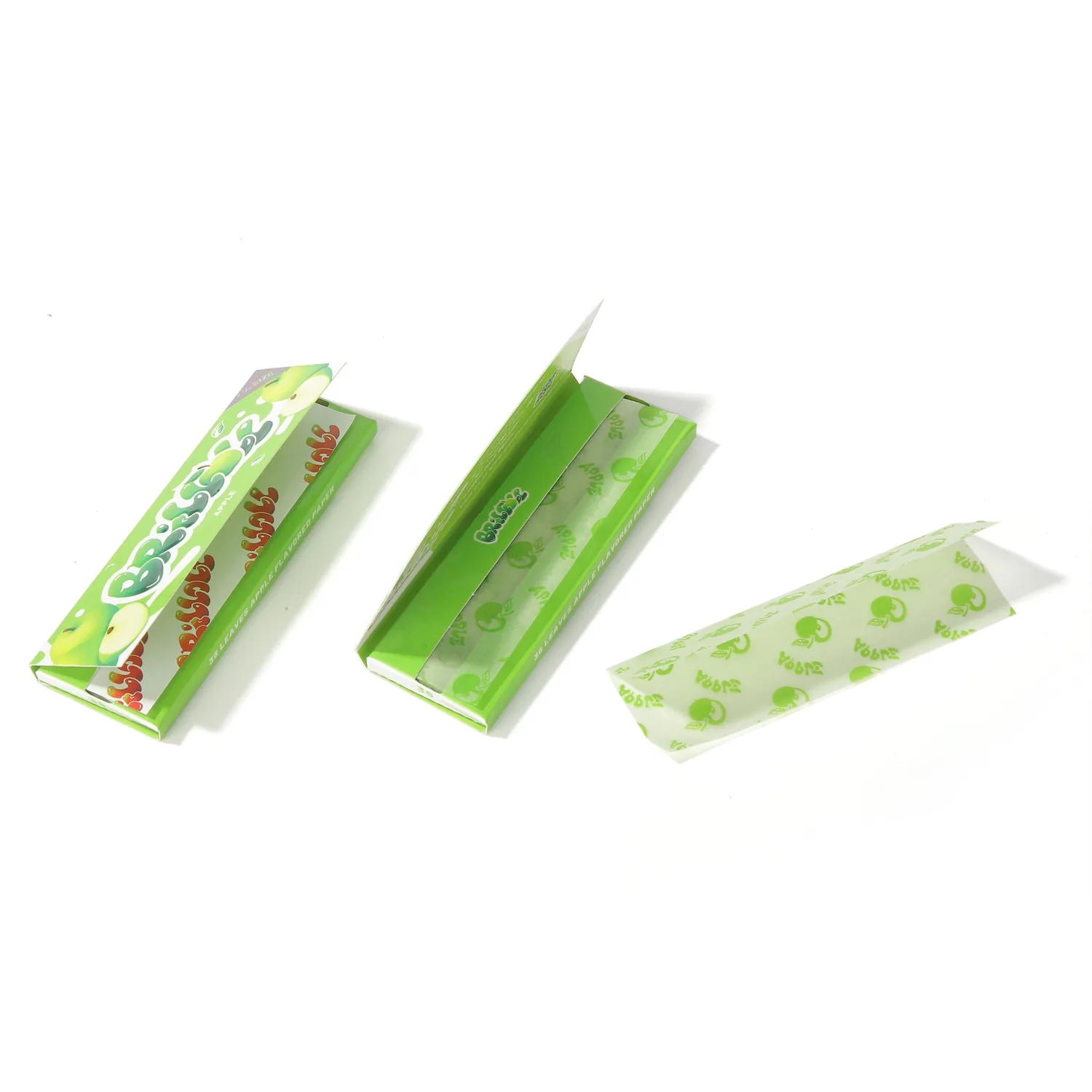
Request a bill of materials or composition statement, relevant test documents, ink and seal information, origin details, and market-specific labeling support. FSC is an option for applicable fiber-based sourcing programs, not a default assumption for every cellulose SKU. Use Ace Rolling’s quality information as a starting point for a SKU-specific document checklist.
| Proposed statement | Buyer treatment | Evidence needed | Abordagem mais segura |
|---|---|---|---|
| “Clear cellulose paper” | Use only if accurate | Composition/specification | Name material plainly |
| “Biodegradable” | Do not assume | Applicable standard and test | Omit until substantiated |
| “Plastic-free” | Do not assume | Full composition evidence | Confirm exact formulation |
| “Healthier” | Evitar | Medical substantiation | Make no health comparison |
| “FSC-certified” | Conditional option | Applicable scope documents | Verify before printing |
Conclusão Principal: Keep claims factual and product-specific; transparency is a shelf feature, not evidence for environmental or health claims.
How Should Buyers Qualify Availability and Production Control?
Specialty materials can have fewer sourcing and converting routes than mainstream papers. Supplier qualification therefore starts before artwork: confirm availability, minimum material runs, compatible sizes, storage, converting, sealing, print limits, QC, and reorder continuity.
Ace Rolling manufactures OEM programs in Dongguan, China, but clear cellulose should be framed as an option to discuss—not as a promise that every possible cellulose SKU is continuously stocked. Ask for written feasibility tied to one complete specification.
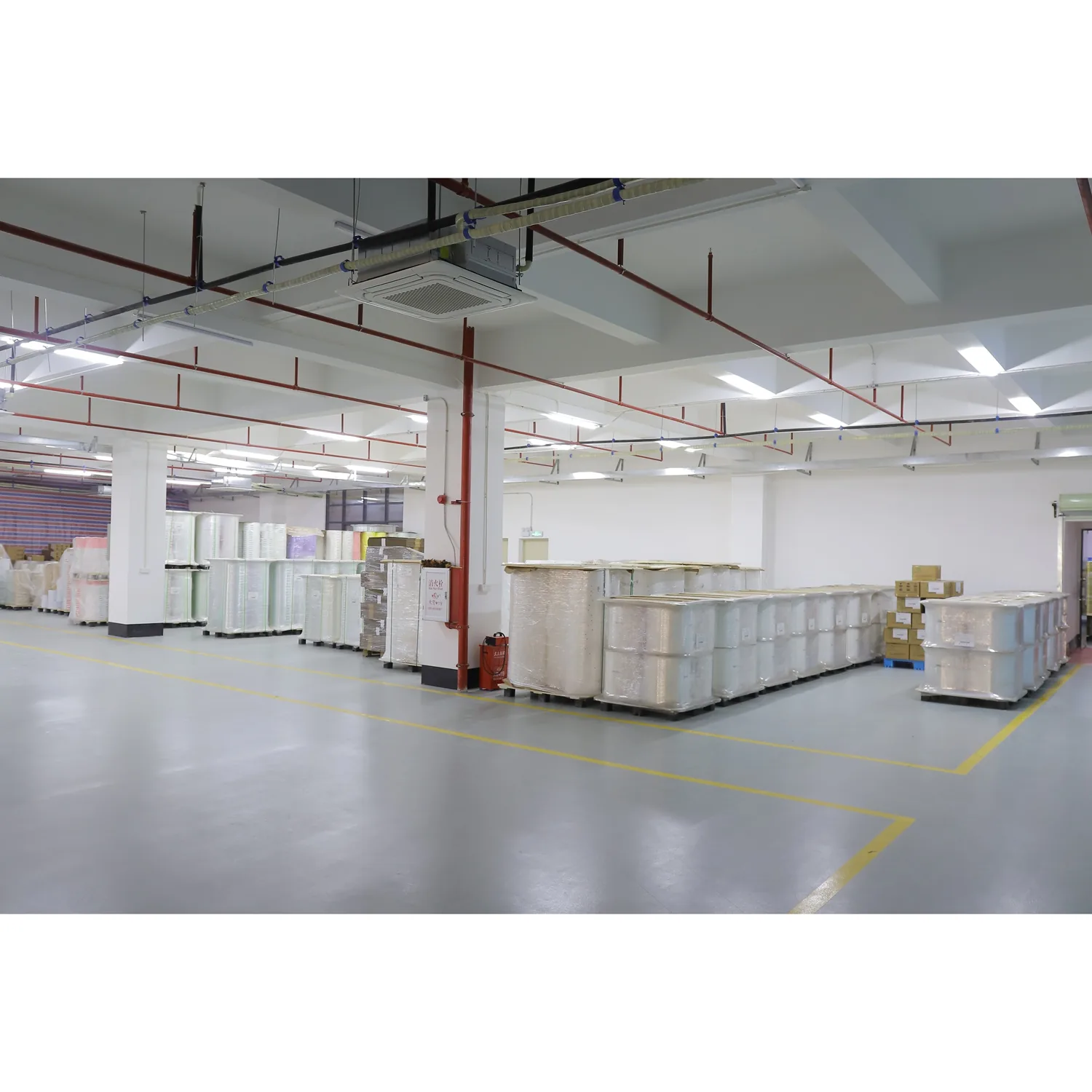
The approval plan should include incoming-material checks, appearance standards, dimensions, seal performance, pack-out, retained samples, and change notification. If material source or formulation changes, require a new sample review. Explore factory capability through Ace Rolling’s Dongguan factory overview.
| Qualification question | Por que isso importa | Evidência | Stop condition |
|---|---|---|---|
| Is exact material available? | Avoids catalog assumptions | Written feasibility | Vague “similar” substitute |
| Can target format be converted? | Specialty sheets may differ | Production sample | No format trial |
| What varies by lot? | Clarity and feel need control | QC specification | No acceptance range |
| How are retains stored? | Supports disputes/reorders | Retain procedure | No reference sample |
| What triggers reapproval? | Protects formulation changes | Change-control clause | Silent substitution allowed |
Conclusão Principal: Qualify one exact cellulose construction, supplier route, and control plan instead of relying on a broad catalog category.
What MOQ, Price, and Launch Plan Should Buyers Expect?
Specialty does not mean buyers should accept unclear economics. Quote the whole finished product: material, dimensions, count, printing, packaging, tooling, samples, quantity, freight, duty, and destination.
Ace Rolling custom programs often start around 2.000 unidades, subject to the exact specification. Approved general planning bands are about $0,07–$0,30 por livreto personalizado e $0.04–$0.06 per pre-rolled cone, with MOQ and quotation applying. These are not cellulose-specific prices and do not prove a clear SKU is available.
Start with a focused pilot SKU, secure production-intent samples, and model landed margin at realistic sell-through. A typical Ace private-label project can be planned around about two months concept-to-delivery, with mass production often roughly four to five weeks after approvals, depending on complexity. Request feasibility and a current quote through the contact page.
| Commercial item | Planning reference | Cellulose caveat | Ação do comprador |
|---|---|---|---|
| QMP | Often around 2,000 units | Specialty route may differ | Confirm exact SKU |
| Booklet price | About $0.07–$0.30 | Not a cellulose price list | Request formal quote |
| Cone price | About $0.04–$0.06 | Format availability unconfirmed | Verify feasibility |
| Produção em massa | Often 4–5 weeks after approval | Complexity can change timing | Lock samples first |
| Landed margin | Destination specific | Freight and duty apply | Model full cost |
Conclusão Principal: Treat approved price bands as general planning references, then obtain a cellulose-specific feasibility, MOQ, sample, and landed-cost quote.
Perguntas Frequentes
Are clear cellulose papers available for private label?
Clear cellulose is a recognized specialty market category that can be discussed for private-label development. Availability depends on the exact material, size, format, sealing system, print, packaging, quantity, and timing. Do not assume every OEM stocks every variant. Request written feasibility and approve a production-intent sample before committing to a launch.
Are clear cellulose papers better than hemp papers?
Neither is universally better. Clear cellulose offers a transparent, novelty-led shelf story, while hemp carries a more familiar plant-fiber identity. Compare matched finished samples for handling, sealing, burn behavior, packaging fit, documentation, MOQ, landed cost, and customer preference. The best choice is the one that meets the defined channel brief.
Do clear cellulose papers burn differently?
They can feel and perform differently from familiar fibrous papers, but transparency alone does not predict burn. Composition, thickness or area weight, porosity, seal, dimensions, humidity, fill moisture, density, and technique all matter. Run controlled comparisons and record sample-specific results without making universal, safety, health, or medical claims.
Can clear cellulose packaging claim biodegradable or plastic-free?
Not automatically. “Cellulose,” “clear,” “biodegradable,” and “plastic-free” are separate claims requiring accurate composition information and, where applicable, recognized substantiation. Buyers should review the exact material documents and destination-market rules before printing. If evidence is incomplete, use a factual product name and omit broad environmental or comparative claims.
What is the MOQ for clear cellulose private label?
Ace Rolling custom programs often begin around 2,000 units, but that is a planning reference rather than a guaranteed MOQ for every specialty material. Clear cellulose MOQ may depend on sourcing, converting, format, print, packaging, and quantity. Confirm the exact SKU’s feasibility, minimum run, sample charges, and reorder conditions in writing.
How do I request a clear cellulose sample and quote?
Send the intended format, dimensions, material description, weight or thickness target, seal, print, packaging, forecast quantity, destination, document needs, and launch date. Ask for comparison samples against hemp or rice-style paper and a retained production-intent proof. Then entre em contato com a Ace Rolling for current feasibility, MOQ, timing, and pricing.