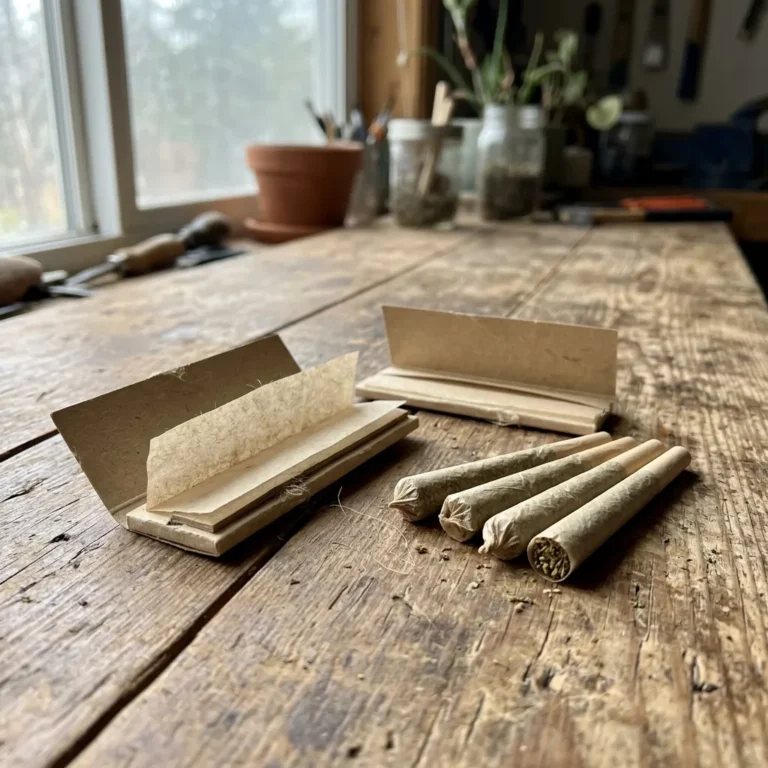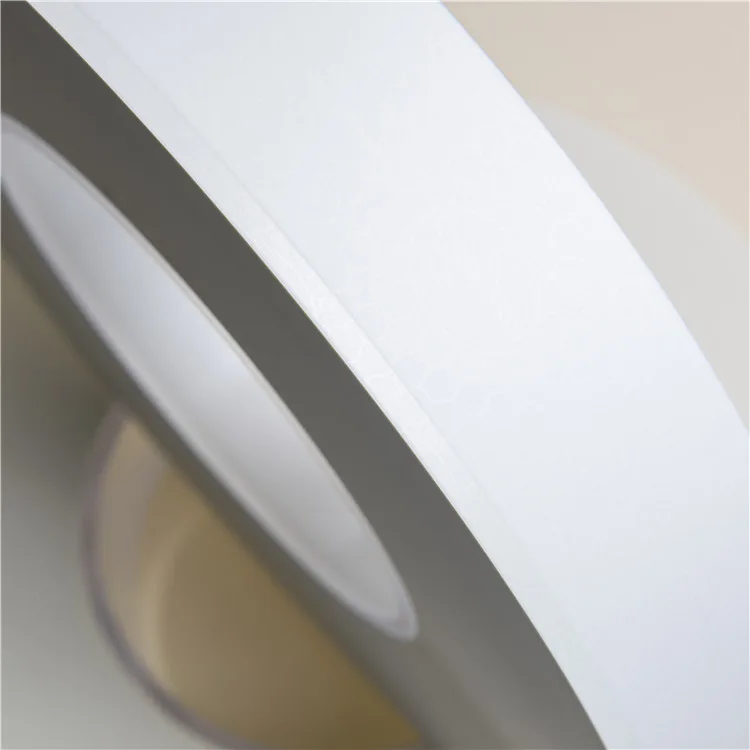

Kertas selulosa jernih dapat menjadi opsi label pribadi khusus ketika transparansi menciptakan cerita rak yang disengaja dan konstruksi tepat melewati uji penanganan dan pembakaran. Bandingkan dengan kertas hemp, gaya beras, dan konvensional, verifikasi persyaratan pasar, sampel terlebih dahulu, dan konfirmasi ketersediaan serta MOQ dengan OEM.
Di Mana Kertas Selulosa Jernih Cocok dalam Rentang Label Pribadi?
Selulosa jernih termasuk dalam jalur khusus, tidak secara otomatis berada di tengah setiap asortimen. Perbedaan yang terlihat dapat menciptakan percakapan di ritel, tetapi kebaruan harus diterjemahkan menjadi pembelian berulang dan operasi yang dapat dijalankan.
Peran terkuat sering berupa SKU pahlawan terbatas, ekstensi lini yang ramah tampilan, atau produk untuk pembeli yang sudah mencari presentasi kertas yang tidak biasa. Ini kurang cocok ketika saluran membutuhkan isyarat kertas alami yang familiar atau kompleksitas asortimen serendah mungkin.
Perlakukan selulosa jernih sebagai kategori pasar untuk didiskusikan dengan OEM. Ace Rolling tidak boleh diwakili sebagai stok setiap ukuran, format, atau konstruksi selulosa setiap saat. Tanyakan Tim OEM dan ODM apakah opsi yang tepat dapat disumber dan dikonversi untuk program yang Anda usulkan.
| Peran rentang | Kesesuaian selulosa jernih | Keunggulan komersial | Risiko utama |
|---|---|---|---|
| SKU unggulan khusus | Kuat | Perbedaan visual langsung | Kebaruan mungkin tidak terulang |
| SKU inti sehari-hari | Bersyarat | Identitas khas | Isyarat penggunaan yang kurang dikenal |
| Peluncuran terbatas | Kuat | Uji permintaan dengan fokus | Membutuhkan volume yang disiplin |
| Garis nilai | Lemah hingga bersyarat | Diferensiasi visual | Ekonomi mungkin tidak cocok |
| Sampel multi-material | Kuat | Mendorong perbandingan | Lebih banyak kompleksitas inventaris |
Poin Penting: Berikan selulosa jernih pekerjaan khusus tertentu dalam jangkauan dan konfirmasi kelayakan OEM sebelum membangun peluncuran di sekitarnya.
Bagaimana Selulosa Dibandingkan dengan Kertas Hemp dan Gaya Beras?
Nama material menyampaikan harapan rak yang berbeda. Selulosa jernih menekankan transparansi dan kebaruan; rami sering menandakan cerita serat tumbuhan yang dikenali; kertas gaya beras sering menandakan pengalaman kertas tipis yang ringan.
Tidak ada yang secara otomatis lebih baik. Perilaku jadi bergantung pada komposisi, berat area, ketebalan, porositas, permukaan, sistem permen karet atau penyegelan, dimensi, dan konsistensi produksi. Bandingkan kandidat SKU yang tepat daripada reputasi material generik.

Minta ukuran yang cocok dan jumlah kemasan di seluruh daftar pendek. Evaluasi apakah transparansi mendukung arsitektur merek atau bertentangan dengan kemasan warna alami yang sudah ada. Ace Rolling rute kertas gulung kustom dapat mengubah arah material yang dipilih menjadi ringkasan booklet lengkap, tergantung ketersediaan dan persetujuan.
| Faktor pembeli | Selulosa jernih | Hemp | Gaya beras |
|---|---|---|---|
| Isyarat rak utama | Transparan, tidak biasa | Cerita serat tumbuhan yang familiar | Kertas ringan dan halus |
| Diferensiasi visual | Sangat tinggi | Sedang | Sedang |
| Harapan penanganan | Harus mencoba lembaran mirip film yang tepat | Sering lengket; verifikasi campuran | Dapat rapuh saat tipis |
| Peran merek | Khusus/kebaruan | Inti berposisi alami | Premium tipis |
| Fokus persetujuan | Rasa, segel, bakar, kejernihan | Serat, GSM, perekat | Ketipisan, kekuatan, permen karet |
Poin Penting: Bandingkan selulosa jernih, kertas rami, dan kertas gaya beras sebagai konstruksi jadi yang melayani cerita pembeli berbeda, bukan sebagai peringkat kualitas universal.
Pertanyaan Apa yang Harus Dijawab Sampel tentang Pembakaran dan Rasa Pegangan?
Transparansi tidak memprediksi kinerja. Pembeli perlu menguji apakah kertas yang tepat menangani, menyegel, menggulung, dan membakar dengan cara yang sesuai dengan pelanggan yang dituju dan janji kemasan.
Selulosa bening mungkin terasa lebih halus atau lebih mirip film dibandingkan kertas berserat yang familiar, yang dapat mengubah harapan pegangan dan penggulungan. Keunggulan visualnya tidak relevan jika pengguna kesulitan dengan lembaran, segel tidak menahan, atau hasil bervariasi di antara sampel.
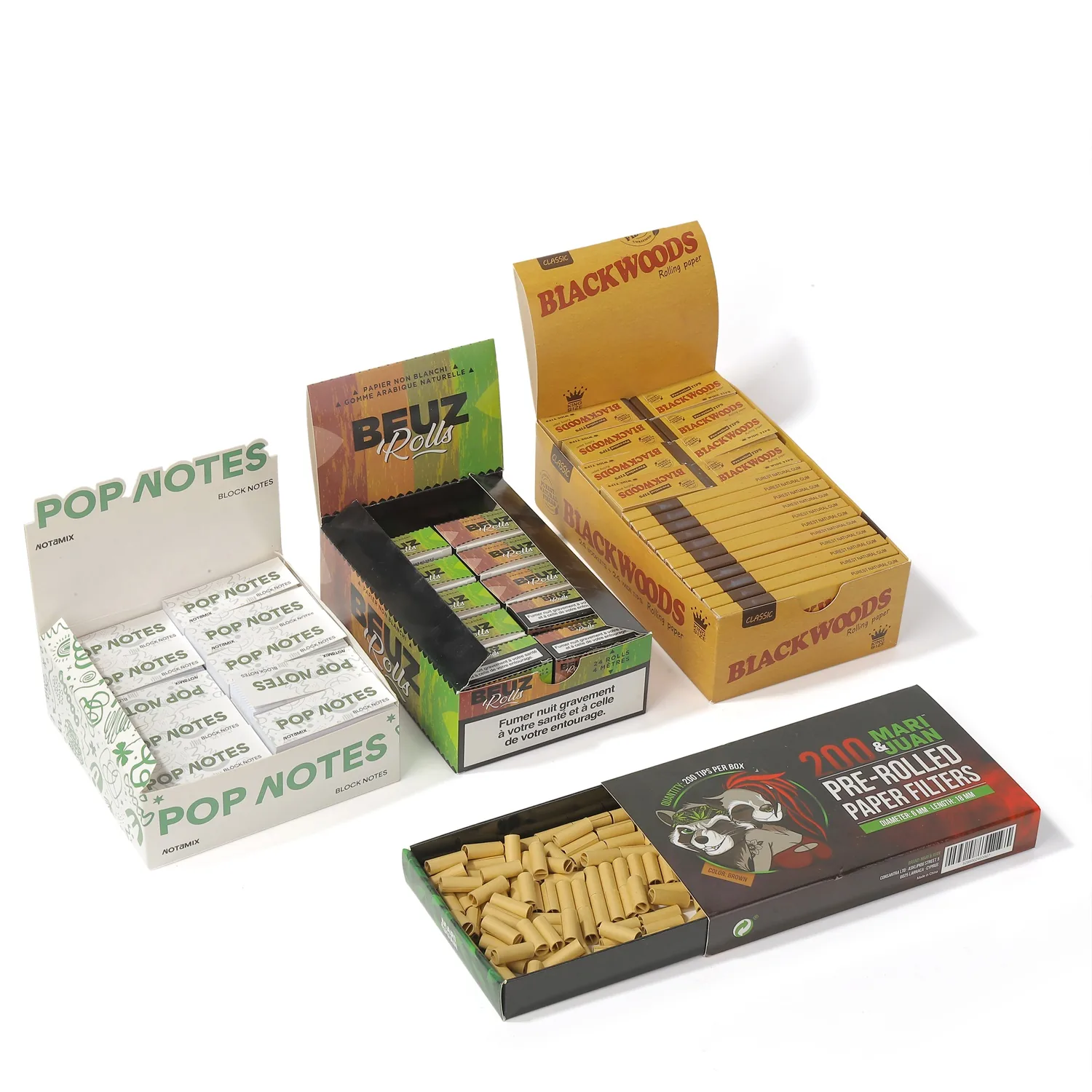
Lakukan perbandingan terkontrol menggunakan isian, gilingan, kelembapan, berat, kepadatan, dimensi, kelembaban, dan teknik yang sama. Catat penanganan, aktivasi segel, nyala ulang, kecenderungan bakar samping, abu, pengamatan residu, dan keberadaan kertas tanpa membuat klaim kesehatan atau medis. Gunakan halaman kertas gulung untuk membingkai permintaan sampel yang cocok.
| Pertanyaan sampel | Metode uji | Catatan | Tolak ketika |
|---|---|---|---|
| Apakah itu mencengkeram dan menggulung? | Banyak pengguna, kondisi yang sama | Selip, lipat, robek | Pengguna target tidak dapat menanganinya |
| Apakah jahitan bertahan? | Aktivasi terstandarisasi | Waktu segel dan kegagalan | Pembukaan berulang terjadi |
| Bagaimana cara membakarnya? | Isi dan kepadatan yang cocok | Nyala ulang dan bakar samping | Di luar kesepakatan singkat |
| Apakah kejelasan konsisten? | Bandingkan di atas satu latar belakang | Kabut dan variasi | Penampilan lot bervariasi secara kasat mata |
| Apakah penyimpanannya baik? | Pemeriksaan ulang terkondisi | Keriting, lengket, kerapuhan | Kinerja menurun |
Poin Penting: Setujui konstruksi transparan yang tepat melalui uji penanganan, segel, penyimpanan, dan pembakaran yang dapat diulang—bukan hanya penampilan.
Format dan Kemasan Mana yang Membuat Cerita Rak Berhasil?
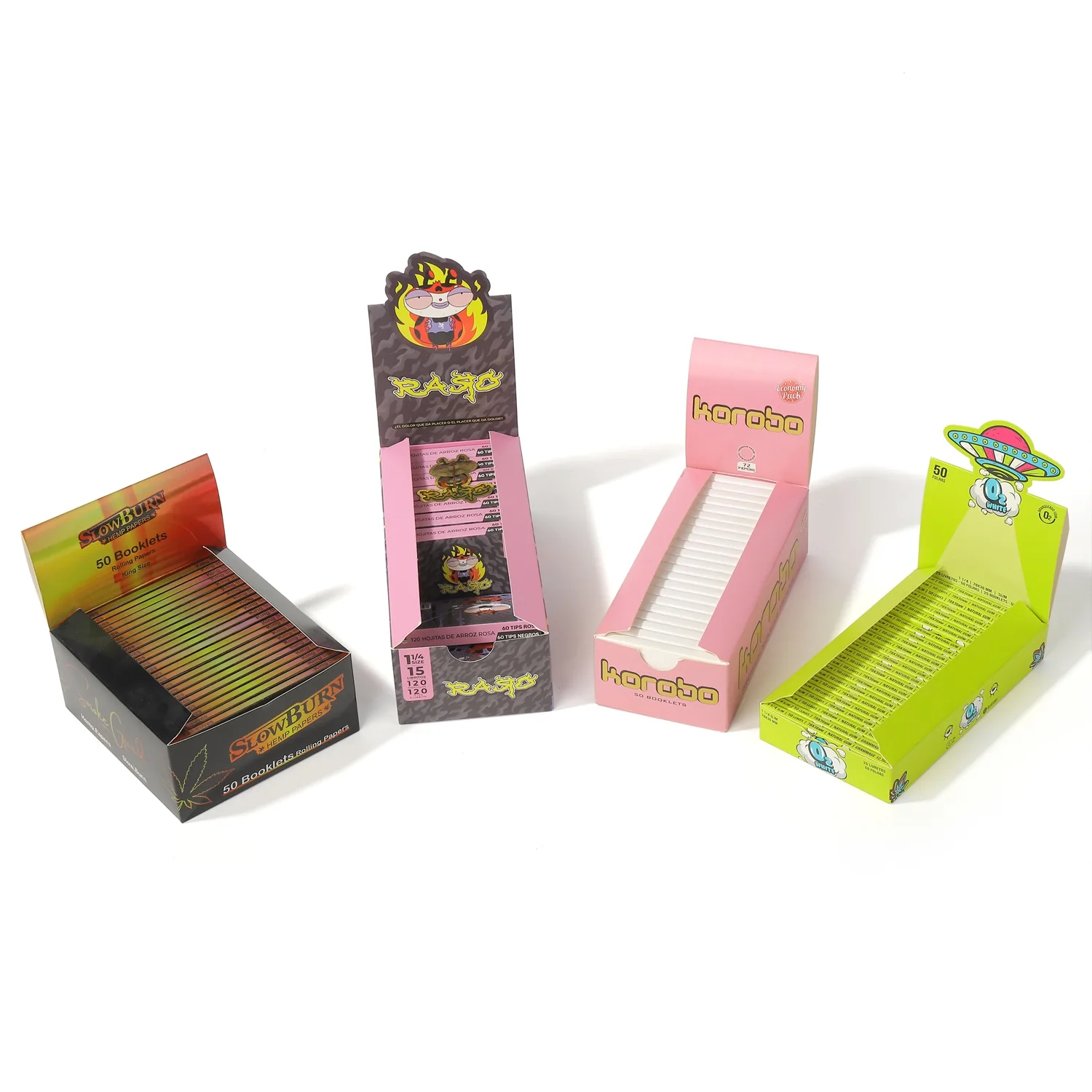
Format menentukan seberapa banyak konsep kertas bening yang dapat dipahami pembeli sebelum pembelian. Booklet dapat menggunakan jendela, diagram, atau perlakuan sampel yang terlihat jika sesuai secara hukum dan struktural; produk cetak memerlukan geometri dan perlindungan kemasan.
Kemasan khusus harus menjelaskan bahan dengan jelas tanpa memadati panel depan. Tujuannya adalah membuat perbedaan terlihat sambil menjaga ukuran, jumlah, instruksi, peringatan yang diperlukan, serta informasi produsen atau importir tetap terbaca.
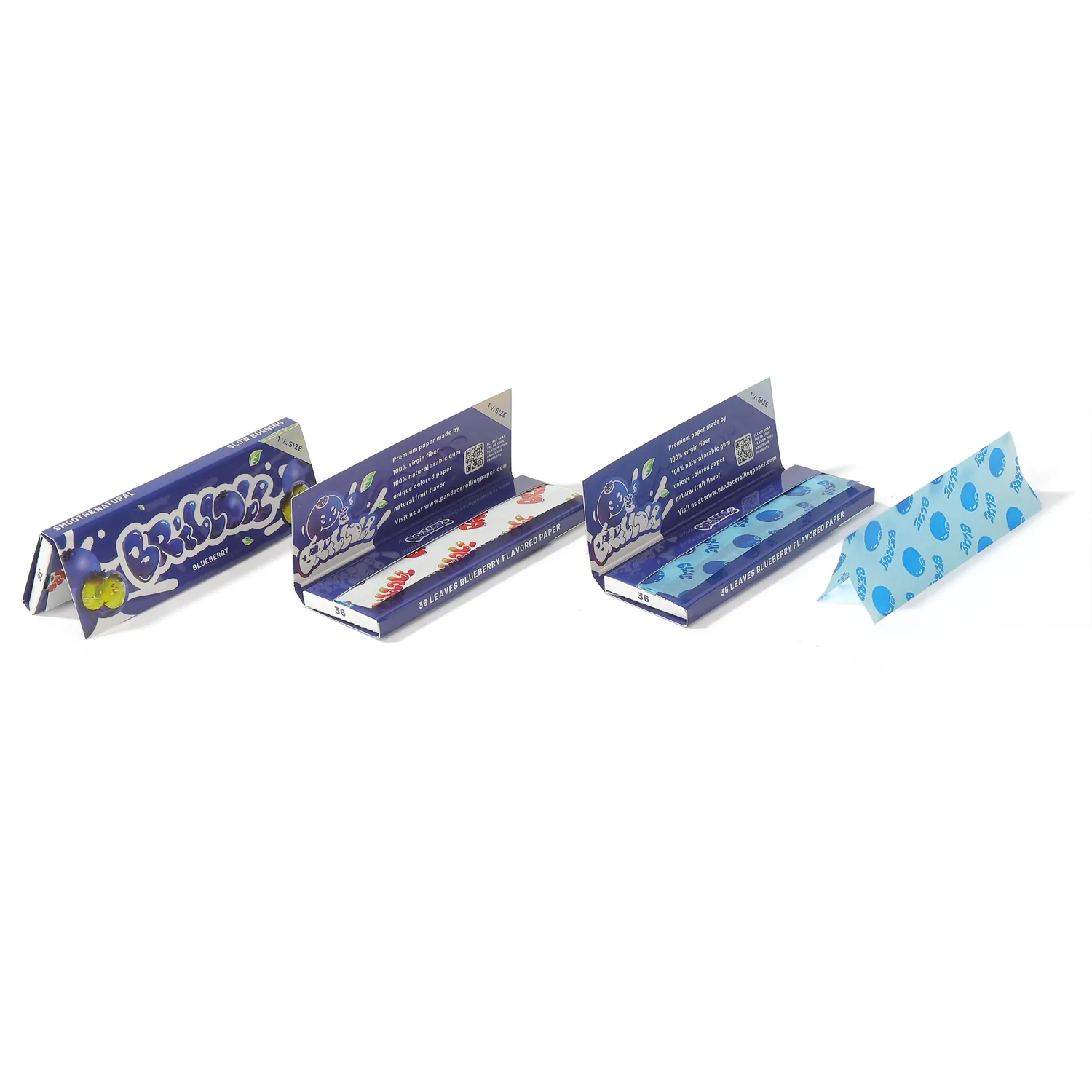
Tanyakan apakah rute selulosa bening yang diusulkan secara teknis cocok untuk booklet, bungkus, atau format cetak sebelum merancang rangkaian. Setiap format memerlukan persetujuan sampelnya sendiri. Ace Rolling program kemasan kustom dapat mengoordinasikan presentasi luar, sementara substrat dan kelayakan konversi tetap tunduk pada spesifikasi akhir.
| Keputusan format | Peluang cerita | Gerbang teknis | Kebutuhan kemasan |
|---|---|---|---|
| Buku saku datar | Tampilan kertas jernih | Sheet feed and interleave | Protect from curl/sticking |
| Specialty single pack | Strong trial cue | Seal and dimensions | Clear instructions |
| Formed format | Dramatic appearance | Forming and seam feasibility | Crush protection |
| Karton display | High shelf visibility | Pack-out count | Stable retail tray |
| Mixed sampler | Side-by-side education | Multiple approved SKUs | Clear identification |
Poin Penting: Design the pack only after confirming that the intended clear-cellulose format can be sampled, converted, protected, and explained accurately.
What Claims and Compliance Checks Apply?
“Cellulose” and “clear” are material or appearance descriptions, not permission to make environmental, safety, or medical promises. Claims must match the exact composition, documents, and destination market.
Do not describe a clear paper as healthier, safer, non-toxic, organic, plastic-free, biodegradable, compostable, or sustainable unless qualified counsel and applicable evidence support the precise statement. Visual similarity to film can also create consumer questions that packaging should answer factually.
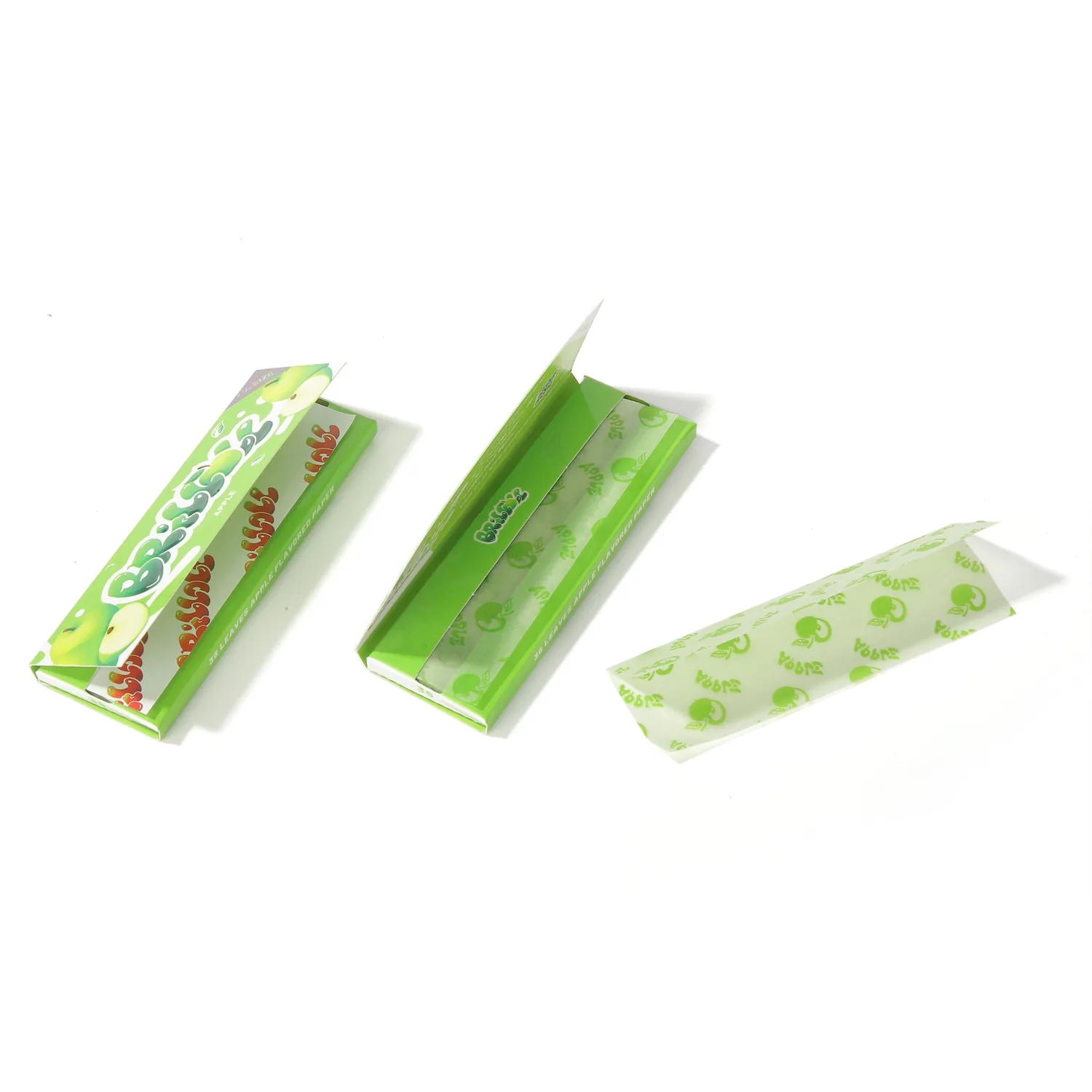
Request a bill of materials or composition statement, relevant test documents, ink and seal information, origin details, and market-specific labeling support. FSC is an option for applicable fiber-based sourcing programs, not a default assumption for every cellulose SKU. Use Ace Rolling’s quality information as a starting point for a SKU-specific document checklist.
| Proposed statement | Buyer treatment | Evidence needed | Pendekatan yang lebih aman |
|---|---|---|---|
| “Clear cellulose paper” | Use only if accurate | Composition/specification | Name material plainly |
| “Biodegradable” | Do not assume | Applicable standard and test | Omit until substantiated |
| “Plastic-free” | Do not assume | Full composition evidence | Confirm exact formulation |
| “Healthier” | Hindari | Medical substantiation | Make no health comparison |
| “FSC-certified” | Conditional option | Applicable scope documents | Verify before printing |
Poin Penting: Keep claims factual and product-specific; transparency is a shelf feature, not evidence for environmental or health claims.
How Should Buyers Qualify Availability and Production Control?
Specialty materials can have fewer sourcing and converting routes than mainstream papers. Supplier qualification therefore starts before artwork: confirm availability, minimum material runs, compatible sizes, storage, converting, sealing, print limits, QC, and reorder continuity.
Ace Rolling manufactures OEM programs in Dongguan, China, but clear cellulose should be framed as an option to discuss—not as a promise that every possible cellulose SKU is continuously stocked. Ask for written feasibility tied to one complete specification.
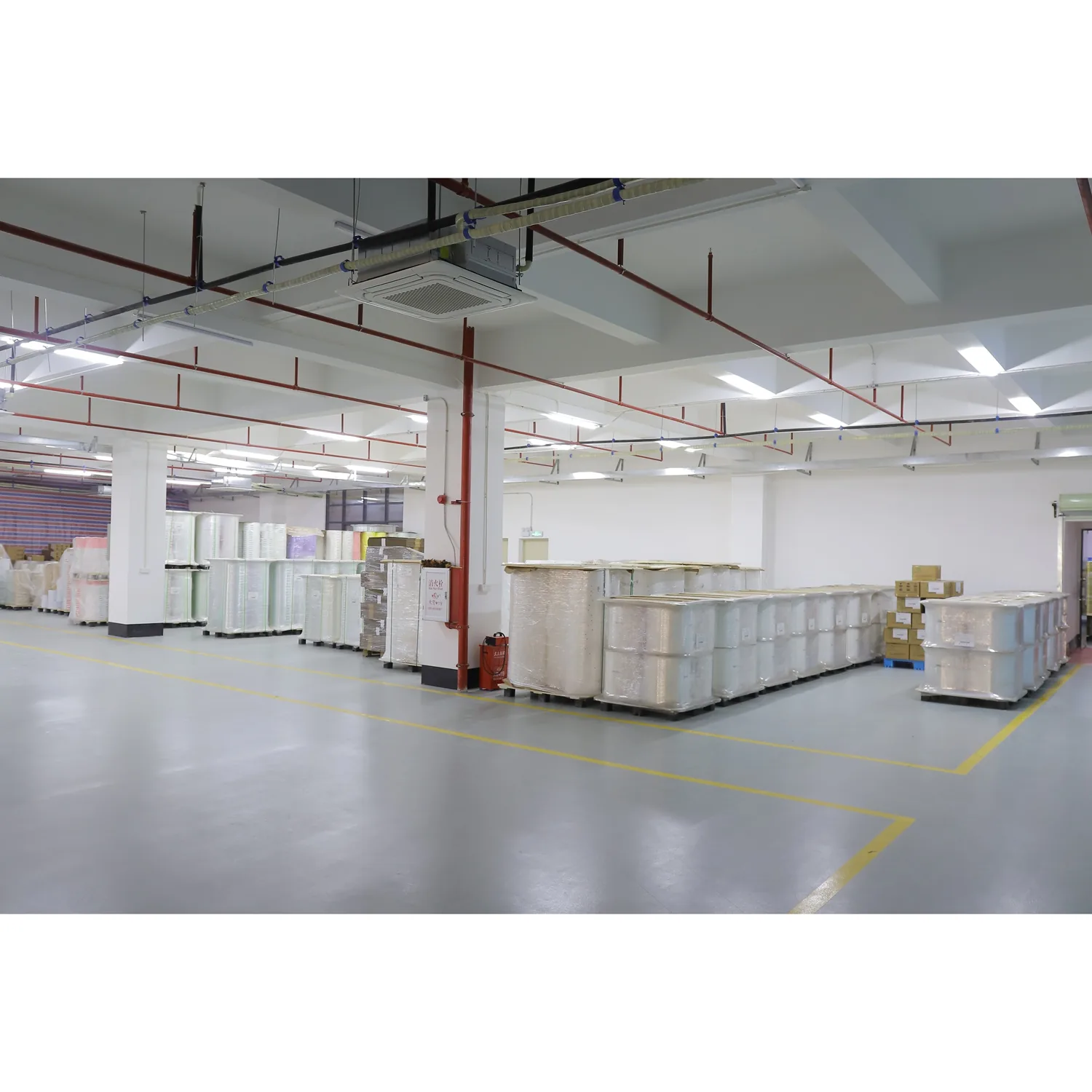
The approval plan should include incoming-material checks, appearance standards, dimensions, seal performance, pack-out, retained samples, and change notification. If material source or formulation changes, require a new sample review. Explore factory capability through Ace Rolling’s Dongguan factory overview.
| Qualification question | Mengapa hal ini penting | Bukti | Stop condition |
|---|---|---|---|
| Is exact material available? | Avoids catalog assumptions | Written feasibility | Vague “similar” substitute |
| Can target format be converted? | Specialty sheets may differ | Production sample | No format trial |
| What varies by lot? | Clarity and feel need control | QC specification | No acceptance range |
| How are retains stored? | Supports disputes/reorders | Retain procedure | No reference sample |
| What triggers reapproval? | Protects formulation changes | Change-control clause | Silent substitution allowed |
Poin Penting: Qualify one exact cellulose construction, supplier route, and control plan instead of relying on a broad catalog category.
What MOQ, Price, and Launch Plan Should Buyers Expect?
Specialty does not mean buyers should accept unclear economics. Quote the whole finished product: material, dimensions, count, printing, packaging, tooling, samples, quantity, freight, duty, and destination.
Ace Rolling custom programs often start around 2.000 unit, subject to the exact specification. Approved general planning bands are about $0.07–$0.30 per buku kecil kustom dan $0.04–$0.06 per pre-rolled cone, with MOQ and quotation applying. These are not cellulose-specific prices and do not prove a clear SKU is available.
Start with a focused pilot SKU, secure production-intent samples, and model landed margin at realistic sell-through. A typical Ace private-label project can be planned around about two months concept-to-delivery, with mass production often roughly four to five weeks after approvals, depending on complexity. Request feasibility and a current quote through the contact page.
| Commercial item | Planning reference | Cellulose caveat | Tindakan pembeli |
|---|---|---|---|
| MOQ | Often around 2,000 units | Specialty route may differ | Confirm exact SKU |
| Booklet price | About $0.07–$0.30 | Not a cellulose price list | Request formal quote |
| Cone price | About $0.04–$0.06 | Format availability unconfirmed | Verify feasibility |
| Produksi massal | Often 4–5 weeks after approval | Complexity can change timing | Lock samples first |
| Landed margin | Destination specific | Freight and duty apply | Model full cost |
Poin Penting: Treat approved price bands as general planning references, then obtain a cellulose-specific feasibility, MOQ, sample, and landed-cost quote.
FAQ
Are clear cellulose papers available for private label?
Clear cellulose is a recognized specialty market category that can be discussed for private-label development. Availability depends on the exact material, size, format, sealing system, print, packaging, quantity, and timing. Do not assume every OEM stocks every variant. Request written feasibility and approve a production-intent sample before committing to a launch.
Are clear cellulose papers better than hemp papers?
Neither is universally better. Clear cellulose offers a transparent, novelty-led shelf story, while hemp carries a more familiar plant-fiber identity. Compare matched finished samples for handling, sealing, burn behavior, packaging fit, documentation, MOQ, landed cost, and customer preference. The best choice is the one that meets the defined channel brief.
Do clear cellulose papers burn differently?
They can feel and perform differently from familiar fibrous papers, but transparency alone does not predict burn. Composition, thickness or area weight, porosity, seal, dimensions, humidity, fill moisture, density, and technique all matter. Run controlled comparisons and record sample-specific results without making universal, safety, health, or medical claims.
Can clear cellulose packaging claim biodegradable or plastic-free?
Not automatically. “Cellulose,” “clear,” “biodegradable,” and “plastic-free” are separate claims requiring accurate composition information and, where applicable, recognized substantiation. Buyers should review the exact material documents and destination-market rules before printing. If evidence is incomplete, use a factual product name and omit broad environmental or comparative claims.
What is the MOQ for clear cellulose private label?
Ace Rolling custom programs often begin around 2,000 units, but that is a planning reference rather than a guaranteed MOQ for every specialty material. Clear cellulose MOQ may depend on sourcing, converting, format, print, packaging, and quantity. Confirm the exact SKU’s feasibility, minimum run, sample charges, and reorder conditions in writing.
How do I request a clear cellulose sample and quote?
Send the intended format, dimensions, material description, weight or thickness target, seal, print, packaging, forecast quantity, destination, document needs, and launch date. Ask for comparison samples against hemp or rice-style paper and a retained production-intent proof. Then hubungi Ace Rolling for current feasibility, MOQ, timing, and pricing.