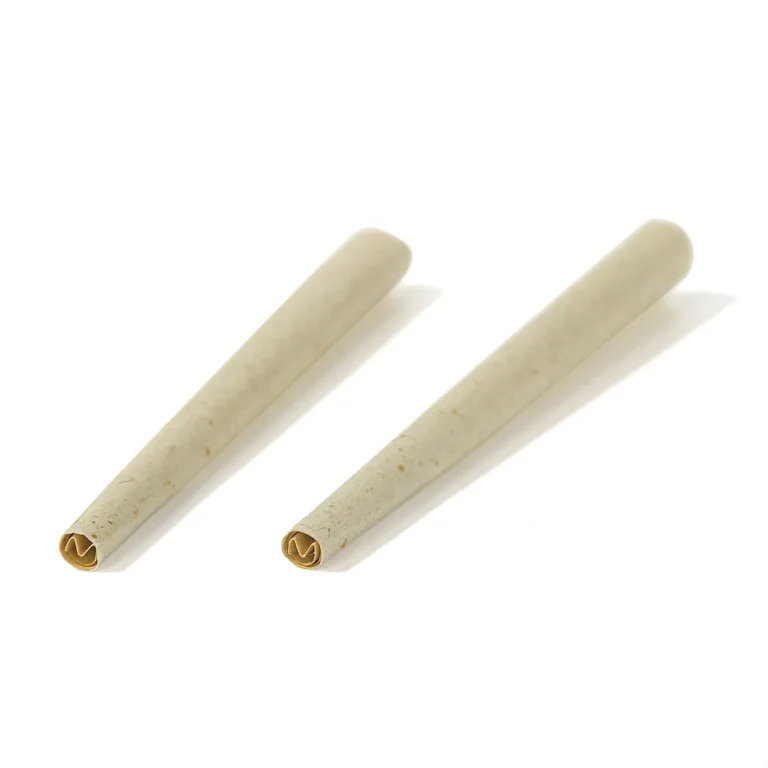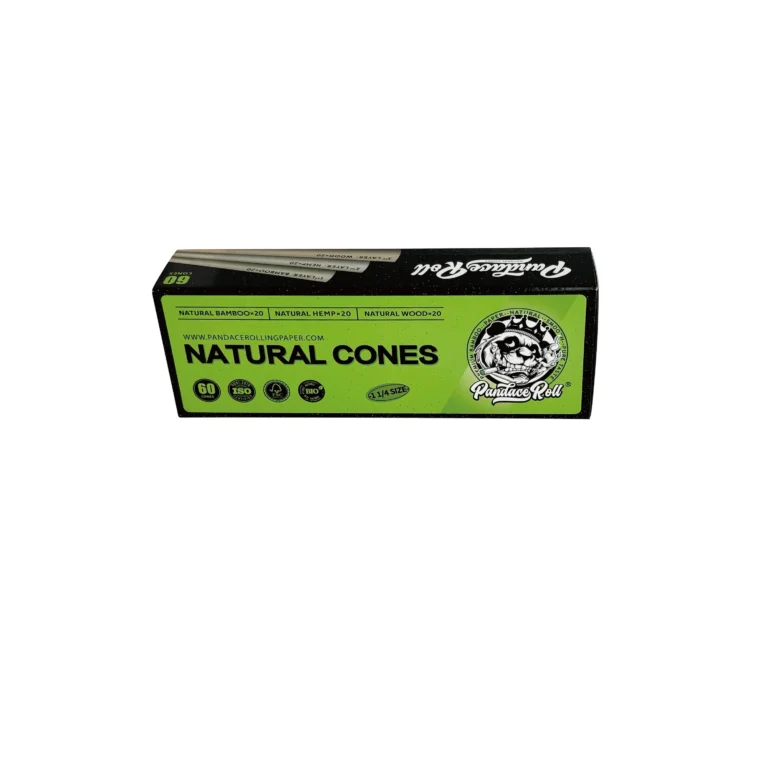

No factory can honestly call cones “organic” without a documented certification program. Buying organic pre-rolled cones private label means requesting the exact certifier, scope, feedstock records, and chain-of-custody evidence for the specific SKU before printing any label, mark, or marketing claim on packaging.
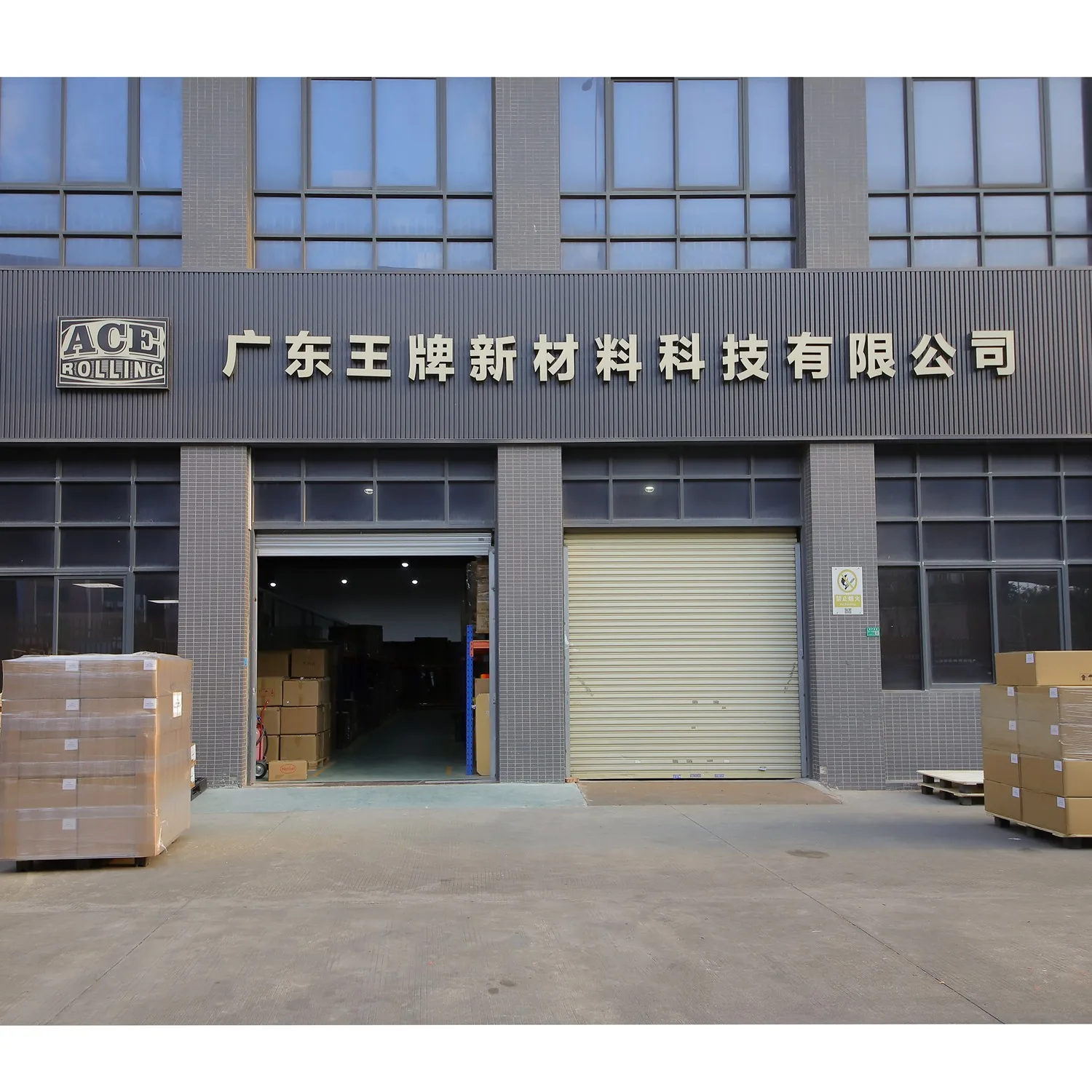
Guangdong Ace Rolling operates a Dongguan, China OEM/ODM and private-label facility for cones and booklets. The Cones Factory, a SERP peer, publishes organic-cone landing pages, which is useful market context but does not establish the certification status of an Ace order or any other supplier’s specific SKU.
What Does “Organic Pre-Rolled Cones” Actually Certify?
“Organic” is a regulated certification claim tied to a named program, a certifier, an audited operation, and eligible feedstock. It is not a synonym for natural color, unbleached paper, or plant fiber content.
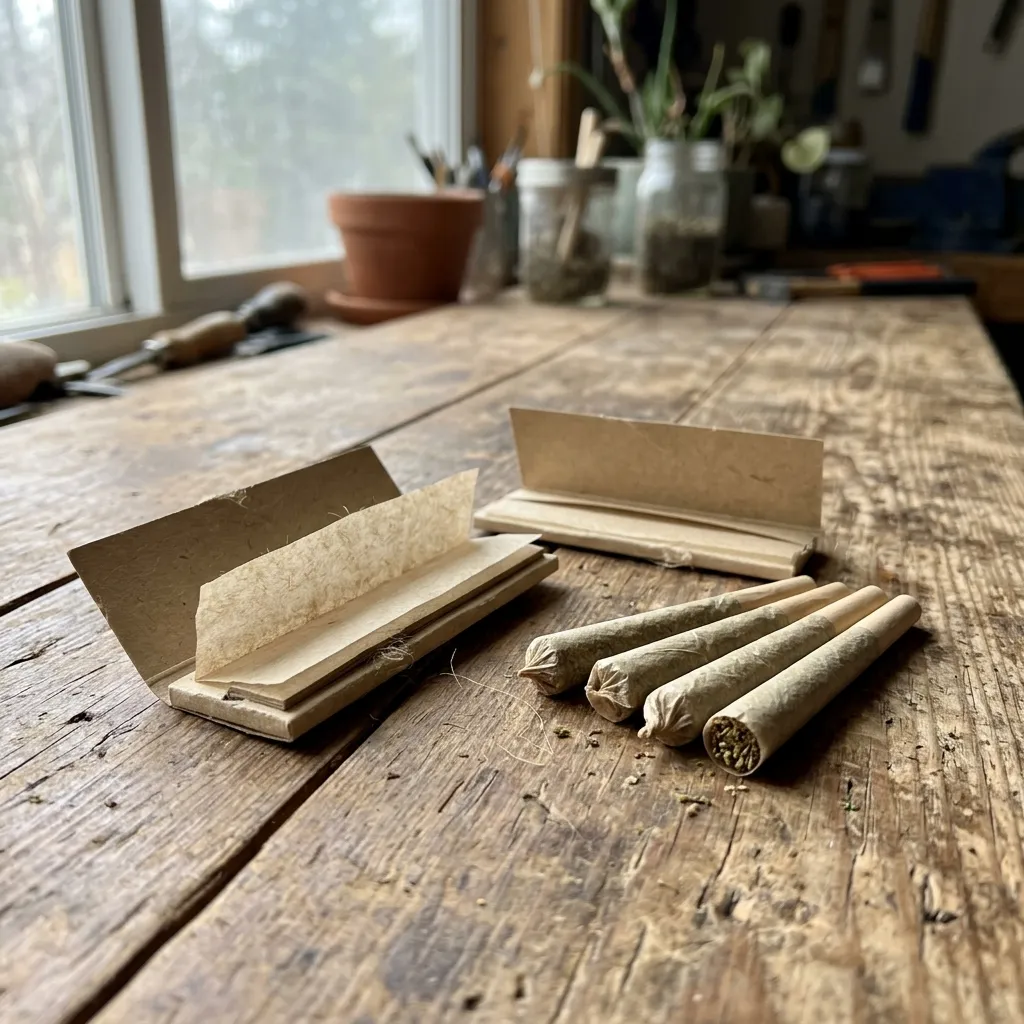
For pre-rolled cones the claim depends on which program is invoked (USDA National Organic Program, EU 2018/848, JAS, COR, etc.), whether the cone paper feedstock and every downstream processor sit inside that program, and whether the certifier has issued a current certificate that names the finished cone. A brown or unbleached appearance is a color description. FSC-certified sourcing options describe responsible forestry, not agricultural organic status. Ace Rolling can offer natural, unbleached, hemp, flax, bamboo, wood-pulp, custom-color, and printed paper routes, but no route is described here as certified organic without a specific documented program.
| Term buyers hear | What it actually certifies | Safe buyer action |
|---|---|---|
| USDA Organic cone | Feedstock and handlers in NOP scope | Request certificate + scope |
| EU Organic cone | Operators registered under EU 2018/848 | Verify certifier code |
| “All natural” | Marketing description only | Do not assume any audit |
| Unbleached paper | Color/processing description | Confirm bleach specification |
| FSC certified | Responsible forestry sourcing | Separate from organic status |
Start your specification conversation at https://ace-rolling.com/pre-rolled-cones/ and state the exact certification target in writing.
Key Takeaway: Treat “organic” as a program-specific certification with named certifiers and current certificates, never as a descriptive synonym for natural, unbleached, or plant-fiber cones.
USDA Organic vs EU Organic vs “Natural” — What Should Buyers Ask For?
Buyers routinely confuse USDA Organic, EU Organic, and marketing words like “natural” or “eco”. Each has different rules, different documents, and different labeling rights, so the private-label brief must name the target program from the start.
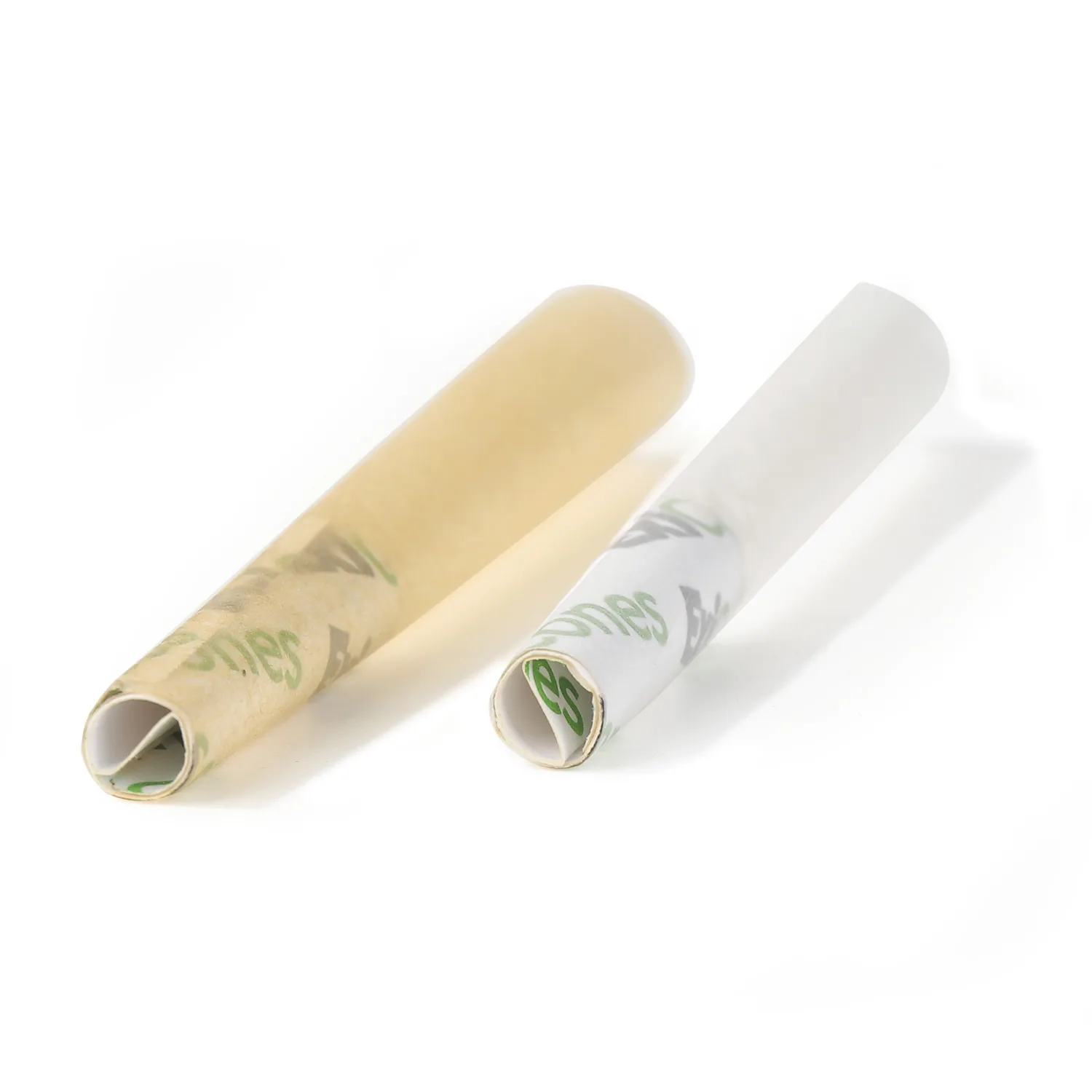
USDA National Organic Program governs “USDA Organic” labeling in the United States and requires an accredited certifier, an audited handler chain, and eligible agricultural inputs. EU Regulation 2018/848 governs the EU organic logo, with its own certifier numbering and control body reporting. “Natural” is not a regulated organic term for cones. Ace’s ISO 9001:2015 management framework supports specification, traceability, and change control, but ISO 9001 is not an organic program. Ace does not manufacture RAW, Rizla, or OCB products, so any competitor’s organic claim does not transfer to an Ace order.
| Program | Scope buyer must confirm | Document to request |
|---|---|---|
| USDA Organic (NOP) | Handler + feedstock certified | Current NOP certificate |
| EU Organic (2018/848) | EU control body + operator ID | Certifier code + inspection |
| JAS Organic (Japan) | Registered certifier chain | JAS certificate for grade |
| “Natural” marketing | No formal audit | Written specification only |
| FSC-certified sourcing | Forestry chain of custody | FSC scope statement |
Discuss which paper routes could support a documented program at https://ace-rolling.com/quality-certifications/ before drafting a label.
Key Takeaway: Name the exact program (NOP, EU 2018/848, JAS, COR) in your RFQ; do not treat “organic” as one shared standard or interchange it with “natural” or “FSC”.
Which Cone Paper Options (Hemp / Rice / Bamboo / Unbleached) Support Organic Programs?
Different paper routes have very different odds of being brought inside an organic program. The relevant questions are which crop is used, who audits the crop and its processing, and whether the finished cone paper is inside a current certificate.
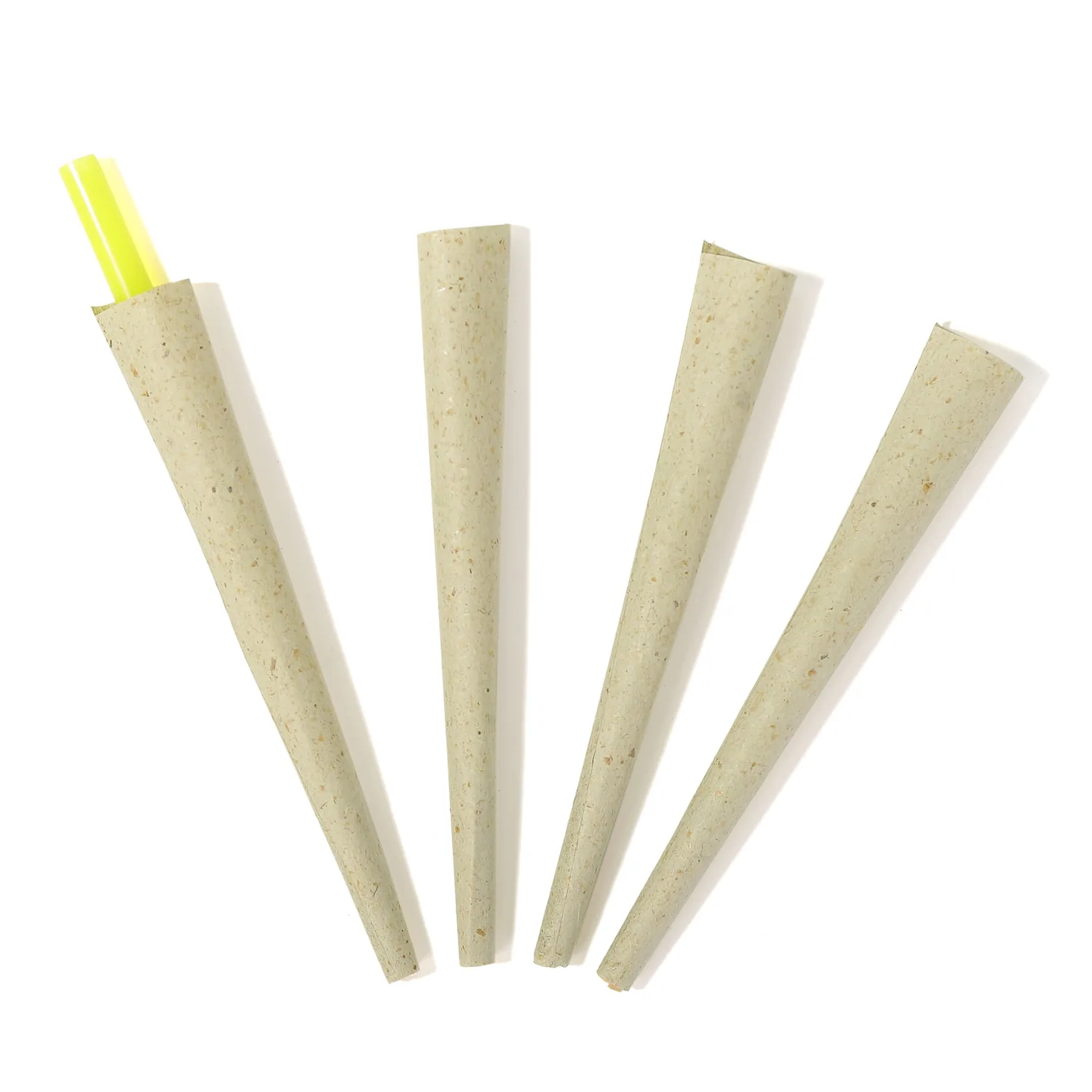
Hemp fiber and flax fiber are agricultural crops and can, in principle, be sourced from certified organic farms and processors — provided every downstream mill, converter, and packager remains inside the same certification scope. Rice-based and bamboo papers have their own agricultural and processing considerations. Fully synthetic or wood-pulp routes may not fit organic frameworks at all. Ace supports white, unbleached, hemp, flax, bamboo, wood pulp, custom color, and printed cone paper routes, plus paper, glass, wood, or ceramic filter tips, but availability of any documented organic route must be confirmed per project.
| Paper route | Realistic organic pathway | Buyer verification step |
|---|---|---|
| Organic hemp | Certified farm + certified mill | NOP/EU certificate chain |
| Organic flax | Certified linen supply chain | Feedstock + converter scope |
| Rice paper | Depends on rice + binder source | Full BOM under one scope |
| Bamboo | Depends on plantation status | Bamboo grower certificate |
| Unbleached wood pulp | Rarely organic-certified | Consider FSC instead |
| Standard white | Not an organic route | Do not label as organic |
Review the available paper routes at https://ace-rolling.com/custom-rolling-papers/ and pair each route with a written certification target.
Key Takeaway: Hemp and flax cones have the clearest theoretical organic pathway, but any route only qualifies when the entire feedstock-to-cone chain is inside one current certificate.
What Chain-of-Custody Documents Should Suppliers Provide?
Chain of custody for organic cones is the record path connecting eligible feedstock, each processor, and the finished cone SKU. Without it, “organic” is a marketing word, not a substantiated claim.

A private-label buyer should collect the certifier name and code, current certificate showing the specific product or grade in scope, transaction certificates or equivalent records that follow the lot from crop to converter to cone, and a written statement of who invoices the certified goods. Ace Rolling’s approved OEM/ODM route can carry these requirements into the RFQ, but the actual certification holder is often upstream, and the OEM order remains within scope only if the finished cone SKU is named on the certificate chain. Never accept a generic PDF, an old logo image, or a marketing brochure as substitutes for a live certificate.
| Document | What it proves | Common red flag |
|---|---|---|
| Current organic certificate | Operator still in scope this year | Expired or unnamed grade |
| Certifier code (NOP/EU) | Recognized control body | Certifier not accredited |
| Transaction certificate | Lot moved inside scope | Logistics gap in chain |
| BOM with certified inputs | Every input traced | “Trust us” verbal claim |
| Invoicing entity | Certified entity sells goods | Broker without scope |
| Artwork approval record | Label rights confirmed | Logo added pre-approval |
Route your document request through https://ace-rolling.com/oem-odm-rolling-paper-manufacturer/ and require written responses tied to the exact cone specification.
Key Takeaway: Demand a live certificate, a matching scope, a lot-level record trail, and a named invoicing entity before treating any private-label cone order as organic-eligible.
How Do MOQ, Lead Time, and Sample Retains Change for Organic Programs?
Adding a documented organic requirement typically changes minimums, timing, and retention practices because eligible feedstock and audited handlers add sourcing constraints on top of the normal OEM cycle.
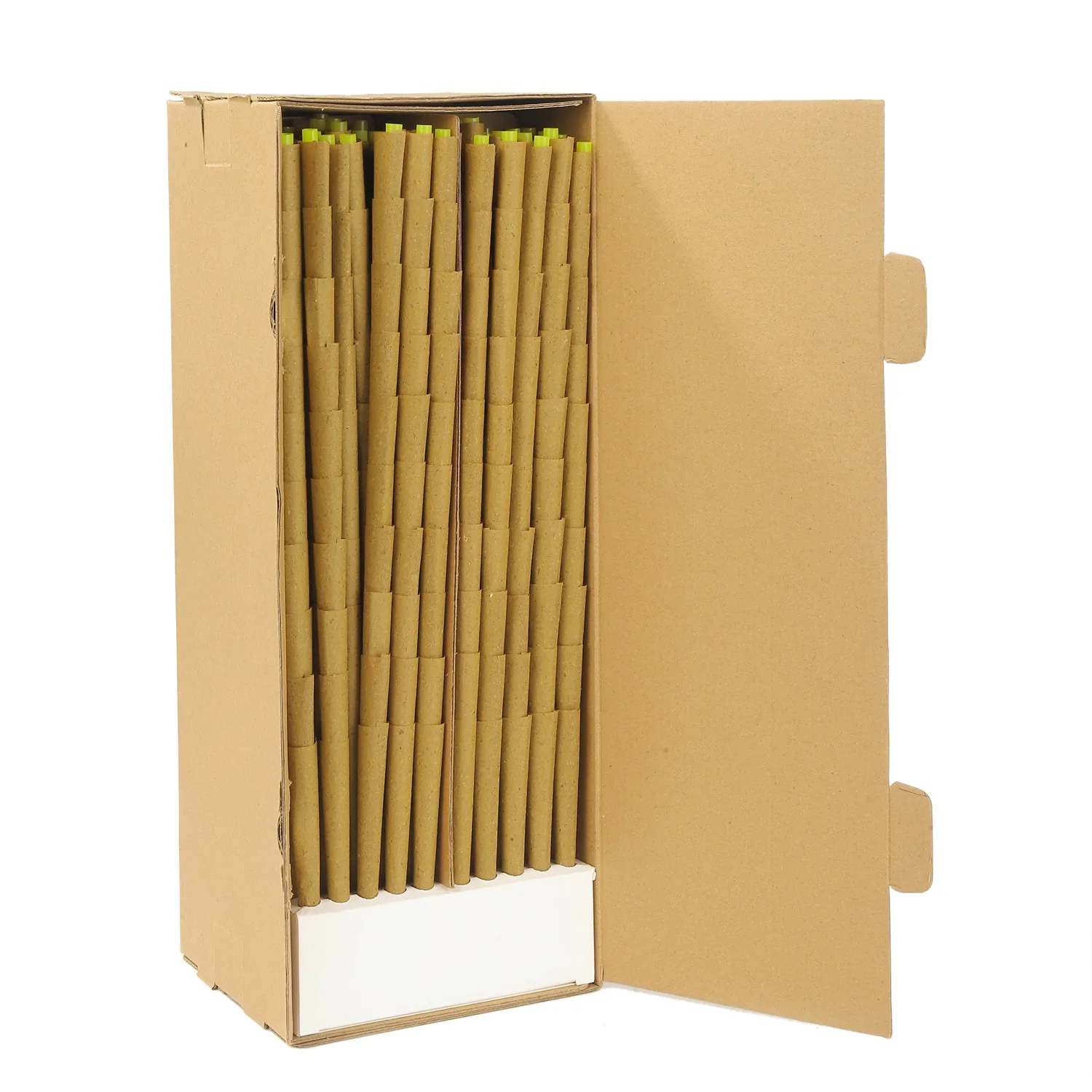
Ace’s approved planning references are about USD $0.04–$0.06 per pre-rolled cone and USD $0.07–$0.30 per custom booklet, with MOQ applying. Programs commonly start from around 2,000 units, depending on cone size (84/98/109 mm or custom), paper, filter, print, packaging, and destination. Realistic timing is about two months concept-to-delivery, with mass production about four to five weeks after approvals. A documented organic route may require larger batches to justify certified feedstock, longer lead time for certificate re-issuance, and physical sample retains for audit trails. No universal organic surcharge is quoted here.
| Commercial item | Standard planning reference | Organic-program adjustment |
|---|---|---|
| Cone unit price | About $0.04–$0.06 | Project-specific quote |
| Booklet unit price | About $0.07–$0.30 | Project-specific quote |
| MOQ | From about 2,000 units | Certified feedstock minimums |
| Total lead time | ~2 months concept-to-delivery | Add certificate/document time |
| Mass production | ~4–5 weeks post-approval | Same, once documents lock |
| Sample retains | Standard practice | Retain per audit requirement |
Request a matched organic-option and standard-option quotation at https://ace-rolling.com/about-factory/ so cost and time differences remain attributable to the certification, not to unrelated specification changes.
Key Takeaway: Budget organic cones as a separate specification variable with its own MOQ, lead time, and retain policy; do not assume the standard cone quote automatically survives a certification requirement.
What Marketing Claims Are Safe vs Risky for Organic Cone Brands?
Regulators and retailers increasingly scrutinize organic and eco language on smoking accessories. Safe wording is anchored to documented programs; risky wording is descriptive, aspirational, or borrowed from another brand.
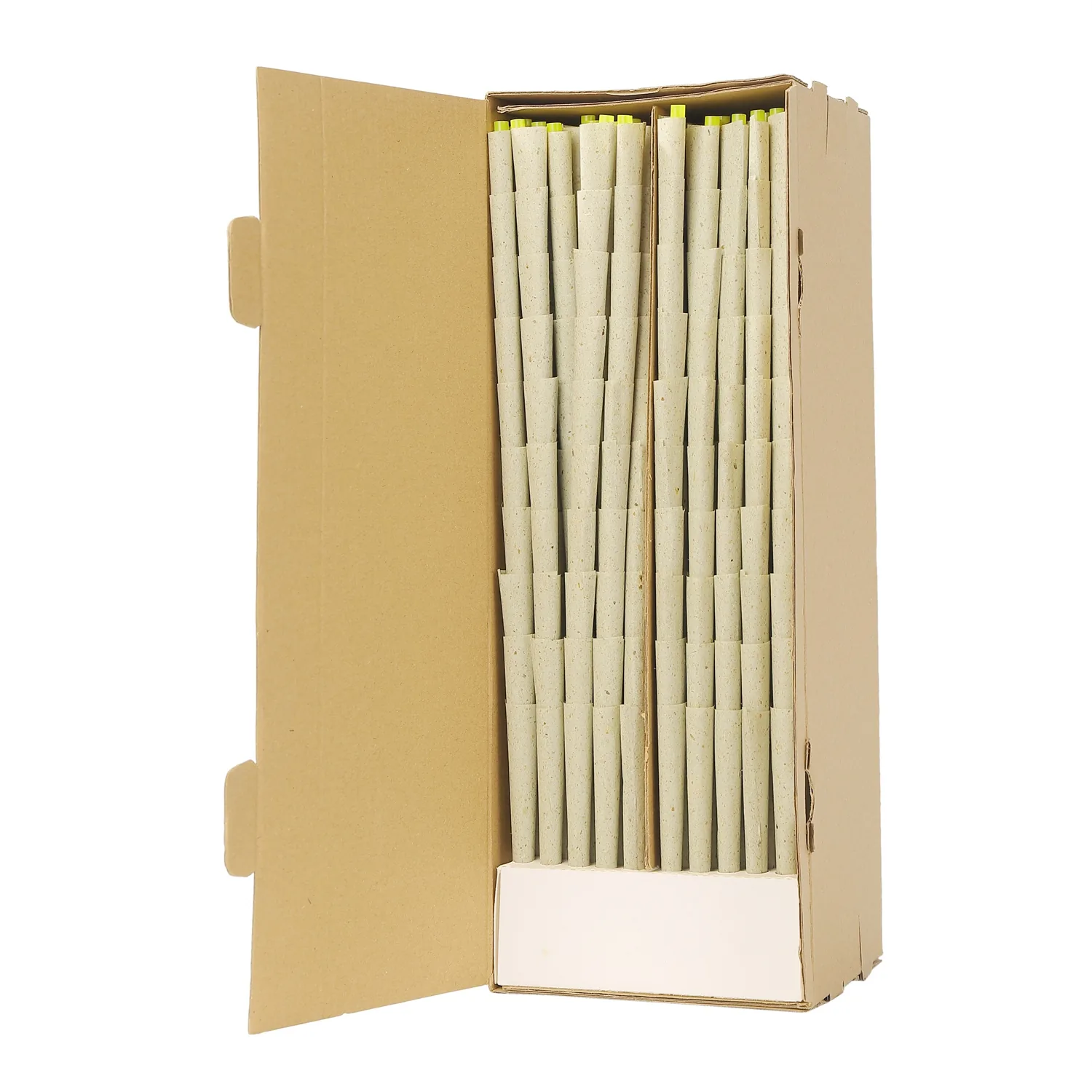
Claiming “USDA Organic” on cones requires an active NOP certificate covering the finished product and a compliant label. Claiming “made with organic hemp” typically requires percentage rules and disclosures. Saying “natural”, “unbleached”, or “kraft brown” describes appearance and can be defensible if it is accurate and not paired with organic logos. Ace does not authorize eco, biodegradable, or organic language on packaging unless a specific program is documented for that SKU. Any competitor trade dress — including RAW-style visuals — must be avoided regardless of paper color, because Ace does not make RAW products.
| Claim wording | Requires certificate? | Buyer control |
|---|---|---|
| “USDA Organic” + seal | Yes, current NOP scope | Written NOP approval |
| “Made with organic hemp” | Yes, per-program rules | Verified percentage claim |
| “Natural / unbleached” | No, if strictly descriptive | Accurate spec sheet |
| “Eco / biodegradable” | Yes, program-dependent | Do not use without proof |
| Competitor look-alike | Not allowed regardless | Independent trade dress |
| FSC logo | Yes, separate FSC scope | Do not equate with organic |
Compare permissible claim libraries at https://ace-rolling.com/house-of-brands/ and lock final packaging copy against the documented certification file.
Key Takeaway: Keep descriptive words like “natural” or “unbleached” separate from regulated words like “organic” or “USDA”; only apply certification wording backed by a current, in-scope certificate.
How Do You Discuss Organic Cone Sourcing With Ace Rolling?
A productive first conversation with Ace treats organic sourcing as a due-diligence brief, not a slogan. State the target certification, target market, cone spec, and documentation expectations up front so the quote is comparable across suppliers.
Provide: target program (NOP, EU 2018/848, JAS, COR), destination market and any state-level restrictions, cone size (84/98/109 mm or custom), paper route preference (hemp, flax, bamboo, unbleached, wood pulp), filter tip type, gum specification, print and packaging plan, forecast quantity, and the exact claim wording under review. Ask Ace to confirm which portions can be supported today, which require upstream certificate procurement, which are out of scope, and how ISO 9001:2015 change controls will preserve the specification once documents are approved. Do not request medical, health, biodegradable, or unqualified organic claims.
| Brief field | Required detail | Ace confirmation needed |
|---|---|---|
| Target program | NOP, EU, JAS, or COR | Feasibility with paper route |
| Market + destination | Country + state rules | Import documentation |
| Cone specification | 84/98/109 mm + custom | Cone SKU sign-off |
| Paper route | Hemp/flax/bamboo/etc. | Certified feedstock option |
| Filter + gum | Paper/glass/wood/ceramic + Arabic gum | Applicable food-grade route |
| Claim wording | Exact packaging text | Written label review path |
| Change control | ISO 9001 procedure | Reapproval trigger defined |
Send the full brief through https://ace-rolling.com/contact/ and require a written response covering feasibility, MOQ, price, lead time, documents, and reorder controls before you commit artwork or marketing.
Key Takeaway: Write the certification target, market, spec, documents, and claim wording into a single brief; treat Ace’s response as a documented commitment, not a verbal understanding.
FAQ
Can Ace Rolling supply certified organic pre-rolled cones today?
Ace Rolling does not describe its standard catalog as certified organic. Organic status depends on a specific program, feedstock, and current certificate covering the finished cone SKU. Buyers should submit the target program, paper route, and market so Ace can confirm which portions are feasible and which require documented upstream certification.
Is unbleached or natural-color paper the same as organic cone paper?
No. “Unbleached” and “natural” describe processing and color, not organic status. A brown kraft or unbleached cone can be produced without any organic certification. Organic requires a named program such as USDA NOP or EU 2018/848, an accredited certifier, an audited feedstock chain, and a current certificate covering the specific paper and cone SKU.
What is the difference between FSC certification and organic certification for cones?
FSC certifies responsible forestry and chain of custody for wood and paper fiber, not agricultural organic status. USDA Organic and EU Organic certify eligible crops, handlers, and processors under agricultural programs. A cone can, in some cases, carry FSC-certified sourcing options, organic certification, both, or neither. Never treat FSC as evidence of organic compliance.
What MOQ and price should I plan for private-label organic cones?
Ace’s approved planning reference is roughly USD $0.04–$0.06 per pre-rolled cone with MOQ commonly starting near 2,000 units, depending on size, paper, filter, print, and packaging. A documented organic requirement can raise minimums and lead time because of certified feedstock constraints. Always request a matched dated quotation for organic and standard options.
How long does concept-to-delivery take for organic pre-rolled cones?
A typical Ace private-label cone project runs about two months concept-to-delivery, with mass production about four to five weeks after all approvals. Adding an organic program can extend the timeline because certificate verification, feedstock scheduling, and artwork approval must all lock before printing. Buyers should build extra buffer for document turnaround in the first cycle.
How do I safely word “organic” on private-label cone packaging?
Only apply organic wording that matches a current, in-scope certificate covering the finished cone SKU under a named program such as USDA NOP or EU 2018/848. Keep descriptive words like “natural” or “unbleached” separate from regulated organic terms. Submit the exact proposed packaging copy through https://ace-rolling.com/contact/ for written label review before printing.