
How to make homemade rolling paper? You generally cannot—and should not—manufacture real rolling paper at home the way a mill does. Searchers usually want one of two things: a kitchen DIY wrap when they are out of papers, or a pulp-to-sheet craft project. Only the first matches common “out of papers” guides (including Zig-Zag’s alternatives article). Neither produces the controlled GSM, porosity, and food-minded gum of factory rolling papers.
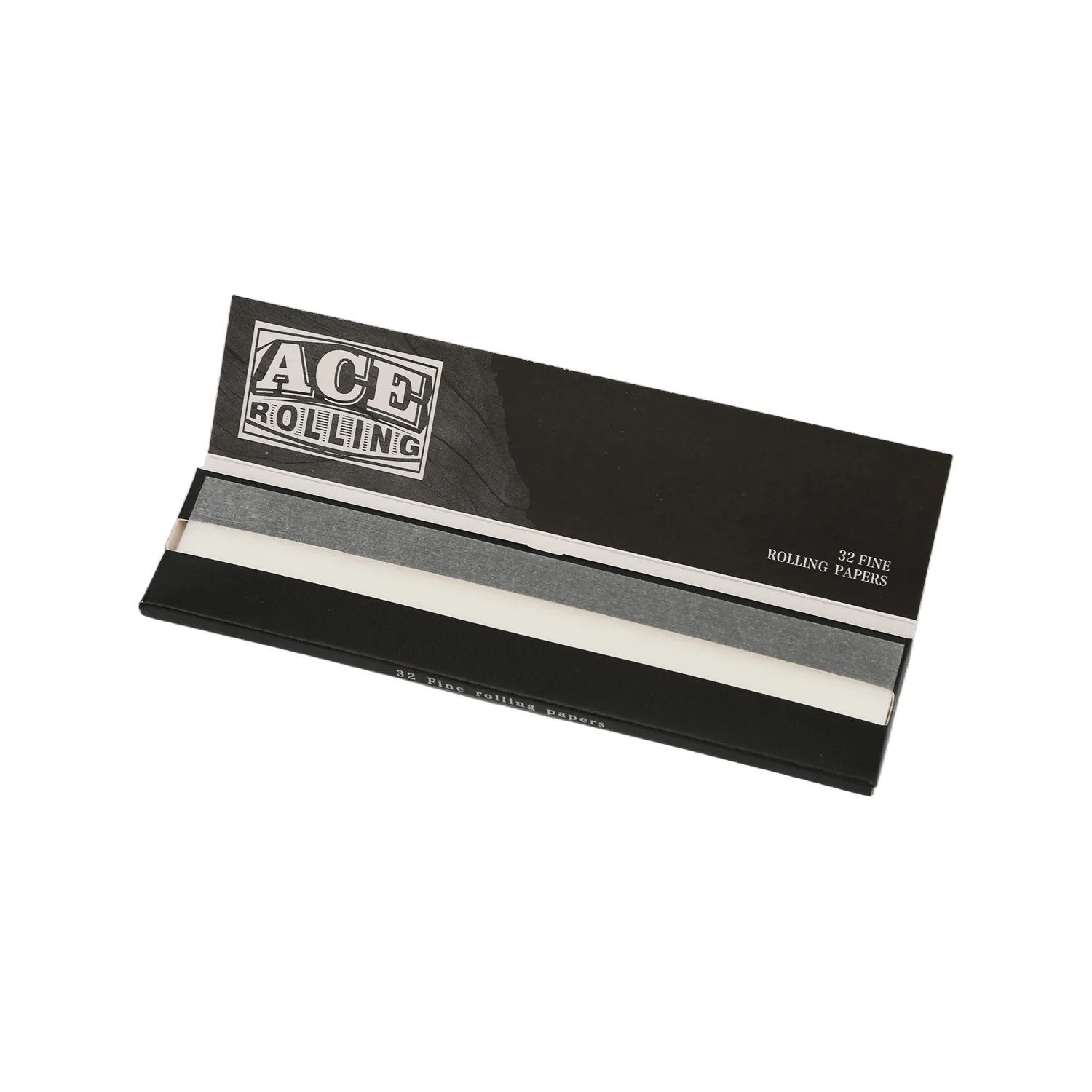
Ace Rolling manufactures hemp, bamboo, and wood-pulp rolling papers and pre-rolled cones for Signature and OEM buyers. This page answers the keyword honestly: what homemade attempts get wrong, which emergency substitutes people try, what to never burn, and the smarter stock-up path.
Short Answer
| Goal | Realistic outcome |
|---|---|
| Mill-quality leaf at home | Not realistic without industrial pulp, drying, gumming, and QC |
| Emergency wrap when out of papers | Possible with imperfect household substitutes—and real risk |
| Best fix | Buy booklets or cones; keep a spare pack |
| Brand / shop supply | Order manufactured OEM papers—not DIY sheets |
If you came here for a “blend hemp pulp in a blender and dry it on a screen” recipe for smoking: skip it. Homemade pulp sheets rarely burn evenly, often taste harsh, and can carry residues you never intended to inhale.
Why Homemade “Paper Making” Fails for Rolling
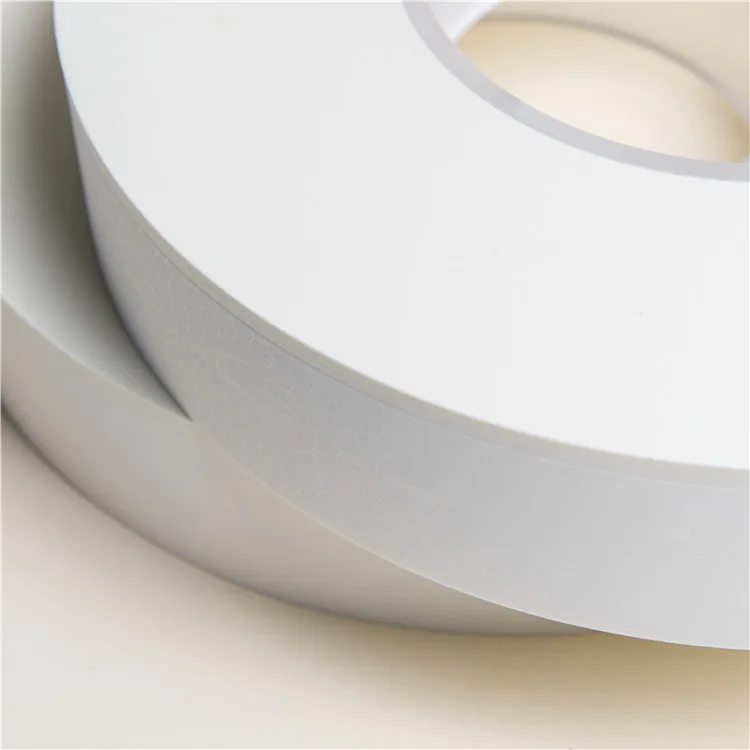
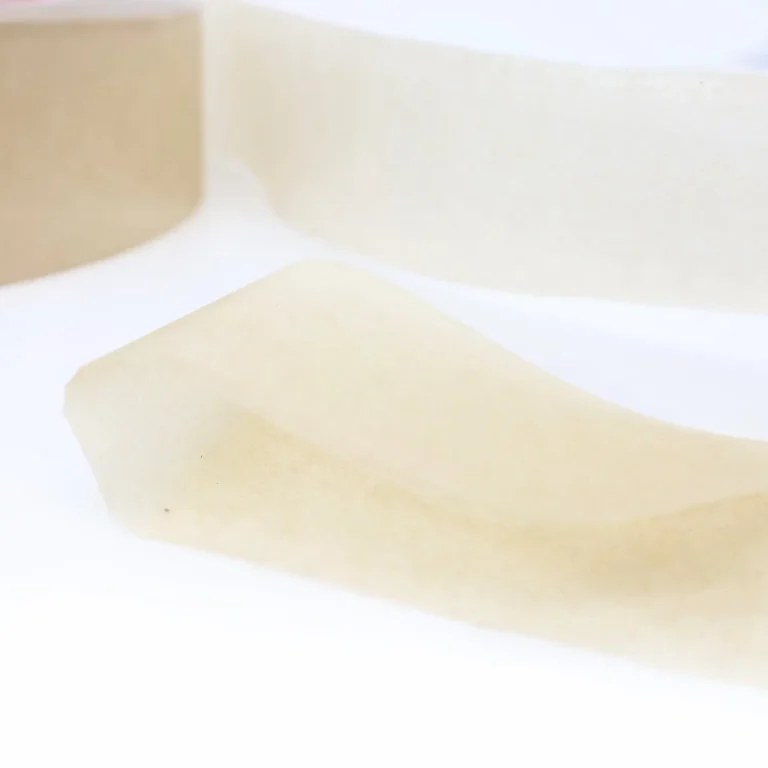
Factory rolling papers are ultra-thin (often discussed in roughly the 10–28 gsm band), porous enough to burn, and finished with a thin Arabic / Acacia gum line. Home craft pulp:
- Dries thick or uneven
- Tears when rolled
- Runs or canoees when lit
- Lacks a clean gum edge
- May include bleach, ink, glue, or mold from imperfect drying
That is why brands and factories exist. Ace’s manufacturing path—fiber selection, converting, gumming, interleaving, QC—exists specifically so buyers do not reinvent papermaking in a kitchen.
What Never to Use as “Homemade Rolling Paper”
Zig-Zag’s out-of-papers guide warns against grabbing random junk-drawer stock. Agree hard on these:
| Never burn | Why |
|---|---|
| Printer / notebook paper | Thick, coated, wrong chemistry for inhalation |
| Magazine / glossy pages | Inks and coatings |
| Thermal receipts | Thermal coatings / inks |
| Foil-backed wrappers (foil left on) | Metal + plastic layers |
| Painted / dyed craft paper | Unknown pigments |
| Moldy plant material | Contamination risk |
“I made paper” does not mean “safe to smoke.”
Emergency Substitutes People Try (Not Equals to Real Papers)
When searchers ask how to make homemade rolling paper, they often mean what can I use instead. Competitor guides list kitchen and plant options. Treat every row below as a last resort, not a product recommendation from Ace Rolling.
| Substitute | What people do | Catch |
|---|---|---|
| Unbleached coffee filters | Cut to size, roll carefully | Still thicker/faster than rolling paper; only unbleached |
| Edible rice / spring-roll wrappers | Soften slightly, wrap | Humidity and burn feel differ; food wraps ≠ mill leaves |
| Corn husks | Clean, dry, inspect, wrap | Prep heavy; skip if dirty or unknown pesticides |
| Clean cabbage / similar leaves | Wash, dry, wrap | Wet burn, taste, prep burden |
| Gum wrappers | Remove all foil/plastic; paper layer only | Easy to get wrong; many wrappers fail the test |
| Business-card tips only | Homemade crutch, still need a real leaf | Tips are not the wrap |
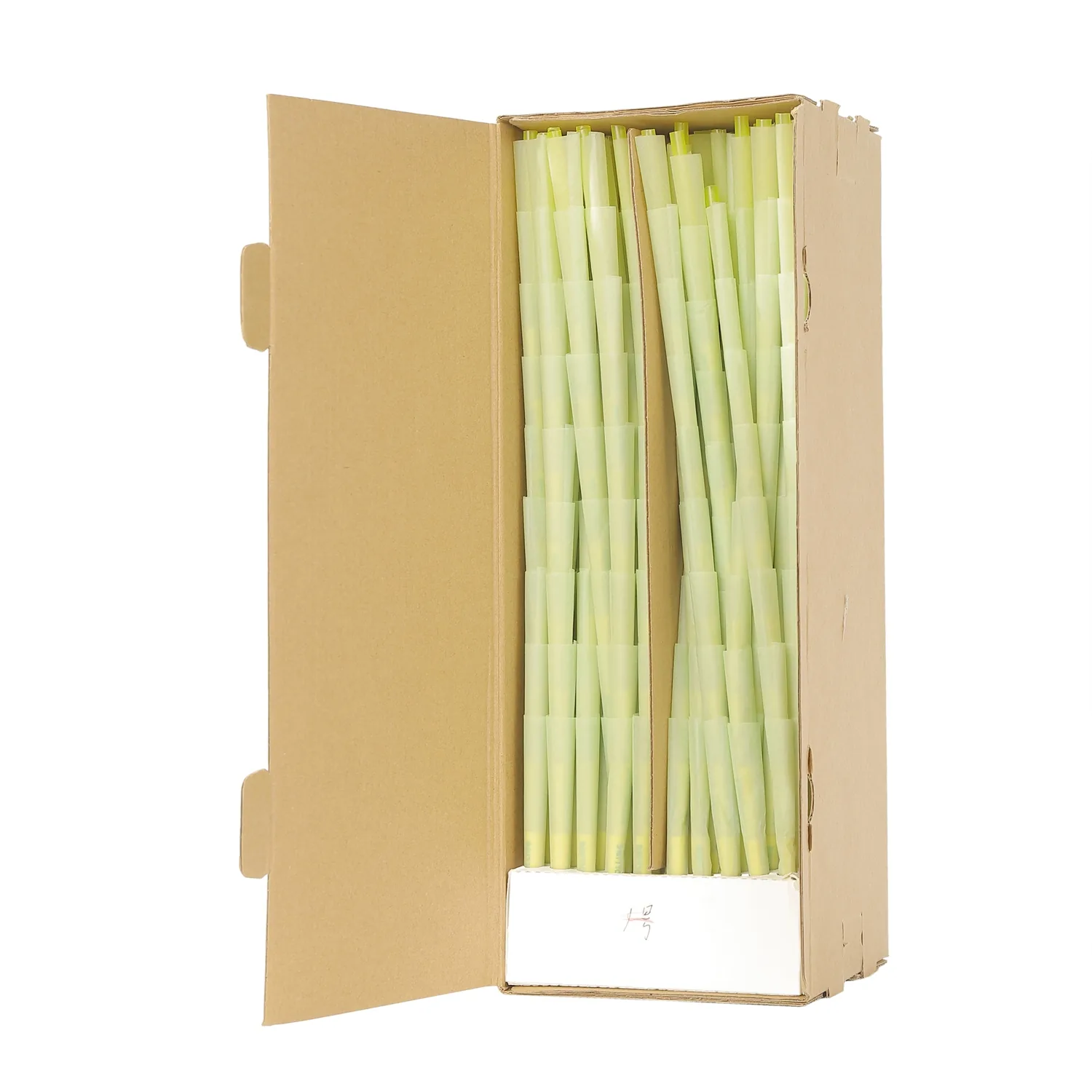
If any substitute smells chemical, feels plastic, or will not stay lit without harsh smoke—stop. The smarter backup is a box of pre-rolled cones or a spare booklet in the drawer.
A Safer “Homemade” Skill: Roll With Real Paper
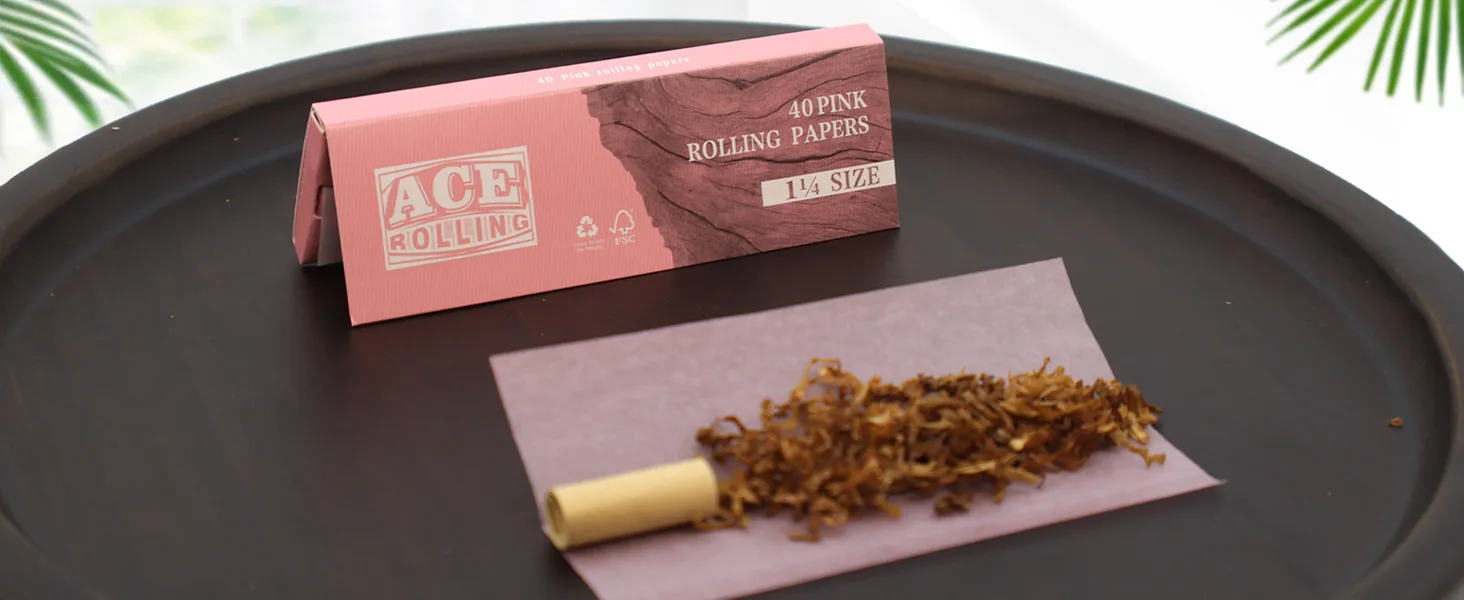
If the keyword intent is craft—not pulp chemistry—practice rolling on purpose-made leaves:
- Use a standard size (1¼ is forgiving; king for larger fills)
- Add a tip / crutch (factory tips beat random cardboard with unknown coatings)
- Grind evenly, do not overfill
- Tuck, roll, seal with the gum line using light moisture
- Pack gently so the burn stays even
That is homemade technique, not homemade paper.
Homemade Tips vs Homemade Paper
Many rollers already “make” a tip from cardstock. That is different from inventing the leaf:
| Item | Homemade OK? | Note |
|---|---|---|
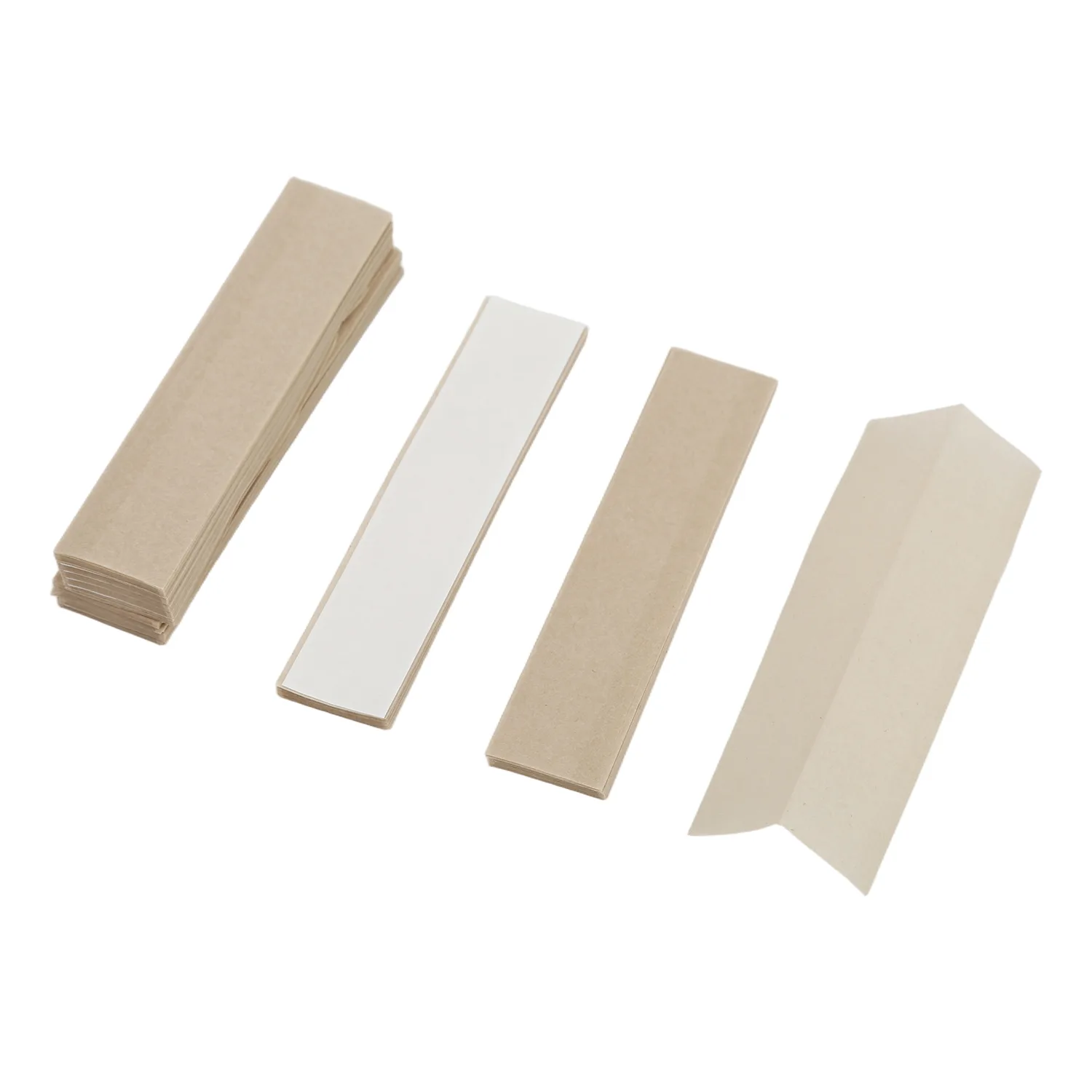
| Filter tip / crutch | Sometimes | Use clean, uncoated card; better: pre-cut tips |
| Rolling leaf | No for quality/safety parity | Buy manufactured paper |
| Full pulp sheet | No for smoking use | Mill process required |
How to Avoid Needing DIY Next Time
- Keep a spare booklet or cone box at home
- Store papers cool and dry (humidity ruins thin leaves)
- Match size to your usual fill so you finish packs slower
- For shops and brands: stock OEM booklets and cones instead of improvising
Travelers and event hosts feel this keyword most: one torn pack and the night turns into a kitchen experiment. A second booklet in a zip bag—or a sleeve of cones—costs less stress than improvising with filters. Retail buyers should treat rolling papers like any consumable SKU: reorder before the shelf hits zero, and keep at least one ultra-thin and one more forgiving paper type so technique issues do not strand customers.
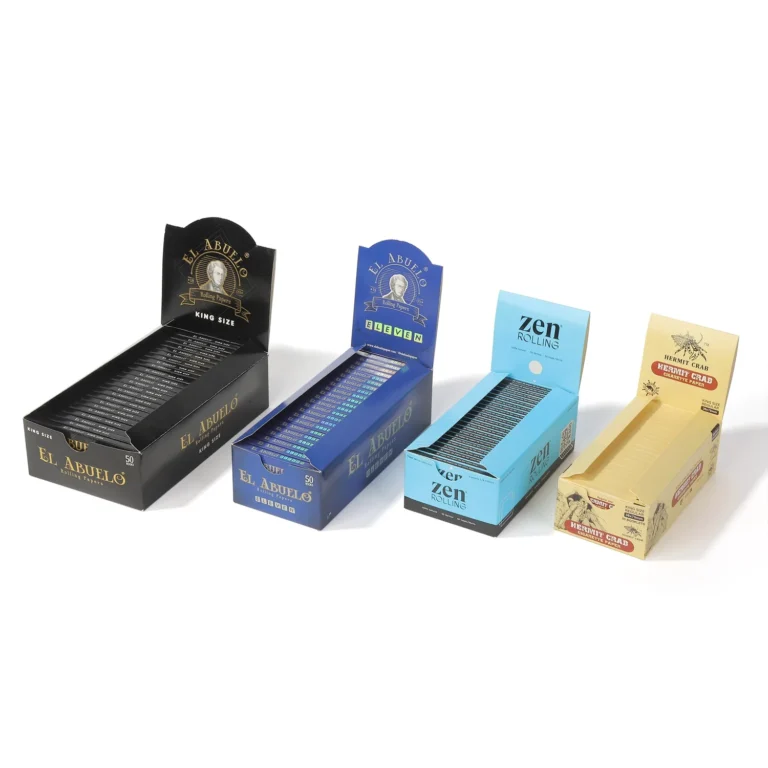
Ace Rolling supplies Signature Collections and private-label programs (often from about 2,000 units MOQ on custom booklet work) so retailers are not stuck inventing wraps mid-shift.
For Brands: “Homemade” Is Not a Supply Chain
If you searched this keyword while planning a brand: do not try to pulp paper in a garage. Use an OEM manufacturer for fiber, GSM, gum, watermark, print, and QC. Ace Rolling’s path is brief → sample → sign-off → scale—not DIY sheets.
Bottom Line
You do not make real rolling paper at home. Homemade pulp projects fail the burn, gum, and consistency tests that factories solve. Emergency kitchen substitutes appear in “out of papers” guides, but they are imperfect and sometimes unsafe—never burn office paper, glossy print, or thermal receipts. Keep manufactured booklets or cones on hand; Ace Rolling builds those papers and cones for consumers’ brands and Signature lines.
FAQ
How to make homemade rolling paper?
You cannot reliably mill smoking-grade rolling paper at home. Factory leaves need controlled fiber, ultra-thin GSM, porosity, and a natural gum line. Emergency kitchen wraps exist in a pinch, but they are not equals. Buy purpose-made papers or cones instead of burning office or craft paper.
What can I use if I am out of rolling papers?
People sometimes try unbleached coffee filters, edible rice wrappers, cleaned corn husks, or foil-free gum-wrapper paper—with real trade-offs and risks. Never use printer paper, magazines, or thermal receipts. The better fix is a spare booklet or pre-rolled cones from a reputable maker.
Is it safe to smoke homemade paper?
Homemade pulp sheets and random household papers are not safety-tested like manufactured rolling papers. Unknown inks, coatings, glues, and residues are the main hazards. Ace Rolling does not recommend DIY pulp for smoking. Stick to papers and cones designed for that use.
Should brands make their own paper in-house?
No for most launches. Private-label brands should OEM with a factory that already controls fiber, gum, converting, and QC. Ace Rolling runs custom booklet and cone programs commonly from about 2,000 units MOQ after samples. DIY garage pulp is not a retail supply chain.