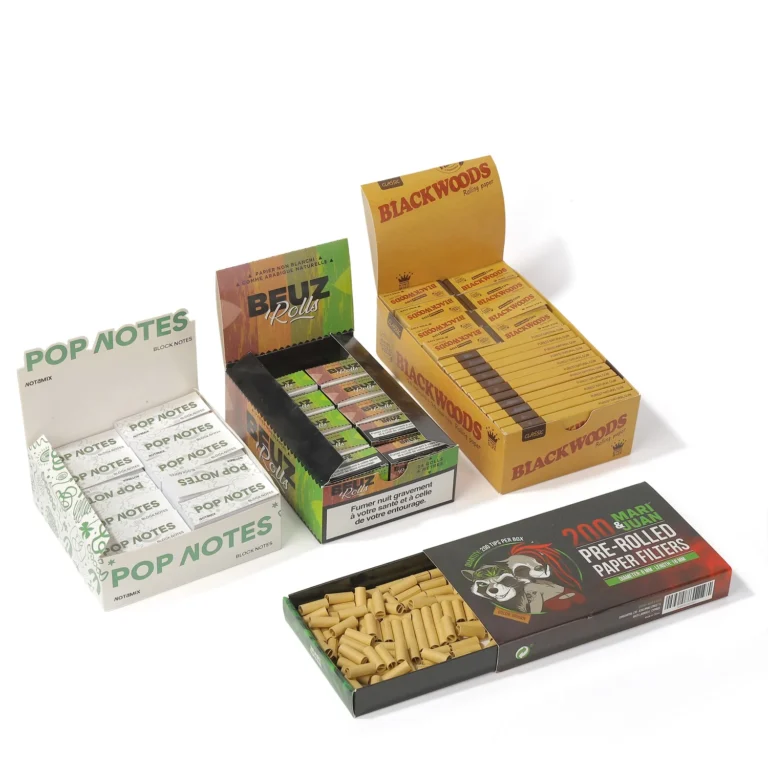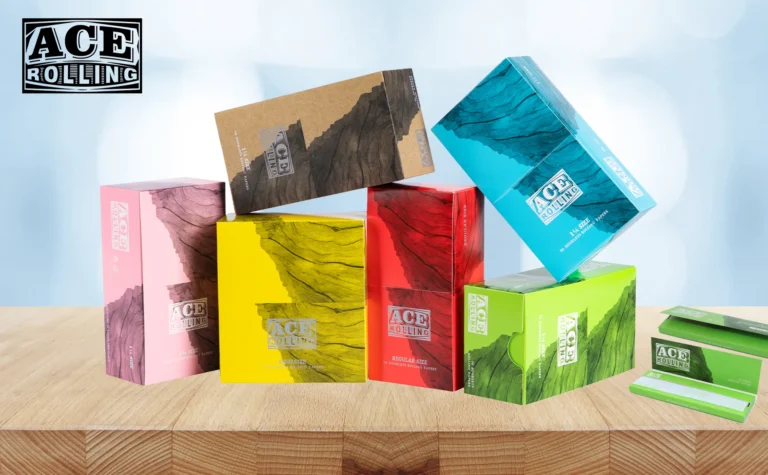

How many copies of rolling papers were sold? There is no single public global count of booklets or leaves sold. Industry research firms size the category mainly in dollars of market value, not as one audited “copies sold” census. According to Persistence Market Research’s rolling papers outlook (the SERP page for this keyword), the global market is likely valued at about US$1.8 billion in 2026 and expected to reach about US$2.5 billion by 2033, at a projected CAGR of roughly 4.8% (2026–2033).
That answers the commercial question behind the keyword: demand is large and still growing—but “how many copies” depends on whether you mean leaves, booklets, cones, or revenue. Ace Rolling does not publish a global industry unit tally. Ace Rolling manufactures Signature and OEM programs (often from about 2,000 units MOQ) for brands capturing a slice of that demand.
Short Answer: Value First, Units Rarely Published
| What people ask | What public research usually reports |
|---|---|
| “How many copies sold?” | Rarely a single global leaf/booklet total |
| Market size | USD billions (example: ~$1.8B in 2026 → ~$2.5B by 2033 per Persistence) |
| Growth | Mid-single-digit CAGR (Persistence cites ~4.8% for 2026–2033) |
| Share clues | Region / material / application % of value, not always units |
Other research houses publish different dollar totals for overlapping definitions (rolling papers vs cigarette rolling paper vs broader accessories). Treat every figure as an estimate for a defined scope, not a factory invoice for the planet.
What Persistence Market Research Says (SERP Snapshot)
From Persistence’s publicly summarized rolling papers forecast:
| Metric | Published estimate |
|---|---|
| Market size (2026E) | About US$1.8 billion |
| Market size (2033F) | About US$2.5 billion |
| CAGR (2026–2033) | About 4.8% |
| Historical CAGR note (2020–2025) | About 4.9% (as cited on the report page) |
| Leading region share (2026) | North America about 27.8% |
| Dominant material by value (2026) | Hemp about 58.2% |
| Leading application share | Tobacco rolling about 63.4% (large volume base) |
Drivers called out on the same research page include cannabis legalization and pre-roll growth, roll-your-own tobacco demand in mature markets, and premium hemp/rice material innovation. Barriers include regulation, youth-protection rules, and illicit-channel pricing pressure.
These are market-research estimates, not Ace Rolling sales results.
Why “Copies Sold” Is Hard to Answer in Units
1. A “copy” is ambiguous
Retailers and factories count differently:
| Unit | Example |
|---|---|
| Leaf / sheet | One rolling paper |
| Booklet | e.g. 32 or 50 leaves |
| Display box | e.g. 12 or 50 booklets |
| Cone | One pre-formed unit |
| Industrial bobbin | Kilometers of paper for converters |
Asking “how many copies” without naming the unit mixes apples and bobbins.
2. Research monetizes the category
Analyst reports convert shipments and retail into USD. Premium hemp can raise value even when unit growth is flat—Persistence notes value can rise while unit consumption stays relatively stable in some regions.
3. Definitions differ by firm
One report may include only consumer booklets; another may weight cones, tips kits, or tobacco-focused SKUs differently. That is why FMI-style summaries can show different billion-dollar baselines than Persistence for similar years.
How to Translate Market Value Into Practical Volume Thinking
You cannot honestly reverse-engineer an exact global leaf count from a headline billion without ASP (average selling price) and mix assumptions. You *can* use the research as a demand map:
- Tobacco RYO still carries the largest application share in Persistence’s framing (~63.4%)—steady, frequent, lower-ticket purchases
- Cannabis / herb and pre-rolls grow faster in legal markets—higher ASP, more cones and specialty papers
- Hemp leads material value share (~58.2%)—premiumization, not only commodity white pulp
- North America leads region share (~27.8%) in the 2026 snapshot—dispensary + smoke-shop ecosystems
For a brand, “how many can I sell?” is answered by channel math (doors × turns × pack size), not by dividing $1.8B by a guessed booklet price.
Example: Counting Copies Inside One Wholesale Box
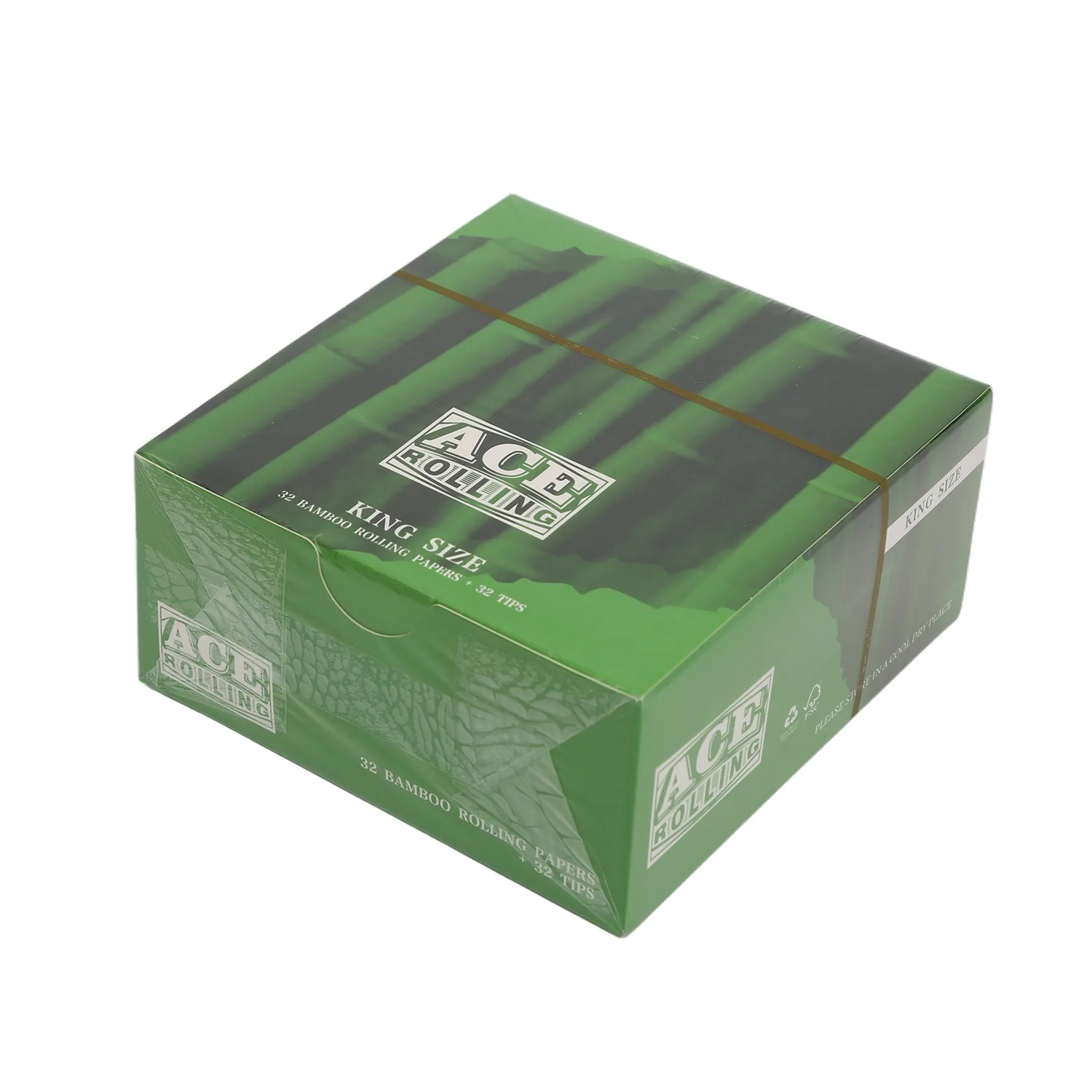
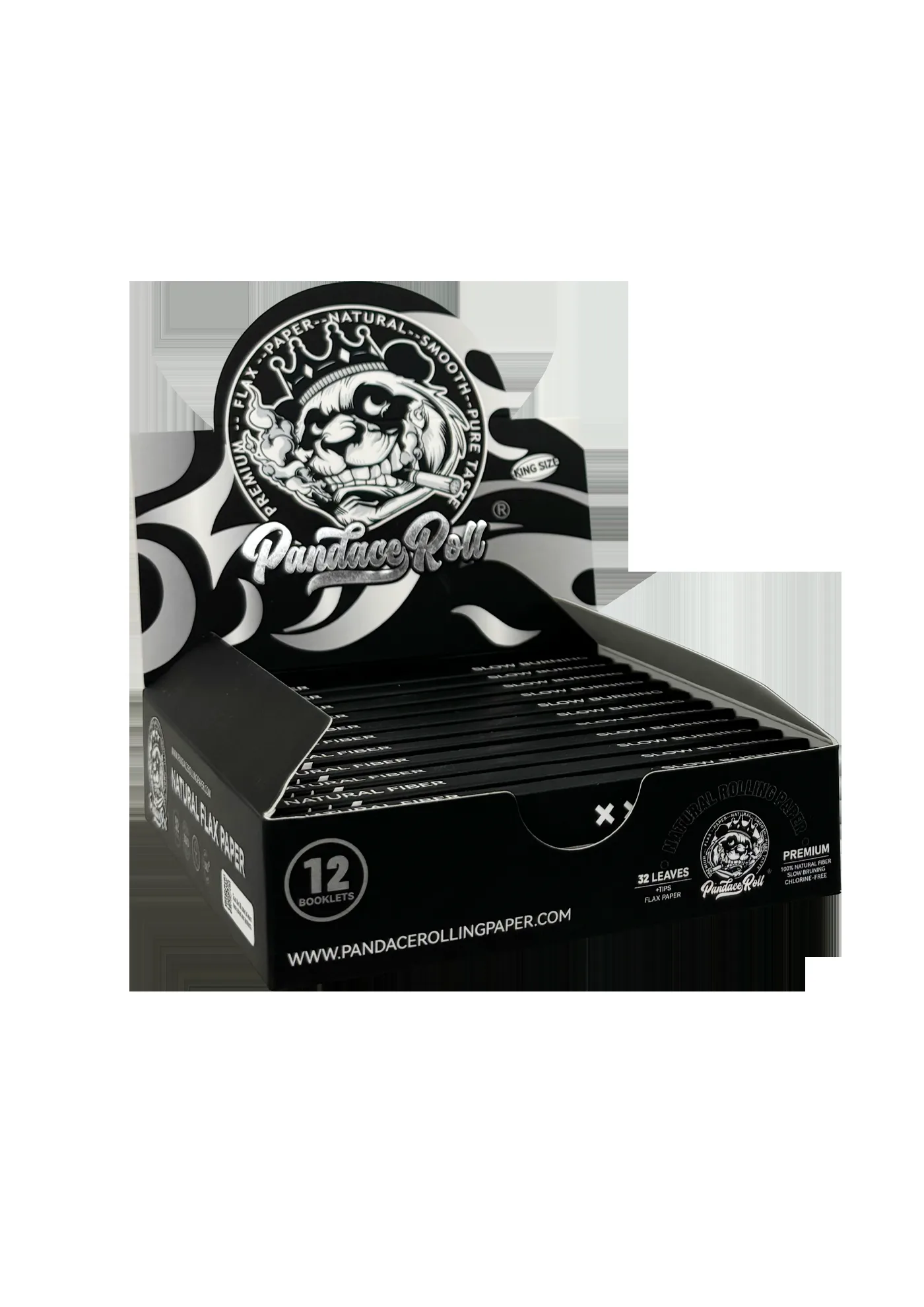
Wholesale packs make unit math concrete even when global totals are missing. A typical display may state 12 booklets with 32 leaves each:
12 × 32 = 384 leaves per display box
Scale that by carton counts and monthly turns, and you have a shop-level “copies” model. Factory RFQs work the same way: specify booklets, leaves per booklet, or cones—not “copies” alone.
What This Means for Manufacturers and Private-Label Buyers
Market value in the low billions with mid-single-digit CAGR means:
- Room for regional and specialty brands—not only legacy names
- Growth skews toward hemp, unbleached, cones, and B2B pre-roll supply in legal markets
- Compliance and age-gating costs rise with regulation
- Automation and machine-grade papers matter as commercial pre-roll volume grows
Ace Rolling supports that manufacturing side: OEM/private-label booklets and cones in hemp, bamboo, and wood pulp, ultra-thin options, and food-grade Arabic gum on applicable programs. Custom runs commonly start around 2,000 units, with samples before bulk and private-label timelines often planned around about two months concept-to-delivery.

What Ace Rolling Will Not Claim
- A proprietary global “leaves sold last year” number for the entire industry
- That Persistence (or any one firm) is the official government census
- Ace’s confidential customer shipment totals as a stand-in for world sales
Use published research for order-of-magnitude demand, then validate your own forecast with samples, door counts, and distributor feedback.
Bottom Line
Nobody publishes one trusted global tally of every rolling paper “copy” sold. The best public answer is market value: Persistence sizes the category near US$1.8 billion in 2026 and about US$2.5 billion by 2033 (~4.8% CAGR), with hemp, tobacco RYO, and North America as major share themes. For real operations, count booklets, leaves, and cones in your own channel—and manufacture to that brief with Ace Rolling OEM if you are building a brand.
FAQ
How many copies of rolling papers were sold worldwide?
There is no single public global unit count of booklets or leaves sold. Analyst firms usually report dollar market size instead. Persistence Market Research estimates about US$1.8 billion in 2026 growing to about US$2.5 billion by 2033. Treat those figures as research estimates for a defined scope, not an audited leaf census.
How big is the rolling papers market?
Persistence’s public summary values the market near US$1.8 billion in 2026 and about US$2.5 billion by 2033, with roughly 4.8% CAGR. Other research firms may publish different totals depending on category definitions. Use multiple sources for planning, then ground forecasts in your own retail or wholesale data.
Do hemp papers outsell wood pulp papers?
In Persistence’s material framing, hemp leads by value share (about 58.2% in 2026), helped by premium pricing and cannabis-culture positioning. That is not the same as proving hemp leads every region in raw unit leaves. Tobacco RYO still dominates application share by their estimate, often with mid-weight traditional papers.
Can Ace Rolling supply high-volume private-label orders?
Yes. Ace Rolling manufactures OEM and private-label rolling papers and cones for brands and distributors, with flexible programs commonly starting around 2,000 units and scaling much higher. Request samples, then share size, material, quantity, and destination for a factory quote. Ace does not publish global industry “copies sold” statistics.