
Bagaimana kertas gulung diproduksi? Dalam istilah industri: serat tanaman dijadikan bubur menjadi lembaran tipis → lembaran dikeringkan dan digulung → diberi watermark dan diiris menjadi gulungan/bobbin → garis gum alami diaplikasikan → daun dipotong, disisipkan, dan dikemas menjadi booklet (atau dibentuk menjadi kerucut). Penjelas merek seperti “Bagaimana Kertas Gulung Dibuat?” Zig-Zag mengikuti rantai yang sama: bubur kertas, lembaran, watermark, penggumaman, penyisipan, dan pengemasan.
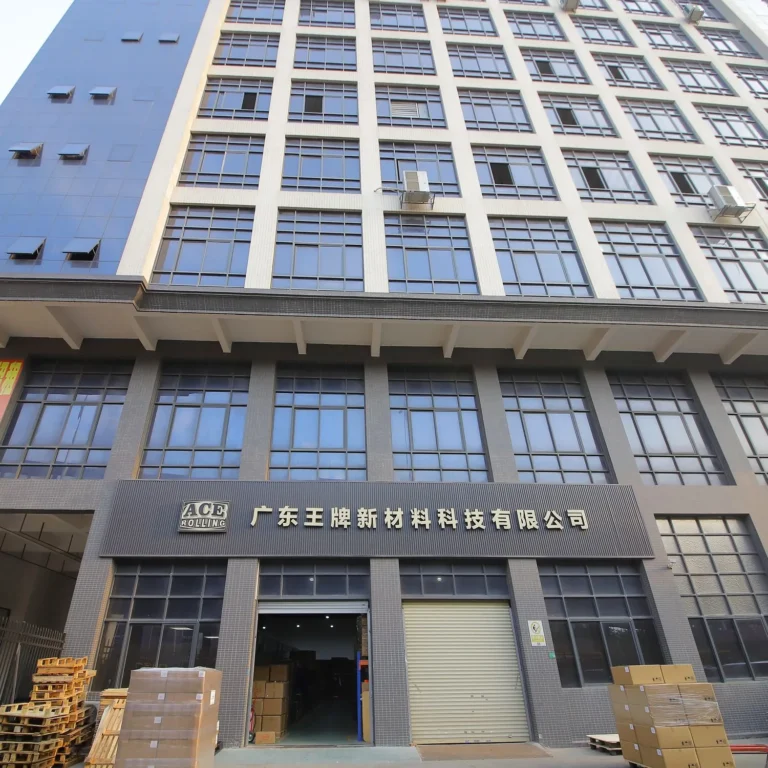
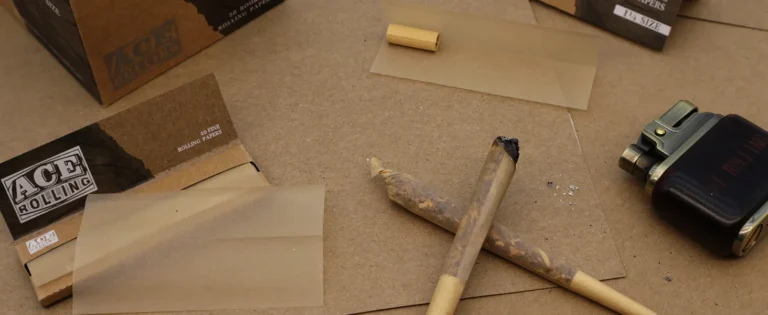
Ace Rolling adalah produsen kertas gulung berbasis di Dongguan yang memproduksi kertas gulung, kerucut pra-gulung, dan kemasan untuk program Signature dan OEM/ODM. Ace mengubah stok kertas premium (termasuk pesan pasokan Hengfeng Group di halaman unggulan) menjadi booklet dan kerucut siap jual—dengan opsi gum Arab/Akasia, watermark, dan QC—daripada memperlakukan setiap merek sebagai produk kerajinan tangan.
Peta Manufaktur (Serat → Booklet)
| Tahap | Apa yang terjadi | Mengapa hal ini penting |
|---|---|---|
| 1. Persiapan serat | Rami, flax, bubur kayu, bambu, serat gaya beras terpilih | Menetapkan dasar kekuatan, rasa, dan pembakaran |
| 2. Pembuatan Bubur | Serat dibuka, dibersihkan, ditangguhkan dalam air | Lembaran seragam membutuhkan serat bersih dan terpisah |
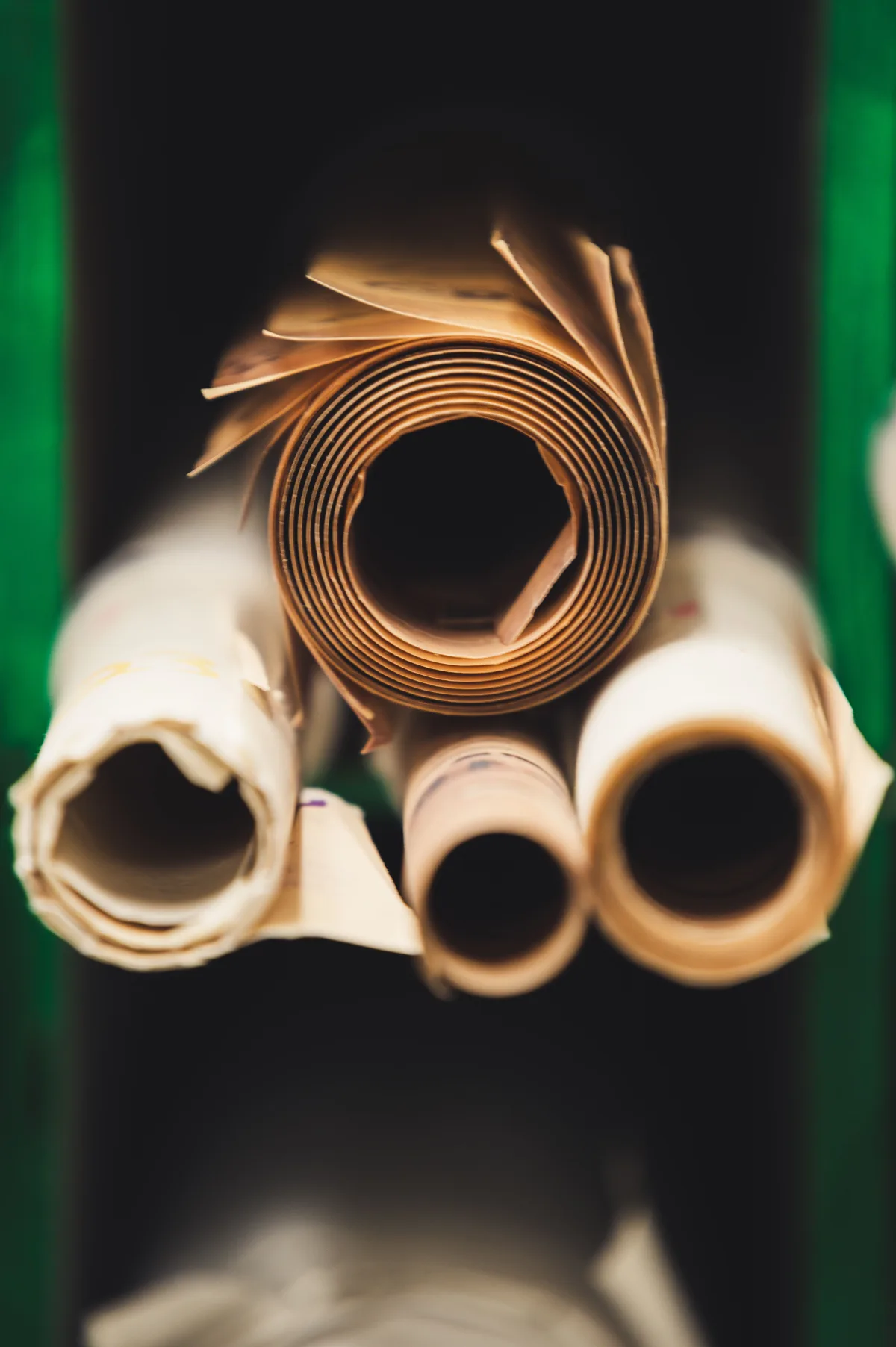
| 3. Pembentukan lembaran | Jaringan tipis terbentuk, ditekan, dikeringkan, digulung | Menciptakan kertas GSM ultra-rendah |
| 4. Watermark / QC | Pola ditekan atau dibentuk; penolakan disingkirkan | Isyarat pembakaran merata + tanda keaslian |
| 5. Pemotongan | Gulungan lebar dipotong sesuai ukuran gulungan/bobbin | Cocok dengan 1¼, king slim, lebar tunggal |
| 6. Perekatan | Garis tipis gum Arab/Akasia diterapkan | Segel kelembapan tanpa rasa tebal |
| 7. Potong + sisipkan | Daun dipotong, dilipat, ditumpuk seperti akordeon | Mengeluarkan satu lembar sekaligus |
| 8. Kemas | Bungkus booklet, tips opsional, karton tampilan | SKU siap rak |
| 9. QC + kirim | Pemeriksaan visual/AQL, pengepakan ekspor | Lot cocok dengan sampel yang disimpan |
Ragam penjenamaan kustom (cetak sampul, watermark eksklusif, kemasan privat) di atas jalur ini—lihat artikel kustom/OEM Ace untuk gerbang pembeli. Halaman ini tetap aktif bagaimana kertas itu sendiri diproduksi.
Langkah 1: Pilih dan Siapkan Serat Tanaman
Kertas gulung dimulai sebagai bahan tanaman—biasanya bubur kayu, rami, flax, bambu, atau serat gaya beras—bukan sisa kantor. Serat dipilih untuk kebersihan, distribusi panjang, dan kesesuaian untuk lembaran ultra-tipis. Menu produk dan OEM Ace Rolling umumnya menampilkan rami, bambu, dan bubur kayu, dengan rami tercantum di antara varian bahan pada pesan situs berorientasi sampel.
Diputihkan vs tidak diputihkan adalah pilihan pemrosesan di sini: pemutihan mengubah warna dan beberapa preferensi pembeli; tidak diputihkan mempertahankan nada cokelat alami.
Langkah 2: Pembuatan Bubur Kertas
Produsen industri (Zig-Zag menjelaskan pelunakan terkontrol, pemisahan serat mekanis, pembersihan suhu tinggi, lalu pulper dengan air) mengubah serat padat menjadi suspensi berair halus. Tujuannya adalah serat terpisah tanpa merusak panjang yang dibutuhkan untuk lembaran tipis yang kuat.
Resep pabrik dan nama mesin yang tepat bervariasi menurut pabrik. Pembeli harus memperhatikan hasil: bubur bebas grit, kebebasan stabil, dan furnish yang dapat mempertahankan GSM target.
Langkah 3: Bentuk Lembaran Tipis
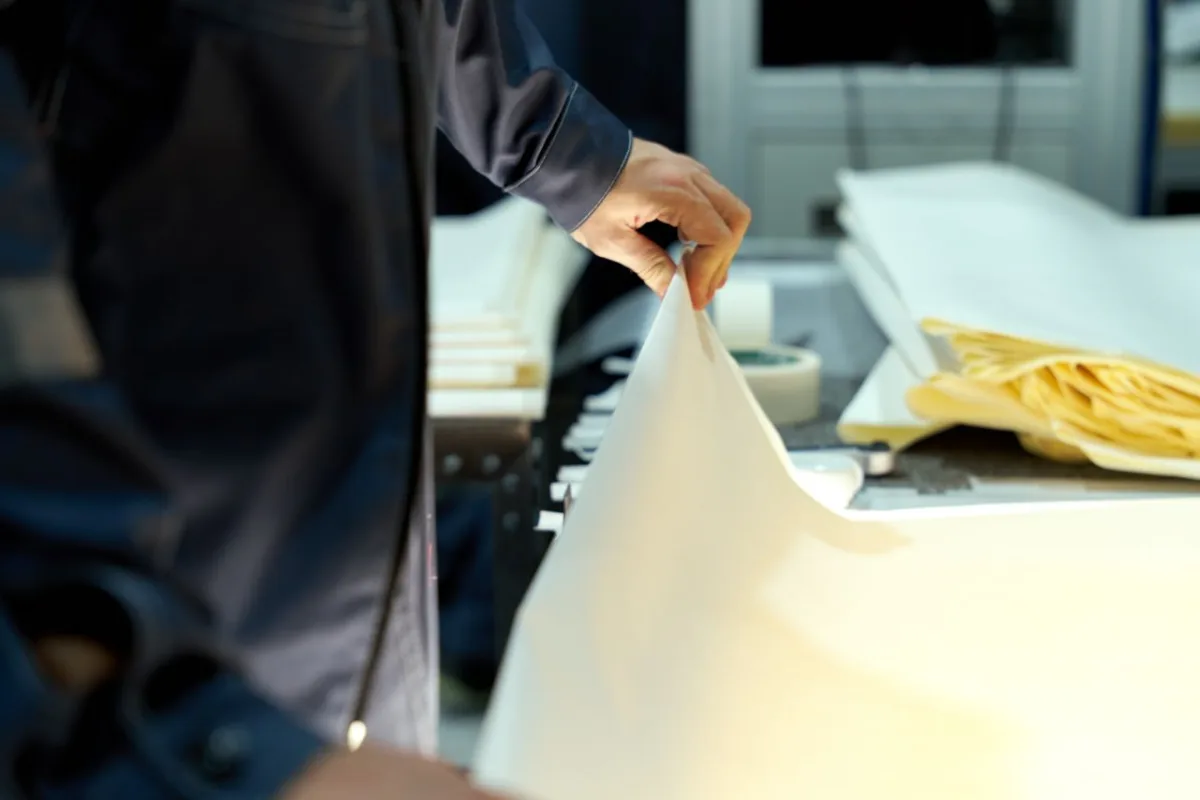
Suspensi bubur kertas dibentuk menjadi web kontinu pada peralatan pembuatan kertas, lalu ditekan dan dikeringkan hingga ketebalan kertas gulung. Panduan konsumen dan merek sering menyebutkan sekitar 10–28 gsm for finished leaves; Ace OEM messaging highlights ultra-thin / slow-burn positioning (including low-teens gsm and flagship 10gsm-class options where applicable).
The dried web is wound into jumbo / master rolls—the industrial form you see before converting.
Step 4: Watermark and Quality Gate
Before or after slit sizing, many premium papers receive a tanda air—straight lines, criss-cross patterns, logos, or brand motifs pressed with engraved rolls or formed in the sheet. Zig-Zag’s public process note is blunt: paper that fails requirements does not get the stamp.
Watermarks are not only decoration. They can influence burn path and act as a visual authenticity cue. Ace OEM programs support watermark directions (including custom patterns where process allows); approve burn samples with the watermark you will sell.
Step 5: Slit Into Size Reels / Bobbins
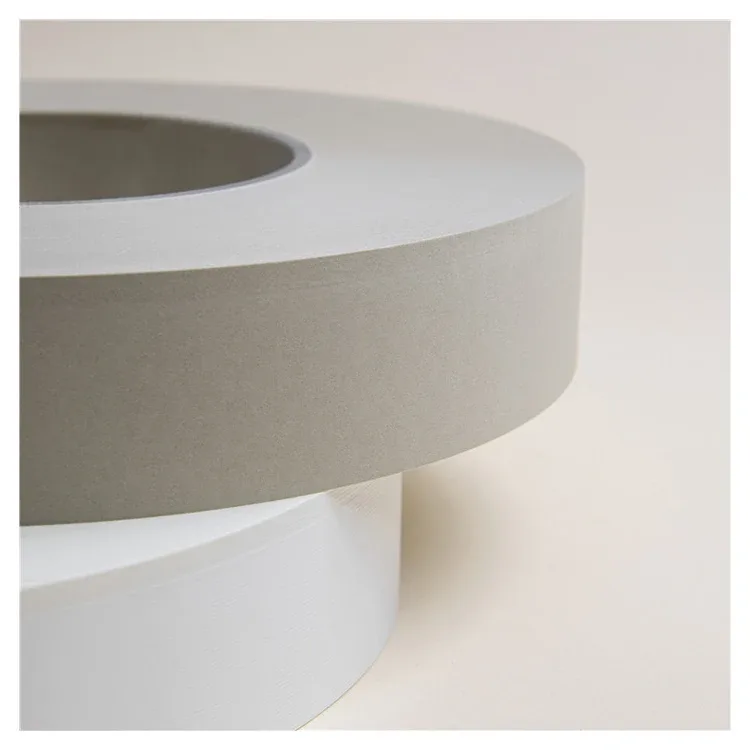
Wide master rolls are slit to the width of the finished leaf (for example, common industry widths near king-slim / 1¼ programs vs narrower single-wide formats). Those narrower rolls—bobbins—feed gumming and booklet lines.
Step 6: Apply the Gum Line
A gumming machine lays a thin strip of adhesive—typically natural Arabic / Acacia gum from acacia sap—along the edge that will seal the roll. Applied too thick, gum tastes and feels heavy; too thin, seals fail. Food-grade gum discipline matters because the strip is ignited with the leaf.
Ace Rolling specifies natural Arabic gum on applicable booklet and cone programs. Test adhesion on your climate and fill style during sampling.
Step 7: Cut, Fold, and Interleave Into Booklets
Cutters size each leaf; folders crease; interleavers stack sheets so pulling one presents the next—the classic accordion booklet format popularized in modern rolling-paper packaging. Optional tips are inserted when the SKU includes crutches.
Leaf counts (32, 40, 50, 100, and Ace’s advertised high-count options such as up to 120-leaf capability on flagship OEM messaging) are locked here. Miscounts and crushed corners are converting defects, not pulp defects.
Step 8: Package, QC, and Ship
Printed booklet covers and display boxes wrap the interleaved block. Visual screening and AQL-style sampling check print, gum, count, and burn against a retained sample. Cartons then move to domestic or export freight.
For private-label work, Ace commonly plans about dua bulan konsep hingga pengiriman, dengan produksi massal sering kali tentang empat hingga lima minggu after approvals—and custom booklet MOQs often near 2.000 unit. Standard Signature stock follows catalog replenishment instead of a full OEM calendar.
Mill vs Converter: Who Does What?
| Peran | Typical work |
|---|---|
| Paper mill | Fiber → pulp → jumbo sheet rolls |
| Converter / booklet plant | Slit, gum, watermark finish, interleave, pack, print |
| Brand / OEM buyer | Specs, artwork, compliance claims, market channel |
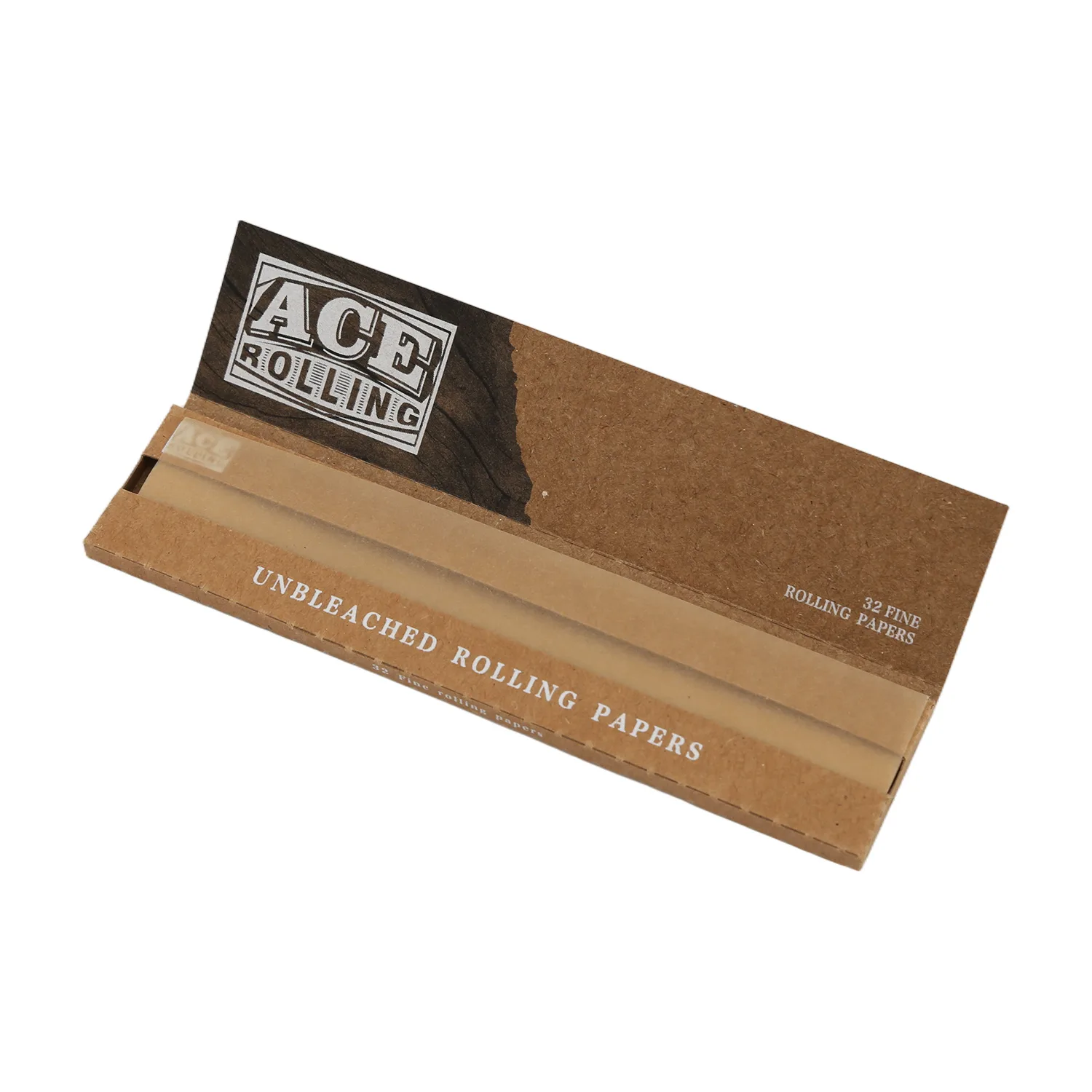
Some heritage brands own more of the mill story; many private-label programs buy mill-quality bobbins and convert under one roof. Ace positions as a manufacturer-led partner with premium raw-material supply relationships and in-house converting into booklets, cones, and packaging.
What Buyers Should Ask a Manufacturer
- Fiber and GSM of the retained sample
- Gum type and adhesion test method
- Watermark options and burn effect
- In-house converting vs trading only
- Leaf-count accuracy and tip insert capability
- Lot-to-lot change control
- Lead time after artwork lock
- Matching cone capability if needed
Intinya
Rolling papers are manufactured by turning plant fibers into ultra-thin sheets, then converting those sheets—watermark, slit, gum, cut, interleave, and pack—into booklets or cones. Zig-Zag’s public process outline matches that industry sequence. Ace Rolling manufactures finished papers and cones on that converting path for Signature and OEM buyers; start with fiber, GSM, gum, and a physical sample before you scale.
FAQ
How are rolling papers manufactured?
Factories pulp plant fibers into a thin sheet, dry and wind it, then watermark, slit, gum, cut, and interleave leaves into booklets—or form cones. Natural Arabic or Acacia gum creates the seal strip. Ace Rolling converts premium paper stock into retail booklets and cones with QC against approved samples.
What materials go into manufactured rolling papers?
Common bases are wood pulp, hemp, flax, bamboo, and rice-style fiber, plus a thin natural gum line. Additives and watermarks can tune ash and burn behavior. Ace Rolling’s core manufacturing directions include hemp, bamboo, and wood pulp; confirm the exact furnish on a sample kit.
What is interleaving in rolling paper manufacturing?
Interleaving stacks cut leaves so each pull presents the next sheet in an accordion booklet—the format most smokers recognize. It happens after gumming and cutting, before the outer wrap is applied. Accurate interleaving protects leaf count and keeps the pack easy to use.
Does Ace Rolling manufacture papers or only brand them?
Ace Rolling manufactures rolling papers, pre-rolled cones, and packaging for Signature Collections and OEM/ODM private label. Custom booklet programs commonly start around 2,000 units, with sample approval before mass production. Ask for fiber, GSM, gum, and packaging specs in one brief for a factory quote.