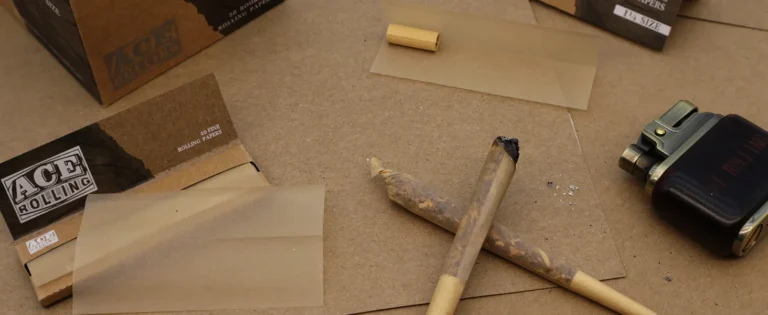

How are rolling papers manufactured? In industrial terms: plant fibers are pulped into a thin sheet → the sheet is dried and wound → watermarked and slit into reels/bobbins → a natural gum line is applied → leaves are cut, interleaved, and packed into booklets (or formed into cones). Brand explainers such as Zig-Zag’s “How Are Rolling Papers Made?” walk the same chain: pulp, sheet, watermark, gumming, interleaving, and packaging.
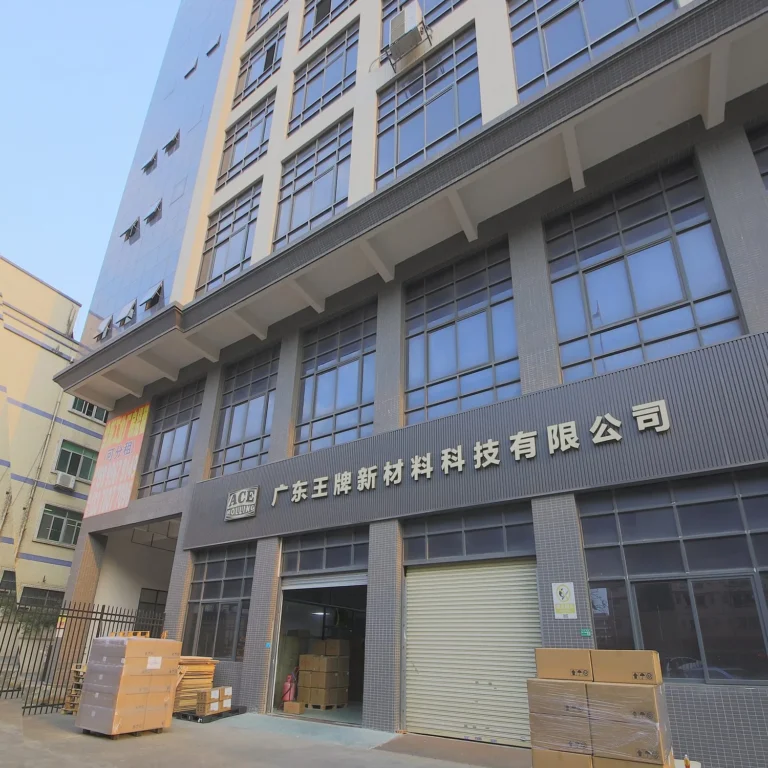
Ace Rolling is a Dongguan-based manufacturer of rolling papers, pre-rolled cones, and packaging for Signature and OEM/ODM programs. Ace converts premium paper stock (including Hengfeng Group supply messaging on flagship pages) into retail-ready booklets and cones—with Arabic/Acacia gum, watermark options, and QC—rather than treating every brand as a handmade craft product.
Manufacturing Map (Fiber → Booklet)
| Stage | What happens | Why it matters |
|---|---|---|
| 1. Fiber prep | Hemp, flax, wood pulp, bamboo, rice-style fiber selected | Sets strength, taste, and burn baseline |
| 2. Pulping | Fibers opened, cleaned, suspended in water | Uniform sheet needs clean, separated fiber |
| 3. Sheet forming | Thin web formed, pressed, dried, wound | Creates ultra-low GSM paper |
| 4. Watermark / QC | Pattern pressed or formed; rejects culled | Even burn cues + authenticity marks |
| 5. Slitting | Wide rolls cut to size bobbins/reels | Matches 1¼, king slim, single widths |
| 6. Gumming | Thin Arabic/Acacia gum line applied | Moisture seal without thick taste |
| 7. Cut + interleave | Leaves cut, folded, stacked accordion-style | Dispenses one sheet at a time |
| 8. Pack | Booklet wrap, tips optional, display cartons | Shelf-ready SKU |
| 9. QC + ship | Visual/AQL checks, export packing | Lot matches retained sample |
Custom branding (cover print, exclusive watermark, private packaging) rides on top of this path—see Ace’s custom/OEM article for buyer gates. This page stays on how the paper itself is manufactured.
Step 1: Choose and Prepare Plant Fibers
Rolling paper starts as plant material—commonly wood pulp, hemp, flax, bamboo, or rice-style fiber—not office scrap. Fibers are selected for cleanliness, length distribution, and suitability for ultra-thin sheets. Ace Rolling’s product and OEM menus commonly feature hemp, bamboo, and wood pulp, with flax listed among material variants on sample-oriented site messaging.
Bleached vs unbleached is a processing choice here: whitening changes color and some shoppers’ preference; unbleached keeps a natural tan tone.
Step 2: Pulp Making
Industry manufacturers (Zig-Zag describes controlled softening, mechanical fiber separation, high-heat cleaning, then a pulper with water) turn solid fiber into a fine watery suspension. The goal is separated fibers without destroying the length needed for a strong, thin sheet.
Exact mill recipes and machine names vary by plant. Buyers should care about outcomes: grit-free pulp, stable freeness, and a furnish that can hold target GSM.
Step 3: Form the Thin Sheet
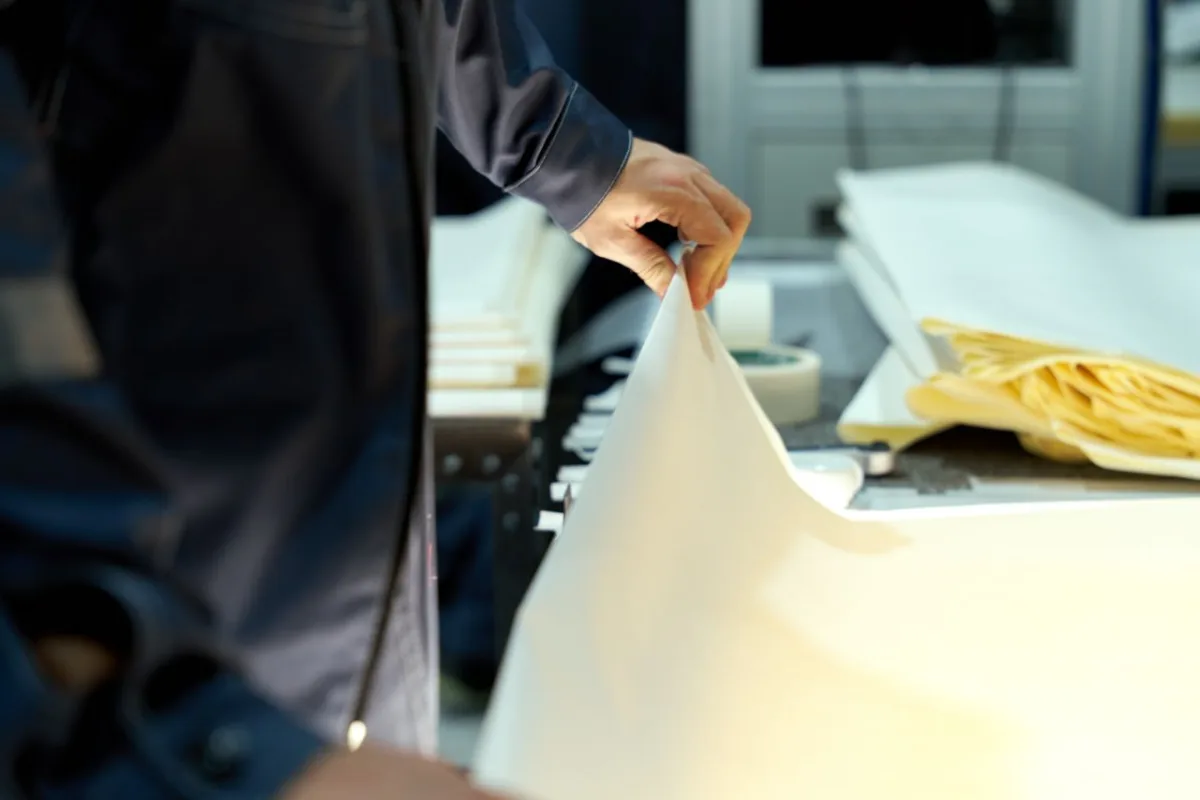
The pulp suspension is formed into a continuous web on papermaking equipment, then pressed and dried to rolling-paper thickness. Consumer and brand guides often cite roughly 10–28 gsm for finished leaves; Ace OEM messaging highlights ultra-thin / slow-burn positioning (including low-teens gsm and flagship 10gsm-class options where applicable).
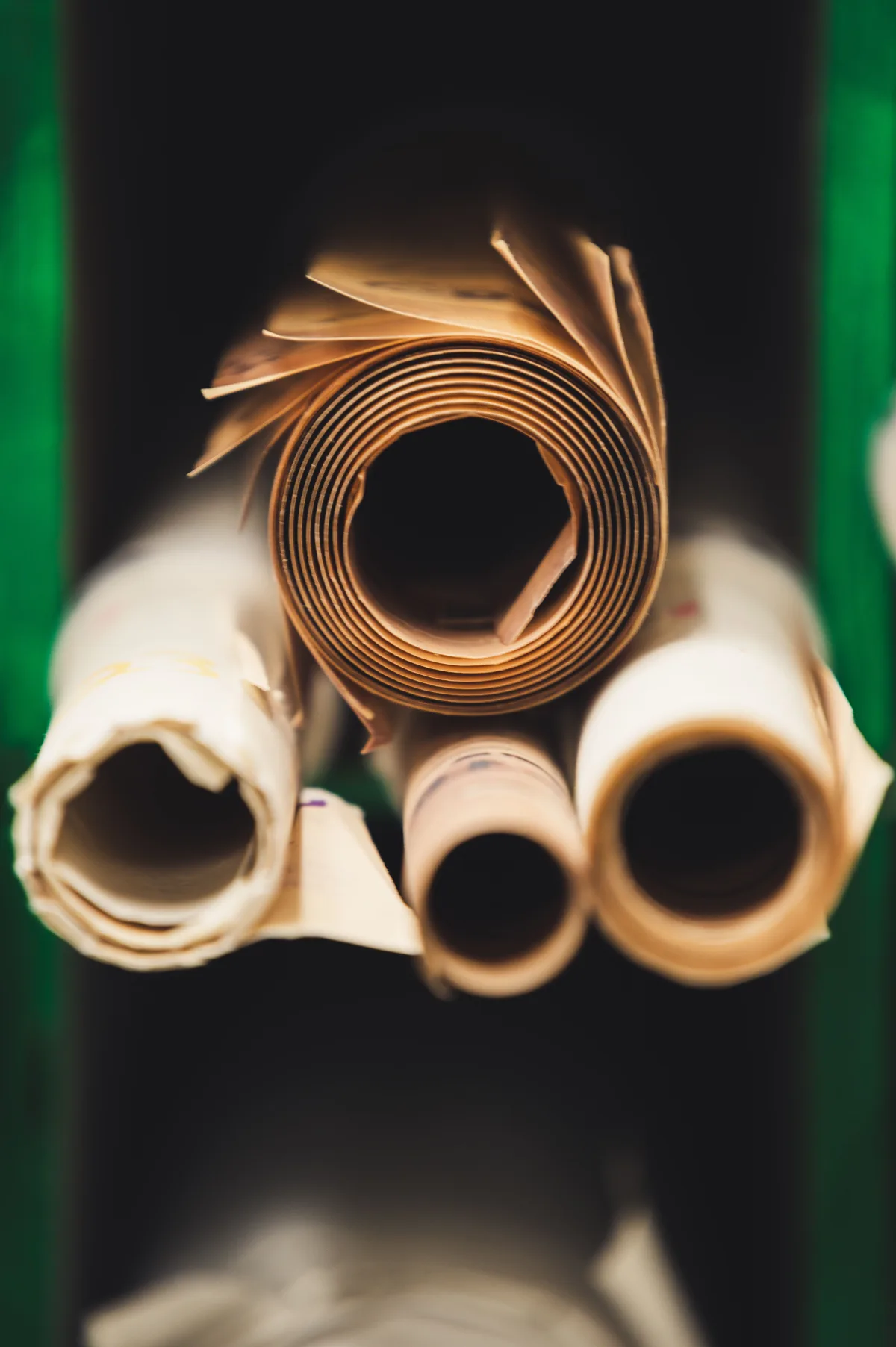
The dried web is wound into jumbo / master rolls—the industrial form you see before converting.
Step 4: Watermark and Quality Gate
Before or after slit sizing, many premium papers receive a watermark—straight lines, criss-cross patterns, logos, or brand motifs pressed with engraved rolls or formed in the sheet. Zig-Zag’s public process note is blunt: paper that fails requirements does not get the stamp.
Watermarks are not only decoration. They can influence burn path and act as a visual authenticity cue. Ace OEM programs support watermark directions (including custom patterns where process allows); approve burn samples with the watermark you will sell.
Step 5: Slit Into Size Reels / Bobbins
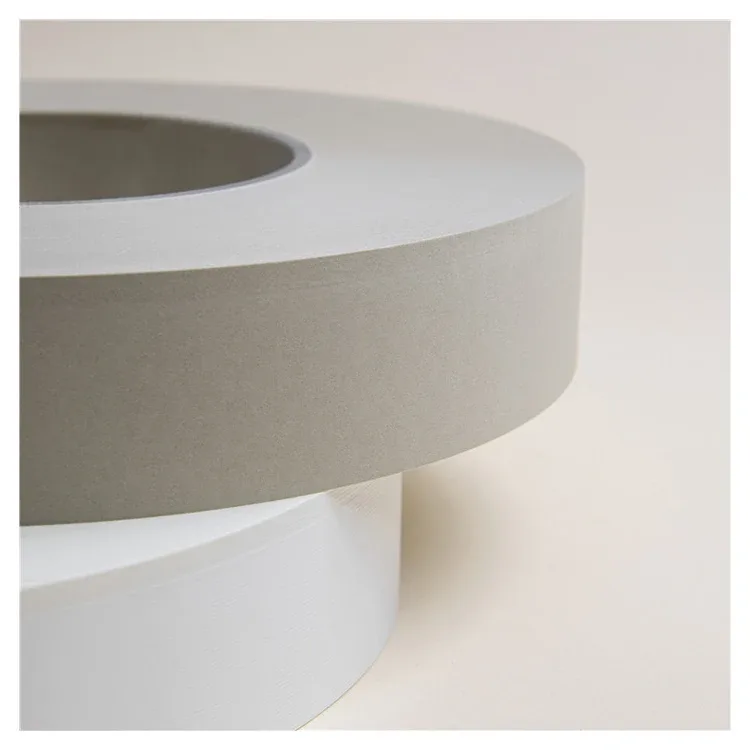
Wide master rolls are slit to the width of the finished leaf (for example, common industry widths near king-slim / 1¼ programs vs narrower single-wide formats). Those narrower rolls—bobbins—feed gumming and booklet lines.
Step 6: Apply the Gum Line
A gumming machine lays a thin strip of adhesive—typically natural Arabic / Acacia gum from acacia sap—along the edge that will seal the roll. Applied too thick, gum tastes and feels heavy; too thin, seals fail. Food-grade gum discipline matters because the strip is ignited with the leaf.
Ace Rolling specifies natural Arabic gum on applicable booklet and cone programs. Test adhesion on your climate and fill style during sampling.
Step 7: Cut, Fold, and Interleave Into Booklets
Cutters size each leaf; folders crease; interleavers stack sheets so pulling one presents the next—the classic accordion booklet format popularized in modern rolling-paper packaging. Optional tips are inserted when the SKU includes crutches.
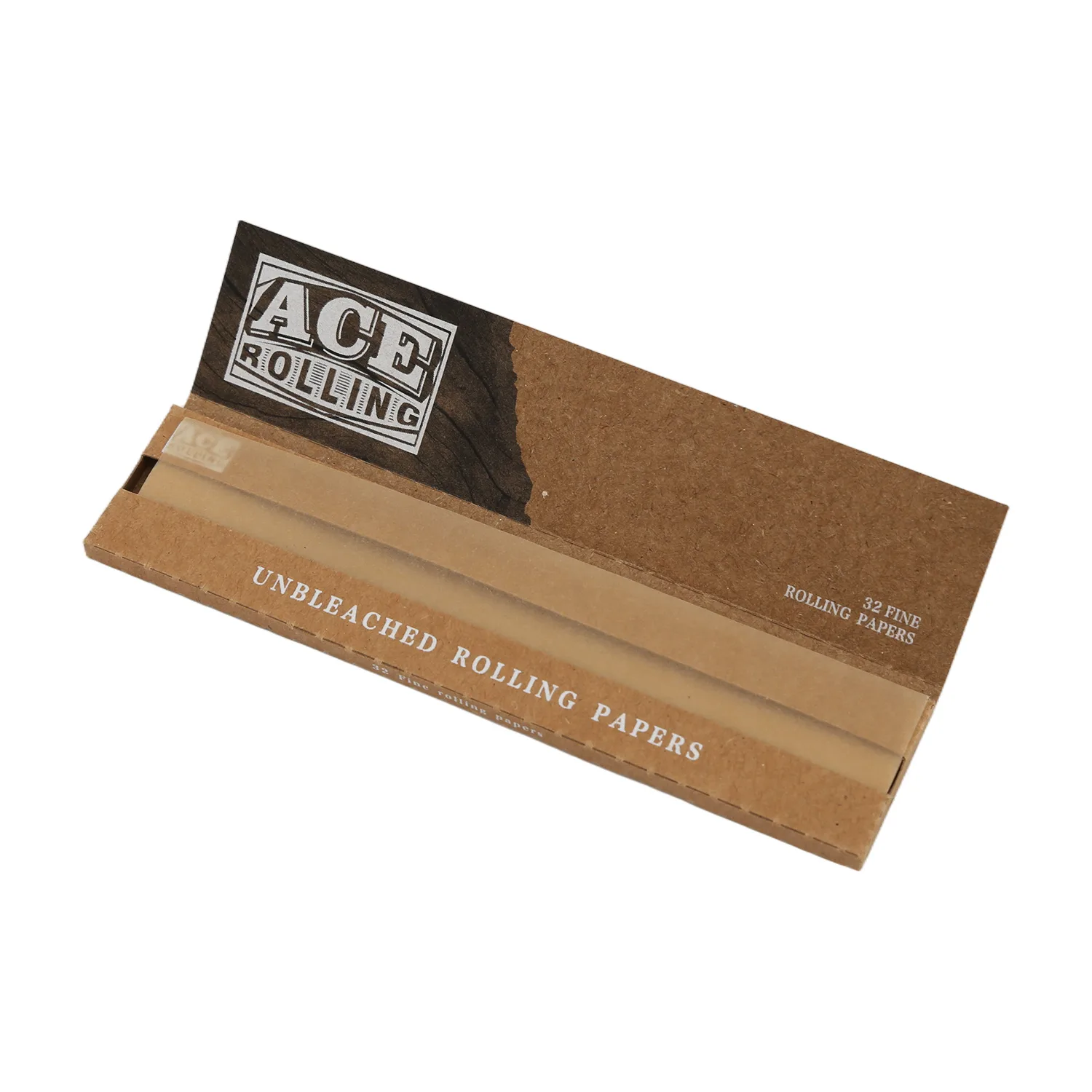
Leaf counts (32, 40, 50, 100, and Ace’s advertised high-count options such as up to 120-leaf capability on flagship OEM messaging) are locked here. Miscounts and crushed corners are converting defects, not pulp defects.
Step 8: Package, QC, and Ship
Printed booklet covers and display boxes wrap the interleaved block. Visual screening and AQL-style sampling check print, gum, count, and burn against a retained sample. Cartons then move to domestic or export freight.
For private-label work, Ace commonly plans about two months concept to delivery, with mass production often about four to five weeks after approvals—and custom booklet MOQs often near 2,000 units. Standard Signature stock follows catalog replenishment instead of a full OEM calendar.
Mill vs Converter: Who Does What?
| Role | Typical work |
|---|---|
| Paper mill | Fiber → pulp → jumbo sheet rolls |
| Converter / booklet plant | Slit, gum, watermark finish, interleave, pack, print |
| Brand / OEM buyer | Specs, artwork, compliance claims, market channel |
Some heritage brands own more of the mill story; many private-label programs buy mill-quality bobbins and convert under one roof. Ace positions as a manufacturer-led partner with premium raw-material supply relationships and in-house converting into booklets, cones, and packaging.
What Buyers Should Ask a Manufacturer
- Fiber and GSM of the retained sample
- Gum type and adhesion test method
- Watermark options and burn effect
- In-house converting vs trading only
- Leaf-count accuracy and tip insert capability
- Lot-to-lot change control
- Lead time after artwork lock
- Matching cone capability if needed
Bottom Line
Rolling papers are manufactured by turning plant fibers into ultra-thin sheets, then converting those sheets—watermark, slit, gum, cut, interleave, and pack—into booklets or cones. Zig-Zag’s public process outline matches that industry sequence. Ace Rolling manufactures finished papers and cones on that converting path for Signature and OEM buyers; start with fiber, GSM, gum, and a physical sample before you scale.
FAQ
How are rolling papers manufactured?
Factories pulp plant fibers into a thin sheet, dry and wind it, then watermark, slit, gum, cut, and interleave leaves into booklets—or form cones. Natural Arabic or Acacia gum creates the seal strip. Ace Rolling converts premium paper stock into retail booklets and cones with QC against approved samples.
What materials go into manufactured rolling papers?
Common bases are wood pulp, hemp, flax, bamboo, and rice-style fiber, plus a thin natural gum line. Additives and watermarks can tune ash and burn behavior. Ace Rolling’s core manufacturing directions include hemp, bamboo, and wood pulp; confirm the exact furnish on a sample kit.
What is interleaving in rolling paper manufacturing?
Interleaving stacks cut leaves so each pull presents the next sheet in an accordion booklet—the format most smokers recognize. It happens after gumming and cutting, before the outer wrap is applied. Accurate interleaving protects leaf count and keeps the pack easy to use.
Does Ace Rolling manufacture papers or only brand them?
Ace Rolling manufactures rolling papers, pre-rolled cones, and packaging for Signature Collections and OEM/ODM private label. Custom booklet programs commonly start around 2,000 units, with sample approval before mass production. Ask for fiber, GSM, gum, and packaging specs in one brief for a factory quote.