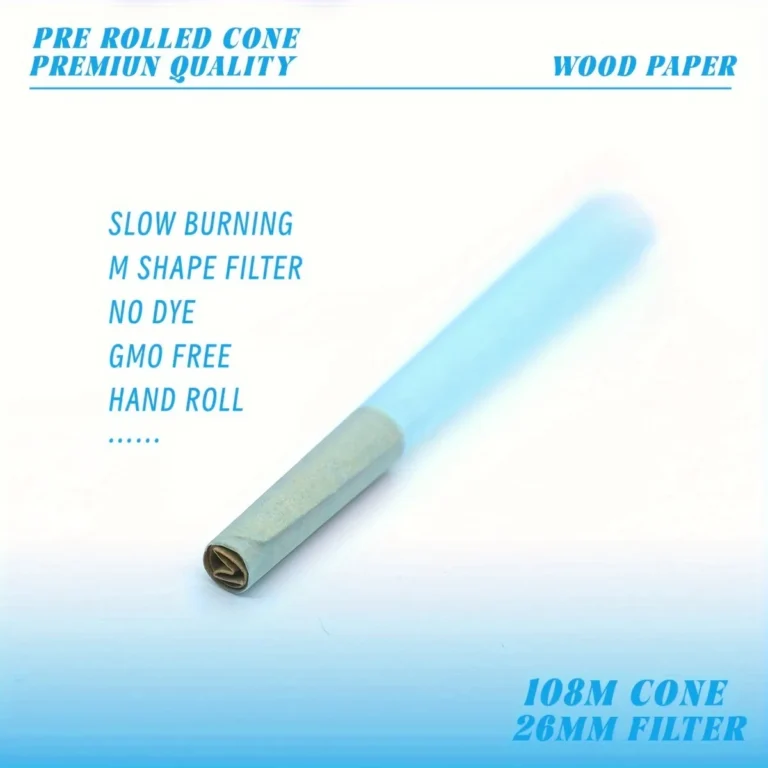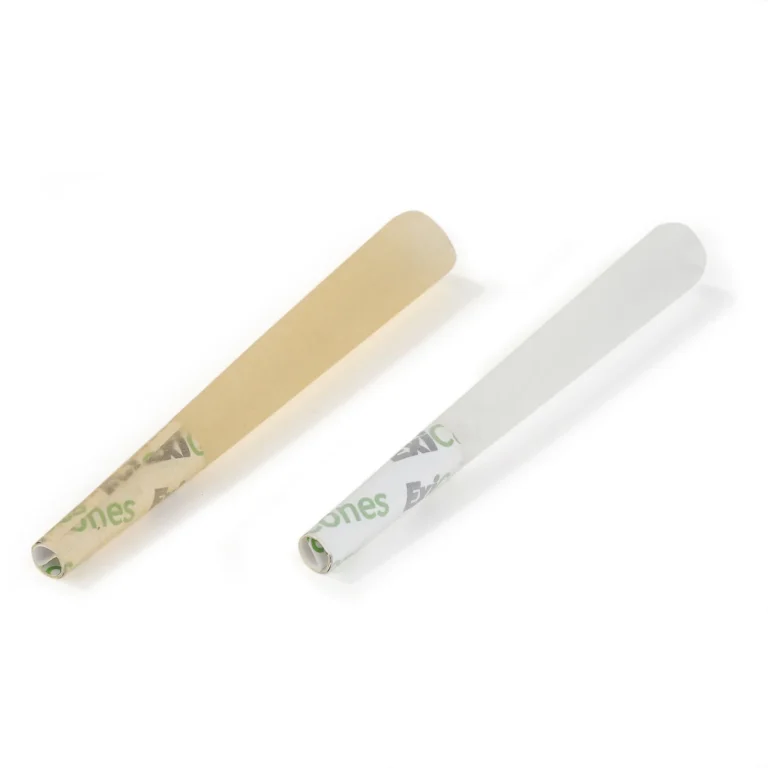

Target perencanaan umum adalah sekitar 0,5 g untuk 84 mm, 0,5–0,75 g untuk 98 mm, dan kira-kira 1 g atau lebih untuk kerucut 109 mm. Ini adalah titik awal pasar, bukan jaminan: kepadatan material, gilingan, geometri ujung, pengepakan, dan peralatan pengisian menentukan berat produksi yang divalidasi.
Panduan B2B ini membantu tim label pribadi memilih spesifikasi kerucut dan membangun rencana berat isi yang dapat diulang. Ini tidak memberikan instruksi merokok konsumen. Ace Rolling menyediakan rute umum 84, 98, dan 109 mm ditambah kerucut kustom dari Dongguan, China.
Berapa Berat Isi yang Harus Direncanakan Pembeli Berdasarkan Ukuran Kerucut?
Panjang hanyalah koordinat pertama dalam spesifikasi kerucut. Target yang kredibel juga mencakup diameter atas, panjang dan diameter ujung, penirusan, kertas, jahitan, dan rongga yang dapat digunakan di atas filter.

Panduan ukuran The Cones Factory menjelaskan 84 mm sekitar 0,5 g, standar 98 mm sekitar 0,75 g, ramping 98 mm sekitar 0,5 g, dan 109 mm sekitar 1 g. Panduan pasar lain menerbitkan rentang yang lebih luas, termasuk isian 109 mm di atas 1 g. Atributkan angka-angka tersebut ke format pasar; jangan ubah menjadi klaim kapasitas Ace yang universal.
| Format umum | Pembicaraan perencanaan pasar | Penggunaan B2B utama | Harus divalidasi |
|---|---|---|---|
| 84 mm | Sekitar 0,5 g | Setengah gram tunggal dan kemasan ganda | Kepadatan, ujung, penutupan ruang kepala |
| 98 mm ramping | Sekitar 0,5 g | Posisi premium ramping | Diameter dan perkakas mesin |
| 98 mm standar | Sekitar 0,75 g | SKU berat sedang | Tirus, kepadatan kemasan, penyelesaian |
| 109 mm | Sekitar 1 g; beberapa format lebih tinggi | Lini andalan satu gram penuh | Rongga aktual dan resep mesin |
| Kustom | Khusus proyek | Arsitektur kemasan eksklusif | Gambar lengkap dan uji isi |
Tinjau geometri yang tersedia di https://ace-rolling.com/pre-rolled-cones/ dan minta gambar dimensi sebelum keputusan artwork atau alat pengisian.
Poin Penting: Gunakan label berat yang familiar untuk membentuk ringkasan, tetapi setujui kerucut jadi berdasarkan dimensi dan uji isi yang diukur.
Mengapa Kerucut yang Sama Dapat Menampung Berat Gram yang Berbeda?
Gram mengukur massa; rongga kerucut menyediakan volume. Konversi berubah setiap kali kepadatan curah, distribusi partikel, kondisi kelembapan, atau gaya pengepakan material input berubah.
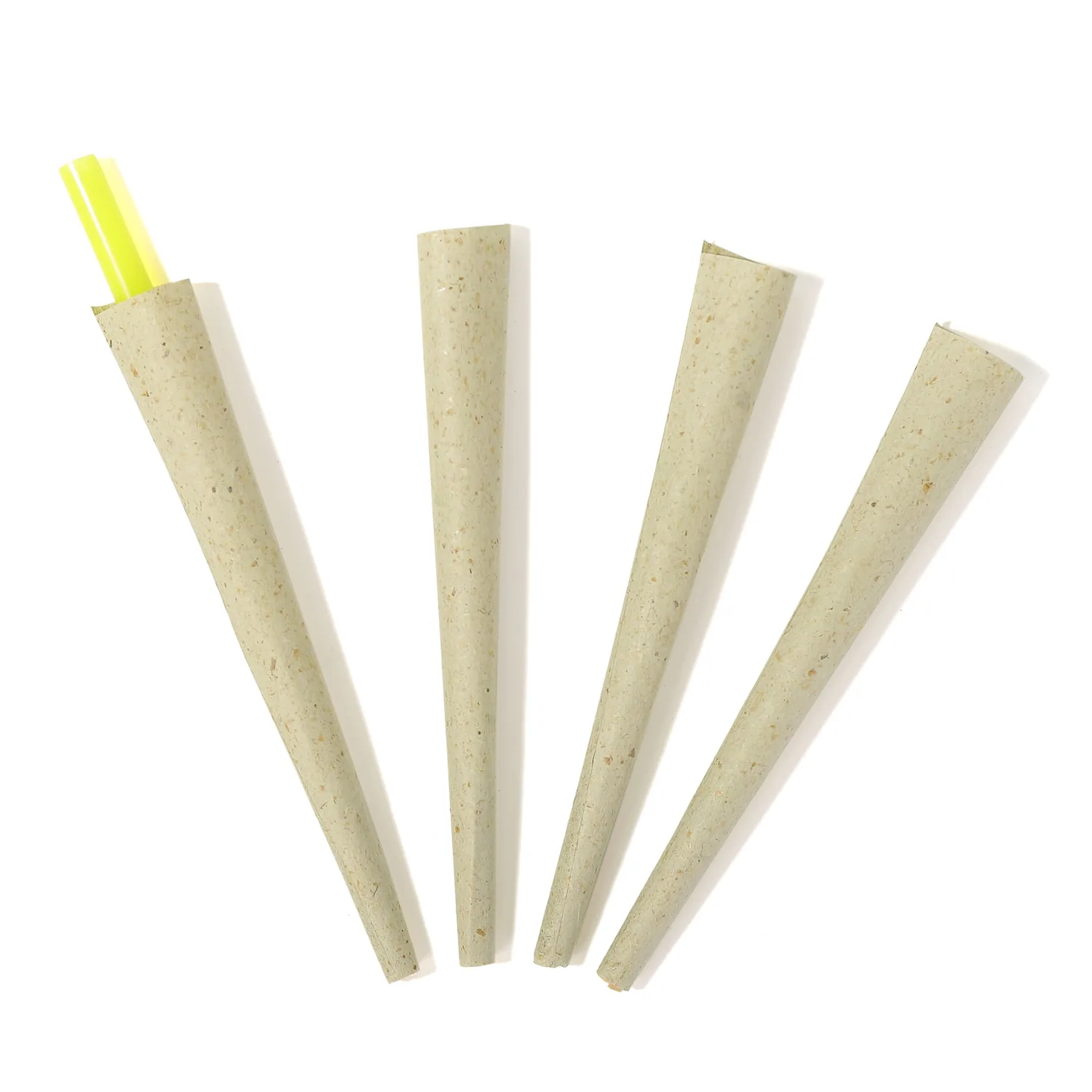
Kerucut yang terlihat penuh dapat memiliki berat yang berbeda di antara dua lot bahan. Bahan halus mungkin mengendap berbeda dari gilingan kasar, sementara getaran dan penekanan dapat mengubah kepadatan sepanjang kerucut. Oleh karena itu, operator B2B harus mengkualifikasi jendela operasi, bukan mengejar satu angka kapasitas teoritis.
| Variabel | Apa yang berubah | Kontrol pembeli |
|---|---|---|
| Kepadatan massal | Massa menempati rongga | Uji lot produksi perwakilan |
| Distribusi partikel | Aliran dan pengendapan | Tentukan rentang penggilingan-saringan |
| Kondisi kelembapan | Berat dan penanganan | Rekam pengkondisian pada percobaan |
| Energi pengepakan | Gradien kepadatan | Kunci pengaturan mesin |
| Geometri ujung | Rongga tersedia | Dimensi ujung beku |
| Closing allowance | Saleable finish | Define required headspace |
Ace’s https://ace-rolling.com/oem-odm-rolling-paper-manufacturer/ program can work from a written fill brief, but the brand or filler remains responsible for validating its own material and legal label weight.
Poin Penting: Cone capacity is a volume-to-mass calibration problem; the same length does not guarantee the same gram result.
How Should Machine-Fill Buyers Set a Target?
Machine-fill planning begins with the intended filler, tray or adapter, then works backward to cone dimensions and process tolerances. A cone that fills well by hand may not index, drop, vibrate, or close consistently at production speed.
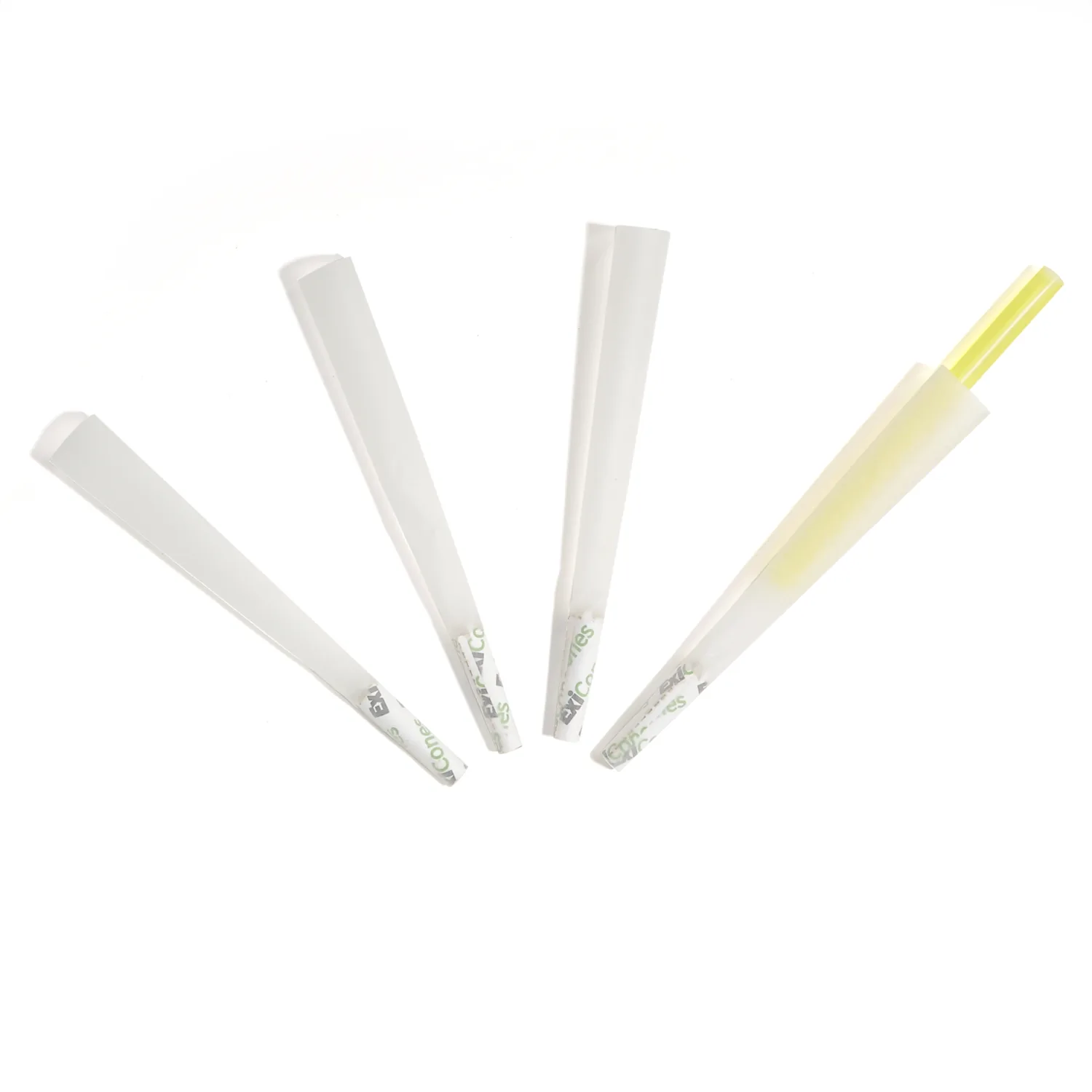
Run a designed trial at low, nominal, and high target weights. Record rejects for wrinkles, seam damage, underfill, overflow, uneven settlement, tip deformation, and closing defects. Weigh every trial unit or a statistically justified sample, then use actual data to set the acceptable operating window.
| Trial stage | Input to lock | Output to record | Release question |
|---|---|---|---|
| Tool fit | Cone and tip dimensions | Feeding and seating faults | Does it index without damage? |
| Low weight | Minimum recipe | Shape and closure | Is the pack commercially acceptable? |
| Nominal weight | Planned label weight | Mean and variation | Is the process centered? |
| High weight | Upper recipe | Overflow and seam stress | Is there safe process margin? |
| Speed run | Intended throughput | Reject rate and drift | Does performance hold over time? |
Send machine make, tooling dimensions, fill method, and target weight when contacting https://ace-rolling.com/pre-rolled-cones/.
Poin Penting: Select the cone and machine recipe together; nominal grams alone cannot establish production compatibility.
Which Paper, Tip, and Print Choices Affect Filling?
Paper and tip choices are not merely visual. Stiffness, friction, seam construction, print coverage, filter material, and dimensional tolerances can affect feeding and the condition of the cone after filling.
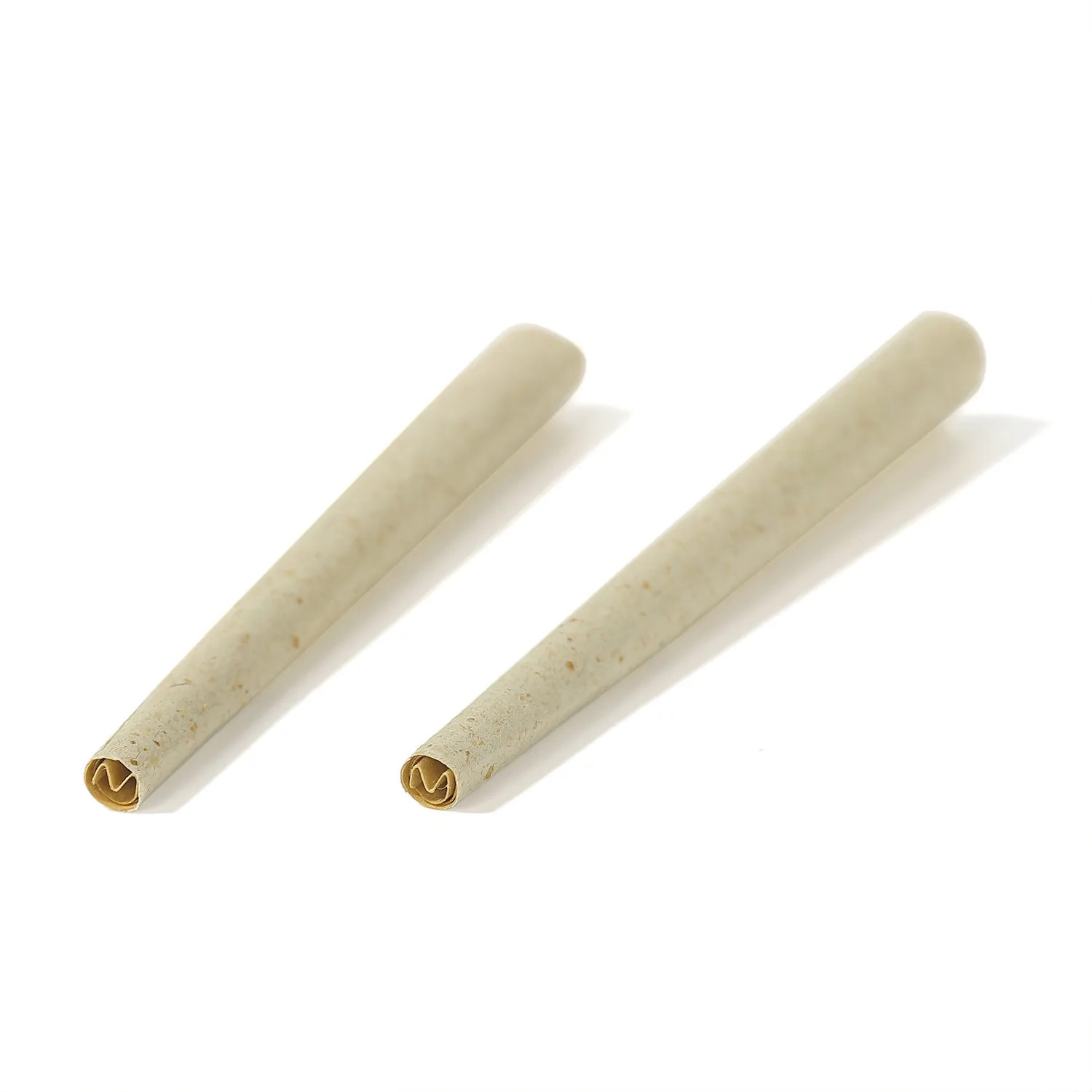
Ace routes can include white, unbleached, hemp, flax, bamboo, wood pulp, custom-color, or printed paper. Tip options may include paper and project-suitable glass, wood, ceramic, or custom formats. Availability and machine suitability depend on the exact order; none should be assumed interchangeable without samples.
| Specification choice | Possible production effect | Bukti persetujuan |
|---|---|---|
| Rute kertas | Friction, stiffness, visual fill line | Matched filled samples |
| Printed paper | Surface and artwork registration | Speed trial and print proof |
| Ujung kertas | Familiar tooling behavior | Diameter/tolerance report |
| Alternative tip | Weight and feeding change | Dedicated tool-fit trial |
| Warna Kustom | Visual QC requirements | Signed color standard |
| Seam construction | Resistance during filling | Filled-retained sample |
Use https://ace-rolling.com/quality-certifications/ to frame material and QC document requests for the exact SKU.
Poin Penting: Treat paper, print, seam, and tip as functional fill inputs, not interchangeable decoration.
What Sample Plan Prevents Underfill and Overfill?
A sample plan should reproduce production conditions closely enough to reveal variation before retail cartons and labels are committed. One attractive empty cone is not a fill-weight approval.
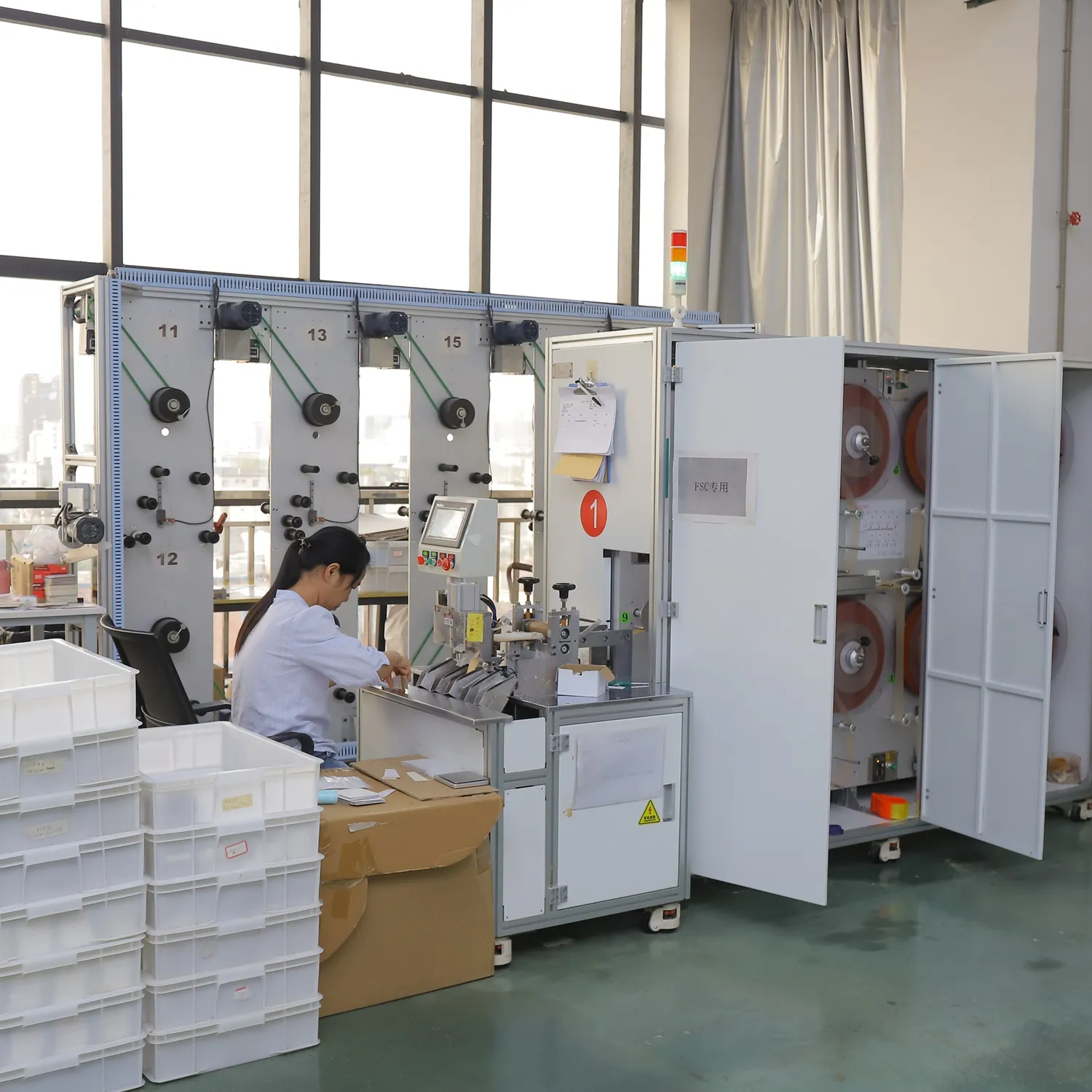
Request dimensional samples, then conduct filled trials using representative material lots and the intended machine. Define nominal weight, permitted variation, closure style, headspace, finished length, appearance, and reject criteria. Retain signed samples from the selected condition for incoming and reorder comparison.
| Sample gate | Quantity purpose | Buyer decision | Failure signal |
|---|---|---|---|
| Empty cone review | Check dimensions and construction | Tooling shortlist | Poor fit or seam damage |
| Material-lot trial | Expose density variation | Weight window | Large lot-to-lot shift |
| Machine speed run | Test repeatability | Production recipe | Reject rate rises with speed |
| Packed mock-up | Check retail fit | Carton/tube approval | Closure changes pack height |
| Retained standard | Control reorders | Final release | No signed physical reference |
Ace manufactures in Dongguan under an ISO 9001:2015 management framework; buyers can discuss the appropriate inspection plan through https://ace-rolling.com/about-factory/.
Poin Penting: Approve a filled, packed, machine-tested standard—not an empty cone and an estimated gram number.
How Do MOQ and Unit Cost Shape the Weight Strategy?
Fill-weight architecture affects the number of finished retail units obtainable from a material budget, while cone dimensions affect packaging, freight, filling speed, and shelf price. Model the whole SKU before selecting the largest possible format.
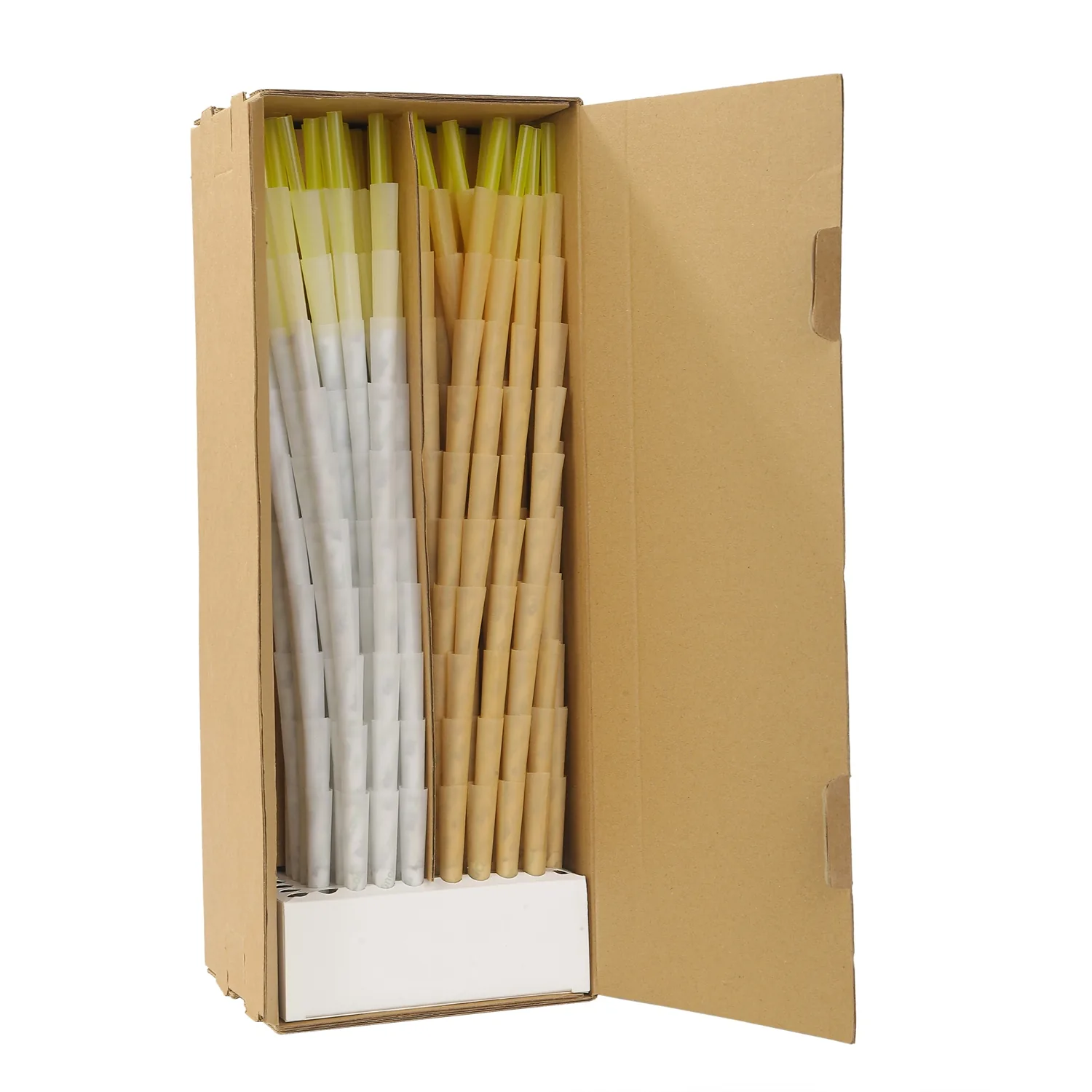
Ace wholesale pre-rolled cones are approved for planning at about $0.04–$0.06 per kerucut, with MOQ commonly starting from 2,000+. Final price and minimum depend on size, paper, print, filter, packaging, quantity, and other specifications. These are factory wholesale references, not retail prices or a promised quote.
| Commercial input | Planning reference | What moves it | Tindakan pembeli |
|---|---|---|---|
| Harga satuan kerucut | About $0.04–$0.06 | Size, material, print, tip, pack, volume | Request matched quotes |
| MOQ | Commonly 2,000+ | Custom depth and packaging | Confirm per SKU |
| Fill target | About 0.5–1.5 g+ market talk | Geometry and material density | Validate trial window |
| Retail pack | Single or multipack | Finished length and closure | Build packed prototype |
| Landed cost | Quote-specific | Freight, duty, cartons | Compare delivered economics |
Submit dimensions, target grams, machine, paper, tip, pack, quantity, and destination at https://ace-rolling.com/contact/.
Poin Penting: Choose fill weight by sell-through and landed unit economics, then confirm the cone price and MOQ against one locked specification.
What Should the Final OEM Cone Brief Include?
The best RFQ removes ambiguity before the supplier quotes, samples, or reserves production. “A one-gram cone” is not enough because different geometries and materials can carry the same marketing label.
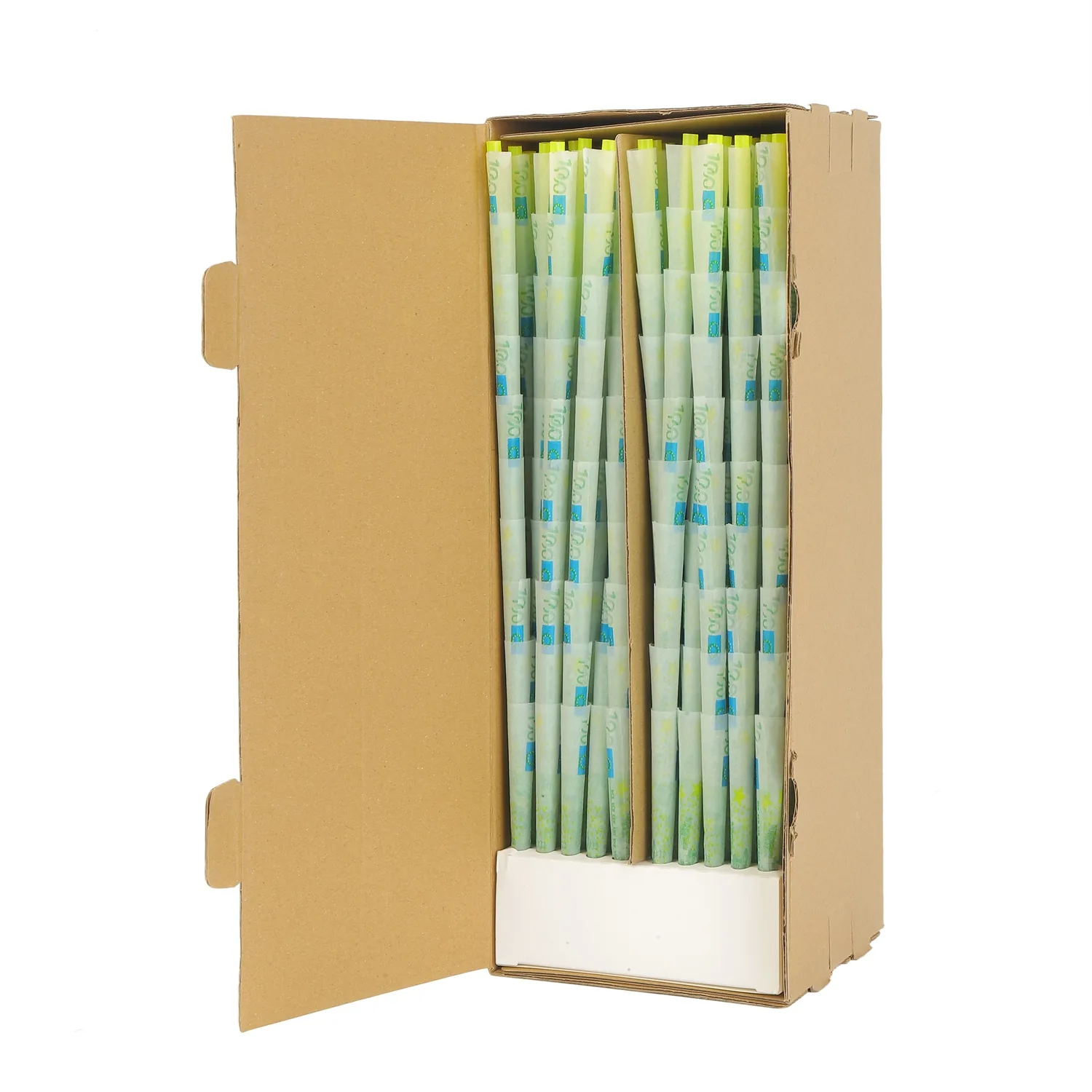
State cone length, top diameter, tip dimensions and material, paper route, color, print, target fill range, input density data, machine model, closure method, pack count, carton format, quantity, destination, and required documents. Ace is a private-label manufacturer and does not manufacture RAW products or imply affiliation with RAW.
| Bidang RFQ | Example of useful detail | Mengapa hal ini penting |
|---|---|---|
| Geometry | 84/98/109 mm or drawing | Defines cavity and tooling fit |
| Fill plan | Nominal plus acceptable window | Guides sample trial |
| Material input | Density range and grind control | Explains weight variation |
| Machine | Make, model, tray/adapter | Screens compatibility |
| Branding | Plain, color, or printed | Defines proof and setup |
| Pengemasan | Bulk, jar, box, display, carton | Sets finished dimensions |
| Kepatuhan | Destination and document list | Prevents unsupported claims |
Compare standard and custom routes at https://ace-rolling.com/pre-rolled-cones/ before requesting a formal quotation.
Poin Penting: A complete OEM brief converts “how many grams?” into a measurable cone, machine, packaging, and QC program.
FAQ
How many grams go in an 84 mm pre-rolled cone?
An 84 mm pre-rolled cone is commonly discussed as a roughly 0.5 g format in market size guides. That figure is a planning reference, not guaranteed capacity. The filler should validate its own material density, grind, moisture condition, packing settings, tip geometry, closing allowance, finished appearance, and label-weight tolerance.
How many grams go in a 98 mm pre-rolled cone?
A standard 98 mm pre-rolled cone is often positioned around 0.75 g, while slimmer 98 mm formats may target about 0.5 g. Diameter and taper matter as much as length. Buyers should request a dimensional drawing and test the intended cone on their production material and filling equipment.
How many grams go in a 109 mm pre-rolled cone?
A 109 mm pre-rolled cone is commonly marketed around a 1 g fill, although broader market guides discuss ranges extending above that for certain geometries. Do not assume every 109 mm cone is identical. Validate top diameter, tip length, packing density, closure, machine settings, and finished weight variation.
Can Ace Rolling make cones for automatic filling machines?
Ace Rolling supplies private-label and wholesale cone programs for automatic-filling supply chains, subject to project specifications. Send the machine make and model, tray or adapter dimensions, cone geometry, target fill window, paper and tip requirements, closing method, packaging, quantity, and destination so machine-fit samples can be evaluated before production.
What is the MOQ and wholesale price for custom cones?
Ace Rolling cone programs commonly start from about 2,000+ units, depending on size, paper, print, filter, packaging, and quantity. The approved factory wholesale planning range is about $0.04–$0.06 per cone, with MOQ applying. Final pricing requires a written quote for the locked specification and destination.
How do I request a cone fill-weight sample plan?
Send your target weight range, cone size or drawing, material density data, grind controls, filling machine, tip specification, closure, packaging, quantity, destination, and required documents. Start at https://ace-rolling.com/contact/ and ask for empty dimensional samples followed by representative machine-filled trials and a retained approval standard.