
What belongs on a rolling paper factory audit checklist? Cover legal entity and certificate verification, quality management system evidence (like ISO 9001:2015), physical converting and QC line observation, sample-lot consistency testing, and stated capacity/lead time cross-checked against your target order size.
SERP peers such as Paperindex frame factory audits around spec-consistency and certification integrity for buyers. Guangdong Ace Rolling is a Dongguan, China OEM/ODM manufacturer that maintains ISO 9001:2015 quality management and can walk buyers through its documentation and process during vetting. This guide organizes the checklist buyers should run before committing to any China-based rolling paper supplier.
Why Does a Formal Audit Checklist Matter More Than a Sales Call?
Lead-in: Sales conversations are optimized to reassure; an audit checklist is optimized to verify.
Summary: A structured checklist forces specific, checkable questions—license codes, cert numbers, documented processes—rather than general reassurances. Buyers who skip a formal checklist and rely only on sales conversation risk missing gaps that only surface once a large order is already in production.
| Approach | Risk level |
|---|---|
| Sales call only | Higher—claims unverified |
| Structured checklist | Lower—claims cross-checked |
| On-site or documented audit | Lowest—physical verification |
Key Takeaway: Treat sales conversations as a starting point, not a substitute for a documented, checkable audit process.
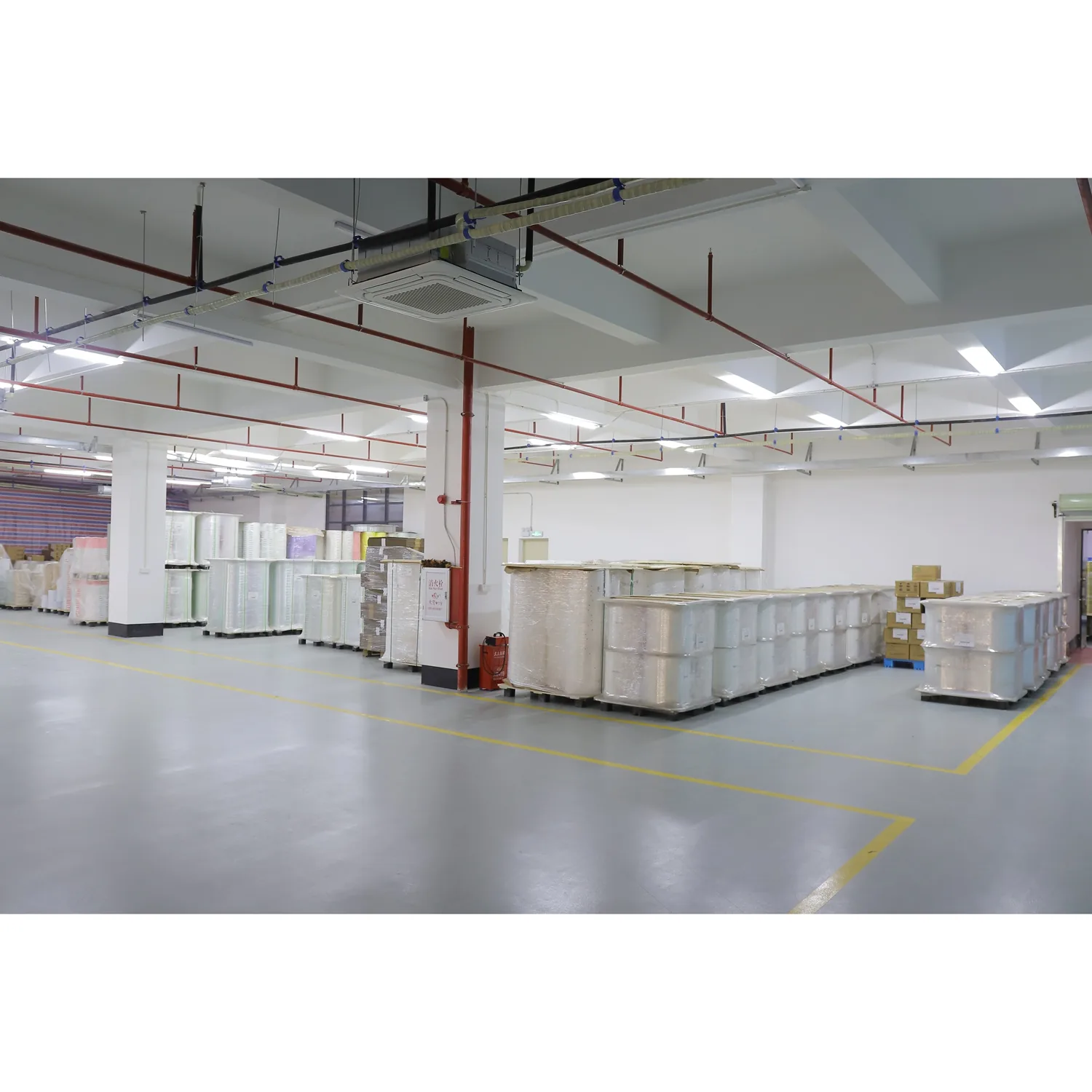
Factory overview: https://ace-rolling.com/about-factory/.
What Legal Entity and Certificate Checks Should Come First?
Lead-in: Confirm who you’re actually contracting with before evaluating anything else.
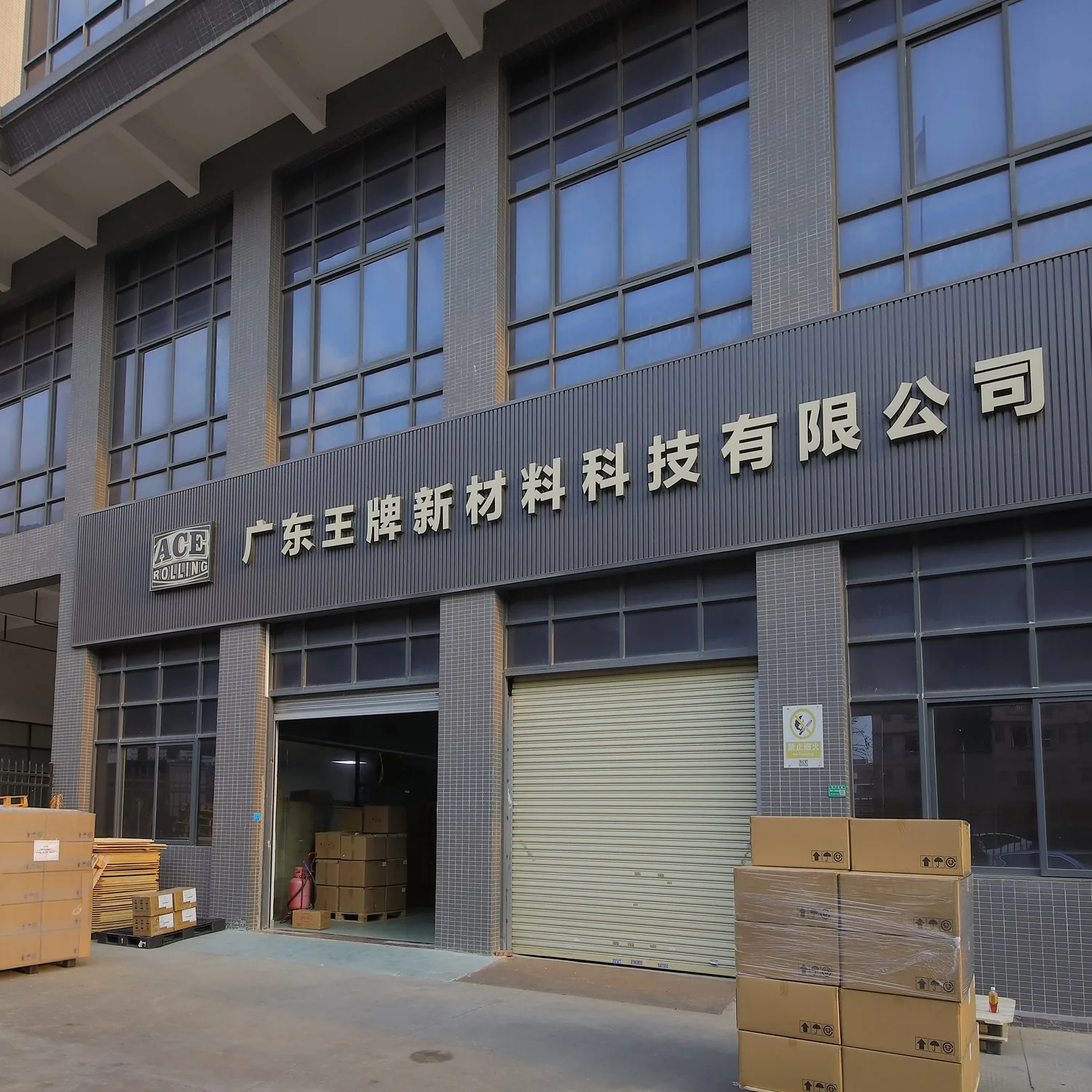
Summary: Verify the legal entity name matches the one on any quality certificates, request certificate numbers you can independently check (such as ISO registration), and confirm the entity’s business registration is current. This step catches situations where a trading company misrepresents itself as the manufacturer.
| Check | What it confirms |
|---|---|
| Legal entity name | Matches certificates and contracts |
| Certificate numbers | Independently verifiable |
| Business registration | Current and valid |
Key Takeaway: Match the legal entity name across certificates, contracts, and business registration before evaluating anything else.
Certifications framing: https://ace-rolling.com/quality-certifications/.
What Quality Management Evidence Should You Request?
Lead-in: A quality claim needs a documented system behind it, not just a logo.
Summary: Ask for the specific quality management standard held (such as ISO 9001:2015), the scope it covers, and how the factory documents in-process checks—incoming material inspection, in-line QC, and final inspection before shipment. A factory with a real system can describe this process specifically, not vaguely.

| QC evidence | What to request |
|---|---|
| Standard held | Name + scope of certification |
| In-process checks | Documented inspection points |
| Final inspection | Pre-shipment QC process |
Key Takeaway: A supplier with a genuine quality system can describe specific inspection points—vague answers are a red flag.
Quality management: https://ace-rolling.com/quality-certifications/.
What Should You Physically Observe on the Converting Line?
Lead-in: Some things are only verifiable by seeing the actual production floor.
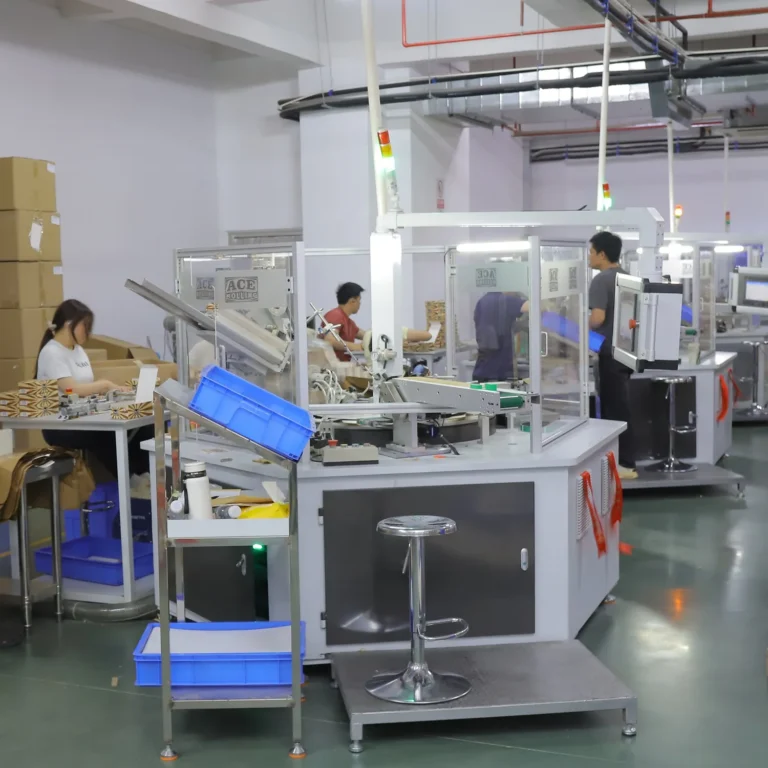
Summary: Where possible, observe (in person or via live video) the converting line, gum application station, and packing area. Confirm the equipment matches the scale claimed, the workspace is organized and clean, and workers appear to follow documented procedures rather than improvising.
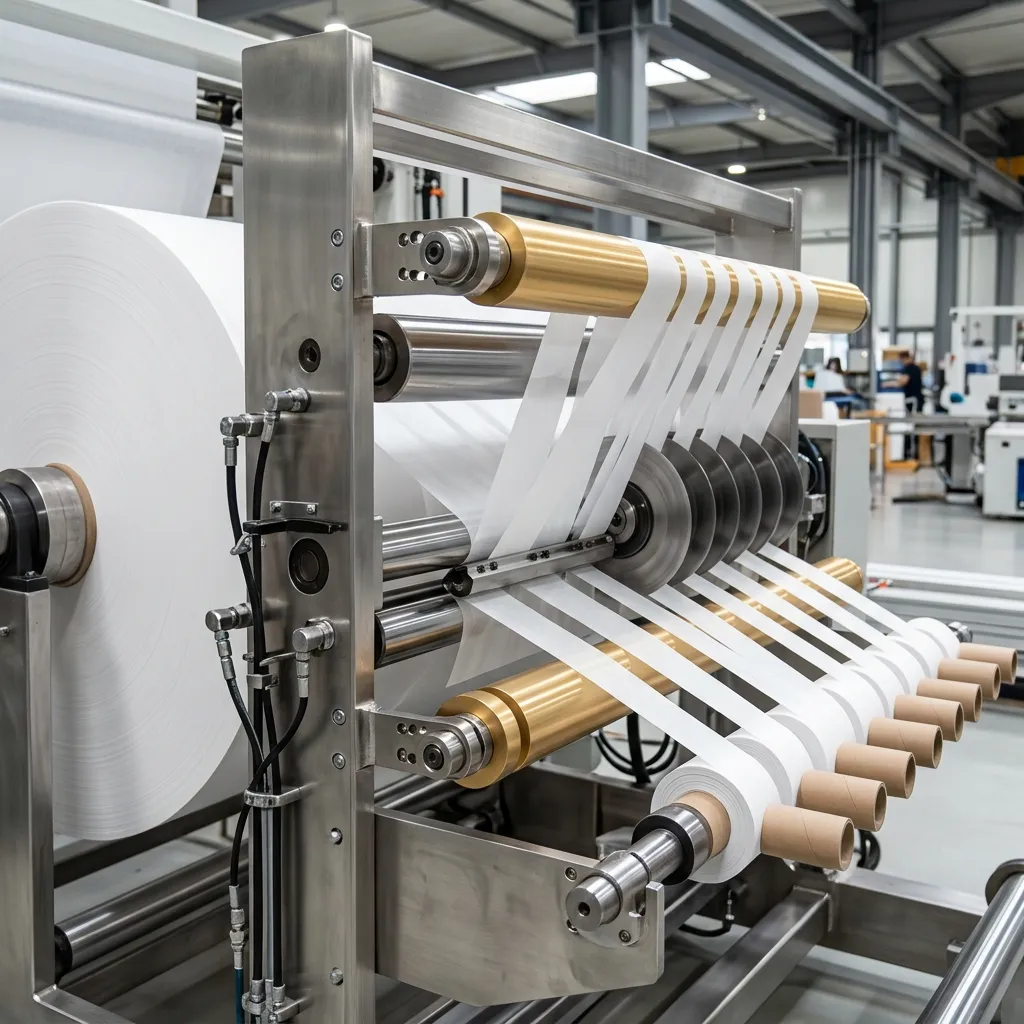
| Observation point | What to check |
|---|---|
| Converting line | Equipment matches claimed scale |
| Workspace condition | Organized, clean |
| Worker process | Follows documented procedure |
Key Takeaway: A live or video walkthrough of the actual floor reveals gaps that documentation alone cannot.
Factory walkthrough: https://ace-rolling.com/about-factory/.
How Should You Test Sample-Lot Consistency?
Lead-in: One perfect sample doesn’t prove consistent mass-production quality.
Summary: Request multiple samples from different production runs or lots, not just one polished reference sample. Test each for the same specs—gum seal, tear strength, print registration, dimensions—and compare results across lots. Inconsistency between lots is a stronger red flag than any single imperfect sample.

| Test approach | What it reveals |
|---|---|
| Single sample only | Limited—best-case only |
| Multiple lot samples | Reveals consistency (or lack of it) |
| Spec comparison across lots | Flags process control issues |
Key Takeaway: Request samples from multiple lots and compare them—consistency across lots matters more than any one perfect sample.
Sample process: https://ace-rolling.com/how-to-get-a-custom-rolling-paper-sample-kit/.
How Do You Cross-Check Stated Capacity Against Your Order Size?
Lead-in: A factory’s stated capacity should be checkable against your actual volume needs.
Summary: Ask for realistic lead times at your specific target quantity, not just a general capacity claim. Cross-check whether your order size is proportionate to their stated capacity—an order that represents a very large share of their claimed monthly output deserves closer scrutiny on delivery reliability.

| Capacity check | Why it matters |
|---|---|
| Lead time at your volume | Realistic, not generic |
| Order size vs. stated capacity | Flags overcommitment risk |
| Buffer for approvals/QC | Should be included in timeline |
Key Takeaway: Ask for a lead time quote at your specific volume, not a generic range—generic answers hide capacity mismatches.
Timeline expectations: https://ace-rolling.com/quality-certifications/.
How Do You Put the Full Audit Checklist Into Practice?
Lead-in: Run the checklist before committing to volume, not after the first shipment.
Summary: Sequence the checklist as: verify entity and certificates, request QC documentation, observe the line (live or video), test multi-lot samples, and confirm capacity against your order size—in that order, before locking a mass production commitment. Ace can walk buyers through this process directly.

| Step | Action |
|---|---|
| 1 | Verify entity + certificates |
| 2 | Request QC documentation |
| 3 | Observe converting line |
| 4 | Test multi-lot samples |
| 5 | Confirm capacity vs. your order size |
Key Takeaway: Run the full checklist in sequence before committing—skipping steps to save time is exactly how gaps get missed.
Start: https://ace-rolling.com/contact/.
FAQ
What belongs on a rolling paper factory audit checklist?
Cover legal entity and certificate verification, documented quality management evidence, physical or video observation of the converting line, multi-lot sample consistency testing, and a capacity check against your specific target order size. Running these steps in sequence before committing to volume catches gaps that a sales conversation alone would miss.
How do I verify a supplier’s quality certifications are real?
Request the specific certificate name and number (such as an ISO 9001:2015 registration), confirm the legal entity name matches across the certificate, contracts, and business registration, and ask the supplier to describe their documented in-process quality checks specifically. Vague answers about “quality” without checkable detail are a warning sign worth investigating further.
Why should I request samples from multiple production lots?
A single polished reference sample only shows best-case quality, not consistent mass-production output. Requesting samples from different lots and comparing gum seal, tear strength, print registration, and dimensions across them reveals whether the factory’s process control is actually consistent—inconsistency between lots is a stronger red flag than any single imperfect sample.
What should I look for when observing a converting line?
Confirm the equipment scale matches what the factory claims, check that the workspace is organized and clean, and observe whether workers appear to follow documented procedures rather than improvising. A live or video walkthrough of the actual production floor reveals process gaps that documentation and sales conversations alone cannot show.
How do I know if a factory’s stated capacity matches my order size?
Ask for a realistic lead time quote at your specific target quantity rather than accepting a generic capacity range. If your order represents a very large share of the factory’s claimed monthly output, that’s worth closer scrutiny on delivery reliability—cross-check the numbers rather than taking a general capacity claim at face value.
Does Ace Rolling support buyers running a factory audit checklist?
Yes. Ace Rolling maintains ISO 9001:2015 quality management and can walk buyers through certificate verification, documented QC processes, and production observation as part of standard vetting. Buyers are encouraged to request multi-lot samples and a capacity-matched lead time quote as part of confirming fit before committing to a mass order.
Ready to Run a Factory Audit Before Your Next Order?
Verify entity and certificates, request QC documentation, and test multi-lot samples before committing to volume.
- Factory overview: https://ace-rolling.com/about-factory/
- Quality & certifications: https://ace-rolling.com/quality-certifications/
- Quote: https://ace-rolling.com/contact/