
What porosity and burn rate specs should buyers set? Set a target porosity/permeability range and a sample-verified burn rate benchmark tied to your specific fiber and additive choice—there is no single universal number, so brief the property you want and validate it on a physical sample rather than requesting a generic “slow burn” spec.
SERP peers such as Futurola discuss burn rate as a spec buyers should define, not assume. This guide is a wholesale spec-setting guide for buyers, not a consumer “which brand burns slowest” comparison—see Ace’s separate consumer-facing burn comparison for that angle.
What Does Porosity Actually Mean on Rolling Paper?
Lead-in: Porosity describes how much air passes through the paper, which affects burn.
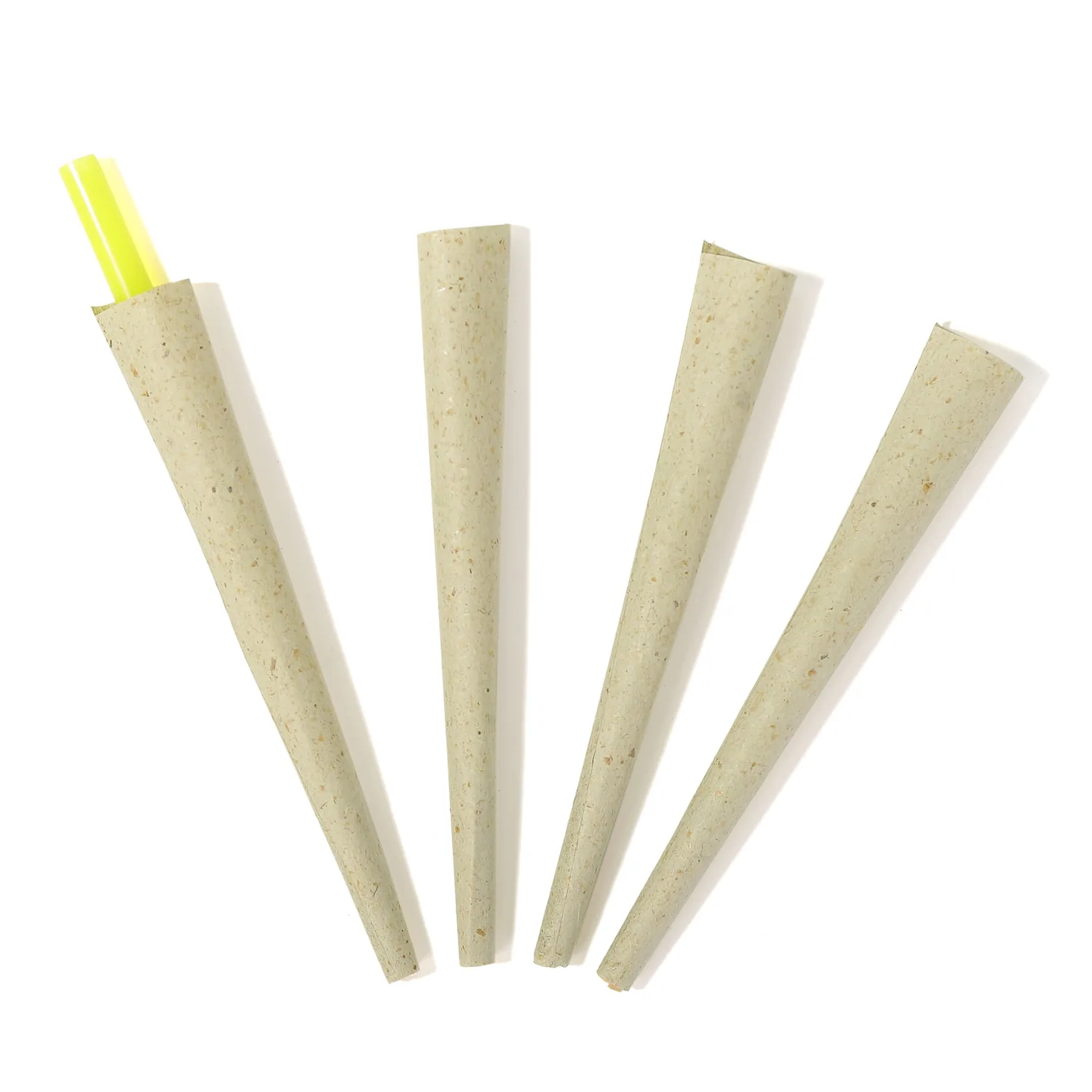
Summary: Porosity (sometimes discussed as permeability) measures how freely air moves through the paper structure. Higher porosity generally supports a more even, sustained burn because oxygen reaches the burning edge more consistently; lower porosity can lead to a paper that self-extinguishes more easily or burns unevenly.
| Property | Effect |
|---|---|
| Higher porosity | More even oxygen flow, sustained burn |
| Lower porosity | Can self-extinguish, uneven burn |
| Measured via | Lab permeability testing |
Key Takeaway: Porosity is a testable physical property that influences burn—not an adjective you can request without a number.
Quality framing: https://ace-rolling.com/quality-certifications/.
What Drives Burn Rate Beyond Porosity Alone?
Lead-in: Porosity is one input; fiber and additives matter just as much.
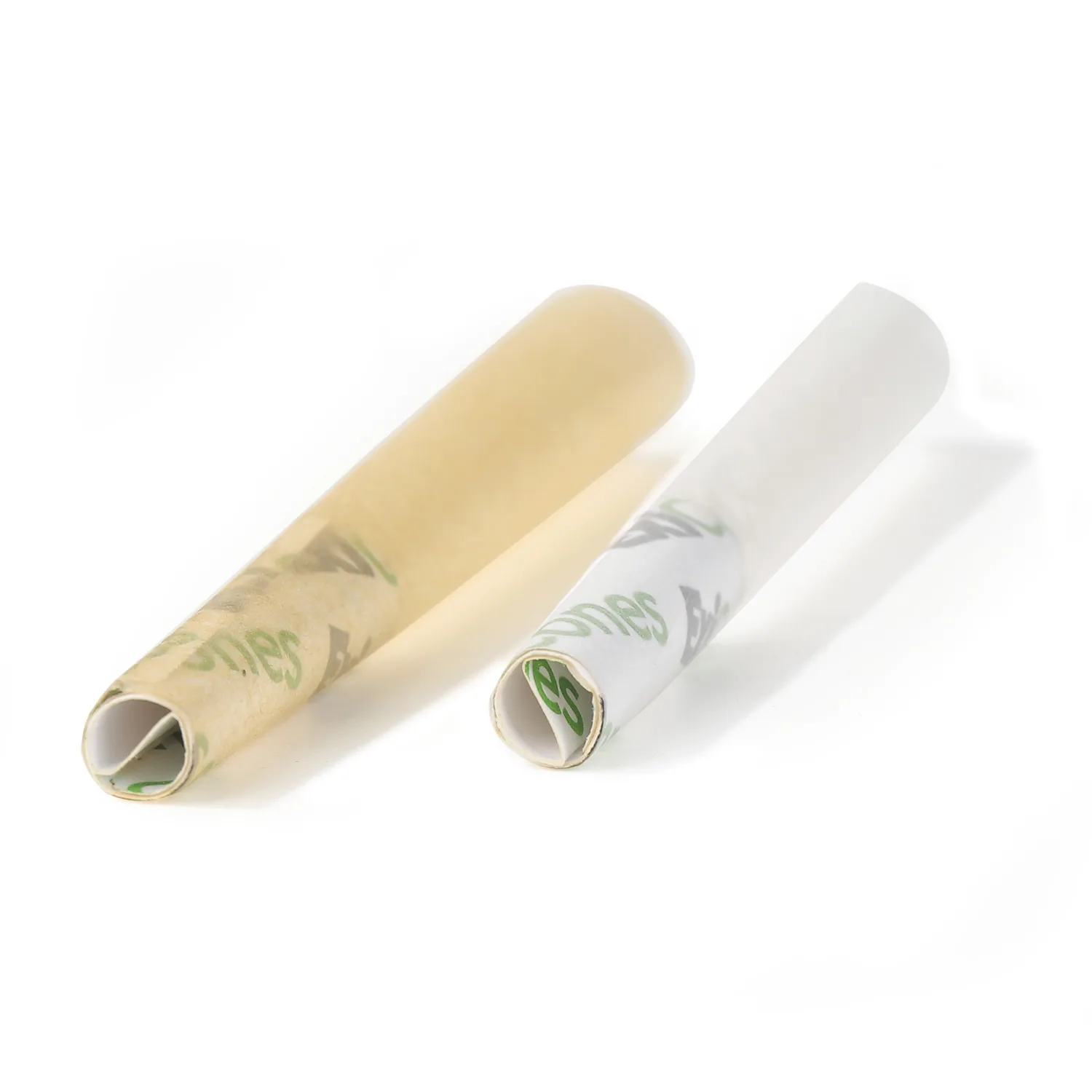
Summary: Burn rate is also shaped by fiber type (wood pulp, hemp, rice, flax), any burn-additive treatment, and paper thickness/GSM. Two papers with similar porosity can still burn at different rates if their fiber composition differs—don’t treat porosity as the only lever affecting burn behavior.
| Burn rate driver | Contribution |
|---|---|
| Porosity | Oxygen flow to burning edge |
| Fiber type | Base combustion characteristics |
| Additives | Can slow or modify burn |
| GSM/thickness | Affects fuel available per pass |
Key Takeaway: Brief fiber, additive, and porosity together—burn rate is a combined outcome, not a single-variable spec.
Material routes: https://ace-rolling.com/custom-rolling-papers/.
How Should You Define a Target Burn Rate in an RFQ?
Lead-in: “Slow burning” is not a spec a factory can quote against.
Summary: Define burn rate in comparative, testable terms—for example, “burn time should be within X% of [a named reference sample]” or “should match the burn profile of sample lot A provided with this RFQ.” Vague requests like “slow burning” leave interpretation entirely to the supplier and produce inconsistent results.

| Spec approach | Result |
|---|---|
| “Slow burning” (vague) | Inconsistent, unverifiable |
| Comparative to reference sample | Testable, verifiable |
| Numeric burn time range | Testable, most precise |
Key Takeaway: Request a comparative or numeric burn spec tied to a reference sample—vague adjectives don’t translate into consistent production.
Custom papers: https://ace-rolling.com/custom-rolling-papers/.
How Do You Test Porosity and Burn Rate on a Sample?
Lead-in: Validate the spec on physical samples before locking mass production.
Summary: Request multiple sample sheets from the same target production route, burn-test them under consistent conditions (same environment, same technique), and compare timing and evenness against your reference or target range. Test more than one sheet—natural material variation means a single test isn’t fully representative.

| Test step | Purpose |
|---|---|
| Multiple sample sheets | Accounts for natural variation |
| Consistent test conditions | Fair comparison |
| Compare to reference/target | Confirms spec is met |
Key Takeaway: Burn-test multiple sample sheets under consistent conditions—one test sheet isn’t enough to confirm a spec.
Sample process: https://ace-rolling.com/how-to-get-a-custom-rolling-paper-sample-kit/.
Does a Slower Burn Rate Always Mean Better Quality?
Lead-in: Burn rate is a preference dimension, not an absolute quality scale.
Summary: Slower burn isn’t automatically “better”—some markets and users prefer a faster, more traditional burn profile. Treat burn rate as a brand positioning and user-preference decision to spec deliberately, not a universal quality metric where slower always wins.
| Framing | Risk of assuming |
|---|---|
| “Slower = better” | May not match target user preference |
| Burn rate = one of many attributes | More accurate framing |
| Spec to your market | Correct approach |
Key Takeaway: Don’t default to “slowest possible burn” as your spec—define the target rate based on your actual user preference and market.
Positioning framing: https://ace-rolling.com/house-of-brands/.
Can Ace Rolling Match a Specific Porosity or Burn Target?
Lead-in: Matching a target starts with a reference sample or clear numeric spec.
Summary: Ace can work toward a target porosity or burn profile when buyers provide a reference sample or a clearly defined numeric spec in the RFQ. Feasibility and sample rounds confirm how closely the target can be matched with a given fiber and additive combination before any mass-quantity commitment.
| Step | Requirement |
|---|---|
| Reference sample or numeric spec | Buyer provides |
| Feasibility check | Confirmed before sampling |
| Sample round | Validates match before mass |
Key Takeaway: Bring a reference sample or numeric target to the RFQ—”match this” is far more actionable than “make it slow burning.”
OEM programs: https://ace-rolling.com/oem-odm-rolling-paper-manufacturer/.
How Do You Brief a Porosity/Burn Rate Spec for Your Order?
Lead-in: One brief with a reference sample settles the spec clearly.
Summary: Send Ace your fiber preference, a reference sample or numeric burn/porosity target, target quantity, destination, and timeline. Request multi-sheet sample burn testing against your reference before approving mass production, and treat the spec as testable rather than descriptive.
| Step | Action |
|---|---|
| 1 | Provide reference sample or numeric spec |
| 2 | Confirm fiber/additive combination |
| 3 | Burn-test multiple sample sheets |
| 4 | Compare against reference |
| 5 | Approve mass after match confirmed |
Key Takeaway: A reference sample is the fastest way to communicate a burn rate target—descriptions alone leave too much open to interpretation.
Start: https://ace-rolling.com/contact/.
FAQ
What porosity and burn rate specs should wholesale buyers set?
Set a target porosity/permeability range and a burn rate benchmark defined in comparative or numeric terms tied to a reference sample—not a vague descriptor like “slow burning.” Burn rate is shaped by porosity, fiber type, additives, and paper thickness together, so brief these factors as a combined spec and validate the result with multi-sheet sample burn testing.
Does higher porosity always mean a better-burning paper?
Not automatically. Higher porosity generally supports more even oxygen flow and a sustained burn, but burn rate also depends on fiber type, additives, and thickness. Two papers with similar porosity can still burn differently based on fiber composition, so porosity should be briefed alongside fiber and additive choices, not evaluated as the only variable.
How do I write a testable burn rate spec instead of a vague one?
Define it comparatively or numerically—for example, “burn time should be within a stated percentage of a named reference sample” rather than “slow burning.” A reference sample or numeric target gives your supplier something concrete to test against, while a vague adjective leaves interpretation up to them and produces inconsistent results across production runs.
How should I test whether a sample meets my burn rate target?
Request multiple sample sheets from the same target production route and burn-test them under consistent conditions—same environment, same technique—comparing timing and evenness against your reference or numeric target. Testing more than one sheet matters because natural material variation means a single test result isn’t fully representative of production consistency.
Is a slower burn rate always the better choice for my brand?
No. Burn rate is a preference and positioning dimension, not an absolute quality scale—some markets and users prefer a faster, more traditional burn profile. Rather than defaulting to “slowest possible,” define your target burn rate based on your actual user preference and market positioning, then spec it deliberately with a reference sample.
Can Ace Rolling match a specific porosity or burn rate target?
Yes, when buyers provide a reference sample or a clearly defined numeric spec in the RFQ. Ace confirms feasibility and runs a sample round to validate how closely the target can be matched with a given fiber and additive combination before any mass-quantity commitment—bringing a reference sample is far more actionable than a descriptive request alone.
Ready to Spec a Porosity or Burn Rate Target?
Bring a reference sample or numeric target to your RFQ and validate it with multi-sheet burn testing.
- Custom papers: https://ace-rolling.com/custom-rolling-papers/
- Sample process: https://ace-rolling.com/how-to-get-a-custom-rolling-paper-sample-kit/
- Quote: https://ace-rolling.com/contact/