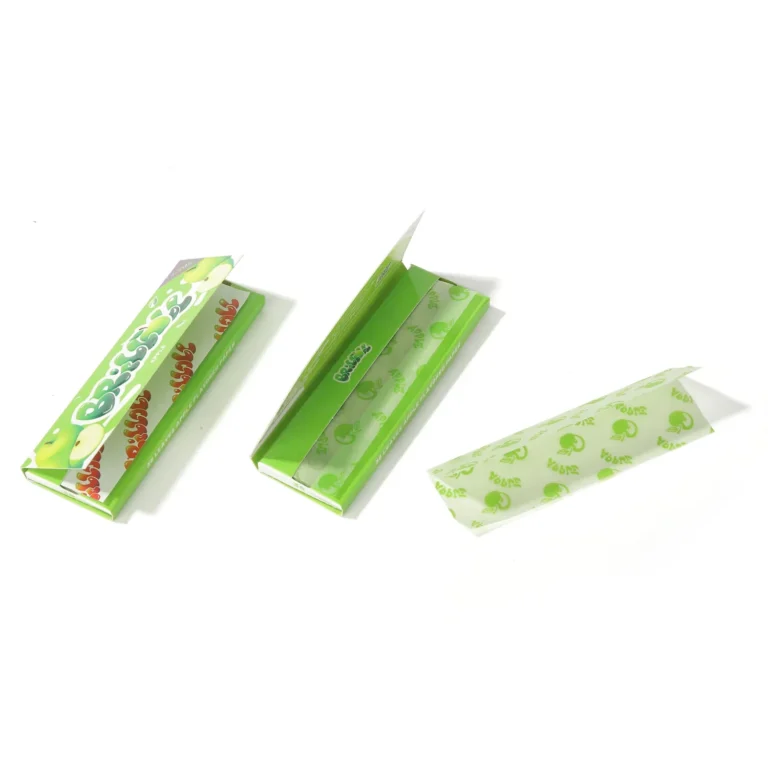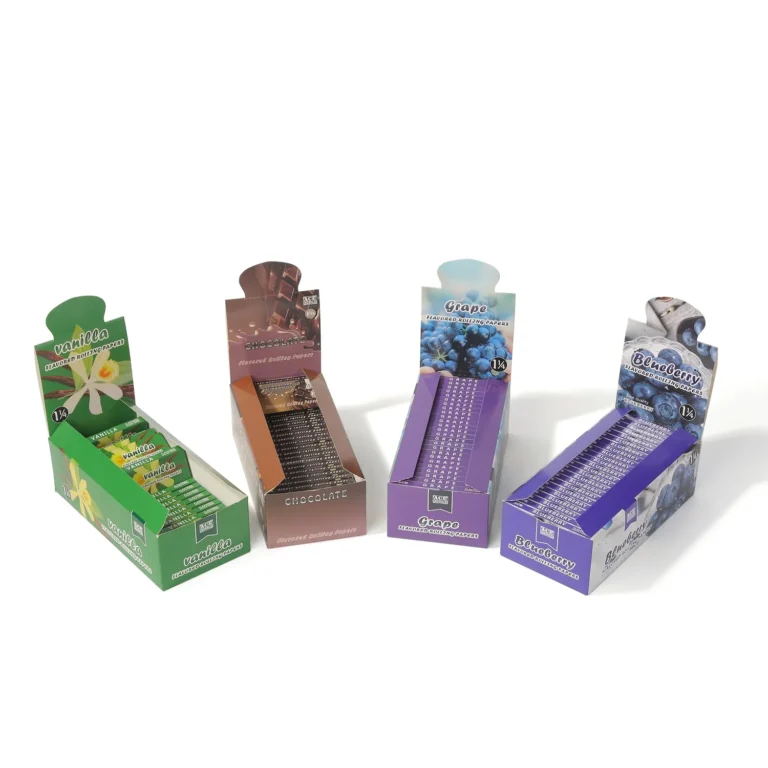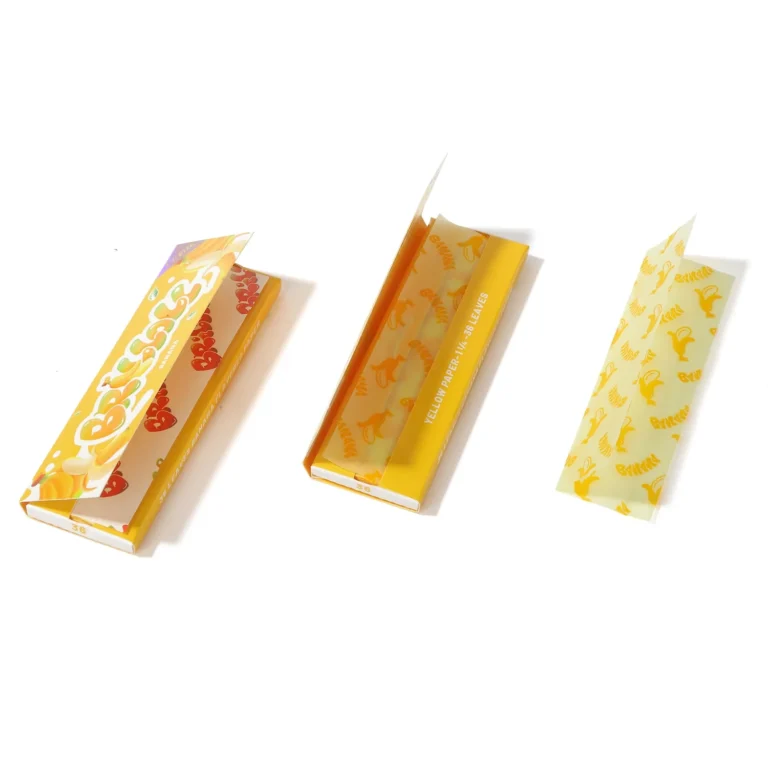

What is the MOQ for custom branded rolling papers? It depends on customization depth: some cover-only trials start near low hundreds, full custom print often starts around 1,000 booklets on brand suppliers, and Ace Rolling commonly plans from about 2,000 units after samples.
This guide is for brand owners, distributors, and dispensary buyers sizing a first private-label run. Treat competitor MOQs as market context, then confirm Ace Rolling on a written quote for your exact size, material, print, and packaging.
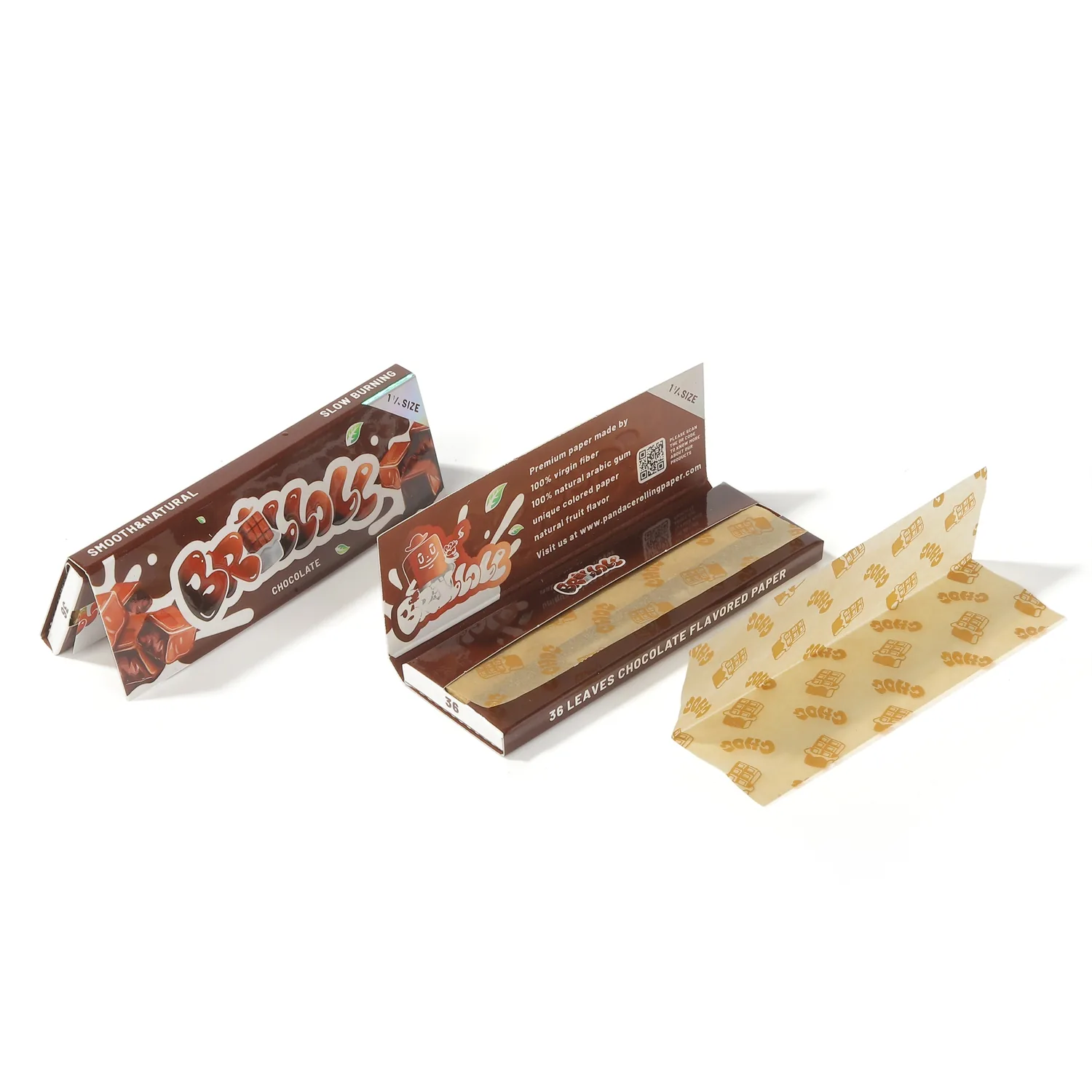
What Does MOQ Mean for Branded Papers?
Lead-in: MOQ is not a vanity number—it is the smallest run where print setup, paper converting, and packing labor stop destroying your unit cost.
Summary: For branded rolling papers, MOQ is the minimum booklets (or cartons) a factory will produce with your artwork and agreed specs before the job is worth scheduling.
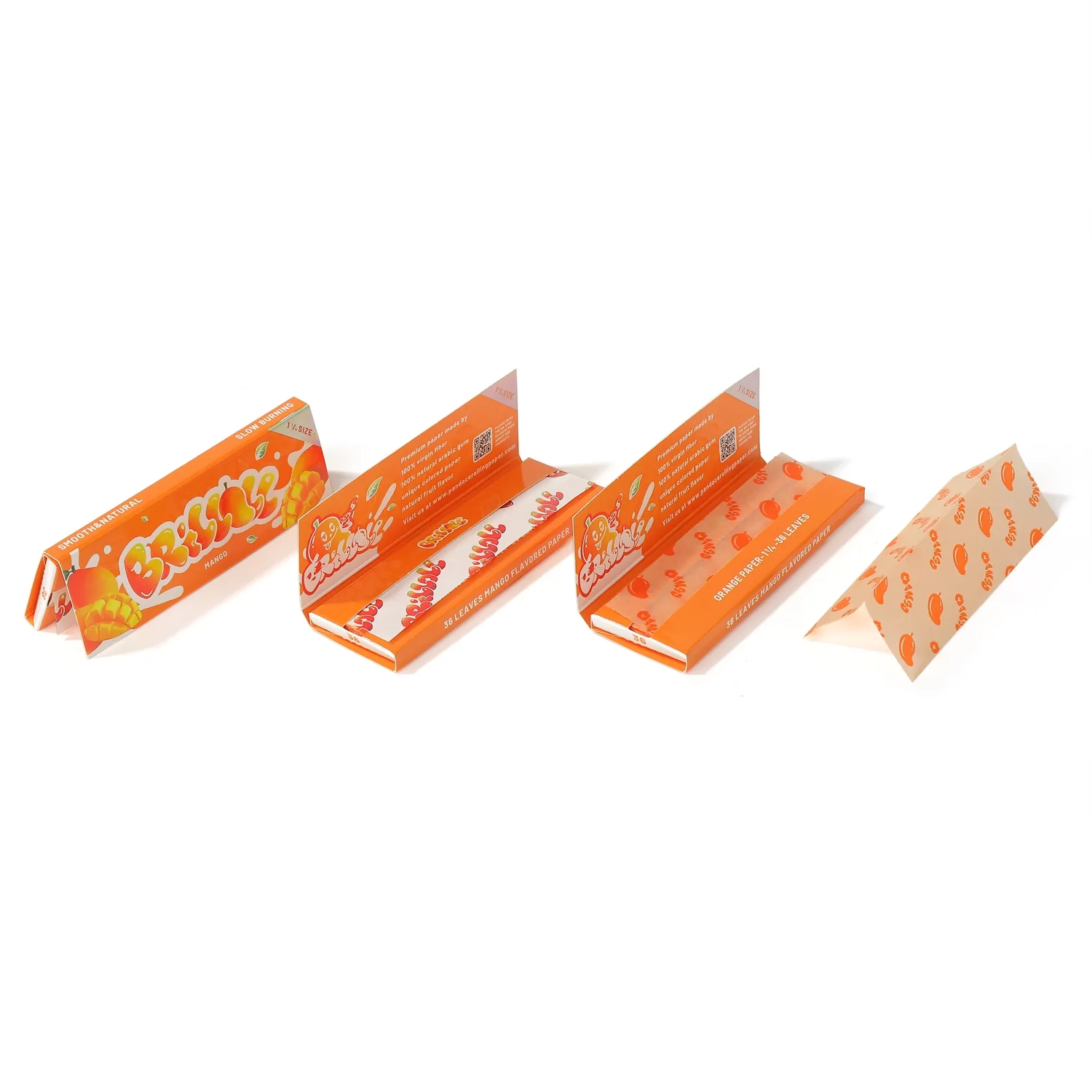
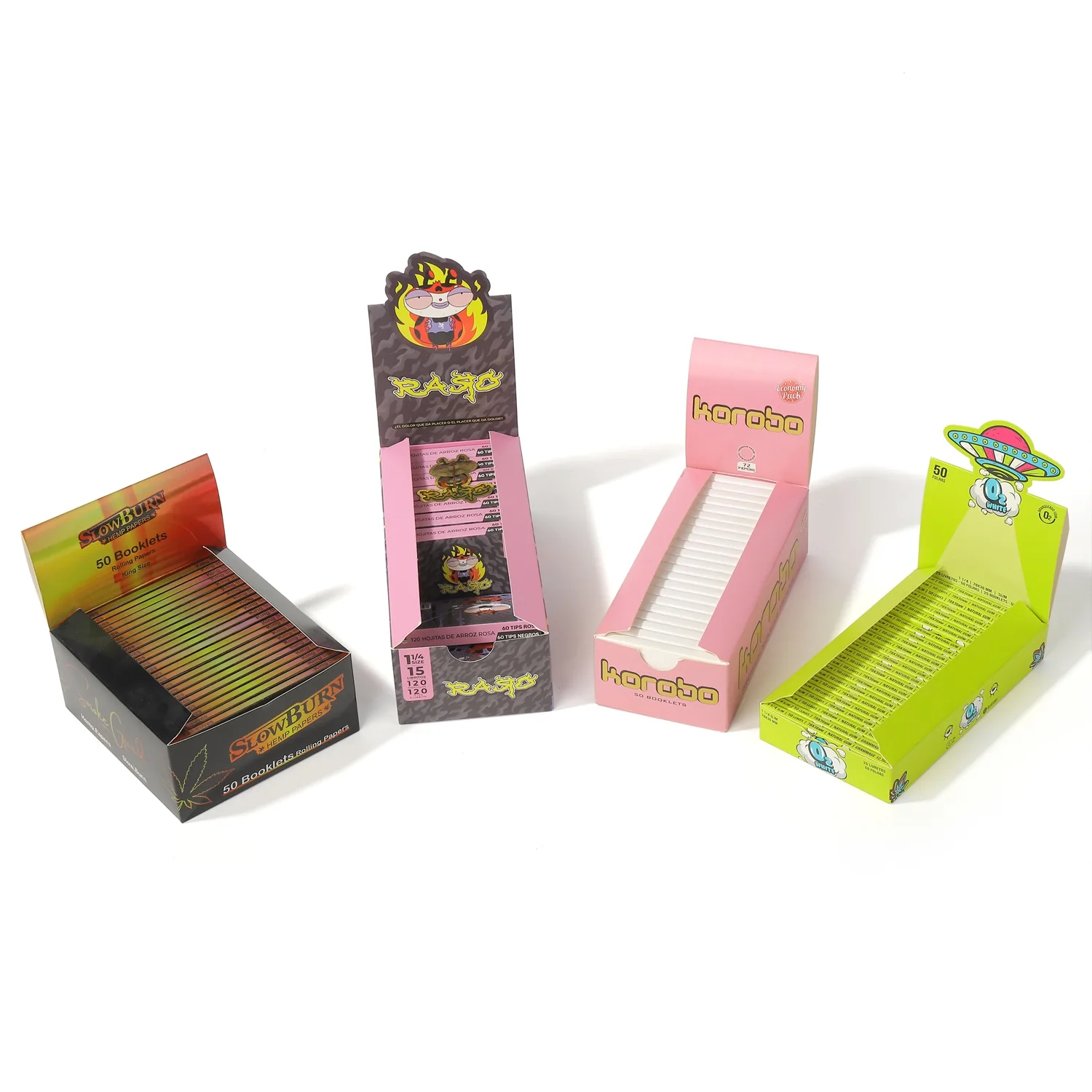
Factories quote MOQ after they know how many variables you change. Cover print on a stock booklet is a different job from new fiber, watermark, gum width, and custom display trays. Roll Your Own Papers’ 2026 bulk-order guide frames a branded bulk order as a large-quantity purchase that typically starts at 1,000 units for fully custom work—because below that, setup cost per booklet becomes unworkable for most buyers.
| Term | Practical meaning for buyers |
|---|---|
| MOQ | Smallest payable production lot for your locked SKU |
| Setup cost | Plates, dielines, ink changeovers, first-article checks |
| Unit cost | What you pay per booklet after setup is amortized |
| Retained sample | Physical standard both sides keep before reorder |
Key Takeaway: Treat MOQ as the smallest lot that absorbs setup for *your* print depth—not a universal industry constant.
See booklet and branding routes at https://ace-rolling.com/custom-rolling-papers/.
How Do Market MOQs Compare by Customization Depth?
Lead-in: Search results mix “low MOQ” cover stickers with true OEM converting—buyers who confuse them under-order or overpay.
Summary: Cover-branded trials can be far lower than full custom print; Ace’s common planning band sits near about 2,000 after samples, which is a factory program—not a marketplace reprint.
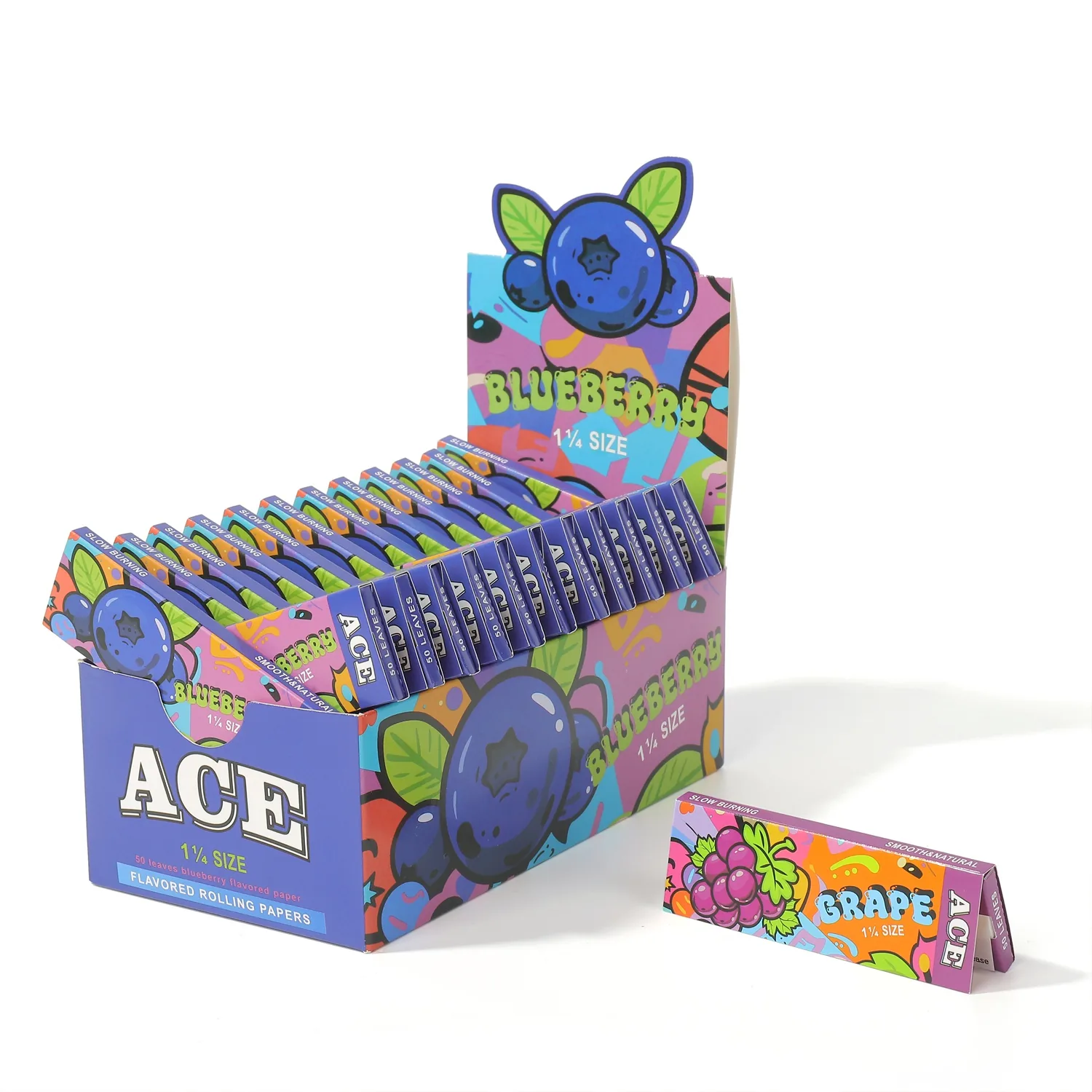
Attributed market bands (not Ace list prices):
| Customization depth | Market MOQ band (attributed) | Typical buyer use |
|---|---|---|
| Cover-branded on stocked sizes | MunchMakers cites trials from ~100 booklets | Shelf tests, budtender feedback |
| Fully custom print run | MunchMakers ~1,000; RYOP bulk often from 1,000 | First serious brand launch |
| Ace Rolling OEM / private label | Commonly from about 2,000+ by spec | Repeatable factory program |
| Deep exclusive fiber / high export MOQ | Some exporters quote much higher per SKU | Multi-market scale programs |
RYOP also notes tier jumps: moving from 1,000 toward 5,000, then toward 25,000, can cut per-booklet cost sharply—sometimes about 35% or more versus base MOQ at the high end in their framing. Use those tiers to plan inventory, not to invent Ace discounts.
Key Takeaway: Compare MOQs only inside the same customization depth—or you are comparing different products.
OEM program overview: https://ace-rolling.com/oem-odm-rolling-paper-manufacturer/.
What Drives MOQ Up or Down?
Lead-in: Two quotes with the same “MOQ 2,000” can hide totally different risk if one SKU is simple cover print and the other is multi-finish packaging.
Summary: Size, material, print method, finishes, leaf count, and packaging architecture are the levers that move minimums and unit economics.
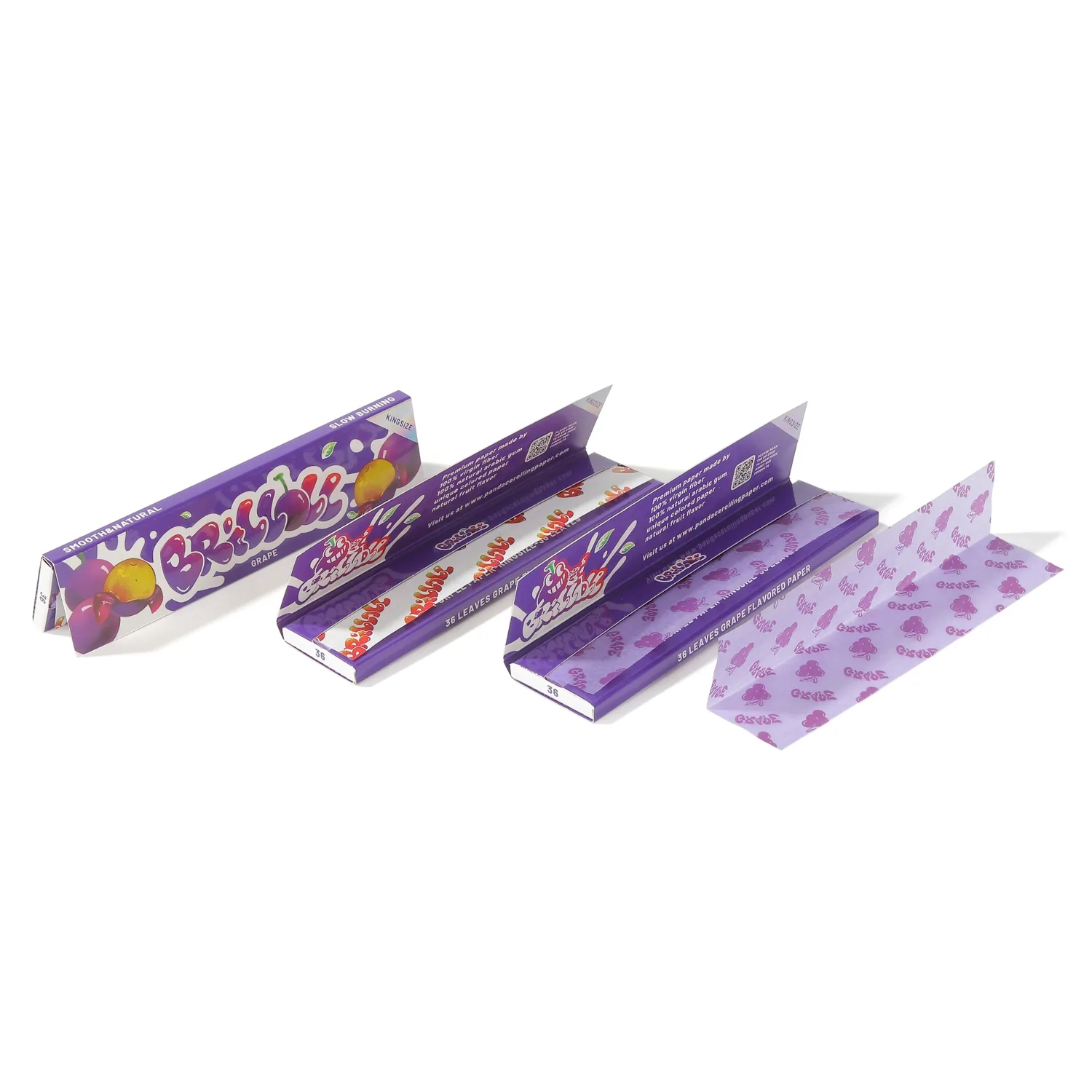
| Lever | Usually lowers workable MOQ | Usually raises MOQ / cost |
|---|---|---|
| One cover design, digital short-run logic | Multi-Pantone, foil, emboss, watermark | |
| Paper | Standard hemp / pulp SKUs already on machine | Exclusive GSM, blend, or rice-style trials |
| Format | One size, one leaf count | Multi-size launch in one PO |
| Packaging | Simple booklet + master carton | Magnetic boxes, multi-tray displays |
| Docs | Standard export pack | Extra certification paperwork mid-job |
Digital vs offset also matters in brand-supplier guides: digital often fits lower branded volumes; offset plate cost favors larger runs with tighter color lock. Ask which process your artwork requires before you fight the MOQ number.
Key Takeaway: Cut variables first if you need a lower first MOQ; add finishes after sell-through proves the hero SKU.
Factory production context: https://ace-rolling.com/about-factory/.
How Should a New Brand Size the First Order?
Lead-in: Ordering “the absolute minimum” can still strand cash if you cannot sell through before the next reorder window.
Summary: Size the first PO to cover a realistic sell-through window (many B2B guides suggest roughly four to six months of demand plus a small buffer), then reorder on a retained sample—not on memory.
| Brand stage | First-order sizing habit | Risk if ignored |
|---|---|---|
| Pop-up / single door | Near supplier MOQ floor for one hero size | Stockout after a good weekend |
| Multi-door regional | 4–6 months forecast + 10–15% buffer (RYOP-style planning) | Dead stock across slow SKUs |
| Chain / wholesale | Tier into volume breaks only after sample proof | Color drift between rushed lots |
Ace Rolling’s common planning floor of about 2,000 units is a starting conversation for many booklet and cone programs—still confirm because size, print, filter, and carton structure change the number. Do not launch five sizes at once if cash only supports one hero.
Key Takeaway: First MOQ should match sell-through math and one retained hero SKU—not a full catalog fantasy.
Cone programs use a different pack math—see https://ace-rolling.com/pre-rolled-cones/.
What Lead Time Sits Behind the MOQ Number?
Lead-in: A low MOQ that lands in eight weeks too late for your launch is still a bad buy.
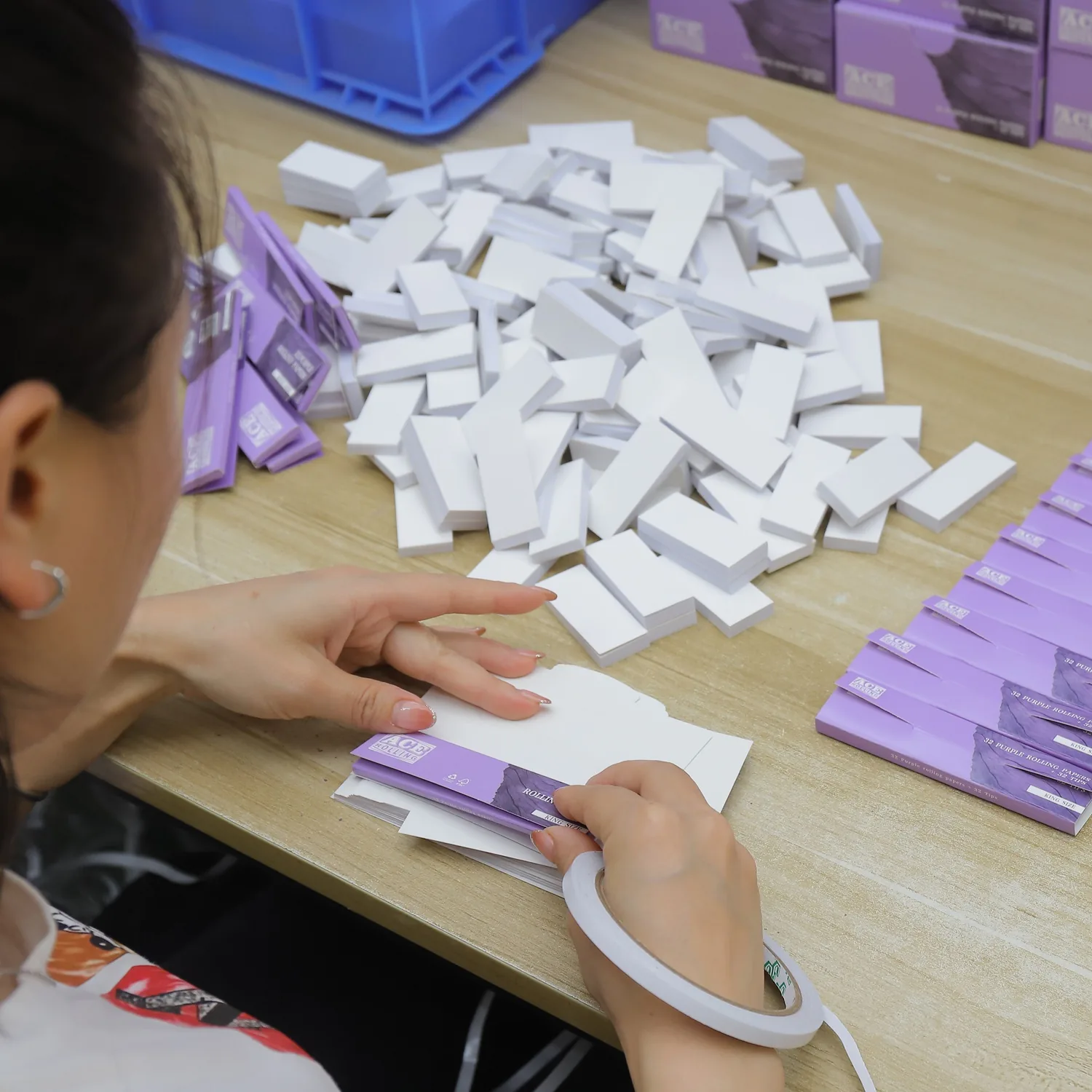
Summary: Ace Rolling typically plans about two months from concept to delivery for private-label papers, with mass production often about four to five weeks after specs and proofs are approved—freight still sits on top.
| Phase | Planning band (Ace) | What stretches it |
|---|---|---|
| Brief + artwork | Inside the ~2-month concept window | Late dieline changes |
| Sampling / proofing | Before mass start | Extra revision rounds |
| Mass production | Often ~4–5 weeks after approvals | Multi-SKU changeovers |
| Pack + ship | After QC | Sea vs air choice |
Brand-supplier blogs sometimes quote shorter production-only windows for simple digital cover jobs. Factory OEM with export cartons should be scheduled on the fuller concept-to-delivery clock.
Key Takeaway: Put MOQ and lead time on the same Gantt—never approve a minimum lot you cannot receive on time.
Quality and document requests: https://ace-rolling.com/quality-certifications/.
What Should You Lock Before the Factory Quotes MOQ?
Lead-in: Vague RFQs produce either padded MOQs or optimistic MOQs that break after artwork arrives.
Summary: Freeze format, material, size, leaf count, print scope, packaging, destination docs, and sample path before you treat any minimum as real.

| Lock item | Why MOQ moves without it | Send this |
|---|---|---|
| Size + leaf count | Different blanks and folders | Millimeter sheet + count |
| Material / GSM | Paper source and machine setup | Fiber + target GSM |
| Print scope | Cover only vs sheet watermark vs finishes | Artwork + finish list |
| Packaging | Carton count and display tooling | Dieline preference |
| Destination | Labels and cert paperwork | Country + required docs |
| Sample gate | Prevents bulk surprises | Written approval ID |
If you need industrial bobbins instead of retail booklets, MOQ language changes again—plan on https://ace-rolling.com/industrial-jumbo-rolls/.
Key Takeaway: No locked brief, no trustworthy MOQ—only a placeholder.
Which Ace Rolling Option Fits Your MOQ Plan?
Lead-in: Ace Rolling is a manufacturer for private-label and OEM programs—not a reseller of RAW, Rizla, or OCB.
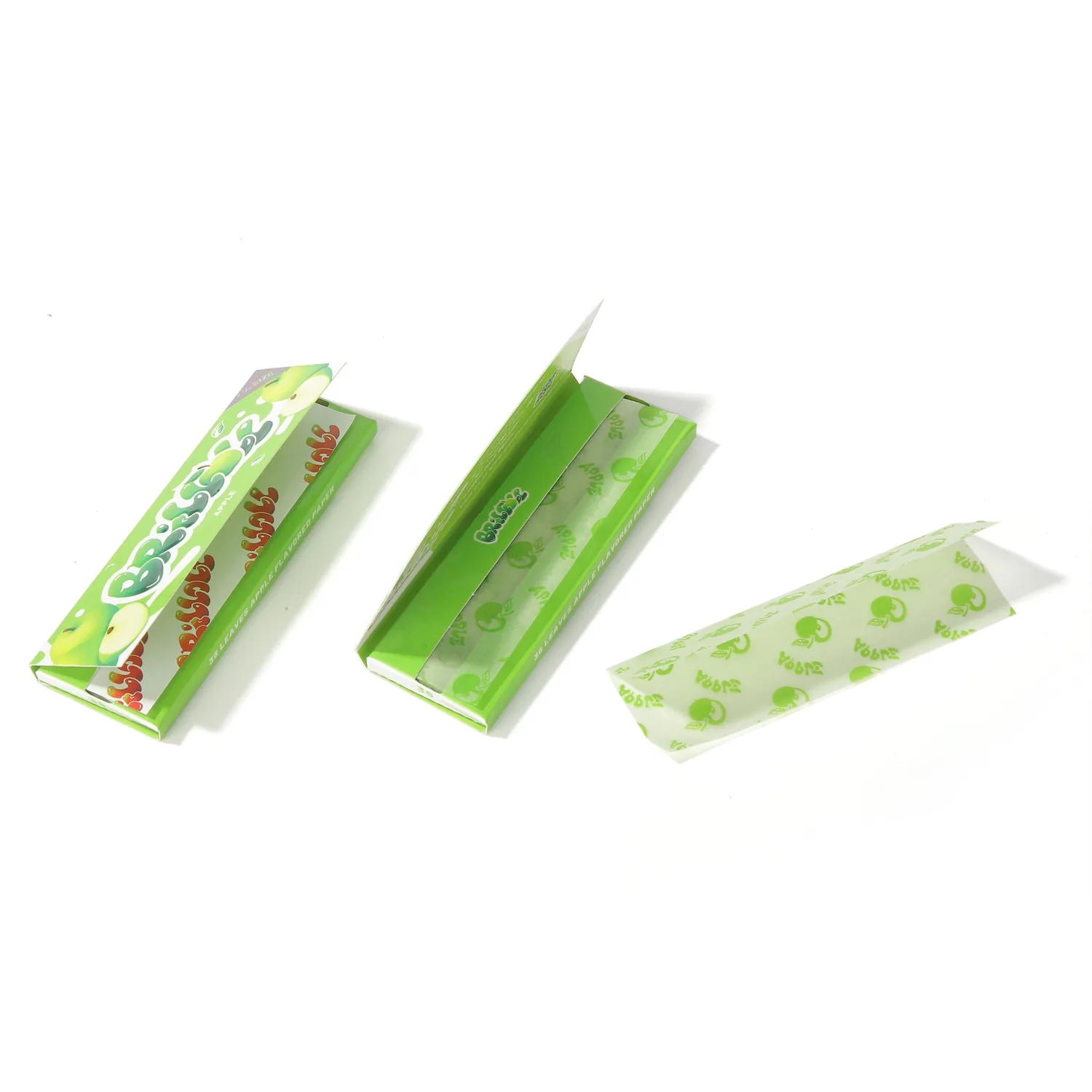
Summary: Start with one booklet or cone hero near the about-2,000 planning band, prove burn and packaging on retained samples, then scale tiers after sell-through.
| Your situation | Ace starting path | What to send for quote |
|---|---|---|
| New brand, one hero booklet | Custom rolling papers program | Size, material, artwork, qty, destination |
| Deeper OEM / multi-SKU later | OEM/ODM manufacturer path | Spec sheet + launch calendar |
| Pre-roll producers | Pre-rolled cones program | Cone length, paper, tip, fill method |
| Need samples then bulk | Contact / quote | Sample request + target MOQ band |
Key Takeaway: Use Ace’s about-2,000 planning baseline as a conversation starter, then let your locked SKU set the final minimum.
Request a quote at https://ace-rolling.com/contact/ with format, material, size, print scope, packaging, destination, and estimated quantity. Product entry point: https://ace-rolling.com/custom-rolling-papers/.
FAQ
What is the MOQ for custom branded rolling papers?
It varies by customization depth. Brand-supplier guides often place fully custom branded bulk near 1,000 booklets, while cover-only trials can be lower. Ace Rolling commonly plans private-label programs from about 2,000 units after samples, depending on size, material, print, and packaging. Confirm the final minimum on a written quotation for your SKU.
Why do some suppliers advertise much lower MOQs?
Lower figures usually describe cover branding on stocked blanks or digital short runs—not full OEM converting with exclusive paper and export cartons. Compare print scope, retained-sample rules, and packaging before you treat a low MOQ as equivalent. Ace Rolling quotes factory programs against locked specs rather than marketplace reprint assumptions.
Does a higher MOQ always mean a better unit price?
Volume tiers often improve unit cost—RYOP notes meaningful drops as buyers move from base MOQ toward mid and high tiers—but only if you can sell the inventory. Dead stock erases the “savings.” Ace Rolling buyers should match tier breaks to forecast and keep one retained sample for consistent reorders.
How long does an Ace Rolling private-label order take around MOQ?
Ace Rolling typically plans about two months from concept to delivery for retail-ready rolling papers. Mass production is commonly about four to five weeks after specifications and proofs are approved. Freight mode and late artwork changes still move the arrival date, so lock the brief early.
Can I mix several sizes in one first MOQ?
You can ask, but multi-size first launches raise complexity, changeovers, and cash risk. Most new brands should prove one hero size at the planning MOQ, then add sizes on reorder. Send Ace Rolling a single-size brief first if cash and warehouse space are limited.
What should I send to get an accurate Ace MOQ quote?
Send product format and size, paper material and color, print or artwork status, packaging format, estimated quantity, destination country, and any document needs. Include filling-method notes if cones are involved. Use https://ace-rolling.com/contact/ so the factory can return a dated MOQ and lead-time band for your exact SKU.