
What rolling papers burn the slowest? There is no single brand that always wins. The slowest burn usually comes from ultra-thin, carefully made specialty papers—often rice-style or well-engineered hemp and bamboo—combined with even packing, sensible moisture, and steady airflow. Thick, high-porosity wood-pulp papers and poorly packed rolls burn faster and canoe more often, even if the pack says “slow burn.”
Retail tips articles often emphasize paper choice plus technique and humidity. That direction is right. Treat precise “burns X% longer” marketing claims as unverified unless you run your own timed tests.
What Actually Makes a Paper Burn Slowly?
Slow burn is a system, not a logo. Four paper factors matter first:
| Factor | Why it changes burn speed |
|---|---|
| Grammage (GSM) | Thinner sheets generally mean less paper mass burning at the tip |
| Porosity | Lower porosity restricts oxygen; high porosity can race the burn |
| Fiber / material | Rice, hemp, bamboo, and wood pulp behave differently in real fills |
| Construction aids | Watermarks and even density help prevent canoeing more than raw “slowness” alone |
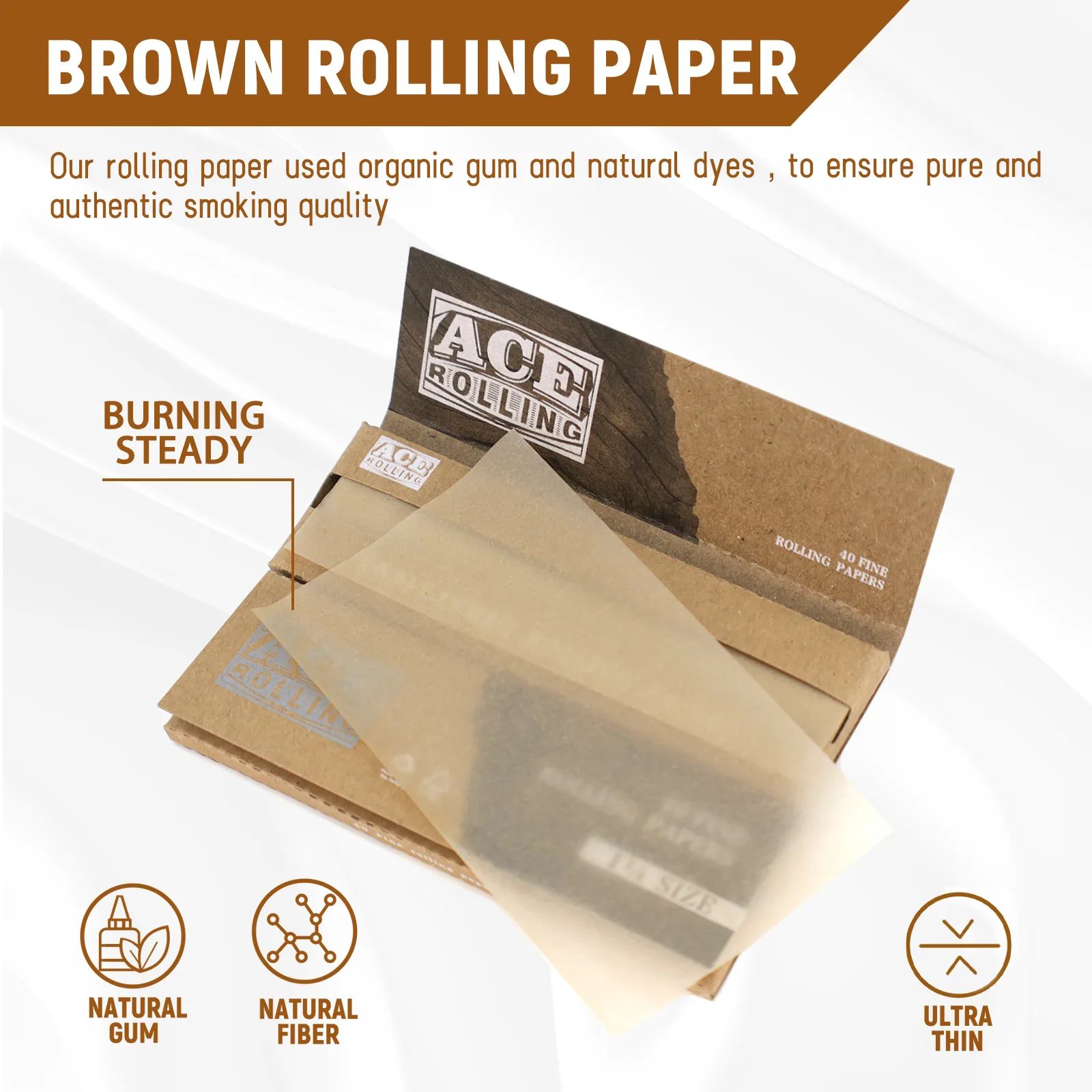
Ace Rolling markets ultra-thin options (including 10gsm positioning on flagship messaging) and slow-burn watermark construction as burn-control tools. Exact burn time still depends on your fill, roll tightness, and environment—so approve production-intent samples.
Which Materials Are Usually Slowest?
Industry guides commonly rank materials like this for burn pacing—use it as a starting map, then sample:
Rice-style / ultra-thin specialty papers
Often cited as among the slowest and most flavor-neutral because they are very thin and can be engineered for controlled porosity. Trade-off: harder for beginners; tear risk rises if humidity is wrong or hands are rough.
Hemp papers
Frequently positioned for slower, more even sessions than basic wood pulp, with better handling strength than the thinnest rice sheets. Many cannabis-adjacent shoppers expect hemp for “natural + slow” merchandising.
Bamboo papers
Often marketed for eco positioning with controlled burn and light ash. Useful when your brand needs a bamboo story and documented material path.
Wood pulp (classic)
Usually the everyday baseline—often easier to roll, sometimes faster or less “clean” tasting depending on GSM and bleaching. Unbleached fine wood pulp can still burn steadily when GSM and packing are right.
Cellulose / clear papers
Sometimes described as very slow-burning plant-film options. They are a specialty niche; test for taste, legality claims, and handling before locking a brand SKU.
Does Thinner Always Mean Slowest?
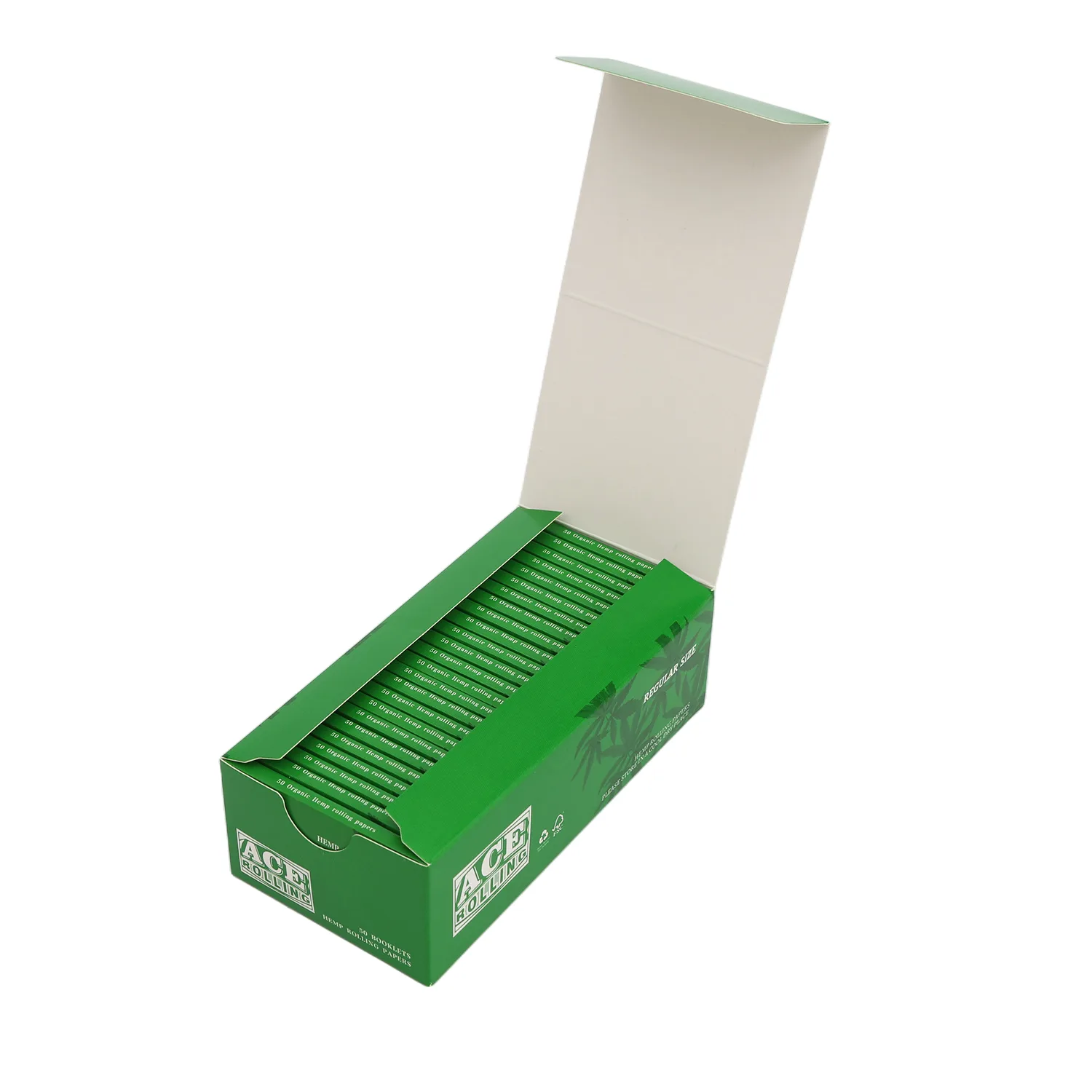
Usually thinner helps, but not if the paper is so weak it tears, or so porous it feeds oxygen. Guides often point buyers toward a low-GSM “ultra-thin” band and warn that thicker sheets (higher GSM) can burn more paper mass. Ace Rolling’s ultra-thin messaging (including 10gsm) sits in that thin-paper category—confirm the exact GSM on your quotation and sample sheet.
Also watch lot consistency. A slow-burn SKU that varies by half a feel between cartons will not stay “slowest” on your shelf.
Technique Often Beats the Pack Claim
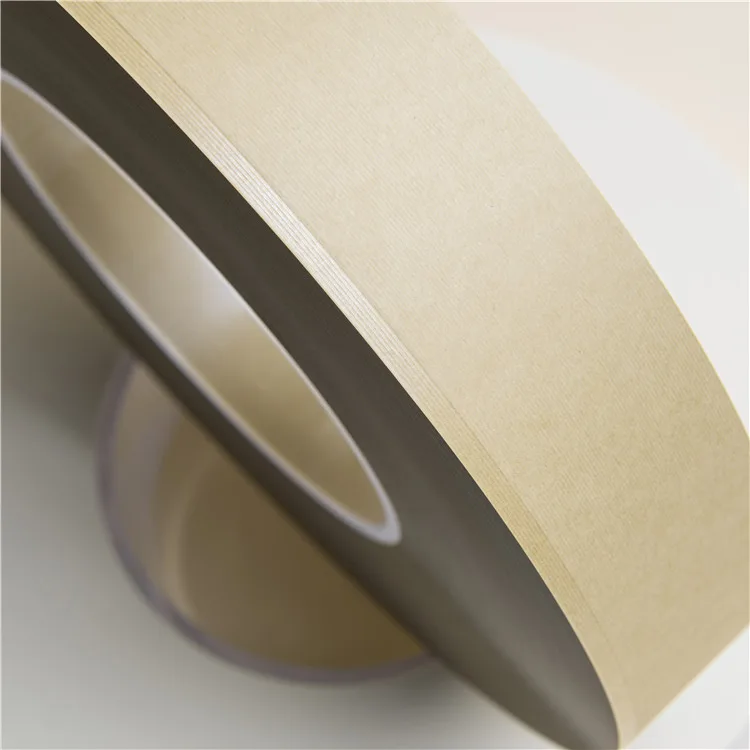
Even the best slow-burn paper fails with bad construction. Before blaming the brand:
- Grind evenly — powder races; chunky bits canoe
- Keep moisture moderate — bone-dry flower flashes; soaked flower tunnels and relights
- Pack evenly — tight spots starve airflow; loose spots race
- Seal cleanly — wet gum lines and wrinkles create runaway edges
- Mind wind and humidity — outdoor gusts erase paper advantages
If two papers are close on GSM, the better roller usually “wins” the slow-burn contest.
Booklets vs Cones: Does Format Change Burn Speed?
Format changes how density is controlled:
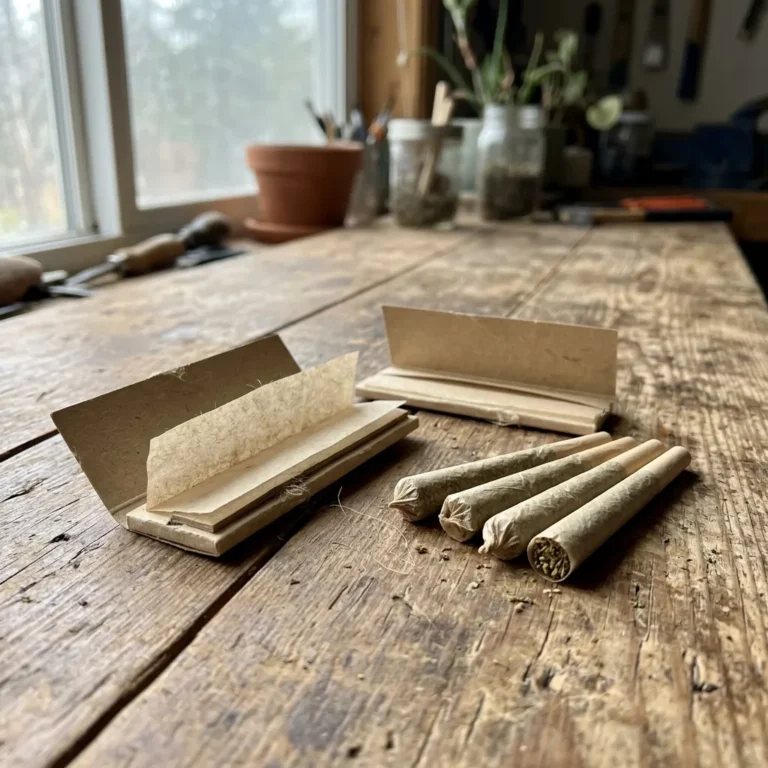
- Booklets give rollers full control—and full responsibility—for packing
- Pre-rolled cones standardize shape; burn still depends on how evenly you fill
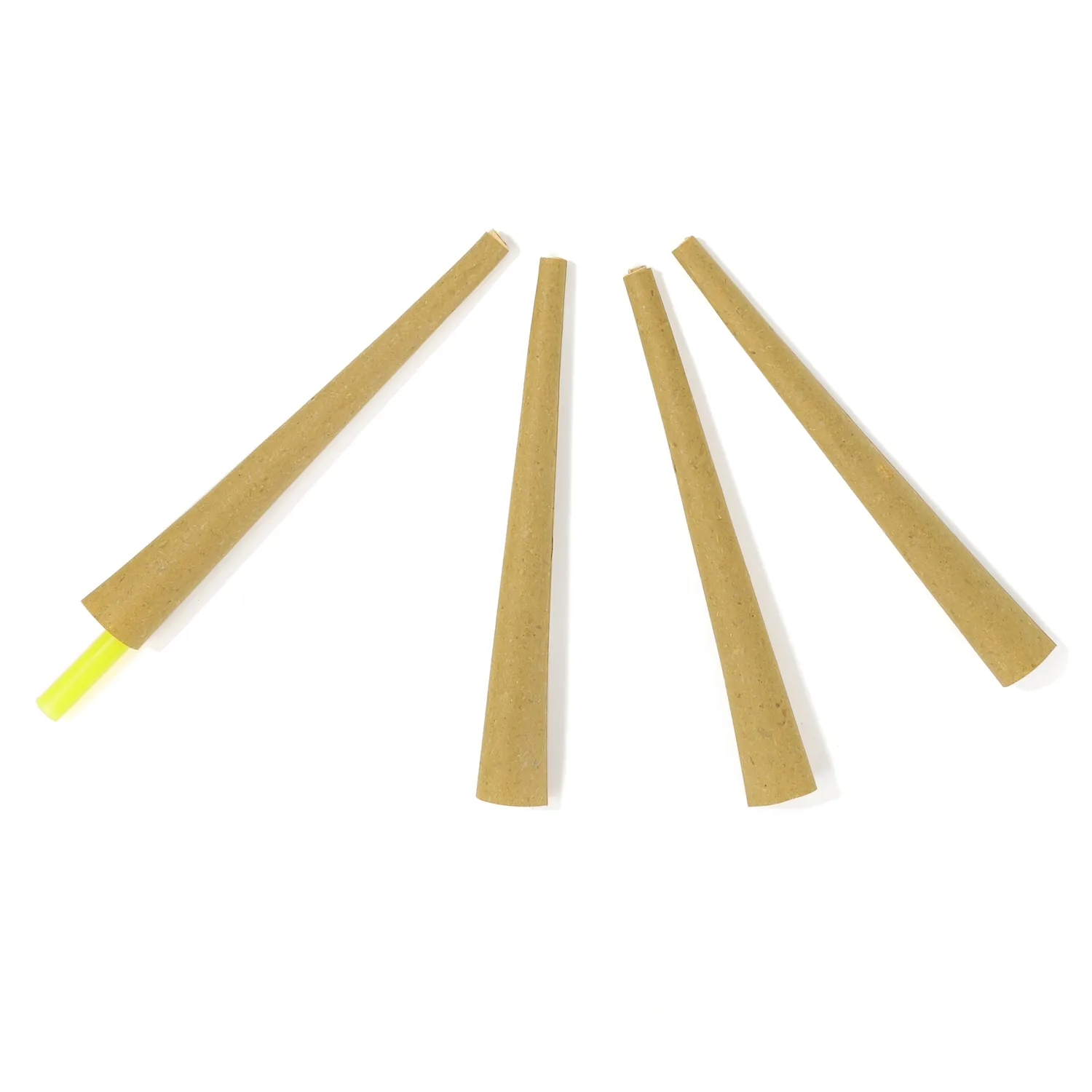
Unbleached or hemp cones can support slow-burn positioning, but overpacking the tip will still canoe. Test cones the same way you test flat papers: same flower, same environment, timed observation.
How Should Buyers Test “Slowest” Before Ordering Bulk?
Run a controlled burn test—not a vibe check:
| Test step | What to lock |
|---|---|
| Same flower | Same strain, grind, and moisture for every paper |
| Same size | Compare king to king, 1¼ to 1¼ |
| Same roller or same cone fill method | Remove technique noise |
| Observe | Time to finish, canoeing, relights, ash behavior, taste |
| Retain sample | Keep the winning sheet as the production standard |
For private-label programs, write GSM target, material, watermark preference, and “even burn / low canoe” acceptance notes into the brief. Ace Rolling can produce wood pulp, hemp, and bamboo directions with ultra-thin and watermark options—then you approve burn performance before mass production.
Flavored Papers and Slow Burn
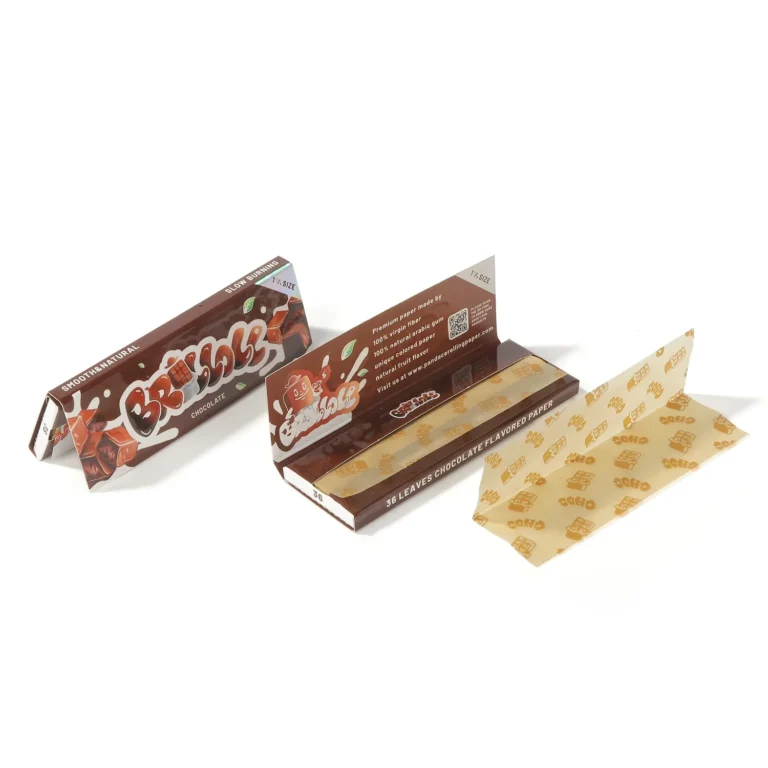
Flavored coatings can change burn behavior. Sugar-based or heavy flavor layers may accelerate edges or create uneven fronts even when the base sheet is thin. If maximum session length is the goal, start with unflavored ultra-thin candidates, then add flavor only after burn tests pass in your market and regulatory context.
What Should You Choose If Slow Burn Is the Priority?
- Start with ultra-thin rice-style or premium hemp/bamboo candidates
- Avoid thick beginner wood pulp if maximum session length is the only goal
- Prefer papers with even construction (watermark / density control) over slogans alone
- Fix packing and moisture before switching brands again
- For a house brand, sample Ace Rolling materials and lock the winner into OEM specs
Send Ace Rolling your preferred material, target thinness/GSM feel, size, booklet vs cone, quantity, and destination for a sample-led quote. Many custom programs start around 2,000 units.
FAQ
What rolling papers burn the slowest?
The slowest-burning rolling papers are usually ultra-thin, low-porosity specialty papers—often rice-style or carefully made hemp and bamboo—used with even packing. No single retail brand is automatically slowest in every fill and climate. Compare GSM, material, and burn samples under the same conditions before deciding.
Do hemp papers burn slower than wood pulp?
Hemp papers are often positioned to burn slower and more evenly than basic wood-pulp booklets, especially in thinner constructions. Results still depend on exact GSM, porosity, and how tightly you pack. Sample hemp and wood pulp side by side with the same flower before locking a wholesale or OEM SKU.
Does thinner GSM always burn slower?
Thinner GSM usually supports a slower burn because less paper mass is burning at the tip, which is why ultra-thin papers are marketed for extended sessions. Extremely porous or poorly packed thin papers can still race or canoe. Confirm the quoted GSM and run a timed burn test on production-intent samples.
Can Ace Rolling make private-label slow-burn rolling papers?
Yes. Ace Rolling manufactures private-label and OEM rolling papers and cones in materials such as wood pulp, hemp, and bamboo, including ultra-thin and slow-burn watermark options. Approve burn performance on samples before bulk. Share material preference, size, format, quantity, and destination for a factory quote.