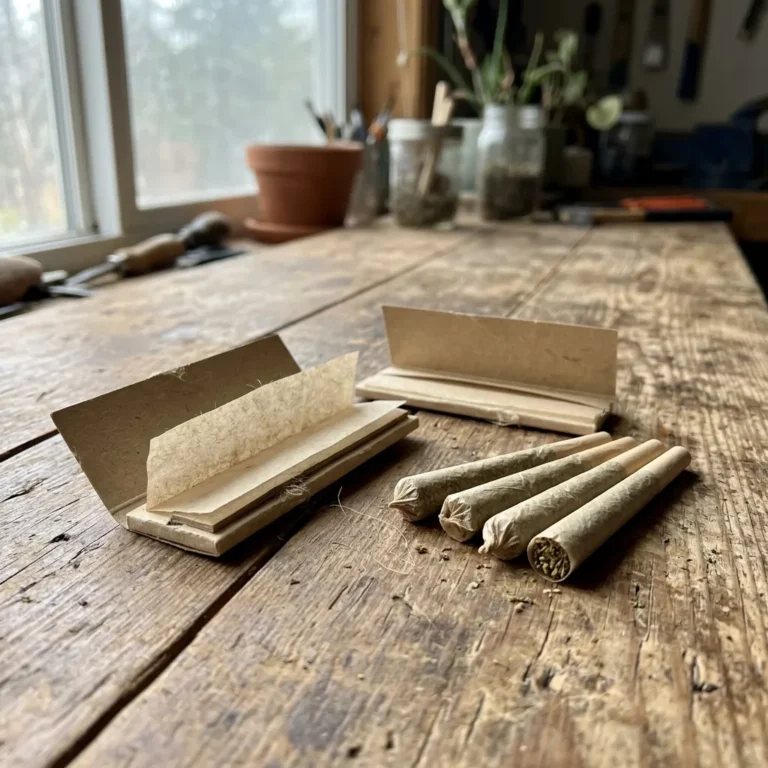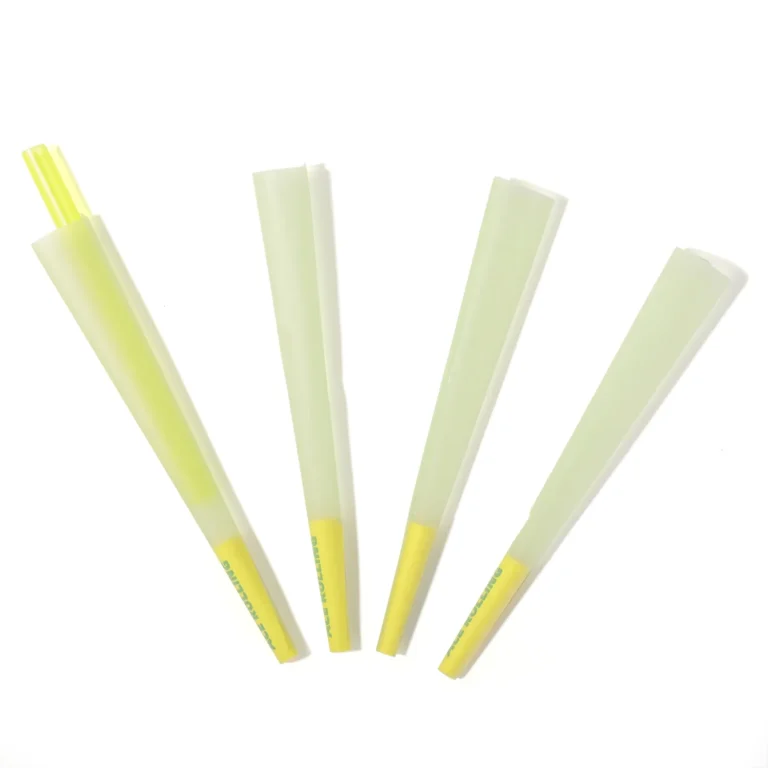

Are thicker rolling papers better? No—not automatically. Thicker papers are usually better for beginners and rough handling because they tear less and forgive mistakes. Thinner papers are often better for flavor neutrality and slower paper-mass burn when you can roll them cleanly. “Better” depends on whether you optimize for ease, taste, session length, or wholesale return rates—not on raw thickness alone.
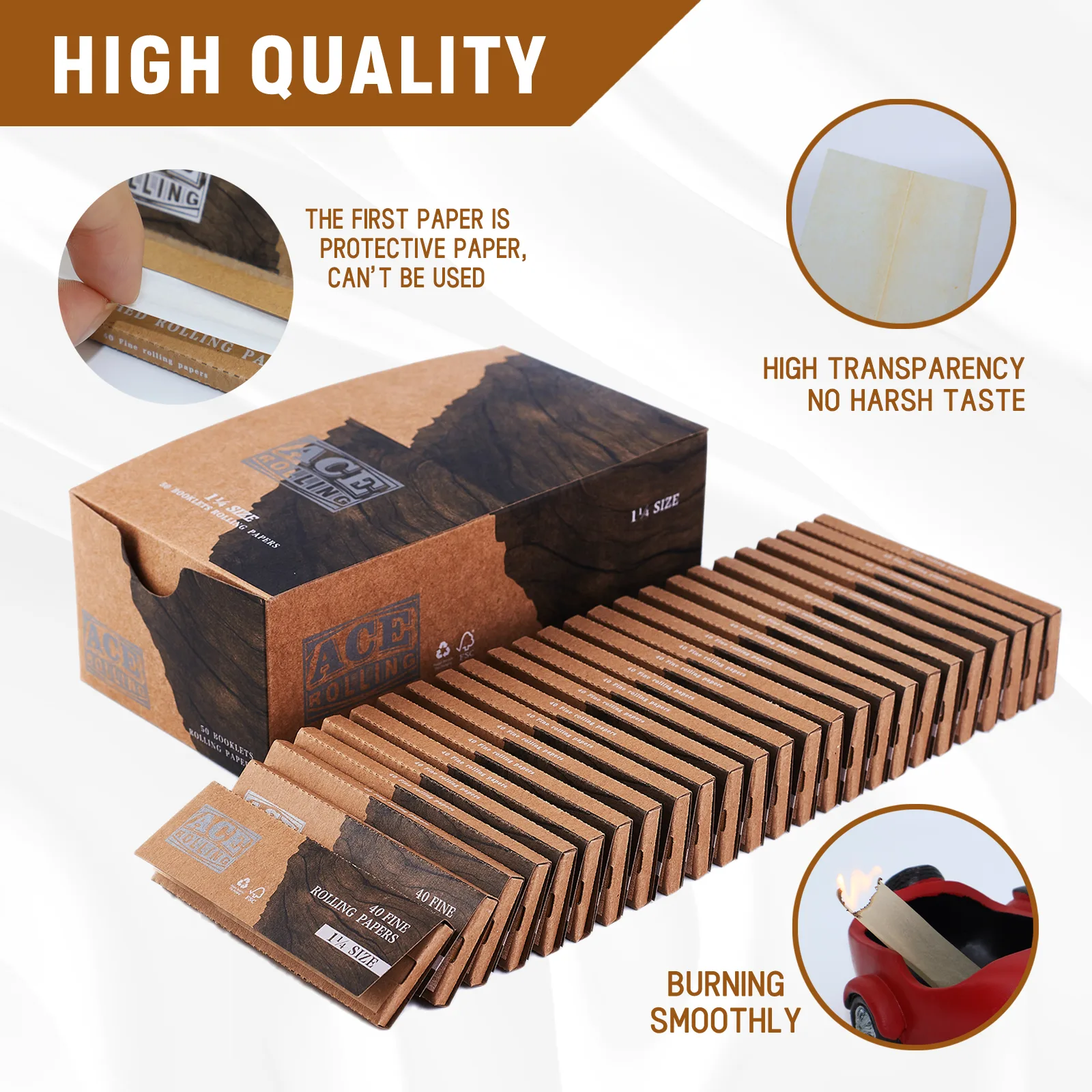
Thickness is measured in GSM (grams per square meter). Guides commonly group papers from roughly ultra-thin teens GSM up through medium and specialty thick ranges. Ace Rolling markets ultra-thin options (including 10gsm positioning on flagship messaging). Confirm the exact GSM on any quotation and sample sheet before you treat a pack claim as a lab spec.
What “Thicker” Actually Changes
| Priority | Thicker papers tend to… | Thinner papers tend to… |
|---|---|---|
| Tear resistance | Hold up under heavier finger pressure | Need gentler handling and better humidity |
| Learning curve | Forgive re-rolls and uneven tucks | Punish rushed technique |
| Paper taste | Can contribute more “paper” flavor | Usually interfere less when well made |
| Burn mass | More paper burning at the tip | Less paper mass if porosity is controlled |
| Outdoor / rushed use | Often more reliable | Better indoors with calm conditions |
A common myth is that thicker always burns longer because it “feels stronger.” In practice, more paper mass can feed a hotter, faster burn if packing and porosity cooperate. Thinner specialty papers are frequently chosen when slow, clean sessions matter more than toughness.
GSM Categories Buyers Actually Use
Use this as a practical map—not as a universal law:
Ultra-thin (about low-teens GSM and below)
- Best for: flavor-first and slow-burn priorities
- Trade-off: higher tear risk; humidity and technique matter more
- Ace note: ultra-thin / 10gsm-style programs sit in this performance lane—sample handling before bulk
Thin (mid-teens to around 20 GSM)
- Best for: experienced rollers who want balance
- Trade-off: still less forgiving than medium packs
Medium (roughly low-20s to ~30 GSM)
- Best for: beginners, social rolls, windy or rushed situations
- Trade-off: may taste more “papery” and burn with more paper presence than ultra-thin specialty sheets
Specialty thick (higher GSM)
- Best for: maximum toughness niches
- Trade-off: often the opposite of premium thin-paper goals
When Thicker Papers Are the Better Choice
Choose thicker / medium GSM when:
- You or your customers are still learning to roll
- You need fewer failed sheets in a busy shop or event setting
- Outdoor wind and humidity swings are common
- Your brand prioritizes “easy roll” over ultra-minimal paper taste
- Training staff to fill cones or demo rolls needs durable paper
For wholesale, medium-thickness lines can reduce complaints about tearing—even if enthusiasts prefer thinner SKUs.
When Thinner Papers Are the Better Choice
Choose thinner / ultra-thin GSM when:
- Flavor preservation is the brand promise
- You want less paper mass in the smoke stream
- Slow, even burn is a merchandising claim you will actually test
- Your audience already rolls well or buys pre-rolls/cones
- You can control storage humidity so sheets do not go brittle or limp
Thinner is only “better” if the sheet survives the roll. A torn ultra-thin pack is worse than a successful medium roll.
Material × Thickness: Do Not Separate Them
Thickness and fiber travel together:
- Rice-style papers often live in ultra-thin ranges and reward careful hands
- Hemp often spans thin-to-medium ranges with stronger handling than the thinnest rice sheets
- Bamboo can support thin eco positioning when engineered well
- Wood pulp commonly anchors beginner-friendly medium programs
A “thick hemp” and a “thin wood pulp” are different products. Specify material + GSM on OEM briefs, not thickness adjectives alone.
How Brands Should Spec Thickness for OEM
If you manufacture a house line with Ace Rolling:
- State target GSM or an approved reference sample
- Name material (wood pulp, hemp, bamboo, etc.)
- Define acceptance: tear feel, burn evenness, taste notes
- Decide booklet vs cone—cones change how thickness is perceived in use
- Approve production-intent samples before artwork lock
Many custom programs start around 2,000 units. Ultra-thin programs need tighter QC conversation because small GSM drift is more noticeable to enthusiasts.
Practical Selection Guide
| Who you are | Start here | Move thinner when… |
|---|---|---|
| New roller | Medium GSM, forgiving hemp or wood pulp | Tears are rare and seals are clean |
| Intermediate | Thin balanced GSM | You want cleaner taste without constant restarts |
| Advanced / flavor-first | Ultra-thin rice-style or premium thin hemp | Environment and technique stay stable |
| Dispensary training / outdoor | Medium toughness SKUs | You add a premium thin SKU for enthusiasts |
| Private label launch | One medium + one thin candidate | Sell-through data picks the winner |
Test with the same flower, grind, and environment. Rank papers on tear rate, seal success, canoeing, and taste—not on which pack feels “stronger” in the hand.
Cones and Thickness Perception
Pre-rolled cones change how thickness feels because the shape is fixed and fill density does more of the work. A medium-GSM cone can still canoe if overpacked; an ultra-thin cone can still perform if filled evenly. Spec thickness and fill method together when you compare booklet papers to cone programs.
Bottom Line
Thicker rolling papers are better for durability and learning. They are not universally better for flavor or slow burn. Match GSM to skill and goal, then sample. For OEM, write thickness into the specification sheet and approve burn and handling before mass production.
Send Ace Rolling your skill/audience target, preferred material, GSM goal, size, booklet vs cone, quantity, and destination for a sample-led quote.
FAQ
Are thicker rolling papers better?
Thicker rolling papers are better for tear resistance and beginner handling, but not automatically better overall. Thinner papers often taste cleaner and can burn with less paper mass when rolled correctly. Choose GSM for your skill and priority, then confirm with side-by-side samples instead of assuming thicker means higher quality.
What GSM rolling paper should beginners use?
Beginners usually do better with medium-thickness papers that forgive mistakes, commonly discussed in the roughly low-20s GSM range in consumer guides. Ultra-thin papers in the low teens GSM tear more easily while learning. Progress thinner after seals and rolls stay consistent, then lock the winner for wholesale or private-label ordering.
Do thicker papers burn slower?
Not reliably. Thicker papers contain more combustible paper mass and can burn hotter or faster depending on packing and porosity. Ultra-thin specialty papers are often chosen when slower paper burn and cleaner taste matter more. Test burn time and canoeing with the same fill before trusting pack slogans.
Can Ace Rolling make papers in different thicknesses?
Yes. Ace Rolling manufactures OEM and private-label rolling papers across material and thickness directions, including ultra-thin options such as programs positioned around 10gsm on flagship messaging. Exact GSM is confirmed on the quotation and samples. Share target thickness, material, size, quantity, and destination for a factory brief.