
卷烟纸中含有哪些添加剂?它们安全吗? 主要添加剂类别包括胶粘剂/胶带、任何漂白或增白工艺,以及偶尔在加工过程中使用的助剂——买家应要求针对其具体SKU提供详细的成分披露和实验室文件,而非依赖对该类别的普遍安全假设。.
如Marijuana Packaging等SERP同行将添加剂透明度视为买家期望。本指南涵盖买家应询问的主要添加剂类别,以及如何在批发采购过程中验证成分披露。.
胶粘剂/胶带由什么制成?
引言:胶条是几乎所有卷烟纸格式中最普遍的添加剂。.
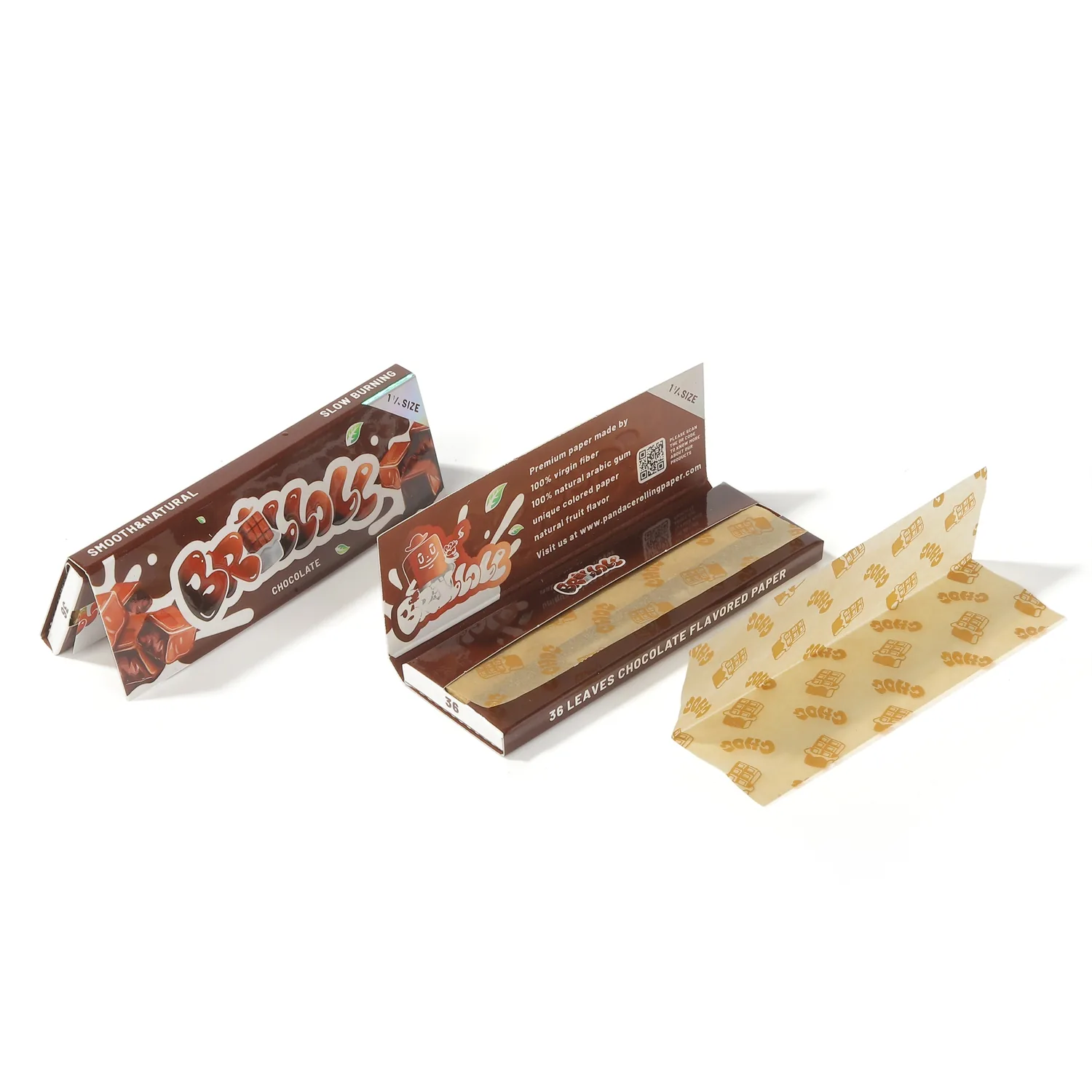
总结:大多数卷烟纸在封口边缘使用天然树胶粘合剂(通常采用天然阿拉伯树胶路线)。成分因供应商而异,因此买家应通过文件确认具体的树胶类型及任何食品级来源声明,而非假设所有“天然树胶”声明均等同。.
| 元素 | 细节 |
|---|---|
| 常见路线 | 天然胶(如阿拉伯胶)粘合剂 |
| 需要验证 | 按供应商确认具体类型和来源 |
| 位置 | 烟叶封口边缘 |
关键要点: 请通过文件确认您特定供应商的胶粘剂成分及来源声明——切勿假设所有“天然胶粘剂”声明完全相同。.
质量文档:https://ace-rolling.com/quality-certifications/。.
漂白或增白过程涉及什么?
引言:白纸通常经过未漂白纸所跳过的加工步骤。.
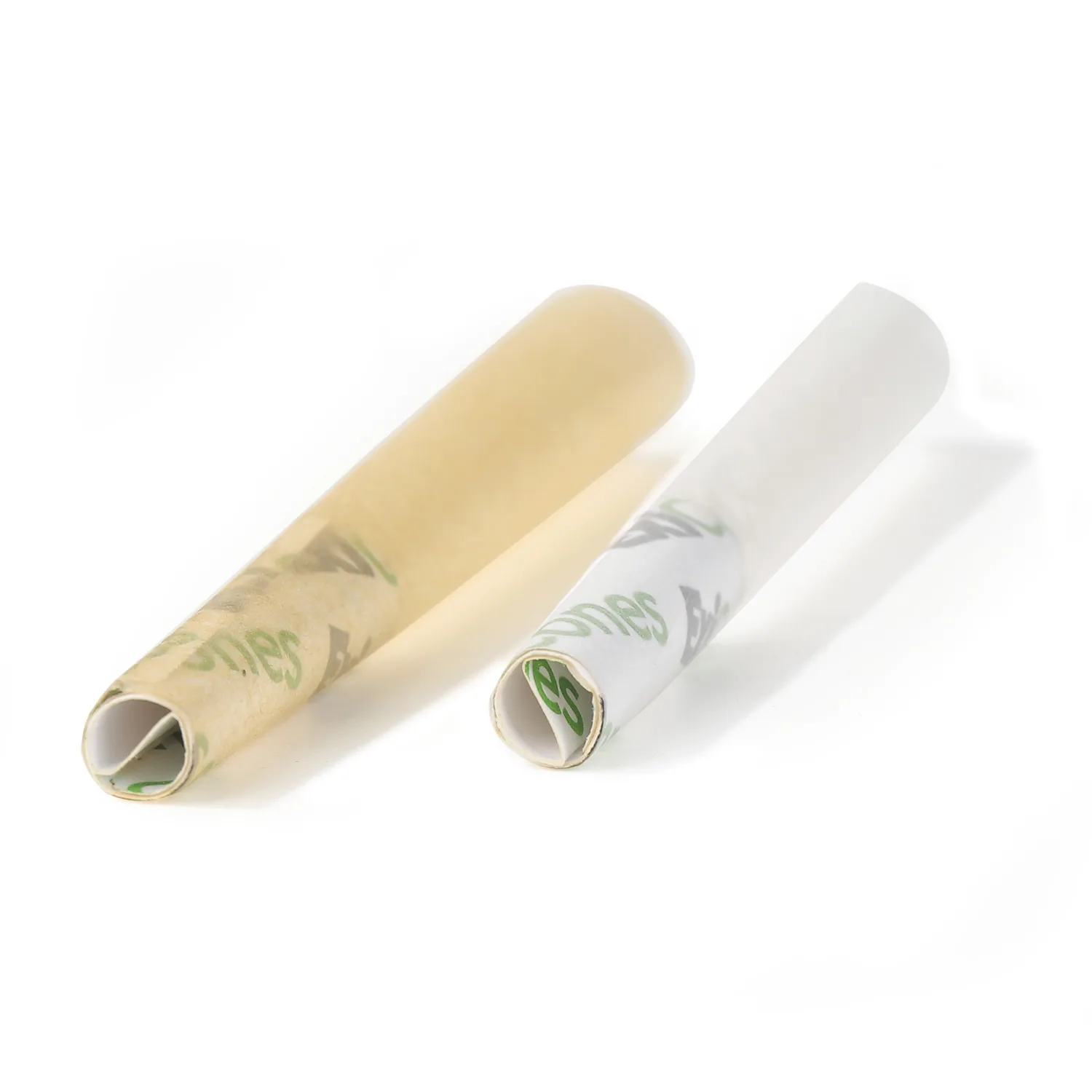
摘要:实现亮白纸张颜色通常涉及纸浆加工过程中的漂白步骤。未漂白或“天然”纸张路线跳过此步骤,保留更偏棕褐色的自然色调。希望避免漂白的买家应选择未漂白纤维路线,而非假设所有白纸都采用相同的漂白方法。.
| 纸张路线 | 漂白参与情况 |
|---|---|
| 白色/亮白纸张 | 通常经过漂白 |
| 未漂白/天然 | 跳过漂白步骤 |
关键要点: 若避免漂白对您的品牌至关重要,请指定采用未漂白纤维路线,而非默认假设采用特定漂白方法。.
材料途径:https://ace-rolling.com/custom-rolling-papers/。.
在转换过程中是否使用了加工助剂?
引言:某些加工化学品可能在制造过程中使用,但不会残留于成品中。.
总结:某些加工助剂可能在纸浆处理或转换过程中使用,这些助剂设计在成品阶段被去除或基本消除。关注残留痕迹的买家应特别要求残留测试数据,而非假设“加工助剂”的表述意味着未经实验室验证即无痕迹残留。.
| 问题 | 为何重要 |
|---|---|
| 使用了哪些加工助剂 | 确认化学投入物的范围 |
| 残留痕量测试 | 通过数据验证去除声明 |
| 路线特定披露 | 因纤维和漂白路线而异 |
关键要点: 要求提供残留物检测数据,而非未经核实便接受“在加工过程中已去除”的笼统声明。.
样品获取流程:https://ace-rolling.com/how-to-get-a-custom-rolling-paper-sample-kit/。.
买家应要求何种成分披露?
引言:书面披露文件比一般安全保证更有用。.
摘要:要求提供书面成分披露,列出纤维类型、胶粘剂类型以及用于您特定SKU的任何漂白或加工步骤。这应与您的实际生产路线挂钩,而非通用的类别声明,因为同一供应商目录中不同纤维和整理选择的成分可能有所不同。.
| 披露要素 | 应明确说明 |
|---|---|
| 纤维类型 | 确切路线(木浆、大麻等) |
| 胶粘剂类型 | 具体成分 |
| 漂白/加工步骤 | 路线特定,非通用 |
关键要点: 要求提供特定SKU的书面披露,而非一般类别声明——同一供应商自身产品目录中的成分可能不同。.
质量与认证:https://ace-rolling.com/quality-certifications/。.
实验室测试如何支持添加剂安全验证?
引言:当有实验室数据支持时,文件声明更具可信度。.
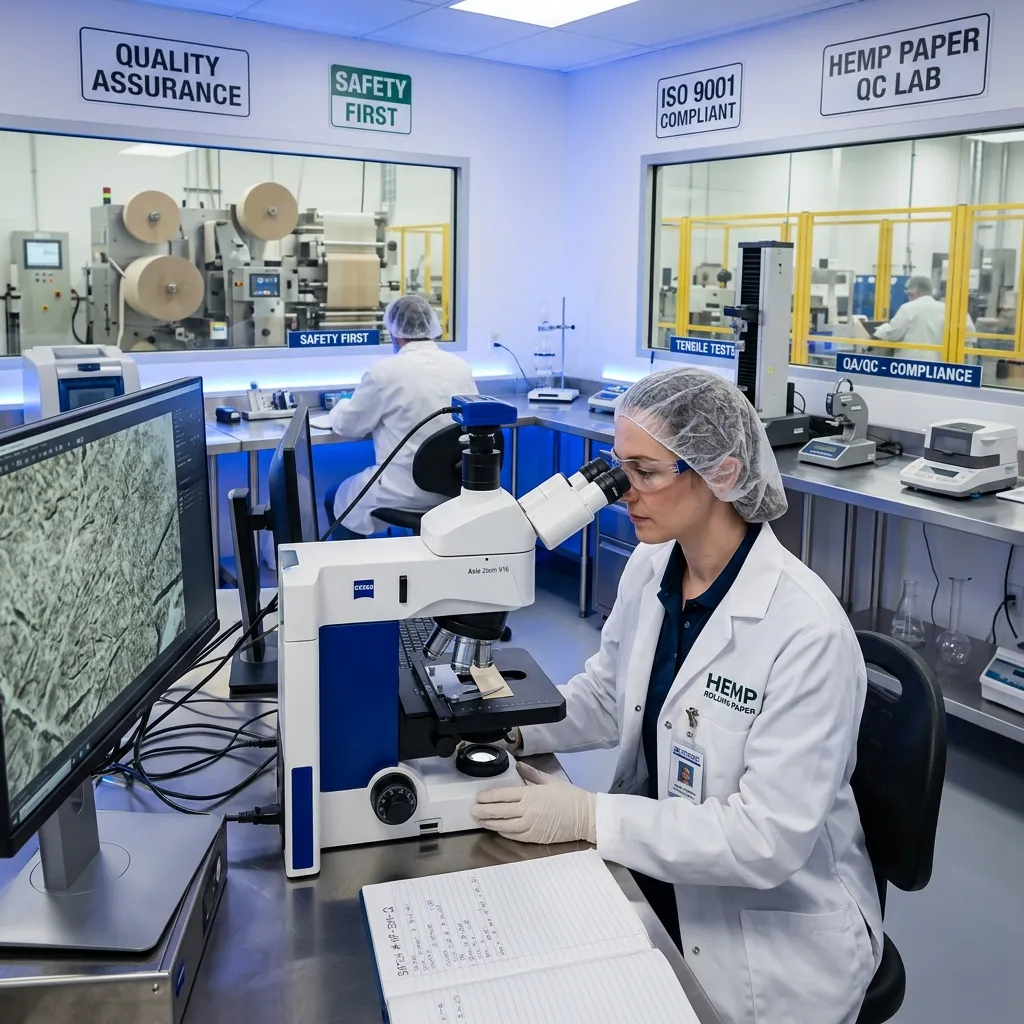
摘要:材料安全证书(区别于大麻素检测)可验证重金属含量、残留物水平及成分是否符合声明标准,为买家提供可独立核查的数据,而非仅依赖供应商的书面披露。将此与成分披露一同要求,以获得更完整的信息。.
| Verification layer | What it adds |
|---|---|
| Written disclosure | States what’s used |
| Lab testing (COA) | Verifies levels independently |
| Combined | Stronger safety verification |
关键要点: Combine written disclosure with lab testing data for a more complete additive safety picture than either alone.
COA guide: https://ace-rolling.com/what-should-a-rolling-paper-material-safety-coa-include/.
What Claims Should Buyers Be Cautious About?
Lead-in: Some marketing language overstates what’s actually verifiable.
Summary: Be cautious of unqualified “chemical-free,” “totally natural,” or “100% safe” claims without supporting documentation, since rolling paper by definition involves some processing (even minimal processing routes involve some steps). Request the specific, checkable claim instead of accepting broad marketing language as a safety guarantee.
| 索赔类型 | Caution level |
|---|---|
| “Chemical-free” (unqualified) | High—verify specifics |
| “100% safe” (unqualified) | High—not independently verifiable |
| Specific, documented composition claim | Lower—checkable |
关键要点: Ask for the specific, checkable claim behind broad marketing language—unqualified “chemical-free” or “100% safe” statements aren’t independently verifiable on their own.
质量文档:https://ace-rolling.com/quality-certifications/。.
How Do You Request Additive Composition Documentation From Ace?
Lead-in: One request specifies your SKU and the documentation you need.
Summary: Send Ace your target product spec (fiber, gum, bleaching route) and request written composition disclosure plus relevant lab documentation for that specific SKU. Build this into your standard sourcing process for every new product line, not as a one-time check.

| 步骤 | 行动 |
|---|---|
| 1 | Specify your target SKU/spec |
| 2 | Request written composition disclosure |
| 3 | Request relevant lab documentation |
| 4 | Repeat for each new product line |
关键要点: Make composition and lab documentation requests standard for every new SKU—not a one-time historical check.
开始:https://ace-rolling.com/contact/。.
常见问题
卷烟纸中含有哪些添加剂?它们安全吗?
The main additive categories are the gum/adhesive strip, any bleaching or whitening processing, and occasionally processing aids used during converting. Rather than relying on general safety assumptions, buyers should request written composition disclosure and lab documentation for their specific SKU to verify what’s actually used and at what levels.
What is the gum strip on rolling papers typically made of?
Most rolling papers use a natural gum adhesive, commonly a natural Arabic gum route, along the sealing edge. Composition can vary by supplier, so buyers should confirm the specific gum type and any food-grade sourcing claims with documentation rather than assuming all “natural gum” claims across different suppliers are identical in composition or sourcing.
Does white rolling paper always involve a bleaching process?
Typically yes. Achieving a bright white paper color generally involves a bleaching step during pulp processing, while unbleached or “natural” paper routes skip this step and retain a more tan or brown natural tone. If avoiding bleaching matters to your brand, specify an unbleached fiber route rather than assuming a particular bleaching method by default.
How can I verify that processing aids don’t remain in the finished paper?
Request residue testing data specifically rather than accepting a general “removed during processing” claim without lab verification. Some processing aids used during pulp processing or converting are designed to be eliminated by the finished stage, but the only way to confirm this for your specific product is through documented residue testing, not marketing language alone.
What should I be cautious about when a supplier claims their paper is “chemical-free”?
Be cautious of unqualified “chemical-free,” “totally natural,” or “100% safe” claims without supporting documentation, since rolling paper by definition involves some processing, even in minimal-processing routes. Ask for the specific, checkable claim behind the marketing language—composition disclosure and lab data are more useful than broad, unqualified safety statements.
How is a material safety COA different from a written composition disclosure?
A written composition disclosure states what fiber, gum, and processing steps are used for a specific SKU. A material safety COA (certificate of analysis) independently verifies heavy metal levels, residue levels, and composition against a stated standard through lab testing. Combining both gives buyers a more complete additive safety picture than either alone.
Ready to Verify Additive Composition for Your Order?
Request written composition disclosure and lab documentation for your specific SKU before committing.
- COA guide: https://ace-rolling.com/what-should-a-rolling-paper-material-safety-coa-include/
- 质量与认证:https://ace-rolling.com/quality-certifications/
- 报价:https://ace-rolling.com/contact/