
Is selling rolling paper legal in India? Often yes at the national level—rolling papers are generally treated as smoking accessories or consumer paper goods, not as narcotic drugs under the NDPS Act—but state prohibitory orders and tobacco-control rules can still restrict sale, storage, or display. Sellers should verify the destination state before stocking.
This guide is for retailers, wholesalers, importers, and private-label brands. It is informational only and not legal advice. Indian enforcement and court interim orders change; confirm with local counsel and the latest government notifications before you import, advertise, or sell.
Short Answer for Sellers
| Question | Practical baseline (verify locally) |
|---|---|
| Is the paper itself an NDPS “drug”? | Generally no—guides like Smoothmix treat blank rolling paper as a non-narcotic accessory |
| Can shops sell rolling papers in many Indian cities? | Often yes, as open retail/online trade, with general business licenses |
| Is there one national “rolling paper license”? | Smoothmix-style summaries say vendors usually need ordinary trade compliance, not a special paper-only license |
| Do age / school-zone rules matter? | Yes—COTPA-style tobacco accessory rules commonly apply (18+ baseline; near-school limits) |
| Can a state ban sale anyway? | Yes—Gujarat issued a Dec 2025 statewide order against sale/storage/distribution of rolling papers and similar cones |
| Do airports ban personal packs? | Smoothmix: papers are not listed as prohibited CISF items; commercial volumes invite questions |
Bottom line: selling is commonly lawful where no local ban applies, but “legal under NDPS” ≠ “legal in every state storefront today.”
Why Rolling Papers Are Usually Not Treated as NDPS Drugs
The Narcotic Drugs and Psychotropic Substances (NDPS) Act, 1985 focuses on controlled substances—cultivation, manufacture, possession, and sale of listed narcotics and psychotropics. Consumer explainers (Smoothmix, Lit, and similar India lifestyle brands) emphasize the same split:
- Illegal under NDPS: listed drugs and related trafficking/possession offenses
- Typically outside that list: inert rolling sheets and gum strips used as a delivery wrapper
Smoothmix’s travel-and-sales guide puts it plainly: rolling papers do not contain tobacco, nicotine, or psychoactive ingredients by themselves, so they are framed as accessories rather than controlled substances. That is why blank papers appear widely on Indian ecommerce and in smoke/pan shops in many cities.
Intent and context still matter. The same guide notes that paper found with unlawful materials can be seized as part of a broader investigation. For sellers, that means:
- Do not market papers as tools for illegal drug use
- Keep invoices, GST, and trade licenses clean
- Separate retail paper SKUs from any illicit product (never stock or ship together)
- Train staff not to “wink” at prohibited use in ads or in-store talk
Paper can be a neutral object; your commercial messaging should stay neutral too.
What Rules Usually Apply When You Sell
Even where papers are not banned as a category, selling is a regulated trade activity, not a free-for-all.
Trade and tax basics
Most summaries say India does not require a unique “rolling paper license,” but sellers still need ordinary retail/wholesale registrations that fit their state and channel (shop license, GST where applicable, ecommerce seller terms). If you sell papers next to tobacco, expect tobacco-adjacent compliance habits: age checks, advertising limits, and local health-department scrutiny.
Age limits (COTPA baseline)
Under the Cigarettes and Other Tobacco Products Act (COTPA), 2003 framework as summarized by Smoothmix, the legal age to purchase tobacco and related accessories is commonly treated as 18 years nationally. Some states have pushed or proposed 21 for stronger youth protection. Reputable online and offline sellers run age gates at checkout or counter.
Failure to keep minors out of the sale can mean fines, seizures, and license risk—even when the paper category itself is allowed.
Distance from schools
COTPA-style practice also restricts sale of tobacco products and related accessories within 100 yards of educational institutions. Local officers enforce this unevenly, but for a planned retail footprint it is a hard layout rule: do not put rolling-paper inventory in a kiosk that fails the school-zone test.
Online vs offline
Smoothmix notes papers are common on major portals and in pan shops, lifestyle stores, and specialist counters in cities such as Delhi, Mumbai, and Bengaluru. Online sellers should still:
- Age-verify
- Avoid youth-facing creatives
- Check whether the buyer’s state has a prohibitory order
- Keep authenticity documentation if you sell branded imports

State Rules Can Override the “Generally Legal” Story
Central NDPS framing does not freeze every state’s police or public-health powers. Smoothmix flags that states may tighten promotion or distribution under local police acts, COTPA enforcement, or temporary orders (it cites proactive tobacco-control climates such as Kerala and exploratory accessory crackdowns elsewhere).
Gujarat (December 2025 notification)
Major Indian outlets reported that on 16 December 2025 the Gujarat Home Department imposed an immediate statewide prohibition on the storage, sale, distribution, and circulation of cigarette rolling papers and similar smoking cones/accessories, citing youth substance-abuse and health concerns. Enforcement raids and seizures followed in Ahmedabad and elsewhere; alleged violations were linked in reporting to disobedience of public-servant orders under the Bharatiya Nyaya Sanhita framework.
Later court reporting (including Indian Express coverage of Gujarat High Court interim relief) shows traders challenging the notification’s validity, with stays on some FIR proceedings and directions about seized goods while the dispute continues. Do not treat a news headline—or this article—as a live compliance certificate. If you sell into Gujarat, get current counsel and the latest order text before moving stock.
Practical takeaway for multi-state sellers
| Market posture | Action |
|---|---|
| States with open retail practice | Sell with licenses, age gates, school-zone compliance |
| States with prohibitory notifications | Pause sale/storage/ads until counsel clears the current order |
| Pan-India ecommerce | Geo-block or suppress SKUs for restricted destinations |
| Import into India | Align customs description with papers/accessories; expect questions on commercial volumes |
Airport Checks and Travel (Domestic and Abroad)
Searchers often land on Smoothmix’s travel section for the same keyword cluster. The commercial lesson for sellers is quantity and cleanliness.
Domestic India flights (Smoothmix summary):
- CISF focuses on weapons, explosives, and narcotics—not blank paper booklets as a listed prohibited item
- A personal pack in hand baggage rarely draws attention when nothing illicit is present
- Commercial cartons without trade paperwork can trigger Customs or security questions
International travel:
Destination law controls. Many Western markets treat papers as ordinary accessories; some zero-tolerance jurisdictions may still secondary-screen smoking accessories. Sellers shipping samples abroad should use clear packing lists (“rolling papers / smoking accessories—no tobacco/nicotine”) and never include controlled substances.
If you are a brand shipping B2B samples through airports, pack like a trader: invoice, contact, and destination business details beat mystery bulk boxes every time.
Branded Papers, Counterfeits, and “Is OCB Illegal?”
Smoothmix addresses a common myth: popular brands such as OCB are not illegal merely because of counterculture association. Genuine imports or duly manufactured goods are treated as ordinary consumer products where sale is otherwise allowed.
What *is* illegal is counterfeit distribution—fake RAW/OCB-style packs violate intellectual property and consumer-protection rules and invite seizures regardless of NDPS. For Indian sellers:
- Source from authorized channels or documented OEM private label
- Avoid “too cheap” lookalike cartons
- Keep batch photos and supplier invoices
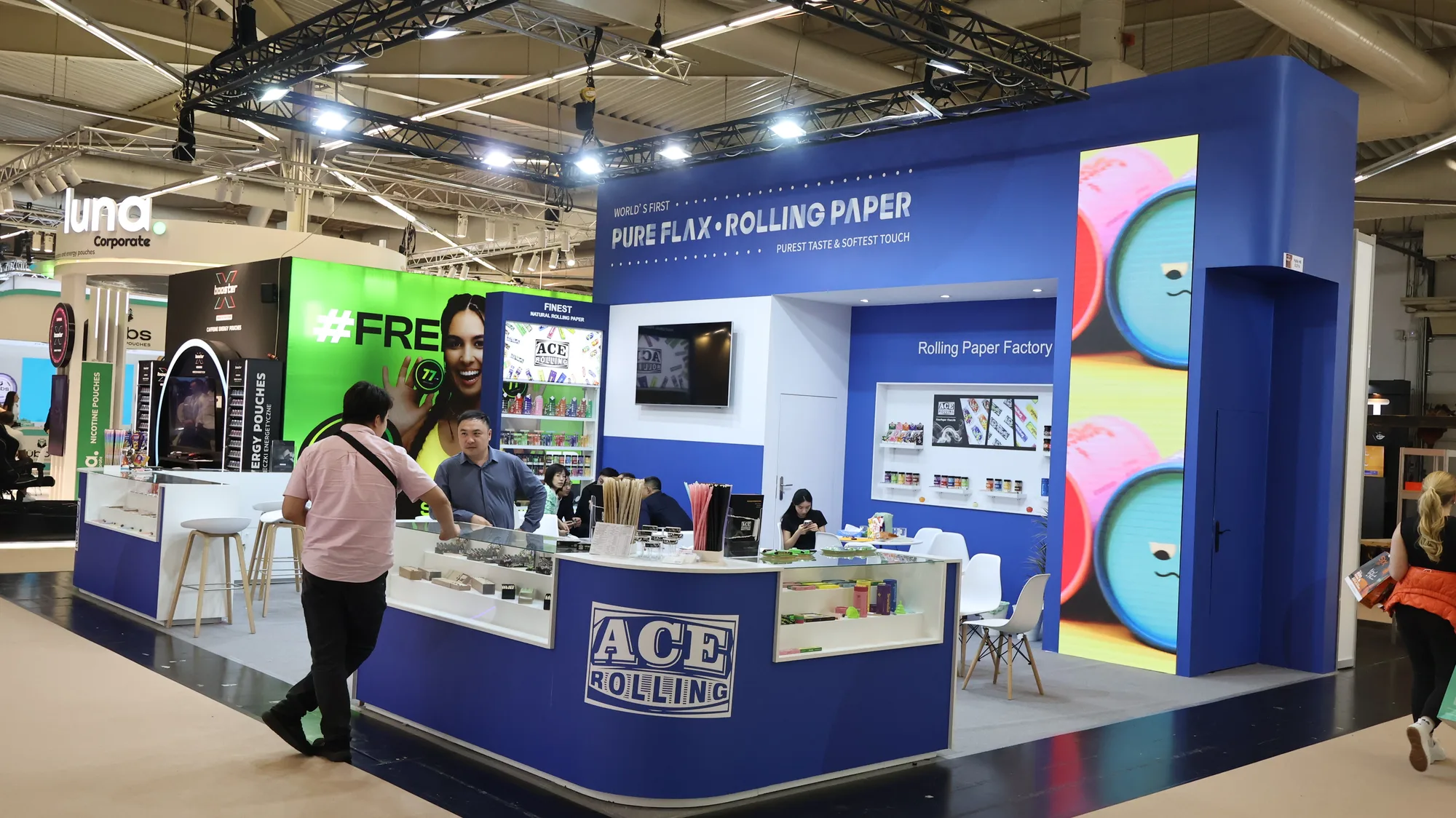
Ace Rolling manufactures private-label / OEM rolling papers and packaging. Ace does not manufacture RAW, Rizla, or OCB brand products. If your India plan needs custom booklets for markets where sale is permitted, build your own trademarked line instead of risking counterfeit gray stock.
Seller Checklist Before You Stock India
- Confirm state-level orders for every warehouse and ship-to pin code
- Register ordinary trade/GST (or equivalent) for your channel
- Enforce 18+ (or higher state age) at every sale point
- Map stores against 100-yard school restrictions
- Write ads that do not promote illegal drug use
- Separate clean paper SKUs from any tobacco/drug enforcement risk
- Prefer authentic or private-label programs—skip counterfeits
- For imports: match invoice description, HS codes advice from your broker, and commercial quantity paperwork
- Keep retain samples and lot codes for disputes
- Re-check rules after major news (new state notifications or court stays)
Private Label When Sale Is Allowed
Where your counsel confirms sale is open, differentiate with material, size, print, and compliant packaging—not with illegal-use marketing. Ace Rolling supports OEM/ODM booklets and packaging systems for brands that already own their market-compliance plan. Typical factory planning uses about MOQ ~2,000 and roughly ~2 months concept-to-delivery after approvals (mass production often about 4–5 weeks after final sign-off)—confirm current capacity on quote.
See Custom Rolling Papers and OEM/ODM Solutions. To request samples or a quote, contact Ace Rolling with destination state/country, formats, artwork status, age-gating plan, and estimated quantity.
Related Reading
- How to start your own rolling paper company?
- Can you get custom rolling papers?
- How are custom rolling papers made?
FAQ
Is selling rolling paper legal in India?
Often yes under the national NDPS framing: blank rolling papers are generally treated as smoking accessories, not listed narcotic drugs, so retail and wholesale sale is common with ordinary trade compliance. State prohibitory orders—such as Gujarat’s December 2025 notification—can still ban sale or storage locally. Verify each destination before you stock or advertise.
Do I need a special license only for rolling papers?
Consumer guides such as Smoothmix say sellers usually do not need a unique “rolling paper license,” but they must hold general trade registrations and follow tobacco-accessory rules when papers are sold as smoking accessories. Age checks, school-zone limits, GST/shop licenses, and any live state ban still apply. Ask a local lawyer for your exact channel.
Can I carry rolling papers through Indian airports?
Smoothmix reports that blank rolling papers are not listed as CISF prohibited items for hand or checked baggage, so personal packs are generally fine when no illicit substances are present. Commercial quantities without trade documents may draw Customs questions. International trips must also obey the destination country’s accessory rules.
Are OCB or other famous brands illegal in India?
No—brand popularity alone does not make a genuine rolling paper illegal where sale is otherwise allowed. Smoothmix notes the bigger commercial risk is counterfeit lookalikes, which violate IP and consumer laws. Buy authentic stock or launch a documented private-label program instead of gray-market fakes.
Can Ace Rolling supply papers for an India-bound brand?
Ace Rolling can manufacture private-label booklets and packaging for brands that already confirm destination rules with counsel. We do not certify Indian legality or clear state bans. Share allowed ship-to states, formats, artwork, and quantity when you request samples or a quote.