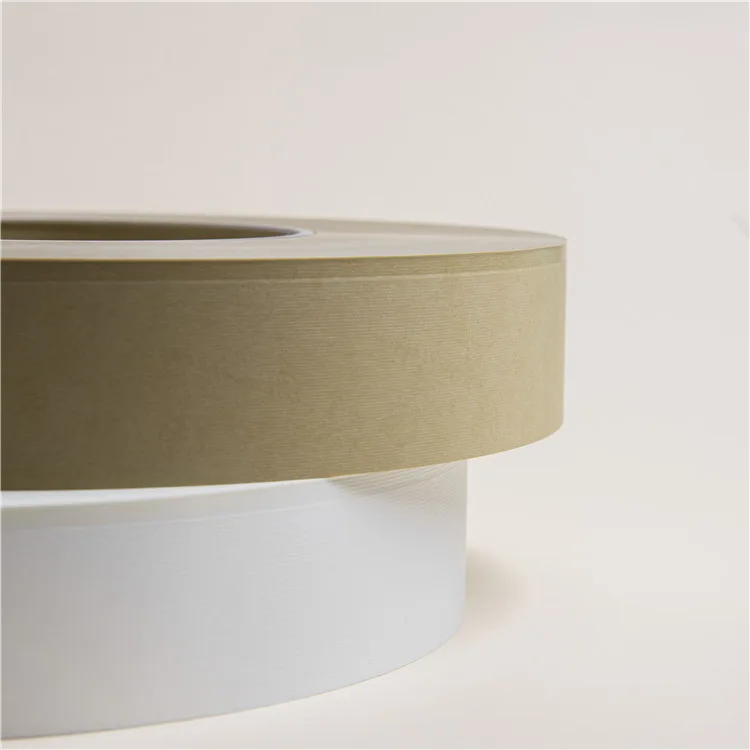

What are OCB papers made of? Plant fibers plus a natural gum edge—not one single mystery sheet for every SKU. OCB’s own production messaging lists organic hemp, flax, forest-certified wood, rice, and bamboo as fiber options, finished with natural acacia gum (also called Arabic gum) from Africa. Distributor history pages such as DAA Brands’ OCB overview add France manufacturing context and note hemp from Champagne co-ops and rice from the Camargue for their sourcing story.
Ace Rolling does not manufacture OCB. Ace makes Signature and OEM papers in hemp, bamboo, and wood-pulp directions with Arabic gum on applicable programs. Read the pack for the exact OCB line you hold; materials vary by SKU.
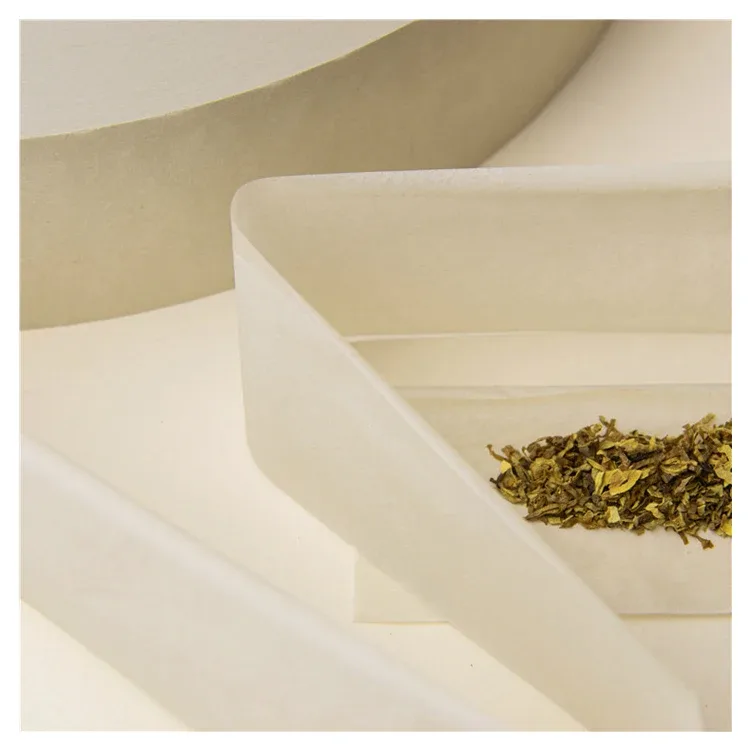
Short Answer Table
| Component | What OCB publicly describes | Notes |
|---|---|---|
| Sheet fiber | Organic hemp, flax, FSC/wood, rice, bamboo | SKU-dependent—not every pack is hemp |
| Processing claims | GMO-free; vegan; no dyes / chlorine bleaching on cited ranges | Confirm on the specific booklet |
| Gum | Natural acacia / Arabic gum from Africa | Seal strip, not the whole leaf |
| Filters (accessories) | Cellulose / paper filter lines (some FSC) | Tips are not the rolling leaf |
| Packaging | Often paper/recycled focus; vegetable inks on many packs | Separate from leaf fiber |
DAA Brands (Canada OCB distribution) states OCB booklets and cones sold there use natural Acacia gum responsibly harvested from Africa’s Sahel region, and emphasizes French milling/converting heritage.
The Plant Fibers (By Type)
Organic hemp
OCB positions organic hemp as a core natural line—French-grown hemp messaging appears on sustainability pages (straw-to-fiber strength at high thinness). Unbleached hemp SKUs target rollers who want a plant-forward, less-processed look.
Rice
Rice fiber lines (including brown rice ranges in some catalogs) continue the thin, low-interference tradition. DAA’s history page ties rice fiber sourcing to the Camargue delta region in its France supply narrative.
Flax
OCB lists flax among sustainably managed fibers on its production journey. Flax has a long European paper tradition and sits in the smooth, quality-paper lane rather than as the only OCB base.
Bamboo
Bamboo appears in OCB’s eco material set and product range as unbleached plant fiber with a fast-growing sustainability story.

Wood pulp (forest-certified)
OCB cites forest-certified / sustainably managed wood pulp among fiber choices. Green-spirit materials copy references European softwood pulp sourcing (e.g., Germany and Sweden track-and-trace framing on OCB pages). Virgin/unbleached wood-style browns sit in this family for many shoppers.

What About the Gum?
Across OCB’s published process, the lickable strip is natural acacia gum (Arabic gum) from Africa—not a synthetic PVA story. Gum is diluted and coated as a precise line after watermarking and bobbin slitting. DAA’s OCB history page repeats natural Acacia gum for Canadian-sold booklets and cones.
Gum is a small mass share of the leaf but a large share of seal reliability and lip taste. Ace Rolling also uses Arabic/Acacia gum on applicable OEM and Signature programs—again, Ace is not OCB’s factory.
What OCB Says It Leaves Out
On production-journey pages, OCB emphasizes papers that are GMO-free, vegan, and free of dyes, additives, chlorine, and bleaching agents for the ranges covered by that claim set. Unbleached lines keep a natural tone. Always verify the booklet in hand—marketing pages describe the brand system; SKU labels win disputes.
Watermarks (including OCB’s lighthouse motif on described processes) thin and mark the sheet; they are process features, not a separate “ingredient.”
France Context From the SERP History Page
DAA Brands’ OCB history narrative highlights:
- Paper-mill roots tied to the Bolloré family and Brittany / Odet–Cascadec story
- OCB brand birth in 1918
- Modern family-owned mill context on Lac Léman (Lake Geneva) foothills framing
- Booklets still made in France; bobbins converted in places such as Perpignan in their telling
- Preference to source within about 500 km of facilities (acacia gum excepted)
- Organic hemp from Champagne farmer co-ops; rice from Camargue
Use that as distributor/brand heritage context, and use OCB’s fiber list for the materials answer.
OCB Materials vs Ace Rolling (Clear Separation)
| Topic | OCB (public brand system) | Ace Rolling |
|---|---|---|
| Makes OCB? | Brand / Republic ecosystem | No |
| Fiber menu | Hemp, rice, flax, bamboo, wood pulp (by SKU) | Hemp, bamboo, wood pulp OEM focus (+ site flax variants) |
| Gum | Natural acacia / Arabic | Arabic/Acacia on applicable SKUs |
| Path for new brands | Buy finished OCB | White-label / custom OEM from ~2,000 units |
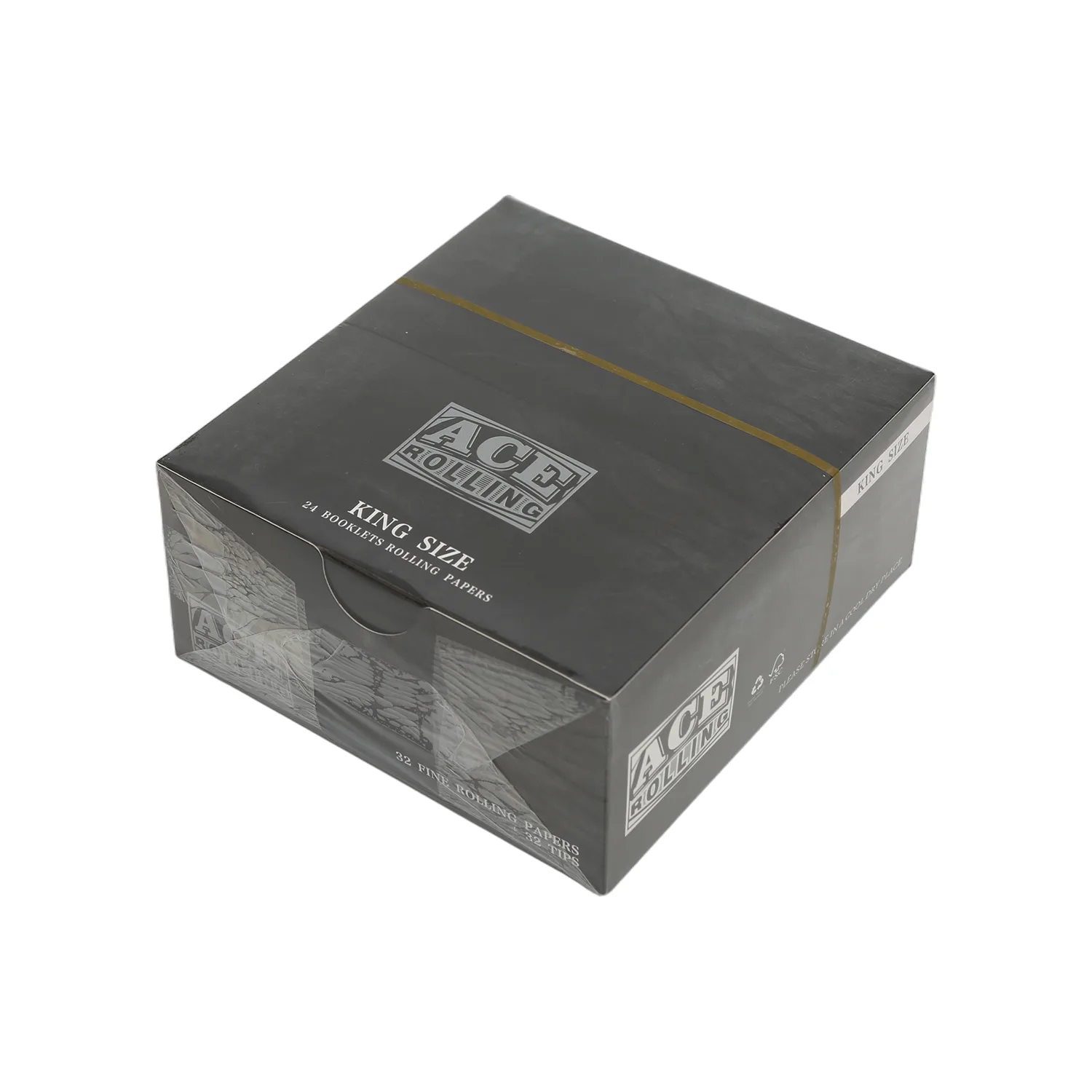
How to Read an OCB Pack
- Fiber name — Organic Hemp, Bamboo, Rice, Virgin, Premium, etc.
- Bleached vs unbleached color language
- “Natural acacia gum” / Arabic gum callout
- Size and leaf count
- Any FSC or recycled packaging marks
Shoppers comparing OCB to other “natural” brands should match fiber + gum + GSM, not logo lore alone. A thin rice OCB and a thicker hemp OCB will not smoke the same even though both sit under one brand umbrella.
If the keyword intent is “what should *my* papers be made of,” start with the same plant-fiber + natural gum brief Ace uses for OEM sampling—then lock GSM and burn on physical sheets.
Bottom Line
OCB papers are made from sustainably framed plant fibers—commonly hemp, rice, flax, bamboo, or wood pulp depending on the line—plus a natural acacia gum seal. Distributor history pages stress French manufacturing and regional fiber sourcing; OCB’s production pages list the fiber menu and African acacia gum. Ace Rolling does not make OCB; Ace builds hemp, bamboo, and wood-pulp programs for its own and private-label brands.
FAQ
What are OCB papers made of?
OCB rolling papers use plant fibers such as organic hemp, rice, flax, bamboo, or forest-certified wood pulp, depending on the SKU, sealed with natural acacia (Arabic) gum from Africa. They are not one universal recipe. Ace Rolling does not manufacture OCB; check each booklet for the fiber named on that pack.
Are all OCB papers made from rice?
No. Rice is part of OCB’s heritage and some current lines, but the brand also publishes hemp, flax, bamboo, and wood-pulp fibers. “OCB” on the cover does not automatically mean rice. Read the product name—Organic Hemp, Bamboo, Brown Rice, Virgin, and others signal different bases.
What gum do OCB papers use?
OCB states it uses only natural acacia gum (Arabic gum) from Africa for the seal strip. DAA Brands’ OCB materials for Canada similarly cite natural Acacia gum from the Sahel region. That gum is applied as a thin line after converting—not mixed through the entire sheet.
Does Ace Rolling make OCB or OCB-style papers?
Ace Rolling does not make OCB. Ace manufactures Signature Collections and custom OEM papers and cones—commonly hemp, bamboo, and wood pulp with Arabic gum on applicable programs—often from about 2,000 units MOQ after samples. Private-label buyers should brief Ace directly rather than expecting OCB trademarked stock.