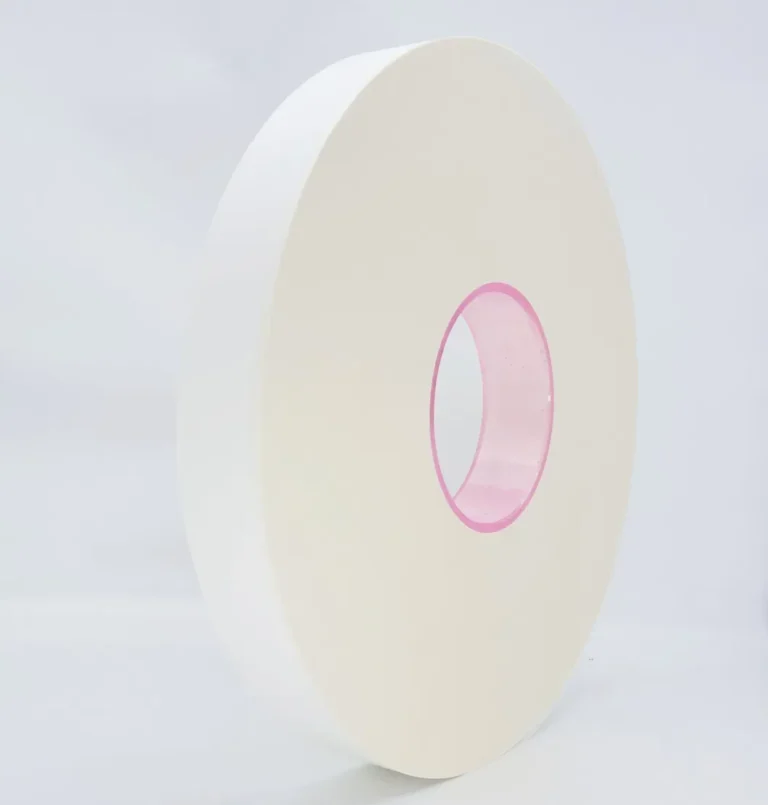

I’ve had brands write “changes the flavor of the fill” on a pack when all they had was a scented sheet and no sensory protocol.
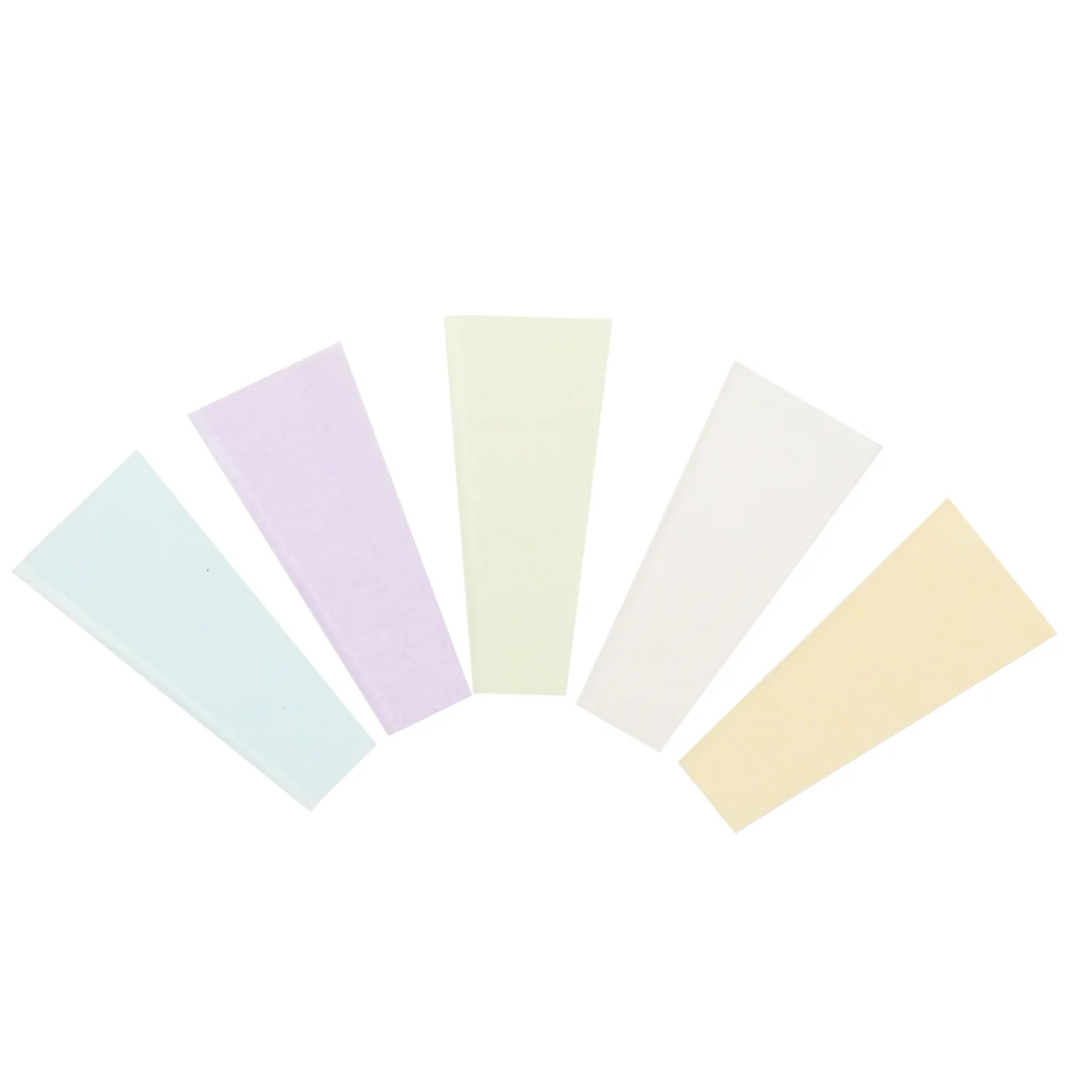
Flavored papers can add a noticeable scent and a light taste at the paper edge, but they do not reliably replace or overwrite the fill; treat any “changes the taste” claim as a marketing risk unless you have a documented sensory check, and decide the SKU on positioning and regulation first, not on a candy-name wishlist.
Read this and you’ll know what flavor actually does on the sheet, so you do not over-claim it on the box.
I’ve covered whether flavored papers are worth stocking at https://ace-rolling.com/is-flavored-rolling-paper-worth-it/ and the wholesale-assortment risk at https://ace-rolling.com/should-brands-wholesale-flavored-rolling-papers/. This piece is only the taste-claim problem.
Where Does the Flavor Actually Sit on the Paper?
I start with location, because “flavored paper” sounds like the whole sheet is a food.
Most commercial flavored routes put aroma in a coating, ink, or gum-adjacent treatment, so the first thing a user notices is smell from the sheet, not a fully flavored fill; if your brief cannot name where the flavor sits, I will not let you write a smoke-taste claim.
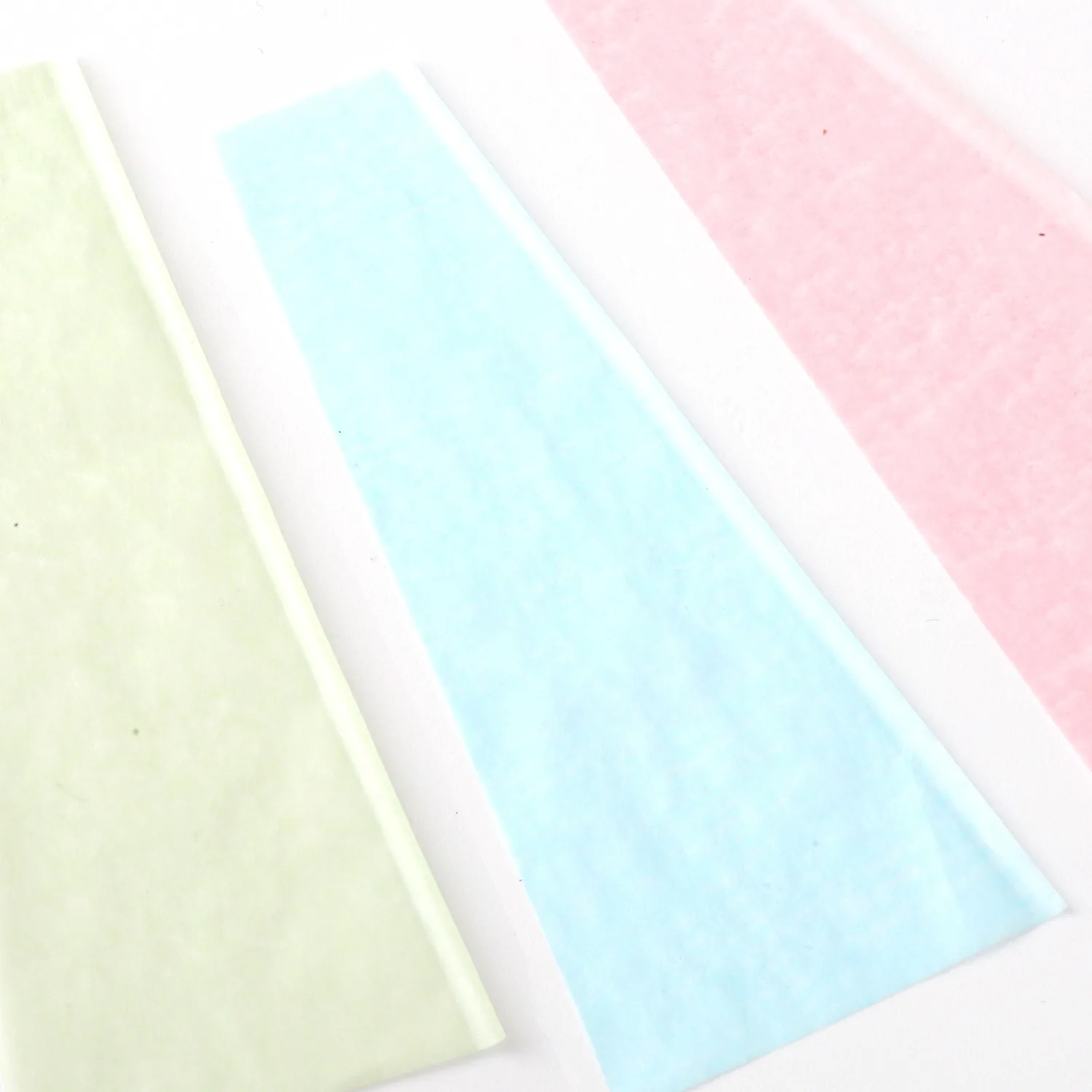
I ask manufacturers for a composition note: flavor in the paper, in the ink, or only in packaging scent. Those three produce different user stories. Packaging scent dies in a warehouse. Ink flavor is a print decision. A sheet treatment is a material decision. Mixing them in copy is how brands get complaint emails that say “I don’t taste anything” and regulator letters that say you implied something you cannot show.
| Flavor location | What users notice | Claim I allow |
|---|---|---|
| Carton scent | Smell in the box | Short-lived aroma |
| Ink | Color plus light note | Print story |
| Sheet treatment | Edge aroma | Aromatic paper, not fill overwrite |
Does That Flavor Transfer Into the Fill, or Just the Paper Edge?
This is the sentence I will not let a brand blur.
In my experience it shows up as a light edge note and aroma, not as a reliable change to the whole fill; users who expect a candy-strength taste in the smoke are the ones who return the SKU, which is why I write taste language as “aromatic paper,” not “flavors the flower.”
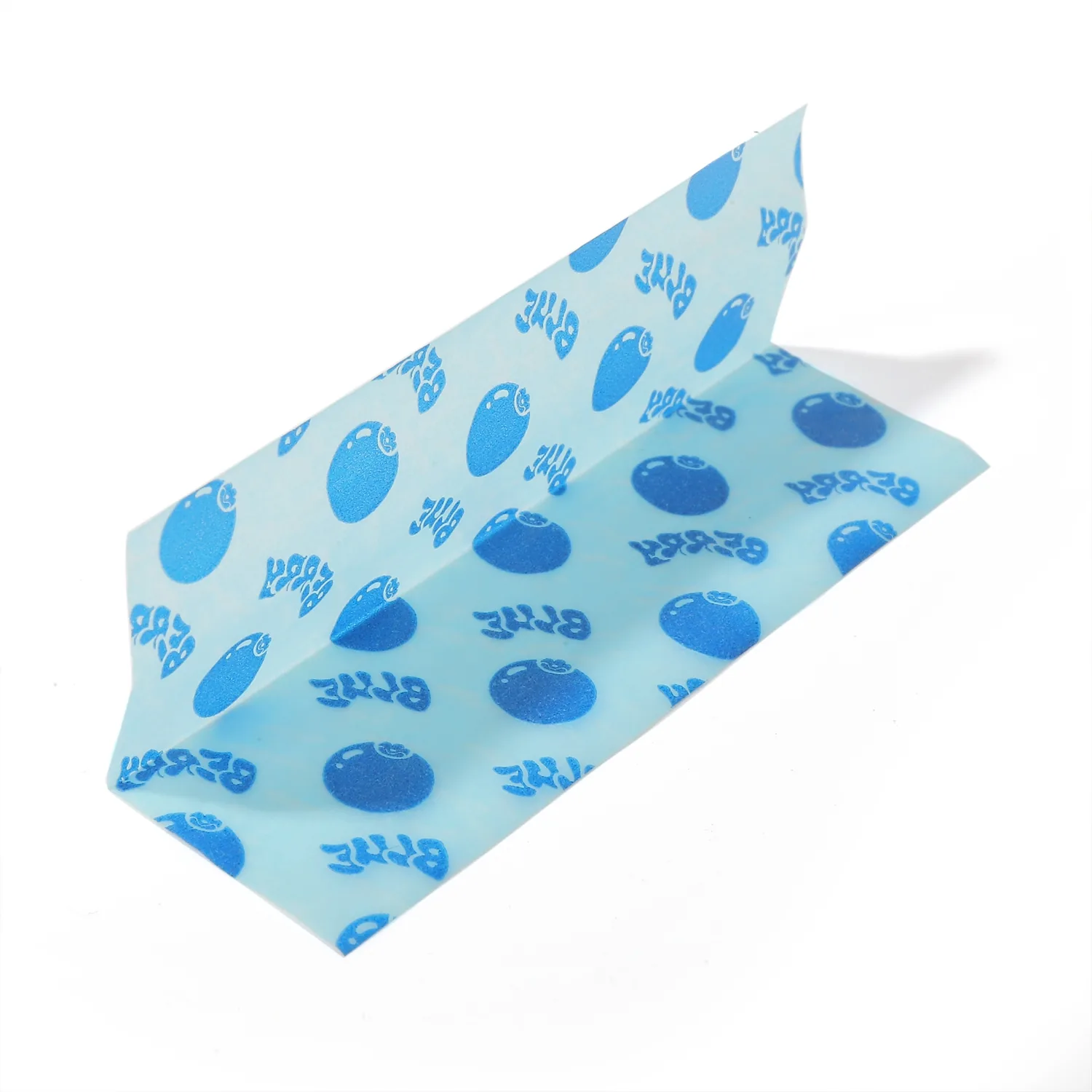
I do not run a public Ace taste panel I can quote here, so I will not invent a percentage of testers. What I will say from buyer complaints: the gap is almost always expectation. If the pack shows a dessert name, people expect dessert in the smoke. If the pack shows a botanical paper story, they accept a light sheet note. Write the second story or do not launch the SKU.
| Copy you want to print | What I allow | What I block |
|---|---|---|
| Aromatic / scented sheet | With composition note | Implied food-strength smoke |
| “Changes the taste of the fill” | Only after a documented check | As a default headline |
| Dessert-named SKU | As a scent story | As a health or food claim |
Can Flavor Clash With the Fill Instead of Helping It?
I raise clash because brands only plan the happy version.
Yes—an aromatic sheet can fight a strong fill instead of “improving” it, which is why I tell brands to smoke-test the actual production fill against the sheet, not against empty paper, before they print a flavor name on a master carton.
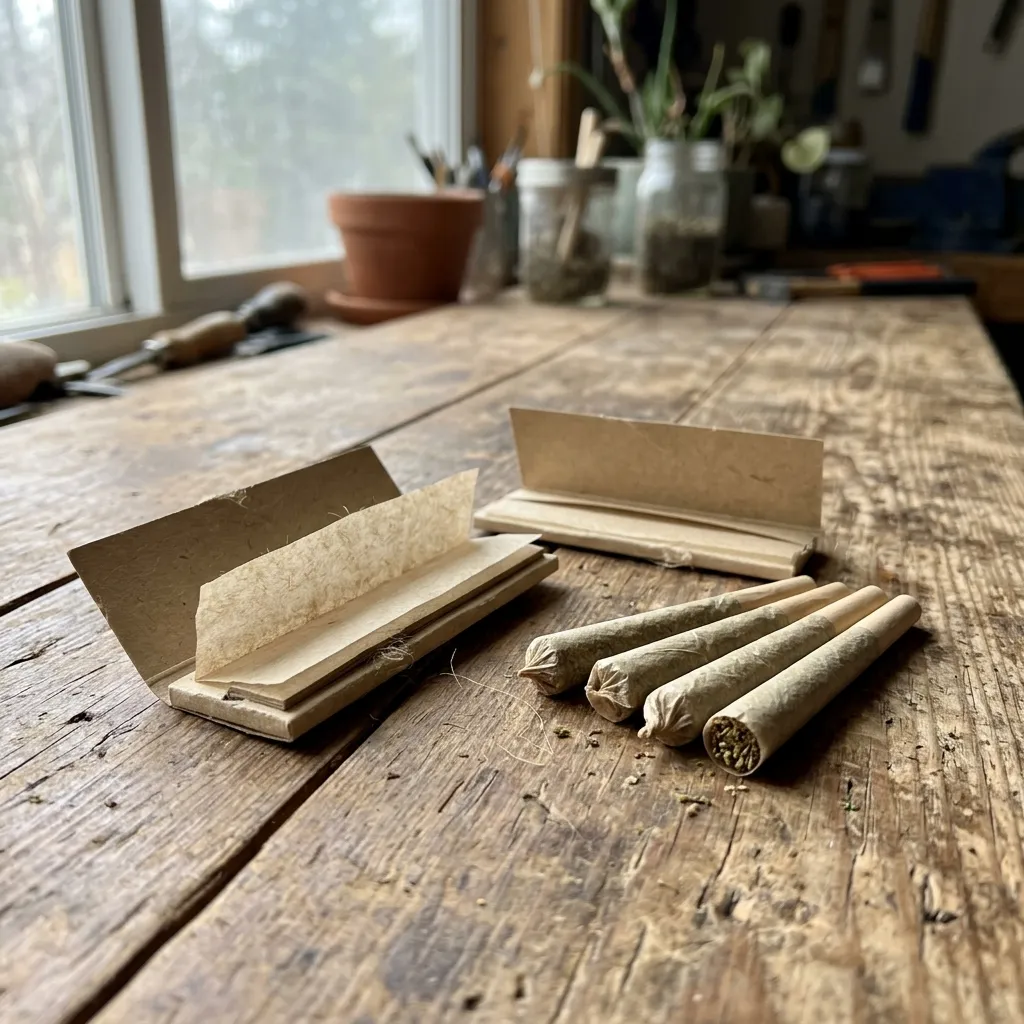
I have seen dessert-named papers next to a brand that already sells a terpene-forward fill. The user does not get “more flavor.” They get two stories in one pull. That is a product problem, not a paper-quality problem. Unflavored unbleached or hemp paper is the cleaner default when the fill is supposed to be the hero.
Do Taste Claims Change the Compliance Conversation?
This is the part I will not treat as optional.
Yes—flavor language can pull you into flavor-product rules that unflavored paper never triggers, so I send California-bound buyers to the legal pieces first and I will not treat a candy name as harmless decoration.
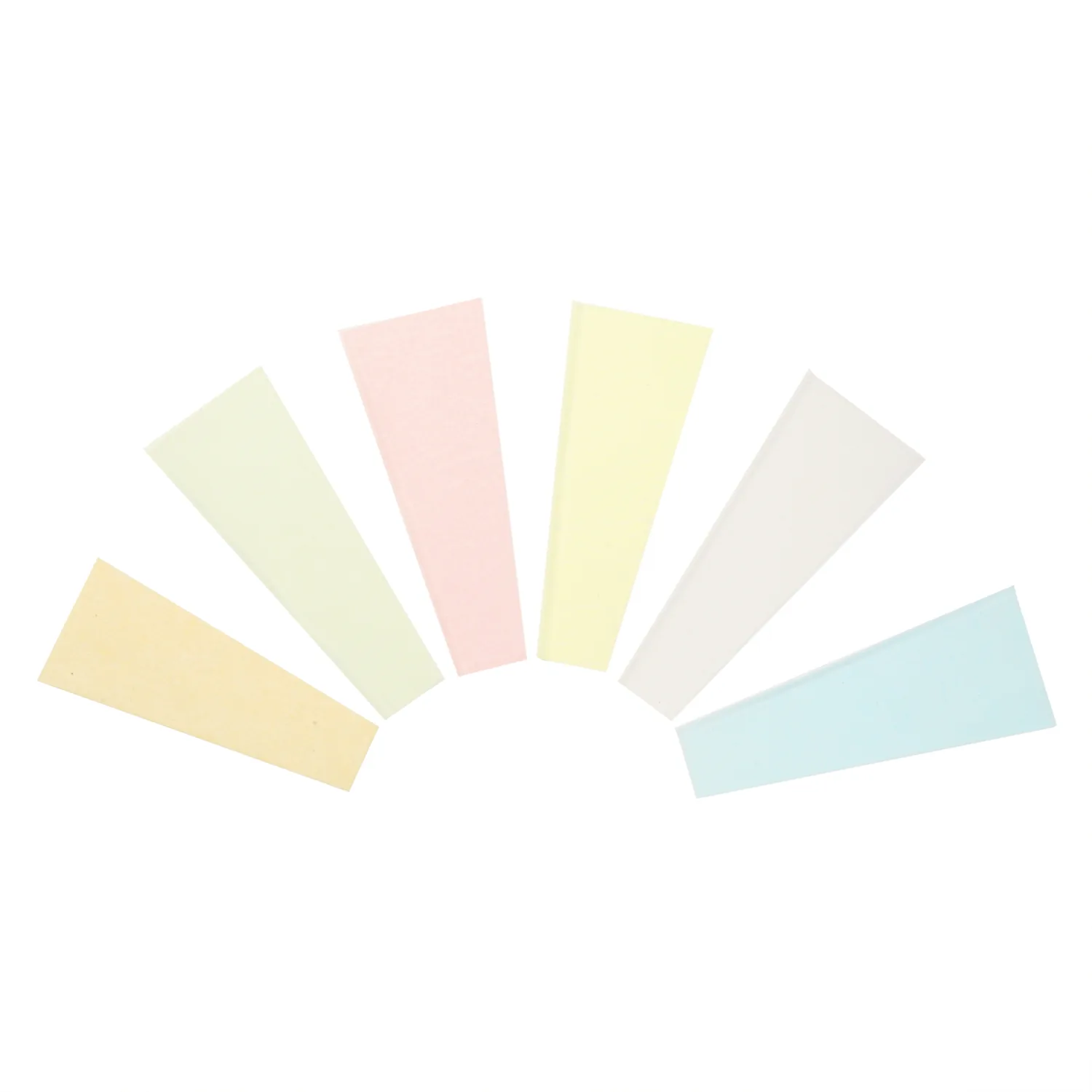
Start with https://ace-rolling.com/are-flavored-rolling-papers-legal-in-california/ if that market is in play. I am not your counsel. I am the factory voice that has watched a flavor SKU freeze a PO after someone finally read the rule. If you cannot name the destination rule, do not brief a flavored paper.
When Do I Still Approve a Flavored Paper SKU?
I’d rather give a narrow yes than a trend yes.
I approve it when the brand is selling paper-as-experience, the destination allows the claim, and the copy stays on sheet aroma—not when a flower brand is trying to fix a bland fill with a scented wrapper.
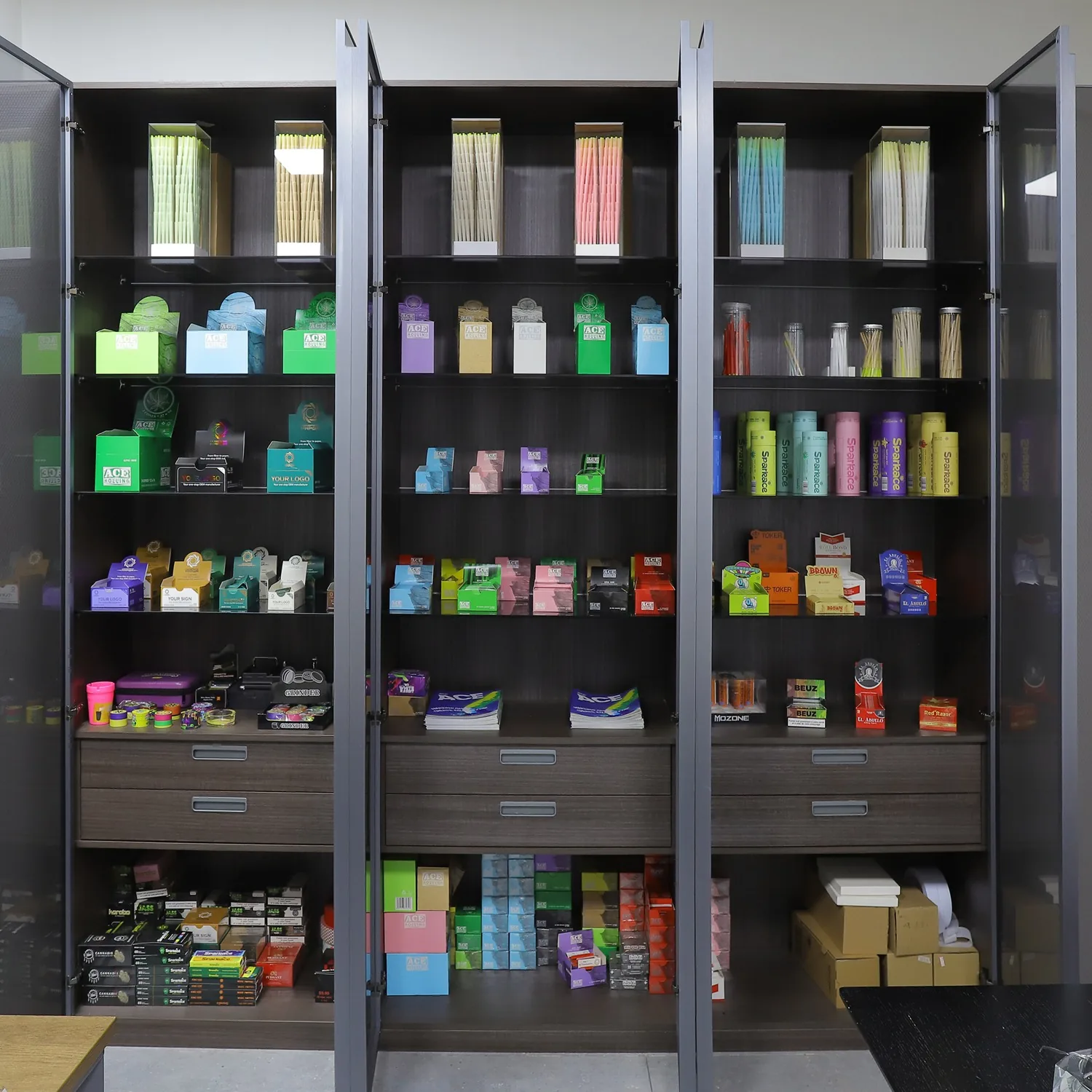
Ace custom booklets quote about USD $0.07–$0.30 wholesale with MOQ, and flavored routes are a separate conversation from our unbleached and hemp defaults. I would rather print a clean unflavored sheet well than add a flavor name you cannot defend. Custom paper options sit at https://ace-rolling.com/custom-rolling-papers/.
How Should You Brief Taste Language to the Factory?
I want the brief to separate smell, taste, and legal.
Write three lines: where the flavor sits, what sentence you will print, and which market must accept that sentence; if any line is blank, I keep the program on unflavored paper until you fill it.
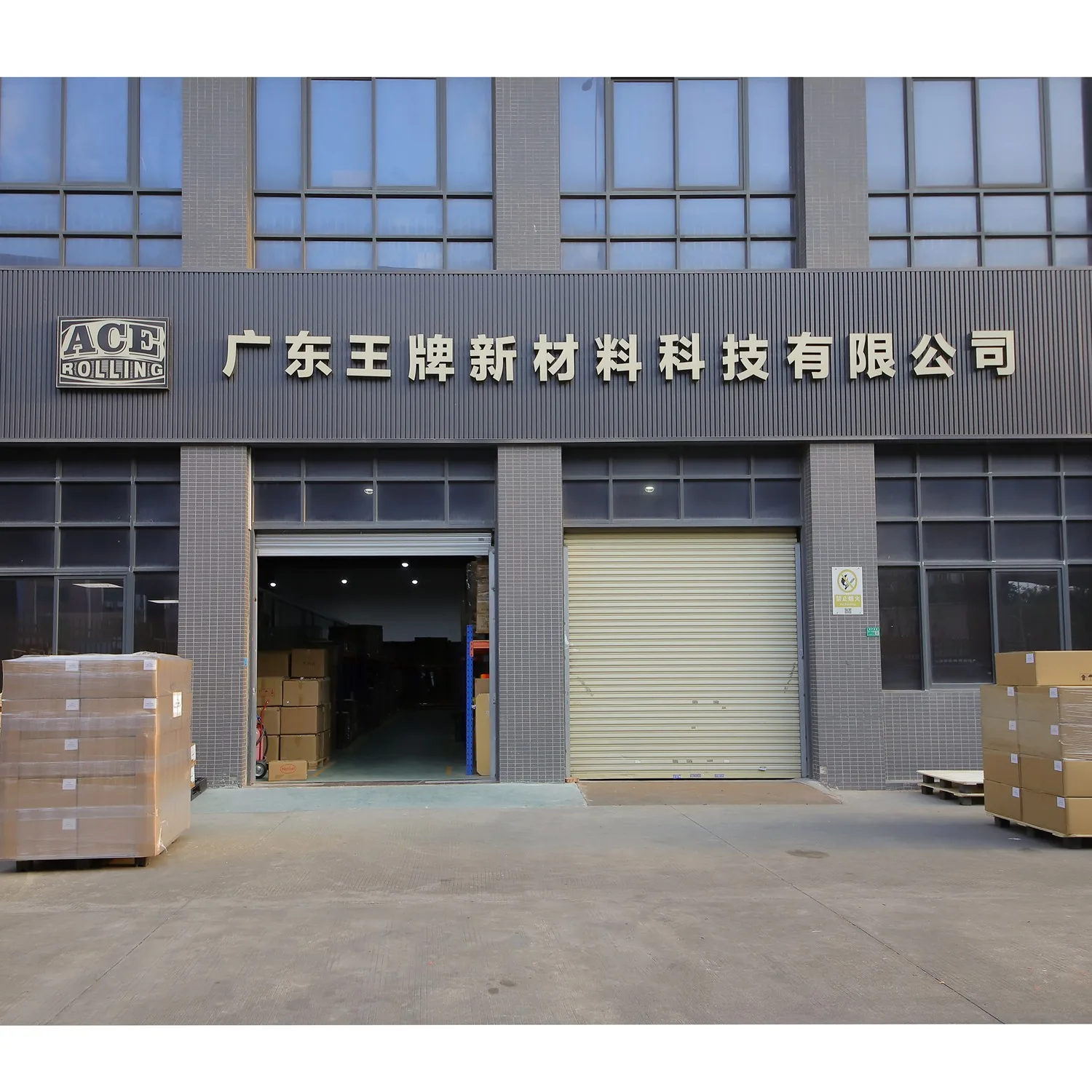
That is the whole taste guide from my side. No invented panel scores. No “it will definitely taste like X.” A factory can apply a treatment. It cannot make your pack copy true.
FAQ
Do flavored rolling papers actually change the taste?
Do flavored rolling papers actually change the taste of the whole fill? Not reliably. They more often add sheet aroma and a light edge note. Write that honestly, or users who expected candy-strength smoke will return the SKU and you will own a claim you cannot document.
Is the flavor in the paper, the ink, or the carton?
Ask for a composition note before you print a sentence. Packaging scent dies in a warehouse. Ink flavor is a print choice. A sheet treatment is a material choice. If the factory cannot name which one you are buying, do not write a smoke-taste claim.
Can a flavored sheet clash with my fill instead of helping?
Yes. An aromatic sheet can fight a terpene-forward or already-strong fill instead of helping it. Smoke-test the production fill against the actual sheet, not against empty paper. If the fill is the hero, unflavored unbleached or hemp paper is the cleaner default.
Does a dessert name on the pack create extra legal risk?
It can. Flavor language may trigger rules that unflavored paper never sees. California-bound buyers should read https://ace-rolling.com/are-flavored-rolling-papers-legal-in-california/ before briefing a candy SKU. I am not counsel; I am the factory that has watched a PO freeze after someone finally read the rule.
When is a flavored paper SKU still worth launching?
When you are selling paper-as-experience, the destination allows the wording, and the copy stays on sheet aroma. It is not a fix for bland fill. Ace booklet programs quote about USD $0.07–$0.30 wholesale with MOQ; flavored routes stay a separate, documented conversation.
Will Ace Rolling write my taste claim for me?
No. I will help you keep the sentence inside what the sheet can actually do. Send where the flavor sits, the exact pack sentence, and the destination market. If any of those is missing, I keep the first run unflavored.
Still Deciding Whether Flavor Belongs on the Sheet?
Send the pack sentence and destination market, and I’ll tell you if it should stay unflavored.
- Custom rolling papers: https://ace-rolling.com/custom-rolling-papers/
- Quality & certifications: https://ace-rolling.com/quality-certifications/
- Quote: https://ace-rolling.com/contact/